Refine
Estimated Years UndatedClear
34,161 results foundRefine Search
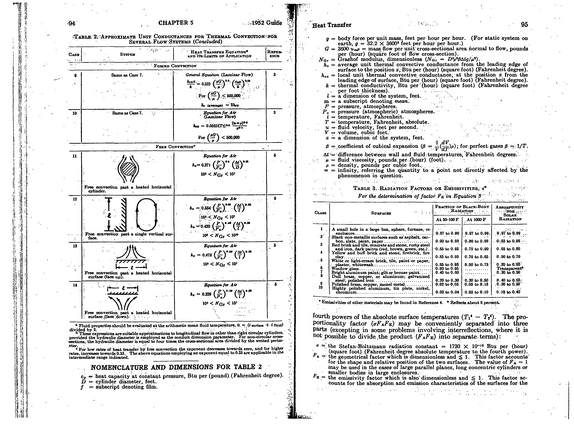
he = average unit thermal convective conductance from the leading edge of surface to the position i, Btu per (hour) (square foot) (Fahrenheit degree).
refid# 3NdQG42XDmJ7emYe0p8wownLa1 page
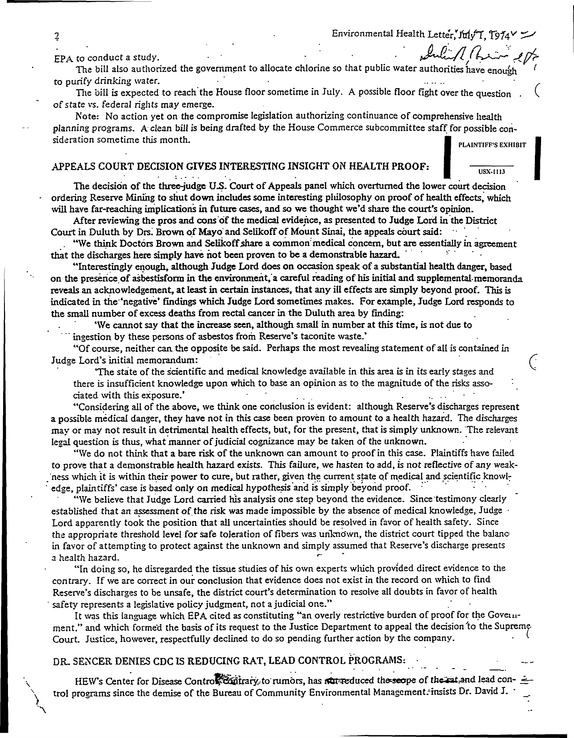
-and lead con trol programs since the demise of the Bureau of Community Environmental Managementrinsists Dr.
refid# nmzMxVmKaJmGo1Y9ryY7MrKwm1 page
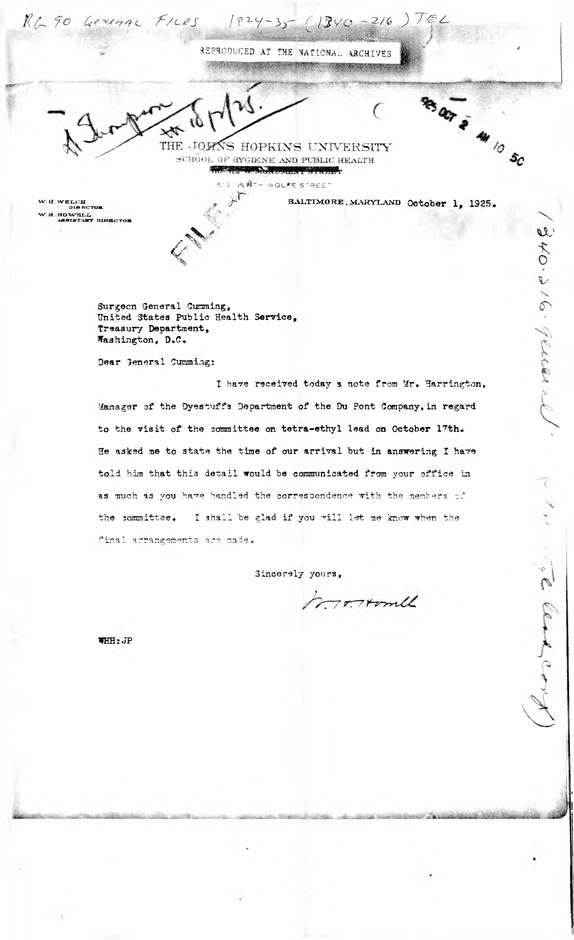
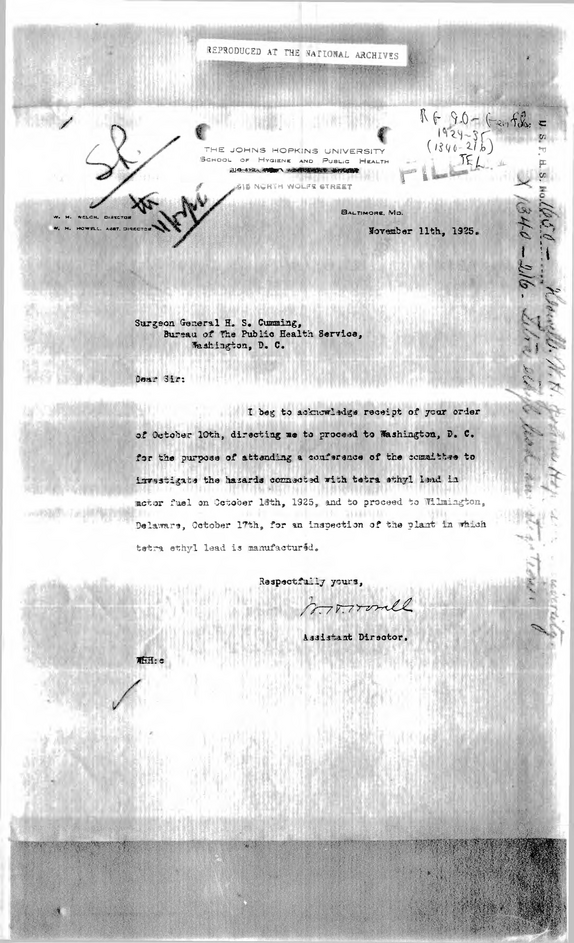
Harrington, Manager of the Dyestuffs Department of the Du Pont Company,in regard to the visit of the committee on tetra-ethyl lead on October 17th.
refid# EdmnBQw2K0gJ9dX67mN23o3d04 pages
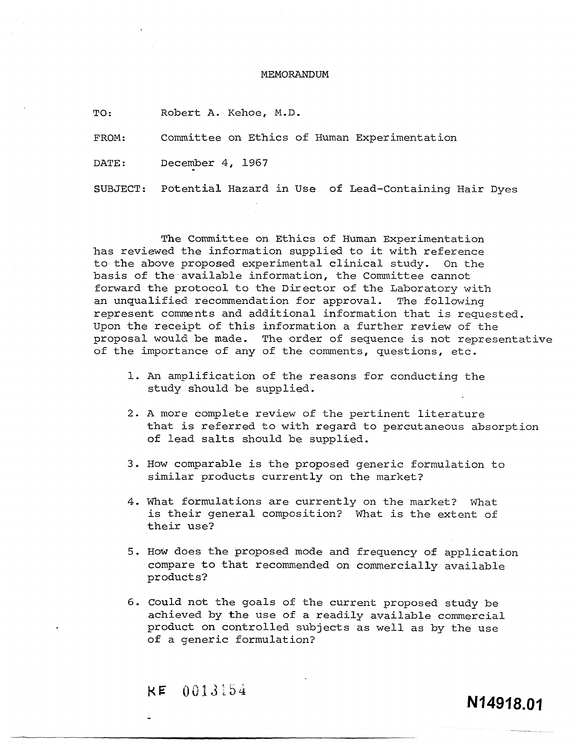
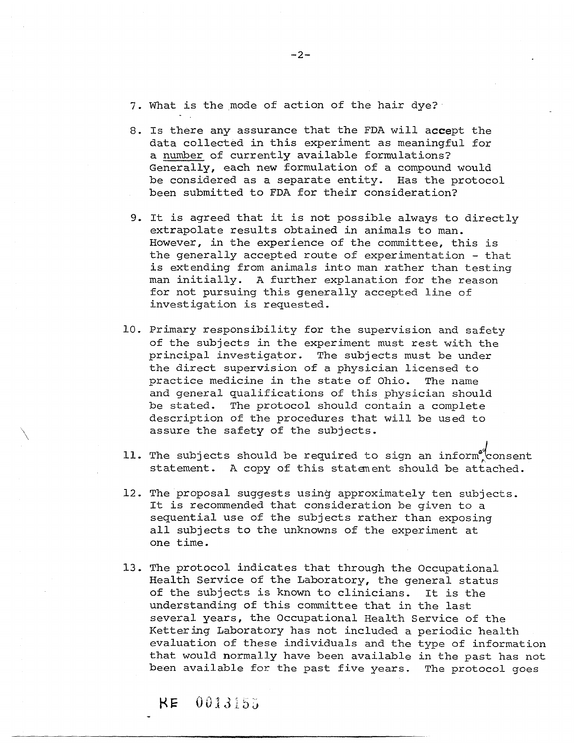
A more complete review of the pertinent literature that is referred to with regard to percutaneous absorption of lead salts should be supplied. 3.
refid# wgRzebqnnDnyX927XrM4MR6qd5 pages
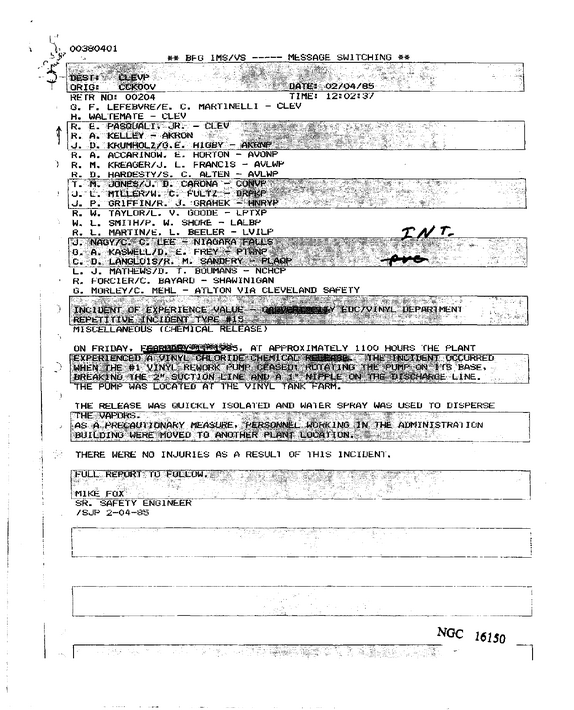
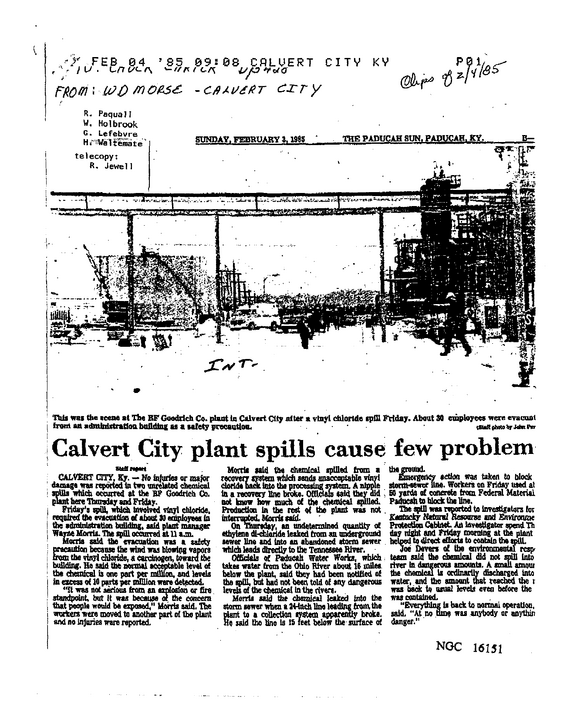
Morris said the chemical leaked into the storm sewer when a 24-inch line leading from the plant to a collection system apparently broke.
refid# mmEqkYQ7gVV93RRgv6dnXkkkJ3 pages
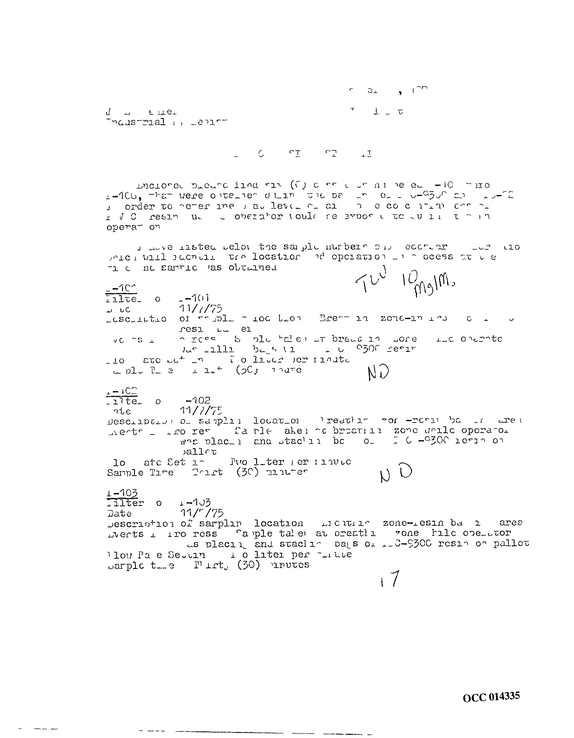
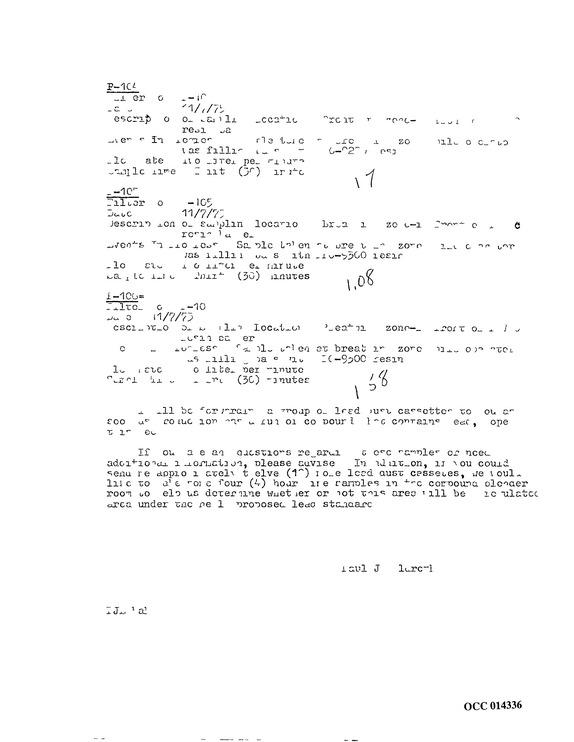
. -11 be rcr /'TGi" a T^ojp g_ lead mn cac'c=cttcr' ro ou a' roo ur come ion -nr u xui oi co pour 1 l~c conramc eac , ope ; i" eo If ou a e an aaesuiov's re_ar<-i c o^c r'ar^ple,r cr nceu adoi^ionoa. x-j-oructi on, olease auvise In idiix_on, u > ou couxd senu re appio i areli t elve (1'"') io_e lead clusu cesseues, ae voul- 111 c no a1 e ~oi e "our (0) hour n e rarroles in J-`-c coimoura olocae roon i/O elo ns dcxeriiue wuet ier or tot area 'ill be xc mla area under unc re 1 nronosea leao sta_xaarc i aul J lurc-l ch 4 OCC 014336
refid# zzeRogkbYzZdY3GnQGVqV1V8m2 pages
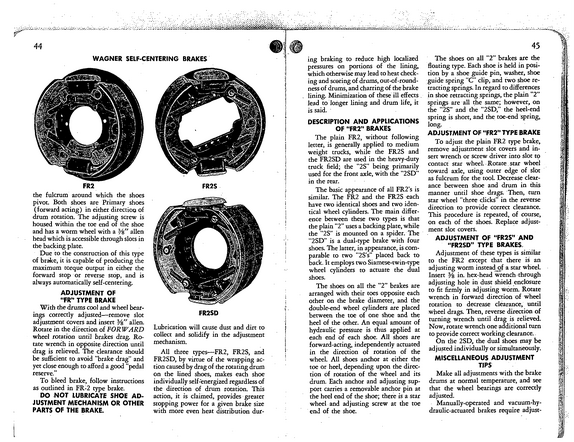
Minimization of these ill effects . lead to longer lining and drum life, it is said.
refid# MGyZRrONoJ2wJk1mBpOavmjjx1 page
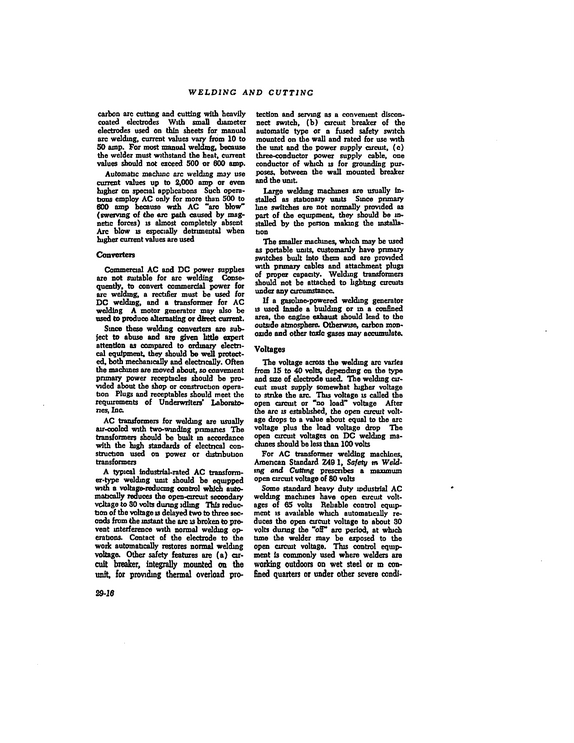
If a gasoline-powered welding generator is used inside a building or in a confined area, the engine exhaust should lead to the outside atmosphere.
refid# 8QqZ22rGd4Xdm1QKjJX8oJ8e1 page
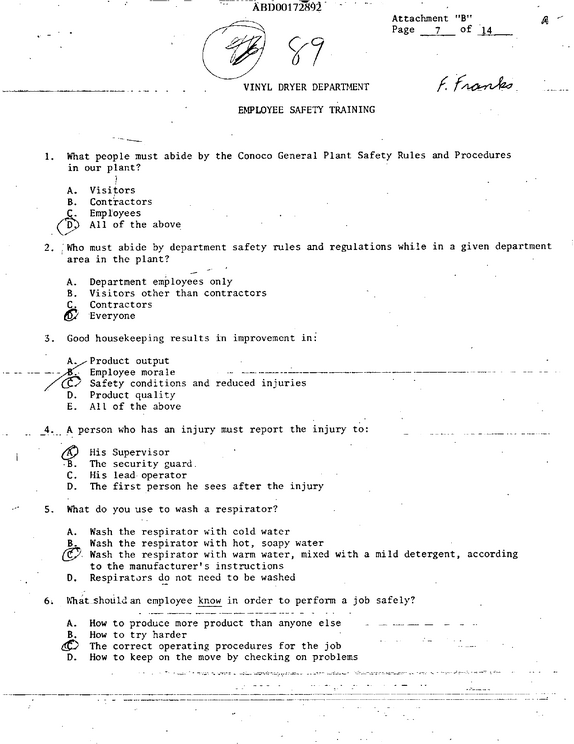
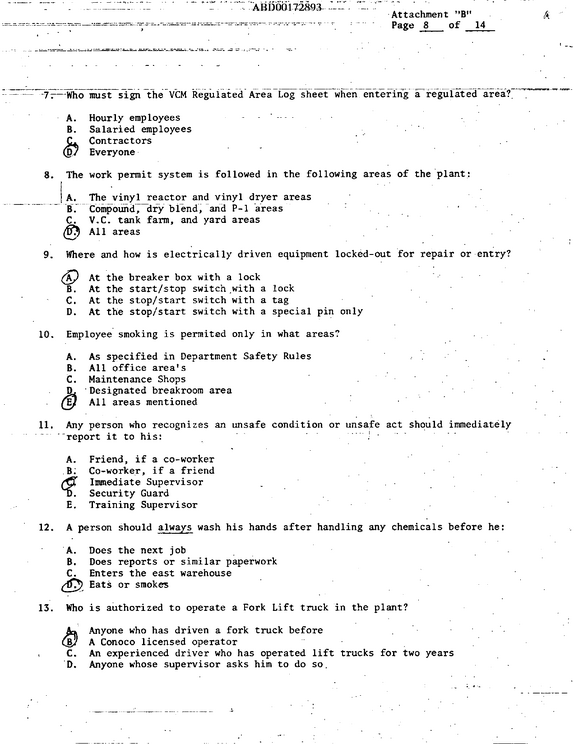
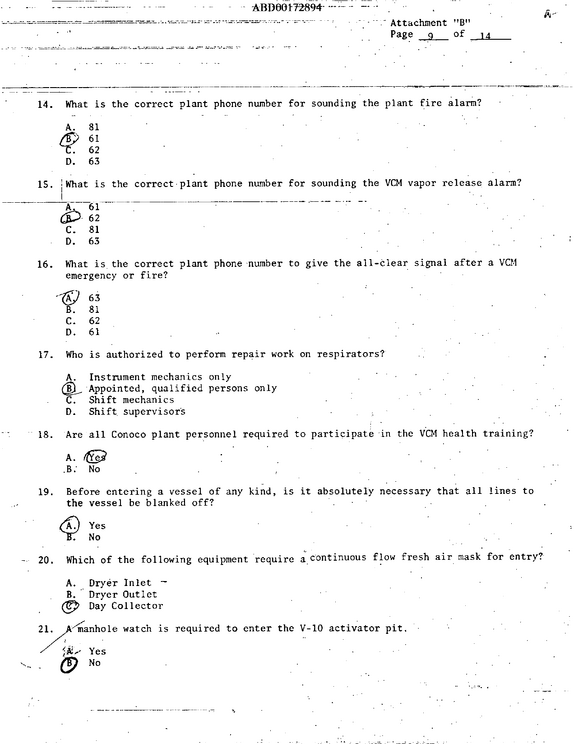
His lead operator D.
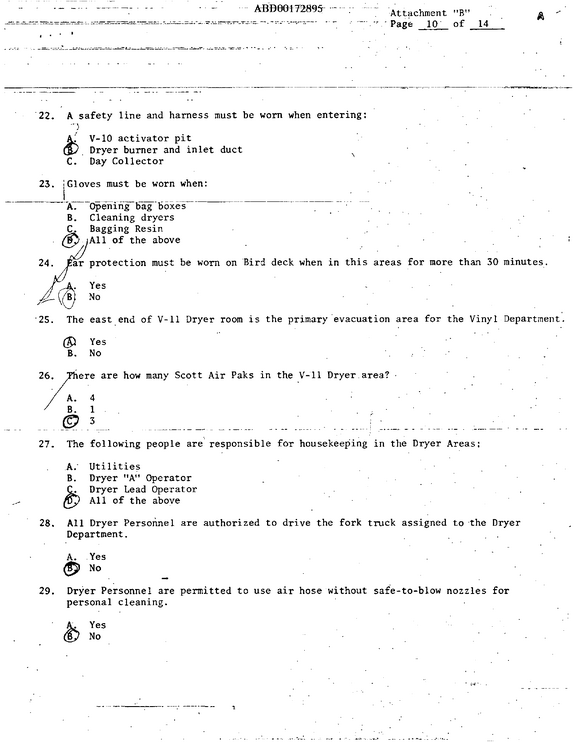
refid# gMNw6aJVqz9bG95LrxN0bOG4 pages
His lead operator D.
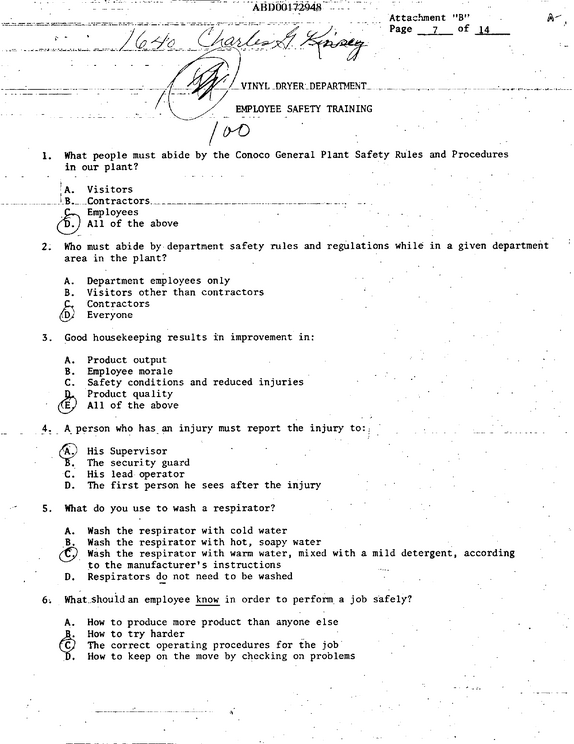
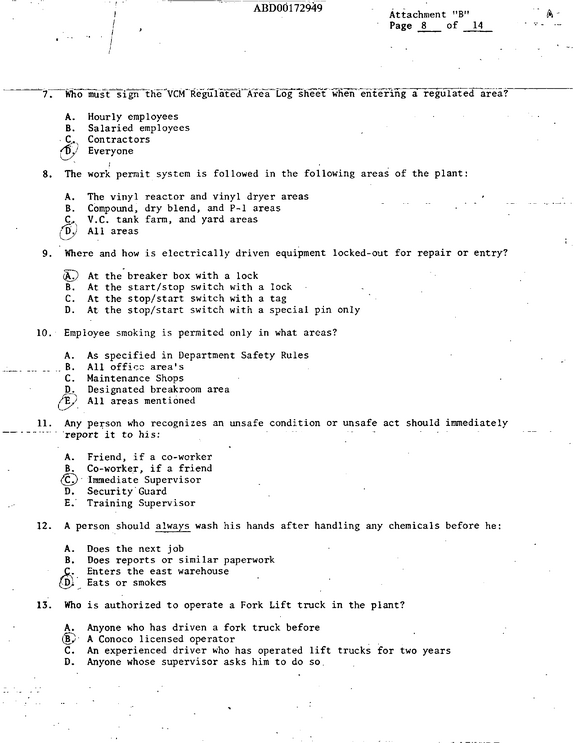
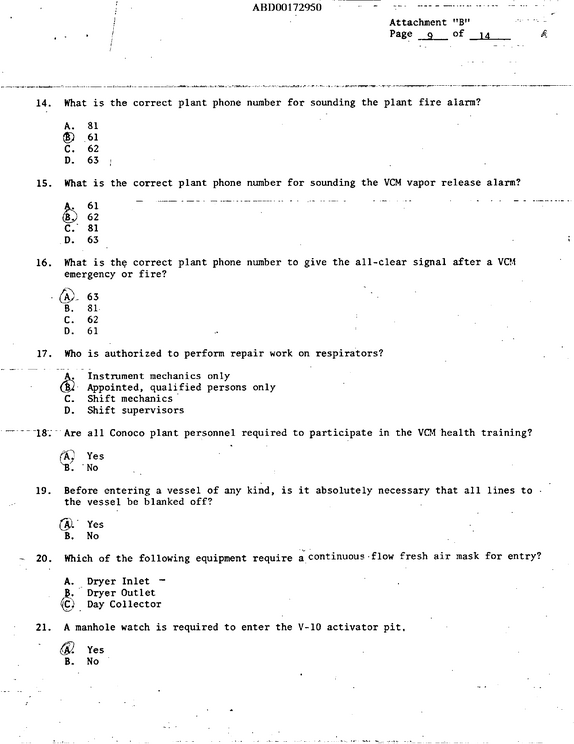
refid# gb147oG8My1gagZr4XVEgKYVq4 pages
BIRTHDAY OF THE DAY: Domenico Montanaro, NPR's lead editor for politics and digital audience -- how he's celebrating: "Celebrating with my wife and kids.


refid# zkRjqwjBe26qE4kv5qaY4QD02 pages
Piers Forster, IPCC Lead Author and Director.



refid# O34y1rMdewdj134B5xJa4VkbQ4 pages
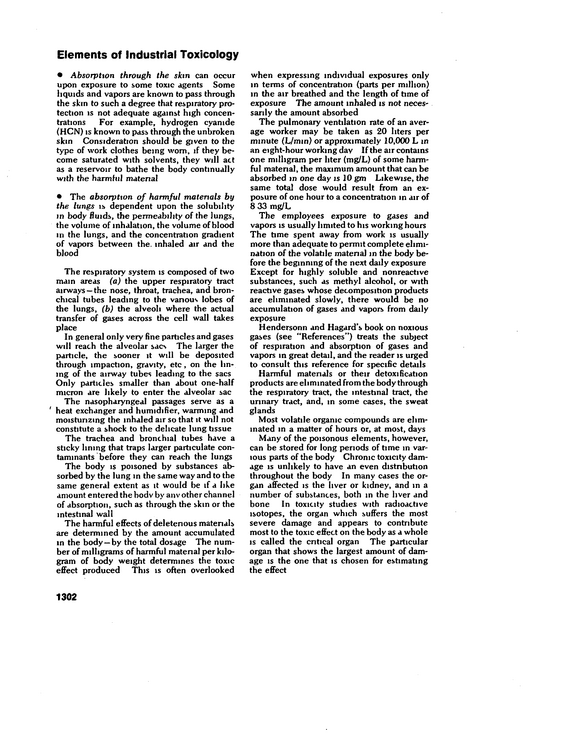
Elements of Industrial Toxicology Absorption through the sktn can occur upon exposure to some toxic agents Some liquids and vapors are known to pass through the skin to such a degree that respiratory pro tection is not adequate against high concen trations For example, hydrogen cyanide (HCN) is known to pass through the unbroken skin Consideration should be given to the type of work clothes being wom, if they be come saturated with solvents, they will act as a reservoir to bathe the body continually with the harmful materia1 The absorption of harmful materials by the lungs is dependent upon the solubility in body fluids, the permeability of the lungs, the volume of inhalation, the volume of blood in the lungs, and the concentration gradient of vapors between the. inhaled air and the blood The respiratory system is composed of two main areas (a) the upper respiratory tract airways --the nose, throat, trachea, and bronchical tubes leading to the various lobes of the lungs, (b) the alveoli where the actual transfer of gases across the cell wall takes place In general only very fine particles and gases will reach the alveolar sacs The larger the particle, the sooner it will be deposited through impaction, gravity, etc, on the lin ing of the airway tubes leading to the sacs Only particles smaller than about one-half micron are likely to enter the alveolar sac The nasopharyngeal passages serve as a ' heat exchanger and humidifier, warming and moisturizing the inhaled air so that it will not constitute a shock to the delicate lung tissue The trachea and bronchial tubes have a sticky lining that traps larger particulate con taminants before they can reach the lungs The body is poisoned by substances ab sorbed by the lung in the same way and to the same general extent as it would be if a like amount entered the bodv by anv other channel of absorption, such as through the skin or the intestinal wall The harmful effects of deletenous materials are determined by the amount accumulated in the body --by the total dosage The num ber of milligrams of harmful material per kilo gram of body weight determines the toxic effect produced This is often overlooked when expressing individual exposures only in terms of concentration (parts per million) in the air breathed and the length of time of exposure The amount inhaled is not neces sarily the amount absorbed The pulmonary ventilation rate of an aver age worker may be taken as 20 liters per minute (L/mm) or approximately 10,000 L in an eight-hour working day If the air contains one milligram per liter (mg/L) of some harm ful material, the maximum amount that can be absorbed m one day is 10 gm Likewise, the same total dose would result from an ex posure of one hour to a concentration in air of 8 33 mg/L The employees exposure to gases and vapors is usually limited to his working hours The time spent away from work is usually more than adequate to permit complete elimi nation of the volatile material in the body be fore the beginning of the next daily exposure Except for highly soluble and nonreactive substances, such as methyl alcohol, or with reactive gases whose decomposition products are eliminated slowly, there would be no accumulation of gases and vapors from daily exposure Hendersonn and Hagard's book on noxious gases (see "References") treats the subject of respiration and absorption of gases and vapors in great detail, and the reader is urged to consult this reference for specific details Harmful materials or their detoxification products are eliminated from the body through the respiratory tract, the intestinal tract, the urinary tract, and, m some cases, the sweat glands Most volatile organic compounds are elim inated in a matter of hours or, at most, days Many of the poisonous elements, however, can be stored for long periods of time in var ious parts of the body Chronic toxicity dam age is unlikely to have an even distribution throughout the body In many cases the or gan affected is the liver or kidney, and in a number of substances, both in the liver and bone In toxicity studies with radioactive isotopes, the organ which suffers the most severe damage and appears to contribute most to the toxic effect on the body as a whole is called the critical organ The particular organ that shows the largest amount of dam age is the one that is chosen for estimating the effect 1302
refid# 0g2OKdE4mxajO1E0QLxqGmEbO1 page
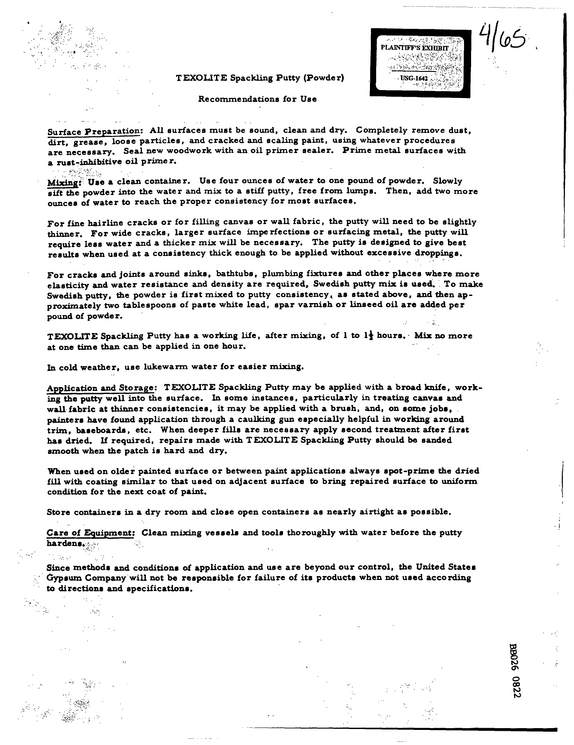
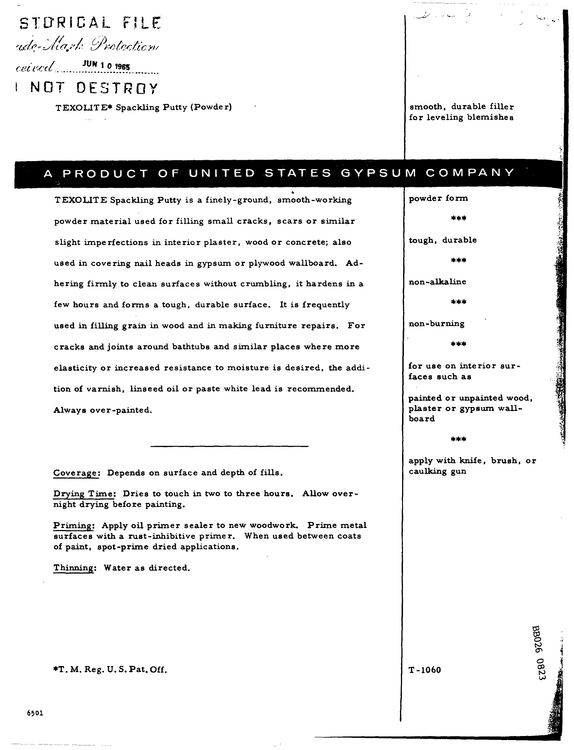
For cracks and joints around bathtubs and similar places where more elasticity or increased resistance to moisture is desired, the addition of varnish, linseed oil or paste white lead is recommended.
refid# rpE0bRL53m3Dq2zQy6LegN6dv2 pages
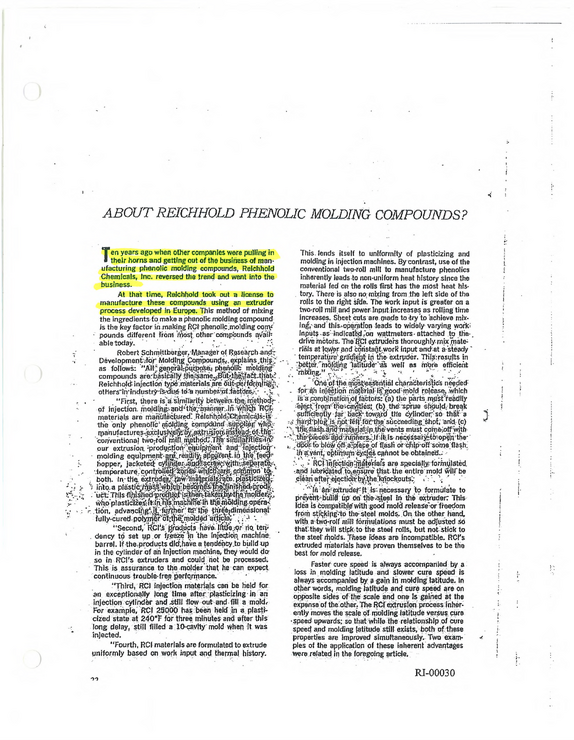
Sheet cuts are made la ity to achieve mixini,and toisroperatJon leads to widely varying work; Inputs- as'indicated-'on wattmeters-attached to the- able today
refid# 6NVoyyrxk2G5gja2DoGVGQ8R2 pages