Refine
Estimated Years UndatedClear
267,365 results foundRefine Search
1'ropof.ctl Toxic l*o J hit unt j liffluent Stomlonls for Aldrin/DicJdrln cl u). ) } IWI'CA (307) Oockot No. ] WASTliWATJ-.K MANAC.IiMTNT SUMMAKY POK yoi.Ycm.ouiNA'n:!)
refid# DMoXR02zeEEm7dQkXy3ararO60 pages
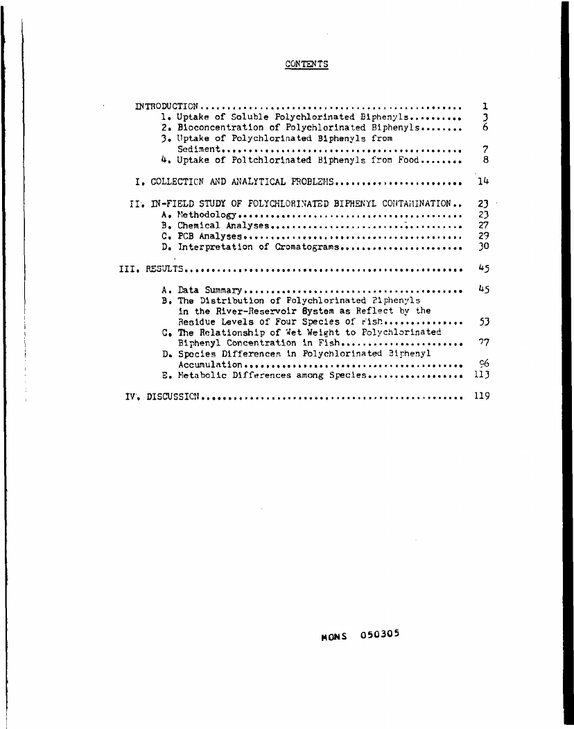
TRAM3L0CATICN H3CHA" ISMS CF PCD'S U' FHE3H WATER: A FIELD STUDY mons 05030V CONTENTS INTRODUCTION............................................................................................................. 1.
refid# Dv5K58wrOodEqVd0LjgeLVjRn189 pages
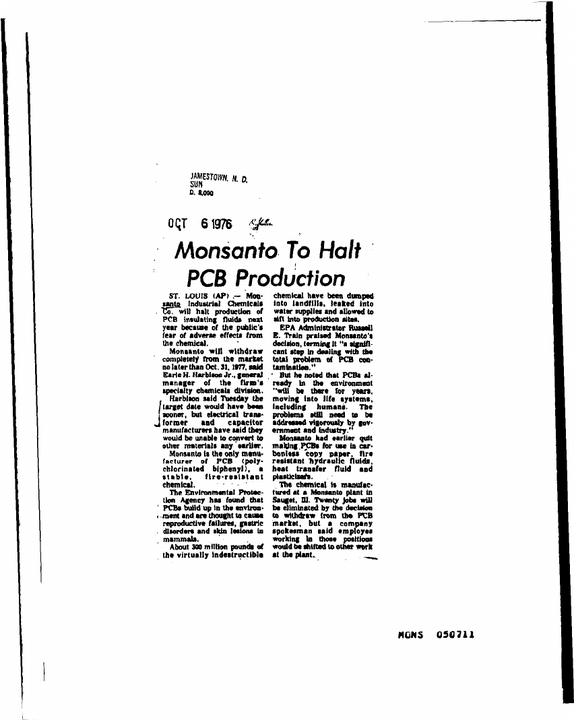
JAMESTOWN, N n SUN w' 0.
refid# mmy3yrKe77eQnwjRara96LjyZ1 page
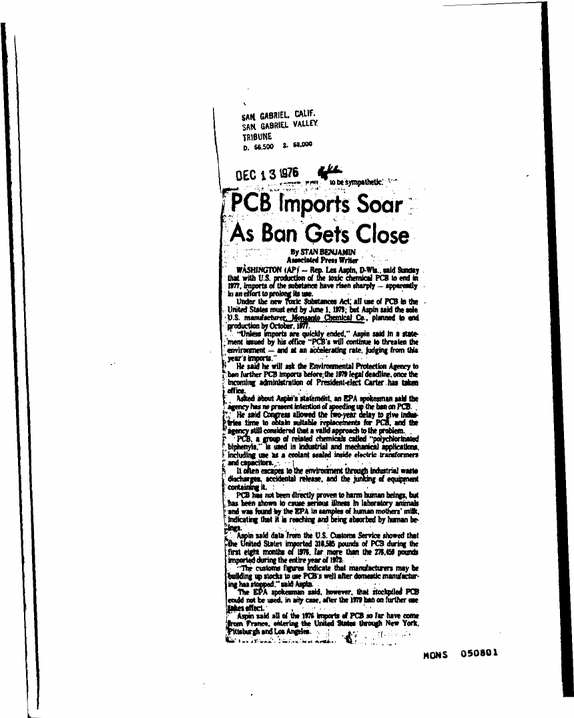
SAN GABRIEL.
refid# LbZ5m8VV52OmLNkyQayEjNJ31 page
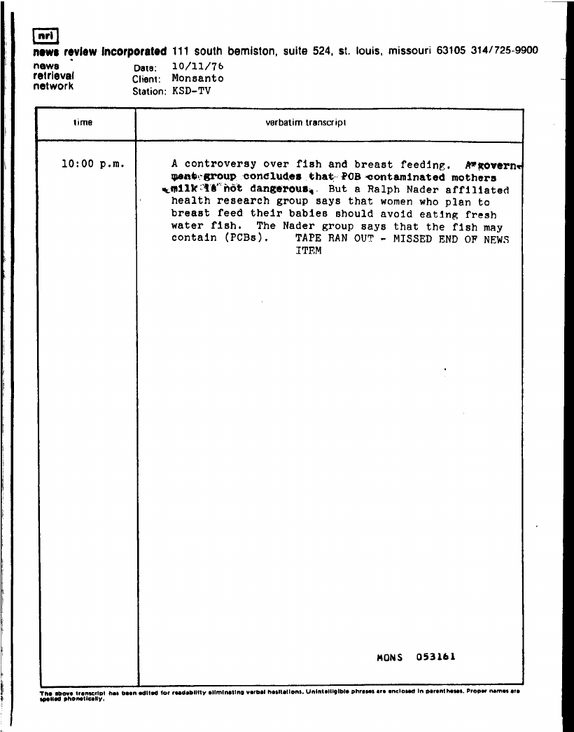
mwi review Incorporated 111 south bemiston, suite 524, st. louis, missouri 63105 314/725-9900 news retrieval network Oats: 10/11/76 Client: Monsanto Station: KSD-TV lime verbatim transcript 10:00 p.m.
refid# yoJNbE91EVLYDdJvwNJ8g3kr1 page
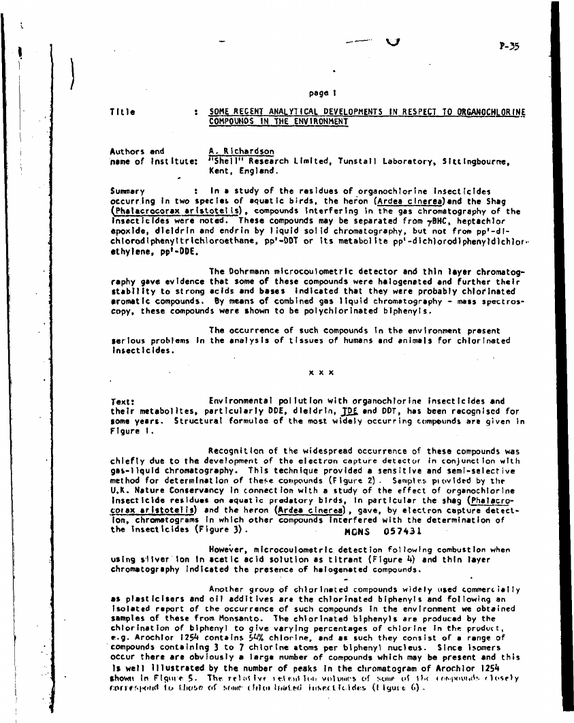
Title SOME RECENT ANALYTICAL DEVELOPMENTS IN RESPECT TO OR6ANOCHLORINE COMPOUNDS IN THE ENVIRONMENT '* Authors end heme of Institute: A, Richardson '`Shell" Research Limited, Tunstall Laboratory* SI tt Ingbourrre, Kent, England.
refid# 2Rrp1akEmgmev4pL06pD0g8wL2 pages
I o V '' * it 7 7 ^ im n-i - - - - - f` i Wj; ] / ;- ia juaxAK: a:=ii lo -- luco a-e. ** rm rvarotr- rrcr::^in r.
refid# dYOgxqJyEwbaKK3JqX96N0ogR3 pages
lM c.
refid# LpLyGBy2YV2keEnqoXngM5w671 page
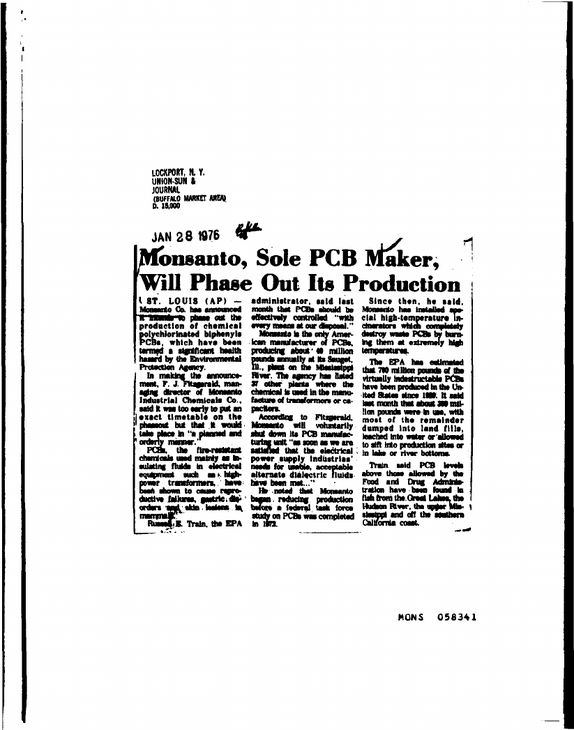
lockport, il y.
refid# 1QK6VOp1VXwkJw08o91mMnNZa2 pages
14ifKiU*-'C~-+L. /*5^ 1 o ^ 34 n_ ,.[ - IJ d> . 2 .x . 4/ !'
refid# VG89KVeOpM15rJpVgLJ6QZrBw1 page
1 /S S jOje s4fa* A 47 S^64. , ^*-0 AJ*<*<A ^ttt^r i | - fc -jiju/f j>/*A*- f/t/LA^. 6Zl*cj^. d&*' } . >=^ ^ //J f/6>-a sf*6f oA/ /a j^t^g ^***46 y*' , ~~ WAr w* fa*) dZ*z~+A~ s^ '^*^- 04$ *4- ^ /^y!
refid# jg7vmDL8m989B4GwJNMGDn7191 page
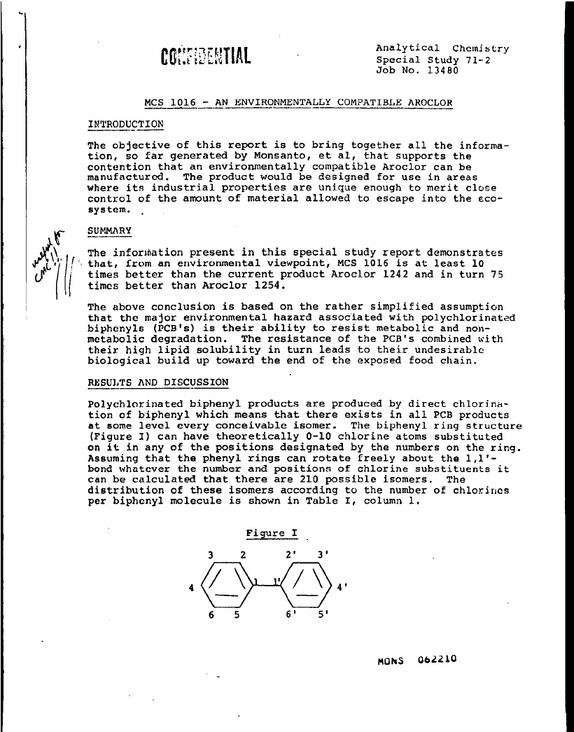
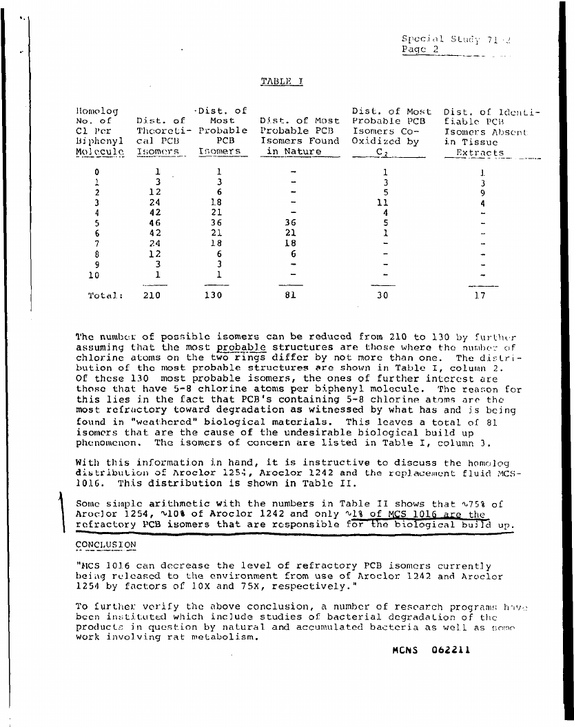
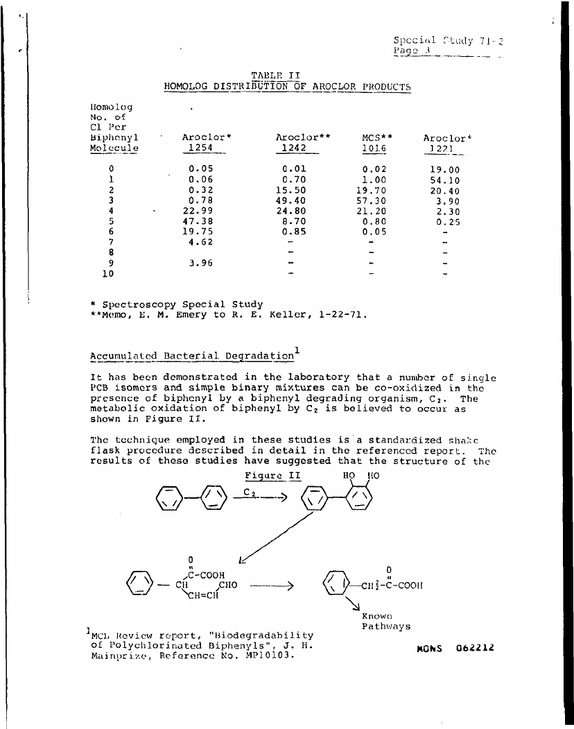
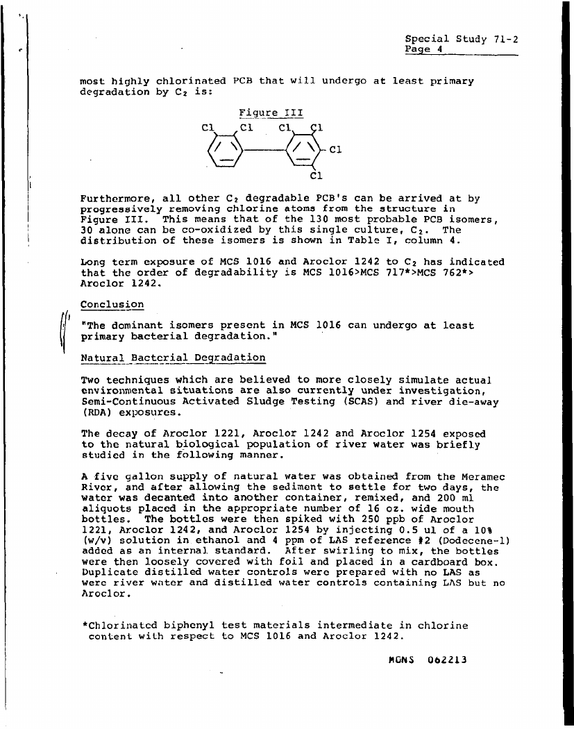
Analytical Chemistry Special Study 71-2 Job No. 13480 MCS 1016 - ANENVIRONMENTALLY COMPATIBLE AROCLOR INTRODUCTION The objective of this report is to bring together all the informa tion, so far generated by Monsanto, et al, that supports the contention that an environmentally compatible Aroclor can be manufactured.
refid# MG2mjR5gQErYa7kGBrobeKR3j9 pages
dTe?
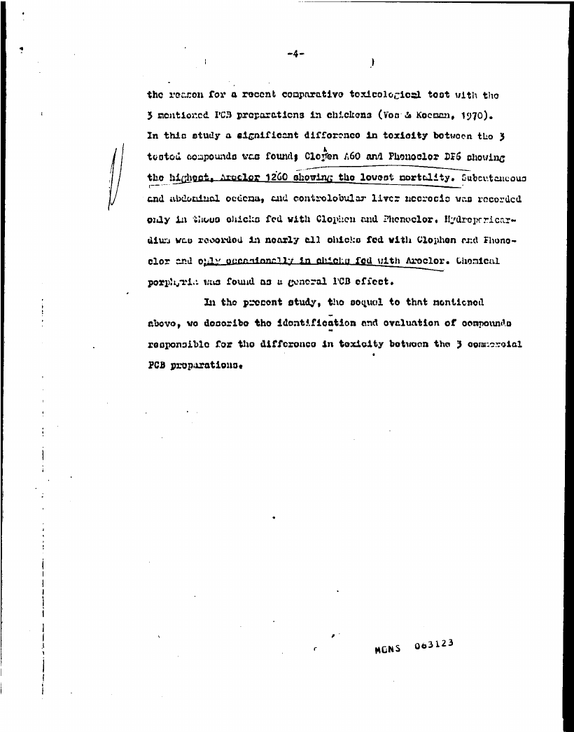
refid# jmp4gn3Er0ob6yz6mYLj8852N16 pages
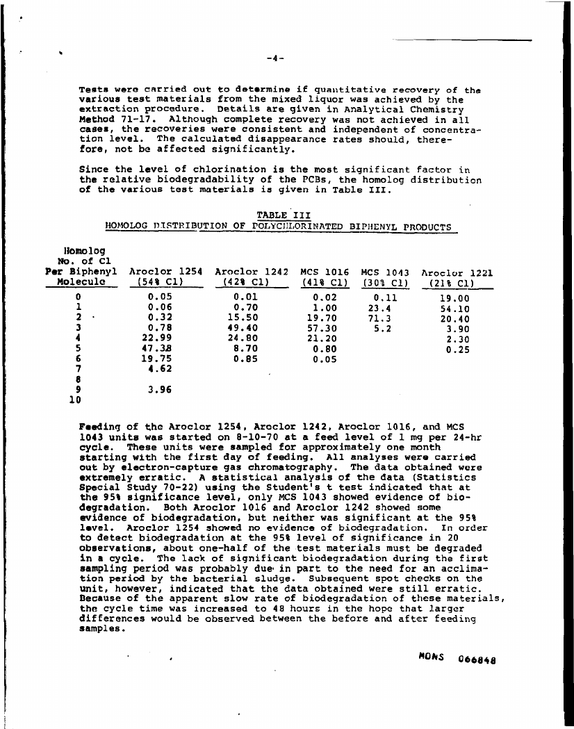
POLYCHUfflTNATED DIPHENYL BIODEGRADATION STUDIES The threat of continued accumulation of polychlorinated biphenyl (PCB) residues ir. the environment is responsible for much of the apprehen sion about the future use of these materials.
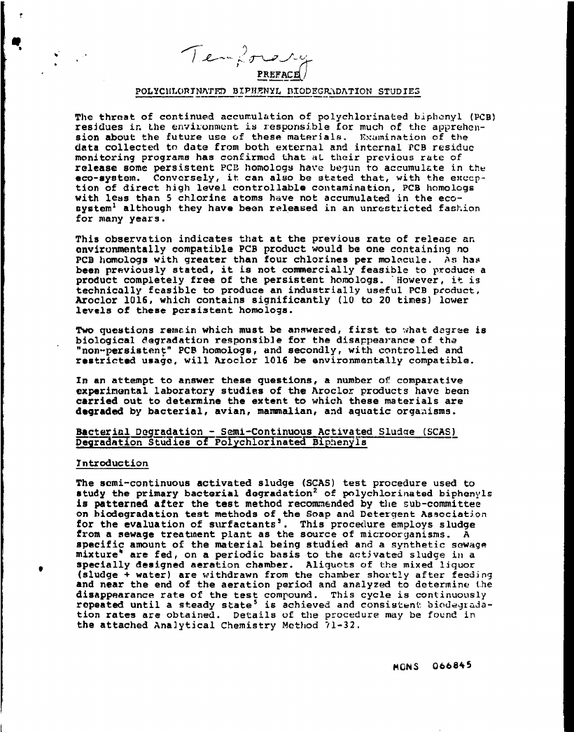
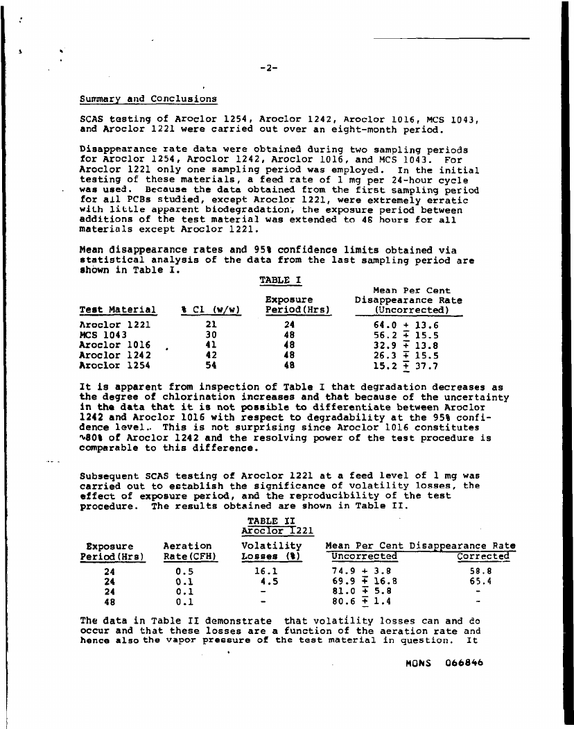
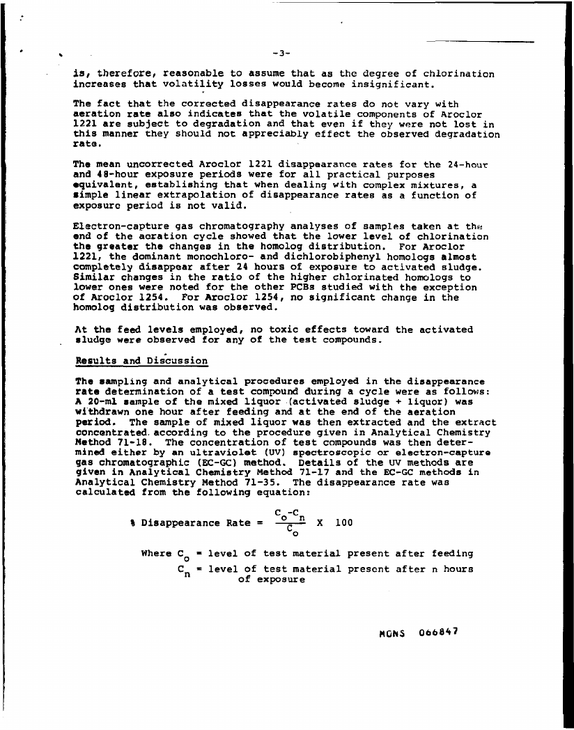
refid# XOer1D969pdExMwzbaypNLb8d21 pages
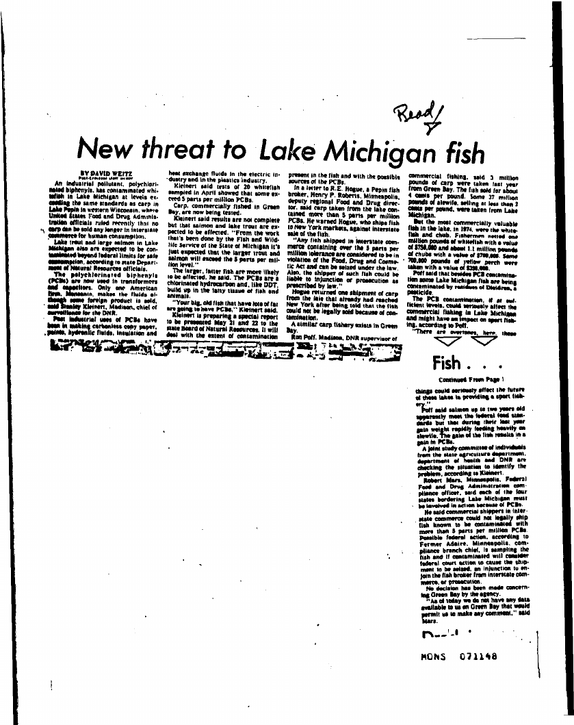
New threat to Lake Michigan fish NBtYX'DHAIHVUIDMWM)EnfUTZK An indusiriul pollutant. polychJori- naiad biphenyls. hat contemtnatad whitofioh in Lake Michigan at levels ex- caaBlng the Mine standards as carp in Uka Npin in western Wisconsin. whet* United stales Food and Dmg Admtnit- trnUan officials Dried recently that no v carp dan he sold any longer in interstate OMnmerte for human consumption. ' Lake traui and large aalmon in Lake Michigan else art expected to be contasMnaisdbeyond laden) limits lor sale Mpawnption, according 10 state Depart- MM of Natiirai Resources officials. the polychlorinated biphenyls (KBs) are now weed in transformers mi capacitors.
refid# XR9k370oJwjQ565yBa0EygvVR1 page