Refine
Estimated Years UndatedClear
92,592 results foundRefine Search
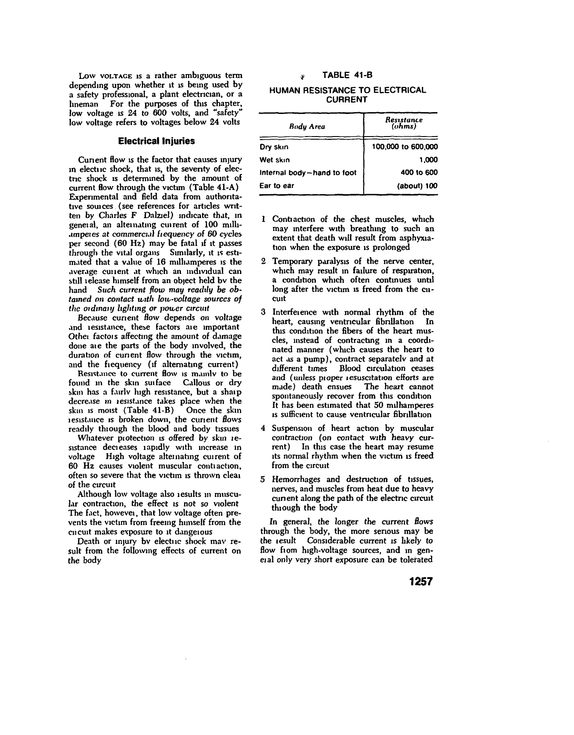
Low voltage is a rather ambiguous term depending upon whether it is being used by a safety professional, a plant electrician, or a lineman For the purposes of this chapter, low voltage is 24 to 600 volts, and "safety" low voltage refers to voltages below 24 volts Electrical Injuries Cunent flow is the factor that causes injury in electuc shock, that is, the seventy of electnc shock is determined by the amount of current flow through the victim (Table 41-A) Experimental and field data from authorita tive souices (see references for articles writ ten by Charles F Dalziel) indicate that, in geneial, an alternating cut rent of 100 milliumpeies at commercial frequency of 60 cycles per second (60 Hz) may be fatal if it passes through the vital organs Similarly, it is esti mated that a value of 16 milhamperes is the average cunent at which an individual can still lelease himself from an object held bv the hand Such current flow may readily be ob tained on contact with low-voltage sources of the oidmauj lighting or power circuit Because curient flow depends on voltage and lesistAlice, these factors aie important Othei factois affecting the amount of damage done aie the parts of the body involved, the duration of cunent flow through the victim, and the fiequency (if alternating current) Resistance to current flow is mamlv to be found m the skin suiface Callous or dry skin has a fairlv high resistance, but a shaip decrease m lesistance takes place when the skm is moist (Table 41-B) Once the skin lesist.ince is broken down, the cunent flows readily thiough the blood and body tissues Whatever piotection is offered by skm lesistance deci eases lapidly with increase in voltage High voltage alternating cuirent of 60 Hz causes violent muscular contiaction, often so severe that the victim is thrown cleai of the circuit Although low voltage also lesults in muscu lar contraction, the effect is not so violent The fact, howevei, that low voltage often pre vents the victim from freeing himself from the cncuit makes exposure to it dangeious Death or injury bv electuc shock mav re sult from the following effects of current on the body * TABLE 41-B HUMAN RESISTANCE TO ELECTRICAL CURRENT Body Area Resistance (ohms) Dry skin Wet skin Internal body-hand to foot Ear to ear 100.000 to 600.000 1.000 400 to 600 (about) 100 1 Conti action of the chest muscles, which may interfere with breathing to such an extent that death will result from asphyxia tion when the exposure is prolonged 2 Temporary paralysis of the nerve center, which may result in failure of respiration, a condition which often continues until long after the victim is freed from the cucuit 3 Interfeience with normal rhythm of the heart, causing ventricular fibrillation In this condition the fibers of the heart mus cles, instead of contracting in a coordi nated manner (which causes the heart to act as a pump), contract separately and at different times Blood circulation ceases and (unless pioper lesuscitation efforts are made) death ensues The heart cannot spontaneously recover from this condition It has been estimated that 50 milhamperes is sufficient to cause ventricular fibrillation 4 Suspension of heart action by muscular contraction (on contact with heavy cur rent) In this case the heart may resume its normal rhythm when the victim is freed from the circuit 5 Hemorrhages and destruction of tissues, nerves, and muscles from heat due to heavy cunent along the path of the electnc circuit thiough the body In general, the longer the current flows through the body, the more senous may be the lesult Considerable current is likely to flow fiom high-voltage sources, and m gen eial only very short exposure can be tolerated 1257
refid# zz35z3nxe5bMZ3OgoaLMKrb771 page
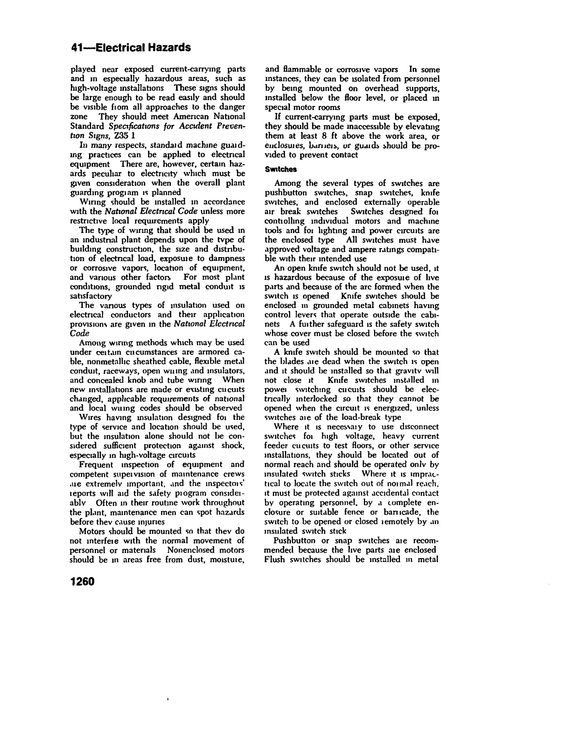
41--Electrical Hazards played near exposed current-carrying parts and in especially hazardous areas, such as high-voltage installations These signs should be large enough to be read easily and should be visible fiom all approaches to the danger zone They should meet American National Standard Specifications for Accident Preven tion Signs, Z35 1 In many respects, standaid machine guaidmg practices can be applied to electrical equipment There are, however, certain haz ards peculiar to electricity which must be given consideration when the overall plant guarding progiam is planned Wiring should be installed m accordance with the National Electrical Code unless more restrictive local requirements apply The type of wiring that should be used in an industrial plant depends upon the tvpe of building construction, the size and distribu tion of electrical load, exposure to dampness or corrosive vapors, location of equipment, and various other factors For most plant conditions, grounded ngid metal conduit is satisfactory The various types of insulation used on electrical conductors and their application provisions are given in the National Electrical Code Among wiring methods which may be used under ceitain cucumstances are armored ca ble, nonmetnlhc sheathed cable, flexible metal conduit, raceways, open wning and insulators, and concealed knob and tube wiring When new installations are made or existing cucuits changed, applicable requirements of national and local wmng codes should be observed Wires having insulation designed foi the type of service and location should be used, but the insulation alone should not lie con sidered sufficient protection against shock, especially m high-voltage circuits Frequent inspection of equipment and competent supei vision of maintenance crews are extremely important, and the mspectois' reports will aid the safety piogram consideiablv Often in their routine work throughout the plant, maintenance men can spot hazards before thev cause injuries Motors should be mounted so that thev do not interfere with the normal movement of personnel or materials Nonenclosed motors should be m areas free from dust, moisture. 1260 and flammable or corrosive vapors In some instances, they can be isolated from personnel by being mounted on overhead supports, installed below the floor level, or placed m special motor rooms If current-carrying parts must be exposed, they should be made inaccessible by elevating them at least 8 ft above the work area, or enclosures, barueis, or guaids should be pro vided to prevent contact Switches Among the several types of switches are pushbutton switches, snap switches, knife switches, and enclosed externally operable air break switches Switches designed foi eonti oiling individual motors and machine tools and foi lighting and power circuits are the enclosed type All switches must have approved voltage and ampere ratings compati ble with their intended use An open knife switch should not be used, it is hazardous because of the exposure of live parts and because of the arc formed when the switch is opened Knife switches should be enclosed in grounded metal cabinets having control levers that operate outside the cabi nets A fuither safeguard is the safety switch whose cover must be closed before the switch can be used A knife switch should be mounted so that the blades are dead when the switch is open and it should lie installed so that gravity will not close it Knife switches installed in powei switching cucuits should be elec trically interlocked so that they cannot be opened when the circuit is energized, unless switches are of the load-break type Where it is necessaiy to use disconnect switches foi high voltage, heavy current feeder cucuits to test floors, or other service installations, they should be located out of normal reach and should be operated onlv by insulated switch sticks Where it is imprac tical to locate the switch out of noimal reach, it must be protected against accidental contact by operating personnel, by a complete en closure or suitable fence or bamcade, the switch to be opened or closed remotely by an insulated switch stick Pushbutton or snap switches are recom mended because the live parts are enclosed Flush switches should be installed m metal
refid# GQOrvpX2aJ0J1zVb06zqEQVq1 page
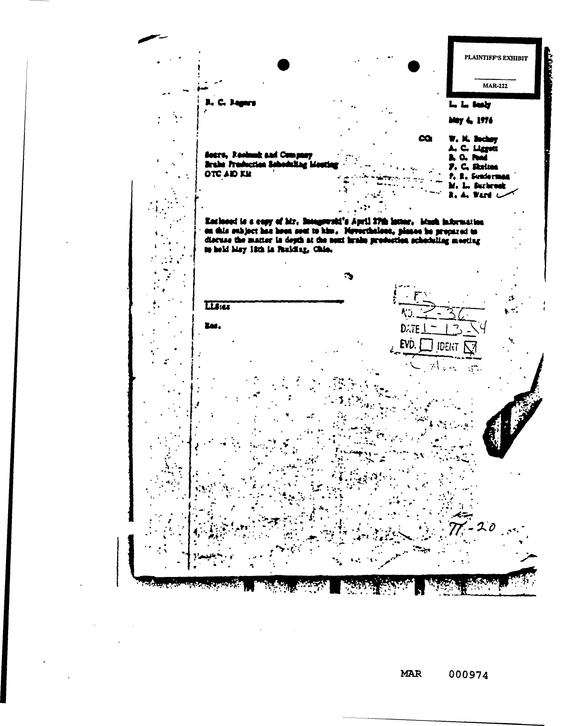
PLAINTIFF'S EXHIBIT i me MAR-222 U L. * Mtr. iv OTC AD Kit COl V.
refid# ZJjxD9Nqo6gVkMpMN59aY7YN72 pages
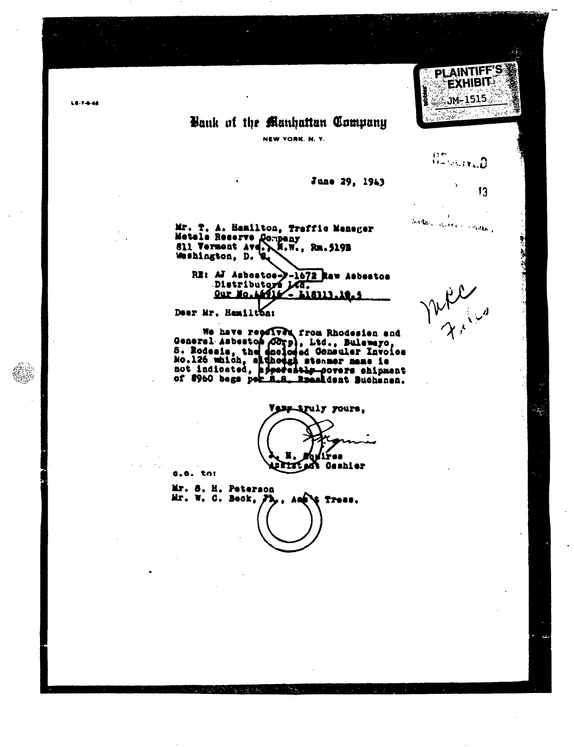
111441 Hank u( tljr iHauijattan (Enmyany N(W VOMK.
refid# OEVDRYy9j5KXGgvN05xgd68bp1 page
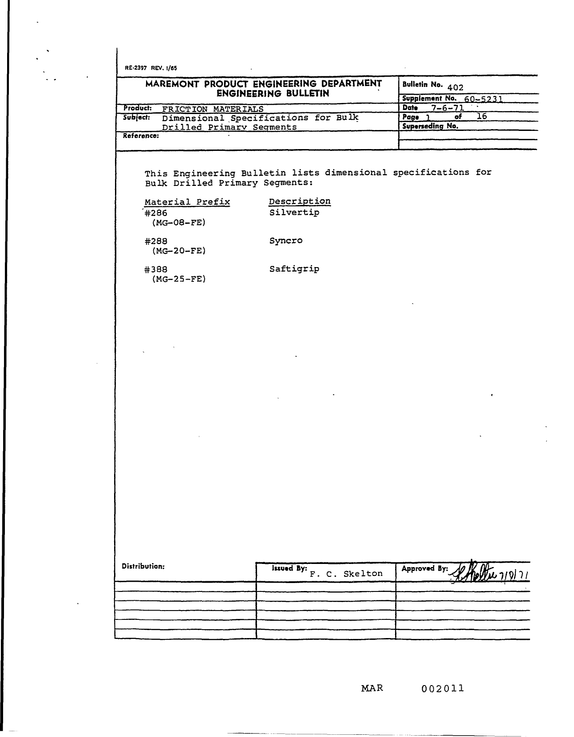
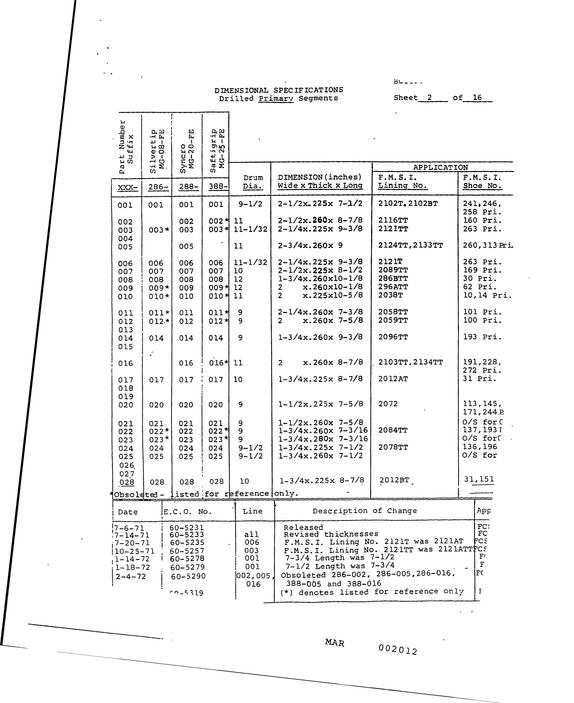
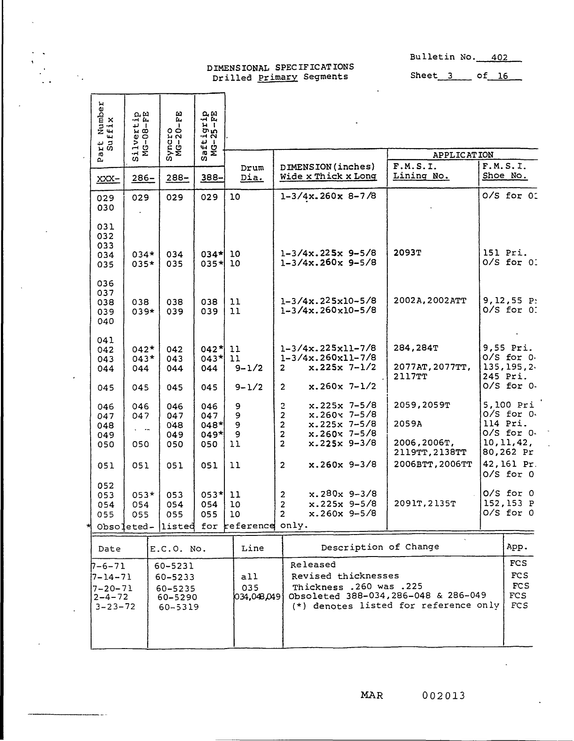
MAR 002010 MAR 002011 DIMENSIONAL SPECIFICATIONS Drilled Primary Segments Sheet 2 of 16 u _QQ) . ex z U-J -U 3 U t/5 (0 04 XXX- *4HJ Ctu co 0) o >1 -H su.
refid# O1Z7b4gpDE7NYGOXxewrwO0LX18 pages
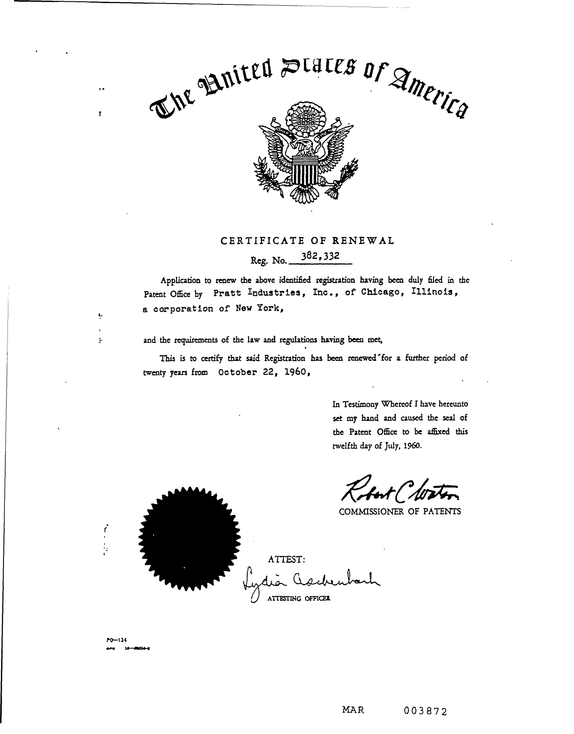
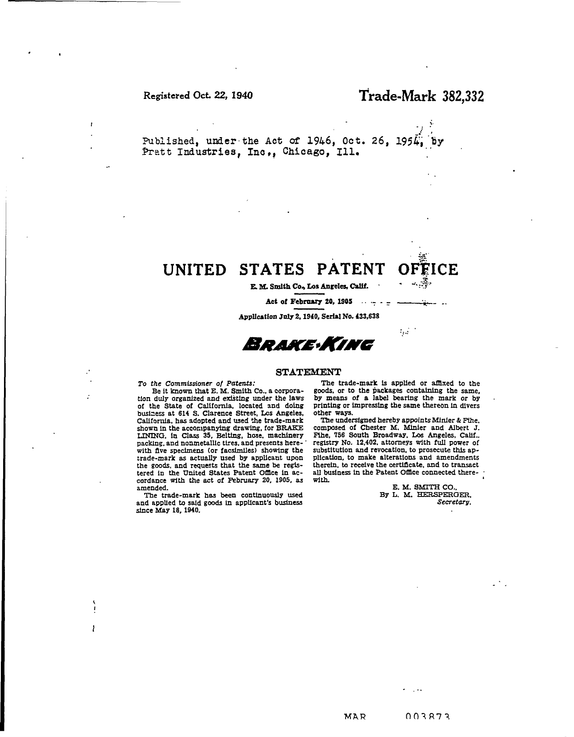
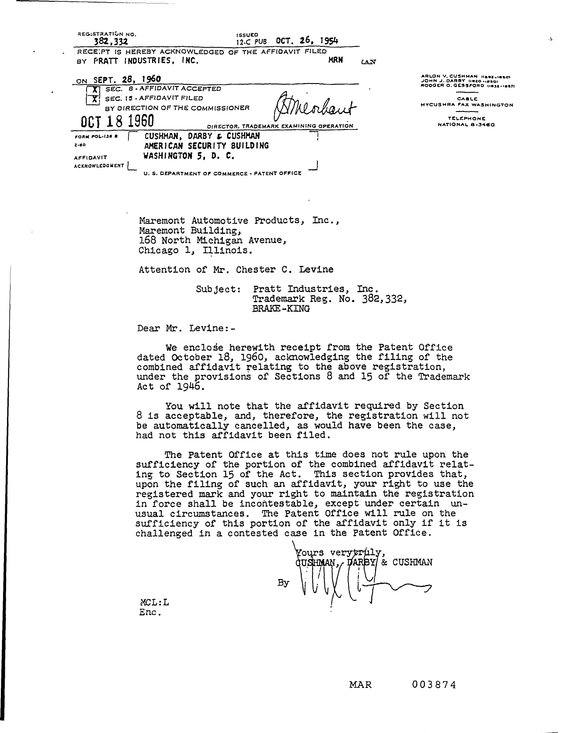
mar 003871 CERTIFICATE OF RENEWAL Reg.
refid# rBw0JYj4Vdx766pab4w8L8d9V19 pages
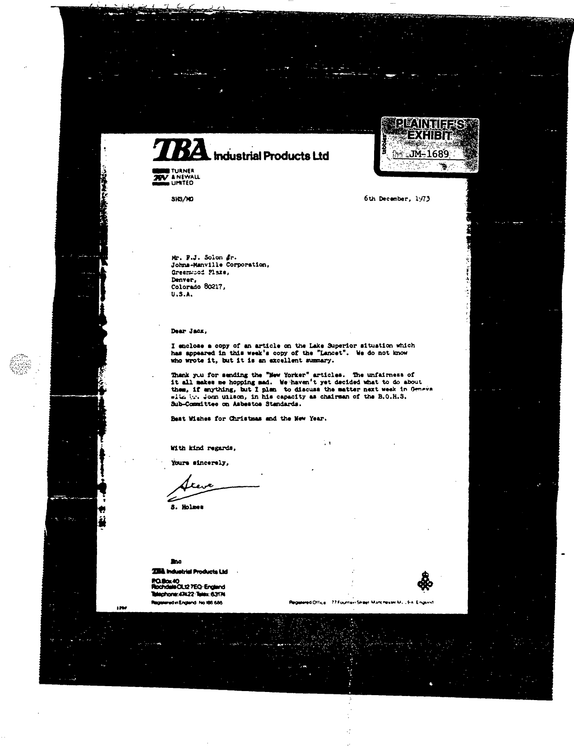
industrial Products Ud SH3/M0 6th December, 1^73 Mr.
refid# V33RDOna9o1B8ojDKOg7QBrO81 page
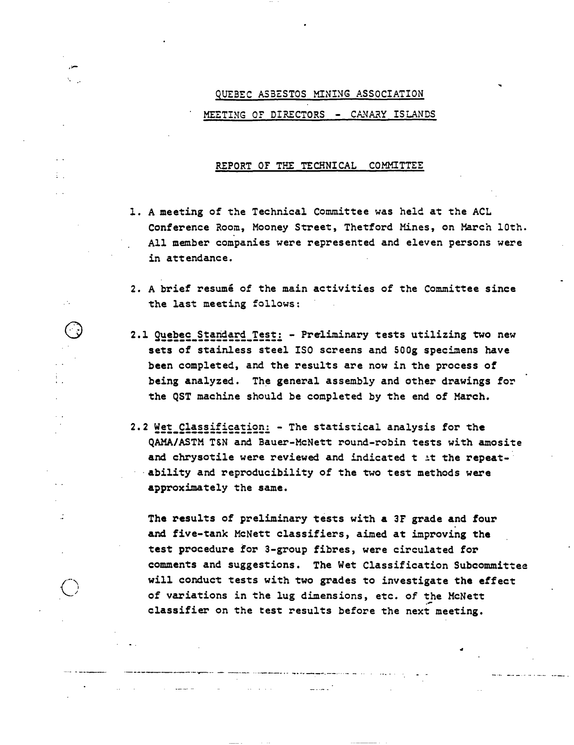
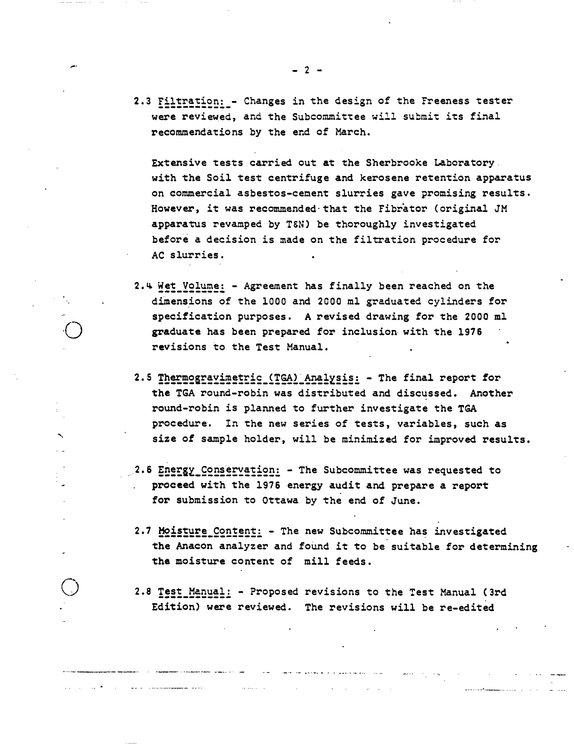
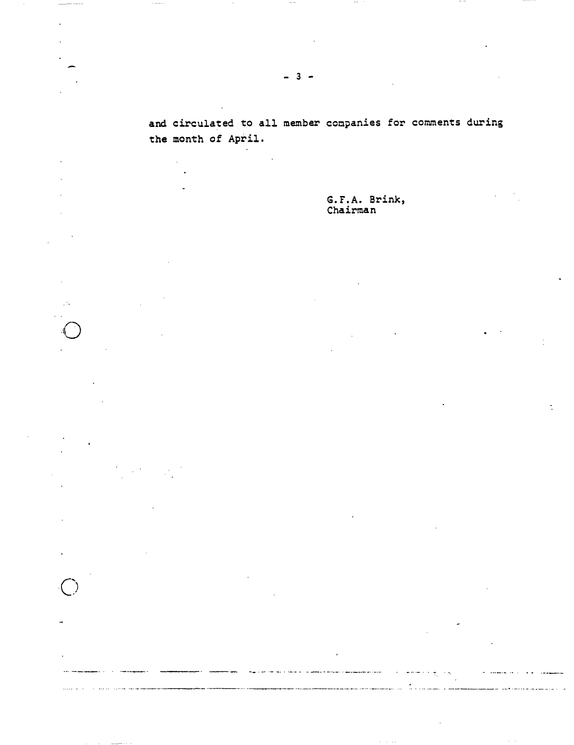
fenui t PLAINTIFF'S EXHIBIT JM-1854 7 O QUEBEC A53EST0S MINING ASSOCIATION MEETING OF DIRECTORS - CANARY ISLANDS REPORT OF THE TECHNICAL COMMITTEE 1.
refid# 91ojv6LKJxKED8p2wEZ3Zbere4 pages
***&'* .
refid# LK4GzYXVBv9BQEvNrEK71axEw2 pages
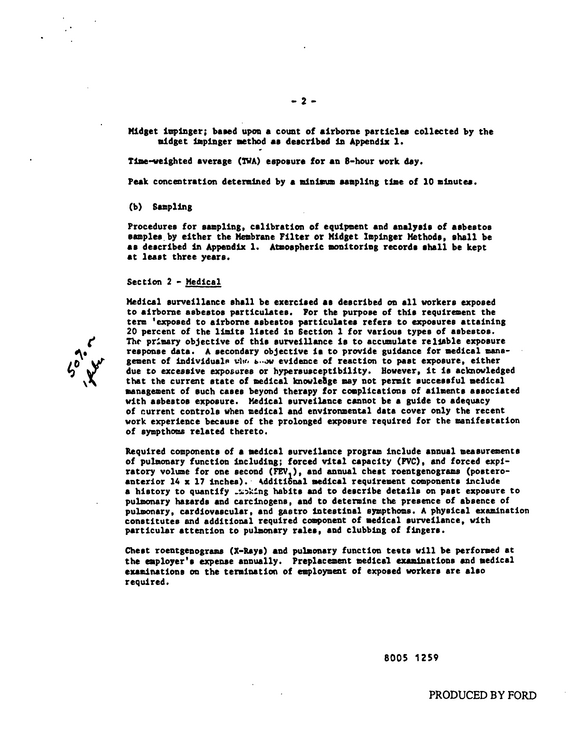
Midget loplnger; bated upon a count of airborne partlclea collected by the nidget laplnger aethod aa deacrlbed In Appendix 1.
refid# yrrR143w3NROxQ21yVOr2pVE1 page
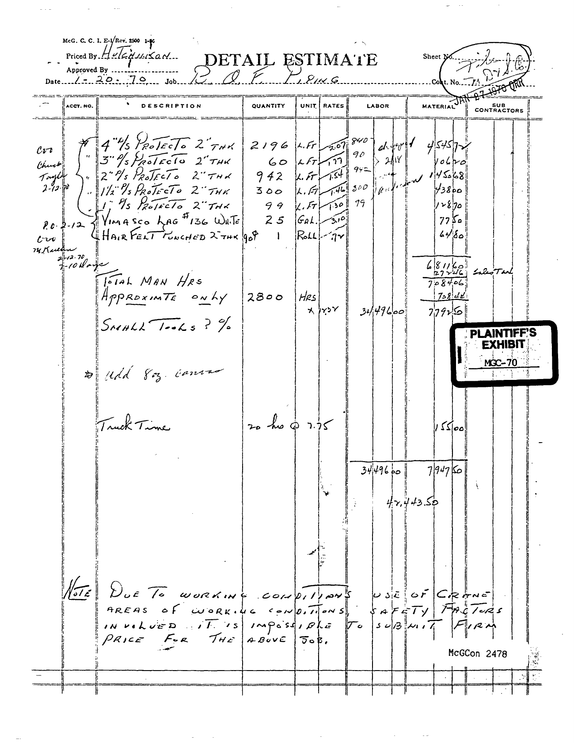
McG.
refid# nNDLNBxMDMDpq04R6LDmmOmqz2 pages
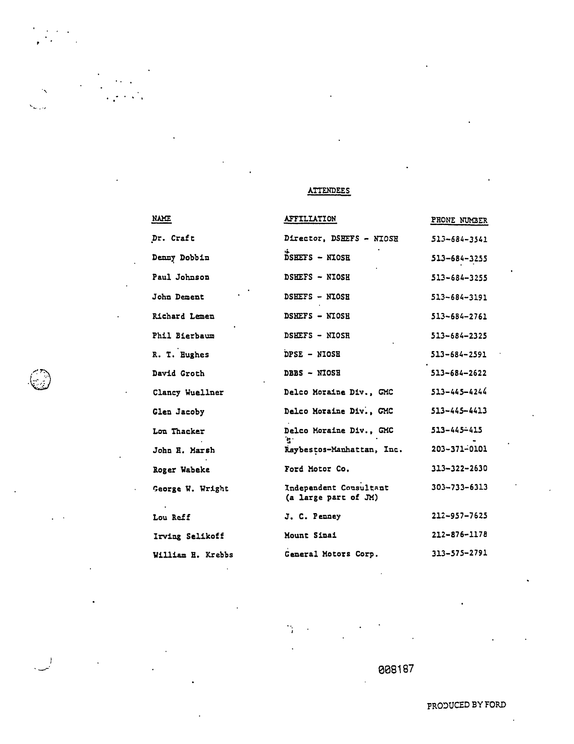
NAME Dr.
refid# 6YZ5NM6qb7yDmmopxggnOvdE1 page
PLAINTIFF'S EXHIBIT !
refid# nNydkKKoNmpDdryxYm8YRJ6Ma1 page
refid# LKGwYoQKQ84Z3q98XakJp9MqX1 page