Refine
Estimated Years UndatedClear
92,592 results foundRefine Search
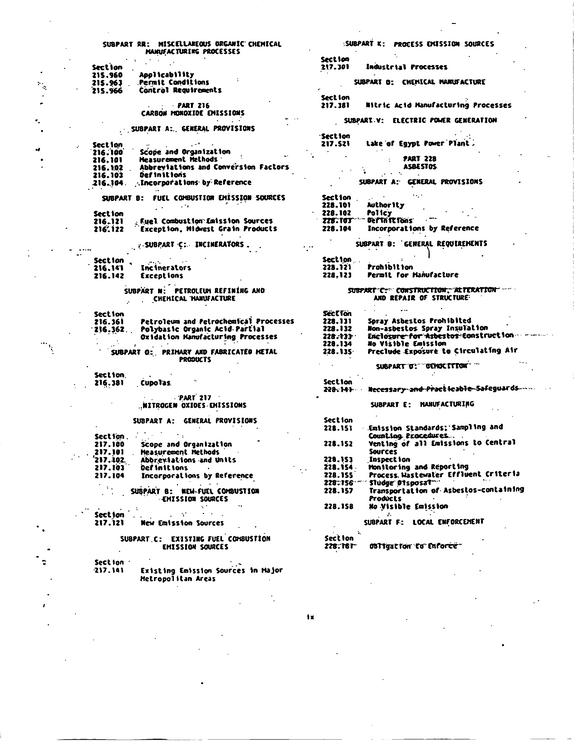
SUBPART RR: MISCELLANEOUS ORGANIC CHEMICAL MANUFACTURING PROCESSES Section 21S.960 21$.96?
refid# 71OrEj4v2011aNdyv9zG2J81j1 page
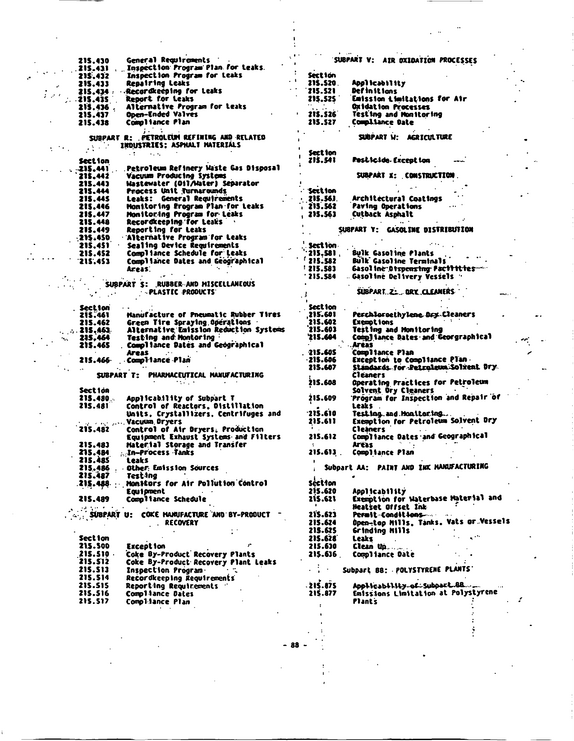
215.430 . .2IS.431 2)5.432 215.433 215.434 215.415 215.436 2)5.437 215.438 General Ktqulrmiiti .
refid# XRn9noX60qazo3maeoLLQmxDJ1 page
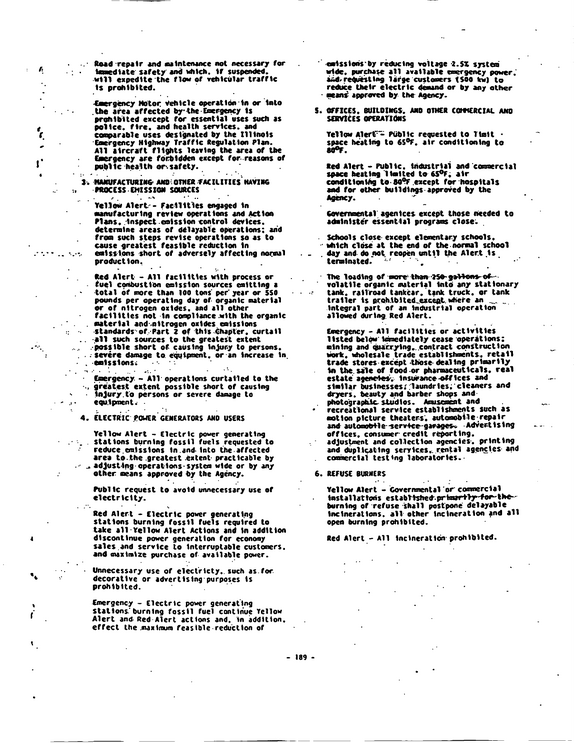
toad repair and Maintenance not necessary for Immediate safety and which. if suspended, util expedite the flow of vehicular traffic is prohibited.
refid# b5JeppoyMzQwgLeoo5jQR0n401 page
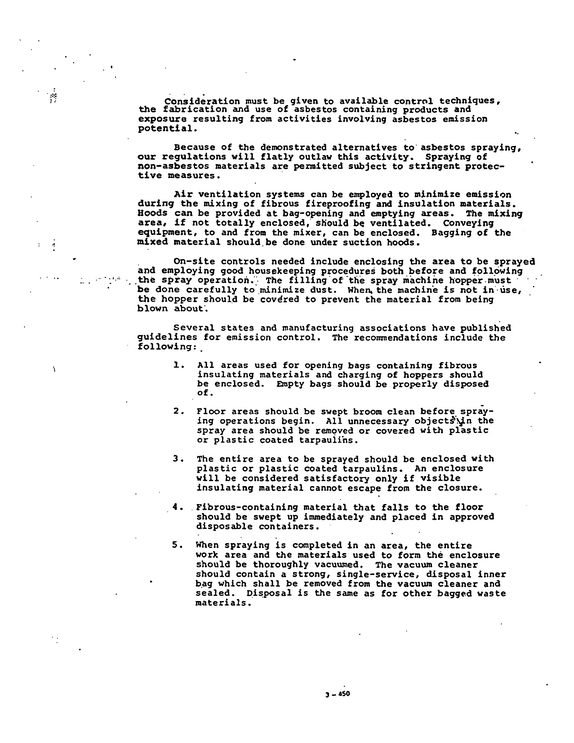
Consideration must be given to available control techniques, the fabrication and use of asbestos containing products and exposure resulting from activities involving asbestos emission potential.
refid# 7O1owB9RvyVEK9JDaBDVOeKej1 page
r Dow Chemical Dresser-Magcobar ^ Drilling Specialties Electrode Corp.
refid# kDROdE7XzJ50q9X44qZMzaMpJ1 page
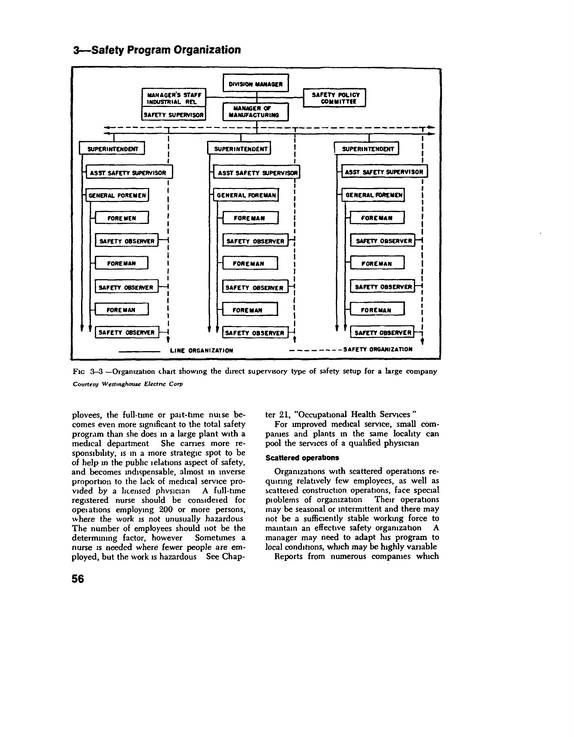
3--Safety Program Organization manager's staff INDUSTRIAL REL SAFETY SUPERVISOR DIVISION MANAGER ----------------- 1--------------------------- 1 MANAGER OF MANUFACTURING SAFETY POLICY COMMITTEE SUPERINTENDENT 1 1 ASST SAFETY SUPERVISOR GENERAL FOREMEN SUPERINTENDENT J ASST SAFETY SUPERVISOR GENERAL FOREMAN | SUPERINTENDENT - ASST SAFETY SUPERVISOR ' GENERAL FOREMEN "L FOREMEN SAFETY OBSERVER FOREMAN FOREMAN SAFETY OBSERVER - FOREMAN FOREMAN SAFETY OBSERVER FOREMAN SAFETY OBSERVER FOREMAN SAFETY OBSERVER - FOREMAN SAFETY OBSERVER FOREMAN SAFETY OBSERVER SAFETY OBSERVER SAFETY OBSERVER LINE ORGANIZATION ___________________SAFETY ORGANIZATION Flc 3--3 --Organization chart showing the direct supervisory type of safety setup for a large company Courtesy Westmghouse Electric Corp plovees, the full-time or pait-time nuise be comes even more significant to the total safety program than she does in a large plant with a medical department She carries more re sponsibility, is in a more strategic spot to be of help m the public lelations aspect of safety, and becomes indispensable, almost in inverse proportion to the lack of medical service pro vided by a licensed phvsician A full-time registered nurse should be consideied for opeiations employing 200 or more persons, where the work is not unusually hazardous The number of employees should not be the determining factor, however Sometimes a nurse is needed where fewer people are em ployed, but the work is hazardous See Chap 56 ter 21, "Occupational Health Services " For improved medical service, small com panies and plants in the same locality can pool the services of a qualified physician Scattered operations Organizations with scattered operations re quiring relatively few employees, as well as scatteied construction operations, face special pioblems of organization Their operations may be seasonal or intermittent and there may not be a sufficiently stable working force to maintain an effective safety organization A manager may need to adapt his program to local conditions, which may be highly variable Reports from numerous companies which
refid# 0qgbZa2Dqgyw8EeroxKN295mx1 page
18--Planning for Emergencies bees ) Installation of protechve wire mesh over windows along public thoroughfares is recommended Floodlighbng of cntacal parts of plants at night is necessary for good proteebon First aid and medical A helpful pubheabon in establishing a dis aster medical service is the Gutde to Develop ing an Industrial Disaster Medical Service compiled by the American Medical Associabon's Council on Occupabonal Health This guide can also assist a company in evaluabng its readiness and will reveal weak areas Ex amples of forms and casualty tags are in cluded Although the guide is designed to combat peacetime disasters, it provides a basis on which to expand the medical services to meet the devastabon following a nuclear at tack First aid and medical service should be headed by the company doctor, if available, as discussed in Chapter 21, "Occupabonal Health Services " In the orgamzabon of the medical phase of the emergency plan, those responsible must select and bam personnel, decide what measures, equipment, and supplies are needed, and establish first aid stabons and a treatment center All employees should be encouraged to en roll m a first aid course People assigned to first aid and medical units should pass stand ard and advanced first aid courses Local chapters of the American Nabonal Red Cross provide excellent training in this regard If a major disaster occurs, there may not be enough trained doctors and nurses available In such an eventuality, care beyond the first aid level wdl have to be provided by non medical people who have received additional training Such a medical team can be de veloped by recruiting volunteer medical aides, preferably with some experience In addihon to first aid training, more advanced mstruebon by regular medical personnel or local hospitals should be provided A major considerabon to keep in mind when establishing an emergency medical pro gram, is that while most of the medical aid will be given in a central medical stabon, some of it may be given on the job site, pos sibly under hazardous condibons 460 Plans should be made for representabves of the medical team to check all personnel at the disaster scene for trauma and to provide a written clearance for them to leave the plant when they are able to leave In this duty, representabves of the invesbgabon team may interview personnel before they leave to be sure that any needed eyewitness information is recorded Welfare and medical service includes the invesbgabon of needs for prevenbon of epi demics, food inspechon, and sanitabon inspec tion In the planning stages, company trucks, if any, should be designated as ambulances and the necessary equipment for them sup plied Two-way radio communication for such ambulance service is essenbal Provi sion should be made for nonpenshable food and water rabons There should be close coordinabon of plant first aid measures with the local civil defense, health, and medical services The chemical service responsibility of this unit requires that gas masks be provided m case tear gas is used as part of the sabotage effort and that trained personnel, equipment, and supplies for chemical defense and decontamination be on hand There should be a plan for priority sequence in decontammabon of the plant--that is, water supply, power plant, machinery areas, warehouse areas, etc Medical team personnel will also be respon sible for any radiological monitoring thought to be necessary after a nuclear attack The mere knowledge that such monitoring equip ment is available is a morale-builder After disaster, no one should be permitted to drmk water until it has been examined Warden service and evacuation The warden service is responsible for main taining employee control during emergencies, including (a) guiding employees to shelter, (b) directang employees away from hazardous areas, and (c) averting panic In smaller companies, the wardens could also have the responsibility of taking charge of shelters In some cases, the warden service may be re sponsible for seeing that shutdown of proc esses and equipment is carried out smoothly This type of service was devised primarily for areas of high populabon densibes, such as commercial structures and factones with
refid# YDpJ6rjKp3RnvjN9x1o2Xv59V1 page
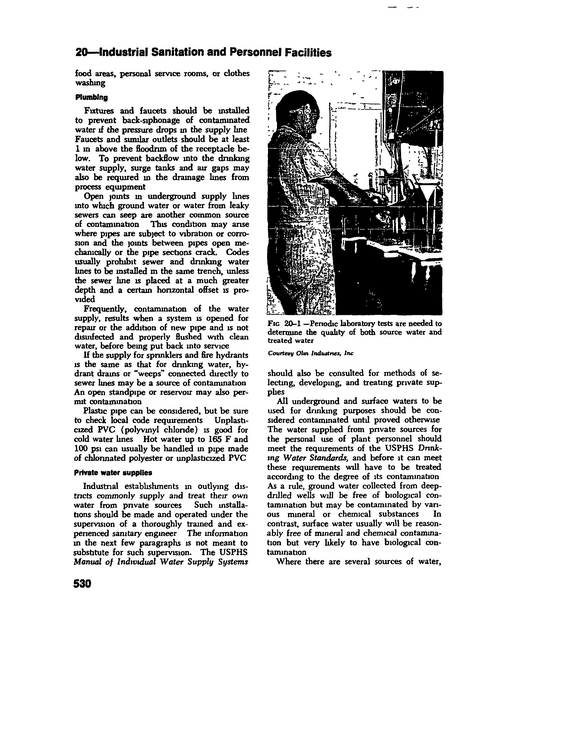
20--Industrial Sanitation and Personnel Facilities food areas, personal service rooms, or clothes washing Plumbing Fixtures and faucets should be installed to prevent back-siphonage of contaminated water if the pressure drops in the supply line Faucets and similar outlets should be at least 1 m above the fioodnm of the receptacle be low.
refid# wgOBb2rMENQ35M04BNbkLJeE1 page
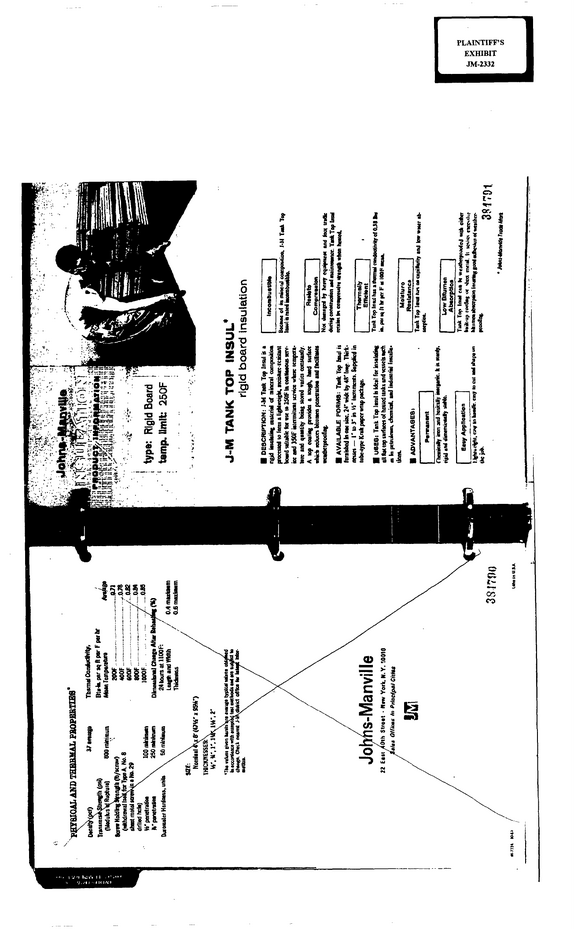
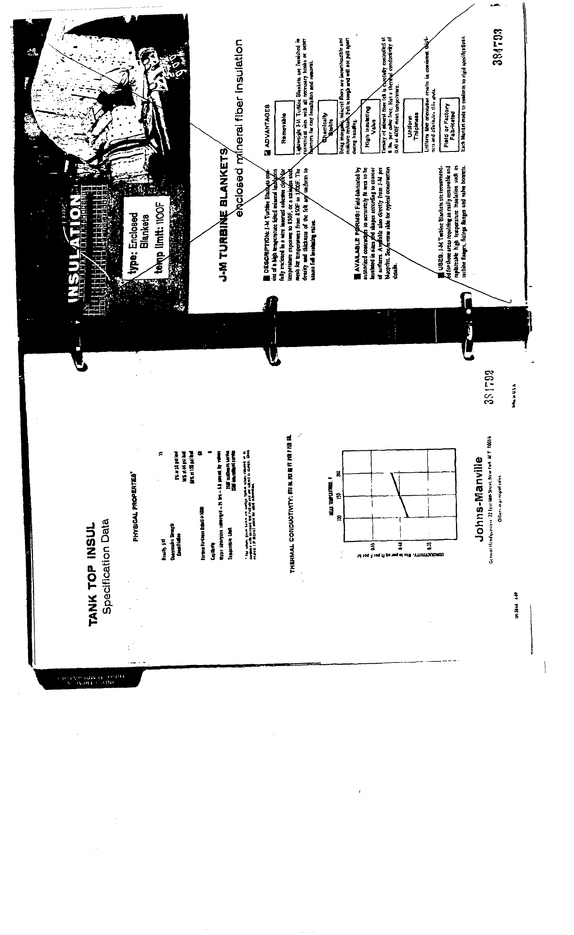
ioe-r <X> CO Mil > c *I 0) - EK SZ 1 OI "3 ' TANK TOP INSUL Specification Data
refid# ppK9ODLeZ41yzLBZzYqVB0Z1k2 pages
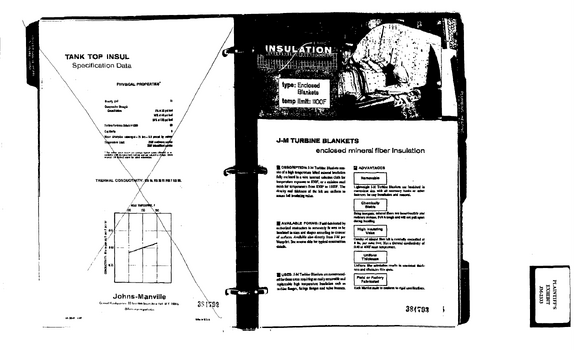
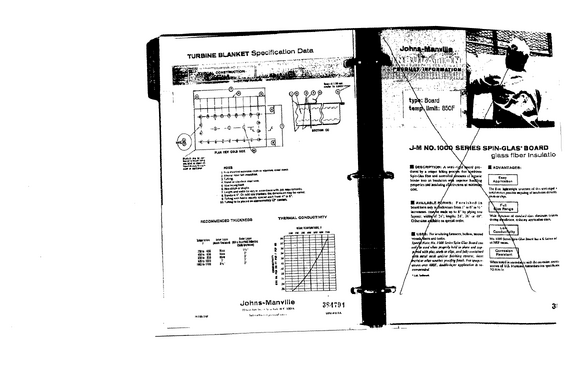
PLAINTIFF' S EXHIBIT JM-2333 Johns-Wlanville Oc**ol 'i 32 (cm tit* 'rt p' +tftol MY KWH VlMtiatt4rft * CV" im'atK ft *h* *m* *4om m*++ mm 1. vi$ iscwcfcvcicth r twtdm mf> 2. ttfc<ra' A6*r f*tf * 1 Tjft'ft. 4.
refid# Y9Mk5wwGX62q9qogp7px3zRMD2 pages
.. -* \ ________ .
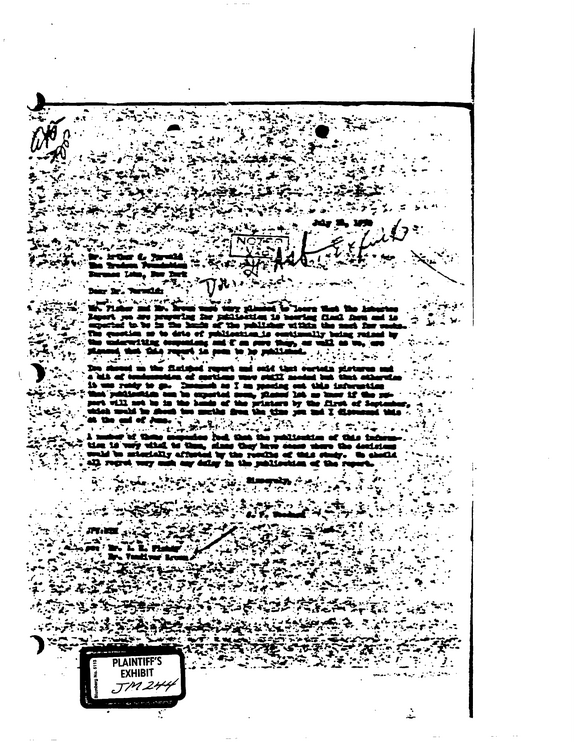
refid# b55GL51qwnJgM2JRMyvgjEag11 page
lagnat 19, I9kfl Hr.
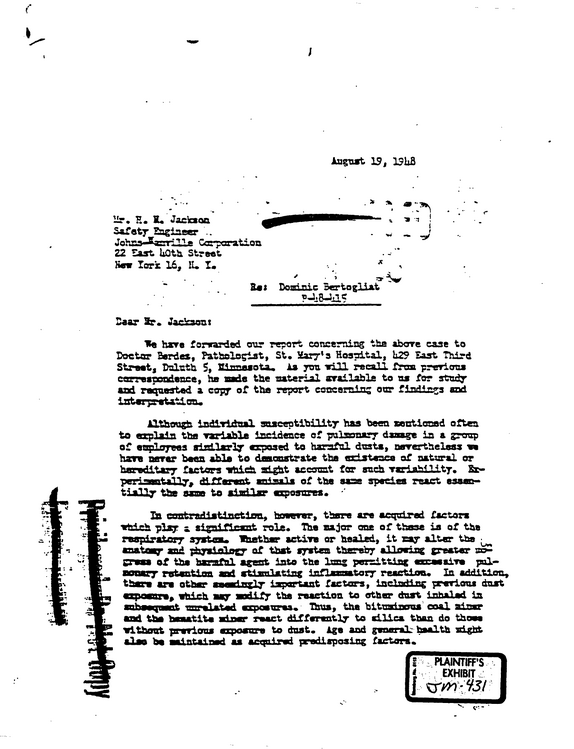
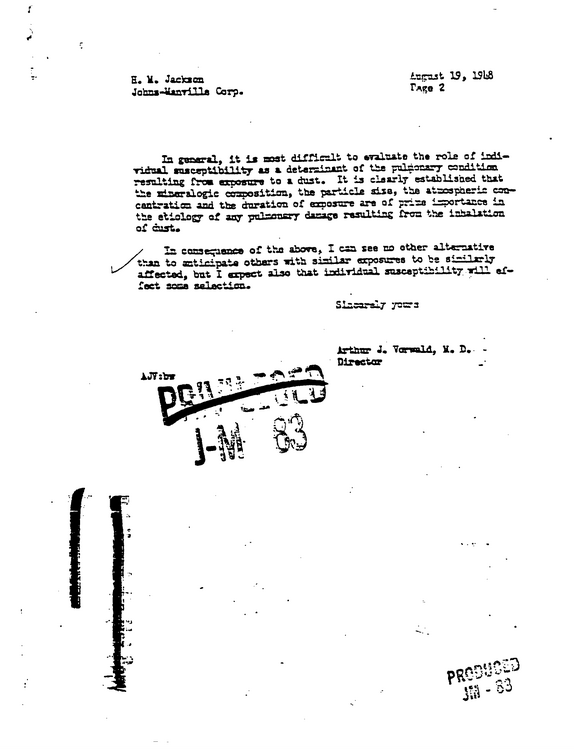
refid# omdv2YLRV0B1yrKkKwzdBRZYr2 pages
COVER SHEET FOR B-LEVEL DOCUMENTS REMOVED IN PRIVILEGE REVIEW ORIGINAL B-LEVEL BOX NO.


refid# byYe8Vy5E2yaeLG7w1N8eqVo311 pages
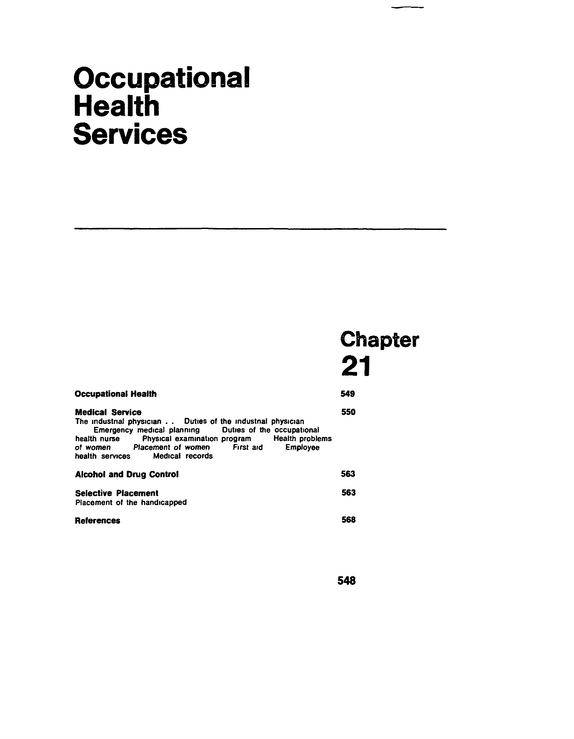
Occupational Health Services Chapter 21 Occupational Health 549 Medical Service The industrial physician . .
refid# qaqJ06yjdowQdmyD9nwbvqOjK1 page
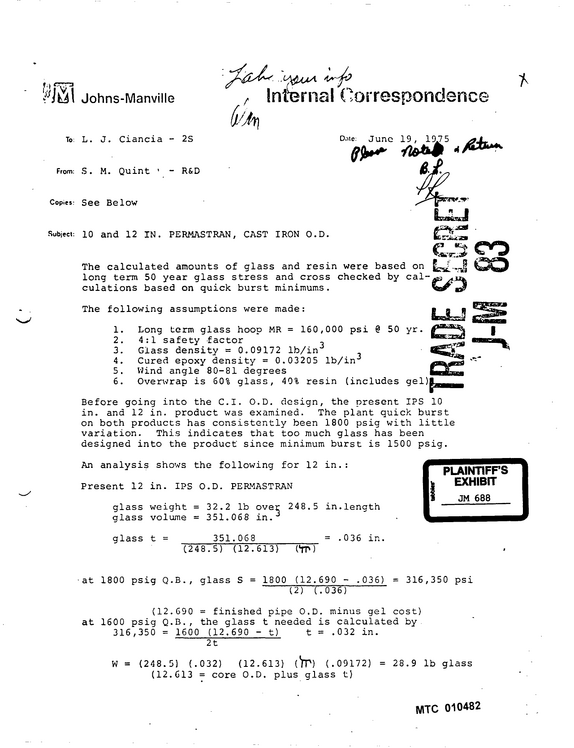
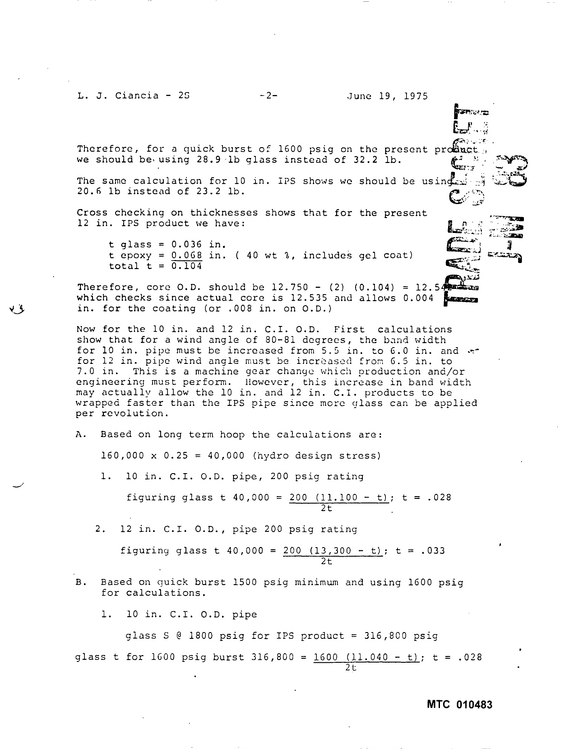
HlSl Johns-Manville To: L.

refid# jm2JNjoLEgZQr8ddpoKZyG0XZ5 pages