Refine
Estimated Years UndatedClear
92,592 results foundRefine Search
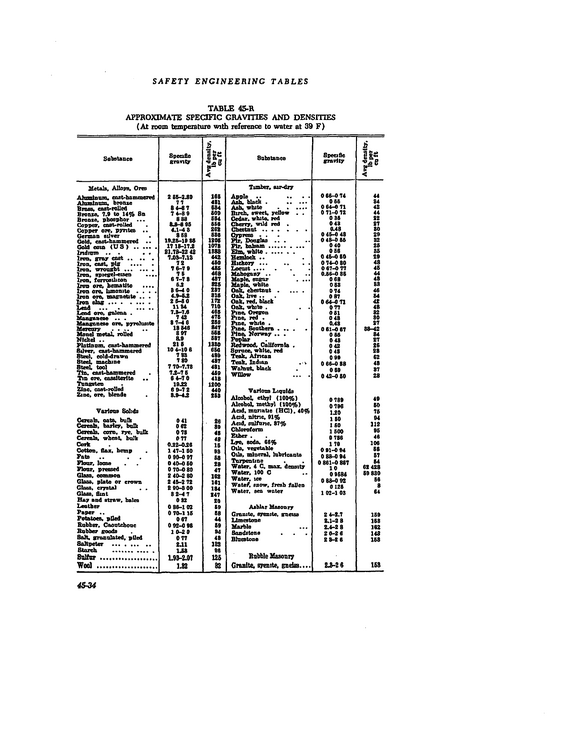
SAFETY ENGINEERING TABLES TABLE 45-R APPROXIMATE SPECIFIC GRAVITIES AND DENSITIES (At room temperature with reference to water at 39 F) Substance Specific gravity f Substance Specific gravity Metals, Alloys, Ores AWwafaniw, C&flMl&IBIBQH Aluminum, bronze Brora, caat-rolied Bronze, 7*9 to 14% Bn Bronze, phosphor ...
refid# 7MRjaak92vzEeb8V22RRwxzdV1 page
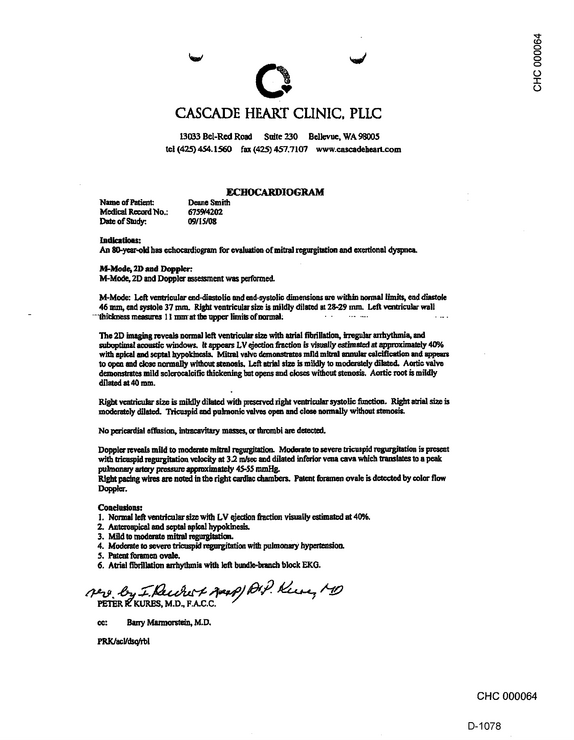
CHC 000064 w1 CASCADE HEART CLINIC, PLLC 13033 Bel-Red Road Suite 230 Bellevue, WA 98005 tel (425) 454.1560 fax (425) 457,7107 www.cascadebeait.com Name ofPatient Medical Record No.: Date ofStudy: ECHOCARDIOGRAM Deane Smith 6759/4202 09/15/08 Indkatioas: An 80-year-old has echocardiogram for evaluation ofmitral regurgitation and exertional dyspnea.
refid# Z1ka16bYrGr36bOB5j37qvnp1 page
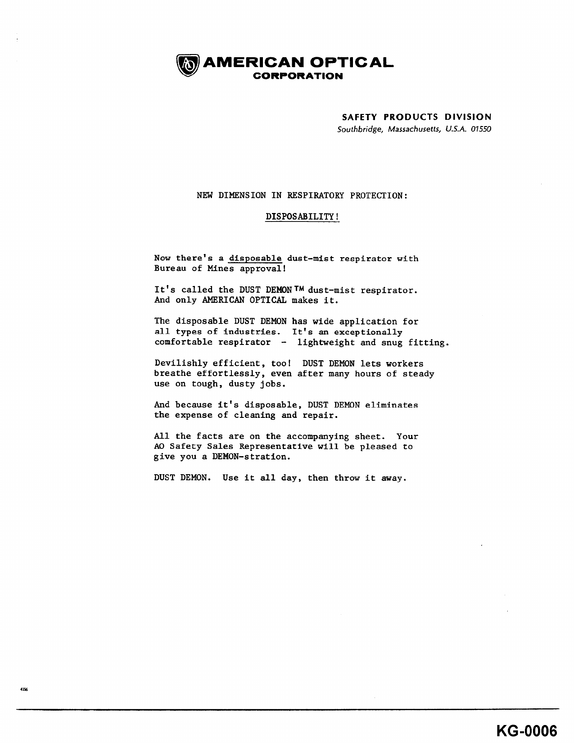
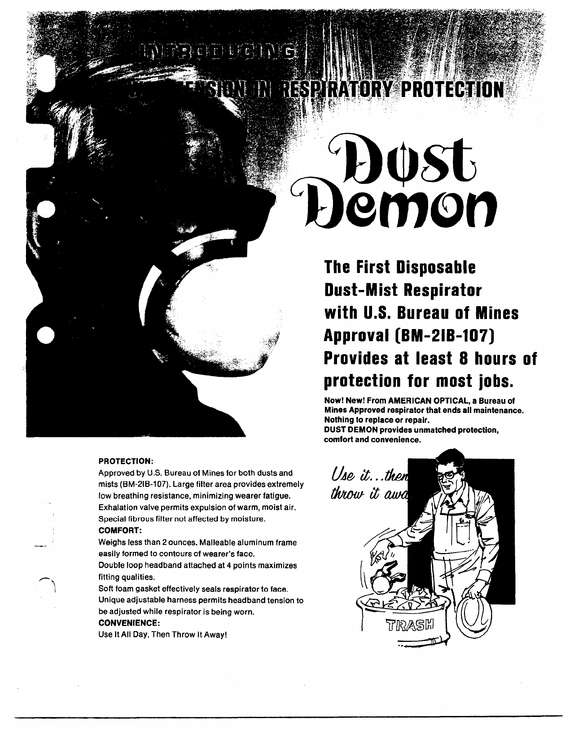
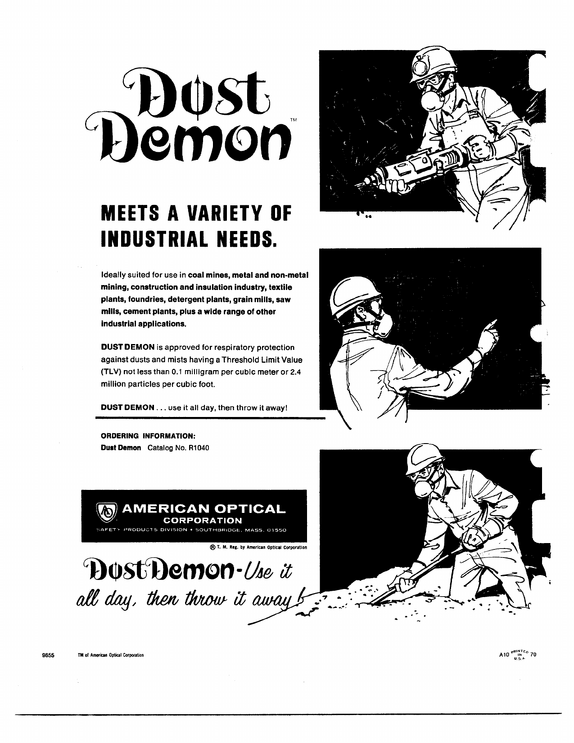
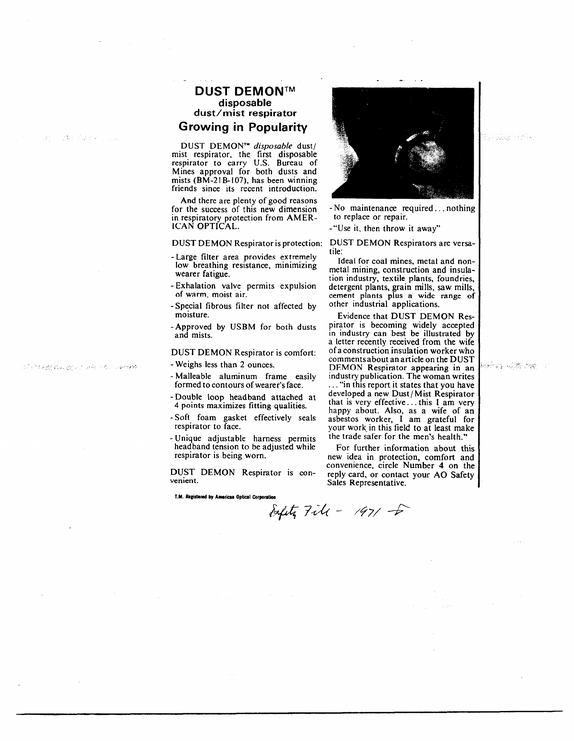
^ AMERICAN OPTICAL ^ CORPORATION SAFETY PRODUCTS DIVISION Southbridge, Massachusetts, U.S.A. 01550 NEW DIMENSION IN RESPIRATORY PROTECTION: DISPOSABILITY!
refid# nk43ED31g8V0j0Za2gqRb6QLG4 pages
FROM: H.
refid# Eq4j0XaXJ58xYXM0bD5VNGw6R2 pages
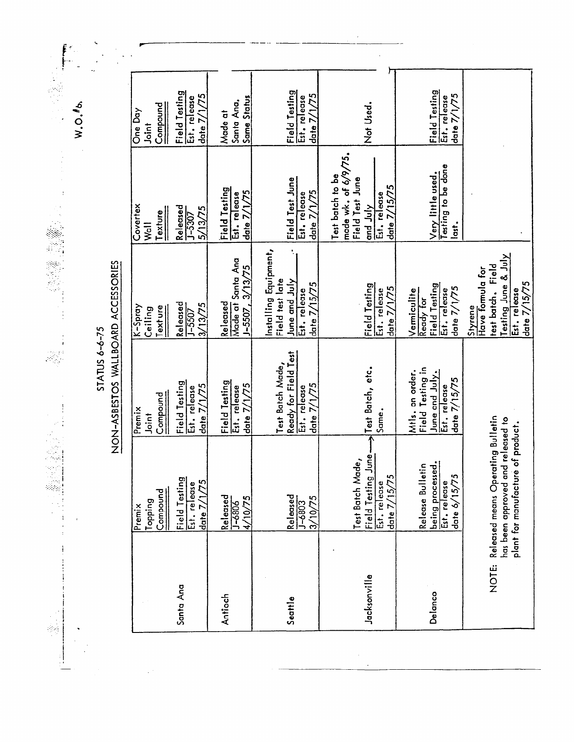
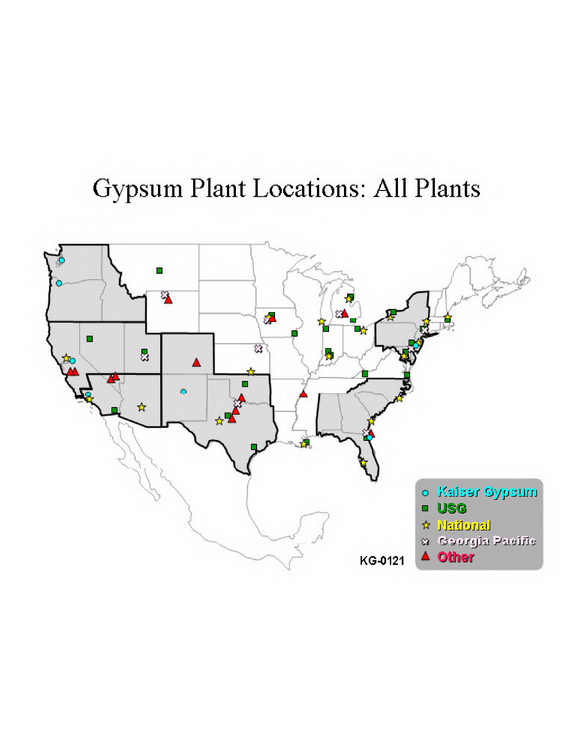
Gypsum Plant Locations: All Plants
refid# oD90QrbEKkvveGNE96LR6NDpw1 page
VOLUME 13 LABOR SAFETY NATIONAL SAFETY COUNCIL 425 N.
refid# Ra91oOpZKyewRogRbmMqweQmX16 pages
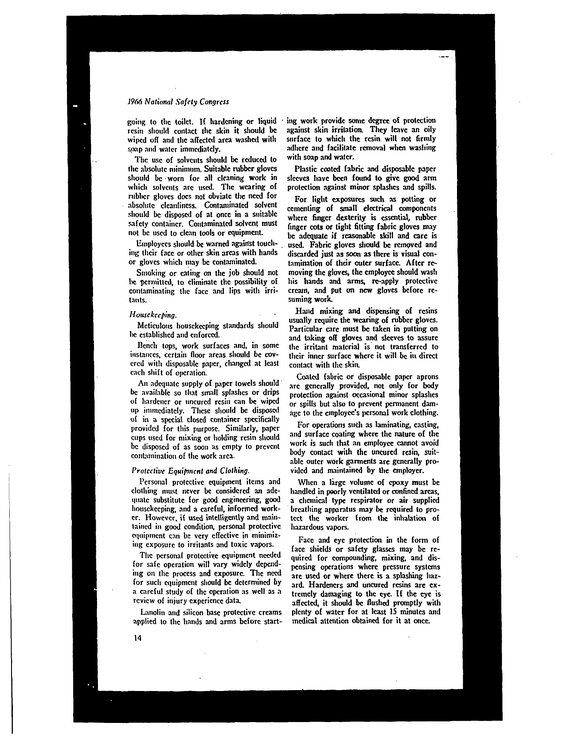
Mining Industry (b) toxic dusts, which arc poisonous to body organs and body tissues (beryllium, organic, lend, mercury, radon, thorium, and othoni); (c) radio-active dusts, which am injurious because of thoir radiations (ores of uranium, thorium, etc.); (d) oxplosivo dusts, which aro combustlblo in nlrbomo suspension (coal dusts, sulphide dusts, and the liko); and (o) Inert dusts, which allegedly have no harmful effects.
refid# k6po23Qjq2dR6JjqpryZne6pJ1 page
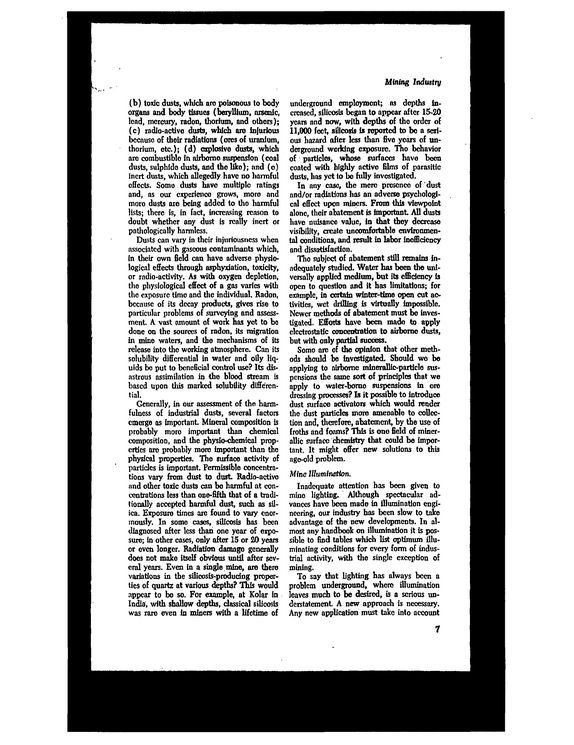
TABLE 10 ( SURVEY MEASUREMENT DATA ) SPIROGRAPHY - VITAL CAPACITY DEVIATION FROM PREDICTED V.C.
refid# 7RvavxMp653zE51JQX41JNxVg1 page
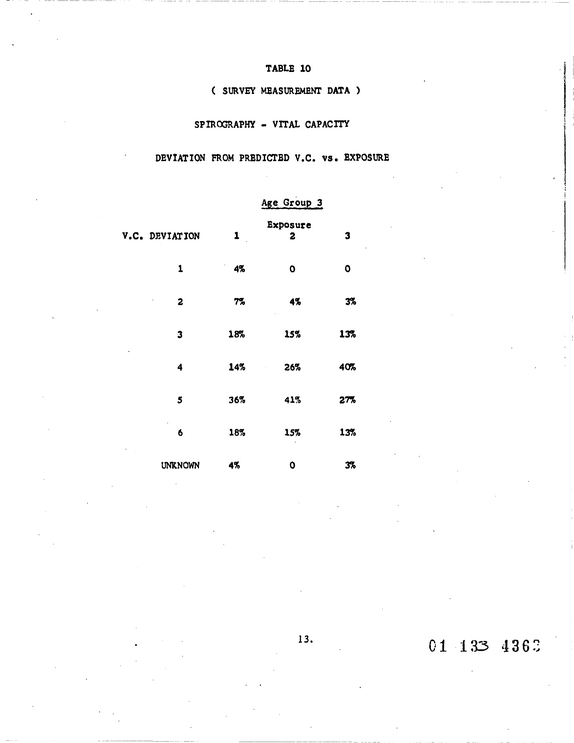
2-- -- He said, "You have proved safe driving is a good investment I hope your example will be followed by every driver m the city.
refid# Xzn39jbKmEOGKbDjVJ32V4w0w1 page
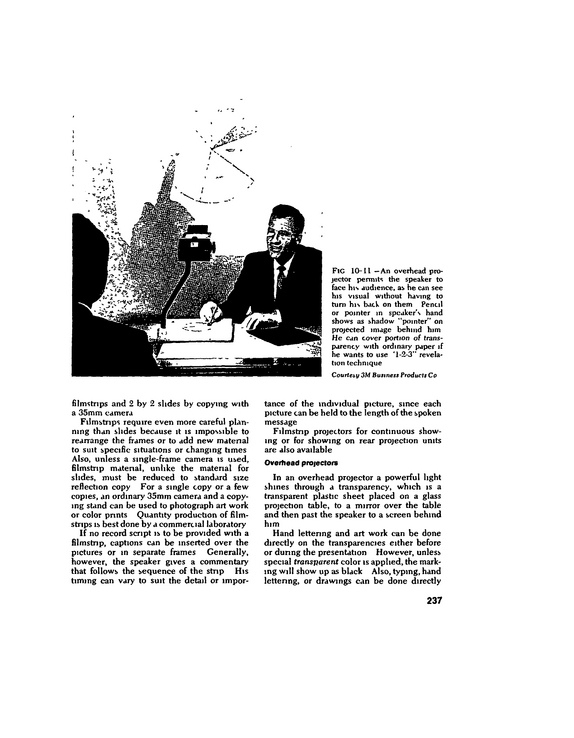
Fig 10-11 -- An overhead pro jector permits the speaker to face his audience, as he can see his visual without having to turn his back on them Pencil or pointer m speaker's hand shows as shadow "pointer" on projected image behind him He can cover portion of trans parency with ordinary paper if he wants to use `1-2-3" revela tion technique Courtesy 3M Business Products Co filmstrips and 2 by 2 slides by copying with a 35mm camera Filmstrips require even more careful plan ning than slides because it is impossible to rearrange the frames or to add new material to suit specific situations or changing times Also, unless a single-frame camera is used, filmstrip material, unlike the material for slides, must be reduced to standard size reflection copy For a single copy or a few copies, an ordinary 35mm camera and a copy ing stand can be used to photograph art work or color prints Quantity production of film strips is best done by a commercial laboratory If no record script is to be provided with a filmstrip, captions can be inserted over the pictures or m separate frames Generally, however, the speaker gives a commentary that follows the sequence of the strip His timing can vary to suit the detail or impor tance of the individual picture, since each picture can be held to the length of the spoken message Filmstrip projectors for continuous show ing or for showing on rear projection units are also available Overhead projectors In an overhead projector a powerful light shines through a transparency, which is a transparent plastic sheet placed on a glass projection table, to a mirror over the table and then past the speaker to a screen behind him Hand lettering and art work can be done directly on the transparencies either before or during the presentation However, unless special transparent color is applied, the mark ing will show up as black Also, typing, hand lettering, or drawings can be done directly 237
refid# aJLZ6L6ovgZzg8v8XpeLYdB5N1 page
savings are as meaningful to higher manage ment as those which use frequency and sever ity figures Facts about the costs of accidents may be used effectively m securing the active cooperation of foremen Foremen are usually cost conscious because they are expected to run their departments profitably Monthly reports showing the cost of accidents or the savings resulting from good accident records are an important motivation to achieve safe operating procedures Definition of work accidents for cost analysis Work accidents, for the purpose of cost analysis, are unintended occurrences arising out of employment These accidents fall into two general categories (a) accidents re sulting in work injuries and (b) accidents that cause property damage or interfere with production in such a manner that personal injury might result The inclusion of the no-injury accidents makes "work accident" roughly synonymous with the type of occurrences a safety depart ment strives to prevent Method for estimating To be of maximum usefulness, cost figures should represent as accurately as possible the specific experience of the company itself A fixed rabo of indirect to direct costs devel oped from experience represenbng many different companies in many different indus tries does not serve such a purpose Esti mated costs of accidents in general do not take into account differences in hazards from one industry to another or the more impor tant differences m safety performance from one company to another Since the distmcbons between "direct" and "indirect" costs are difficult to maintain they have been abandoned m favor of the more precise terms "insured" and "unin sured" costs Using these data, a company can estimate its accident cost with reasonable accuracy Insured costs Every organization paying compensation insurance premiums recognizes such expense as part of the costs of accidents In some cases, medical expenses, too, may be covered by insurance These costs are definite, and they are known They comprise the insured element of the total accident cost In addition to these costs, many other costs arise m connechon with accidents The cost of damaged equipment is easily idenhfied Others, such as wages paid to the injured em ployee for hours during which he is not pro ducing, are hidden These items comprise the uninsured element of the total accident cost Uninsured costs.
refid# 07nvd0Q1JOZ11MxOe37zXNzO1 page
Accident Investigation, Analysis, and Costs 3 Cost of wages paid for time lost by the injured worker, other than workmen's compensation payments Payments made under workmen's compensation laws for time lost after the waiting period are not included m this element of cost 4 Extra cost of overtime work necessitated by the accident The charge against an accident for overtime work necessitated by the accident is the difference between normal wages and overtime wages for the time needed to make up lost production, and the cost of extra supervision, heat, light, cleaning, and other extra services 5 Cost of wages paid supervisors for time required for activities necessitated by the accident The most satisfactory way of estimating this cost is to charge the wages paid to the foreman for the time spent away from normal activities as a result of the accident 6 Wage cost caused by decreased output of injured worker after return to work.
refid# qkNQvQOz5Gnv8omX9oG2yQQa51 page
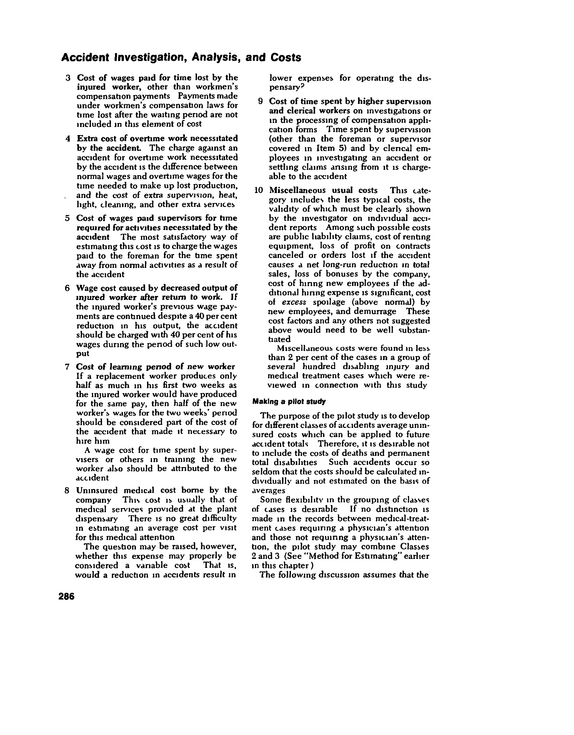
Office Safety FlC 15-3 --Case history Vice president was talking to a cus tomer at his desk The slight movement of the chair as he sat down caused a caster to come out of its socket, man fell to the floor Result midback frac ture, collapsed vertebrae, and 9 months lost time manufacturers, in a survey made by the American Mutual Insurance Alliance In the bar chart.
refid# jgrKzy97GoxrNvVreL7bRErDk1 page
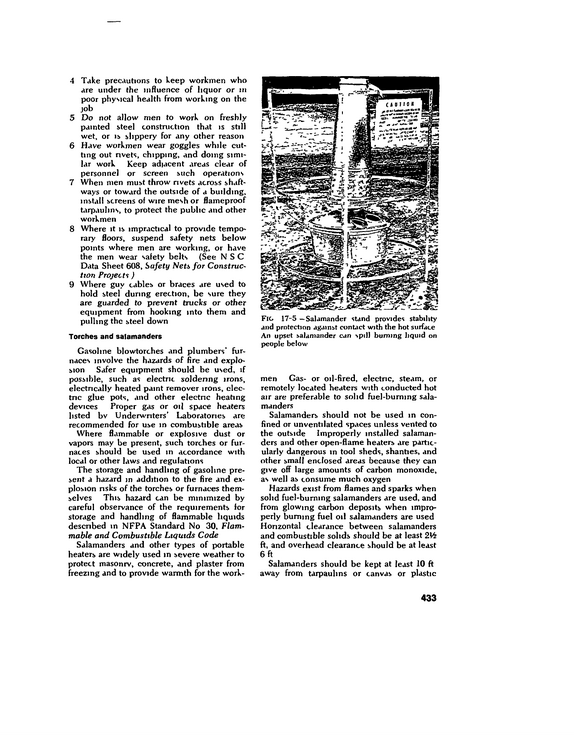
4 Take precautions to keep workmen who are under the influence of liquor or in poor physical health from working on the job 5 Do not allow men to work on freshly painted steel construction that is still wet, or is slippery for any other reason 6 Have workmen wear goggles while cut ting out nvets, chipping, and doing simi lar work Keep adiacent areas clear of personnel or screen such operations 7 When men must throw nvets across shaftways or toward the outside of a building, install screens of wire mesh or flameproof tarpaulins, to protect the public and other workmen 8 Where it is impractical to provide tempo rary floors, suspend safety nets below points where men are working, or have the men wear safety belts (See NSC Data Sheet 608, Safety Nets for Construc tion Projects ) 9 Where guy cables or braces are used to hold steel during erection, be sure they are guarded to prevent trucks or other equipment from hooking into them and pulling the steel down Torches and salamanders Gasoline blowtorches and plumbers' fur naces involve the hazards of fire and explo sion Safer equipment should be used, if possible, such as electric soldenng irons, electrically heated paint remover irons, elec tric glue pots, and other electric heating devices Proper gas or oil space heaters listed bv Underwriters' Laboratories are recommended for use m combustible areas Where flammable or explosive dust or vapors may be present, such torches or fur naces should be used in accordance with local or other laws and regulations The storage and handling of gasoline pre sent a hazard m addition to the fire and ex plosion risks of the torches or furnaces them selves This hazard can be minimized by careful observance of the requirements for storage and handling of flammable liquids described in NFPA Standard No 30, Flam mable and Combustible Liquids Code Salamanders and other types of portable heaters are widely used in severe weather to protect masonrv, concrete, and plaster from freezing and to provide warmth for the work- Fig 17-5 -- Salamander stand provides stability and protection against contact with the hot surface An upset salamander can spill burning liquid on people below men Gas- or oil-fired, electric, steam, or remotely located heaters with conducted hot air are preferable to solid fuel-burning sala manders Salamanders should not be used in con fined or unventilated spaces unless vented to the outside Improperly installed salaman ders and other open-flame heaters are partic ularly dangerous in tool sheds, shanties, and other small enclosed areas because they can give off large amounts of carbon monoxide, as well as consume much oxygen Hazards exist from flames and sparks when solid fuel-burning salamanders are used, and from glowing carbon deposits when impro perly burning fuel oil salamanders are used Horizontal clearance between salamanders and combustible solids should be at least 2V ft, and overhead clearance should be at least 6ft Salamanders should be kept at least 10 ft away from tarpaulins or canvas or plastic 433
refid# KJzk4GVMvdzbrvQk1oV7eMa8x1 page
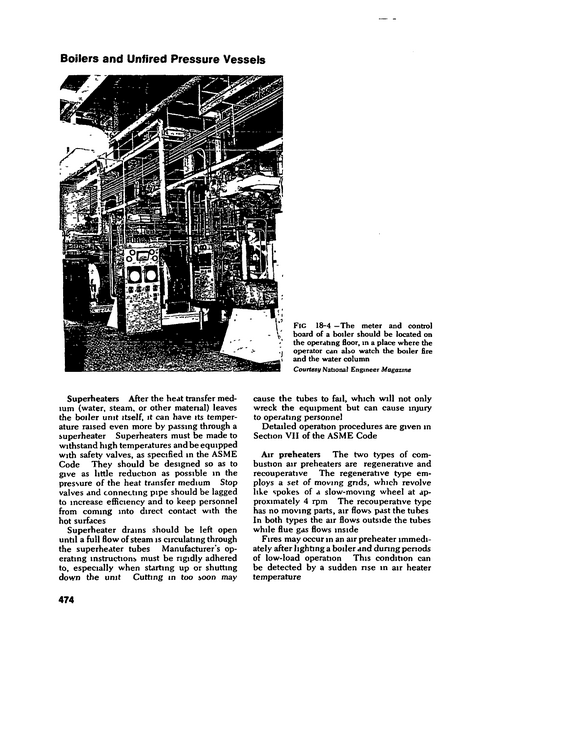
Boilers and Unfired Pressure Vessels Fig 18-4 --The meter and control board of a boiler should be located on the operating floor, in a place where the operator can also watch the boiler fire and the water column Courtesy National Engineer Magazine Superheaters After the heat transfer med ium (water, steam, or other material) leaves the boiler unit itself, it can have its temper ature raised even more by passing through a superheater Superheaters must be made to withstand high temperatures and be equipped with safety valves, as specified in the ASME Code They should be designed so as to give as little reduction as possible m the pressure of the heat transfer medium Stop valves and connecting pipe should be lagged to increase efficiency and to keep personnel from coming into direct contact with the hot surfaces Superheater drains should be left open until a full flow of steam is circulating through the superheater tubes Manufacturer's op erating instructions must be rigidly adhered to, especially when starting up or shutting down the unit Cutting in too soon may cause the tubes to fail, which will not only wreck the equipment but can cause injury to operating personnel Detailed operation procedures are given in Section VII of the ASME Code Air preheaters The two types of com bustion air preheaters are regenerative and recouperative The regenerative type em ploys a set of moving grids, which revolve like spokes of a slow-moving wheel at ap proximately 4 rpm The recouperative type has no moving parts, air flows past the tubes In both types the air flows outside the tubes while flue gas flows inside Fires may occur in an air preheater immedi ately after lighting a boiler and during periods of low-load operation This condition can be detected by a sudden rise in air heater temperature 474
refid# G6DaYkBo11nxBVDg8N6GBNEjr1 page