Refine
Estimated Years 2000-2009Clear
6,589 results foundRefine Search
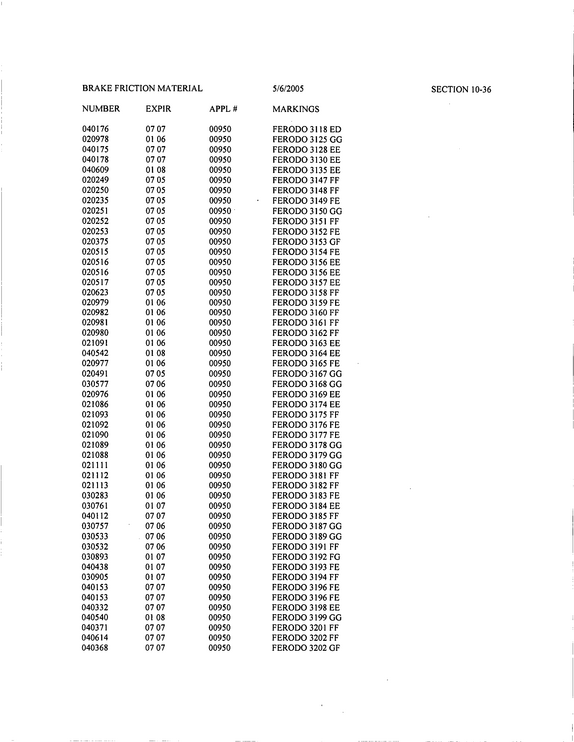
BRAKE FRICTION MATERIAL NUMBER EXP1R APPL # 040176 020978 040175 040178 040609 020249 020250 020235 020251 020252 020253 020375 020515 020516 020516 020517 020623 020979 020982 020981 020980 021091 040542 020977 020491 030577 020976 021086 021093 021092 021090 021089 021088 021111 021112 021113 030283 030761 040112 030757 030533 030532 030893 040438 030905 040153 040153 040332 040540 040371 040614 040368 07 07 01 06 07 07 07 07 01 08 07 05 07 05 07 05 07 05 07 05 07 05 07 05 07 05 07 05 07 05 07 05 07 05 01 06 01 06 01 06 01 06 01 06 01 08 01 06 07 05 07 06 01 06 01 06 01 06 01 06 01 06 01 06 01 06 01 06 01 06 01 06 01 06 01 07 07 07 07 06 07 06 07 06 01 07 01 07 01 07 07 07 07 07 07 07 01 08 07 07 07 07 07 07 00950 00950 00950 00950 00950 00950 00950 00950 00950 00950 00950 00950 00950 00950 00950 00950 00950 00950 00950 00950 00950 00950 00950 00950 00950 00950 00950 00950 00950 00950 00950 00950 00950 00950 00950 00950 00950 00950 00950 00950 00950 00950 00950 00950 00950 00950 00950 00950 00950 00950 00950 00950 5/6/2005 MARKINGS FERODO 3118 ED FERODO 3125 GG FERODO 3128 EE FERODO 3130 EE FERODO 3135 EE FERODO 3147 FF FERODO 3148 FF FERODO 3149 FE FERODO 3150 GG FERODO 3151 FF FERODO 3152 FE FERODO 3153 GF FERODO 3154 FE FERODO 3156 EE FERODO 3156 EE FERODO 3157 EE FERODO 3158 FF FERODO 3159 FE FERODO 3160 FF FERODO 3161 FF FERODO 3162 FF FERODO 3163 EE FERODO 3164 EE FERODO 3165 FE FERODO 3167 GG FERODO 3168 GG FERODO 3169 EE FERODO 3174 EE FERODO 3175 FF FERODO 3176 FE FERODO 3177 FE FERODO 3178 GG FERODO 3179 GG FERODO 3180 GG FERODO 3181 FF FERODO 3182 FF FERODO 3183 FE FERODO 3184 EE FERODO 3185 FF FERODO 3187 GG FERODO 3189 GG FERODO 3191 FF FERODO 3192 FG FERODO 3193 FE FERODO 3194 FF FERODO 3196 FE FERODO 3196 FE FERODO 3198 EE FERODO 3199 GG FERODO 3201 FF FERODO 3202 FF FERODO 3202 GF SECTION 10-36
refid# 1nkMq0g8d8Za8Vr1DwOGKynd1 page
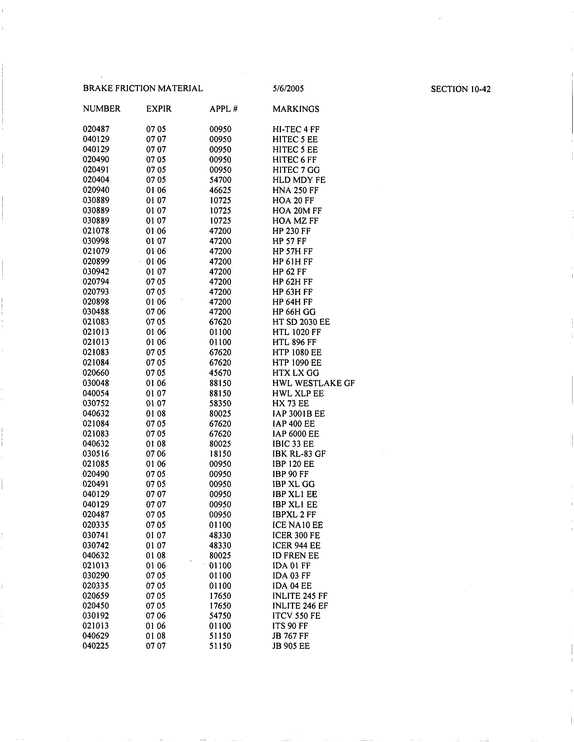
BRAKE FRICTION MATERIAL NUMBER EXPIR APPL # 020487 040129 040129 020490 020491 020404 020940 030889 030889 030889 021078 030998 021079 020899 030942 020794 020793 020898 030488 021083 021013 021013 021083 021084 020660 030048 040054 030752 040632 021084 021083 040632 030516 021085 020490 020491 040129 040129 020487 020335 030741 030742 040632 021013 030290 020335 020659 020450 030192 021013 040629 040225 07 05 07 07 07 07 07 05 07 05 07 05 01 06 01 07 01 07 01 07 01 06 01 07 01 06 01 06 01 07 07 05 07 05 01 06 07 06 07 05 01 06 01 06 07 05 07 05 07 05 01 06 01 07 01 07 01 08 07 05 07 05 01 08 07 06 01 06 07 05 07 05 07 07 07 07 07 05 07 05 01 07 01 07 01 08 01 06 07 05 07 05 07 05 07 05 07 06 01 06 01 08 07 07 00950 00950 00950 00950 00950 54700 46625 10725 10725 10725 47200 47200 47200 47200 47200 47200 47200 47200 47200 67620 01100 01100 67620 67620 45670 88150 88150 58350 80025 67620 67620 80025 18150 00950 00950 00950 00950 00950 00950 01100 48330 48330 80025 01100 01100 01100 17650 17650 54750 01100 51150 51150 5/6/2005 MARKINGS HI-TEC 4 FF HITEC 5 EE HITEC 5 EE HITEC 6 FF HITEC 7 GG HLD MDY FE HNA 250 FF HOA 20 FF HOA 20M FF HOA MZ FF HP 230 FF HP 57 FF HP 57H FF HP61HFF HP 62 FF HP 62H FF HP 63H FF HP 64H FF HP 66H GG HT SD 2030 EE HTL 1020FF HTL 896 FF HTP 1080 EE HTP 1090 EE HTX LX GG HWL WESTLAKE GF HWL XLP EE HX 73 EE IAP3001BEE IAP 400 EE IAP 6000 EE IBIC33 EE IBK RL-83 GF IBP 120 EE IBP 90 FF IBP XL GG IBP XL 1 EE IBP XL1 EE IBPXL 2 FF ICE NA10 EE ICER 300 FE ICER 944 EE ID FREN EE IDA 01 FF IDA 03 FF IDA 04 EE INLITE 245 FF INLITE 246 EF ITCV 550 FE ITS 90 FF JB 767 FF JB 905 EE SECTION 10-42
refid# qaBoKkeBj4GNo6rNmRLRYgeaq1 page
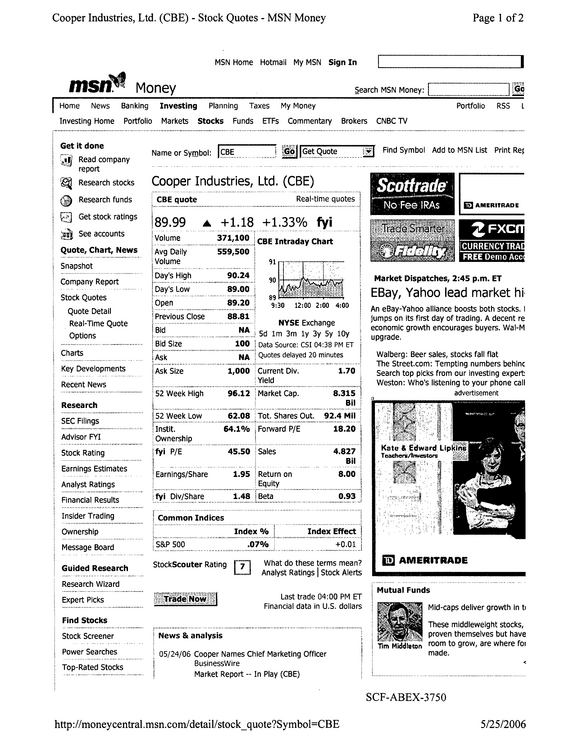
Cooper Industries, Ltd.
refid# zQqyad39NRNZ09NmK4D52EDb04 pages
Attorney for Defendant Gleason Corporation Dated: September 5. 2008 G:\Docs\CLiEMT\-7012\20640\pleading\00467745.RTP

refid# oDv2XemnkkOJ94XGaw1qKJMoR1 page
m : fr., iewlnsohn's ltlnmrr Owa - 4.1.?
refid# gb4a3p9J3LMnmp5e0wQgKN4QN3 pages
1701 PENNSTLVANIA AVC.
refid# LpxKOdzBQ0ZX0aaD8Jgm3abYw6 pages
.,,,.
refid# LgJXQB9L6yMn8K7p0eZKnvMzb58 pages
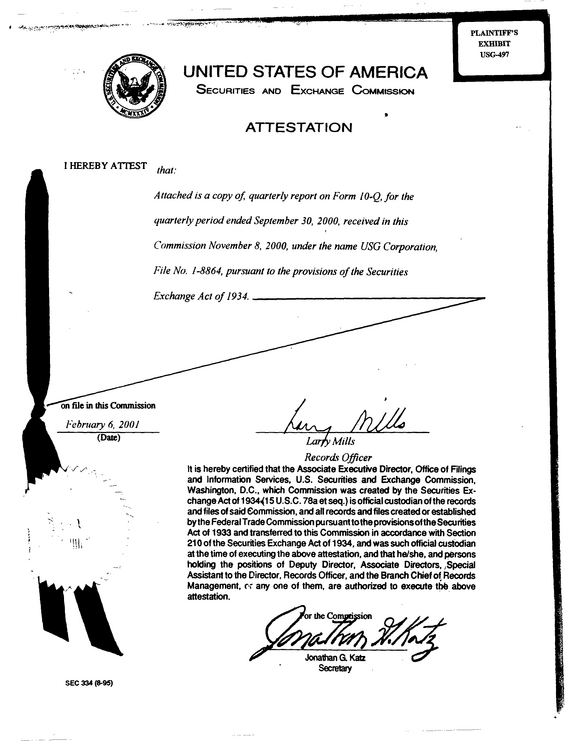
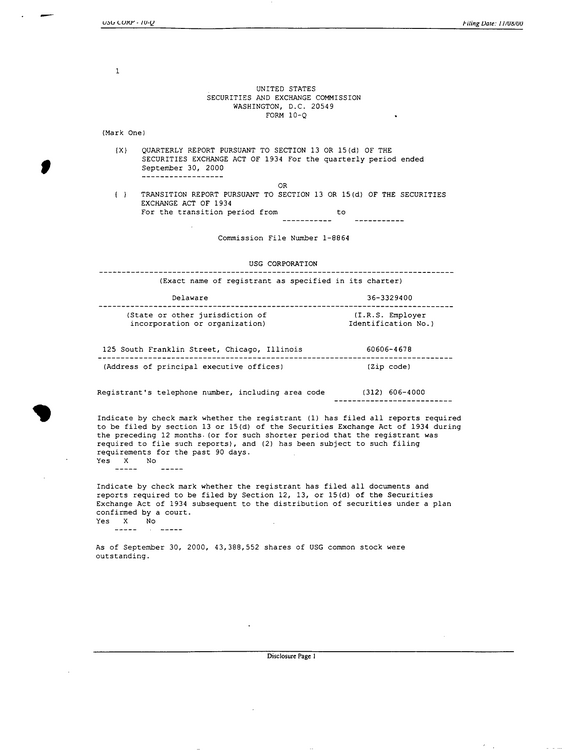
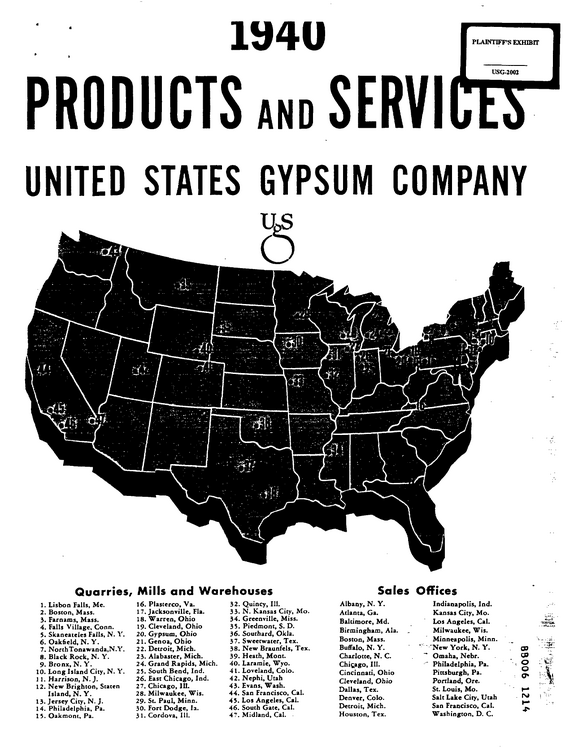
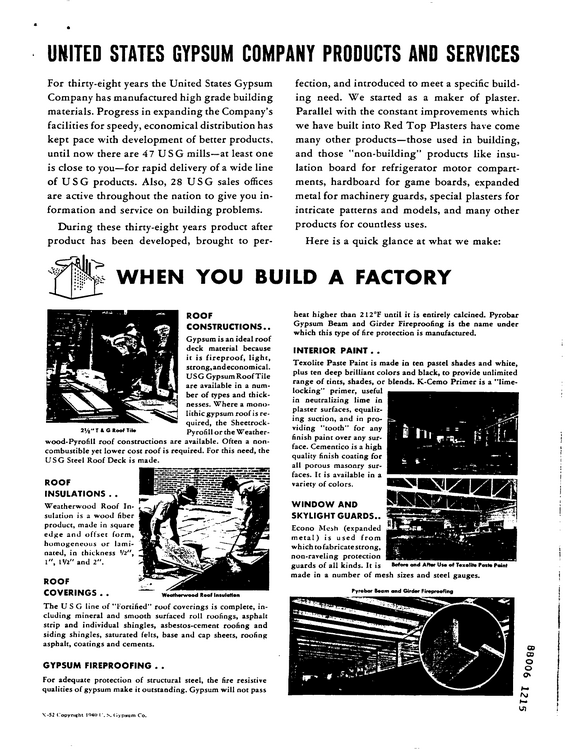
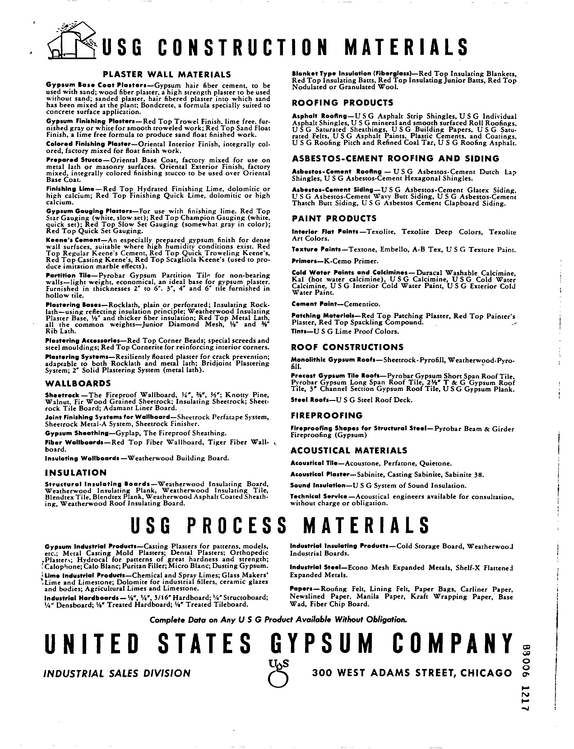
mu PRODUCTS and SE USG-2002 UNITED STATES GYPSUM COMPANY 8 3 0 0 6 121*1 Quarries, Mills and Warehouses 1.

refid# 2j3mpk3817vvQXEbpzgDJEma54 pages
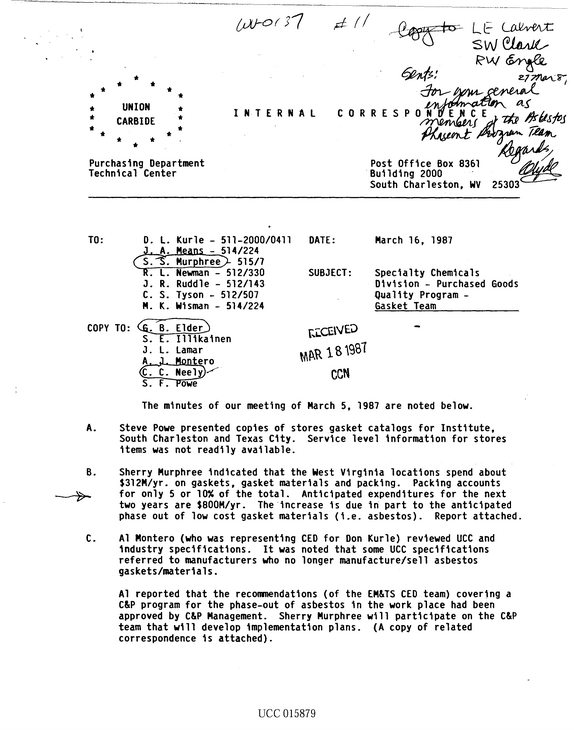
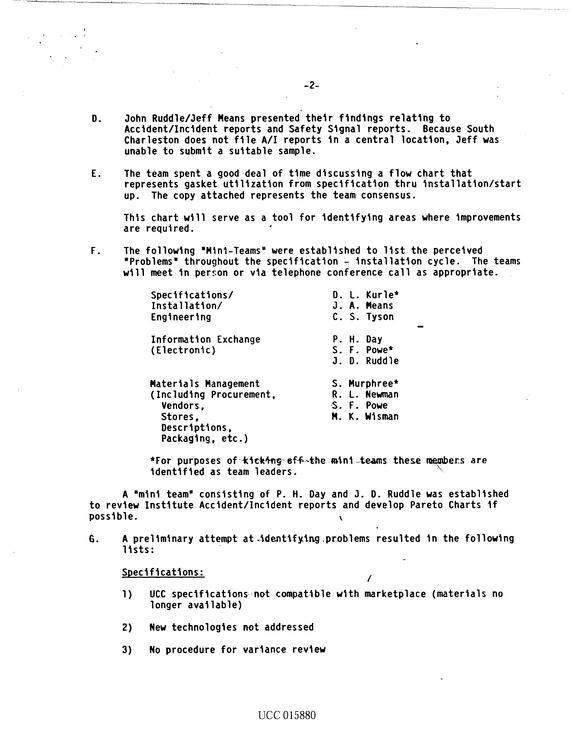
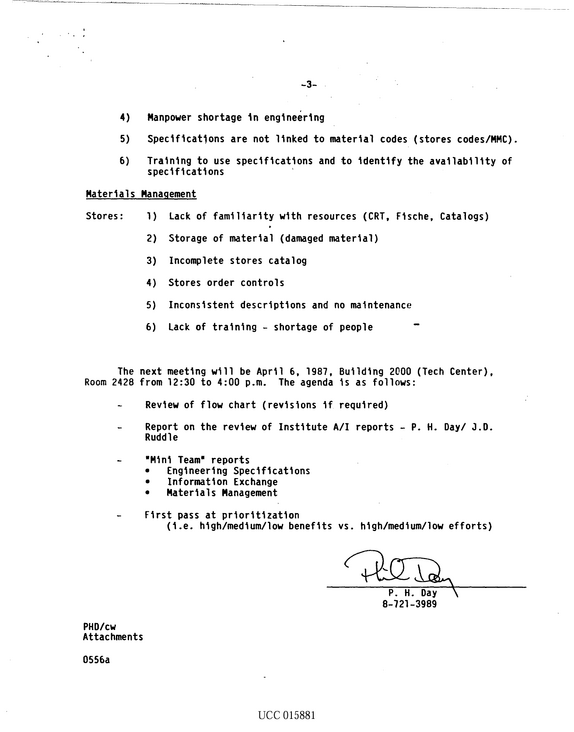
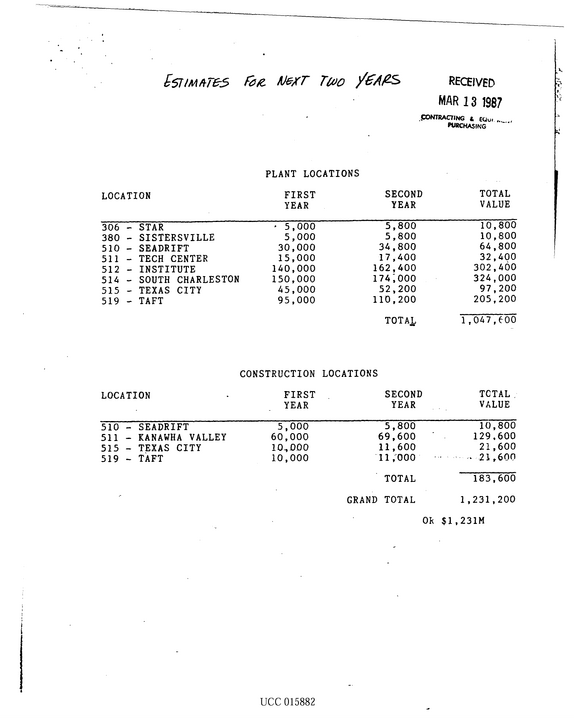
* ** * * ** * UNION * ** CARBIDE ** * * * * Purchasing Department Technical Center OM-on 7 d- INTERNAL LoSMaX.
refid# 4ry2X6VkeRrwdmkD5yYba6kp13 pages
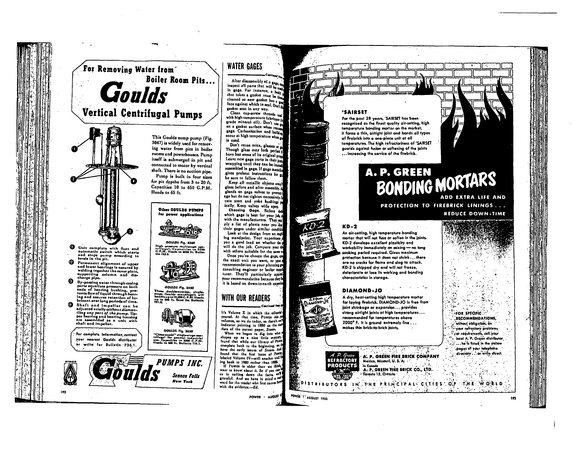
'For Removing Water iroin Boiler Room Pits...
refid# 44QoDkwEMk67zrDXBQ943JakV1 page
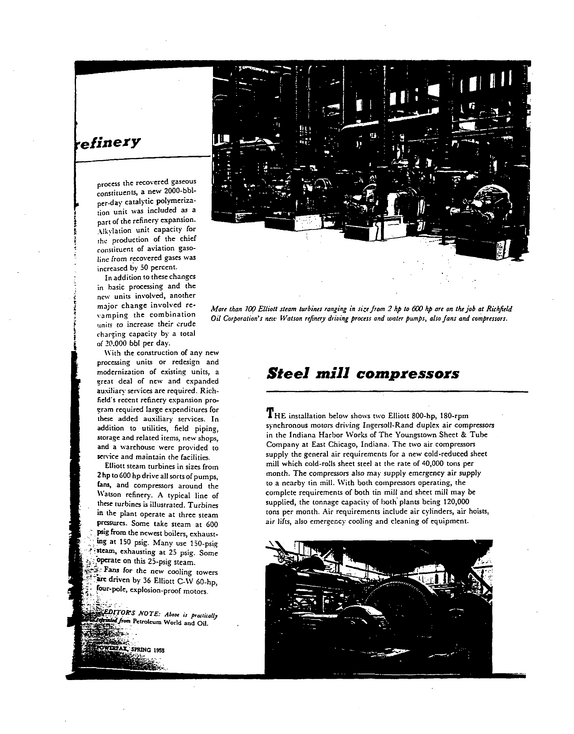
process the recovered gaseous constituents, a new 2000-bbl- per-day catalytic polymeriza tion unit was included as a part of the refinery expansion.
refid# e5r1y6mKNarrbp4Zd4gVKmjwG1 page
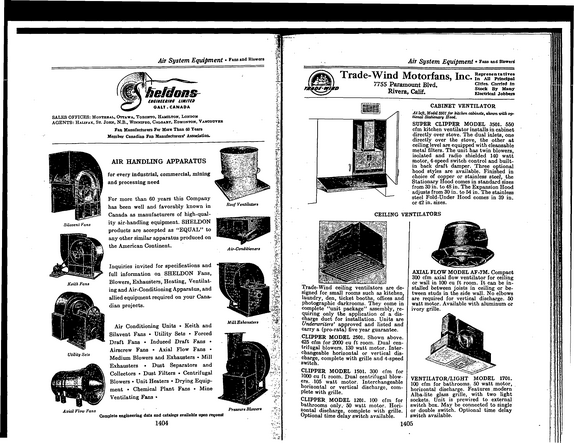
Air System Equipment Fans and Blowers rat/rs OFFICES: Montreal, Ottawa, Toronto, Hamilton, London AGENTS: Halifax, St.
refid# dY0gm1DpoLYqyVRwKKVoxL7Ye1 page
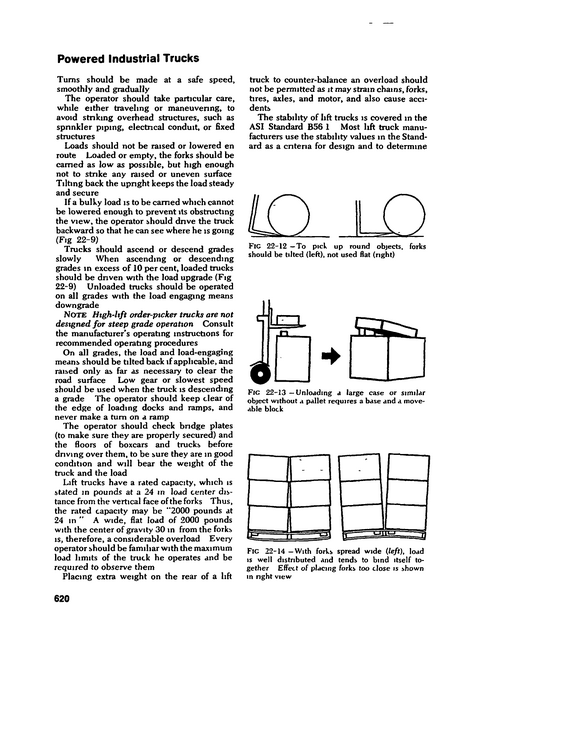
Powered Industrial Trucks Turns should be made at a safe speed, smoothly and gradually The operator should take particular care, while either traveling or maneuvering, to avoid striking overhead structures, such as sprinkler piping, electrical conduit, or fixed structures Loads should not be raised or lowered en route Loaded or empty, the forks should be earned as low as possible, but high enough not to stnke any raised or uneven surface Tilting back the upnght keeps the load steady and secure If a bulky load is to be earned which cannot be lowered enough to prevent its obstructing the view, the operator should dnve the truck backward so that he can see where he is going (Fig 22-9) Trucks should ascend or descend grades slowly When ascending or descending grades in excess of 10 per cent, loaded trucks should be dnven with the load upgrade (Fig 22-9) Unloaded trucks should be operated on all grades with the load engaging means downgrade Note High-ltft order-pteker trucks are not designed for steep grade operation Consult the manufacturer's operating instructions for recommended operating procedures On all grades, the load and load-engaging means should be tilted back if applicable, and raised only as far as necessary to clear the road surface Low gear or slowest speed should be used when the truck is descending a grade The operator should keep clear of the edge of loading docks and ramps, and never make a turn on a ramp The operator should check bridge plates (to make sure they are properly secured) and the floors of boxcars and trucks before driving over them, to be sure they are m good condition and will bear the weight of the truck and the load Lift trucks have a rated capacity, which is stated in pounds at a 24 m load center dis tance from the vertical face of the forks Thus, the rated capacity may be "2000 pounds at 24 in " A wide, flat load of 2000 pounds with the center of gravity 30 in from the forks is, therefore, a considerable overload Every operator should be familiar with the maximum load limits of the truck he operates and be required to observe them Placing extra weight on the rear of a lift truck to counter-balance an overload should not be permitted as it may strain chains, forks, tires, axles, and motor, and also cause acci dents The stability of lift trucks is covered in the ASI Standard B56 1 Most lift truck manu facturers use the stability values in the Stand ard as a criteria for design and to determine Fig 22-12 --To pick up round objects, forks should be tilted (left), not used flat (right) Fic 22-13 -- Unloading a large case or similar object without a pallet requires a base and a moveable block * r ---------5=tUJ=i----------7T) Fic 22-14 -- With forks spread wide (left), load is well distributed and tends to bind itself to gether Effect of placing forks too close is shown in nght view 620
refid# kmQaD4YyKqYOwda2GyzoB06by1 page
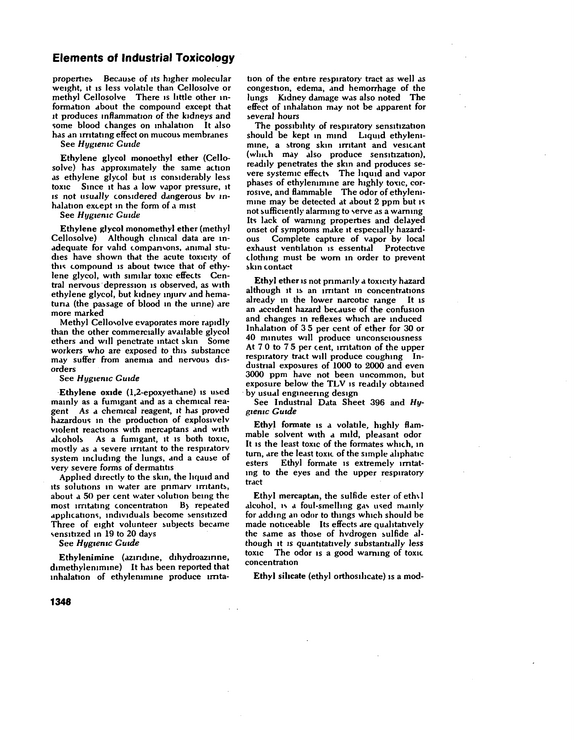
Elements of Industrial Toxicology properties Because of its higher molecular weight, it is less volatile than Cellosolve or methyl Cellosolve There is little other in formation about the compound except that it produces inflammation of the kidneys and some blood changes on inhalation It also has an irritating effect on mucous membranes See Hygienic Guide Ethylene glycol monoethyl ether (Cello solve) has approximately the same action as ethylene glycol but is considerably less toxic Since it has a low vapor pressure, it is not usually considered dangerous bv in halation except m the form of a mist See Hygienic Guide Ethylene glycol monomethyl ether (methyl Cellosolve) Although clinical data are in adequate for valid comparisons, animal stu dies have shown that the acute toxicity of this compound is about twice that of ethy lene glycol, with similar toxic effects Cen tral nervous depression is observed, as with ethylene glycol, but kidney injury and hema turia (the passage of blood in the unne) are more marked Methyl Cellosolve evaporates more rapidly than the other commercially available glycol ethers and will penetrate intact skin Some workers who are exposed to this substance may suffer from anemia and nervous dis orders See Hygienic Guide Ethylene oxide (1,2-epoxyethane) is used mainly as a fumigant and as a chemical rea gent As a chemical reagent, it has proved hazardous in the production of explosively violent reactions with mercaptans and with alcohols As a fumigant, it is both toxic, mostly as a severe irritant to the respiratorv system including the lungs, and a cause of very' severe forms of dermatitis Applied directly to the skin, the liquid and its solutions in water are pnmarv irritants, about a 50 per cent water solution being the most irritating concentration By repeated applications, individuals become sensitized Three of eight volunteer subjects became sensitized in 19 to 20 days See Hygienic Guide Ethylenimine (azindine, dihydroazinne, dimethylenimme) It has been reported that inhalation of ethylenimine produce irrita tion of the entire respiratory tract as well as congestion, edema, and hemorrhage of the lungs Kidney damage was also noted The effect of inhalation may not be apparent for several hours The possibility of respiratory sensitization should be kept m mind Liquid ethyleni mine, a strong skin irritant and vesicant (winch may also produce sensitization), readily penetrates the skin and produces se vere systemic effects The liquid and vapor phases of ethylenimine are highly toxic, cor rosive, and flammable The odor of ethyleni mine may be detected at about 2 ppm but is not sufficiently alarming to serve as a warning Its lack of warning properties and delayed onset of symptoms make it especially hazard ous Complete capture of vapor by local exhaust ventilation is essential Protective clothing must be worn in order to prevent skin contact Ethyl ether is not primarily a toxicity hazard although it is an irritant m concentrations already m the lower narcotic range It is an accident hazard because of the confusion and changes in reflexes which are induced Inhalation of 3 5 per cent of ether for 30 or 40 minutes will produce unconsciousness At 7 0 to 7 5 per cent, irritation of the upper respiratory tract will produce coughing In dustrial exposures of 1000 to 2000 and even 3000 ppm have not been uncommon, but exposure below the TLV is readily obtained by usual engineering design See Industrial Data Sheet 396 and Hy gienic Guide Ethyl formate is a volatile, highly flam mable solvent with a mild, pleasant odor It is the least toxic of the formates which, in turn, are the least toxic of the simple aliphatic esters Ethyl formate is extremely irritat ing to the eyes and the upper respiratory tract Ethyl mercaptan, the sulfide ester of ethvl alcohol, is a foul-smelling gas used mainly for adding an odor to things which should be made noticeable Its effects are qualitatively the same as those of hvdrogen sulfide al though it is quantitatively substantially less toxic The odor is a good warning of toxic concentration Ethyl silicate (ethyl orthosihcate) is a mod- 1348
refid# xzkO87EbMk6prMQVLEa1pmgjy1 page
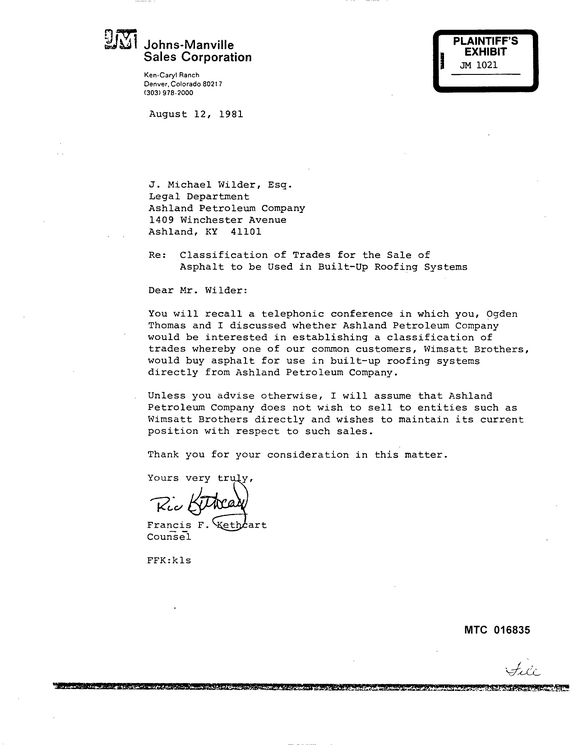
Johns-Manville Sales Corporation Ken-Caryl Ranch Denver, Colorado 8021 7 (303)978-2000 August 12, 1981 PLAINTIFF'S EXHIBIT JM 1021 J.
refid# 2jVg7yw31eKnrzeN675QvK28p2 pages