Refine
Estimated Years 2000-2009Clear
6,589 results foundRefine Search
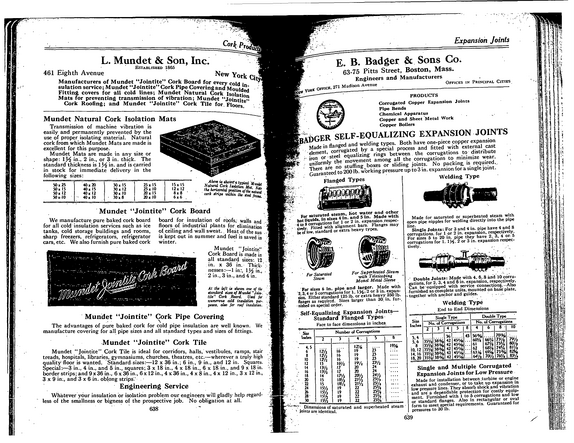
L.
refid# 5kLL0XmE0YjrjBJ5brezMZRzR1 page
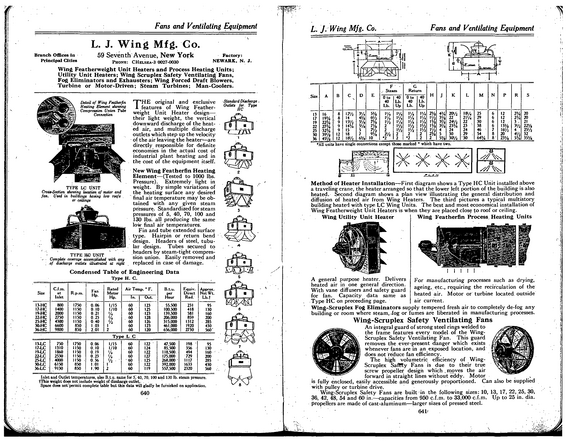
Fans and Ventilating Equipment L.
refid# 50ve2mLe7DNawbyw1Be7EbM01 page
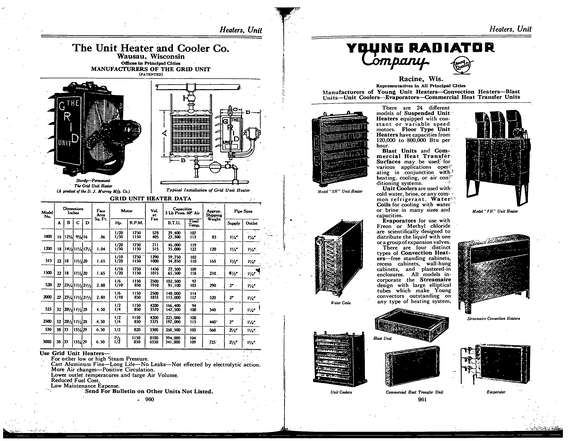
Healers, Unit The Unit Heater and Cooler Co.
refid# dMRD00L12rMGy00Jv5xD4DoR1 page
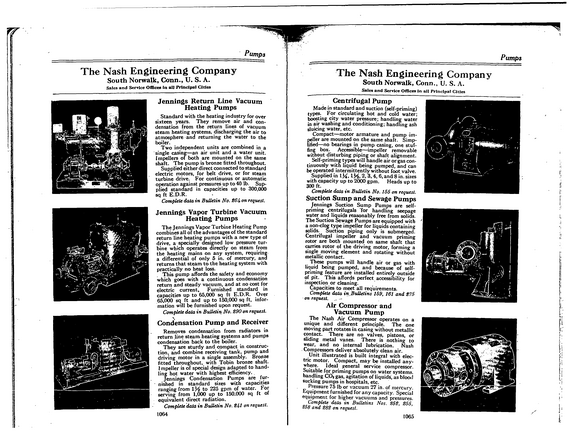
Pumps Th Nash Engineering Company South Norwalk, Conn., U.
refid# Gm69x40ERZpxoM3vB9rQvkN8q1 page
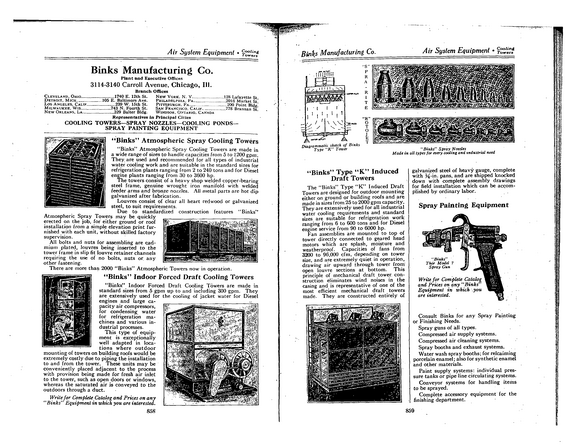
Air System Equipment Biliks Manufacturing Co.
refid# KJaeDgvNKzDy4Qa0yvM2bDDvK1 page
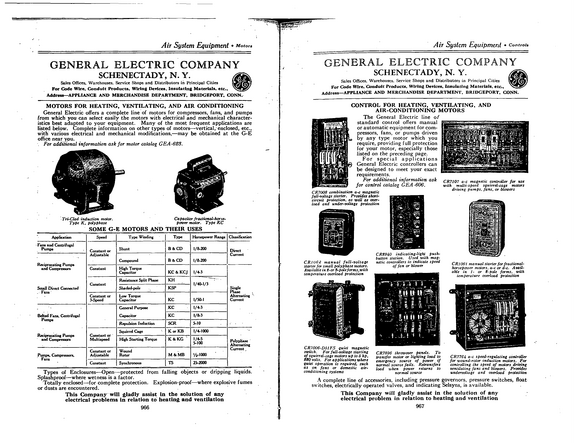
Air System Equipment Motors GENERAL ELECTRIC COMPANY SCHENECTADY, N.
refid# 2Jxzd55wByXBERNyYV4VX4kg51 page
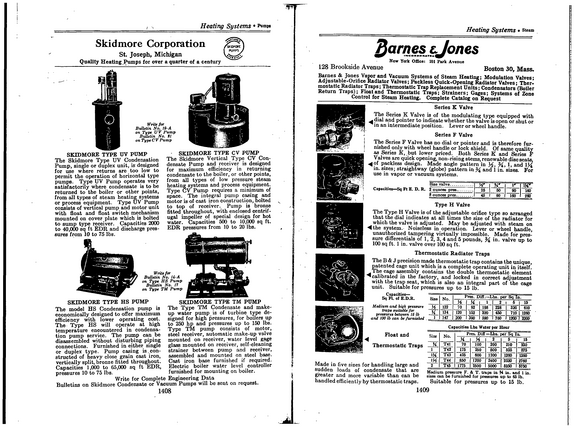
Heating Systems pi Skidmore Corporation St.
refid# 3QKDYbvnL5QjX9mGBBmZo03Yx1 page
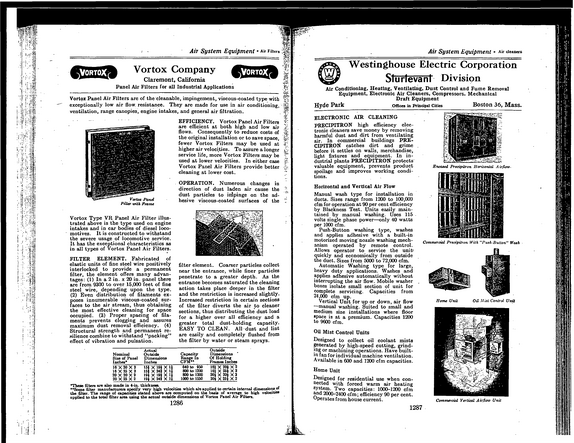
Air System Equipment au Filters fM- ------- |$F CSB3I CBSIVortox Company Claremont, California 3*.
refid# 6B2nM5XB1K40O6enJgLgoZD9o1 page
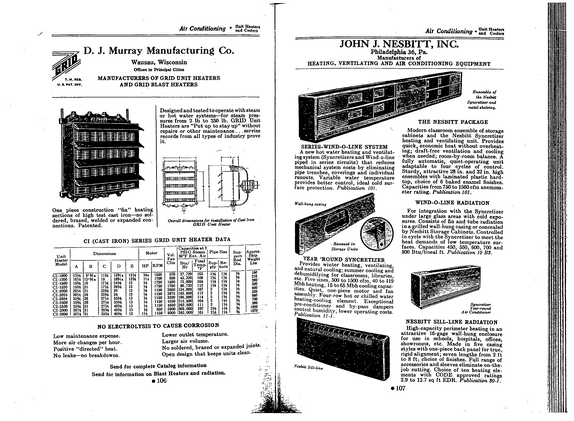
Air Conditioning (Joit Heaters end Coolers U.t.FAT.
refid# 3e739DvmXMrLqVK5m0ZQ80rdn1 page
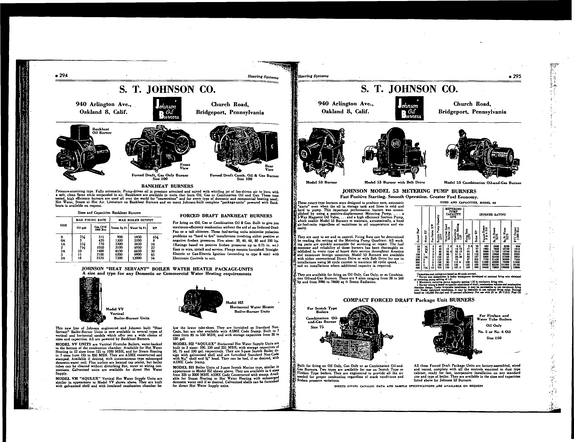
294 Heating Syttemt S.
refid# peN7V8vZ3QJ0kg5yqxvpDXwXw1 page
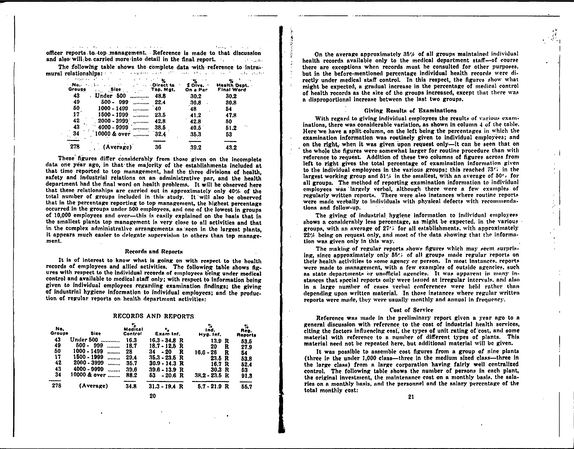
officer reports to.
refid# vBzO4LeKdONqaEka7xLVyo7NY1 page
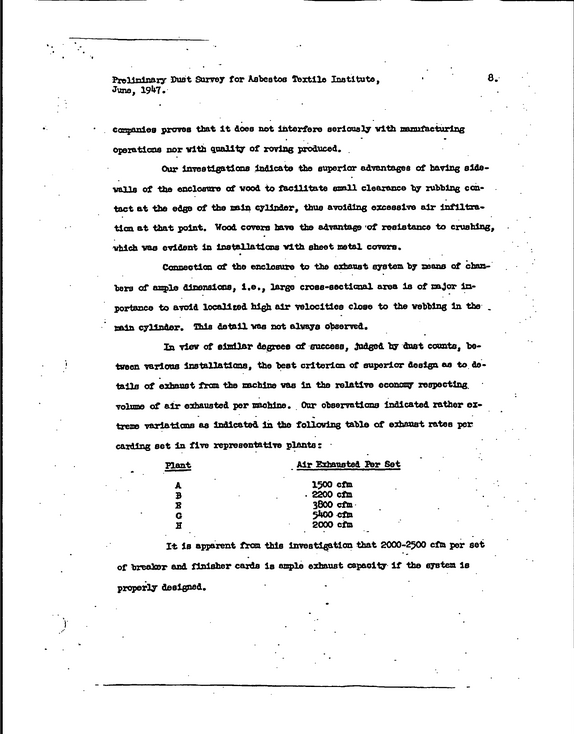
Preliminary Dust Survey for Asbestos Tortile Institute, June, 19^7. 8 companies proves that It does not Interfere seriously vith manufacturing operations nor vlth quality of roving produced.
refid# emK9DZQQRErQwDDkJwYVqb6Ne1 page
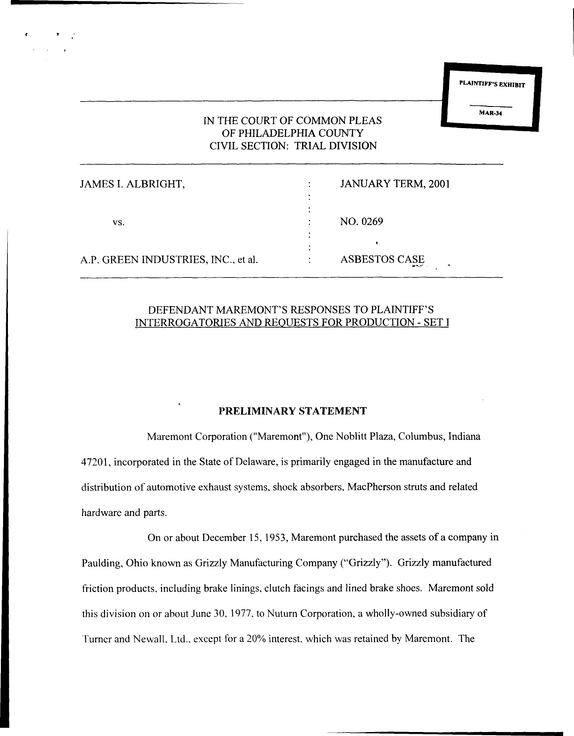
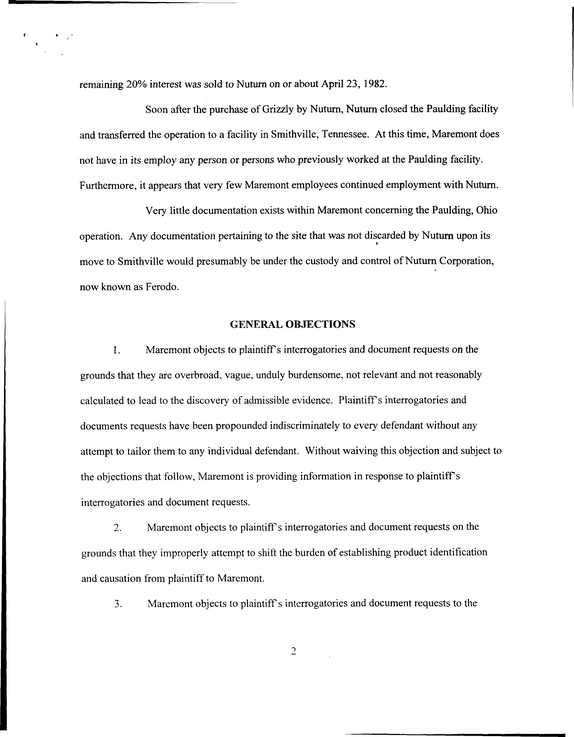
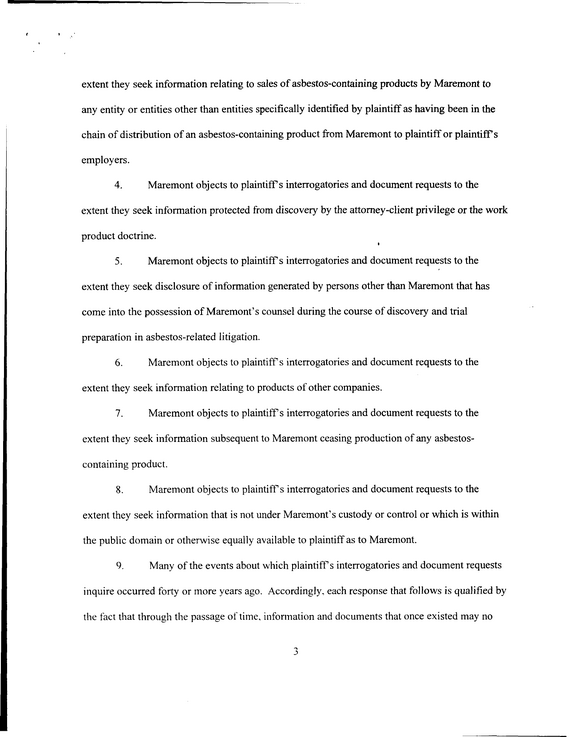
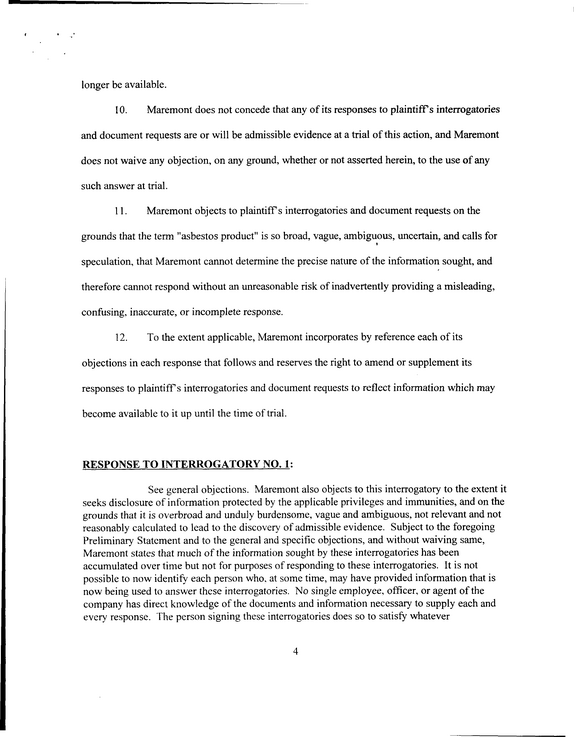
IN THE COURT OF COMMON PLEAS OF PHILADELPHIA COUNTY CIVIL SECTION: TRIAL DIVISION JAMES I.
refid# jagBqYgOVo9RrbRbQKQGdwYN17 pages
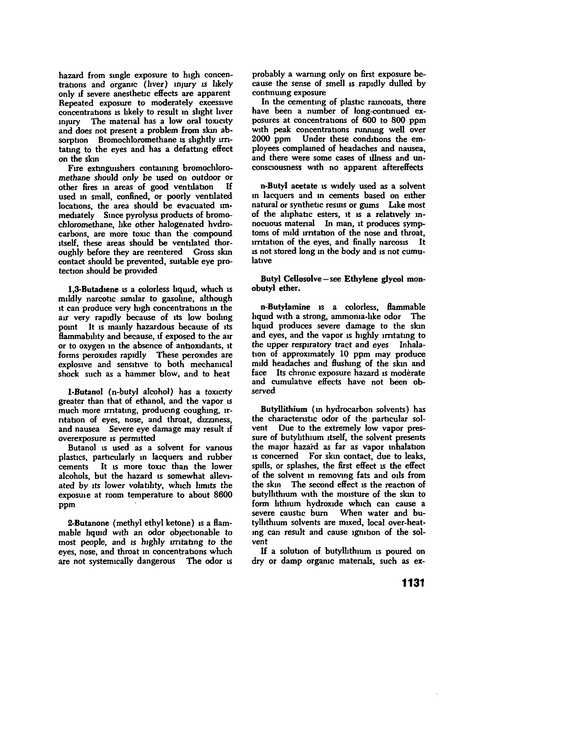
hazard from single exposure to high concen trations and organic (liver) injury is likely only if severe anesthetic effects are apparent Repeated exposure to moderately excessive concentrations is likely to result in slight liver injury The material has a low oral toxicity and does not present a problem from skin ab sorption Bromochloromethane is slightly irri tating to the eyes and has a defatting effect on the skin Fire extinguishers containing bromochloro methane should only be used on outdoor or other fires m areas of good ventilation If used in small, confined, or poorly ventilated locations, the area should be evacuated im mediately Since pyrolysis products of bromo chloromethane, like other halogenated hydro carbons, are more toxic than the compound itself, these areas should be ventilated thor oughly before they are reentered Cross skin contact should be prevented, suitable eye pro tection should be provided 1,3-Butadiene is a colorless liquid, which is mildly narcotic similar to gasoline, although it can produce very high concentrations in the air very rapidly because of its low boiling point It is mainly hazardous because of its flammability and because, if exposed to the air or to oxygen in the absence of antioxidants, it forms peroxides rapidly These peroxides are explosive and sensitive to both mechanical shock such as a hammer blow, and to heat 1- Butanol (n-butyl alcohol) has a toxicity greater than that of ethanol, and the vapor is much more irritating, producing coughing, ir ritation of eyes, nose, and throat, dizziness, and nausea Severe eye damage may result if overexposure is permitted Butanol is used as a solvent for various plastics, particularly in lacquers and rubber cements It is more toxic than the lower alcohols, but the hazard is somewhat allevi ated by its lower volatility, which limits the exposuie at room temperature to about 8600 ppm 2- Butanone (methyl ethyl ketone) is a flam mable liquid with an odor objectionable to most people, and is highly irritating to the eyes, nose, and throat in concentrations which are not systemically dangerous The odor is probably a warning only on first exposure be cause the sense of smell is rapidly dulled by continuing exposure In the cementing of plastic raincoats, there have been a number of long-continued ex posures at concentrations of 600 to 800 ppm with peak concentrations running well over 2000 ppm Under these conditions the em ployees complained of headaches and nausea, and there were some cases of illness and un consciousness with no apparent aftereffects n-Butyl acetate is widely used as a solvent m lacquers and in cements based on either natural or synthetic resms or gums Like most of the aliphatic esters, it is a relatively in nocuous material In man, it produces symp toms of mild irritation of the nose and throat, irritation of the eyes, and finally narcosis It is not stored long in the body and is not cumu lative Butyl Cellosolve--see Ethylene glycol mon obutyl ether. n-Butylamine is a colorless, flammable liquid with a strong, ammonia-like odor The liquid produces severe damage to the slan and eyes, and the vapor is highly irritating to the upper respiratory tract and eyes Inhala tion of approximately 10 ppm may produce mild headaches and flushing of the slan and face Its chrome exposure hazard is moderate and cumulative effects have not been ob served Butyllithium (in hydrocarbon solvents) has the characteristic odor of the particular sol vent Due to the extremely low vapor pres sure of butylithium itself, the solvent presents the major hazard as far as vapor inhalation is concerned For skin contact, due to leaks, spills, or splashes, the first effect is the effect of the solvent m removing fats and oils from the skin The second effect is the reaction of butyllithium with the moisture of the skin to form lithium hydroxide which can cause a severe caustic bum When water and butylhthium solvents are mixed, local over-heat ing can result and cause ignition of the sol vent If a solution of butyllithium is poured on dry or damp organic materials, such as ex- 1131
refid# 3ebL9Vb3KKv44zEEDGRgyLdbJ1 page
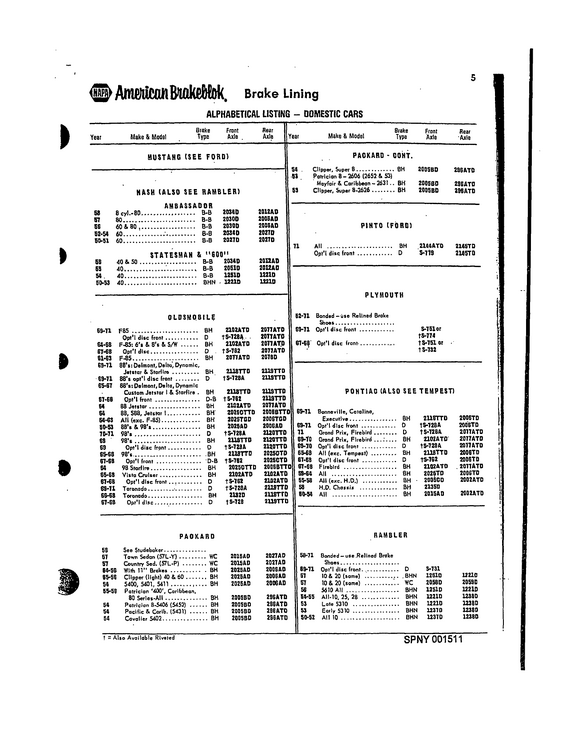
^AmeilconBuMsk.
refid# x1y6moZB1MmeYY4x9KjYBqK3m1 page