Refine
Estimated Years 2000-2009Clear
3,232 results foundRefine Search
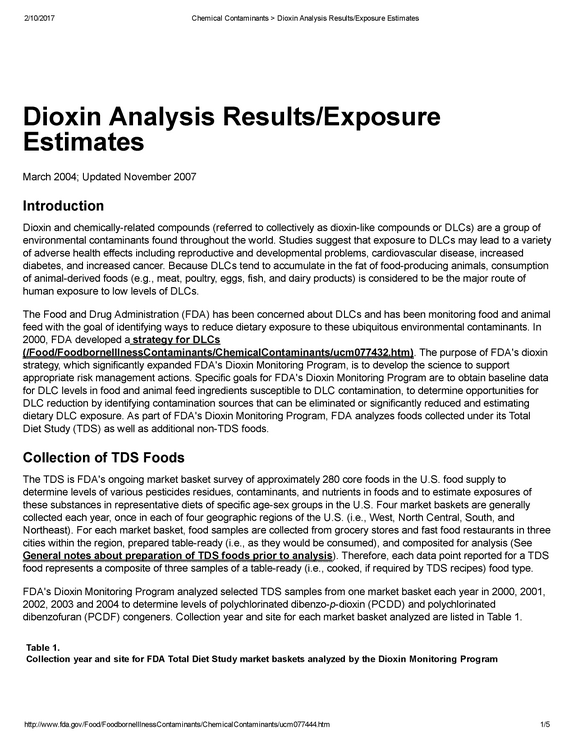
Studies suggest that exposure to DLCs may lead to a variety of adverse health effects including reproductive and developmental problems, cardiovascular disease, increased diabetes, and increased cancer.
refid# k6QVR16Yy0zL5ym0G9b8J45YV5 pages
qrr Charles Auer 05/16/2000 11:11 AM RECEIVED O P P T HC1C 2000S E P -6 PH 12: 57 e2G 0 6 2 - 3 To: cc: Subject: Barbara Leczynski/DC/USEPA/US@EPA, Mary Dominiak/DC/USEPA/US@EPA, Frank Kover/DC/USEPA/US@EPA, Ward Penberthy/DC/USEPA/US@EPA, Karen Lannon/DC/USEPA/US@EPA Phaseout of PFOS fyi Forwarded by Charles Auer/DC/USEPA/US on 05/16/2000 11:17 AM Charles Auer 05/16/2000 11:06 AM To: Charles Auer/DC/USEPA/US@EPA, blnetti@iss.it, John.Bucdnl@ec.gc.ca, "IMCEAFAX-3001+5ECHADJICHRISTIDI+2C+20Konstantina-fax+5E3A23+5E3018662968+5E"@oecd.or g, shchung@me.go.kr, theresa.gilgallon@cec.eu.int, addeke@lss.it, karen_florlnl@edf.org, amst@baua.do.shuttle.de, bjorn.hansen@jrc.it, hasa@env.cz, mark.hyman@ea.gov.au, "IMCEAFAX-3001+5EICONOMOU+2C+20Maria+5E3A23+5E3016465123+5E"@oecd.org, geir.jorgensen@sft.telemax.no, Rainer-Kurt.Koch.RK@bayer-ag.de, Thaly.Lakhanisky@iph.fgov.be, ivarl@kemi.se, majka@bware.imp.lodz.pl, matejova.jana@flora.lifeenv.gov.sk, TM-TNG@mhw.go.jp, laurence.musset@environnement.gouv.fr, jrn@mst.dk, esa.nikunen@vyh.fi, caria.piccinni-leopardi@cec.eu.int, raimund.quint@bmu.gv.at, rosenbaum@biac.org, esilber@epi.umaryland.edu, urs.staempfli@buwal.admin.ch, nagata-reiko@miti.go.jp, roger_tregunno@detr.gsi.gov.uk, Hty@mst.dk, ungvary@elender.hu, kees.van.Leeuwen@rivm.nl, vickersc@worksafe.gov.au, jwillis@unep.ch, younesm@who.ch, Dian.TURNHEIM@oecd.org, Naoyuki.YASUDA@oecd.org, Lesley.ONYON@oecd.org, Oscar Hernandez/DC/USEPA/US@EPA cc: robert.visser@oecd.org, robert.donkers@cec.eu.int, Susan Wayland/DC/USEPA/US@EPA, William Sanders/DC/USEPA/US@EPA, Pep Fuller/DC/USEPA/US@EPA, milroy.breck@epamail.epa.gov, ig232001@wp-gate.bmu.de, Priscilla Flattery/DC/USEPA/US@EPA Subject: Phaseout of PFOS I would like to draw your attention to an important development in the US which concerns a persistent, bioaccumulative, and toxic chemical.
refid# MG77awBx3G0VB6Z4613q8Gedx6 pages
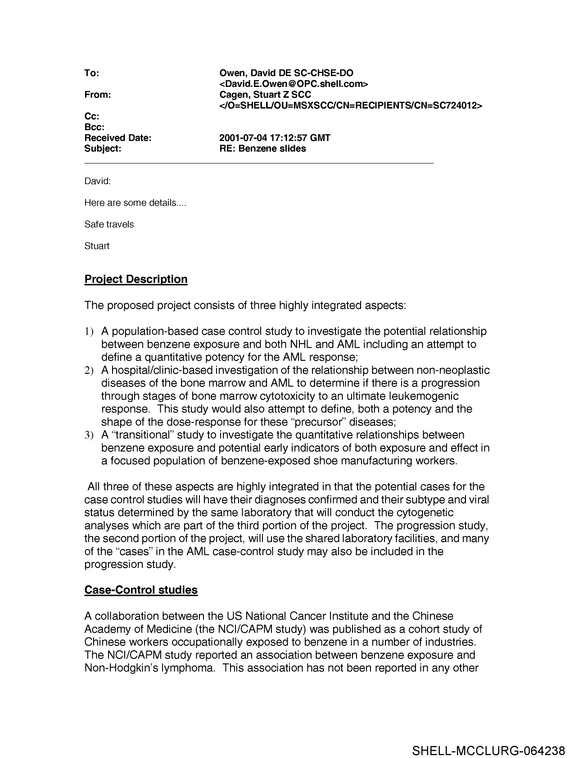
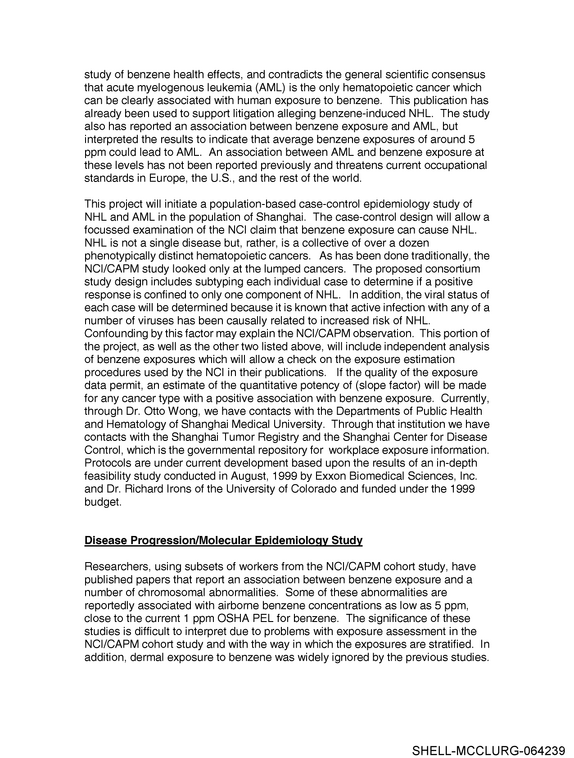
The study also has reported an association between benzene exposure and AML, but interpreted the results to indicate that average benzene exposures of around 5 ppm could lead to AML.
refid# XOMr3JpjGYev3b0YRq8vG5pK46 pages
., a subsidiary of diversified mining firm Grupo Mexico, is a leading miner, refiner, and smelter.
refid# mqxpKRa8q6N9o5N9LXdLL98Gk5 pages
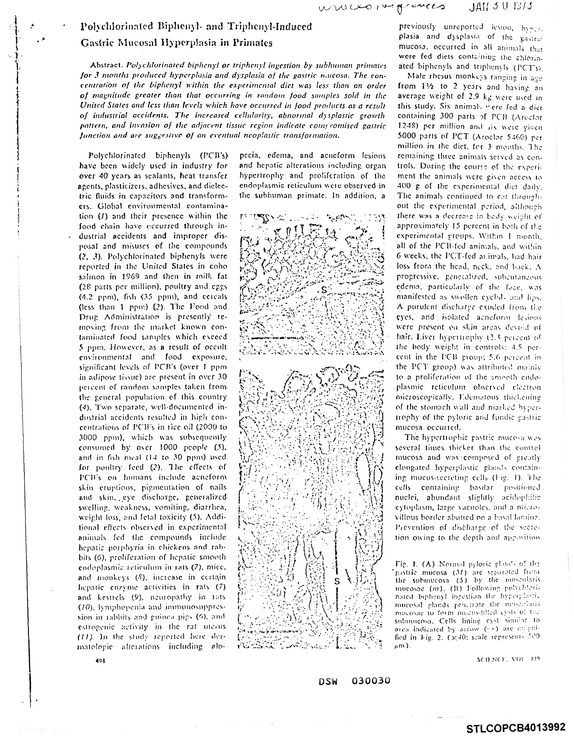
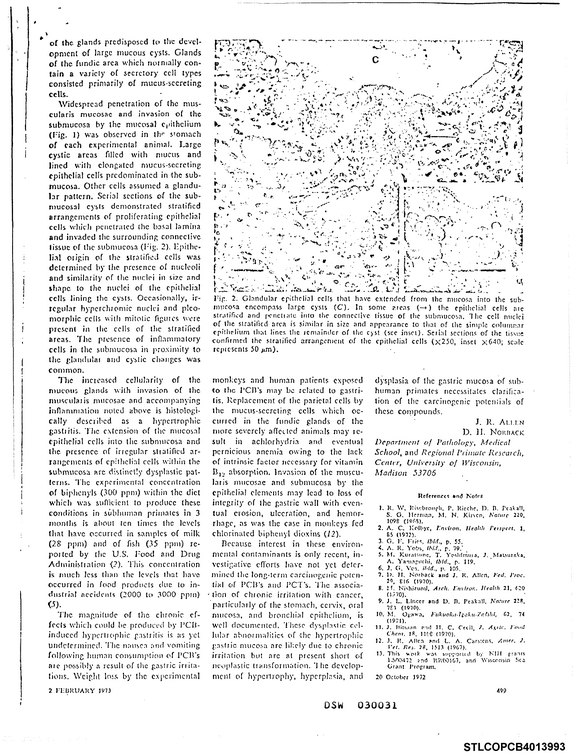
Invasion of the mtisculatis mucosae and submucosa by the epithelial elements may lead to loss of integrity of the gastric wall with even tual erosion, ulceration, and hemor rhage, as was the ease in monkeys fed chlorinated biphenyl dioxins {12).
refid# kDvzEzB3My9yyka8gx5p5NgbJ2 pages
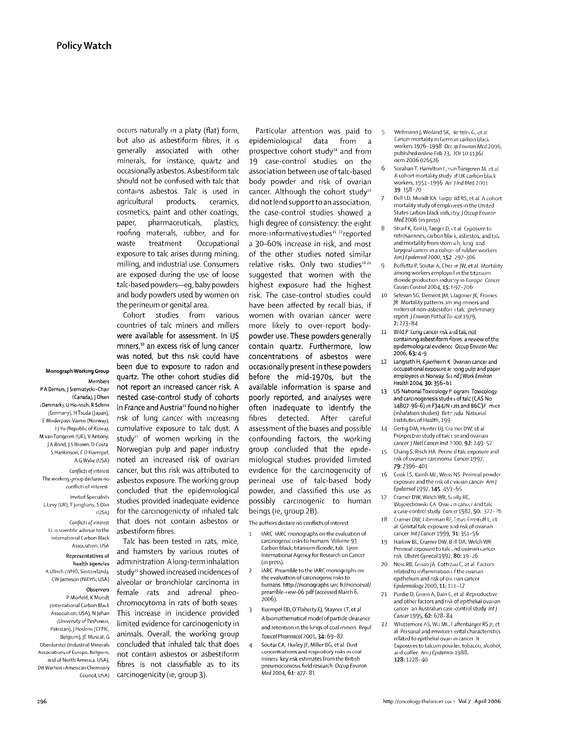
FILE NAME Talc TALC DATE 2006 Apr DOC TALC057 DOCUMENT DESCRIPTION Journal Article - Carcinogenicity of Carbon Black Titanium Dioxide and Talc Policy Watch Carcinogenicity of carbon black titanium dioxide and talc In February 2006 19 scientists from eight countries attheInternational Agency for Research on Cancer IARC Lyon France to reassess the carcinogenicity of carbon black titanium dioxide and asbestiform talc These assessments will be published as volume 93 of the IARC Monographs and are the first assessments since the IARC Monograph amended preamble was gates ie particle size 50-600 nm and agglomerates 227 mMost types of carbon black have small quantities ie % of organic compounds including polycyclic aromatic hydrocarbons adsorbed onto their surface The highest exposures to carbon black arise during its manufacturing Exposure in industries that use carbon black is difficult to assess because data are All three of the above agents are poorly soluble particles that are weakly toxic and were chosen for assessment scarce No substantial exposure to carbon black is thought to occur when it is bound to other materials such as because evidence suggests that they rubber printing ink or paint cause cancer in the respiratory tract of Workers who produced carbon rats through similar mechanisms black in Germany and the UK had an after exposure to high concentrations excess risk of lung cancer Confoun- of these agents deposition of particles ding by smoking was unlikely to onto the respiratory epithelium can explain the entire excess risk but no lead to enhanced particle retention clear response relation between impaired lung clearance inflammatory exposure to carbon black and lung response production of reactive cancer was noted A US study of oxygen species cell injury cell proli- workers in carbon black production feration fibrosis induction of found no excess risk of lung cancer mutations and ultimately cancer but no data according to level of Because many of these steps arise in exposure were reported A study of people who work in dusty environ- workers in the rubber industry in ments eg coal miners data on Germany who were exposed to cancer in animals obtained in carbon black showed no significant conditions of impaired lung clearance excess risk of lung cancer after could be relevant to human beings Furthermore impaired lung clearance conffoo r pou tenn tialdcoi nfon undg ing by asbestos and talc The working and adverse effects in the lungs of rats group concluded that the epide- that have been exposed to ultrafine miological studies of carbon black particles 100 nm occur at much provided inadequate evidence of lower mass concentrations than in rats carcinogenicity exposed to fine particles 10 m Carbon black and its extracts have increasing the potential relevance to been tested in rats and mice by human beings inhalation intratracheal instillation Carbon black is a particulate form dermal application and subcutaneous of elemental carbon About 90 of injection The overall results provided carbon black is used in rubber sufficient evidence in laboratory products mainly tyres Carbon black animals for the carcinogenicity of is also used as a pigment in inks carbon black and carbon extracts paints and coatings and in plastics The working group classified carbon Exposure to carbon particles black as possibly carcinogenic to occurs mainly in the form of aggre- human beings ie group 2B Titanium dioxide accounts for 70 of the total production volume of pigments worldwide The primary particles are typically 200-300 nm in diameter but larger aggregates and agglomerates are formed readily Ultrafine grades of titanium dioxide ie 10-50 nm are used in sunscreens and plastics to block ultraviolet light and in catalysts Highest exposures occur in titanium production during packing milling site cleaning and maintenance Exposure data for industries that use titanium dioxide are scarce The largest epidemiological cohort study considered included workers in the titanium dioxide production industry in six European countries and showed a small but significant increase in risk of lung cancer compared with that for the general population however the data did not suggest an response relation Two cohort studies under- taken the USA did not report excess risks of lung cancer neither did a Canadian population casecontrol study Overall the working group concluded that the epide- miological studies on titanium dioxide provide inadequate evidence of carcinogenicity Pigment titanium dioxide and ultrafine titanium dioxide have been tested in rats mice and hamsters by various routes of administration Overall results from studies of and intratriantcrahtre aca hel al instillation provided sufficient evid- ence in animals for the carcino- genicity of titanium dioxide The working group classified titanium dioxide as possibly carcinogenic to human beings ie group 2B Talc refers to both mineral talc and industrial products that contain 35 to 95 mineral talc Mineral talc | Upcoming meetings Jure 14-21 2006 Ingested nitrates and nitrites and green algae toxins including microcystin IR and nodulinn nodulinn Oct 10-17 2006 Indon air pollution from household combustion and heating http / monographs can fr http oncology thelancet.com thelancet.com Vol April 2006 Policy Watch Monograph Working Group Members PA Demers} Siemiatycki CanadaJOlsen JOlsen Denmark U Heinrich R Schins Germany H Tsuda Japan E Weiderpass Norway ) Yu Republic of Korea M van Tongeren UK V Antony JA Bond JS Brown D Costa S Hankinson FD FD Kuempel AG Wylie USA Conflicts of interest The working group declares no conflicts of interest Invited Specialists L Levy TJunTJunghans TgJhunaghnanss S Olin USA Conflicts of interest LL scientific advisor to the International Carbon Black Association USA Representatives of health agencies A Ullrich WHO Switzerland CW Jameson NIEHS USA Observers P Morfeld K Mundt International Carbon Black Association USA N Jehan University of Peshawar } Pakistan Hoskins CFFIC BelgiumJE Muscat G Oberdorster Industrial Minerals Associations of Europe Belgium and of North America USA DB Warheit American Chemistry Council USA occurs naturally in a platy flat form but also as asbestiform fibres it is generally associated with other minerals for instance quartz and occasionally asbestos Asbestiform talc should not be confused with talc that contains asbestos Talc is used in agricultural products c_eramics cosmetics paint and other coatings paper pharmaceuticals __ plastics roofing materials rubber and for waste _ _treatment Occupational exposure to talc arises during mining milling and industrial use Consumers are exposed during the use of loose based powders baby powders and body powders used by women on the perineum or genital area Cohort studies from various countries of talc miners and millers were available for assessment In US miners an excess risk of lung cancer was noted but this risk could have been due to exposure to radon and quartz The other cohort studies did not report an increased cancer risk A nested control study of cohorts in France and Austria found no higher risk of lung cancer with increasing cumulative exposure to talc dust A study of women working in the Norwegian pulp and paper industry noted an increased risk of ovarian cancer but this risk was attributed to asbestos exposure The working group concluded that the epidemiological studies provided inadequate evidence for the carcinogenicity of inhaled talc that does not contain asbestos or asbestiform fibres Talc has been tested in rats mice and hamsters by various routes of administration inhalation study showed increased incidences of alveolar or bronchiolar carcinoma in female rats and adrenal pheochromocytoma in rats of both sexes This increase in incidence provided limited evidence for carcinogenicity in animals Overall the working group concluded that inhaled talc that does not contain asbestos or asbestiform fibres is not classifiable as to its carcinogenicity ie group 3 Particular attention was paid to epidemiological data from a prospective cohort study and from 19 control studies on the association between use ofbased body powder and risk of ovarian cancer Although the cohort study did not lend support to an association the control studies showed a high degree of consistency the eight informative reported a 30-60 increase in risk and most of the other studies noted similar relative risks Only two studies suggested that women with the highest exposure had the highest risk The control studies could have been affected by recall bias if women with ovarian cancer were more likely to report bodypowder use These powders generally contain quartz Furthermore low concentrations of asbestos were occasionally present in these powders before the 1970s but the available information is sparse and poorly reported and analyses were often inadequate to identify the fibres detected After careful assessment of the biases and possible confounding factors the working group concluded that the epidemiological studies provided limited evidence for the carcinogenicity of perineal use of based body powder and classified this use as possibly carcinogenic to human beings ie group 2B The authors declare no conflicts of interest 1 IARC IARC monographs on the evaluation of carcinogenic risks to humans Volume 93 Carbon black titanium dioxide talc Lyon International Agency for Research on Cancer in press 2 IARC Preamble to the IARC monographs on the evaluation of carcinogenic risks to humans monographs larc monoeval preamble pdf accessed March 6 2006 3 Kuempel ED O'Flaherty EJ Stayner LT et al A biomathematical model of particle clearance and retention in the lungs of coal miners Regul Toxicol Pharmacol 2001 34 69-87 4 Soutar CA HurleJyFMiller BG et Dust concentrations and respiratory risks in coal miners key risk estimates from the Br
refid# jy6e6VYnb2yKGzg8Enqjd7O493 pages
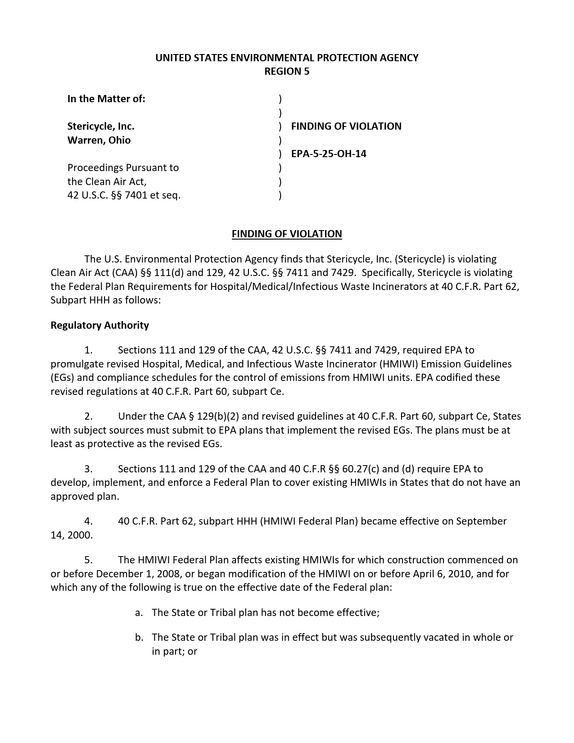
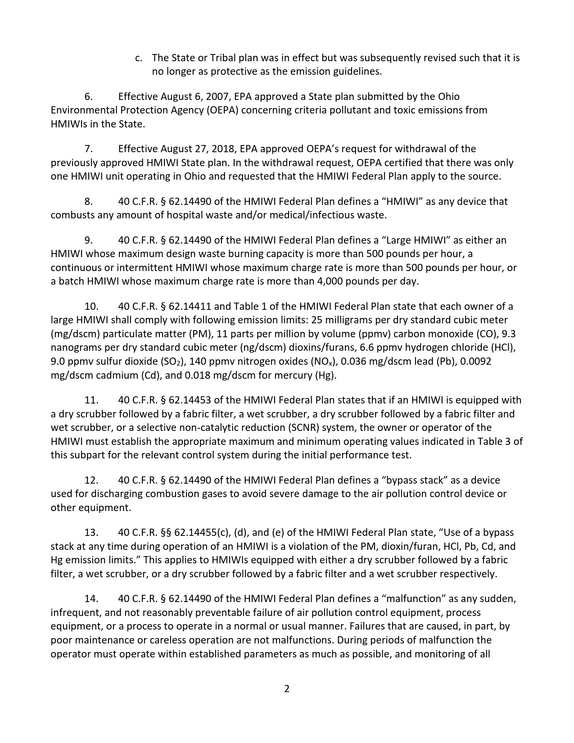
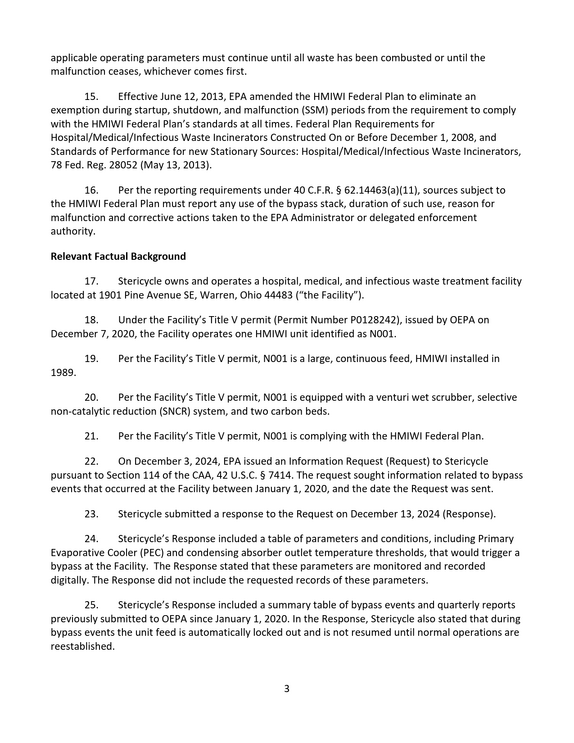
In the withdrawal request, OEPA certified that there was only one HMIWI unit operating in Ohio and requested that the HMIWI Federal Plan apply to the source. 8. 40 C.F.R. 62.14490 of the HMIWI Federal Plan defines a "HMIWI" as any device that combusts any amount of hospital waste and/or medical/infectious waste. 9. 40 C.F.R. 62.14490 of the HMIWI Federal Plan defines a "Large HMIWI" as either an HMIWI whose maximum design waste burning capacity is more than 500 pounds per hour, a continuous or intermittent HMIWI whose maximum charge rate is more than 500 pounds per hour, or a batch HMIWI whose maximum charge rate is more than 4,000 pounds per day. 10. 40 C.F.R. 62.14411 and Table 1 of the HMIWI Federal Plan state that each owner of a large HMIWI shall comply with following emission limits: 25 milligrams per dry standard cubic meter (mg/dscm) particulate matter (PM), 11 parts per million by volume (ppmv) carbon monoxide (CO), 9.3 nanograms per dry standard cubic meter (ng/dscm) dioxins/furans, 6.6 ppmv hydrogen chloride (HCl), 9.0 ppmv sulfur dioxide (SO2), 140 ppmv nitrogen oxides (NOx), 0.036 mg/dscm lead (Pb), 0.0092 mg/dscm cadmium (Cd), and 0.018 mg/dscm for mercury (Hg). 11. 40 C.F.R. 62.14453 of the HMIWI Federal Plan states that if an HMIWI is equipped with a dry scrubber followed by a fabric filter, a wet scrubber, a dry scrubber followed by a fabric filter and wet scrubber, or a selective non-catalytic reduction (SCNR) system, the owner or operator of the HMIWI must establish the appropriate maximum and minimum operating values indicated in Table 3 of this subpart for the relevant control system during the initial performance test. 12. 40 C.F.R. 62.14490 of the HMIWI Federal Plan defines a "bypass stack" as a device used for discharging combustion gases to avoid severe damage to the air pollution control device or other equipment. 13. 40 C.F.R. 62.14455(c), (d), and (e) of the HMIWI Federal Plan state, "Use of a bypass stack at any time during operation of an HMIWI is a violation of the PM, dioxin/furan, HCl, Pb, Cd, and Hg emission limits."
refid# zdnOZQVzDqYg1n28w6Je5mZ3n5 pages
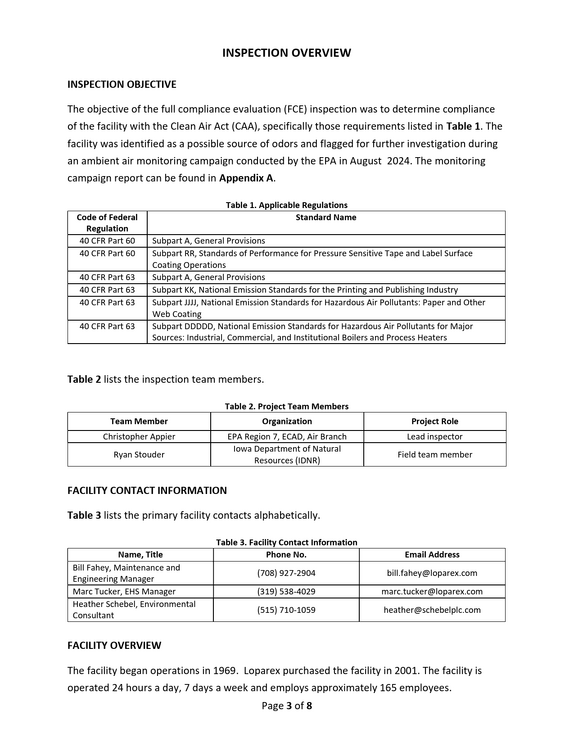
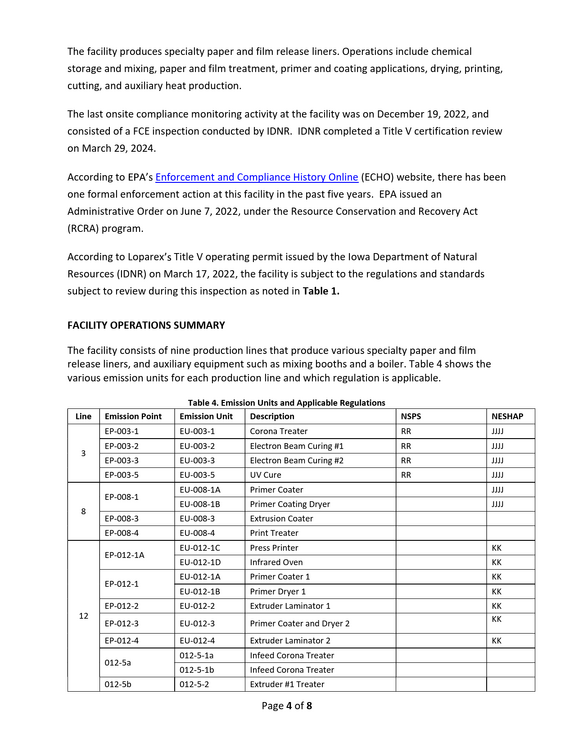
Project Team Members Organization EPA Region 7, ECAD, Air Branch Iowa Department of Natural Resources (IDNR) Project Role Lead inspector Field team member FACILITY CONTACT INFORMATION Table 3 lists the primary facility contacts alphabetically.
refid# 2RwEJBgnV002D4LyBzQJ63bDg8 pages
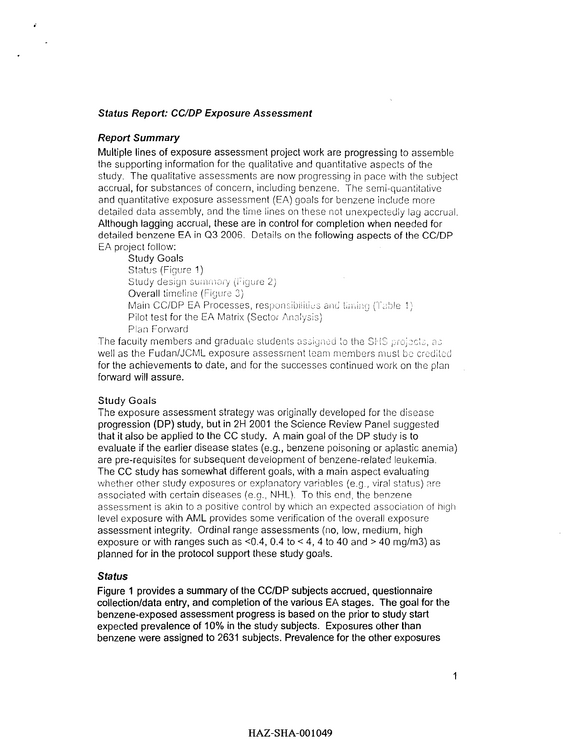
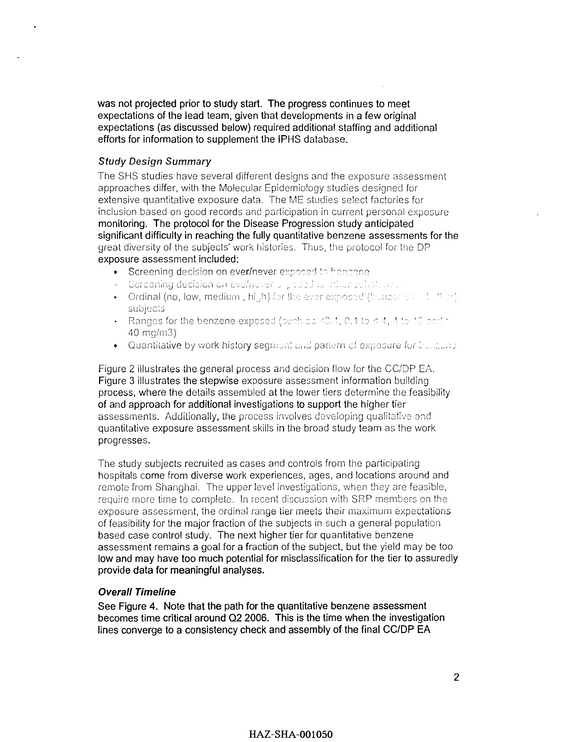
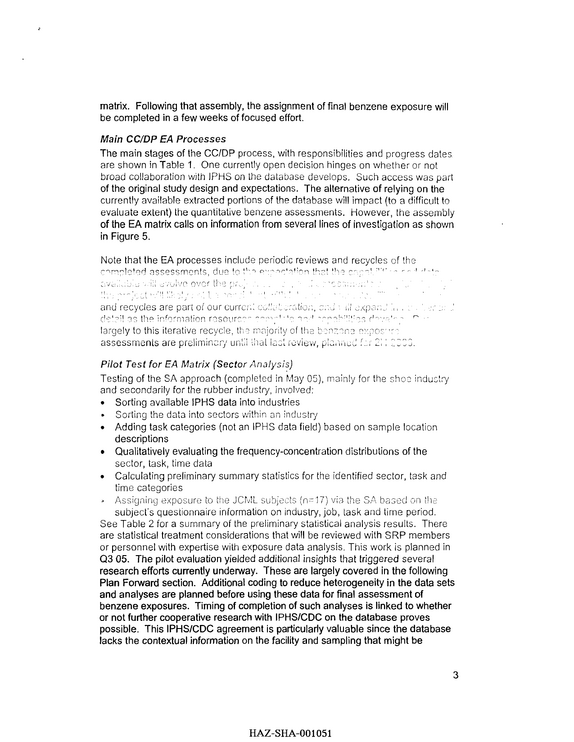
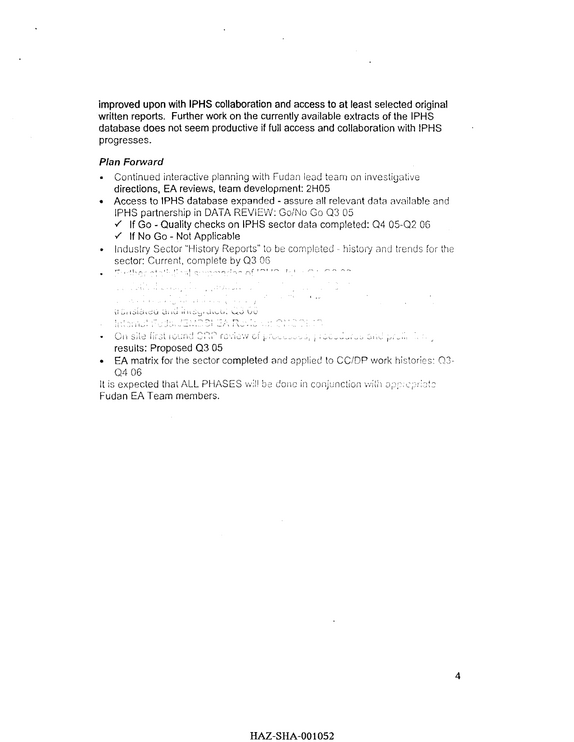
The progress continues to meet expectations of the lead team, given that developments in a few original expectations (as discussed below) required additional staffing and additional efforts for information to supplement the IPHS database.
refid# 3QjKOO9p1dyn7zQGozv1w8a0E12 pages
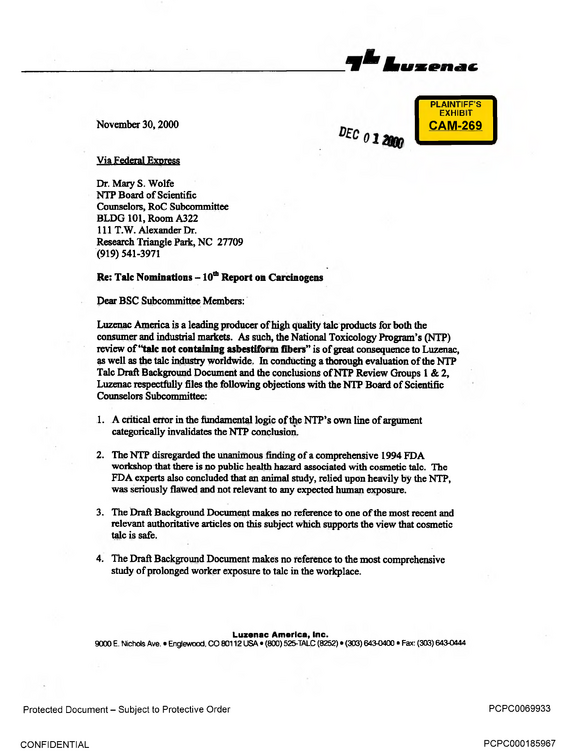
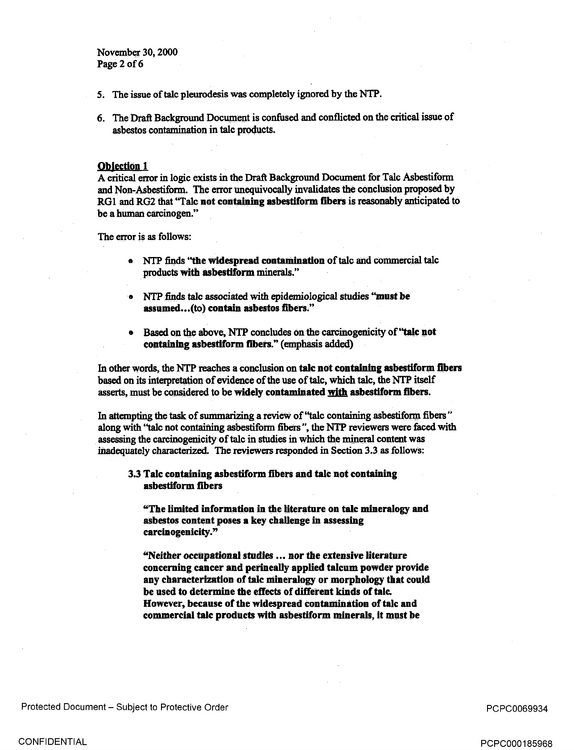
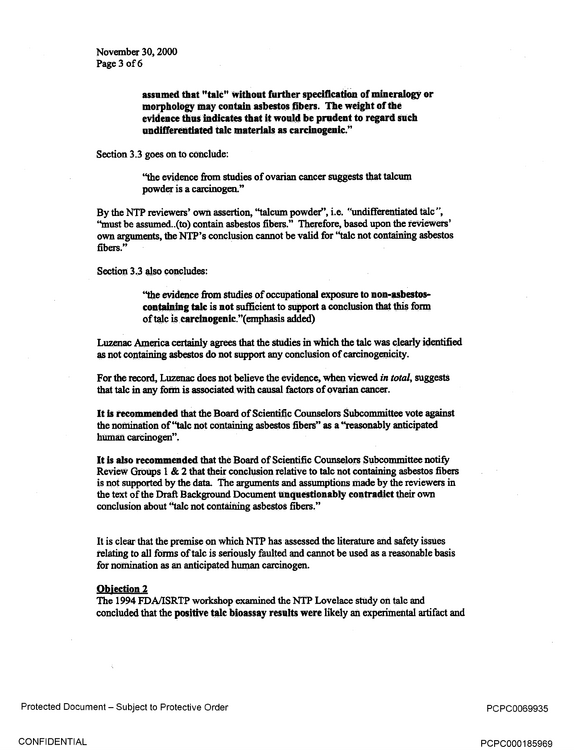
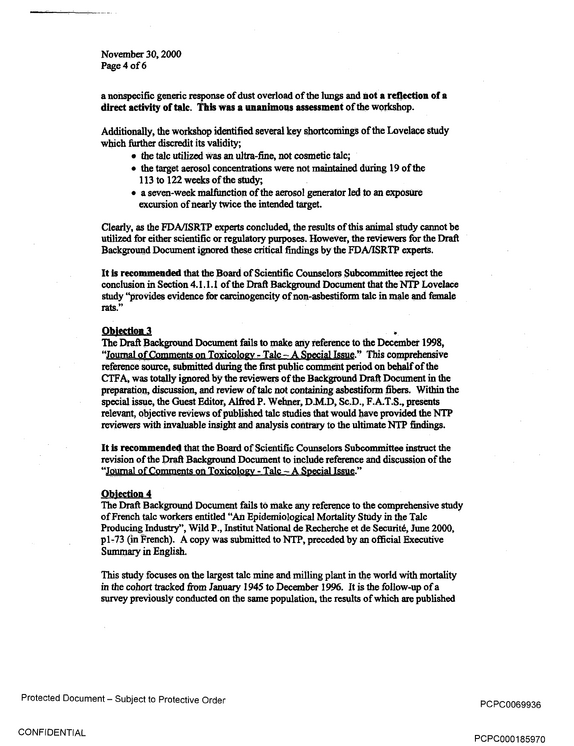
Research Triangle Park, NC 27709 (919) 541-3971 Re: Talc Nominations -1 0 * R eport on Carcinogens Dear BSC Subcommittee Members: Luzenac America is a leading producer o f high quality talc products for both the consumer and industrial markets.
refid# 0K50qm69oeXGGJ5kOw2Or9J5 pages
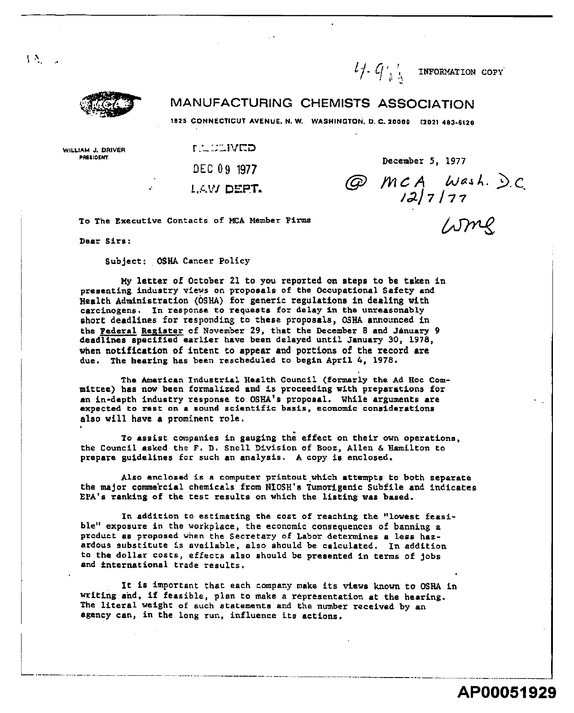
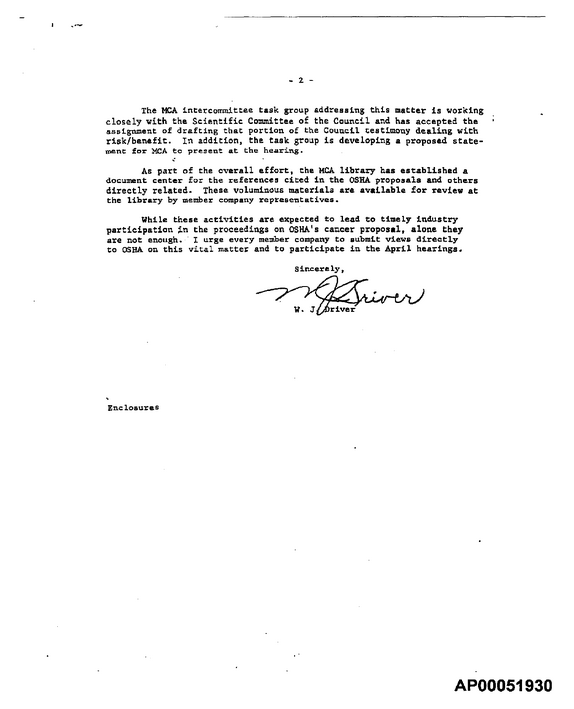
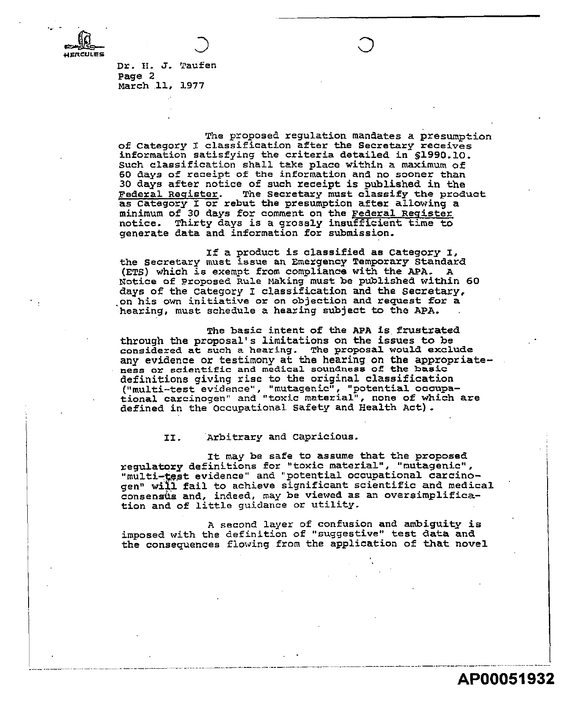
While these activities are expected to lead to timely Industry participation in the proceedings on OSHA's cancer proposal, alone they are not enough.
refid# zoOjkYZgLwZ9NzaEeBBJYnM0g9 pages
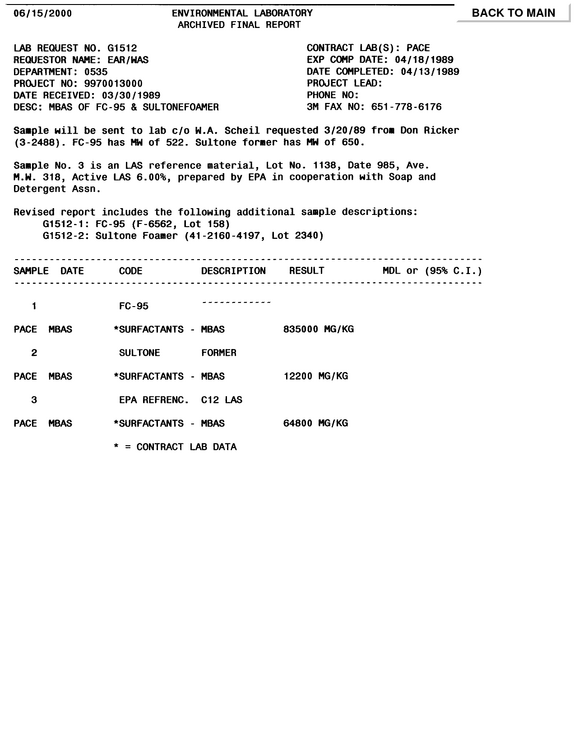
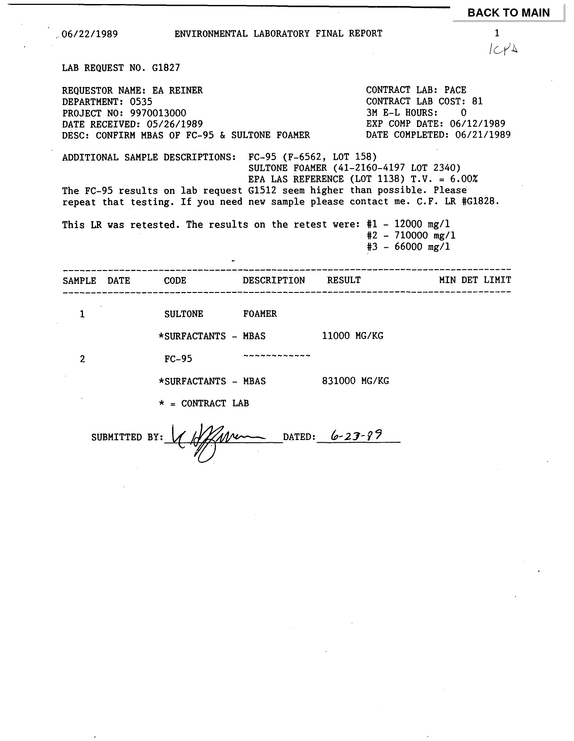
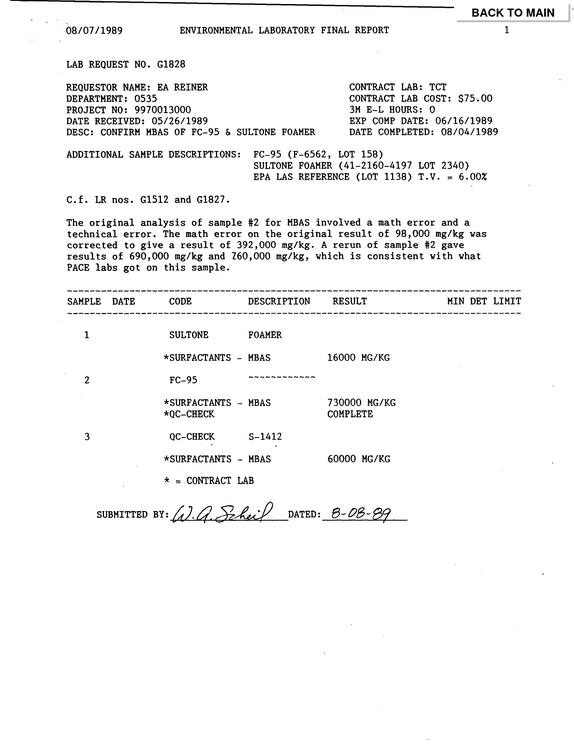
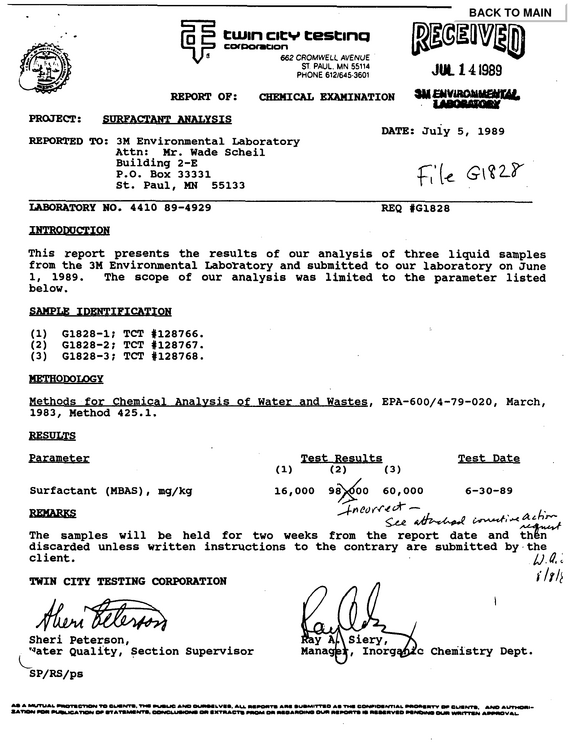
06/15/2000 ENVIRONMENTAL LABORATORY ARCHIVED FINAL REPORT 1 BACK TO MAIN LAB REQUEST NO. 61512 REQUESTOR NAME: E A R / W DEPARTMENT: 0535 PROJECT NO: 9970013000 DATE RECEIVED: 03/30/1989 DESC: MBAS OF FC-95 & SULTONEFOMER CONTRACT LAB(S): PACE EXP COMP DATE: 04/18/1989 DATE COMPLETED: 04/13/1989 PROJECT LEAD: PHONE NO: 3M FAX NO: 651-778-6176 Sample w i l l be sent t o l a b c / o W.A.
refid# QgKwYbYd5p270RyKdnbYpmVL59 pages
6 CHAPTER 1 1.962 Guide And Data Book method would be to have an outdoor master thermostat to reset the sub-master dew-point controller.
refid# DdBXpRq0Bgydo1EZ6wNbyGpOQ1 page
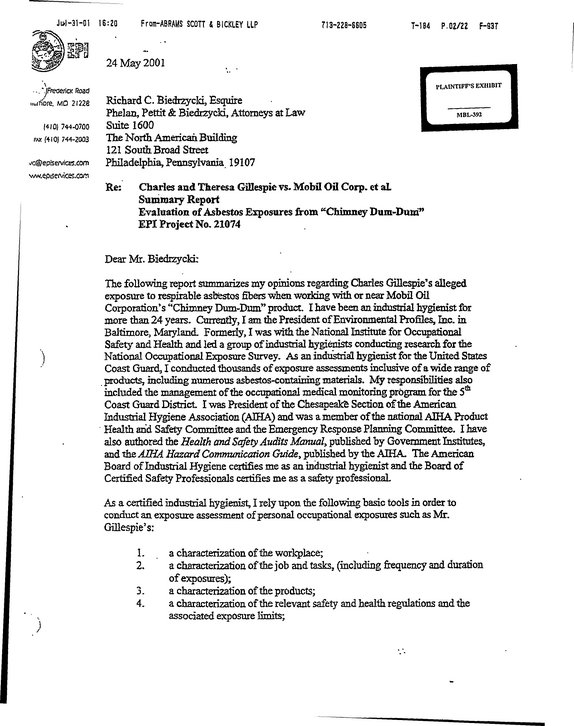
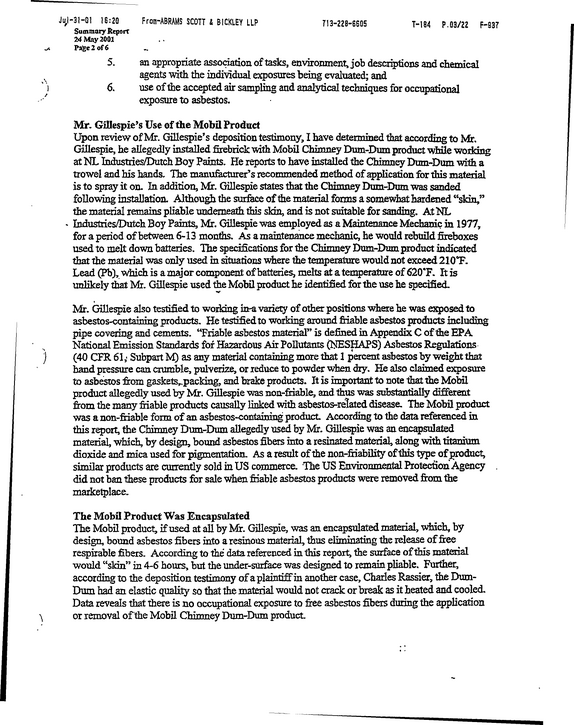
Lead (Pb), which is a major component ofbatteries, melts at a temperature of620*F.
refid# OJaEvN26EjXJn2KG58j8KBQbQ6 pages
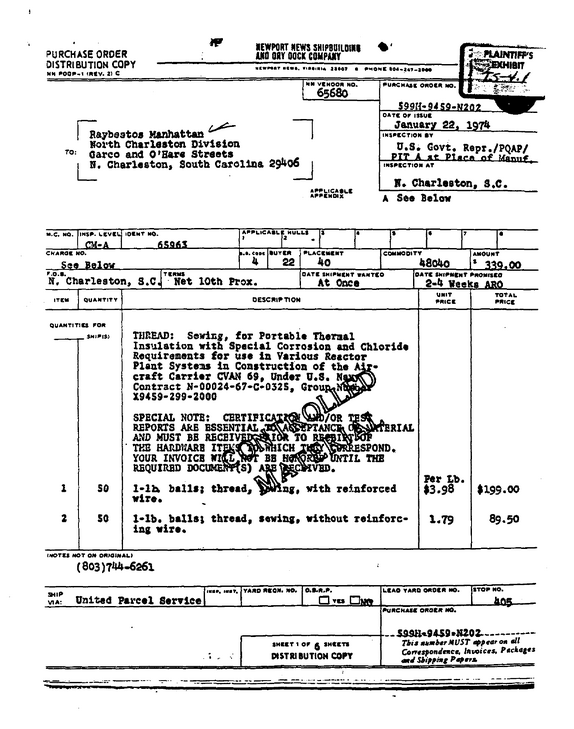
O^es Diky LEAD YARO OROER NO. purchase order no.
refid# p2gZZ5b560EdyZamR34ZLY16k8 pages