Refine
Estimated Years 1990-1999Clear
4,139 results foundRefine Search
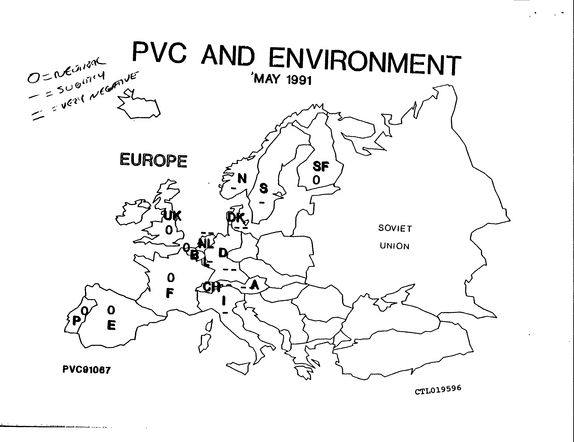
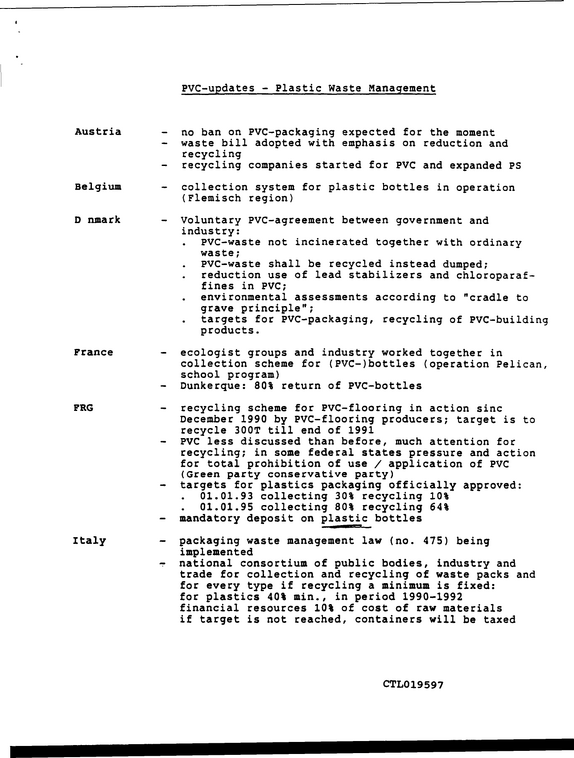
PVC-waste shall be recycled instead dumped; reduction use of lead stabilizers and chloroparaffines in PVC; . environmental assessments according to "cradle to grave principle"; . targets for PVC-packaging, recycling of PVC-building products. ecologist groups and industry worked together in collection scheme for (PVC-)bottles (operation Pelican, school program) Dunkerque: 80% return of PVC-bottles recycling scheme for PVC-flooring in action sine December 1990 by PVC-flooring producers; target is to recycle 300T till end of 1991 PVC less discussed than before, much attention for recycling; in some federal states pressure and action for total prohibition of use / application of PVC (Green party conservative party) targets for plastics packaging officially approved: . 01.01.93 collecting 30% recycling 10% . 01.01.95 collecting 80% recycling 64% mandatory deposit on plastic bottles packaging waste management law (no. 475) being implemented national consortium of public bodies, industry and trade for collection and recycling of waste packs and for every type if recycling a minimum is fixed: for plastics 40% min., in period 1990-1992 financial resources 10% of cost of raw materials if target is not reached, containers will be taxed CTL019597 N theelands short product life application of PVC (a.o. packaging) under strong attack recycling projects developing convenant on packaging between packaging industry and government: packaging waste in 2000 90% of 1986 recycling in 1995 40% in 2000 60% landfill in 1995 40% in 2000 0% incinerator in 2000 max. 40% Norway only environmental impact of production facilities is an issue Sweden pressure against use of PVC fairly moderate proposal of forbid use of PVC for foodpackaging has been withdrawn combustion of PVC in municipal waste is no longer an issue Switzerland pressure to trade and industry to withdraw from PVC on the Swiss market on municipal level problems regarding PVC-building materials recycling projects for all plastics U.K.
refid# G60xXVG4YjQkGO0QL4vEE5BK713 pages
Our lead scientist for this effort is Dr.
refid# N79v93B2BpvVKBr7YrgGbkx811 pages
Water samples are periodically analyzed for total bacterial counts and for the presence ofcoliforms, lead, and other contaminants.
refid# xvaQbM2QpeqezamJEXkOzbBG12 pages
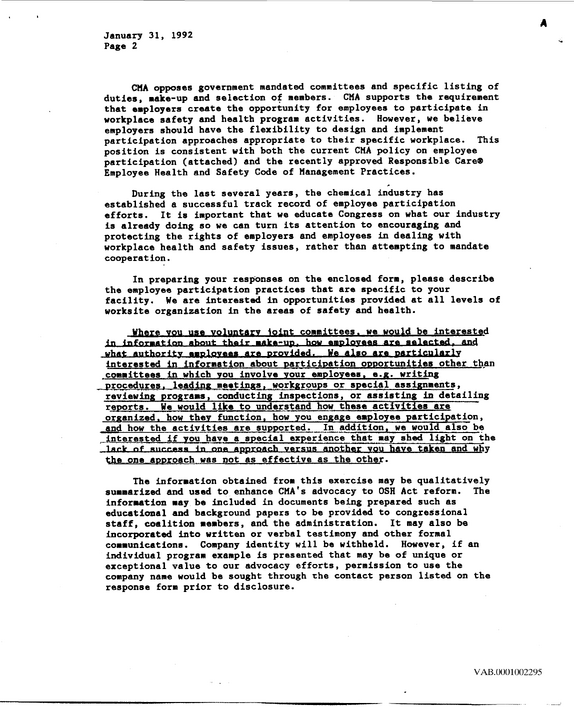
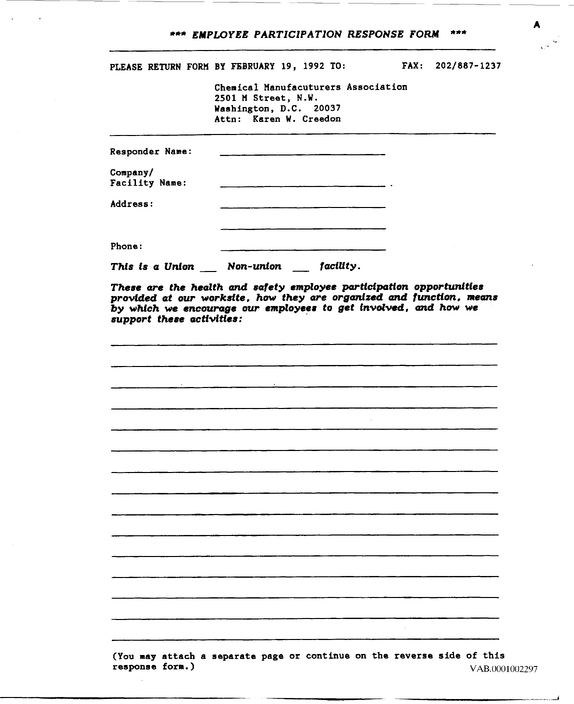
We are interested in opportunities provided at all levels of worksite organization in the areas of safety and health. we would be interested interested in information about committees in which you involve writing procedures, leading meetings, reviewing _n_r_o__x_r_a_m___s_.
refid# gDaD4kb8Ynr3EOJ2vNnKzkrKq11 pages
ATSDR is the lead agency within the Public Health Service responsible for implementing the health-related provisions of the Comprehensive Environmental Response, Compensation, and Liability Act (CERCLA) .
refid# QgeVqMBwMoywEw9jNvLqjJ2xL10 pages
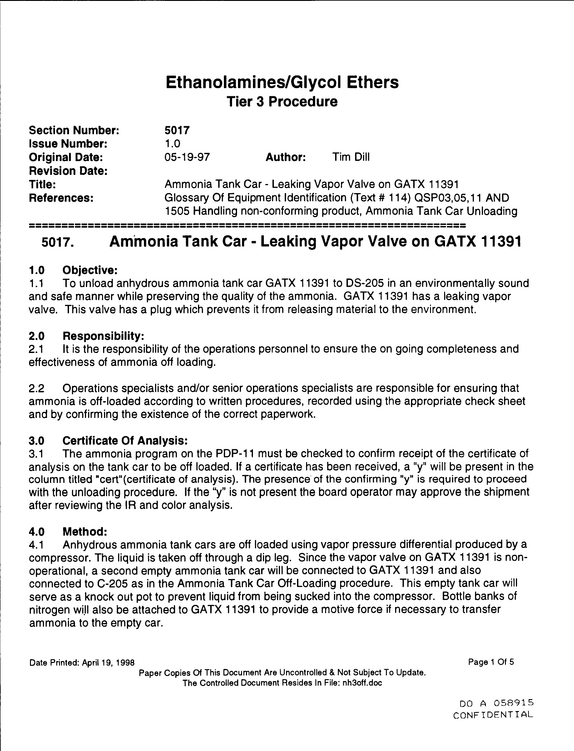
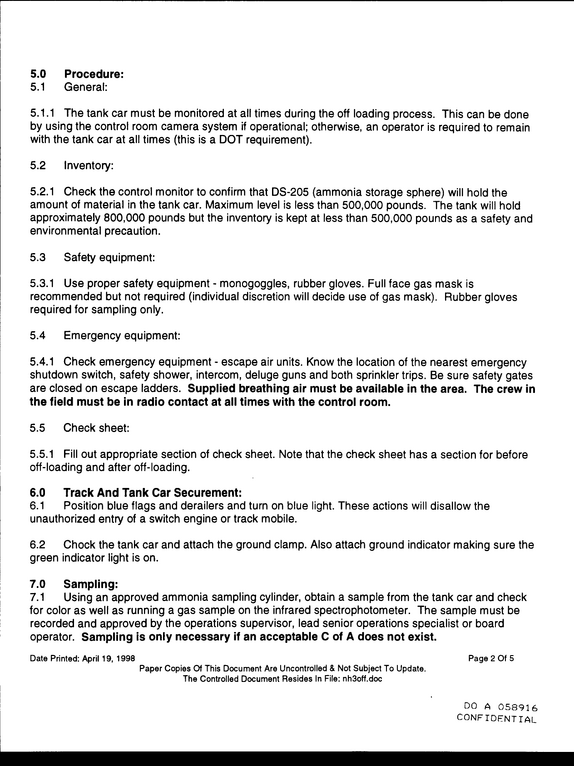
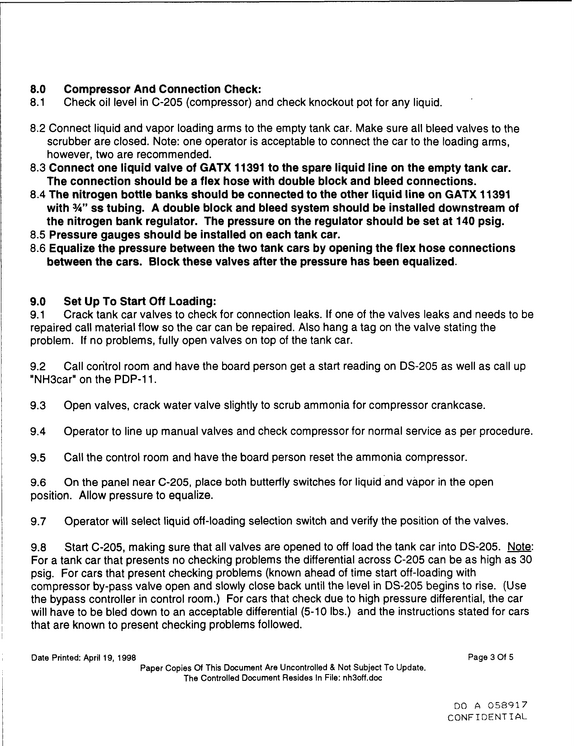
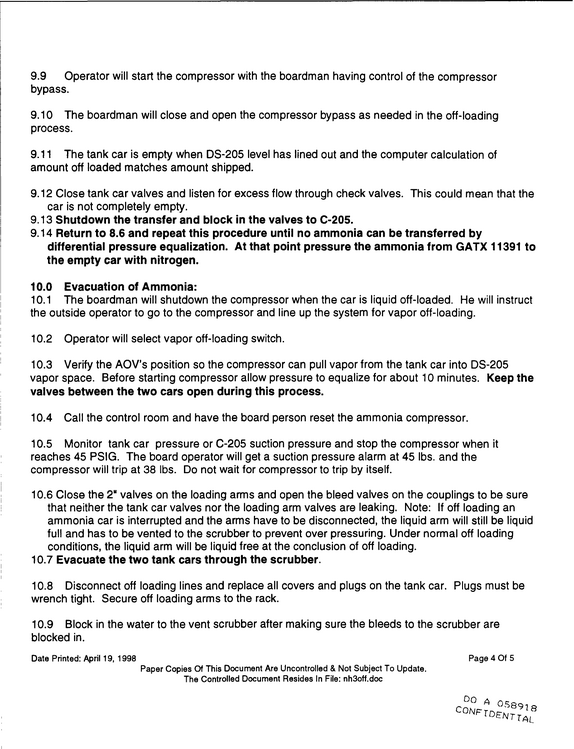
The sample must be recorded and approved by the operations supervisor, lead senior operations specialist or board operator.
refid# zoVYeb28bBRKNgZ3yVGaMMbXg5 pages
^ i: :.1, development activities that will lead to Second Substitute Fust Remsed Sheet Na ' ^nunereial implementation of ATS. ; '52004 ' The successful offerorfs) will be tasked |FR Doc. 94-18610 Filed 7-29-94; 8:45 anil with (1) developing the core engine of WLUNO cone the ATS including design, manufacture, Agency, 401M St, SW., Washington, DC 20460, Telephone: (202-554-1404), TDD; 554-0551.
refid# zb3Kwybv6R3Q08r6YaoqKkEg2 pages
The zones were physically divided by thef Sagavanirktok River find the trans-Alaska oil pipeline.f There was an eastern ReferenceZzone where developmentf infrastructure was historically fibsent through 1995, find fif western developedhzone that included fhe Prudhoe fiay,f Milne Point, and Muparuk petroleum development areas.f In f996, fhe developed versus reference Zone fitudyf design was compromised by the completion of pipelinesf leading fo fhe Badami petroleum development firea, fiastf of fhe trans-Alaska dil pipeline find fnto fhe referencef zone.f During the late 1980s, concentrated calving in thef developed zone shifted from fhe vicinity of the Muparuk-f Milne Point petroleum development areas to undevelopedf areas tfo fthe fsouth-southwest fof tfhe foil fields f(Lawhead fetf al. 1993, Murphy and Lawhead 2000).
refid# xzRm9XmXkd2MVB4YvQxdEQpgg2 pages
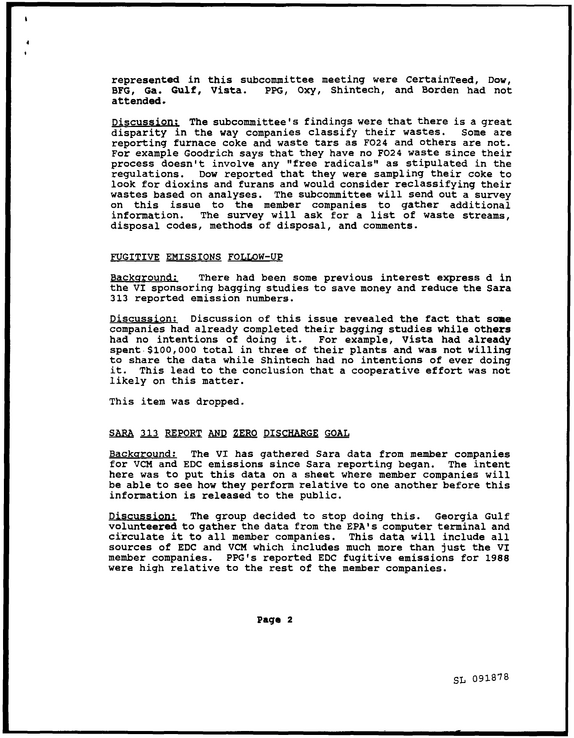
This lead to the conclusion that a cooperative effort was not likely on this matter.
refid# 3e23e3jXgQKw8g1xZVqO008q67 pages
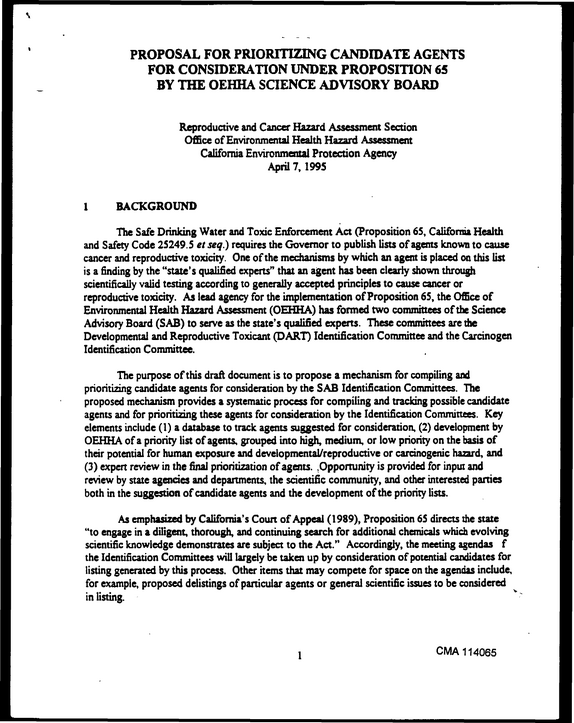
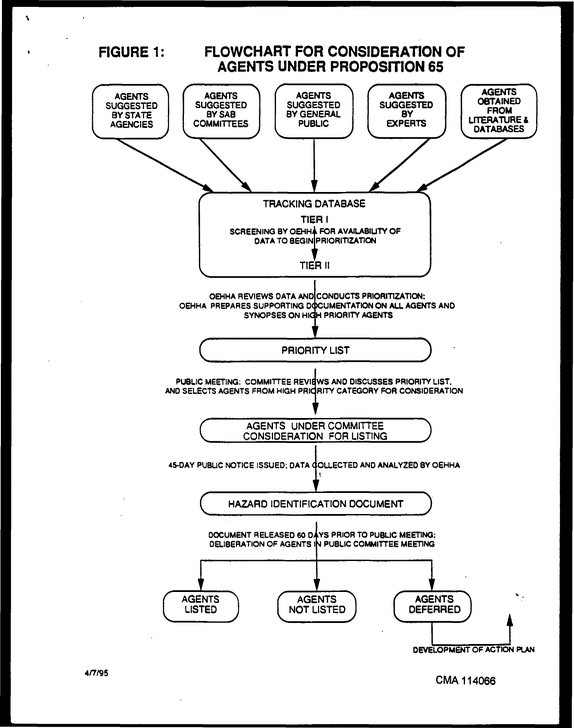
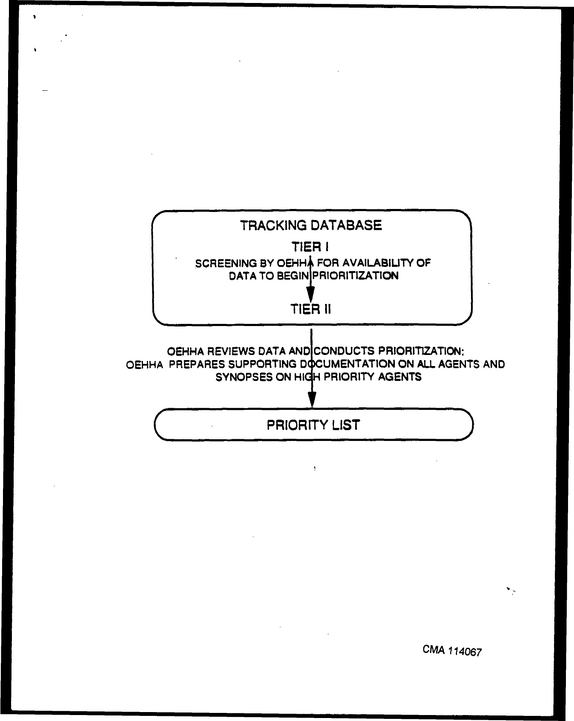
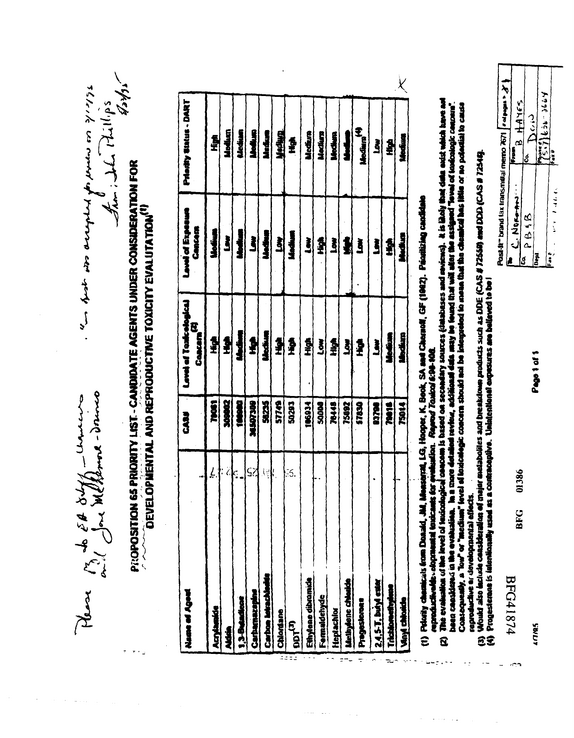
As lead agency for the implementation ofProposition 65, the Office of Environmental Health Hazard Assessment (OEHHA) has formed two committees of the Science Advisory Board (SAB) to serve as the state's qualified experts.
refid# am0K5N7VRG7aN1wzm69eZJBy11 pages
Additional Testing o Cadmium/Lead/Other?
refid# 8V6zbZaeNGngdvQQmV1rR83qm13 pages
Portions of the underground sewer piping leading to and from the new tanks were also replaced.
refid# zd2DwbdNv98perOkykg9gdGg12 pages
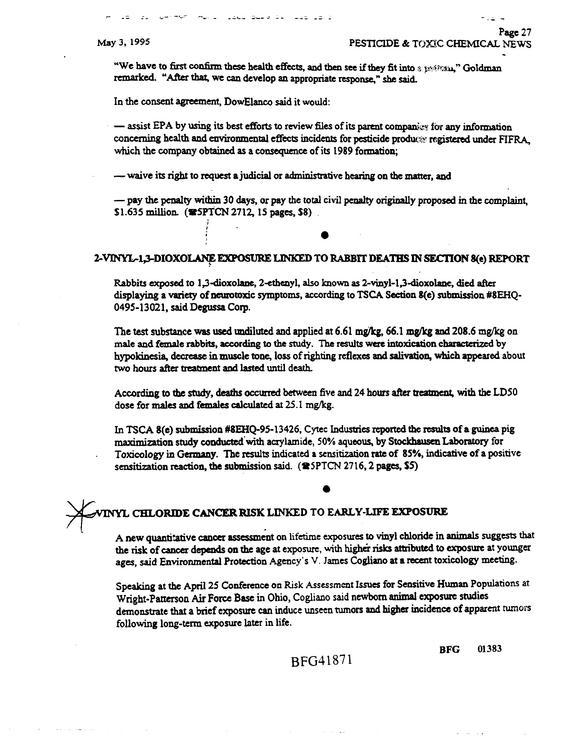
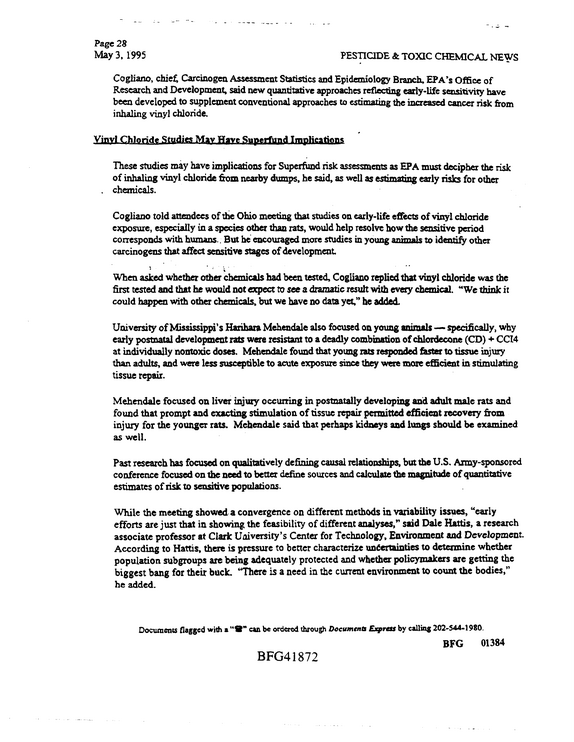
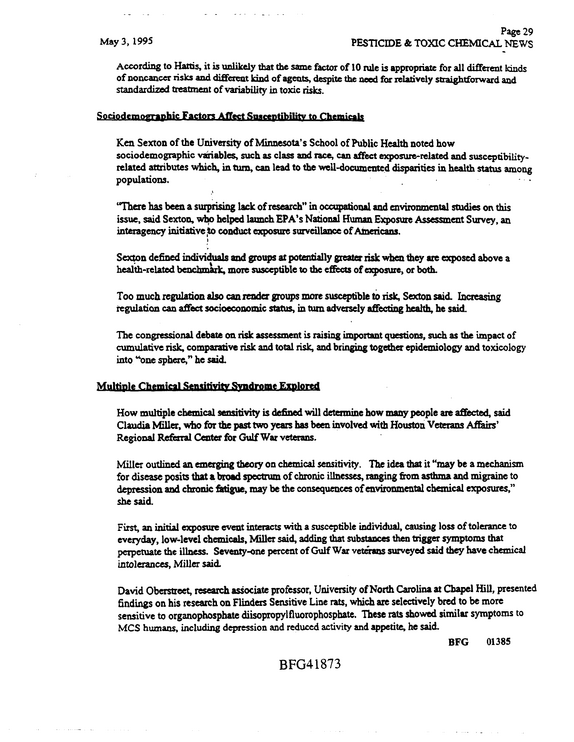
Sociodemogranhic factors Affect Susceptibility to Chemicals Ken Sexton of the University of Minnesota's School of Public Health noted how sociodemographic variables, such as class and race, can affect exposure-related and susceptibilityrelated attributes which, in turn, can lead to the well-documented disparities in health status among populations.
refid# qd3Rdr7bGDQgx6B1L1VGrnBbn6 pages
Our lead scientist for this effort is Dr.
refid# 50pQenV7dxkK2L95b96NaBQ0R11 pages
Water samples are periodically analyzed for total bacterial counts and for the presence o f coliforms, lead, and other contaminants.
refid# k9rxEz4rVqE6dre6VQRbVBR5D12 pages