Refine
Estimated Years 1980-1989Clear
7,383 results foundRefine Search
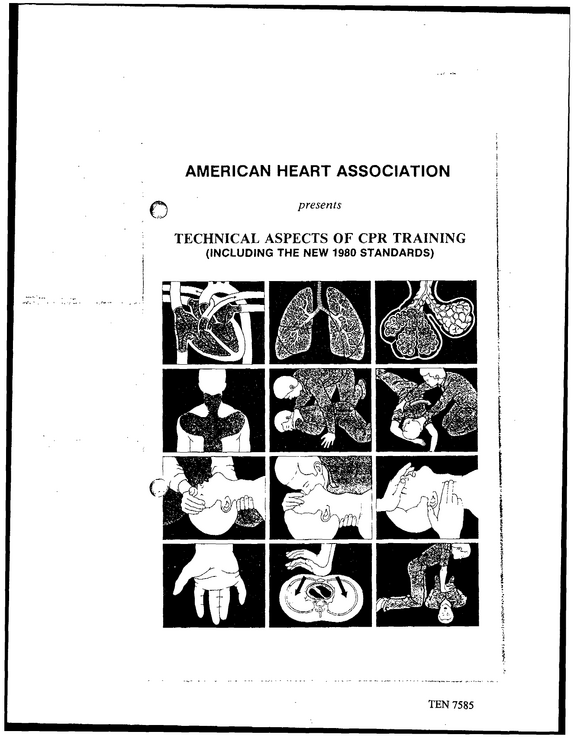
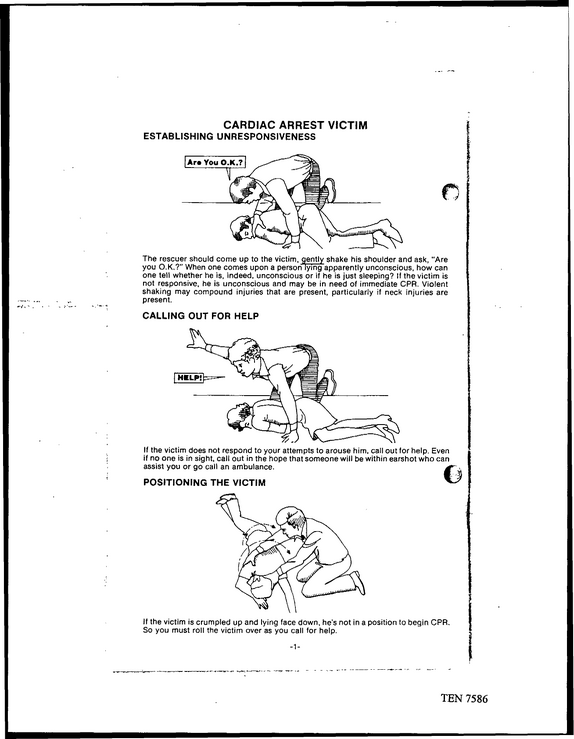
AMERICAN HEART ASSOCIATION presents TECHNICAL ASPECTS OF CPR TRAINING (INCLUDING THE NEW 1980 STANDARDS) j i * TEN 7585 CARDIAC ARREST VICTIM ESTABLISHING UNRESPONSIVENESS - The rescuer should come up to the victim, gently shake his shoulder and ask, "Are you O.K.?"
refid# LKkkQ7EkMYK9Y6qwn4nbqxJg532 pages
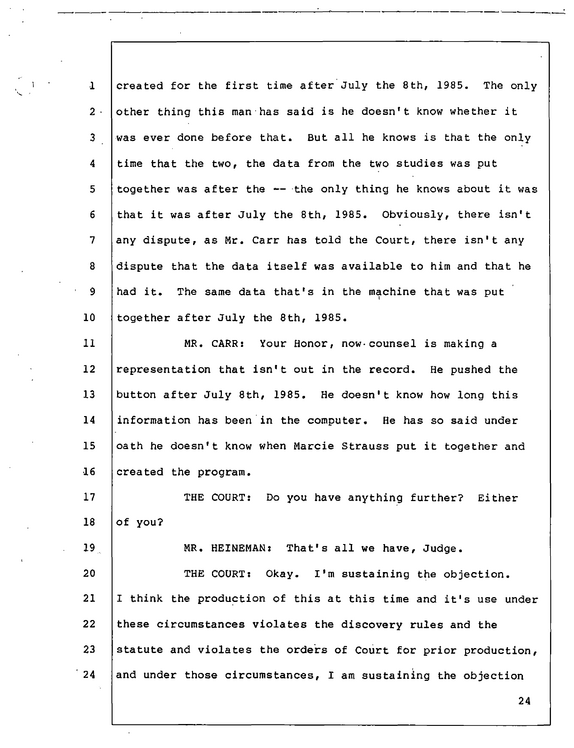
-1 created for the first time after July the 8th, 1985.
refid# QMX40Ood1Z4xBvLzj5jVEeep454 pages
REPORT ;:c.
refid# YN1Nx6RYjV6x5Mm2qVKrjEpO62 pages
Ia Lining N o . 3b Asbestos 55 Barite 10 Phenolic resin binder 20 Brass 5 Magnesium carbonate 8 Limestone .8 Organic calcium powder 10 Asbestos Barite Graphite Brass Phenolic resin Lead oxide Buna N rubber Naphtha Copper sulfide Methyl ethyl ketone 35 2.5 7 13 7 11.5 8 7 12.5 4 Lining No. 2C Asbestos 60 Phenolic resin 15 Nitrile rubber 3 Cashew dusts 12 Calcium fluoride 7 Copper iodide 3 Lining No. 4^ Asbestos 50 Tarry residue 12 Barite 20 Phenolic resin 20 Graphite 2 aSakata, et al., 1974 (Hitachi). bKeller, 1969 (Abex).
refid# o3n61GYY7kko5qmZrND8a10g35 pages
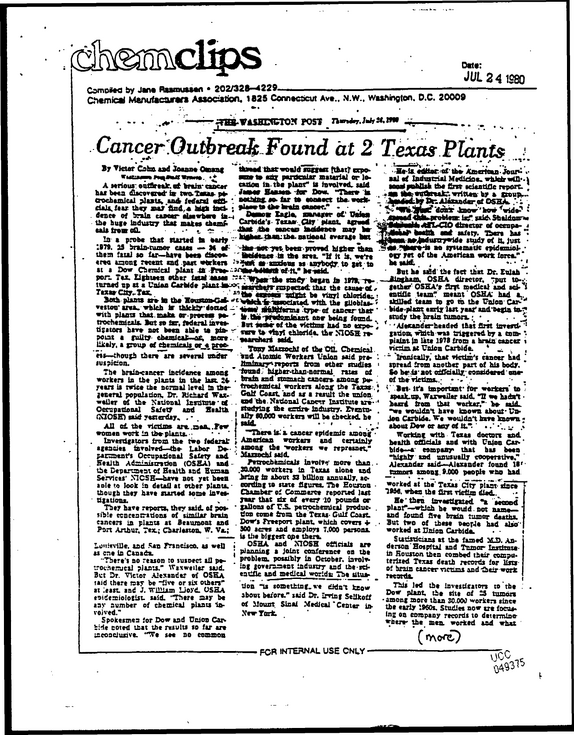
some of the many steps that lead to a- single chemical product Or. her laid it* may be more than one presets in volving the 300 or so ebeaieali'tonn- no.
refid# Bv3KwRdkaZJeLn8196yQZOZ0431 pages
U.S.


refid# XReNda3Dj55GN9EzRnm7NVM0R56 pages
mbXWiXS Robei t F.
refid# xjJajDVxNkveBedGLaDZB2kbb55 pages
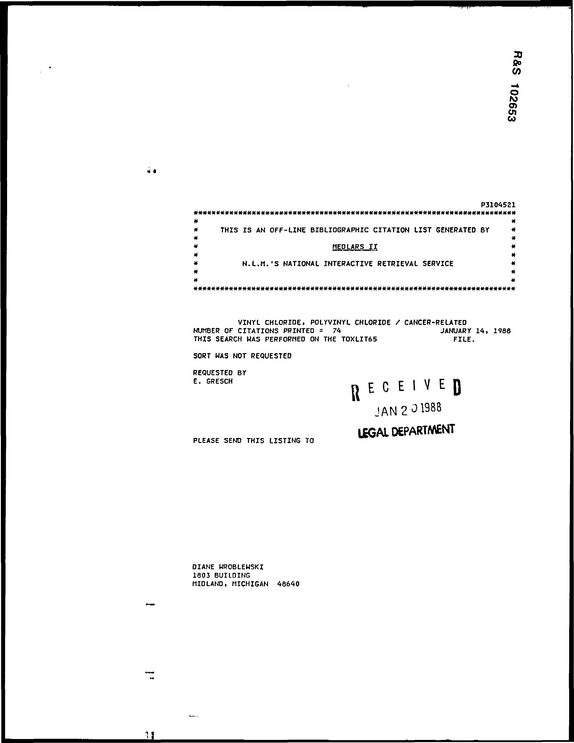
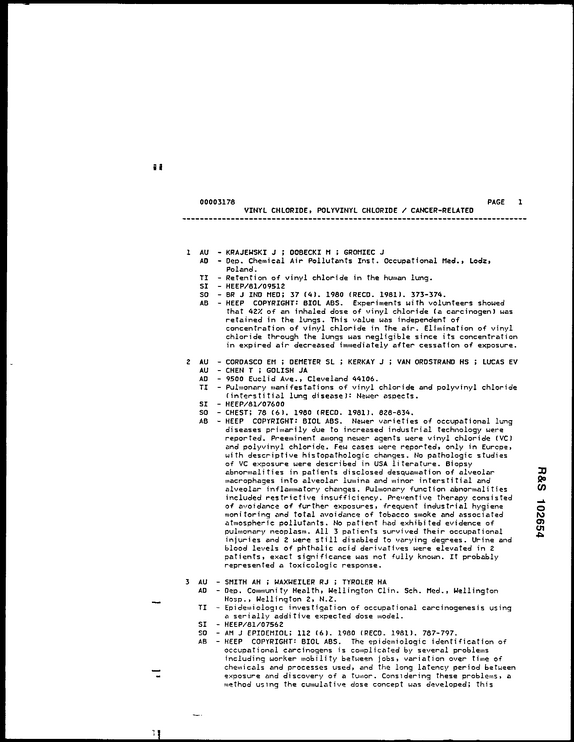
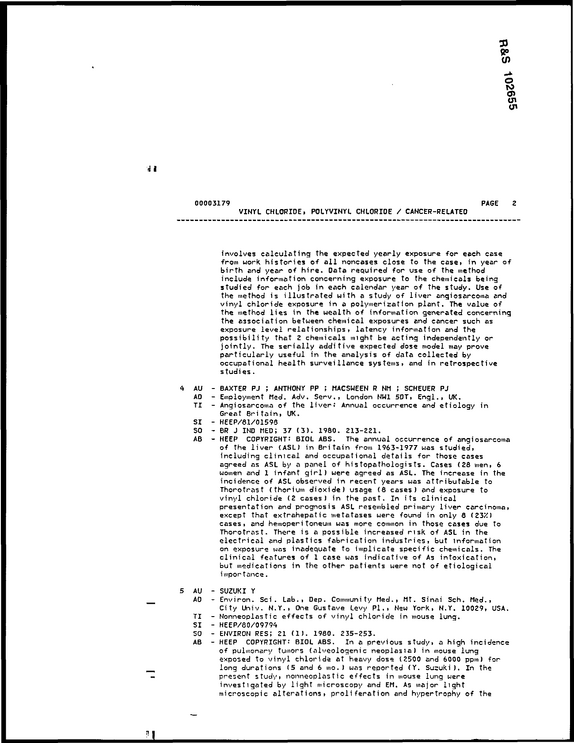
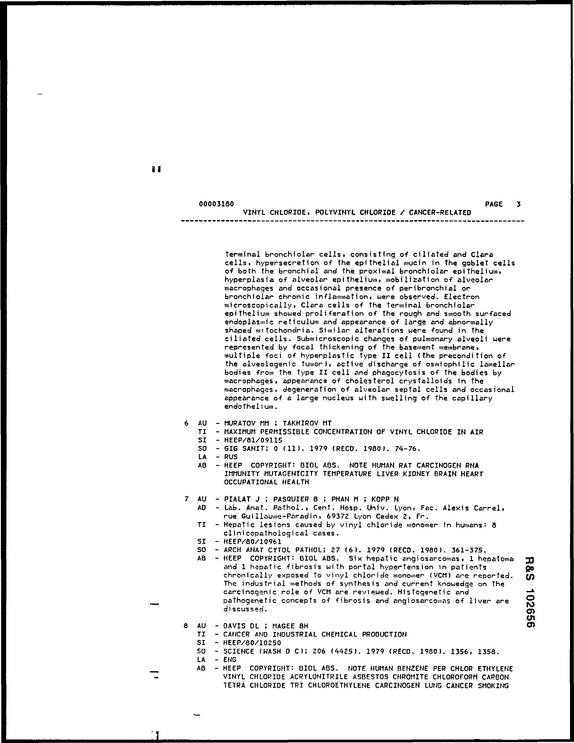
R&S 102653 P3104521 *****#************#********************#**#********##* #* * THIS IS AN OFF-LINE BIBLIOGRAPHIC CITATION LIST GENERATED BY #* * MEDLARS II # # N.L.M.'
refid# ERb4YBdJjrMZ42N73bkwkRGR32 pages
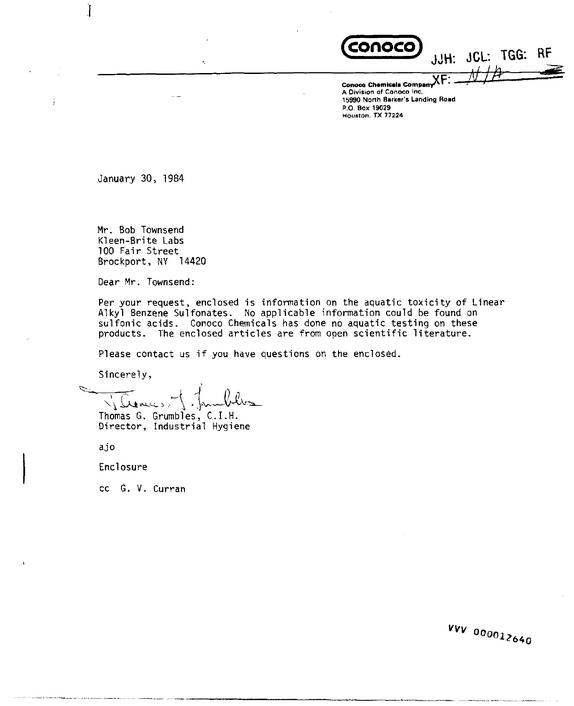
JCL: T6G: RF ,XF:Conoco Chemicals Compan A Division of Conoco Inc. 15990 North Barker's Landing Road P.O.

refid# 5oJzyEpDgrRob9pVxxabj1Q850 pages
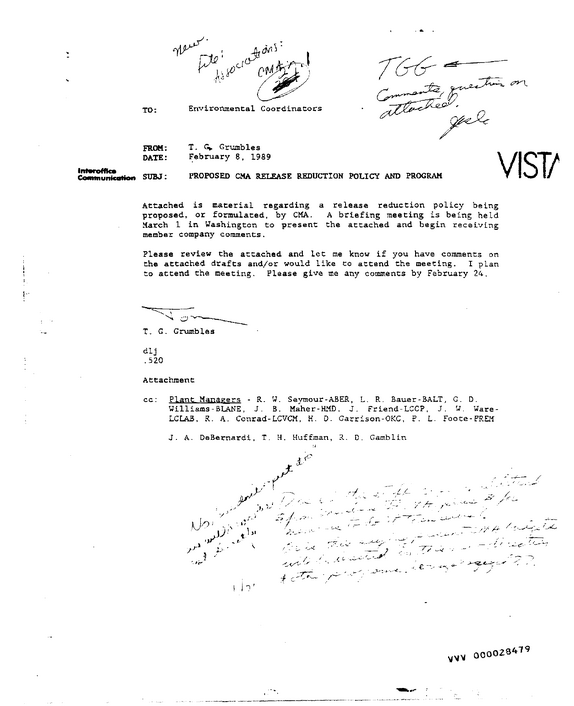
TO: Environmental Coordinators ^ <7^\ FROM: DATE: InltroWc* Cowwmiteartow SUBJ: T.
refid# 3Qn3nmeMLzzn3NGOXvxroo7O649 pages
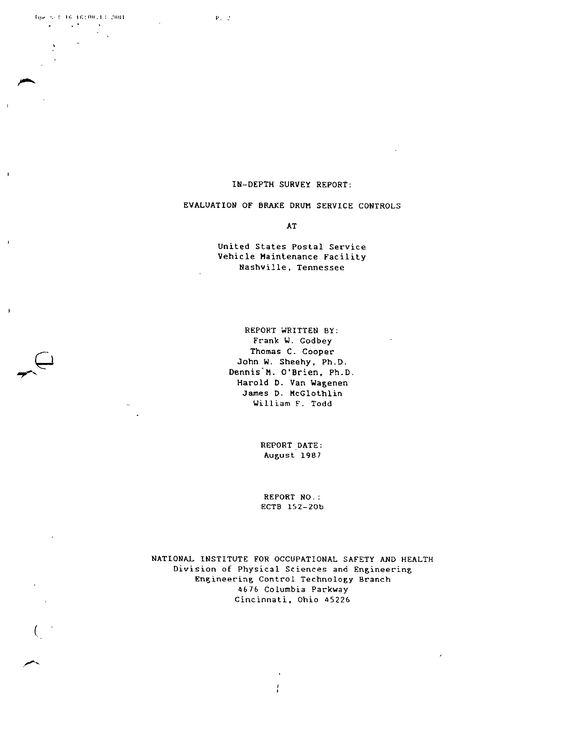
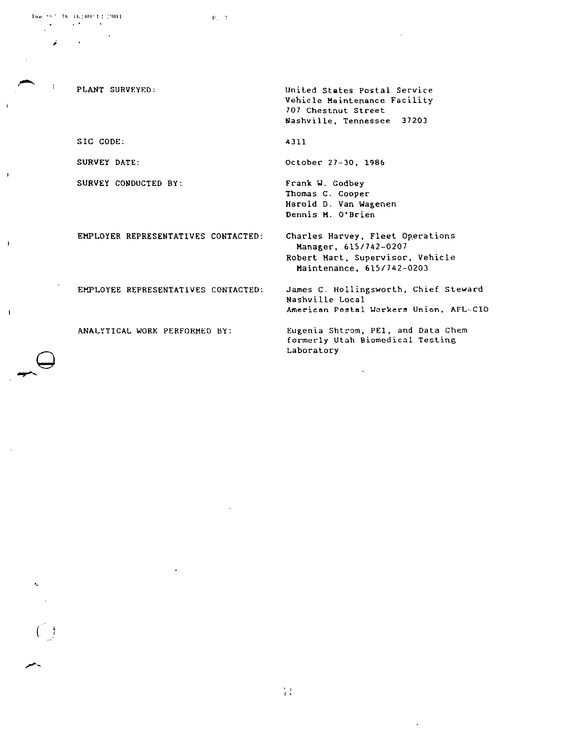
This legislation mandated Safety NIOSH to conduct a number of research and education programs separate from the standard setting and enforcement functions of the Occupational Safety and Health Administration OSHA in the Department of Labor An important area of NIOSH with method for research deal cnuteolling vocupational Capusure to potential chemical and physical hazards to safe levels The Engineering Control Technology Branch ECTB of the Division of Physical Sciences and Engineering has been given the lead within NIOSH to study the engineering aspects of hazard control Since 1976 ECTB has conducted a number of assessments of health hazard control technology on the basis of industry common industrial process or specific control techniques Examples of these completed studies include the foundry industry various chemical manufacturing or processing operations spray painting and the recirculation of exhaust air The objective of each of these studies has been to evaluate and document effective control techniques for potential health hazards in the industry interest and to create a more general awareness of the or process of need for or availability of an effective system of hazard control measures These ctudies involve surveys are conducted a number of phacoc to select plants or Initially a oorioc of walk processes with effective and through potentially surveys are transferable conducted to control concepts or techniques Next depth determine both the control parameters and the effectiveness of these controls The reports from these then used ac a basis for preparing technical reports and depth surveys journal articles are on effective hazard control measures Ultimately the information from these research activities builds the data base of publicly available information on hazard control for preventing techniques for use by health professionals occupational illness and injury who are responsible Background Asbestos is found in motor vehicle brake materials Recognition of asbestos carcinogenic properties has currently resulted in substitution of less toxic fibers for come brake materials However acbertor in still used in number of brakes large This study is concerned with the control of asbestos exposures to workers who are required to repair motor vehicle brakes Dubrow and Wegman published a research and control priority assessment of occupational carcinogens Their objective was to identify occupations with potentially high cancer risk by combining the results of 12 major Occupational disease surveillance studies and to make recommendations concerning priorities for occupational cancer research and control on the basis of the results of this analysis in conjunction with other available epidemiologic industrial hygiene toxicologic and employment data basis of the principles outlined in their paper some priorities for On the research Un dae t 3 : 11 RlOS and control clearly stood out Their results pointed to the investigation control of occupational exposure to asbestos as the number one priority in and occupational cancer research and control In this situation where occupational disease surveillance studies point to a likely problem with a known carcinogenic agent the priority should be placed on industrial hygiene investigations of asbestos exposure in the suspect occupations If likely exposure is found control measures should be developed and instituted There are frequent asbestos exposures during brake repair in the vehicle maintenance work force NIOSH in the National Occupational Exposure Survey estimates that a work force of 151,000 brake mechanics and garage workers in the U.S. are potentially exposed to asbestos Other estimates run as high as 900,000 workers being potentially exposed in brake servicin3g A study of brake service operations was needed because of the following known carcinogenic potential of asbestos a large number of workers are the potentially exposed primarily small businesses lack resources to evaluate control devices and perform brake servicing the general lack of and information on the effectiveness of currently available control devices Therefore the Engineering Control Technology Branch undertook this study The primary objective of this control technology assessment is to determine the the effectiveness of various control techniques used during brake repair transfer of the documented information to the appropriate individuals and in industry labor academia and the government i.e. industrial hygienists safety engineers OSHA EPA etc.
refid# bX6RXgkvMB707mXYwB03Vy3Z30 pages
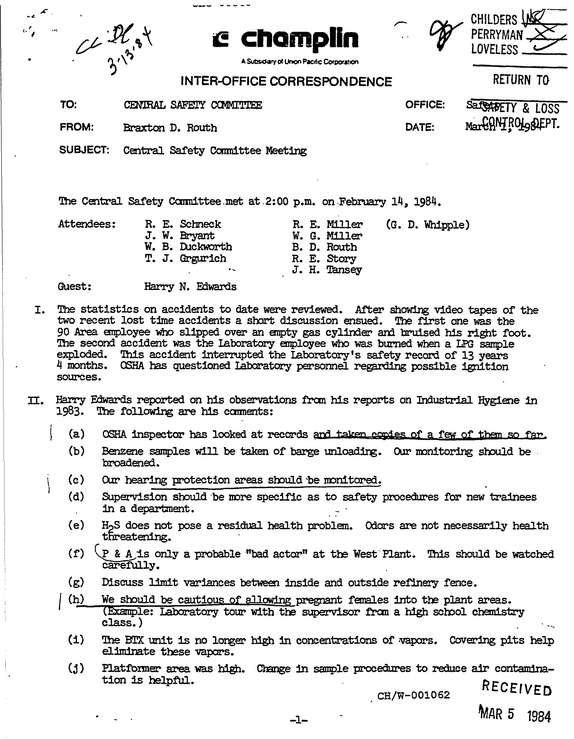
(l) Terminal area is all right for lead.
refid# b5OYdkNp2rBLymwrg8MyyLbO138 pages
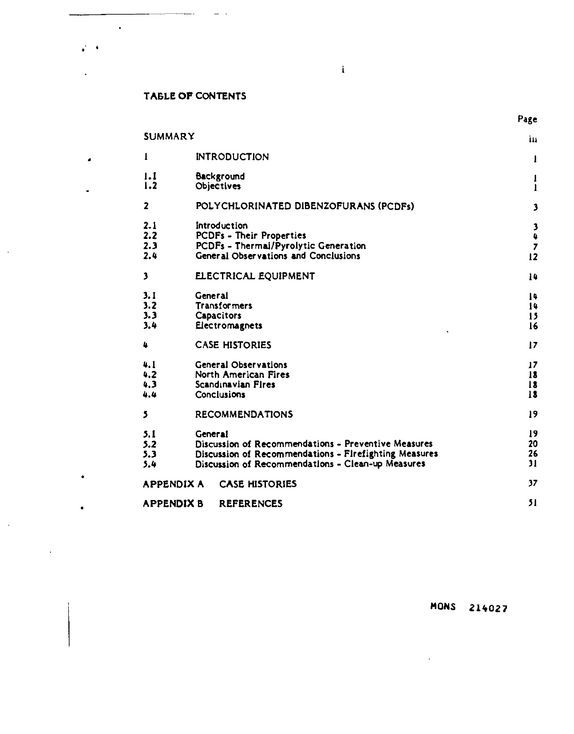
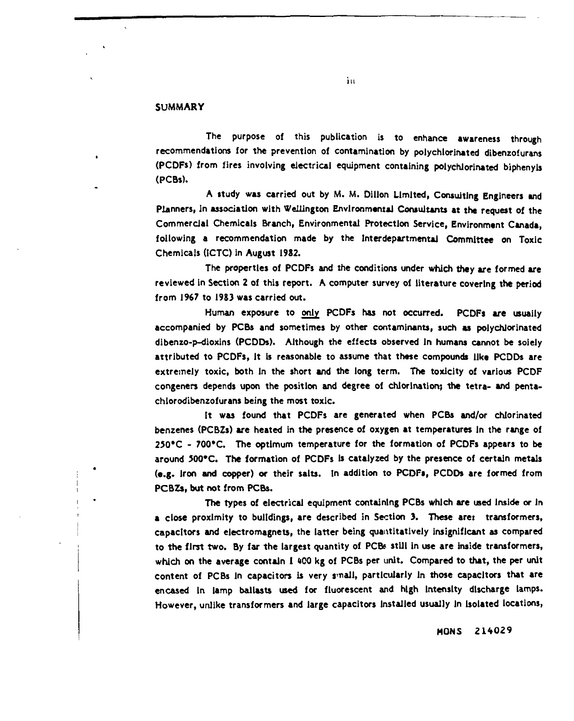
Fires involving electrical equipment containing PCBs and PCBZs can lead to the formation of PCDFs.
refid# 6B3emEMgjEQo9xQ7DoOGBOvkR56 pages
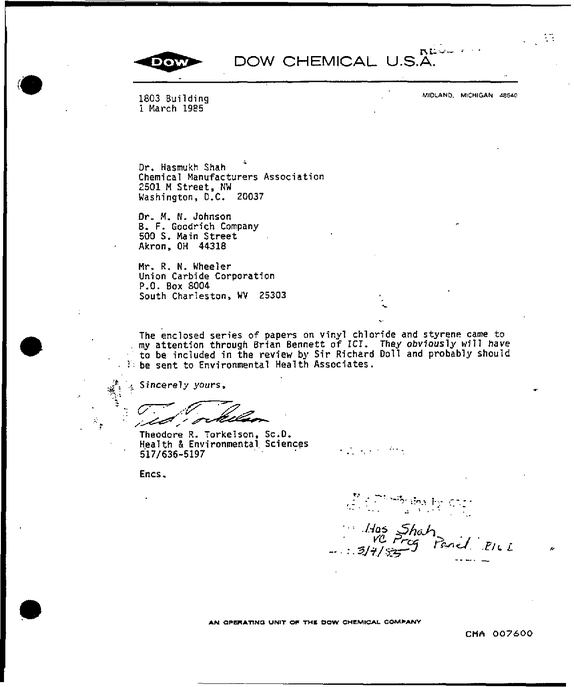
DOW CHEMICAL U.S.A. 1803 Building i March 1985 MIDLAND.
refid# k3k2oMJ7DvZqMd7B34LpmvpE44 pages
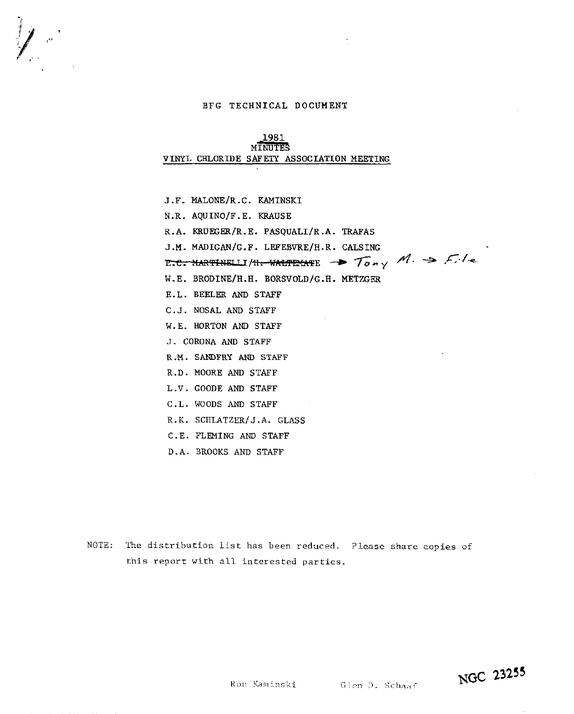
BFG TECHNICAL DOCUMENT 1981 MINUTES VINYL CHLORIDE SAFETY ASSOCIATION MEETING J.F.
refid# KMqn4531z0LN292qJo8EgO2049 pages