Refine
Estimated Years 1980-1989Clear
7,383 results foundRefine Search
L E D W I T H : I w o u l d o b j e c t to that. 12 That's a clearly leading question. 13 MR.
refid# XOYDyM621e5xDk5qDJdeGJEDg70 pages
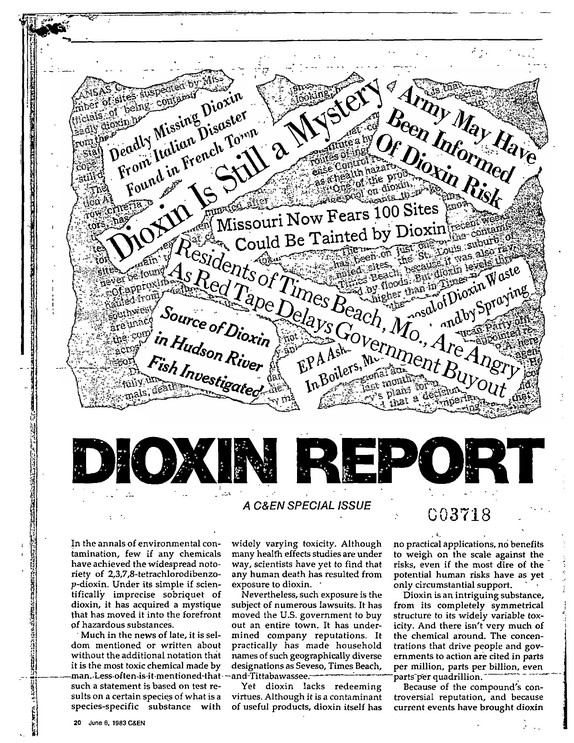
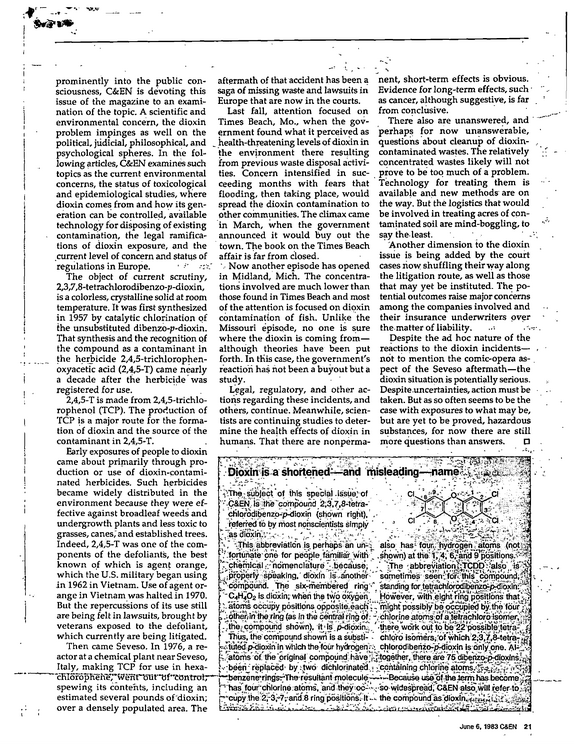
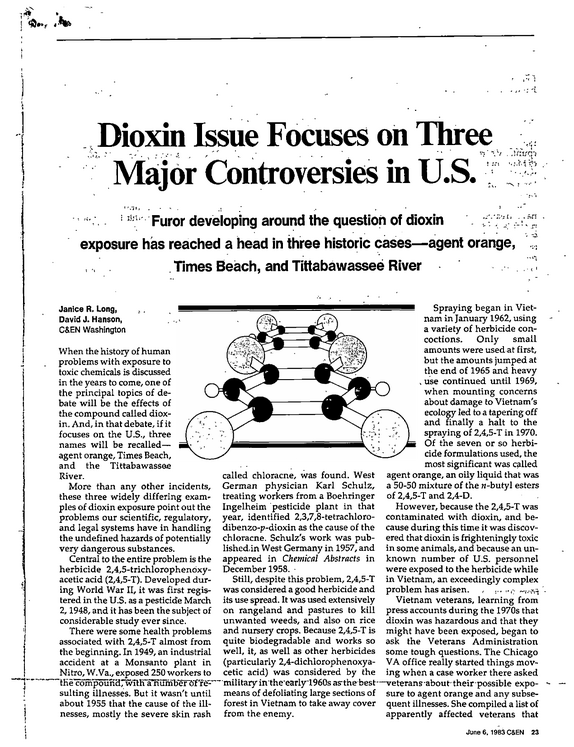
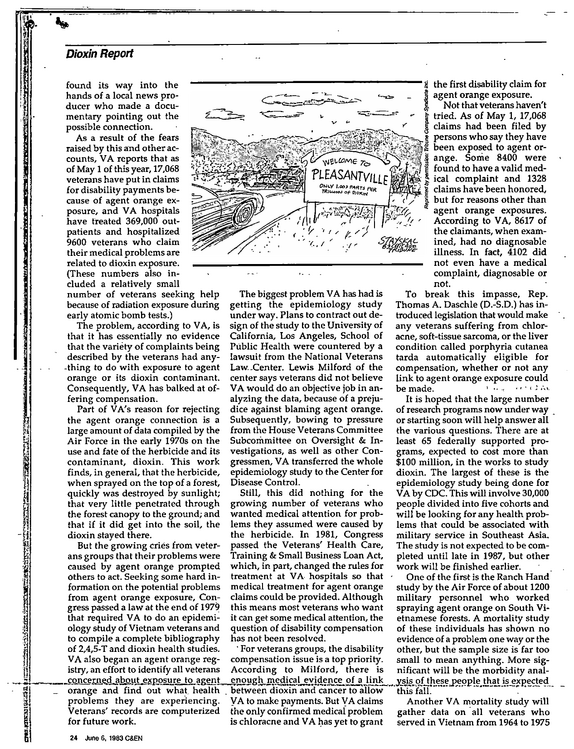
DIOXIN REPORT A C&EN SPECIAL ISSUE 003718 In the annals of environmental con widely varying toxicity.
refid# omBj65j5zQzDEd8nYr43NbxXo34 pages
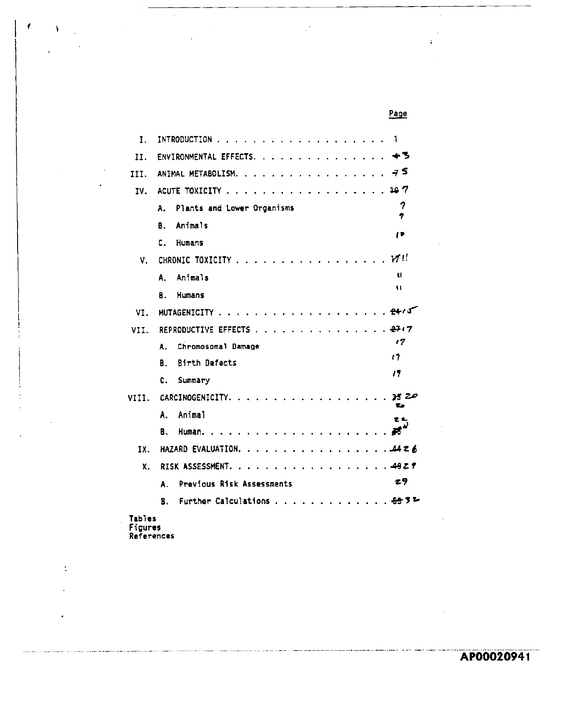
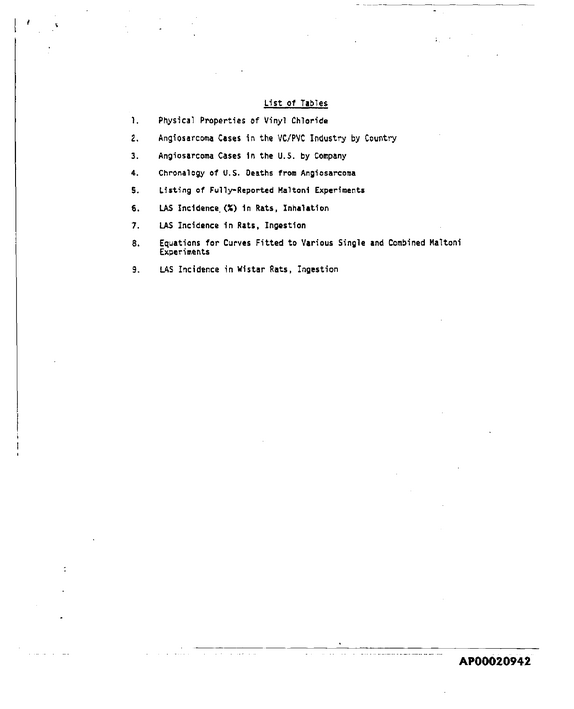
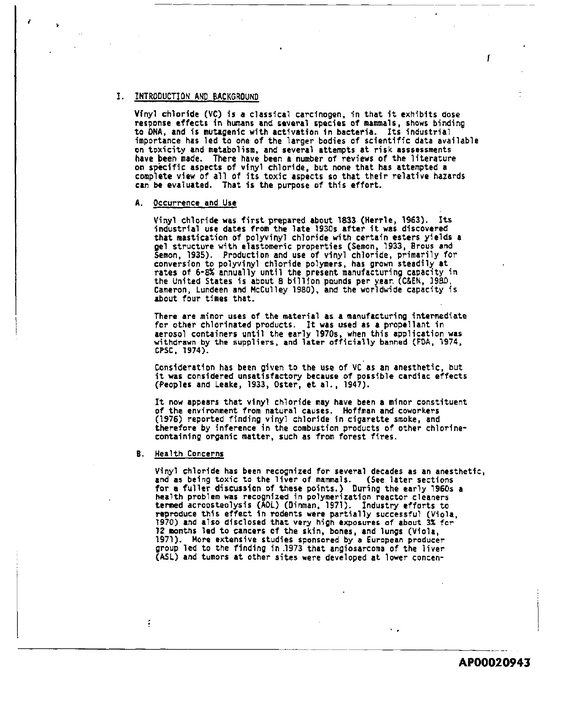
HAZARD EVALUATION AND RISK ASSESSMENT FOR VINYL CHLORIDE Working Draft John T.
refid# xj9p2y6DLYb8V7aEXJqKzLMx665 pages
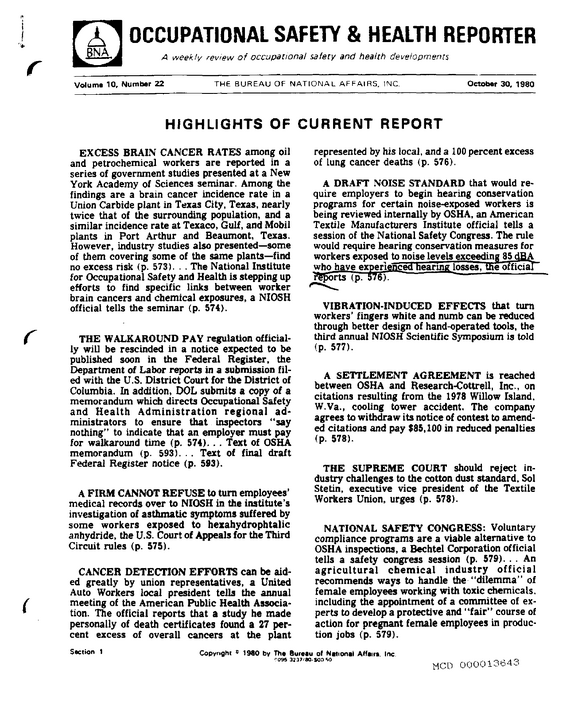
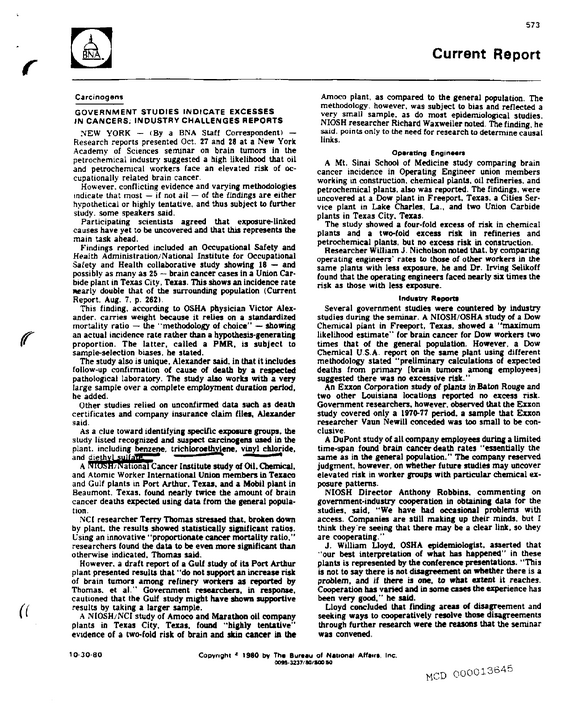
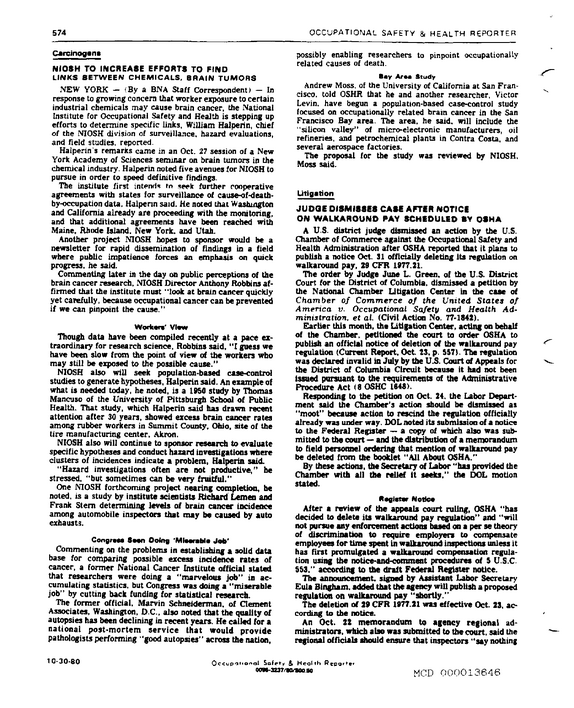
OCCUPATIONAL SAFETY & HEALTH REPORTER A weekly review of occupational safety and health developments Volume 10, Number 22 THE BUREAU OF NATIONAL AFFAIRS.
refid# bBGGGM6e4x20oraJd9GYkD2Ny24 pages
1.
refid# RJXbZpekV43rv8vXEeg9JLRZv326 pages
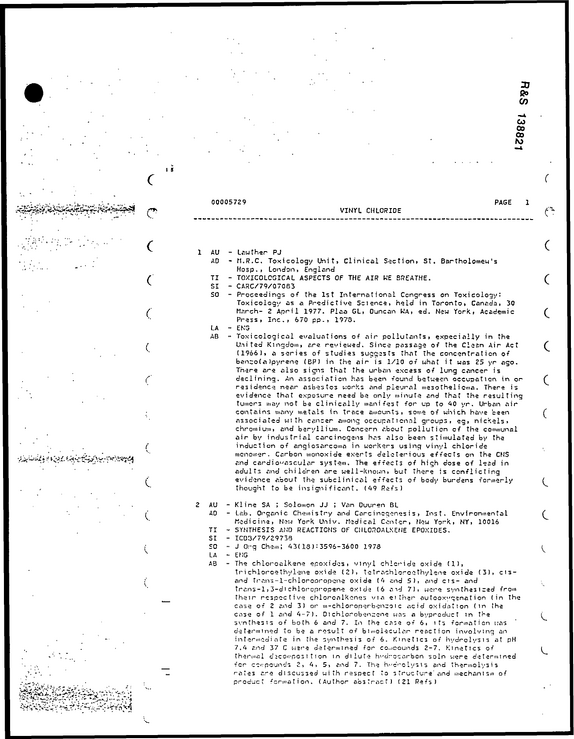
The effects of high dose of lead in adults and children are well-known, but There is conflicting evidence about the subclinical effects of body burdens formerly thought to be insignificant. (99 Refs) Kline SA !
refid# nNbO7yk52Nw5q8gJd4pD03ynG160 pages
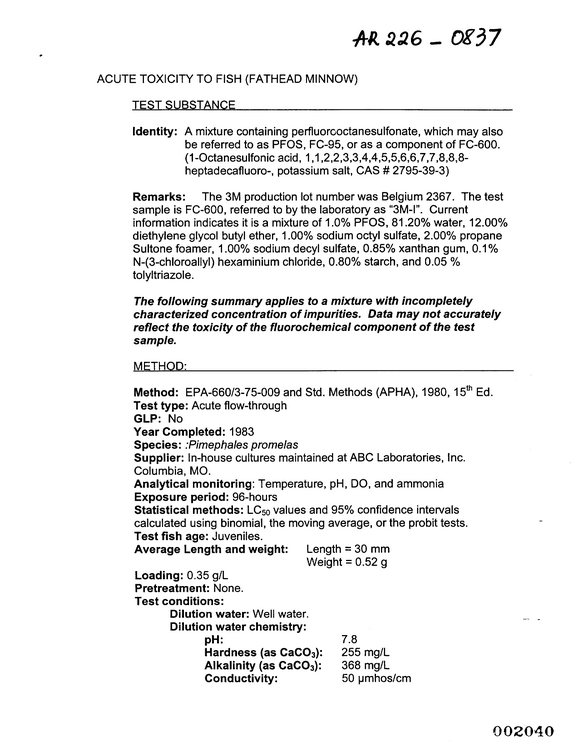
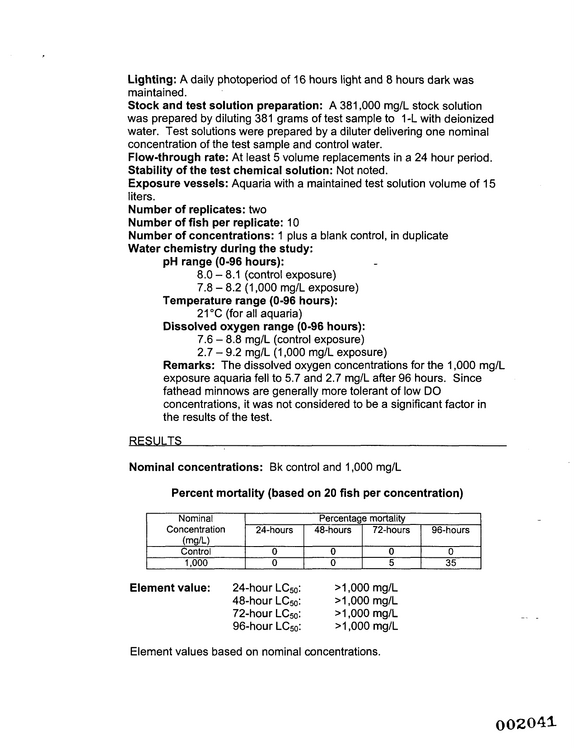
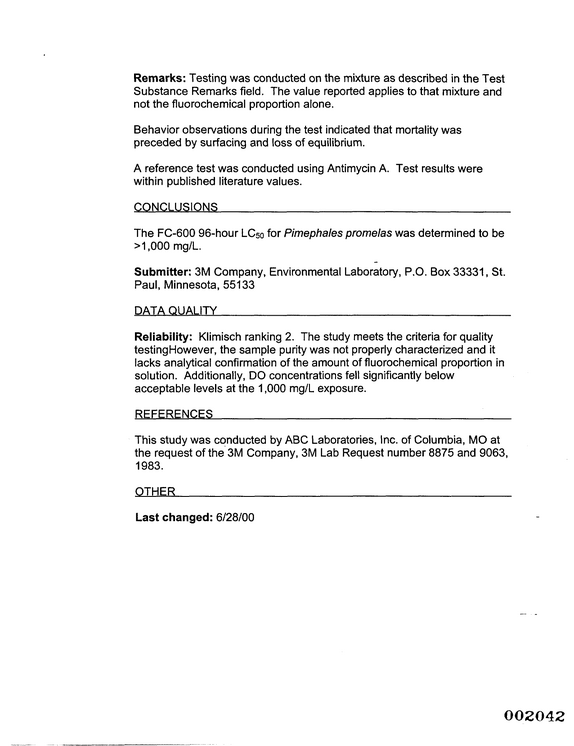
M 3 2 6 _ 0X37 ACUTE TOXICITY TO FISH (FATHEAD MINNOW) TEST SUBSTANCE___________________ Identity: A mixture containing perfluorooctanesulfonate, which may also be referred to as PFOS, FC-95, or as a component of FC-600. (1-Octanesulfonic acid, 1,1,2,2,3,3,4,4,5,5,6,6,7,7,8,8,8heptadecafluoro-, potassium salt, CAS # 2795-39-3) Remarks: The 3M production lot number was Belgium 2367.
refid# 4JR9a5e1z4NdD2xEw3pmvm6mN17 pages
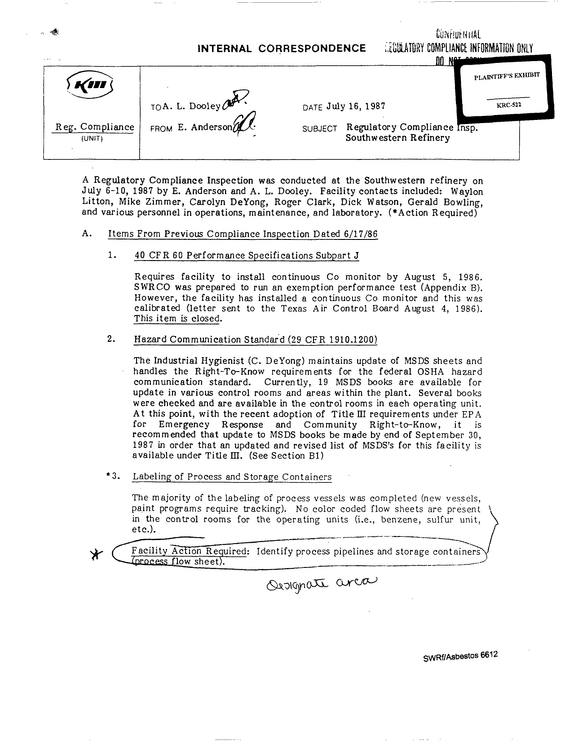
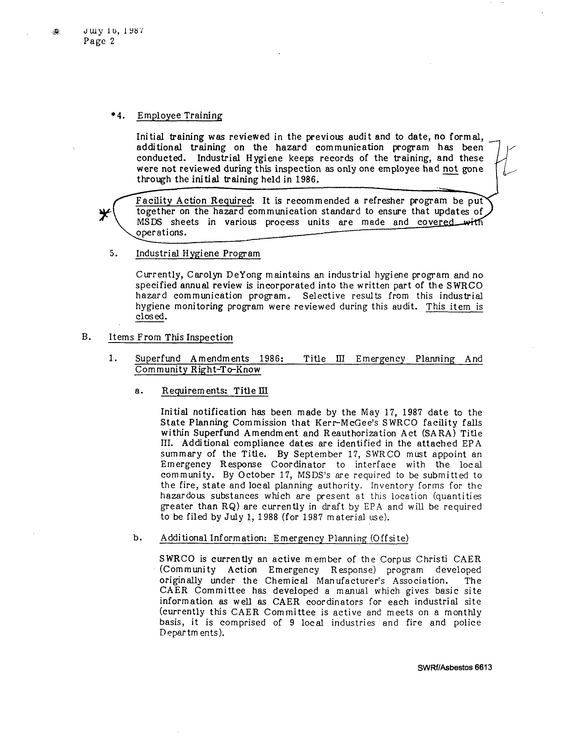
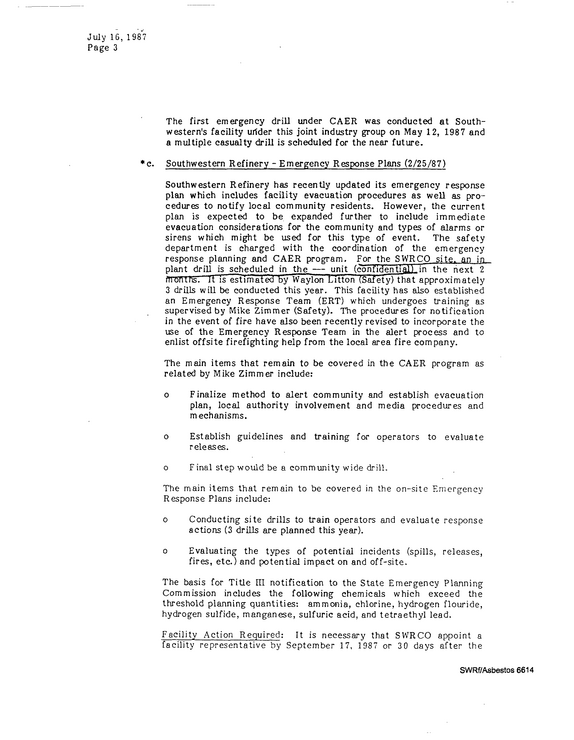
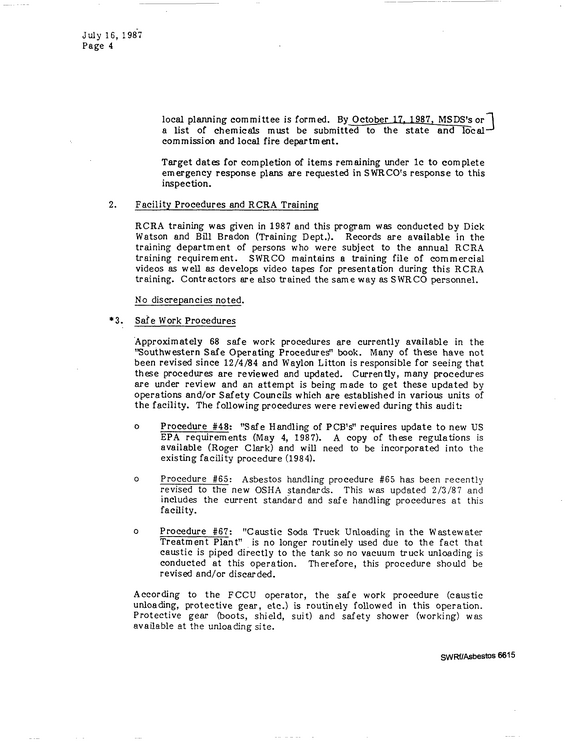
The basis for Title III notification to the State Emergency Planning Commission includes the following chemicals which exceed the threshold planning quantities: ammonia, chlorine, hydrogen flouride, hydrogen sulfide, manganese, sulfuric acid, and tetraethyl lead.
refid# aexL0rnzxY1XLOkgv6OKQa2Y10 pages
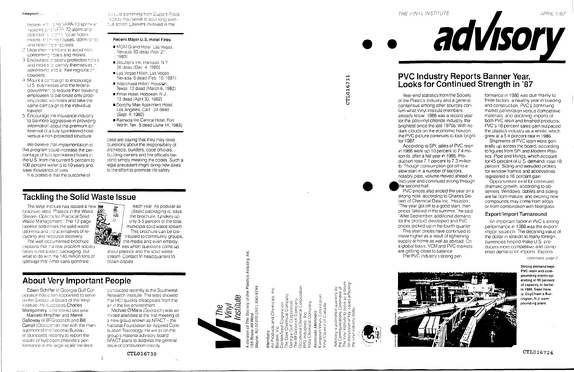
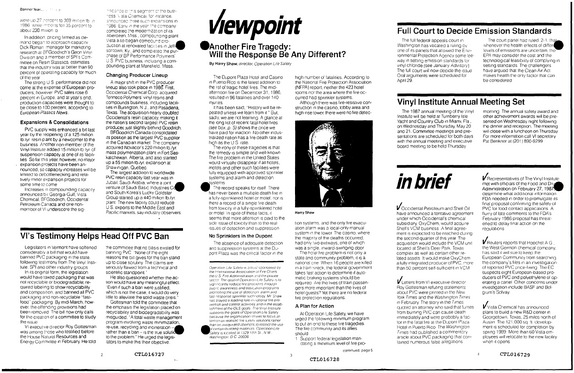
Viewpoint....
refid# YEz1XxZna39z7BOkV14a22JV2 pages
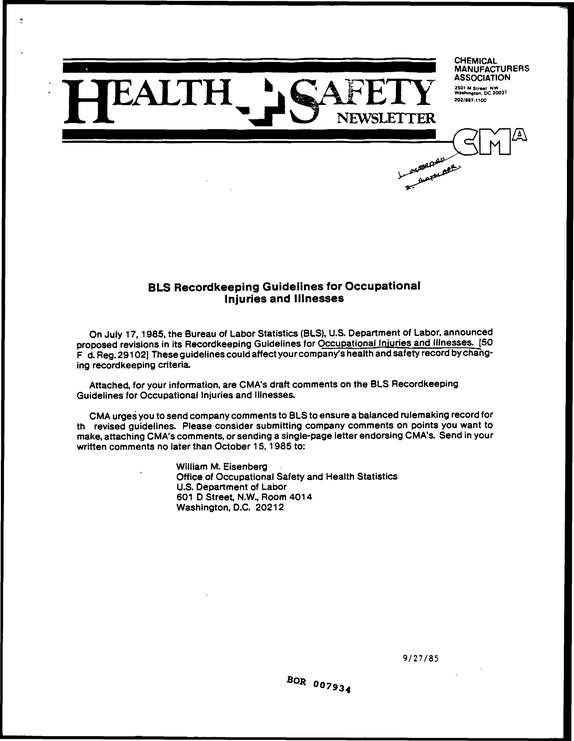
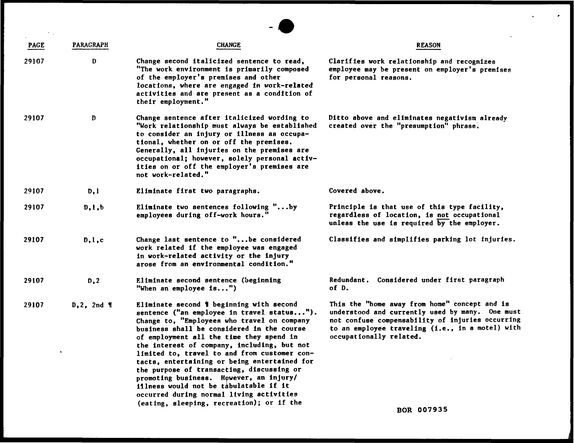
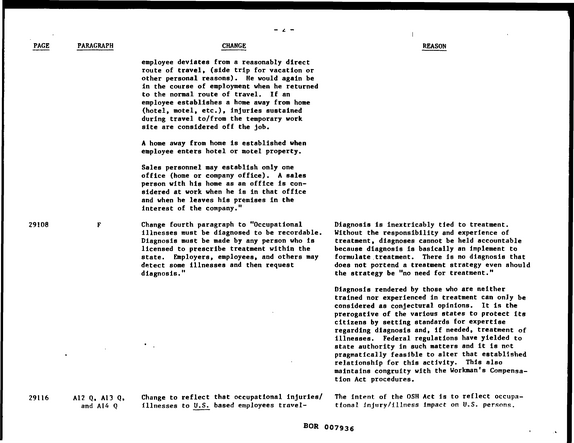
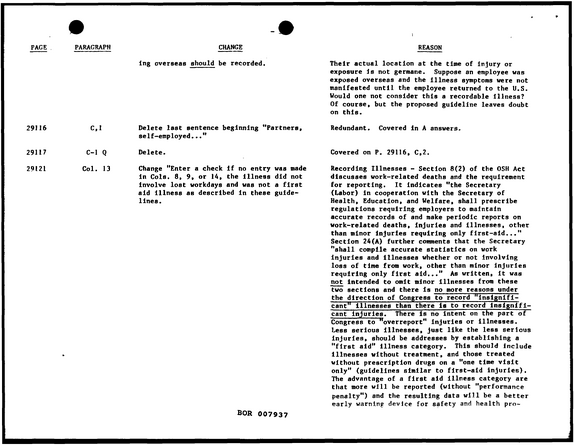
CHEMICAL MANUFACTURERS BLS Recordkeeping Guidelines for Occupational Injuries and Illnesses On July 17,1985, the Bureau of Labor Statistics (BLS), U.S.
refid# e7zyJ31px7R6B17qgYRMqBr5410 pages
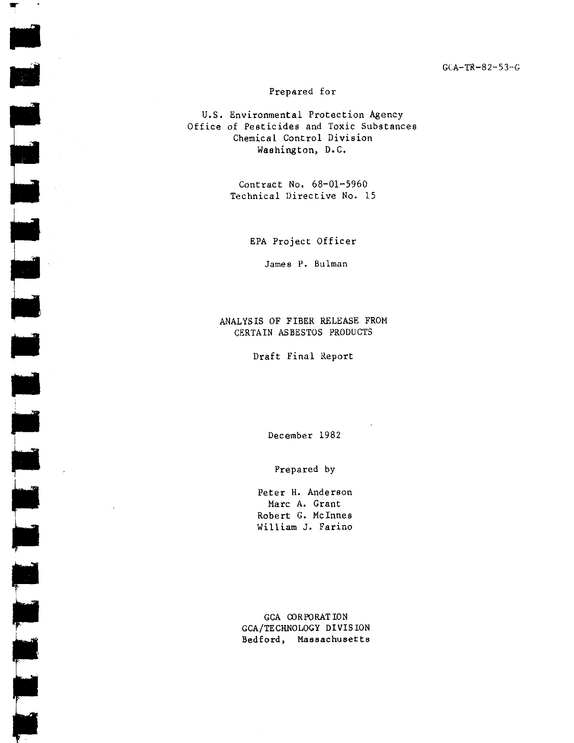
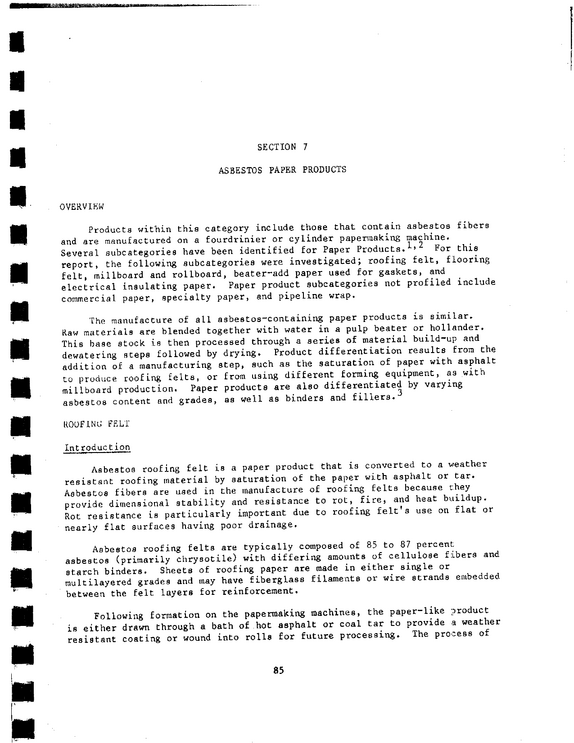
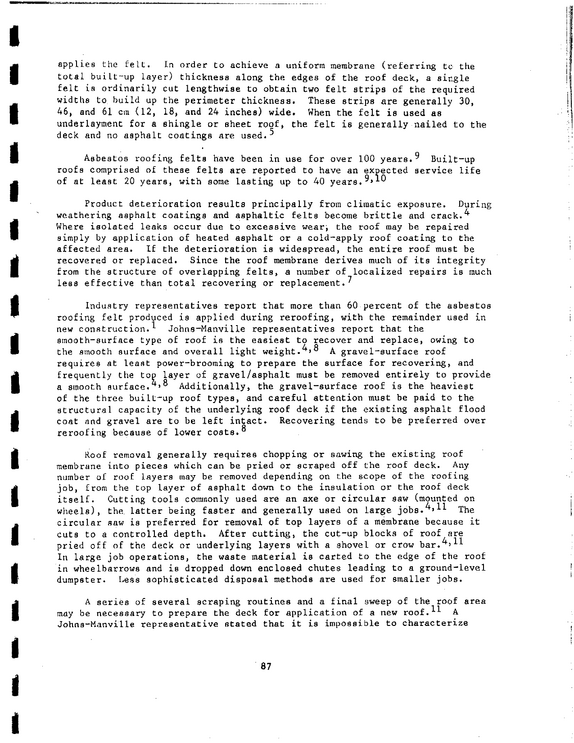
Farino GCA CORPORATION CORPORATION TECHNOLOGY DIVISION Bedford Massachusetts SECTION 7 ASBESTOS PAPER PRODUCTS OVERVIEW Products within this category include those that contain asbestos fibers and are Several manufactured on a fourdrinier or cylinder papermaking machine subcategories have been identified for Paper Product1,s2 For this report the following subcategories were investigated roofing felt flooring felt millboard and rollboard beater paper used for gaskets and electrical insulating paper Paper product subcategories not profiled include commercial paper specialty paper and pipeline wrap The manufacture of all containing paper products is similar Raw materials are blended together with water in a pulp beater or hollander This base stock is then processed through a series of material build and dewatering steps followed by drying Product addition of a manufacturing step such as the differentiation results from the saturation of paper with asphalt to produce roofing felts or millboard production Paper asbestos content and grades from using different forming equipment as with products are also differentiated by varying as well as binders and fillers ROOFING FELT Introduction Asbestos roofing felt is a paper product that is converted to a weather resistant roofing material by saturation of the paper with asphalt or tar Asbestos fibers are used in the manufacture of roofing felts because they provide dimensional stability and resistance to rot fire and heat buildup Rot resistance is particularly important due to roofing felt's use on flat or nearly flat surfaces having poor drainage Asbestos roofing felts are asbestos primarily chrysotile typically composed of 85 to 87 percent with differing amounts of cellulose fibers and starch binders Sheets multilayered grades and of roofing paper are made in either single or may have fiberglass filaments or wire strands embedded between the felt layers for reinforcement Following formation on the papermaking machines the paper product is either drawn through a bath of hot asphalt or coal tar to provide a weather resistant coating or wound into rolls for future processing The process of 85 * applies the felt In order to achieve a uniform membrane referring to the total built layer thickness along the edges of the roof deck a single felt is ordinarily cut lengthwise to obtain two felt strips of the required widths to build up the perimeter thickness These strips are generally 30 46 and 61 cm 12 18 and 24 inches wide When the felt is used as underlayment for a shingle or sheet roof the felt is generally nailed to the deck and no asphalt coatings are used Asbestos roofing felts have been in use for over 100 years Built roofs of at comprised of these felts are reported to have an yearxspected least 20 years with some lasting up to 40 9,10 service life Product deterioration results principally from climatic exposure During weathering asphalt coatings and asphaltic felts become brittle and crack Where isolated leaks occur due to excessive wear the roof may be repaired simply by application of heated asphalt or a apply roof coating to the affected area If the deterioration is widespread the entire roof must be recovered or replaced Since the roof membrane derives much of its integrity from the structure of overlapping felts a number localized repairs is much less effective than total recovering or replacement 7 Industry representatives report that more than percent of the asbestos roofing felt produced is applied during reroofing with the remainder used in new construction Manville representatives report that the surface type of roof is the easiest to recover and replace owing to the smooth surface and overall light weight 4,8 A surface roof requires at least brooming to prepare the surface for recovering and top frequently the a smooth surface layer of asphalt must be removed entirely to provide 4,8 Additionally the surface roof is the heaviest of the three built roof types and careful attention must be paid to the structural capacity of the underlying roof deck if the existing asphalt flood coat and gravel are to be left intact Recovering tends to be preferred over reroofing because of lower costs Roof removal generally requires chopping or sawing the existing roof membrane into pieces which can be pried or scraped off the roof deck Any number of roof layers may be removed depending on the scope of the roofing job from the top layer of asphalt down to the insulation or the roof deck itself Cutting tools commonly used are an axe or circular saw mounted on wheels the latter being faster and generally used on large jobs The circular saw is preferred for removal of top layers of a membrane because it cuts to a pried off controlled depth After cutting the of the deck or underlying layers with cut blocks of a shovel or crow roof are bar 4,11 In large job operations the waste material is carted to the edge of the roof in wheelbarrows and is dropped down enclosed chutes leading to a ground dumpster Less sophisticated disposal methods are used for smaller jobs A series of several scraping routines and a final sweep of the roof area may be necessary to prepare the deck for application of a new roof A Manville representative stated that it is impossible to characterize 187 vt ; } the number of workers and time required for a reroofing job as the work and even the tools used vary widely with the roof type Removal of a 10.5 x 18 meter 35 x 60 foot section of fiberglass asphalt roofing membrane which was monitored by Technology Division personnel in December 1979 required about 2 hours 11 Built roof installation is estimated to take a similar length of time or longer to apply the multilayered membrane Airborne asbestos fiber release during roofing felt installation is expected to be low containing roofing felts which are coated with asphalt are quite pliable and normally carefully handled during built roof construction to ensure the integrity of the finished membrane during During installation the only mechanical disruption applied to the felt is cutting with a sharp bladed tool Liberation of asbestos fibers from such a low energy activity is expected to be minimal In use containing felt is isolated from the atmosphere by layers of asphalt and other roof coating materials Although these coatings may eventually wear off wind and water erosion is believed to very gradual process whereby minimal fiber release is expected By the be a time the felt becomes exposed a membrane leak is likely and repairs would be performed therefore on the affected the felt is not area likely Roofing materials tend to be exposed over the to wear nonuniformly whole roof at one time Of all the roofing felt end use activities felt removal poses the greatest potential for fiber release During this operation the top membrane coating and the During removal asphalt in the felt when surface layers have weathered to a hard stiff are sawed and scraped the felt material matrix is likely to be physically altered releasing form asbestos fibers The membrane top coat and asphalt coats between the felt layers however do tend to bind the cut felts together minimizing felt fracture during prying and waste disposal Airborne Fiber Monitoring Data Several monitoring studies have been asbestos fiber concentrations encountered conducted to determine airborne during roofing felt installation and removal Results of these studies conducted by the Manville Corporation and Technology Division are presented in Table 19.
refid# vVXQqOxYVM7XJ8ZVm7j67GnLb12 pages
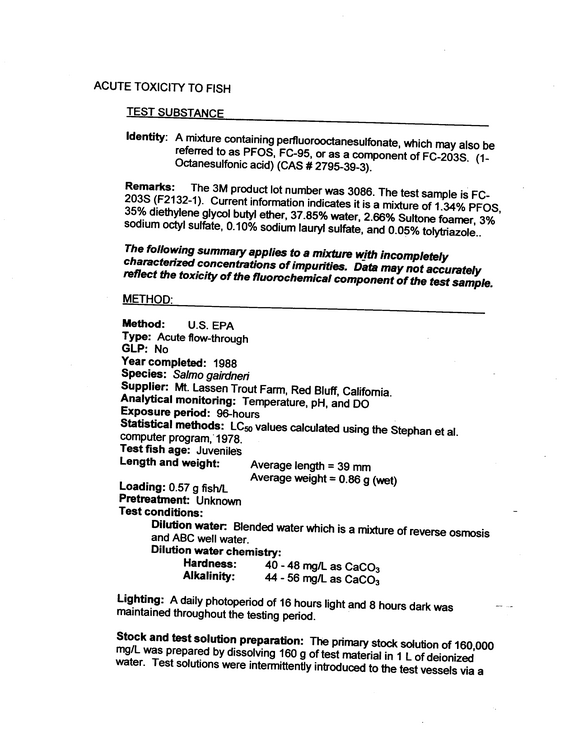
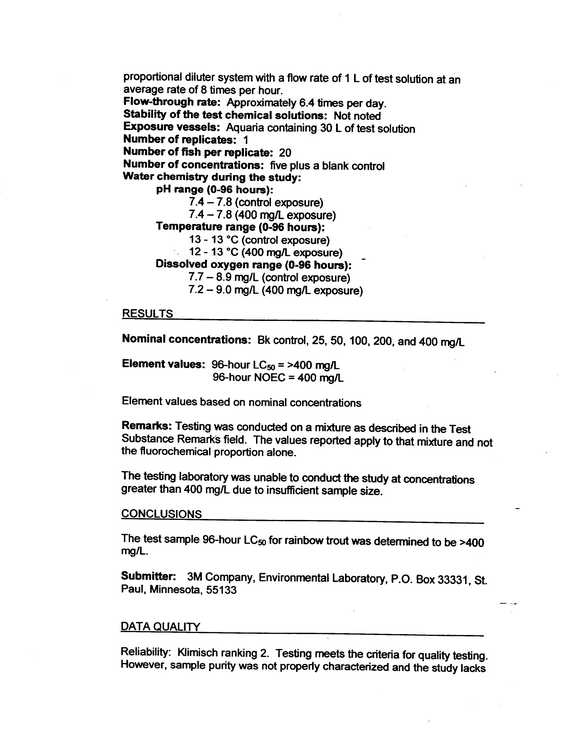
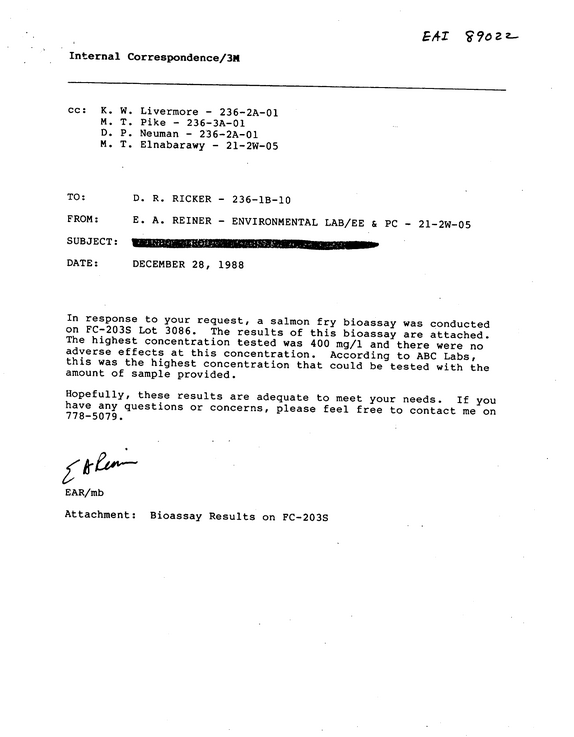
ACUTE TOXICITY TO FISH TEST SUBSTANCE Identity:A mixturecontainingperfluorooctanesulfbnatweh,ich may alsobe referredtoas PFOS, FC-95, oras a component ofFC-203S. (1Octanesulfoniaccid)(CAS # 2795-39-3).
refid# DMK32LJbxzNZa9bdR3gjmdOnd15 pages
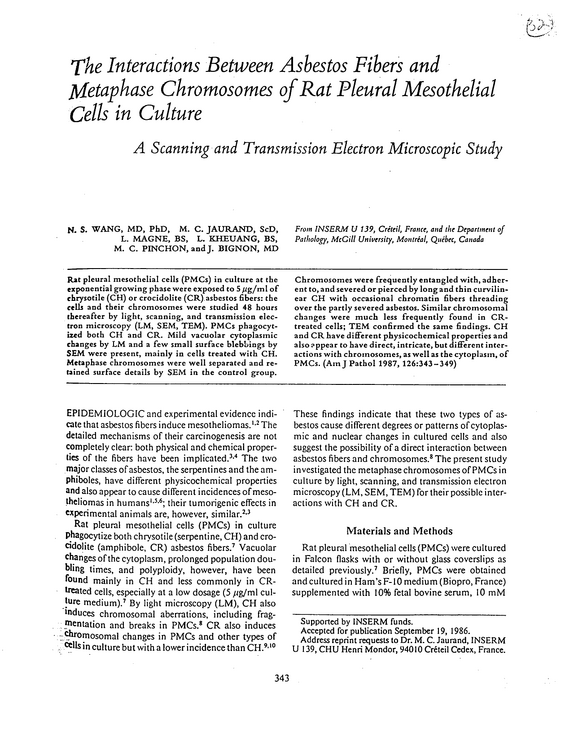
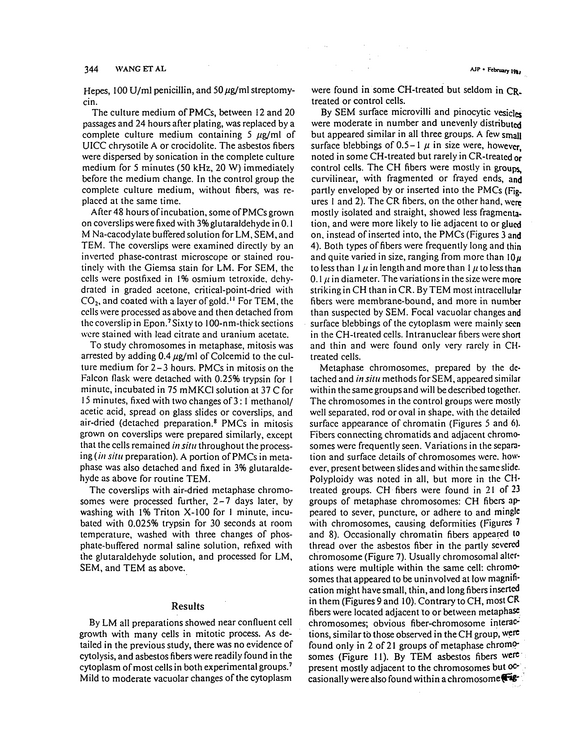
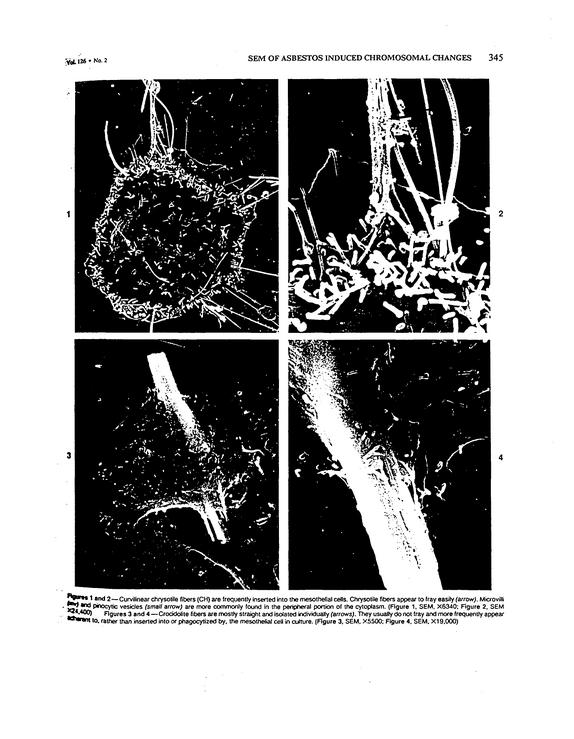
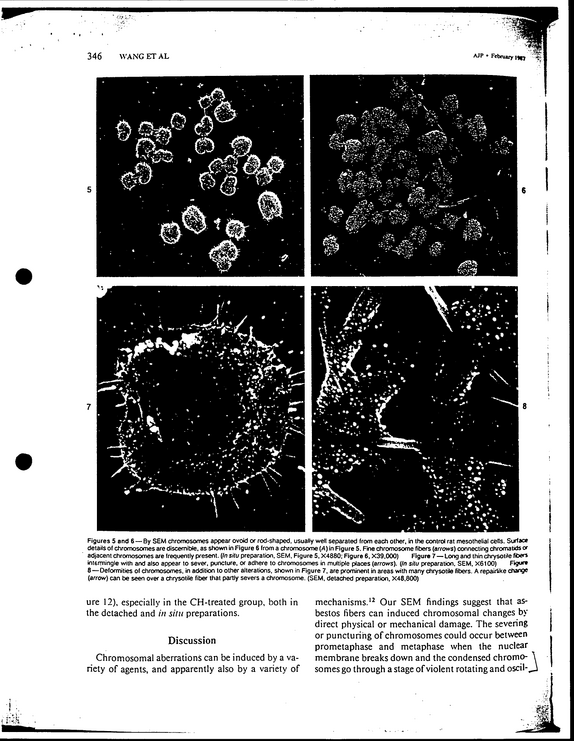
For TEM, the cells were processed as above and then detached from thecoverslipin Epon.7 Sixty to 100-nm-thick sections were stained with lead citrate and uranium acetate.
refid# g9EXGnL891qpv1vJqz1K72L37 pages
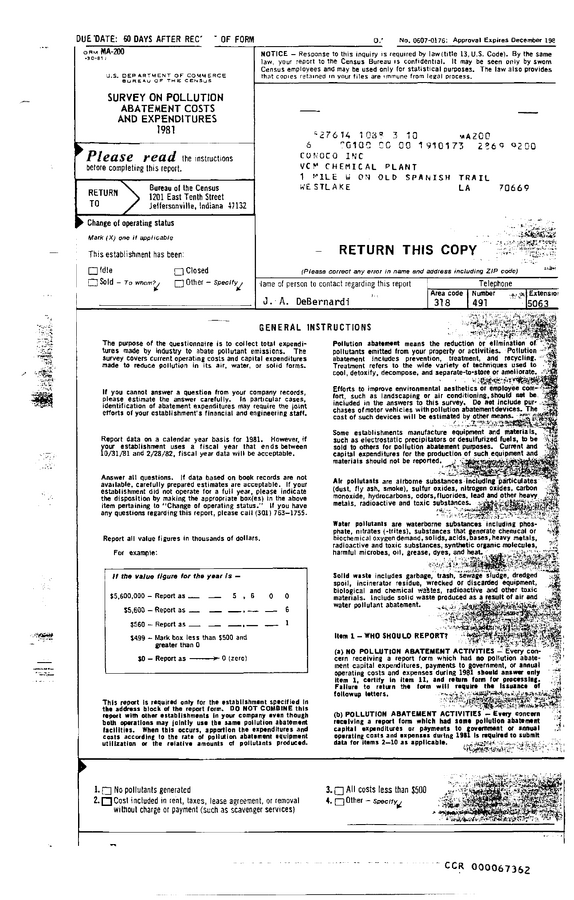
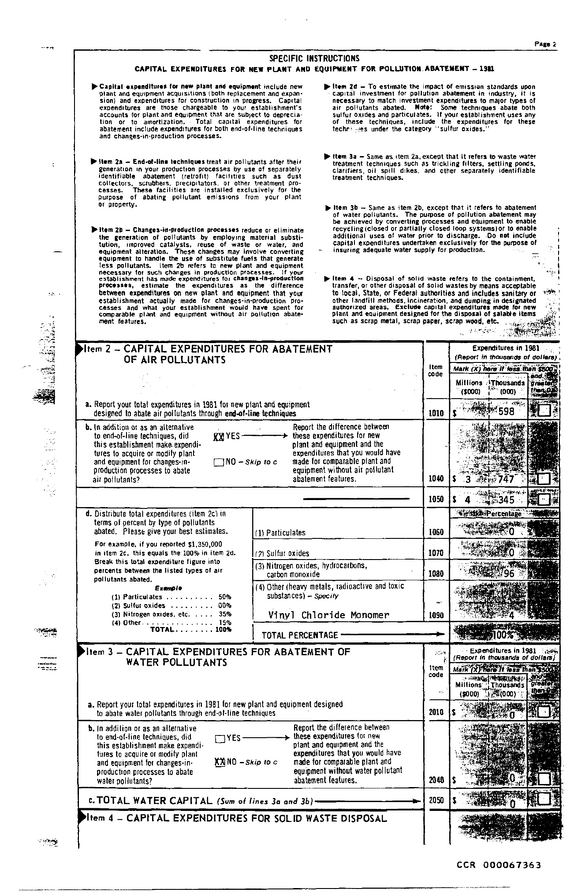
For example: Air pollutants are airborne substances including'particulates' (dust, fly ash, smoke), sulfur oxides, nitrogen oxides, carbon monoxide, hydrocarbons, odors, fluorides, lead and other heavy metals, radioactive and toxic substance,s.u,n, Water pollutants are waterborne substances including phos phate, nitrates Writes), substances that generate chemical or biochemical oxygen demand, solids, acids, bases, heavy metals, radioactive and toxic substances, synthetic organic molecules, .harmful microbes, oil, grease, dyes, and heat . !
refid# bKoaJvxRRQ4rN12vjVdd9p106 pages
bo'ft-c: -j CHEMICAL MANUFACTURERS ASSOCIATION 'X'f/Vfi JUL OR ?
refid# jmBbvBx5zDmMMJ0rgm8DKn5mO16 pages