Refine
Estimated Years 1970-1979Clear
13,913 results foundRefine Search
Lead from spray painting blocks 3.
refid# 3JXX78g8w4Xp5NgMQRjnKy52x9 pages
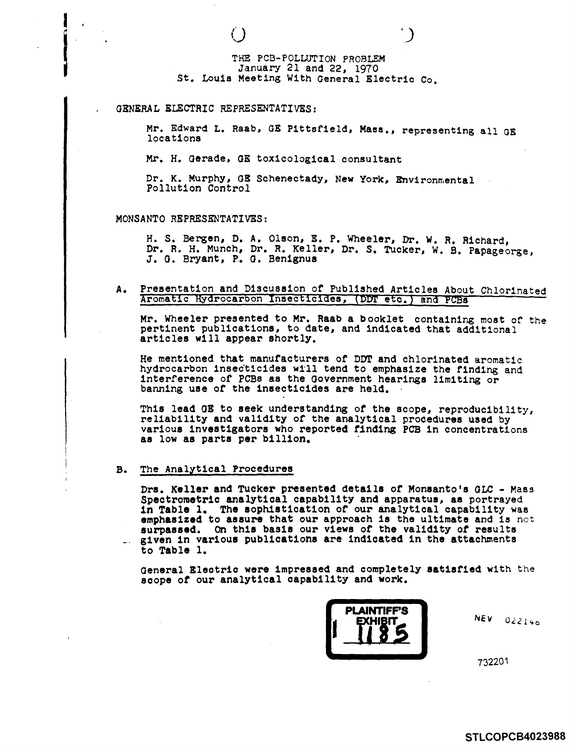
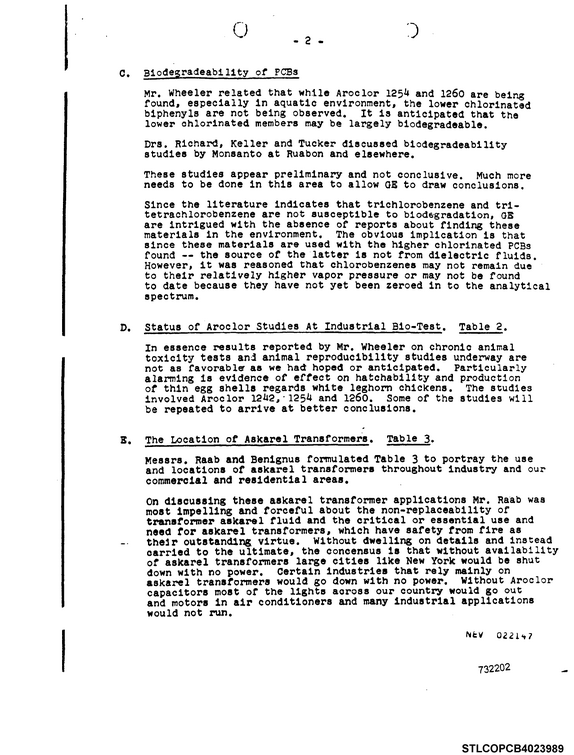
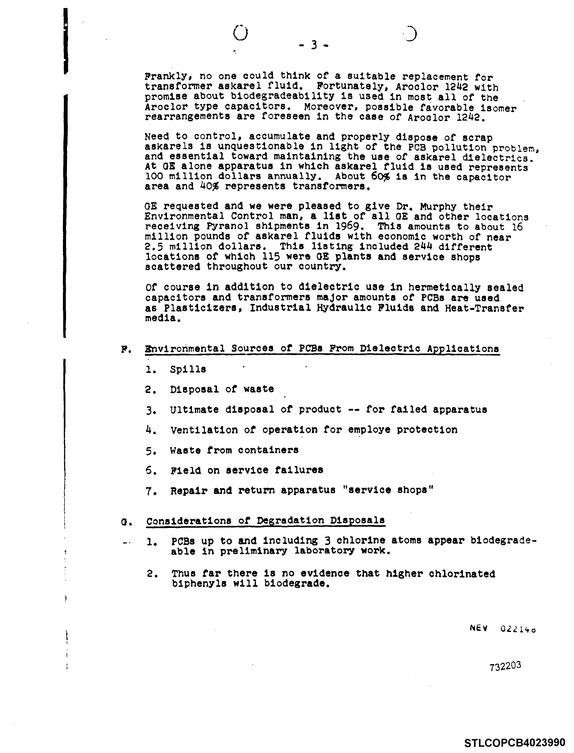
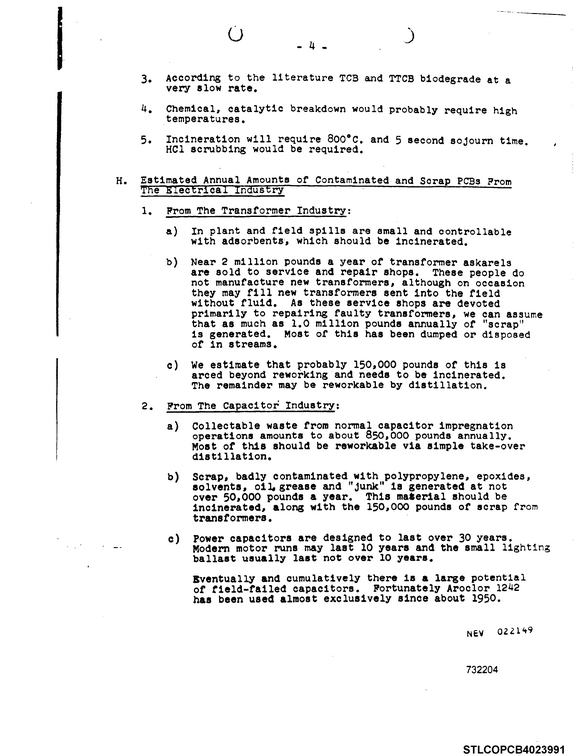
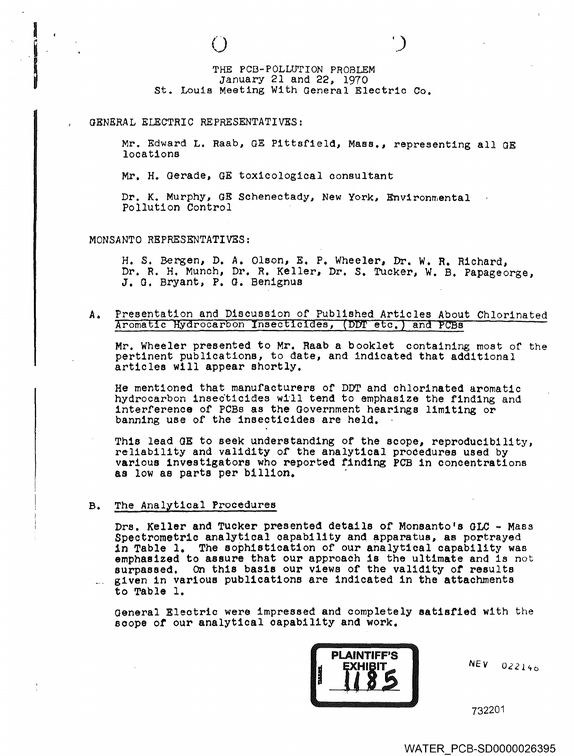
This lead GE to seek understanding of the scope, reproducibility, reliability and validity of the analytical procedures used by various investigators who reported finding PCB in concentrations as low as parts per billion
refid# EdoyOJrmzBNJpQnGg36Oj3Y2j10 pages
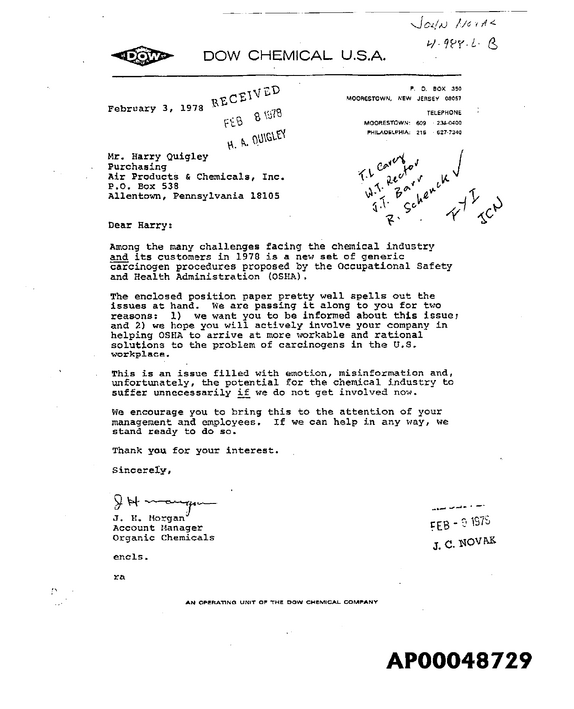
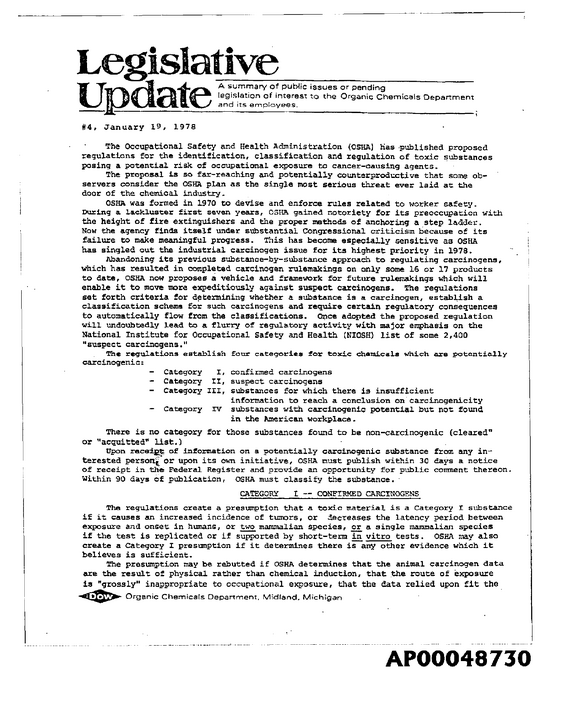
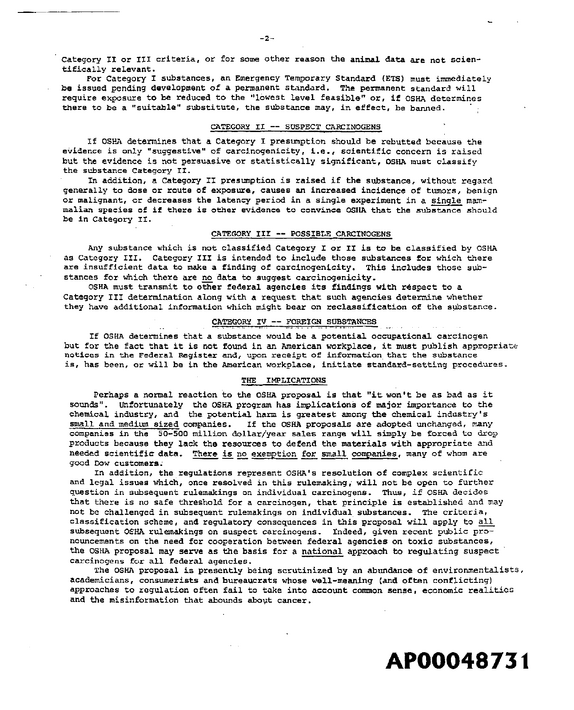
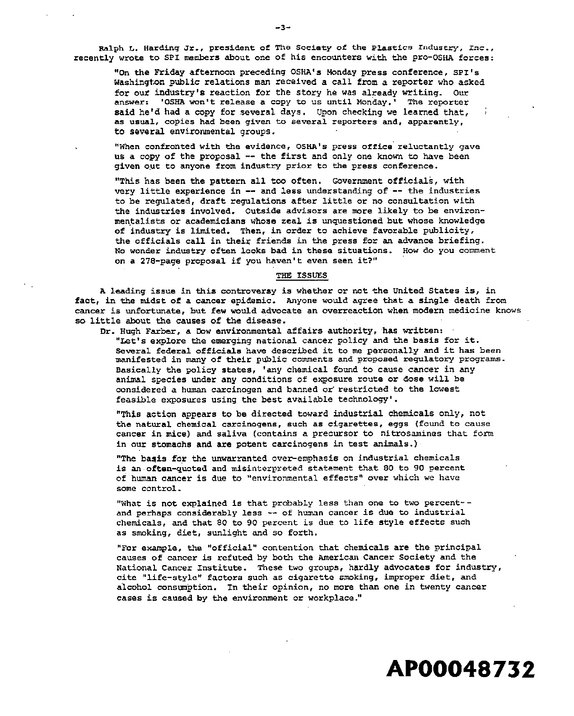
Once adopted the proposed regulation will undoubtedly lead to a flurry of regulatory activity with major eitphaeis on the National Institute for Occupational Safety and Health (NIOSH) list of some 2,400 "suspect carcinogens."
refid# X76d0EwR8XM8OXZ6RNRzpm2YB6 pages
Failure to consider this concept leads to unrealistic estimates of risk.
refid# O1QmeqNEYa2Xdmd5qkmXEyqJv17 pages
bt vro^ted *T oopyxlbt i CARCINOGENICITY OrVlNYL CHLO^RRIjxS' vinyL*CJMa**V< AND VINYUPENE-CHLftilIPE .
refid# 4g38q2Nm6V3BmbvnoJMdmeLx7 pages
DOT and other chlorinated hydrocarbon pesticides were specifically designed for a job that obviously lead* to their being scattered in wide spread fashion across the countryside.
refid# 7RNOoO6KXryYpNzdwa4XgVRx814 pages
Repeated exposure even to low concentrations seems to increase sensitivity, and may lead to subacute poisoning.
refid# RjM2op4nBvdJzg8M64jn9mv3n11 pages
Failure to consider this concept leads to unrealistic estimates of risk.
refid# 2Rb2BowYzqDEM7Q1La8RaJwQR17 pages
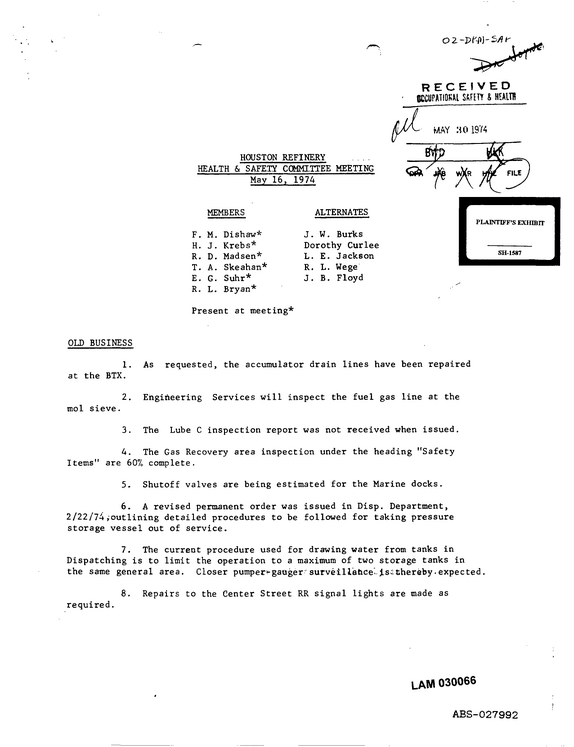
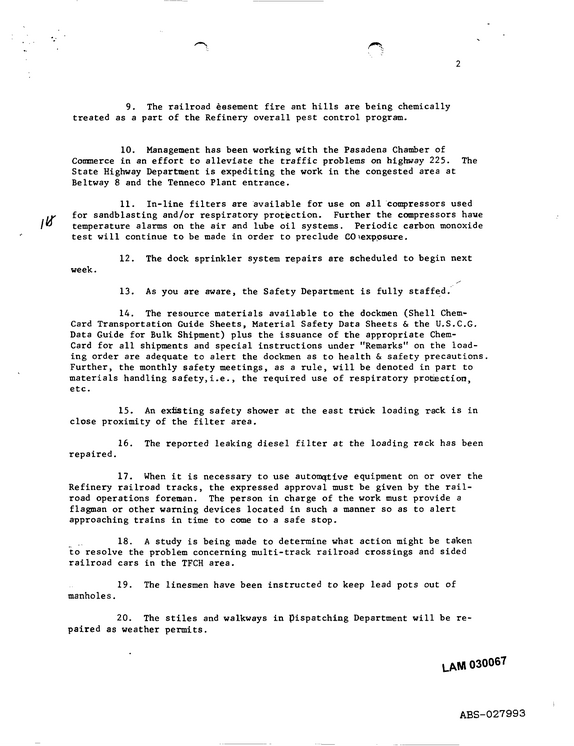
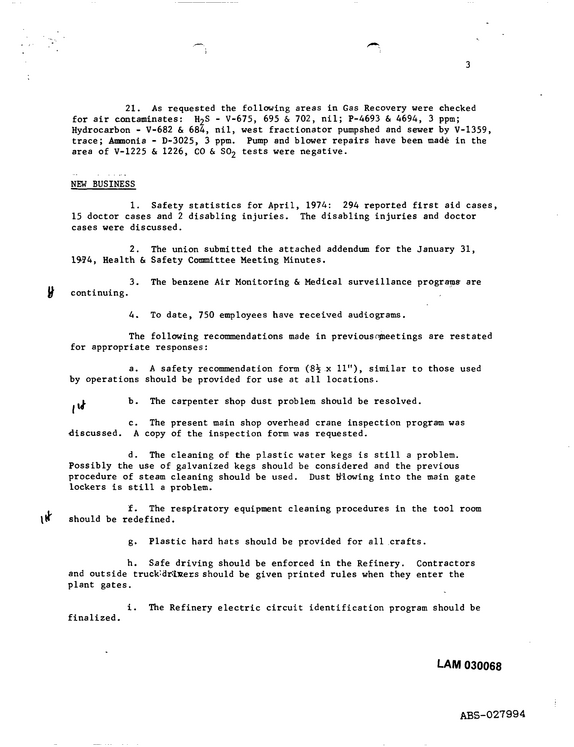
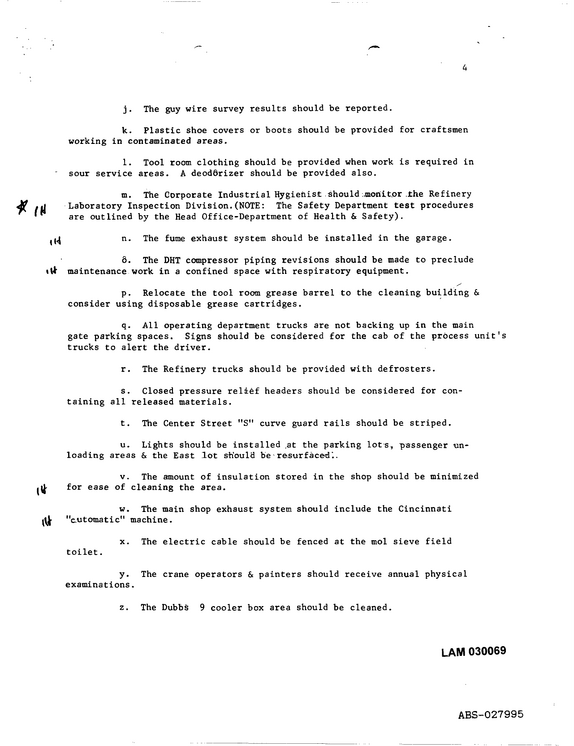
The linesmen have been instructed to keep lead pots out of manholes. 20.
refid# oezMwZ2qmwX6j1qJEJBVg3G1w13 pages
O.E.C.D. looks for the U.S. to lead the world out of recession at a sluggish pace.
refid# g2vYdV1yan1oVd9JZyXE7pEXJ6 pages
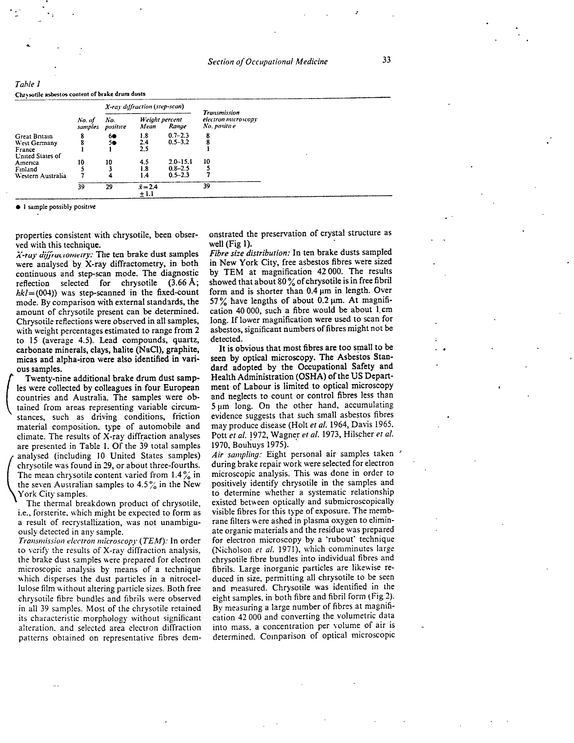
FILE NAME Brakes BRK DATE 1977 Jan DOC BRK067 DOCUMENT DESCRIPTION Journal Article - Asbestos Content of Dust Encountered in Brake Maintenance and Repair - Proceedings of the Royal Society of Medicine Oe ane - Volume 70 Number 1 January 1977 Proceedings of the Royal Society of Medicine Management Management Management Pulmonary Pulmonary of Tuberculosis Pulmonary Tuberculosis Medicine the Crossroads page 16 ' 4 page 4 Published by The Royal Society of Medicine 1 Wimpole Street London W1M 8AE ee ** and Academic Press ** London New York San Francisco DATS the the om 32 Proc roy Soc Med Volume 70 January 1977 irregular or nodular interstitial opacities of limited extent and intensity on their films Silica or asbestos exposure had occurred in 22 of the work force examined Such exposures had occur- red in various job categories in the titanium facility as well as in prior occupations Eight of the 26 workers with abnormal rays had had silica or asbestos exposure No clear pattern of restrictive disease in relation to ray findings could be seen Summary and Conclusions Clinically significant or symptomatic pulmonary disease was infrequent in a survey of 207 currently employed production workers in a plant producing titanium dioxide from ilmenite ore Evidence of airways obstruction was found in 47 of all workers including 38 % of workers who had never smoked regularly This abnormality was not frequently accompanied by disabling shortness of breath Despite the fact that approximately 90 of the group of workers examined had worked for 20 years or more radiological changes consistent with pneumoconiosis were relatively few and unrelated to the respiratory abnormalities observed We conclude with the caveats inherent in a prevalence study in which only half of the eligible long workers were examined that occupational exposure associated with titanium production by the sulphate process may commonly cause undesirable irritation of the upper and lower respiratory tract and functional abnormalities of the lung but does not result in an important incidence of serious occupational lung disease Individual workers may however suffer unwanted abnormalities These findings of course do not speak to the presence or absence of increased risk of malignant pulmonary disease This is being separately studied Acknowledgment This research study was sup- ported in part by National Institute for Occupational Safety and Health Contract 99-74- 91 Asbestos Content of Dust Encountered in Brake Maintenance and Repair by N Rohl PhD A M Langer PhD R Klimentidis BA MS Wolff PhD and I J Selikoff MD Environmental Sciences Laboratory Mount Sinai School of Medicine of the City University of New York New York NY 10029 Asbestos in Brake Linings The composition of automotive brake linings includes chrysotile asbestos fibre which comprises about % of the friction material The exposure of garage workers to asbestos during brake lining maintenance and repair has recently been investigated Rohl et al 1976 This important issue was studied because a large labour force is potentially exposed over one million people in the United States alone Consequently it was thought essential to determine if chrysotile fibre survives braking and to measure the amounts liberated as an aerosol during maintenance and repair oper- ations _ Investigators in the past have expressed doubt as to whether chrysotile fibres can survive the high temperatures generated during braking Lynch 1968 Hickish & Knight 1970 Hatch 1970 Chrysotile is alleged to be subjected to temperatures in excess of 800 which would cause its thermal transformation to forsterite or to an amorphous magnesium silicate phase While hot spots up to 1000 may be attained Carroll 1962 the heat distribution is nonuniform and other processes in addition to thermal wear contribute to de- gradation of brake linings For example abrasion and macroshear may cause physical breakdown Burwell 1957 Mizutani et al 1973 Accordingly brake lining disintegration by these mechanisms may liberate partially altered or even unaltered chrysotile fibres REFERENCE Miller A Chuang M & SelikoffI J 1976 American Review of Respiratory Diseases 113 Suppl p 89 abstract Analysis of Brake Drum Dust Initially ten samples of automobile brake drum dusts from brake repair shops in New York City . were collected and examined by optical microscopy ray diffraction transmission electron mic- roscopy and energy dispersive ray spectroscopy to determine the presence of chrysotile Optical microscopy The detection of chrysotile in brake drum dust by optical microscopy is hindered by the nature of the debris matrix consisting largely of opaque pyrolyzed phenolic resin binders and road dust Chrysotile particularly small fibres has low optical relief and low birefringence which further hinder its identification Only in rare instances have large fibres with optical Section of Occupational Medicine 33 Table 1 Chrysotile asbestos content of brake drum dusts ray diffraction scan Great Britain West Germany France United States of America Finland Western Australia No. samples 8 8 1 No. positive 6@ se 1 10 10 5 3 7 4 39 29 Weight percent Mean Range CNC 0.7-2.3 CNC 0.5-3.2 CNC FE FE FE -2.4 = 2.4 1.1 2.0-15.1 0.8-2.5 0.5-2.3 @ I sample possibly positive Transmission electron microscopy No. positie 8 1 10 S 7 39 properties consistent with chrysotile been observed with this technique ray diffractometry The ten brake dust samples were analysed by ray diffractometry in both continuous and scan mode The diagnostic reflection selected for chrysotile 3.66 A hkl 004 was scanned in the count mode By comparison with external standards the amount of chrysotile present can be determined Chrysotile reflections were observed in all samples with weight percentages estimated to range from 2 to 15 average 4.5 Lead compounds quartz carbonate minerals clays halite NaCl graphite micas and alpha were also identified in vari- ous samples Twenty additional brake drum dust samp- les were collected by colleagues in four European countries and Australia The samples were obtained from areas representing variable circumstances such as driving conditions friction material composition type of automobile and climate The results of ray diffraction analyses are presented in Table 1.
refid# mmnrpp3qr327Qv87pK1xD3N9d8 pages
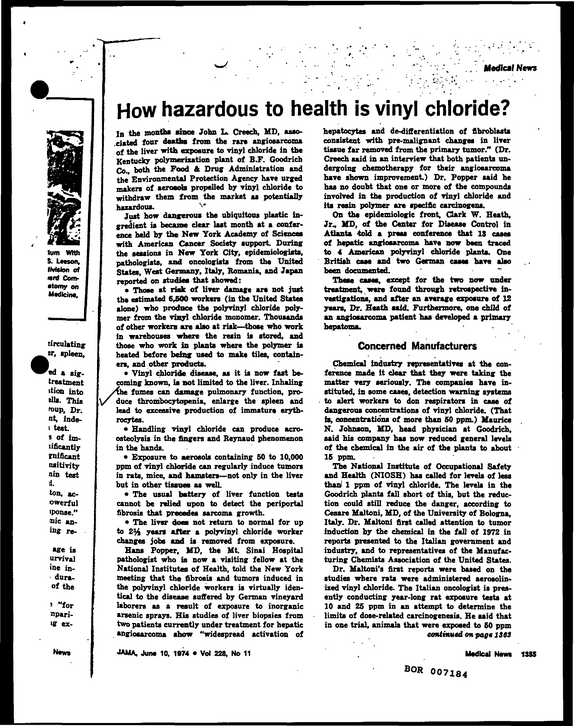
Inhaling Ahe fumes can damage pulmonary function, pro k/dduce thrombocytopenia, enlarge the spleen and lead to excessive production of immature eryth rocytes.
refid# 8Rg7YKvKo2a0Y68mY1K1wBOqe4 pages
Two leading scientists discuss the implications of the vinyl chloride health hazard.
refid# b5gVZwJmNngn8z3V9K4Ryxo5O4 pages
As much of insulation is now asbestos-free, work practices for in stallation of new material can be de veloped that would lead to a timeweighted average exposure less than that proposed in the new standard.
refid# 2NQ2zVvyzVkwN52p813Bpxywb4 pages
This lead GE to Beek understanding of the scope, reproducibility, reliability and validity of the analytical procedures used by various investigators who reported finding PCB in concentrations as low as parts per billion
refid# g2k5mDdbe5KNy8ZKMEJm7nzpG10 pages