Refine
Estimated Years 1960-1969Clear
16,810 results foundRefine Search
Industrial Hygiene Digest September, 1966 numbers of men in order to discover those who ultimately become abnormal, it is also essential that meticulous study of various air pollutants be carried out over a long period of time even though it might be at great cost.
refid# vy1ebrxMnYRopv6dE2q1a1jD81 page
OFFICERS OF THE AUTOMOTIVE & MACHINE SHOP SECTION NATIONAL SAFETY COUNCIL 1967-68 General C/wIrrmm-RoDEivr H.
refid# BNGyGjxX5Dj9D8gxqkd7Z1Z81 page
"For the experimental investigation of the elutable trace-metal concept of asbestotic carcinogenesis, we added synthetic chrysotile to solutions of various metallic salts such as nickel chloride, chromic chloride, cobaltic chloride, and potassium permanganate.
refid# 2qzDB38xJoNzN6aM8r7XbR9661 page
CI THE DOW CHEMICAL COMPANY P.
refid# yk1o8nJ4rVoK6dgxYpkzmJjnD2 pages
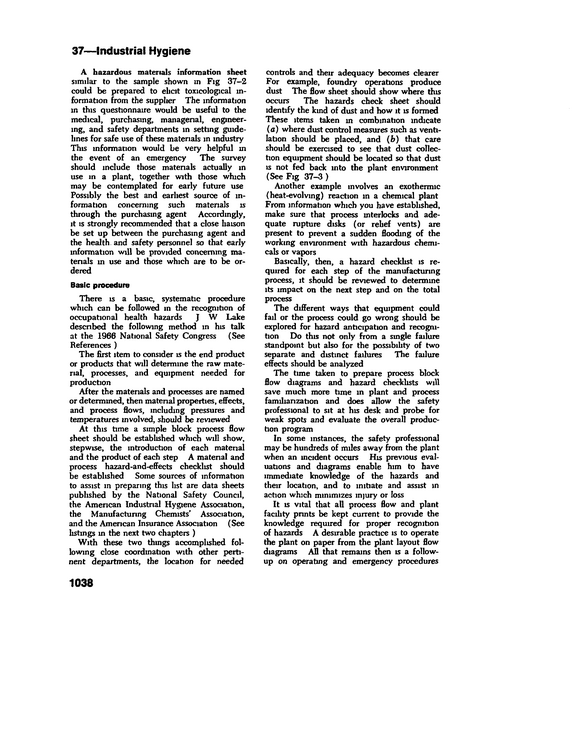
37--Industrial Hygiene A hazardous materials information sheet similar to the sample shown in Fig 37-2 could be prepared to elicit toxicological in formation from the supplier The information m this questionnaire would be useful to the medical, purchasing, managerial, engineer ing, and safety departments in setting guide lines for safe use of these materials in industry This information would be very helpful in the event of an emergency The survey should include those materials actually in use m a plant, together with those which may be contemplated for early future use Possibly the best and earliest source of in formation concerning such materials is through the purchasing agent Accordingly, it is strongly recommended that a close liaison be set up between the purchasing agent and the health, and safety personnel so that early information will be provided concerning ma terials m use and those which are to be or dered Basic procedure There is a basic, systematic procedure which can be followed in the recognition of occupational health hazards J W Lake described the following method m his talk at the 1966 National Safety Congress (See References ) The first item to consider is the end product or products that will determine the raw mate rial, processes, and equipment needed for production After the materials and processes are named or determined, then material properties, effects, and process flows, including pressures and temperatures involved, should be reviewed At this tune a simple block process flow sheet should be established which will show, stepwise, the introduction of each material and the product of each step A material and process hazard-and-effects checklist should be established Some sources of information to assist in preparing this list are data sheets published by the National Safety Council, the American Industrial Hygiene Association, the Manufacturing Chemists' Association, and the American Insurance Association (See listings in the next two chapters ) With these two things accomplished fol lowing close coordination with other perti nent departments, the location for needed 1038 controls and their adequacy becomes clearer For example, foundry operations produce dust The flow sheet should show where this occurs The hazards check sheet should identify the kmd of dust and how it is formed These items taken in combination indicate (a) where dust control measures such as venti lation should be placed, and (b) that care should be exercised to see that dust collec tion eqmpment should be located so that dust is not fed back into the plant environment (See Fig 37-3 ) Another example involves an exothermic (heat-evolving) reaction m a chemical plant From information which you have established, make sure that process interlocks and ade quate rupture disks (or relief vents) are present to prevent a sudden flooding of the working environment with hazardous chemi cals or vapors Basically, then, a hazard checklist is re quired for each step of the manufacturing process, it should be reviewed to determine its impact on the next step and on the total process The different ways that equipment could fail or the process could go wrong should be explored for hazard anticipation and recogni tion Do this not only from a single failure standpoint but also for the possibility of two separate and distinct failures The failure effects should be analyzed The time taken to prepare process block flow diagrams and hazard checklists will save much more time in plant and process familiarization and does allow the safety professional to sit at his desk and probe for weak spots and evaluate the overall produc tion program In some instances, the safety professional may be hundreds of miles away from the plant when an incident occurs His previous eval uations and diagrams enable him to have immediate knowledge of the hazards and their location, and to initiate and assist in action which minimizes injury or loss It is vital that all process flow and plant facility prints be kept current to provide the knowledge required for proper recognition of hazards A desirable practice is to operate the plant on paper from the plant layout flow diagrams All that remains then is a follow up on operating and emergency procedures
refid# q0Jxn8GbL5Y3DM07ro6ydBaK1 page
RE-2397 REV. !.
refid# Lp82pY62xMKOo8my7r0jnMkw32 pages
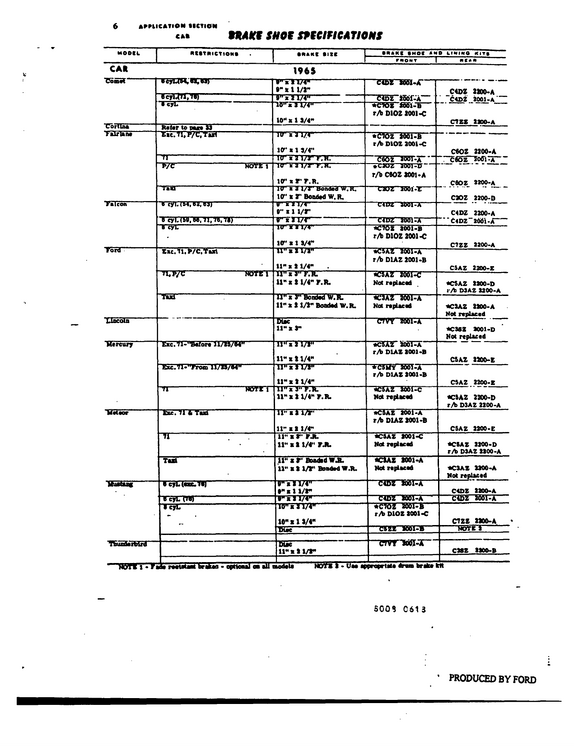
6 APPLICATION MCTI0N C ttAKt SHOt SPECiriCATIONS MODIk CAR bomt "Cortina Valrlane falcon Ford Lincoln Mercury Mrtaor Mustang 1965 967l44,vx*t3)---------------------------- " X S 1/4" - ft t i/r Tcynmmn--------- cyL #" X 2 1/4" lb'1 a X 1/4" Hater to pan U tie. 7J7 p/C,Taxi 10H X 1 3/4" jit x x i/T ~~f7 Iff' x 1 3/4" 'WTJ'l/r f.h.--------------- NO*E 1 Iff'"* a 1/3" F.H.
refid# mBz7jvmnvaq1jdQ9N6M0OGy2J1 page
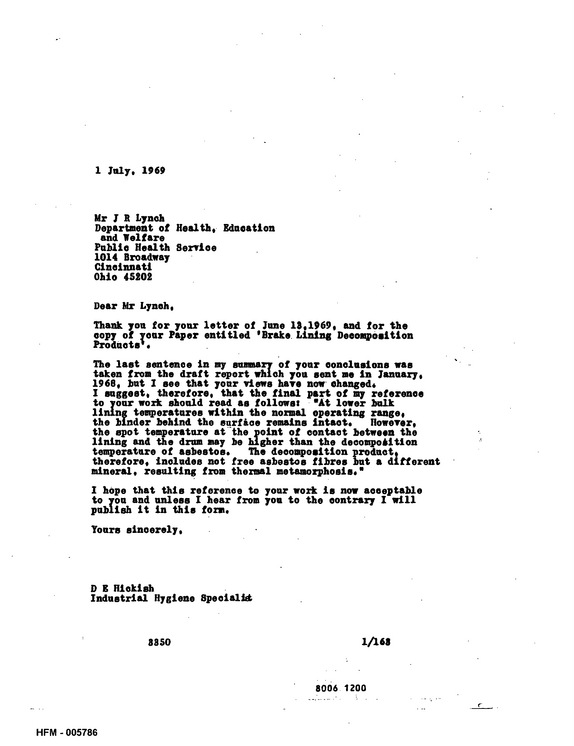
1 July, 1969 Mr J B Lynch Department of Health* Education and Welfare Public Health Servioe 1014 Broadway Cincinnati Ohio 45202 Dear Mr Lynch* Thank yon for your letter of lone 13*1969* and for the oopy of your Paper entitled 'Brake Lining Decomposition Products' The last sentence in my summary of your conclusions was taken from the draft report which yon sent me in January* 1968* but I see that your views have now changed* I suggest* therefore* that the final part of my reference to your work should read as follows: "At lower bulk lining temperatures within the normal operating range* the binder behind the surface remains intaot* However* the spot temperature at the point of contaot between the lining and the drum may be higher than the decomposition temperature of asbestos* The decomposition product* therefore* includes not free asbestos fibres but a different mineral* resulting from thermal metamorphosis*" I hope that this reference to your work is now acceptable to you and unless I hear from you to the contrary I will publish it in this form* Yours sincerely.
refid# DRNBdzRm0ZKBg8raBjBxQmzN1 page
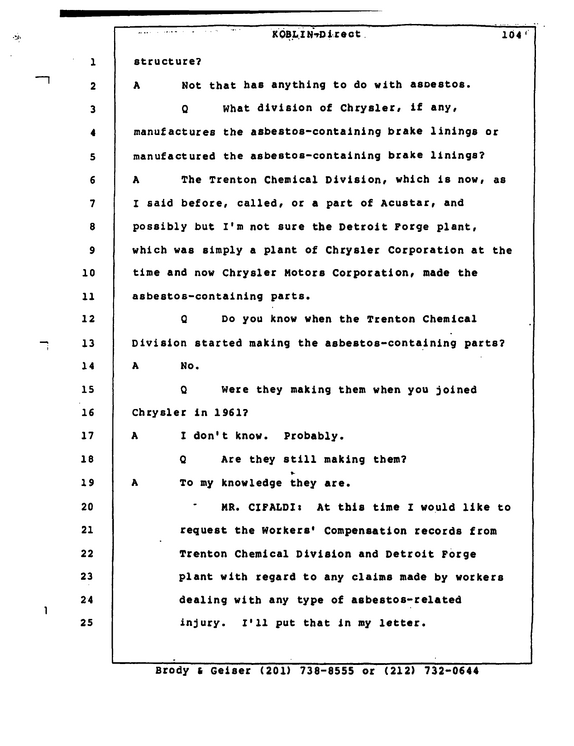
K QBL,I N-rD treat 104 ` 1 structure?
refid# N243OGq1VoVDjx5rLm16dLZLb1 page
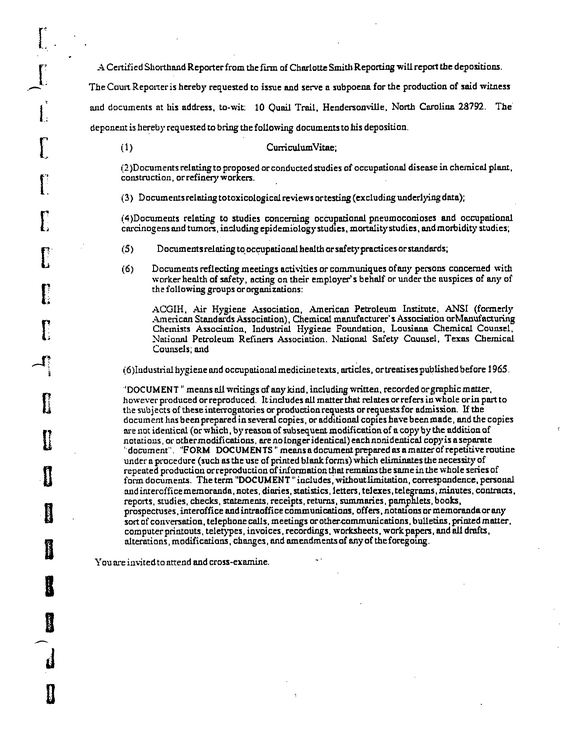
A Certified Shorthand Reporter from the firm of Charlotte Smith Reporting will report the depositions.
refid# VGEg8Vq5gZBNzzqn4VkXVeg781 page
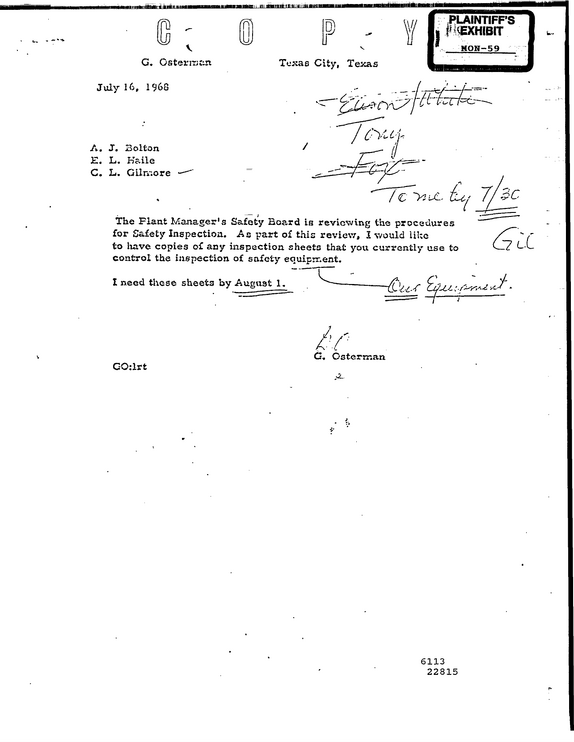
July 16, 1968 A.
refid# VKJkbqdZ8JqJQ19D5dVNM41Mp1 page
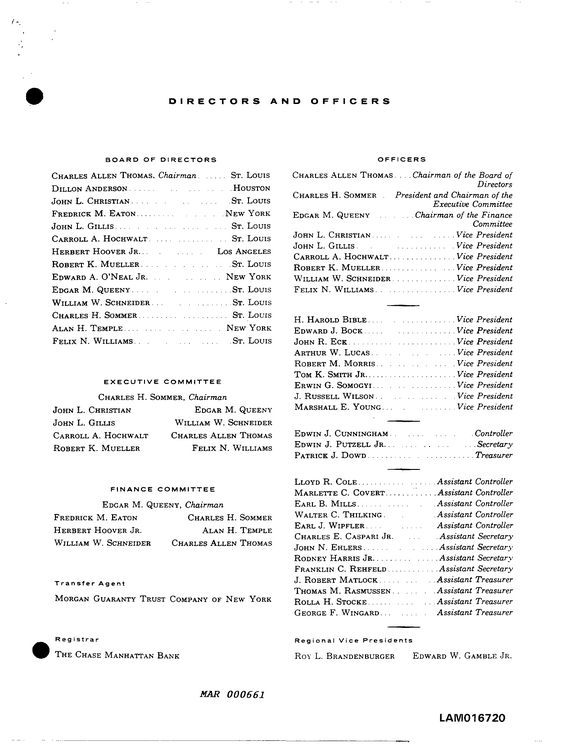
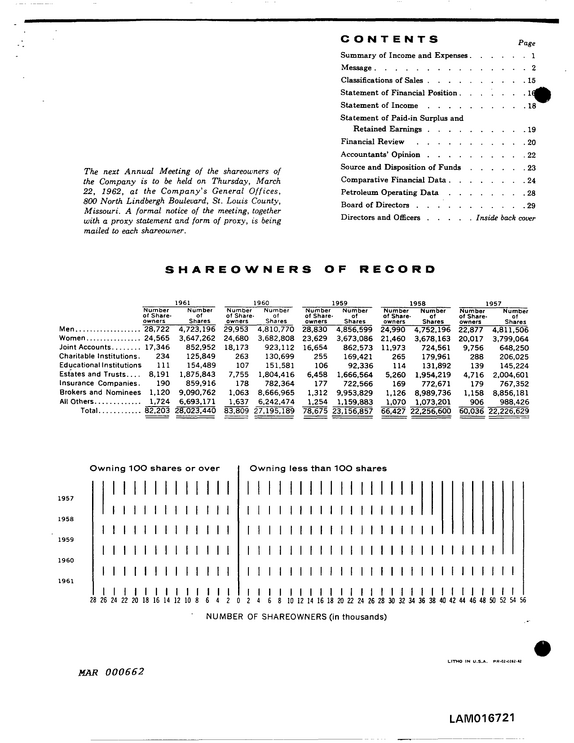
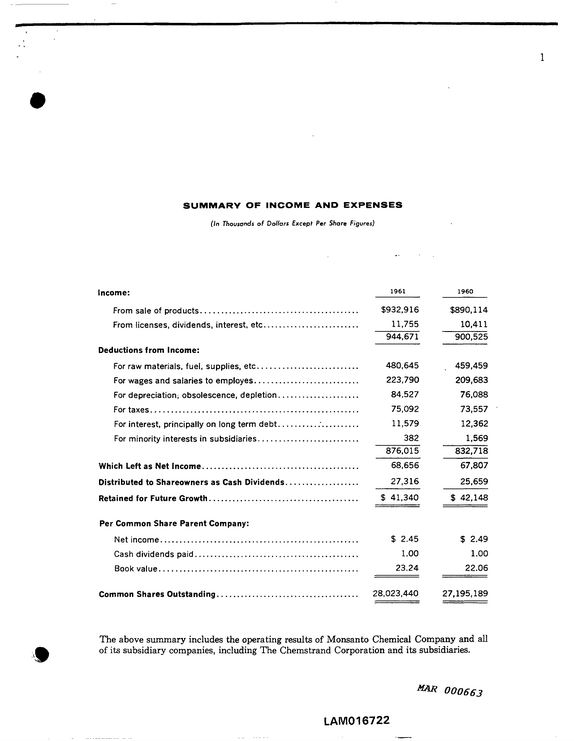
PLAINTIFF'S EXHIBIT 1961 ANNUAL REPORT MONSANTO CHEMICAL COMPANY LAM016719 MAS 000660 DIRECTORS AND OFFICERS BOARD OF DIRECTORS OFFICERS Charles Allen Thomas, Chairman............
refid# RKdzXz03rROgKOqr1d9y8g2n37 pages
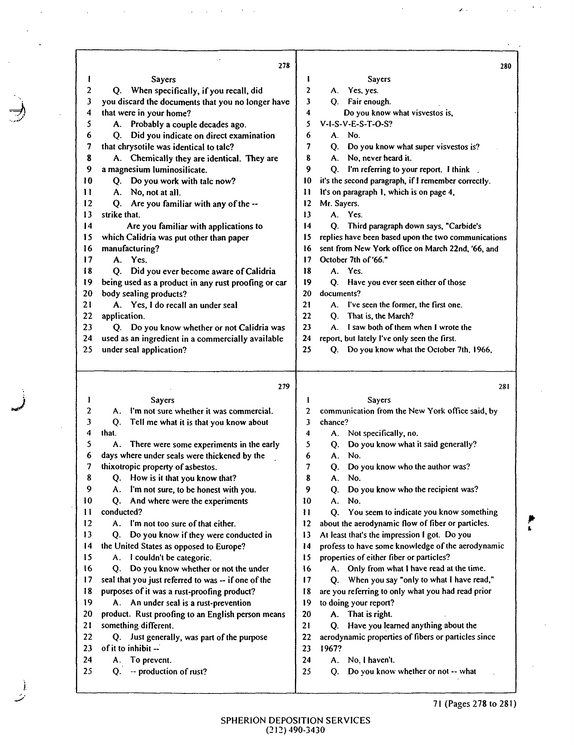
278 1 Sayers 2 Q.
refid# 4vJX2NMMvmBNXB4oEbyKak54e1 page
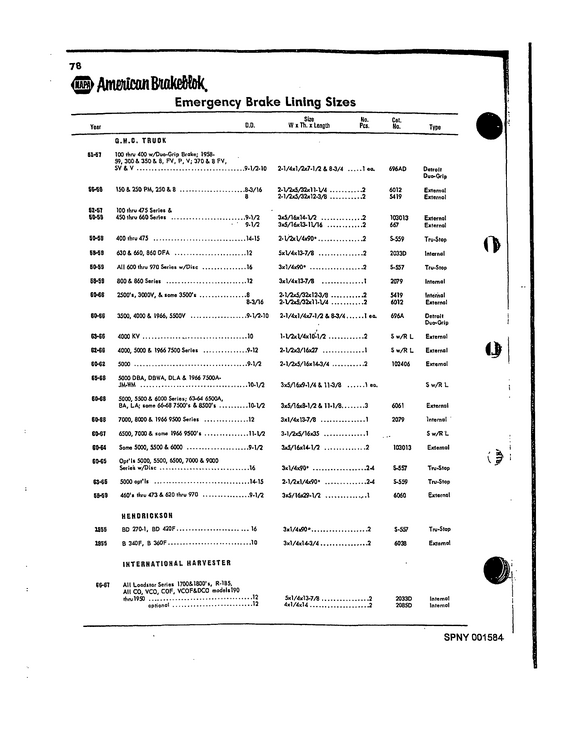
78 Year 61-67 Emergency Brake Lining Sizes 0.0.
refid# v6gXENqkomEe5LLXELw2Eeyv81 page
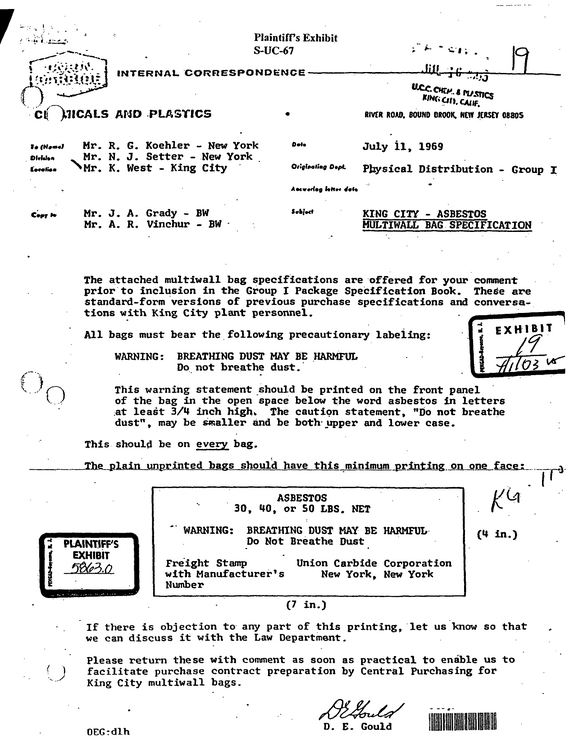
* < - Plaintiff's Exhibit S-UC-67 J, INTERNAL CORRESPONDENCE (V c( ^ItCALS AND PLASTICS l** Km Mr.
refid# rB9qzY740gRKwXENmoVgLLDpe1 page