Refine
Estimated Years 1950-1959Clear
14,527 results foundRefine Search
Automatic Gas Equipment Co., 1230 Bryan Steam Corp-, 1447 E.
refid# pGLom8bq5moyoDZV7b11NbQB1 page
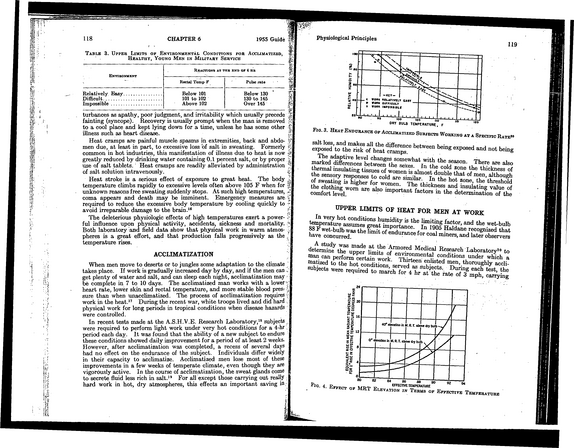
118 CHAPTER 6 1955 Guide Table 3.
refid# o91XVY60ymojJdLMNxy9gbGyD1 page
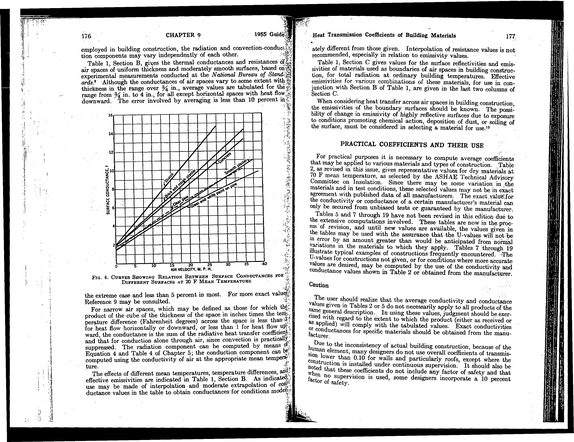
176 CHAPTER 9 1955' Gui employed in building construction, the radiation and convection-conduc tion components may vary independently of each other.
refid# RJKbY757edZejkVVLpvbyOOE1 page
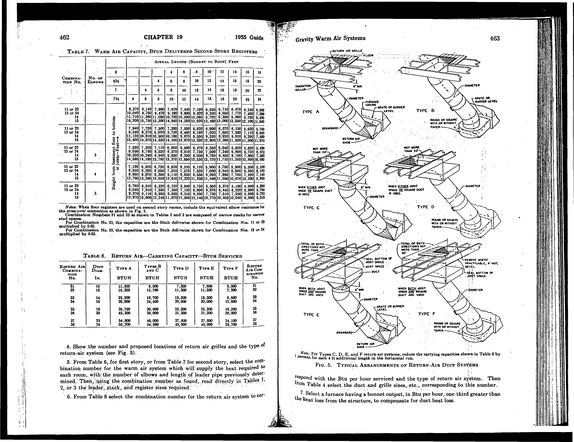
462 CHAPTER 19 1955 Guide Table 7.
refid# MMQVXk62gwv71k76EMQwODJxy1 page
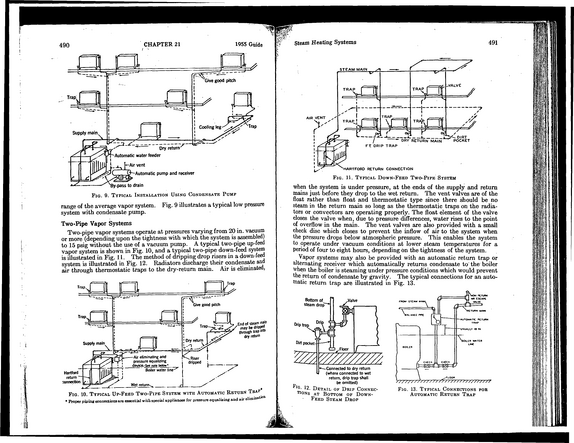
490 CHAPTER 21 1955 Guide Steam Heating Systems I ' 491 range of the average vapor system.
refid# OzMBKqoo09dmrRZ1wJ6KOZDJv1 page
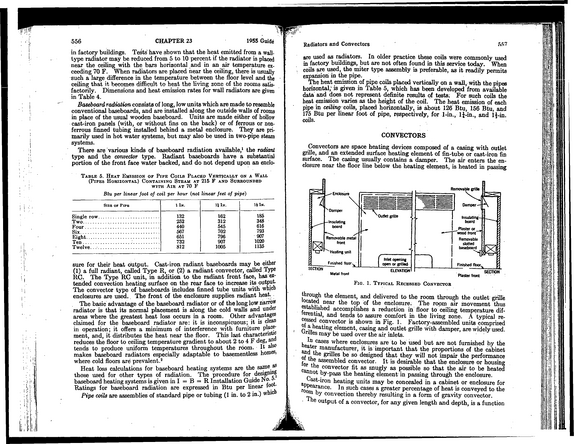
556 CHAPTER 23 1955 Guide in factory buildings.
refid# 0gDoaR8rzvrjVr9L4ZEGppRbM1 page
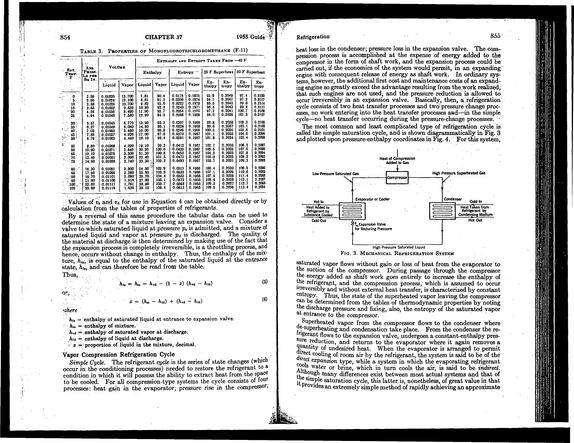
.854 CHAPTER 37 1955 Guide #' Table 3.
refid# Qx41MZvjOX7r5qmv22x2eZVL1 page
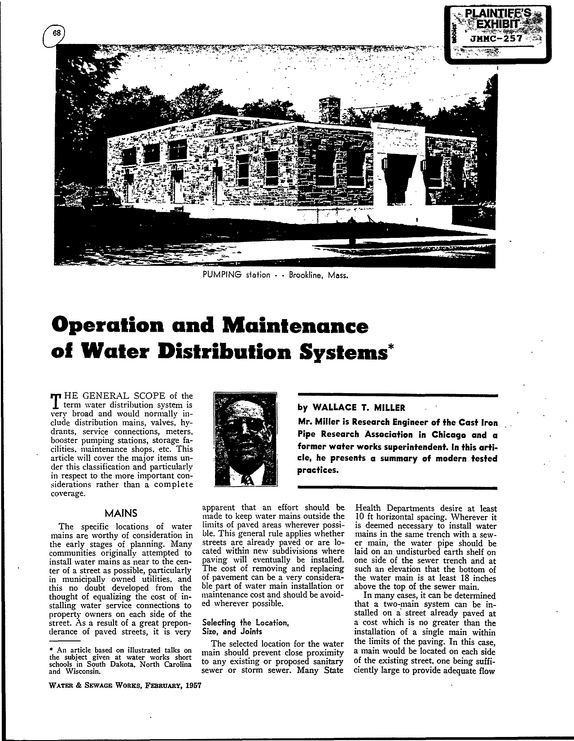
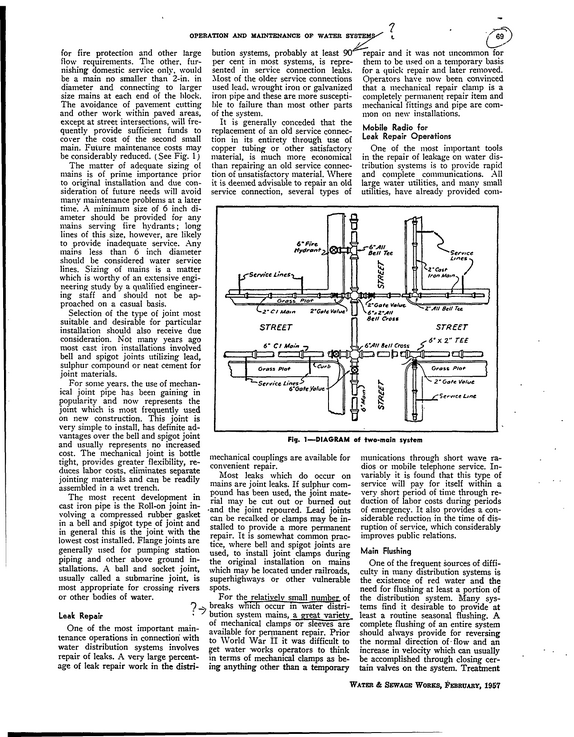
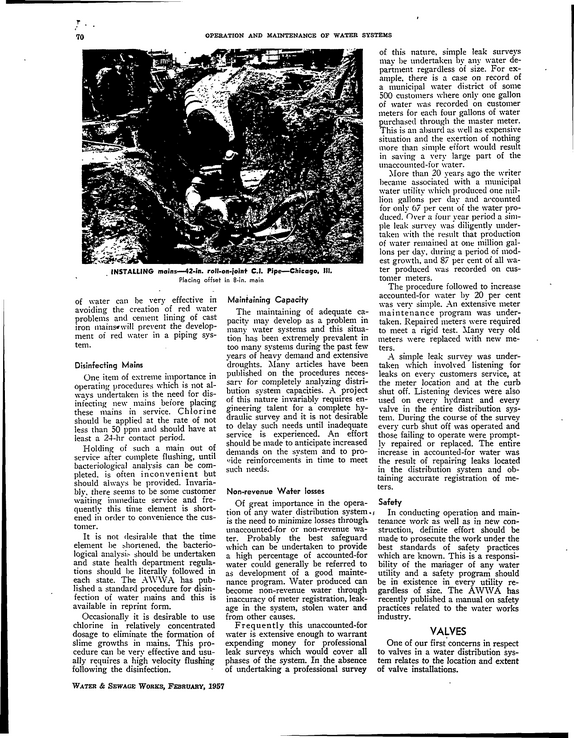
Operation and Maintenance of Water Distribution Systems* THE GENERAL SCOPE of the term water distribution system is very broad and would normally in clude distribution mains, valves, hy drants, service connections, meters, booster pumping stations, storage fa cilities. maintenance shops, etc.
refid# NGEeMnqOBw0NoBXq3nq02NDwR11 pages
110 CHAPTER 5 1956 Guide the analogy of electrical resistance-capacitance networks to thermal systems.*4 For two dimensional problems in steady state conduction* additional techniques of solution are found in flux plotting,4,19 and in the use of a potential tank.4,19 These methods are of most direct use in problems in which the boundaries of the two dimensional shape are made up of isothermal and adiabatic surfaces; !
refid# NEnogEooBgoBO9O3m5drJQVmg1 page
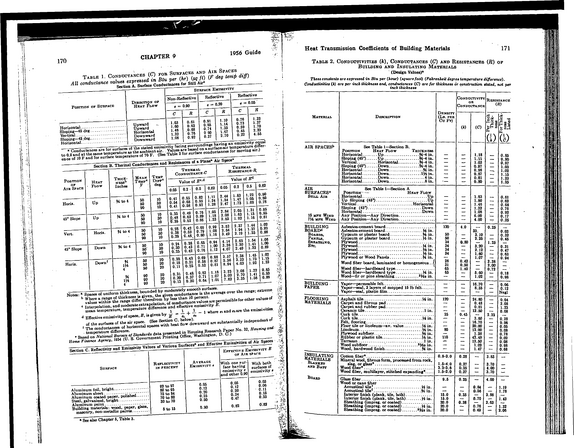
CHAPTER 9 1956 Guide 170 Table 1.
refid# wr7E0XdYy58NenY5MLMJbVM4Q1 page
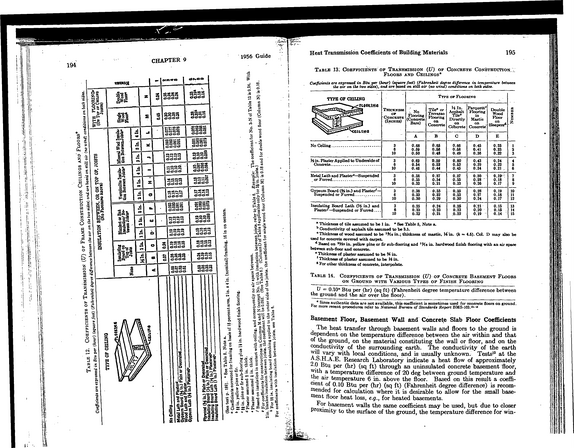
1956 Guide CHAPTER 9 194 3 4 5 e O s* Cm i `o' X z5 < jOQ 5 oz Z 65 e w s -i Z o 0 1 < fa be O s s zz <es Xs E- S ia _ O S; OI 3 n << H fSSK&H - M m Z JS o 3333 <3000 OOOO Z c S Wood Floor* E s o %%%% 0000 oeoo il 5>3 II I* 5 a| %% -a -- i * *% *p J 3 -> - a *l l 9X eo O 0.076 0.077 0.077 0.076 SSSSS oc?
refid# a4MXkR0M9RYQmY1vXG2o6z7eX1 page
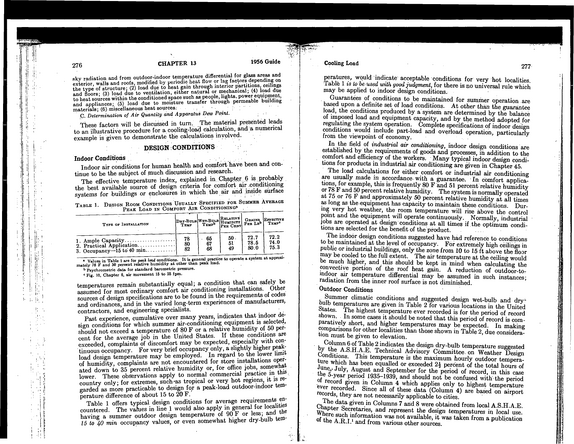
276 CHAPTER 13 1956 Guide sky radiation and from outdoor-indoor temperature differentia] for glass areas and exterior, walls and roofs, modified by periodic heat flow or lag factors depending on the type of structure; (2) load due to heat gain through interior partitions, ceilings and floors; (3) load due to ventilation, either natural or mechanical; (4) load due to heat sources within the conditioned space such as people, lights, power equipment, and appliances; (5) load due to moisture transfer through permeable building materials; (6) miscellaneous heat sources.
refid# xj4ZV6Dm7M14ZnBLnRB7odyZm1 page
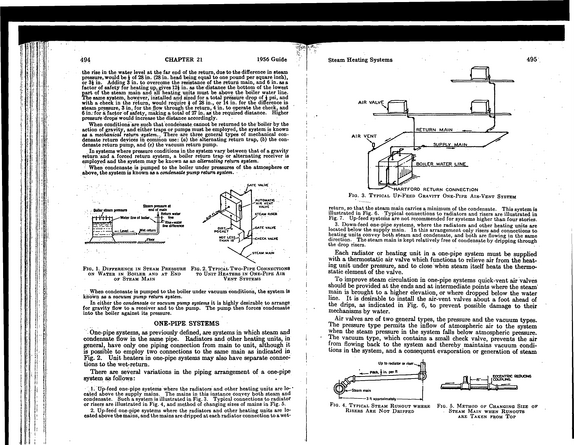
494 CHAPTER 21 1956 Guide the rise in the water level at the far end of the return, due to the difference in steam pressure, would be l of 28 in. (28 in. head being equal to one pound per square inch), or 3) in.
refid# 71orXx7QqgDXvR4Y87bQ7rEYj1 page
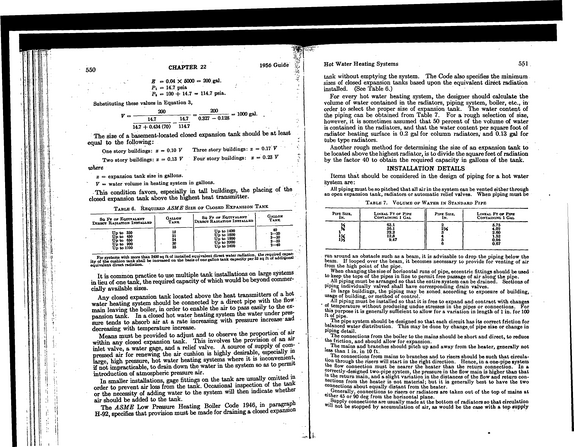
550 CHAPTER 22 1956 Guide E = 0.04 X 5000 200 gal.
refid# b596JGJv89j65Vkm7wRQymE731 page
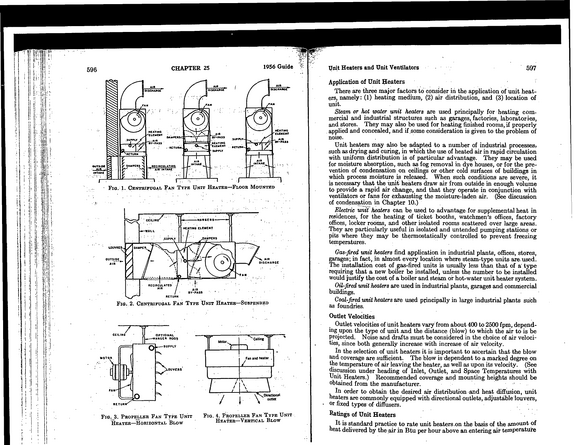
CHAPTER 25 1956 Guide ' Fig. 1.
refid# 71eZxO7Yw3BLj77N6MEmqaDkR1 page