Refine
Estimated Years 1950-1959Clear
14,527 results foundRefine Search
932 CHAPTER 36 1958 Guide Consideration must also be given to the probable frosting of the outdoorair heat-source coil at outdoor temperatures of approximately 36 F or be low.
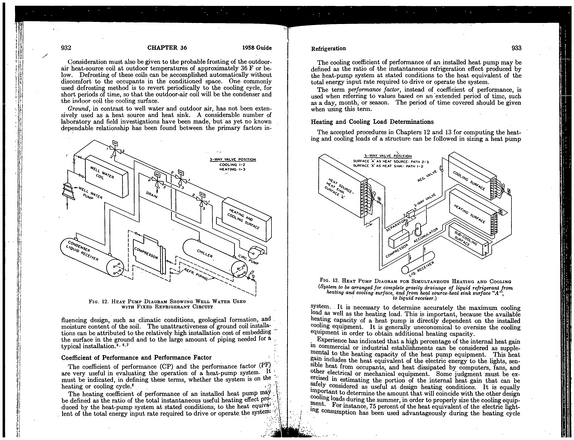
refid# 9JqB3MMqLOopZKagk5nqajGN31 page
T a b l e 3.
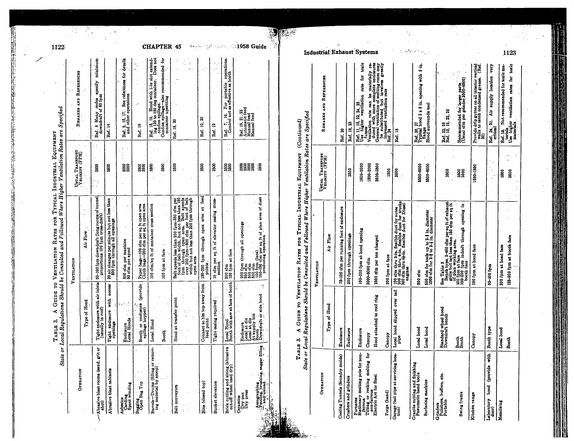
refid# G5VKBK7QoeO5KMkzzwy1QX6yr1 page
1144 CHAPTER 46 1958 Guide Table 1.
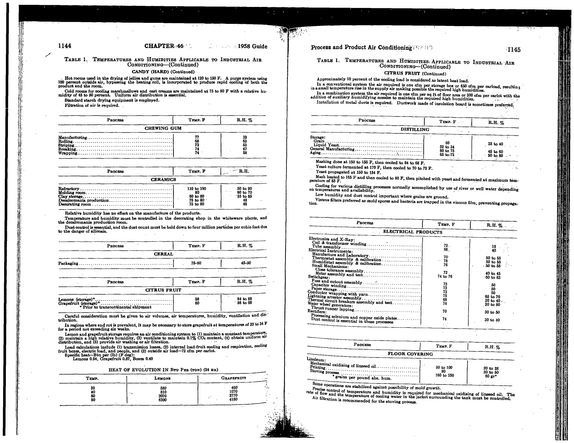
refid# wqYpz6qXeXnMBrNkZe8rndGbJ1 page
1226 CHAPTER 50 1958 Guide 2.
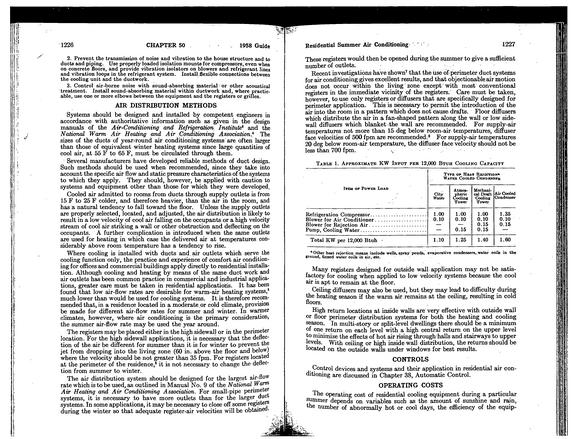
refid# 7R3omqNaG9EyYR7MjJKvMjogg1 page
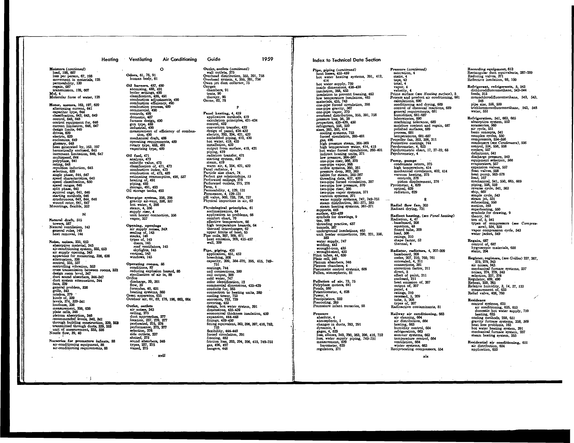
Heating Moisture (continued) load, 198, 607 loss per person, 67, 198 movement in materials, 128 permeability, 130 regain, 687 transmission, 128. 607 Mol, 4 Molecular force of water, 128 Motor, motors, 163, 197, 639 alternating current, 641 capacitor type, 644 classification, 642, 643, 649 control, 646, 648 control equipment for, 646 current limitation, 646, 647 design limits, 640 drives, 639 electric, 639 enclosures, 649 glossary, 648 heat generated by, 163, 197 hermetically enclosed, 645 increment limitation, 646, 647 multispeed, 644 polyphase, 641 rating, 648 repulsion induction, 645 selection, 639 single phase, 644, 647 speed characteristics, 640 speed classification, 650 speed ranges, 640 split phase, 645 squirrel cage, 641, 646 starting methods, 646 synchronous, 642, 644, 646 wound rotor, 641, 647 Mountings, flexible, 352 N Natural draft, 515 towers, 587 Natural ventilation, 143 general rules. 146 heat removal, 144 Noise, noises, 335, 653 absorptive material, 345 air-conditioning system, 335,653 air supply opening, 343 apparatus for measuring, 336, 638 attenuation, 336 control, 335, 337 controlling vibration, 352 eras transmission between rooms, 352 design room level, 347 duct sound absorbers, 344-347 ' duct system attenuation, 344 fans, 339 general problem, 336 grille, 343 intakes, 279 ` kinds of, 339 levels, 274, 339-341 loudness, 336 measurement, 336, 636 plate cells, 346 plenum absorption, 346 recommended levels, 340, 341 through building construction, 339, 853 transmitted through ducts, 339, 352 unit* of measurement, 335, 338 Nozzle flow, 39, 40 Nurseries for premature Infants, 88 air-conditioning equipment, 88 air-conditioning requirements, 88 Ventilating Air Conditioning Guide 1959 O Odors, 61. 76, 91 human body, 61 Oil burners, 487, 490 atomizing, 488, 491 boiler settings, 490 classification, 488, 491 combustion adjustments, 490 combustion efficiency, 490 combustion process, 489 commercial, 490 . controls, 499 domestic, 487 furnace design, 490 gun type, 488 industrial, 490 measurement of efficiency of combus tion, 490 mechanical draft, 488 operating requirements, 489 rotary type, 488, 491 vaporizing type, 489 Oil fuel, 471 analysis, 472 calorific value, 473 classification of, 471, 472 combustion index, 473 combustion of, 473, 489 estimating consumption, 49S, 537 heating of, 491 piping, 493 storage, 491, 493 Oil storage tanks, 493 One-pipe system, 356, 398 gravity air-vent, 356, 357 hot water, 4, 398 steam, 4, 356 supply riser, 4 unit heater connection, 356 vapor, 357 Opening, openings air supply noises, 343 of, 143 stacks, 146 types of, 145 doors, 145 roof ventilators^ 145 skylights, 145 vertical, 143 windows, 145 Operating rooms, 86 conditions, 87 reducing explosion hazard, 88 sterilisation of air in, 88 Orifice discharge, 39, 361 flow, 39 formulas, 40, 631 heating systems, 360 Oraat apparatus, 635 Outdoor air, 61, 62, 176, 196, 663, 664 Outlet, outlets air noises, 343 ceiling, 275 duct approaches, 277 location, 237, 276, 277 perforated, 275, 276 performance, 273, 277 selection, 276 side outlets, 237 slotted, 275 sound absorbers, 346 types, 237, 275 vaned, 275 xvu?
refid# 93R9GwV0OGV6YrN1rjawVrRbL1 page
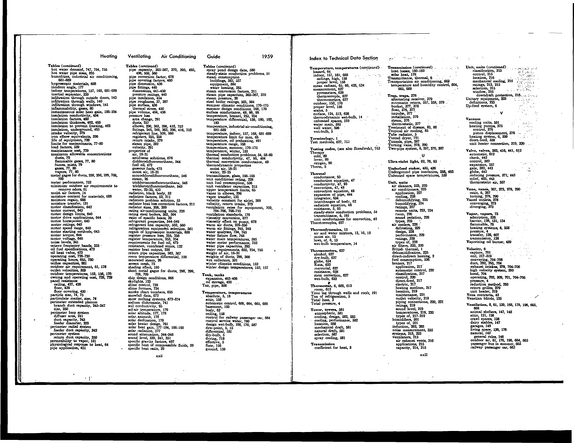
Heating Tables (continued) hot water demand, 747, 754, 755 hot water pipe sices, 395 humidities, industrial air conditioning, 681-689 hygroscopic materials, 688 incident angle, 177 indoor temperatures, 157, 168, 681-689 inertial separator, 330 infiltration through outside doors, 143 infiltration through walls, 140 infiltration through windows, 141 mflnmm utility 8Q instantaneous solar heat gain, 186-194 insulation conductivity, 454 insulation factors, 460 insulation Sickness, 462, 465 insulation to prevent freezing, 462 insulation, underground, 465 intake velocity, 279 iron elbow equivalents, 396 life of equipment, 728 limits for contaminants, 77-80 load factors, 539 maintenance cosL 729 maximum allowable concentrations dusts, 79 flammable gases, 77, 80 fumes, mists, 79 gases, 77, 80 vapors, 77, 80 metal gages for ducts, 238, 298, 299, 708, 709 meter performance, 752 minimum- outdoor air requirements to remove odors, 61 moist air factors, 14 moisture content for materials, 688 moisture regain, 688 moisture transfer, 131 motor classification, 642 motor current, 643 motor design limits, 640 motor drive applications, 644 motor horsepower, 640 motor ratings, 645 motor speed range, 640 motor starting methods, 645 motor torque, 644 motor voltage, 640 noise levels, 341 octave frequency bands, 335 ' oil fuel specifications, 472 oil beat value, 473 operating cost, 728-730 operating horns, 655, 730 orifice capacities, 361 outdoor air requirement, 61, 176 outlet velocities, 309 outdoor temperatures, 152, 156, 170 owning and operating cost, 728, 729 panel resistance ceiling, 427, 428 floor, 429 floor covering, 430' particle size, 74, 75 particulate matter, sise, 74 perimeter extended plenum branch duct capacity, 245-247 rise, 250 perimeter loop system diffuser area, 241 duct capacity, 243 feeder diameter, 239 perimeter radial system feeder duct capacity, 242 perimeter system return duct capacity, 250 permeability to vapor, 131 physiological response to heat, 64 pipe application, 451 Ventilating Air Conditioning Guide 1959 Tables (continued) pipe capacity, 365^367, 370, 395, 493, 496, 559, 560 pipe correction factor, 678 pipe covering factors, 460 pipe dimension, 436 pipe fittings, 440 dimensions, 441-450 pressure ratings, 440 pipe insulation, 454 pipe roughness, 37, 287 pipe surface, 436 thermal stress, 450 pipe volume, 404, 436 pressure loss area change, 291 ducts, 257 elbows, 290, 363, 396, 416, 752 fittings, 248. 249, 363, 396, 416, 752 refrigerant line, 559, 560 registers, 255, 256 return intake, 279 steam pipe, 382 velocity, 291 properties of air, 18-21 antifreeze solutions, 676 dichlorodifluoromethane, 544 fuel oil, 472 gaseous fue!
refid# 91kve8MDdqmYX0jMDz4OxQkxL1 page
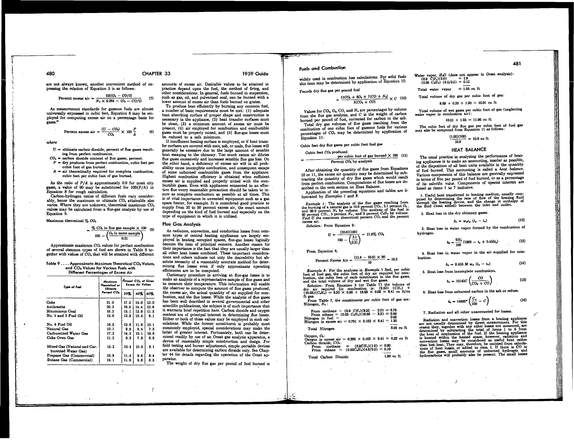
480 CHAPTER 33 1959 Guide are not always known, another convenient method of ex pressing the relation of Equation 5 is as follows: 100(0, - CO/2) Percent excess air Nt X 0.264 - (0, - CO/2) (7) As measurement standards for gaseous fuels are almost universally expressed in cubic feet, Equation 8 may be em ployed for computing excess air on a percentage basis for gases."
refid# Ex6YjYbx1Y4zdmZmm4DYedy7n1 page
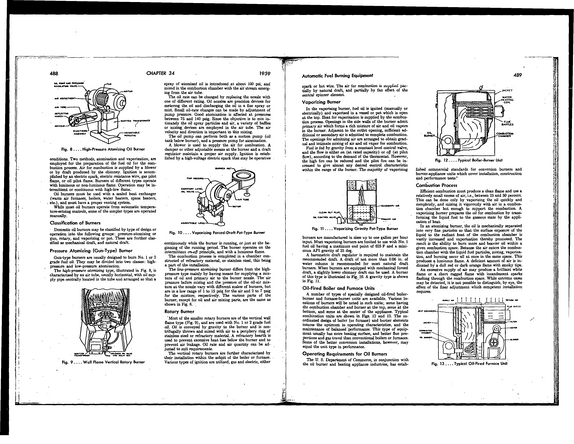
488 CHAPTER 34 1959 Fig. 8 ....
refid# mm4GDezrR19xpk389zojOQpnk1 page
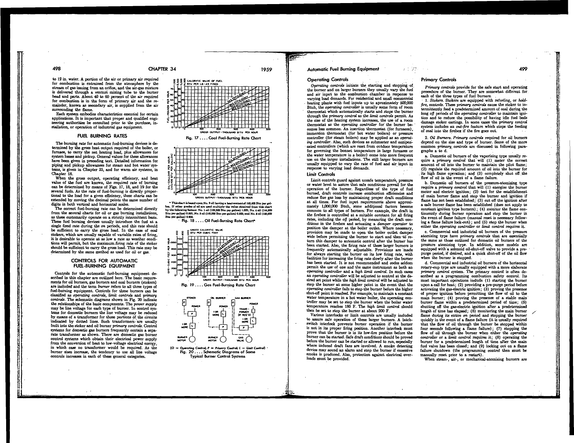
498 CHAPTER 34 1959 to 12 in. water.
refid# LK9rGQY3RdqvRRvE5LoeRRzg31 page
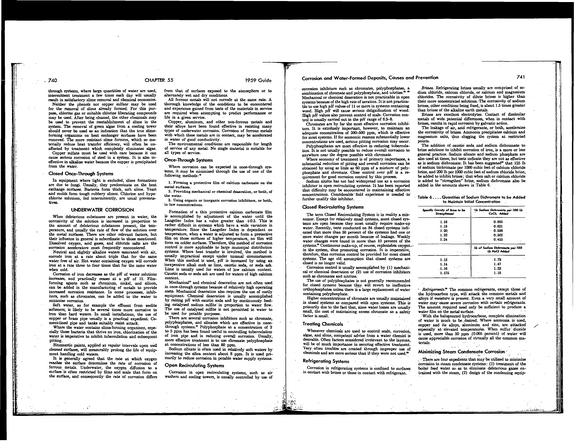
, 740 CHAPTER 55 1959 Gvidi through systems, where large quantities of water are used, intermittent treatment a few times each day will usually result in satisfactory slime removal and chemical economies.
refid# OR1gNqz4Jg6MaXQ0X6MbRLGj1 page
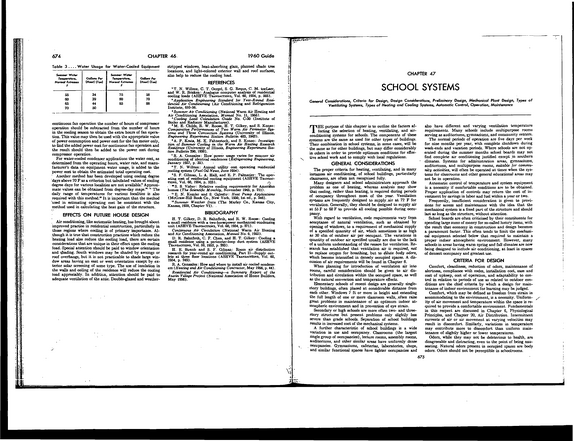
674 CHAPTER 46 I960 Guide Table 3 ....
refid# zzmME2DMp0BwRZ1g3wYkxkze01 page
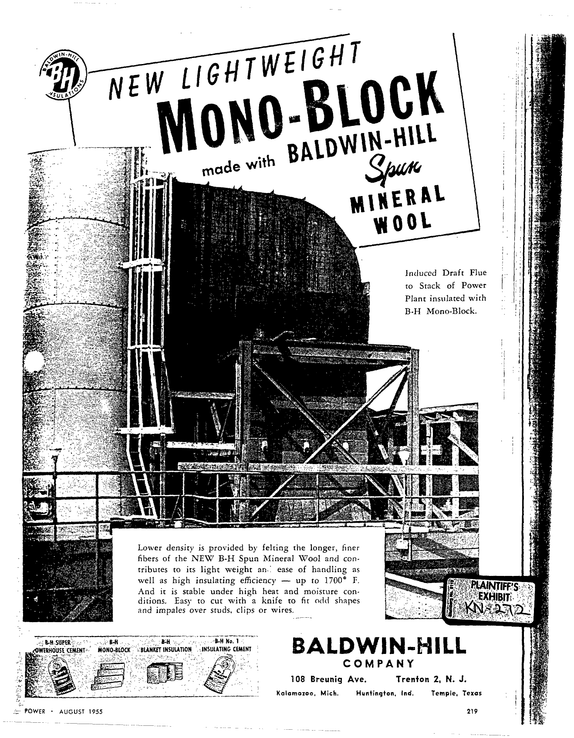
Moho-BJjSSw ode vfit,hh * M4Q WlHER^1 wool *vV.2* i v.
refid# 0Lr742K27EzM1GDmYYqJeKyR1 page
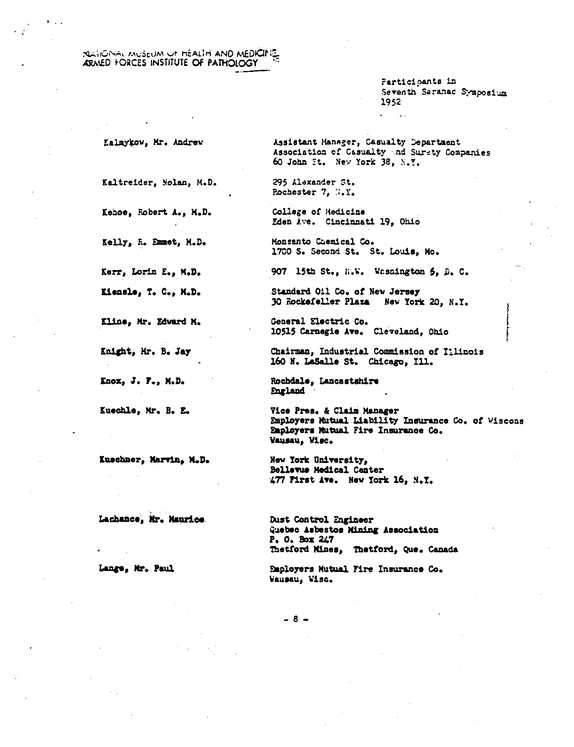
rQAnG'NA^ MuScOW v/f hcAlIri ANO MEDONiARMED fOBCES INSTITUTE Of PATHOLOGY ' Participants in Seventh Saranac Symposlua 1952 ialaykov, Mr, Aadrev K<reider, Nolan, M.D Kehoe, Robert A,, M.D.
refid# p2gdMQ2EwZr3v1RmRz1Ogrvg61 page
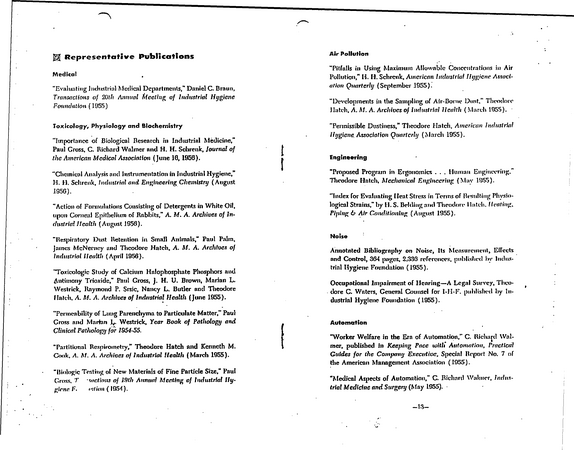
J3J Representative Publications Medical "Evaluating Industrial Medical Departments," Daniel C.
refid# 8OzpR2wjZVZdeO0XnYLmQErzZ1 page
So.
refid# DD5KY5NLNb4qz03kJ3dDpdj41 page