Refine
Estimated Years 1950-1959Clear
14,527 results foundRefine Search
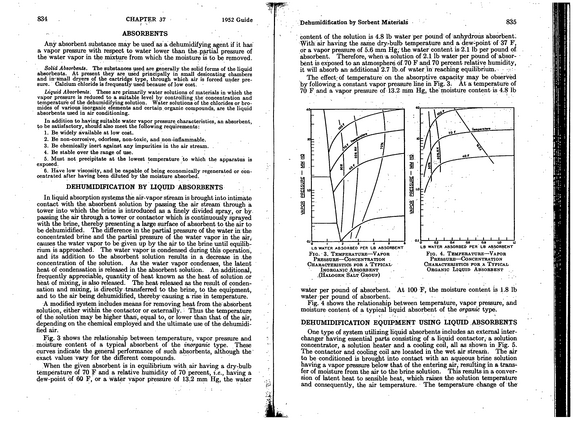
834 CHAPTER 37 / '' 1952 Guide ABSORBENTS Any absorbent substance may be used as a dehumidifying agent if it has' a vapor pressure with respect to water lower than the partial pressure of the water vapor in the mixture from which the moisture is to be removed.
refid# BRg67Lm6yb9M1v50g63kgD30J1 page
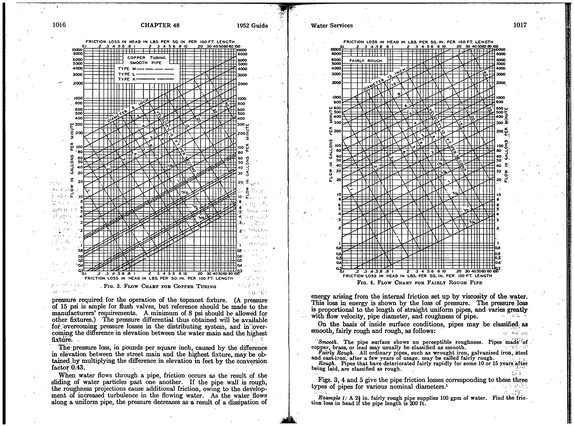
1016 CHAPTER 48 1952 Guide FRICTION LOSS IN HEAD IN LBS.
refid# 3egrzQMoaYdgb3q8QZ6Nz4jQ31 page
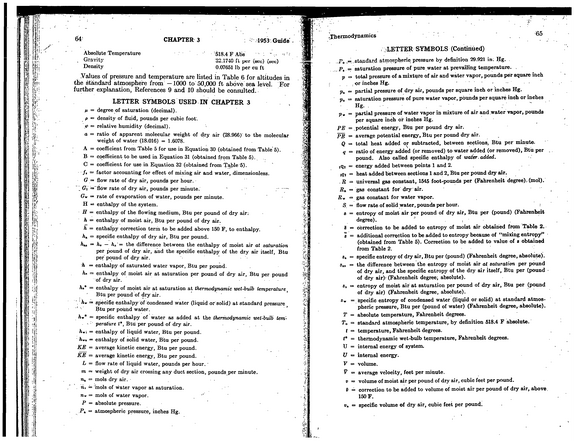
64- CHAPTER 3 1953', Guide Absolute Temperature Gravity Density 518.4 F Abs '32.1740 ft per (see) (sec) 0.07651 lb per cu ft .Values of pressure and temperature are listed in Table 6 for altitudes in the standard atmosphere from --1000 to 50,000 ft above sea level.
refid# wgkqZNK4E7yDbXKZb5KXrjKx41 page
l'48 CHAPTER 7 1953 Guide Based upon the effectiveness of activated carbon commercially and in dustrially to adsorb odors.' individual adsorption units have been used piccessfully.
refid# 8O5BXwZOg9mQJNeVZNLLJ7gvm1 page
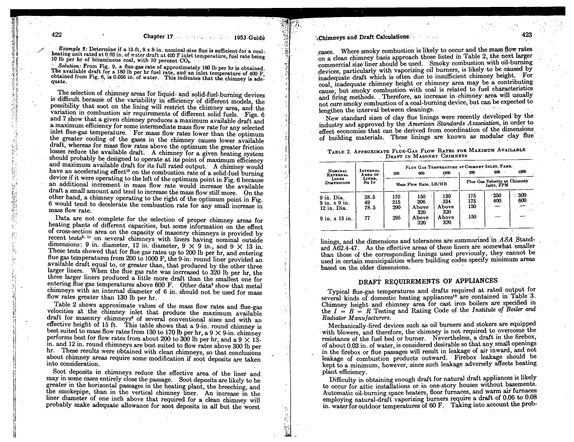
422 Chapter 17 1953-Guide x Example S: Determine if a 13-ft, 8 x 8-in. nominal-size flue is sufficient for a coal-. x heating unit rated at 0.03 in. of water draft at 400 F inlet temperature, fuel rate being 10 lb per hr of bituminous coal; with 10 percent CO,.
refid# rDbd33wvVa7Ky0rmNbrrxo9G1 page
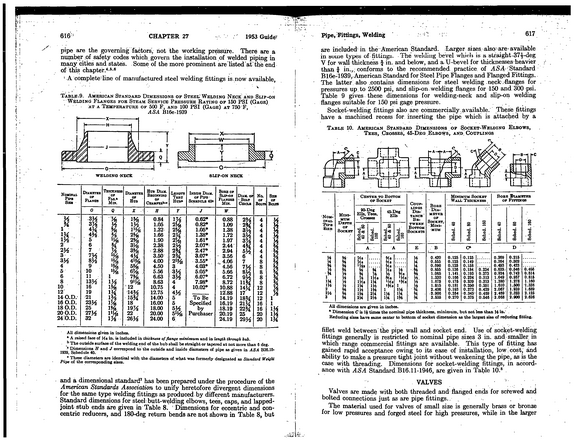
616 CHAPTER 27 1953 Guide' pipe are the governing factors', hot the working pressure.
refid# nmrxBwKbvz900yZzoed7E63d21 page
736 CHAPTER 33 1953 Guide type, since this application requires a wide range of satisfactory and quiet operation against relatively high pressures.
refid# 6bam4OgqrkvzZNm5Bdd8jeJzd1 page
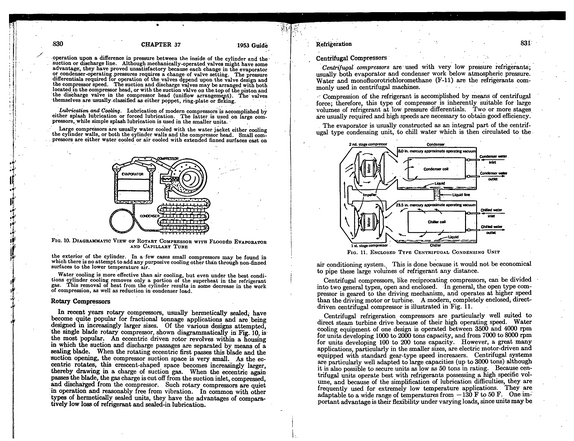
.830 CHAPTER 37 1953 Guide operation upon a difference in pressure between the inside of the cylinder and the suction or discharge line.
refid# BR1bMGnyV1mR0yM672MmZKgZJ1 page
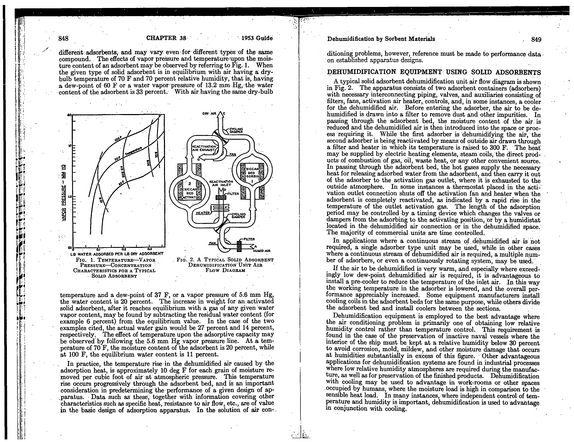
848 CHAPTER 38 ' 1953 Guide different adsorbents, and may vary even-for different types of the same compound.
refid# vVN3Q529qzZzrKy8E2pdvy84m1 page
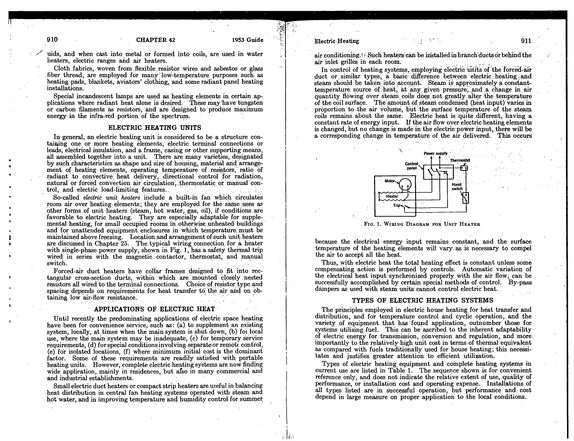
910 CHAPTER 42 1953 Guide uids, and when cast into metal or formed into coils, are used in water heaters, electric ranges and air heaters.
refid# 06JqQXRK1RRMoXDGxLdadBOwd1 page
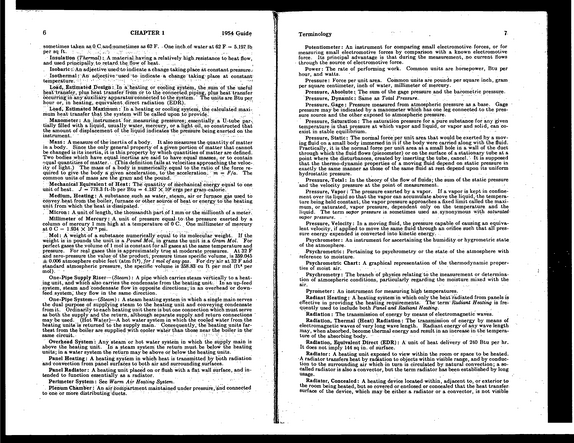
6 CHAPTER 1 1954 Guide sometimes taken as.0 C.andfsometimes as 62 F.
refid# KonwMN2mVjbjqwOQ3YKex5aN1 page
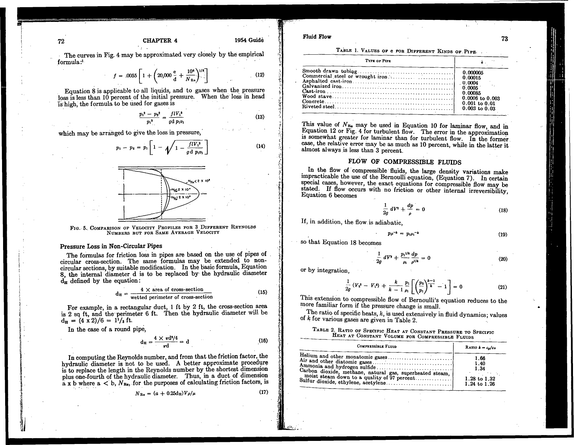
72 CHAPTER 4 1954 Guide The curves in Fig. 4 may be approximated very closely by the empirical formula:1 / = C055 [Tl + (/20,000 ed + -ioJV/CJ| (12) Equation 8 is applicable to all liquids, and to gases when the pressure loss is less than 10 percent of the initial pressure.
refid# 0qZVZbaMm3on37dB2bMQYDBLV1 page
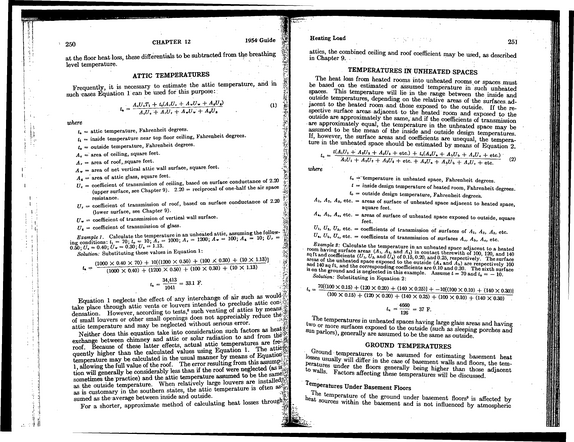
250 CHAPTER 12 1954 Guide -m at the floor heat loss, these differentials to be subtracted from tfye breathing level temperature.
refid# rBEYRGRx77Z1Q0RobberNnb501 page
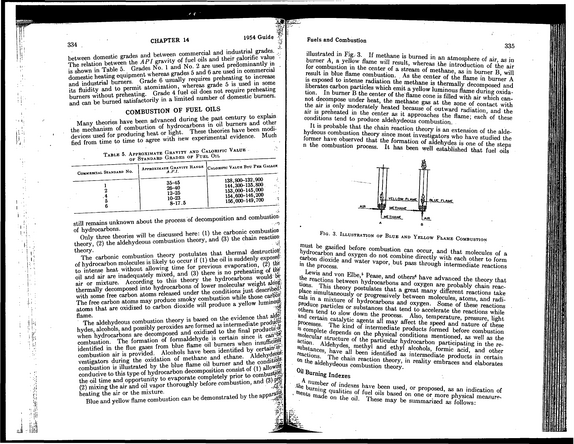
CHAPTER 14 1954 Guide 3O3U41 between domestic grades and between commercial and industrial grades. ` The relation between the API gravity of fuel oils and their palorific value is shown in Table 5.
refid# 6RLw5eqwvmOLnXZ9eMrOwzb9m1 page
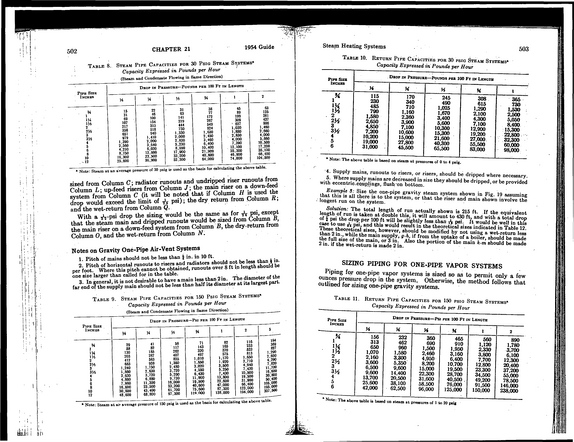
502 CHAPTER 21 1954 Guide Table 8.
refid# omKGDyRDrDvg0g9yxmXMZ9mo71 page