Refine
Estimated Years 1940-1949Clear
11,527 results foundRefine Search
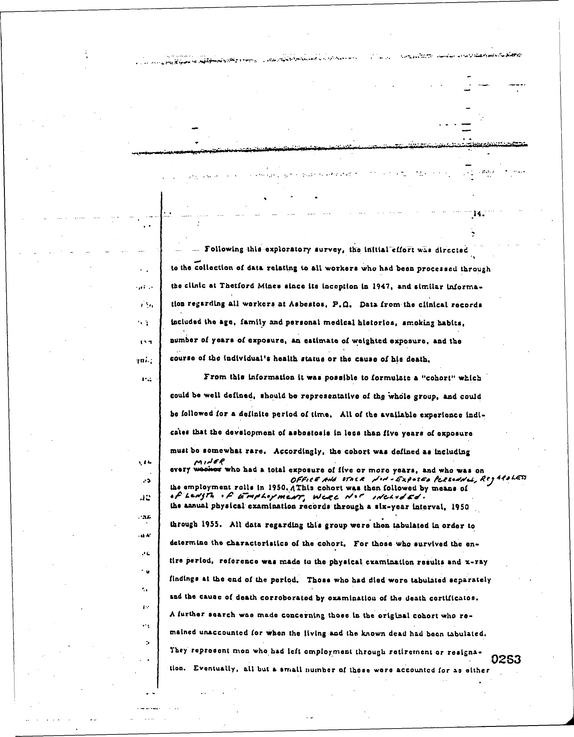
**$* m+* 14.
refid# 91NmV8KyR8n4qZa6KaV5NXzJV1 page
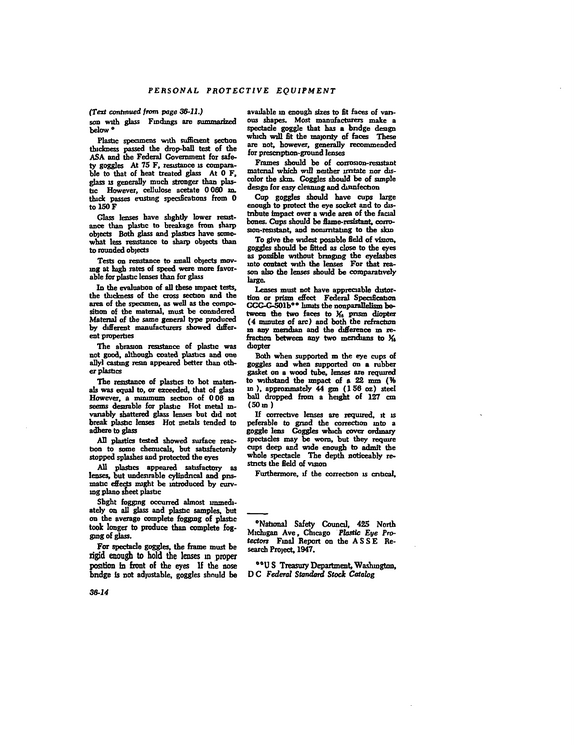
PERSONAL PROTECTIVE EQUIPMENT (Tezt continued from page 36-11.) son with glass Findings are summarized below " Plastic specimens with sufficient section tliiAmm passed the drop-ball test of the ASA and the Federal Government for safe ty goggles At 75 F, resistance is compara ble to that of heat treated glass At 0 F, glass is generally much stronger than plas tic However, cellulose acetate 0 060 in. thick passes existing specifications from 0 to 150 F Glass lenses have slightly lower resist ance than plastic to breakage from sharp objects Both glass and plastics have some what less resistance to sharp objects than to rounded objects Tests on resistance to small objects mov ing at high rates of speed were more favor able for plastic lenses than for glass In the evaluation of all these tmjpact tests, the thiclmess of the cross section and the area of the specimen, as well as the compo sition of the material, must be considered Material of the same general type produced by different manufacturers showed differ ent properties The abrasion resistance of plastic was not good, although coated plastics and one allyl casting resin appeared better than oth er plastics The resistance of plastics to hot materi als was equal to, or exceeded, that of glass However, a minimum section of 006 m seems desirable for plastic Hot metal in variably shattered glass lenses but did not break plastic lenses Hot metals tended to adhere to glass All plastics tested showed surface reac tion to some chemicals, but satisfactorily stopped splashes and protected the eyes All plashes appeared satisfactory as lenses, but undesirable cylindrical and pris matic effects might be introduced by curv ing piano meet plastic Shght fogging occurred almost immedi ately on all glass and plastic samples, but on the average complete fogging of plastic took longer to produce than complete fog ging of glass.
refid# jgoXOYer1w4q19M1z6yE8ZMqZ1 page
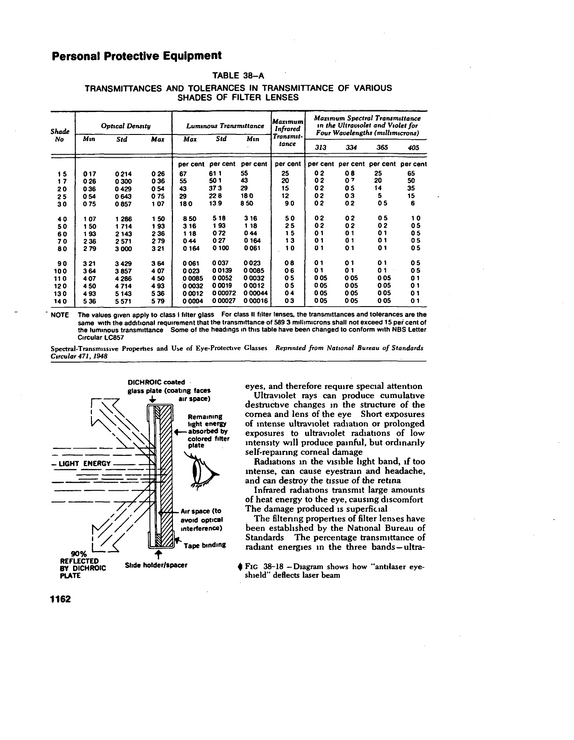
Personal Protective Equipment TABLE 38--A TRANSMITTANCES AND TOLERANCES IN TRANSMITTANCE OF VARIOUS SHADES OF FILTER LENSES Shade No Optical Density Mtn Std Max Luminous Transmittance Max Std Mtn Maximum Infrared Transmit- fence Maximum Spectral Transmittance in the Ultraviolet and Violet for Four Wavelengths (millimicrons) 313 334 365 405 1 5 017 1 7 0 26 20 0 36 25 054 30 0 75 0 214 0 300 0 429 0643 0 857 026 0 36 054 0 75 1 07 per cent per cent per cent 67 55 43 29 180 61 1 501 37 3 228 13 9 55 43 29 18 0 850 per cent 25 20 15 12 90 per cent per cent per cent per cent 02 08 25 65 02 07 20 50 02 05 14 35 02 03 5 15 02 02 05 6 40 1 07 1 286 1 50 8 50 518 316 50 02 02 05 10 50 1 50 1 714 1 93 3 16 1 93 1 18 25 02 02 02 05 60 1 93 2143 2 36 1 18 0 72 044 1 5 01 01 01 05 70 236 2 571 2 79 044 0 27 0164 13 01 01 01 05 80 279 3 000 3 21 0 164 0100 0 061 1o 01 01 01 05 90 100 110 120 130 140 3 21 364 4 07 4 50 493 5 36 3 429 3 857 4 286 4 714 5143 5 571 364 4 07 450 4 93 536 5 79 0 061 0 023 0 0085 0 0032 0 0012 0 0004 0 037 0 0139 0 0052 0 0019 0 00072 0 00027 0 023 0 0085 0 0032 00012 0 00044 000016 08 06 05 05 04 03 01 01 0 05 005 0 05 0 05 01 01 0 05 0 05 0 05 0 05 01 01 0 05 0 05 0 05 0 05 05 05 01 01 01 01 NOTE The values given apply to class I filter glass For class II filter lenses, the transmittances and tolerances are the same with the additional requirement that the transmittance of 589 3 millimicrons shall not exceed 15 per cent of the luminous transmittance Some of the headings in this table have been changed to conform with NBS Letter Circular LC857 Spectral-Transmissive Properties and Use of Eye-Protective Classes Reprinted from National Bureau of Standards Circular 471,1948 ____________ 1162 DICHROIC coated glass plate (coating faces eyes, and therefore require special attention Ultraviolet rays can produce cumulative destructive changes m the structure of the cornea and lens of the eye Short exposures of intense ultraviolet radiation or prolonged exposures to ultraviolet radiations of low intensity will produce painful, but ordinarily self-repairing corneal damage Radiations m the visible light band, if too intense, can cause eyestrain and headache, and can destroy the tissue of the retina Infrared radiations transmit large amounts of heat energy to the eye, causing discomfort The damage produced is superficial The filtering properties of filter lenses have been established by the National Bureau of Standards The percentage transmittance of radiant energies m the three bands--ultra- 4 Fig 38-18 --Diagram shows how "antilaser eyeshield" deflects laser beam
refid# b5morev9MK7Q4x87BjRjEBgKg1 page
- -> 'O ;1 .
refid# 9o3Ve3R9XZbyyE8vBXaV3pwp7 pages
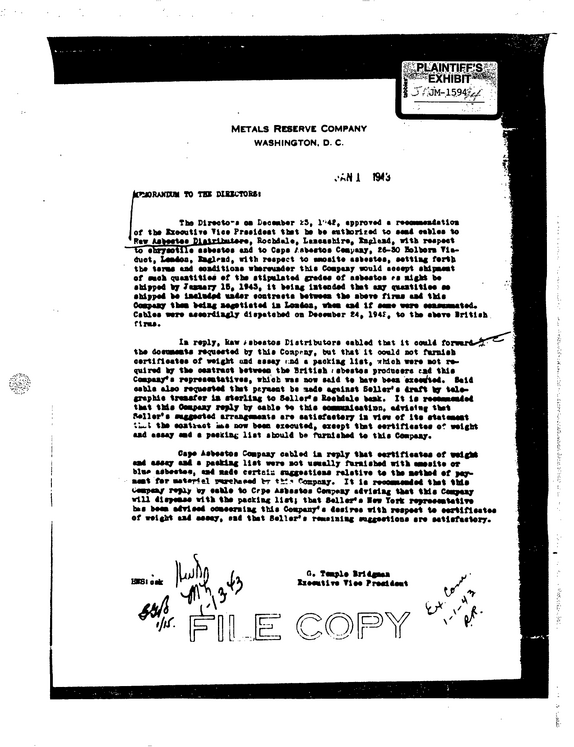
METALS RESERVE COMPANY WASHINGTON.
refid# zvNGojdB6REe8BnXa9159Drg1 page
1*55* iOG :st v.v 1 I H vi a :?
refid# 4a8GvYwaqdgEQd6z8b1y8M0aR5 pages
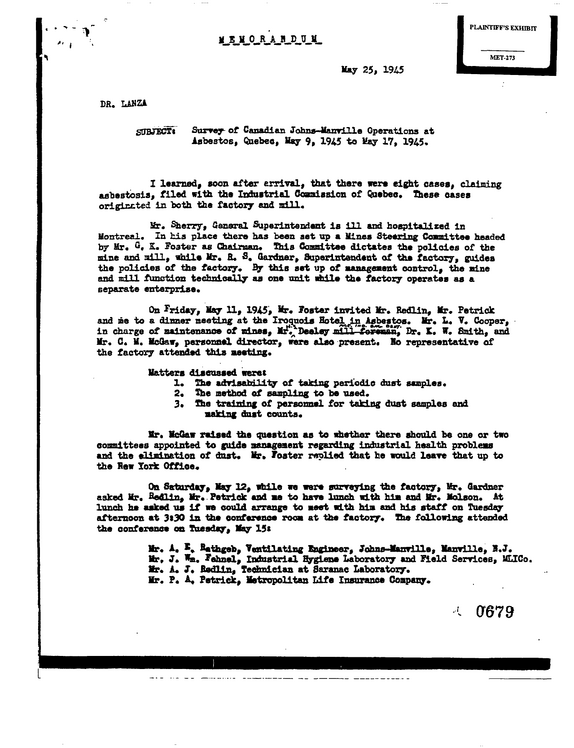
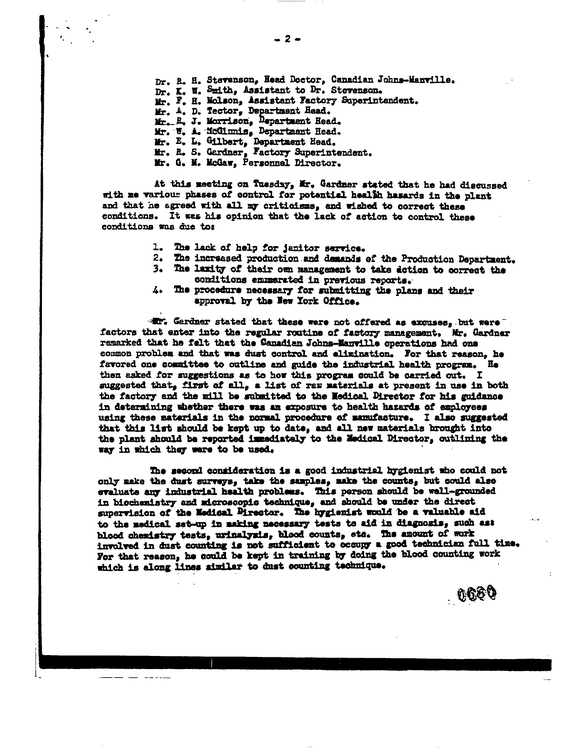
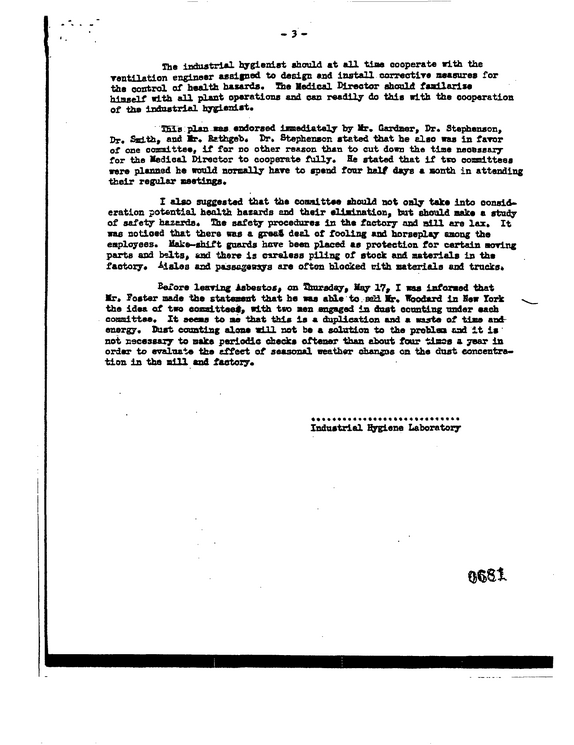
>- "I M_E_M_0_R_A_B_D_U_U_ Hay 25, 1945 DR.
refid# ZJRVgjXDO2jaEyDqXyZvEjL4Z3 pages
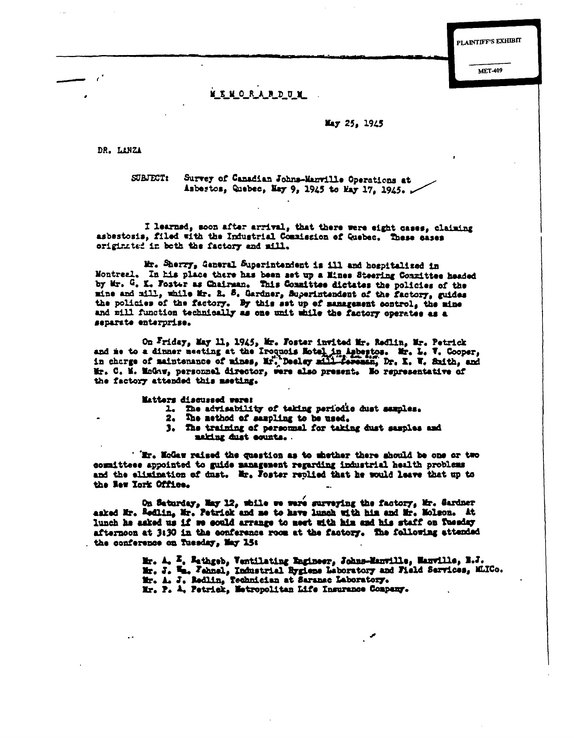
M_E_U_0_R_A_B_D_qj(_ May 25, 1945 DR.
refid# VjdZEdbR7BX7aED2Or4KdndQK3 pages
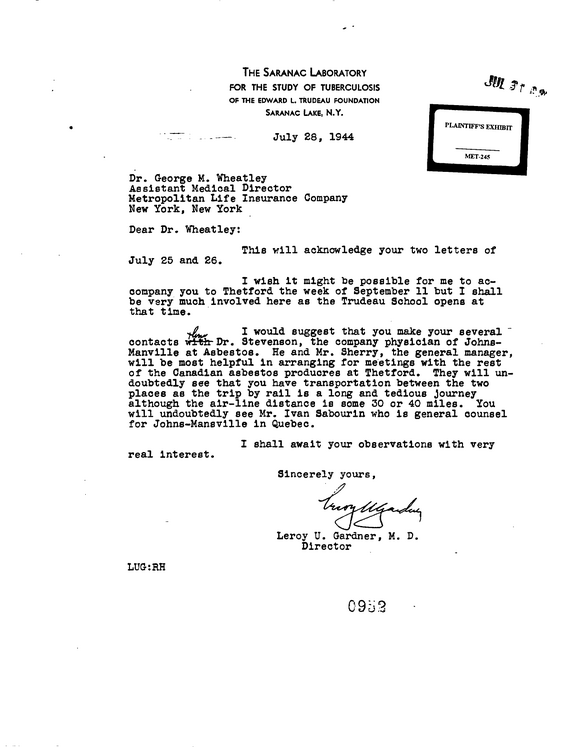
The Saranac Laboratory FOR THE STUDY OF TUBERCULOSIS OF THE EDWARD L.
refid# 2RX3agGkgnLo5DQ7QLKb626L72 pages
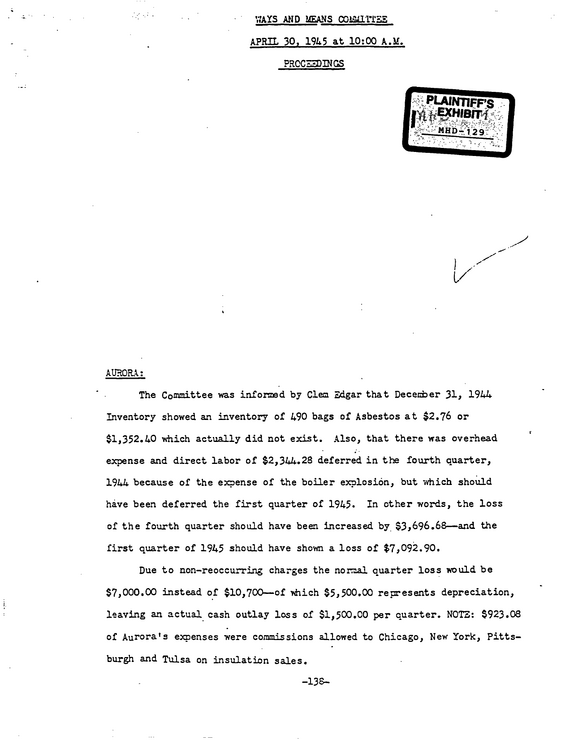
KAYS AND MEANS COi&lTTEE APRIL 30, 1945 at 10:00 A.M.
refid# rxRDbo7ZQq1YzOLx2vv5GK4p71 page
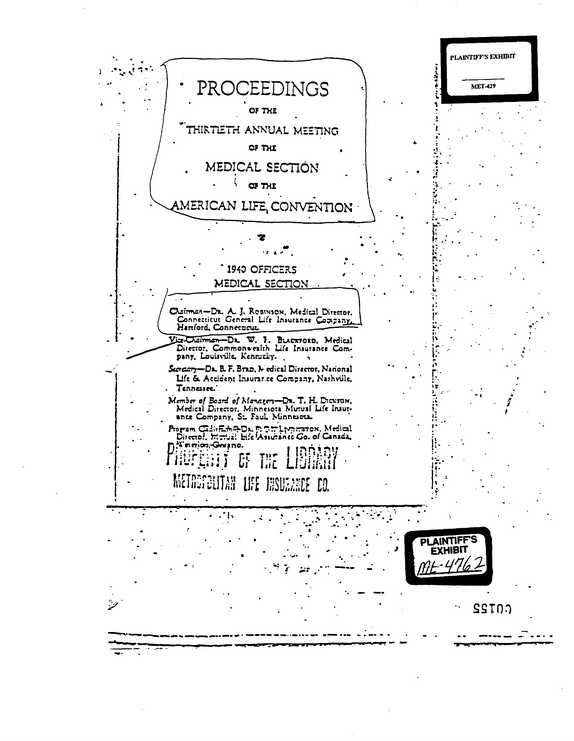
1 -*w PROCEEDINGS OF THE "thirtieth annual meeting OF THE .
refid# jyVG3MK2anNz1aZzM0Ekn87nR3 pages
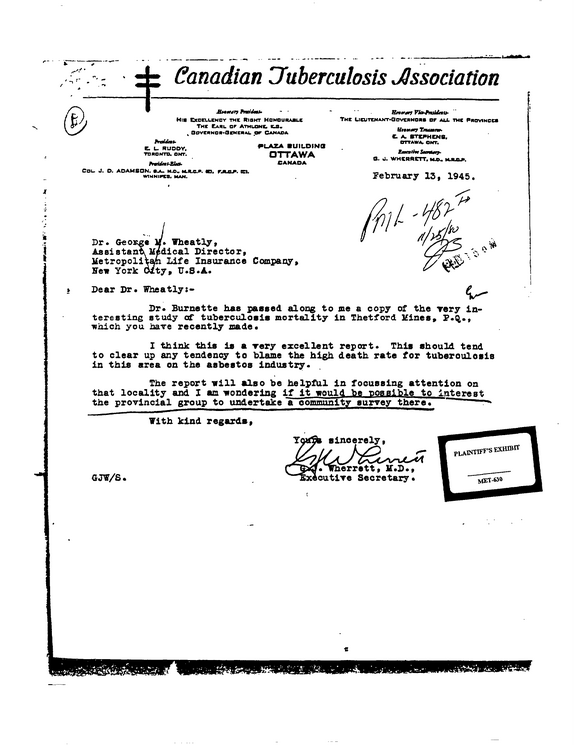
iW lS H W -' * Canadian ZFuberculosis Association Mftfsn tmiimi \ -- Hntr*rf Viet PwUtnty Hia Exccllcncy the Right Honourable Thc Earl or Athlonc. u. % OOVCRNOG-UCNERAL OT CANADA Pt&UiBt* C.
refid# G5vGQRRmqpjgkZ4BZNYKq5jv71 page
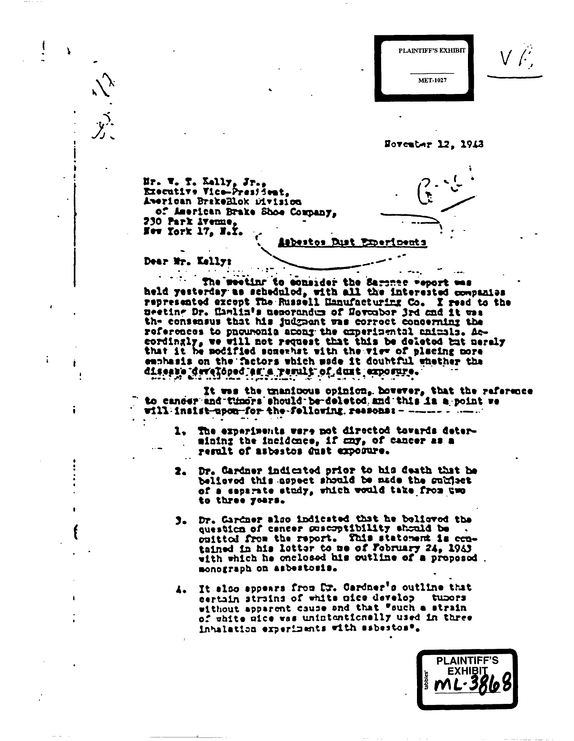
Boreo&wr 12, 19X3 Hr. w.
refid# bB3zL6dMZzxV9J3YkjEzRRZwZ1 page
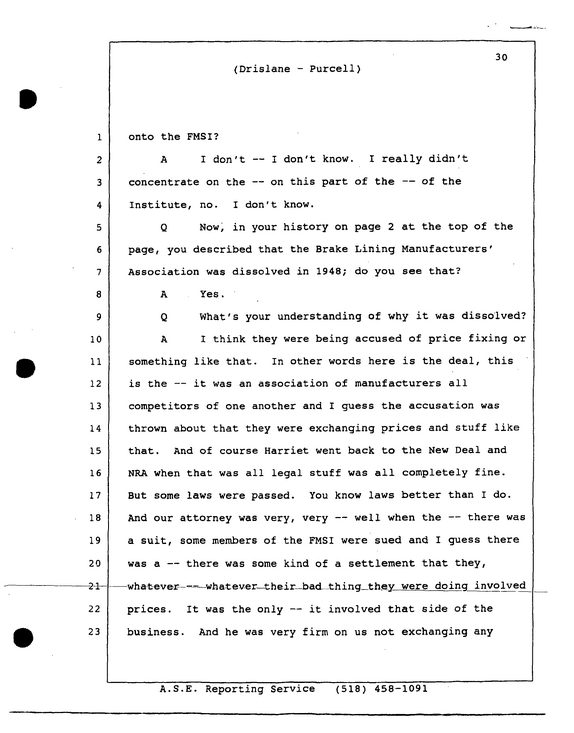
(Drislane - Purcell) 30 1 onto the FMSI?
refid# O3B0db9joZgDLkaBQ8RV7zO7X1 page
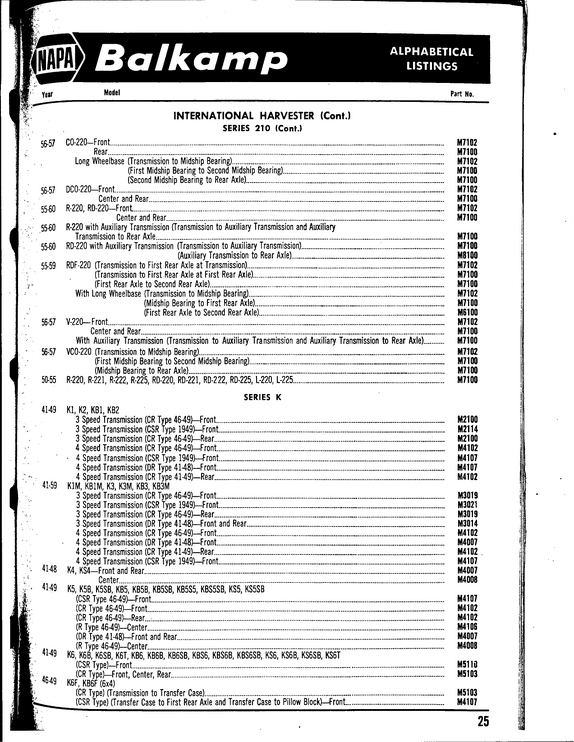
Balkamp ALPHABETICAL LISTINGS Model Part No.
refid# x5oX09NpNNymXpqOEa11qjKMG1 page