Refine
Estimated Years 1940-1949Clear
5,199 results foundRefine Search
Lead-- Pullen; R; R; ,%V.
refid# Yr0RZxVzGNEvX7ddNQjmZY9vV1 page
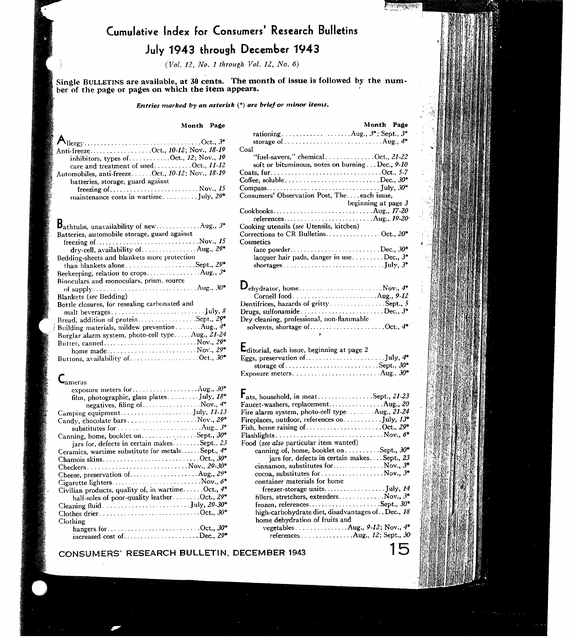
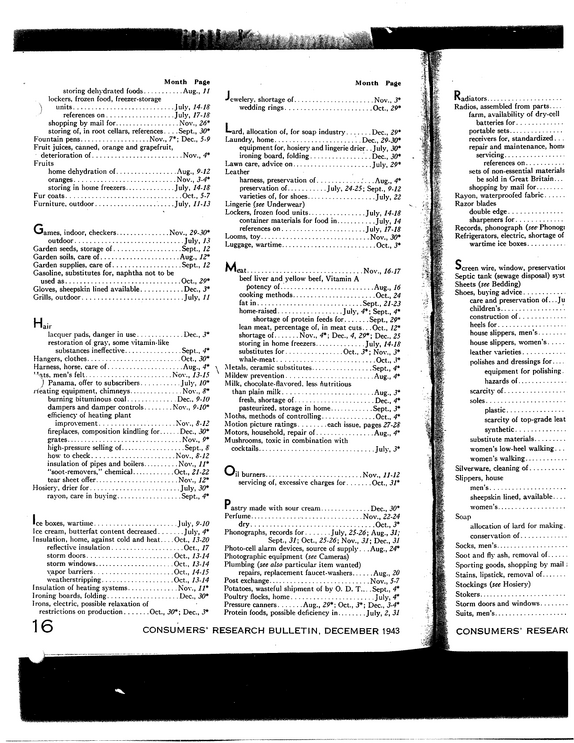
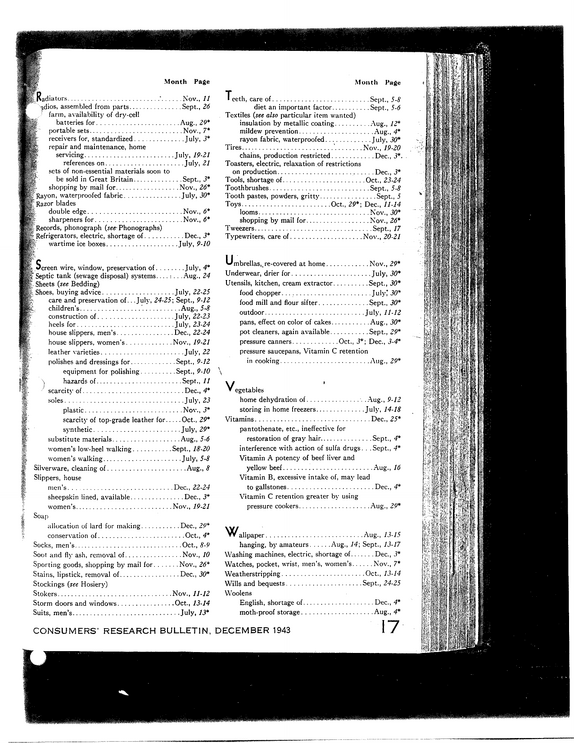
Cumulative Index for Consumers' Research Bulletins July 1943 through December 1943 ) (Vol. 12, No. 1 through Vol. 12, No. 6) Single Bu l l et in s are available, at 30 cents.
refid# 5bD71K8vDYoVqnDB5w6Laz0JR3 pages
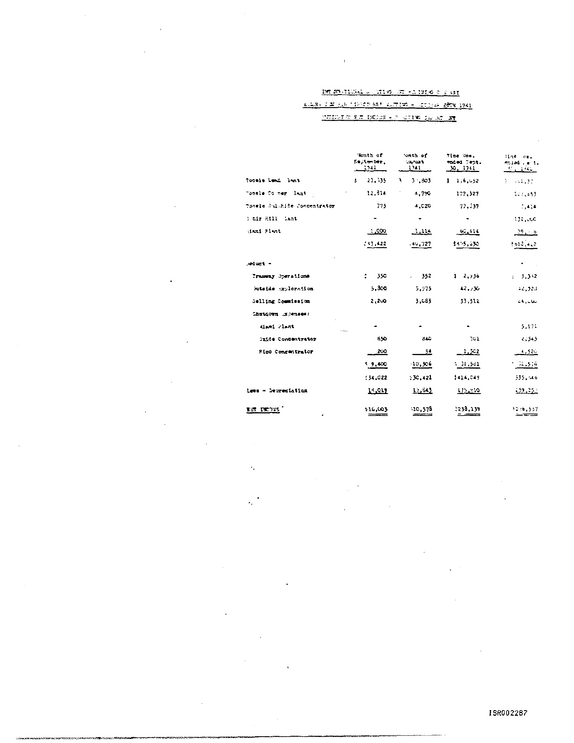
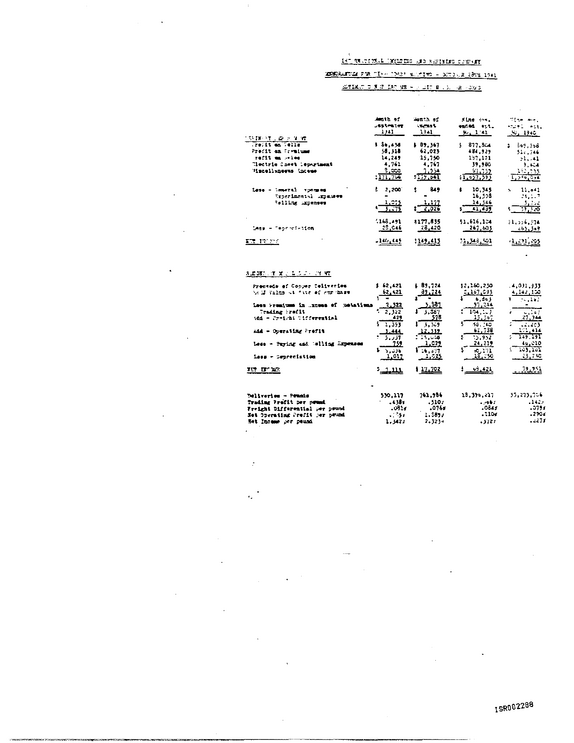
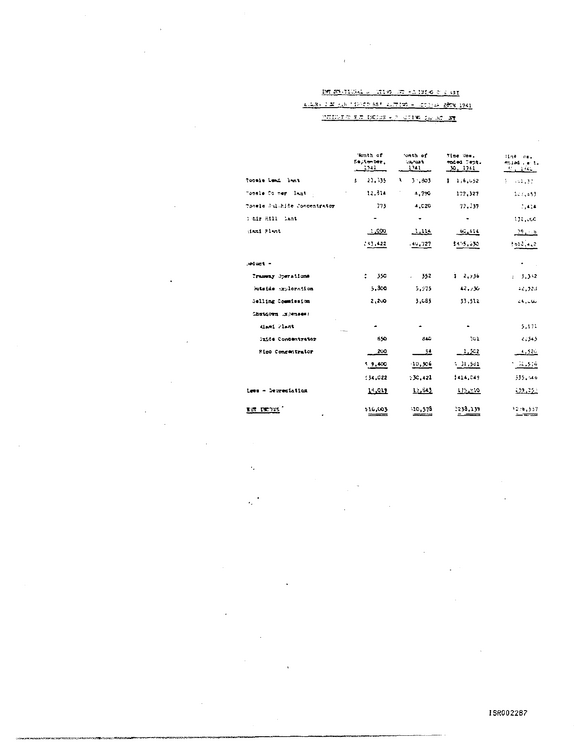
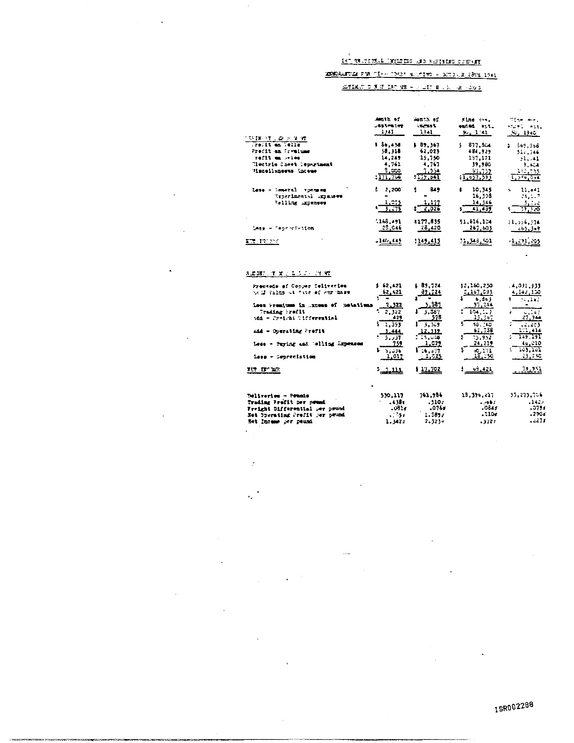
ISC - vz-.st 2573 17*1 .1714 7 ~ -f IT M Saalttac 7rpr-** Swiu capper ' vu: =fl*lK Cap4.rtt Seaen-lary CeparMa-at leet 'flftlfi* CtpertMnl 71m Oxld# ces*rt*t tie Lead llprat %dd " lUeUu*N* laceM Ctrldeod - Mantel* City Copper Co. - ?


refid# o7qwj0RxDbOjGzOBakY4EdYo7 pages
Joseph Lead Company and Chairman of the Foundation* s Board, in a recent communication to Member companies announc ing the new facilities, said in part: .


refid# jgx97gMaQYvxrrZG7QNrkX8ok5 pages
Joseph Lead Company and Chairman of the Foundation's Board, in a recent communication to Member companies announc ing the new facilitiee, said in part: .

refid# J3QY3D91Bk4kjBXxDmZzGnNzX5 pages
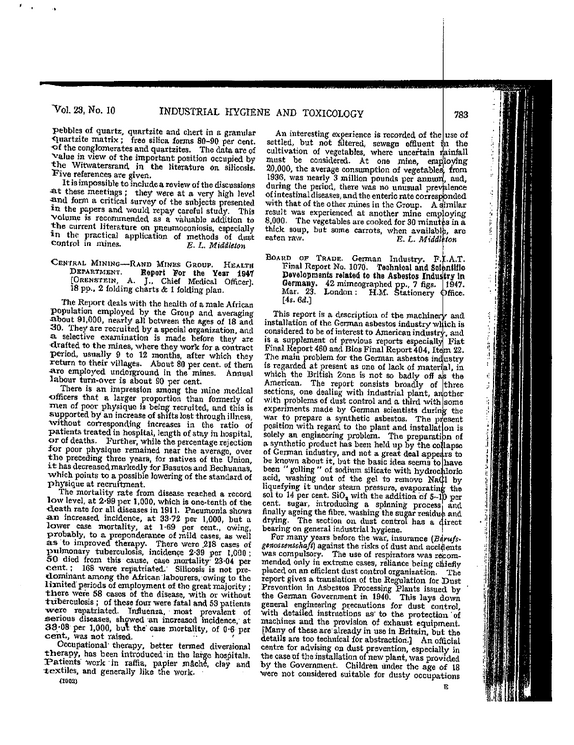
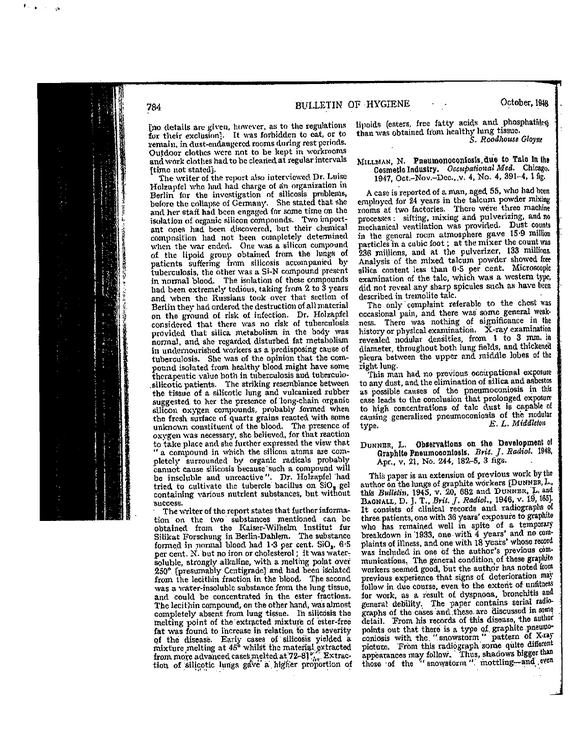
FILE NAME: Household Contact (HC) DATE: 1948 Dec DOC#: HC034 DOCUMENT DESCRIPTION: Journal Excerpt - Bulletin of Medical Hygiene BULLETIN f HYGIENE ISSUED UNDER.

refid# qkq5qJdgYy4OVLyMrrRqY1nD54 pages
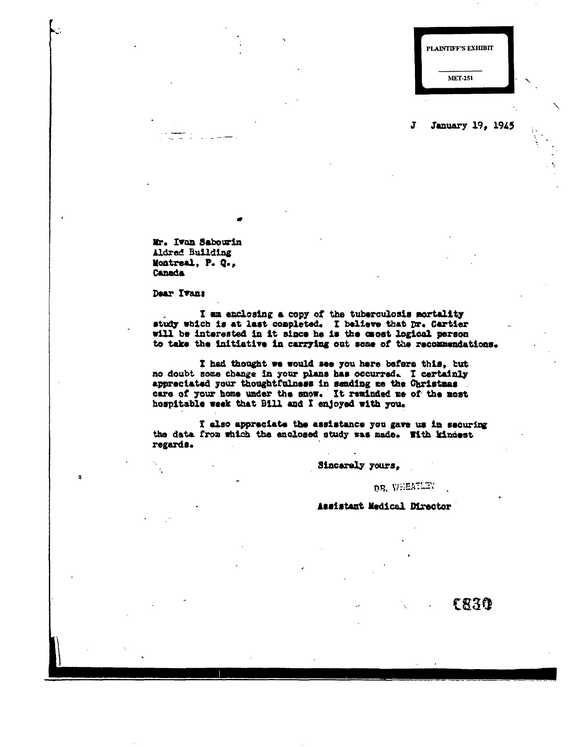
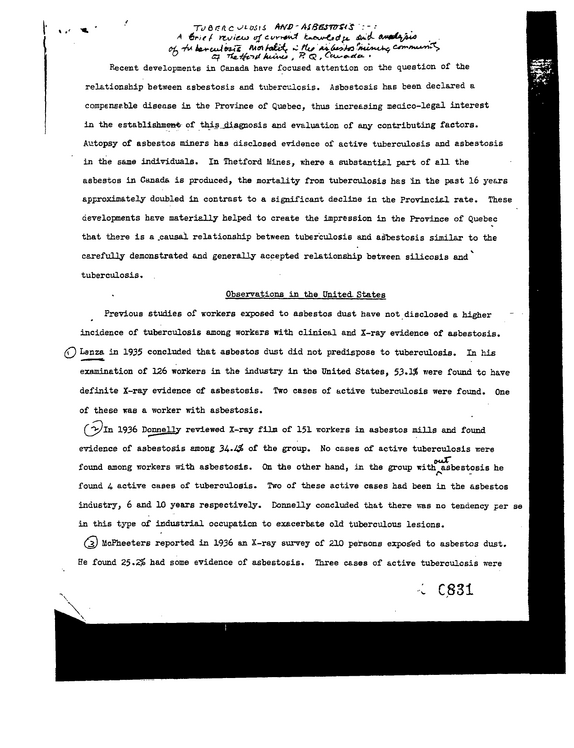
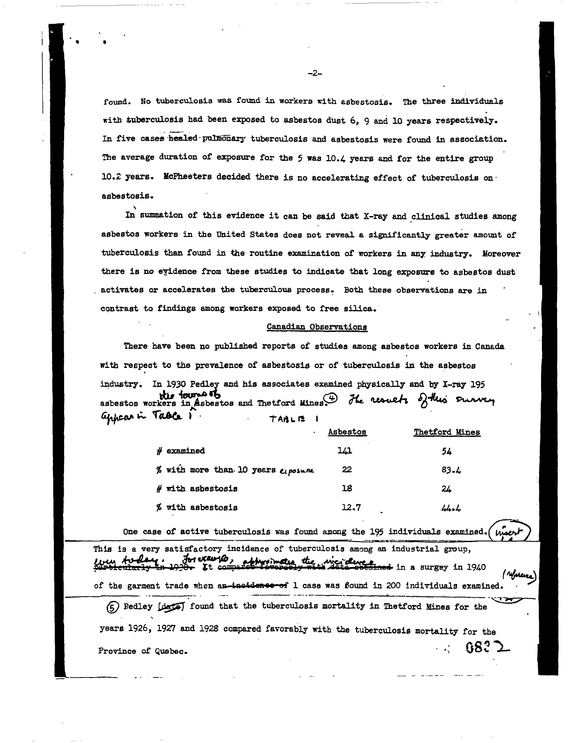
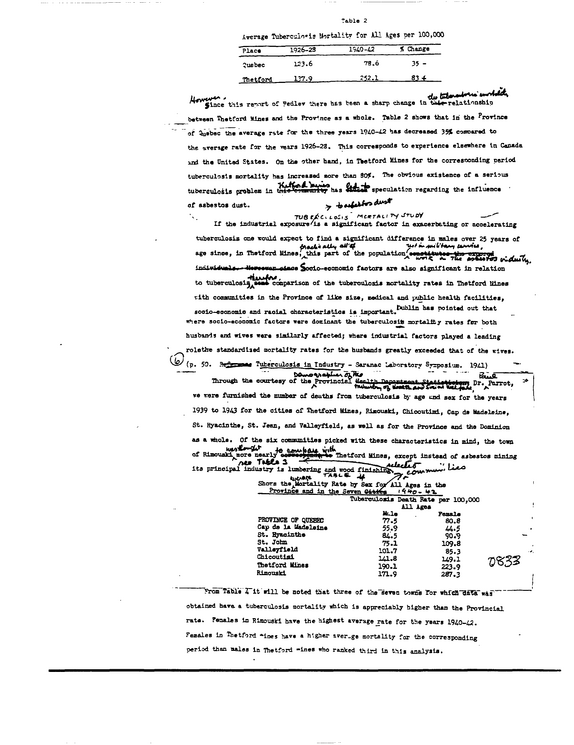
,y Tuewft'toili flCKTAtl *Y frt'Oy -- If the industrial exposure'Is a significant factor in exacerbating or ocoelerating tuberculosis one would expect to find a significant difference in males over 25 years of i /UjU, att'tf ytt if jiftL'i+ff, twin , age since, in Thetford lllnesf^this part of the populationj[aeeBjiSete_yiij `fhti"ty Inrit vtahiel i Memeaimr sinrta $ocio-eoonomio factors are also significant in relation to tubercnlosl^Mm^'ttxaparlson of the tuberculosis mortality rates in Thetford (lines pith communities In the Province of like size, medical and public health facilities, soc,io-econom.ic and. rac.ia,l o,horacterlstlos ia Important.tublin has nointad out that _ where socio-economic factors were dominant the tuberculosife mortality rates fur both husbands end wives ware similarly affected; where industrial factors played a leading rolethe standardized mortality rates for the husbands greatly exceeded that of the wives.
refid# k61MGykaq0L18JpMxLgLY1Yay9 pages
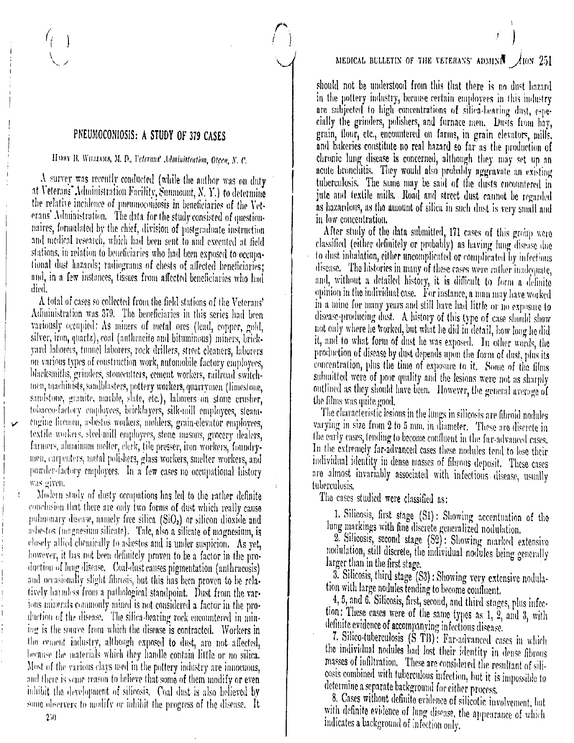
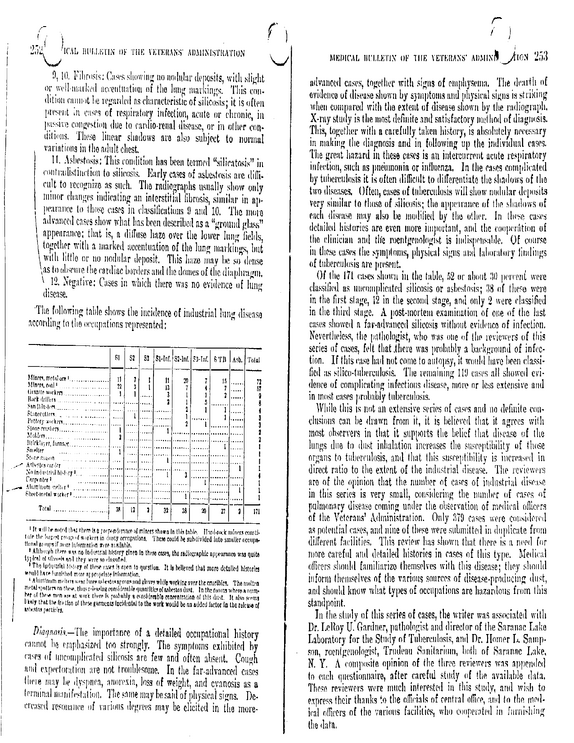
The beneficiaries in this series had been variously occupied As miners of metal ores lead copper gold silver iron quartz coal anthracite and bituminous miners brick- yard laborers tunnel laborers rock drillers street cleaners laborers on various types of construction work automobile factory employees blacksmiths grinders stonecutters cement workers railroad switch- slate men machinists sandblasters pottery workers quarrymen limestone sandstone granite marble etc. laborers on stone crusher tobacco factory employees bricklayers mill employees steam- engine firemen asbestos workers molders elevator employees textile workers steel employees stone masons grocery dealers farmers aluminum melter clerk tile presser iron workers foundry- men carpenters metal polishers glass workers smelter workers and powder factory employees In a few cases no occupational history was given Modern study of dusty occupations has led to the rather definite conclusion that there are only two forms of dust which really cause pulmonary disease namely free silica SiO2 or silicon dioxide and asbestos magnesium silicate Tale also a silicate of magnesium is closely allied chemically to asbestos and is under suspicion As yet however it has not been definitely proven to be a factor in the pro- duction of lung disease Coal causes pigmentation anthracosis and occasionally slight fibrosis but this has been proven to be rela- tively harmless from a pathological standpoint Dust from the var- ious minerals commonly mined is not considered a factor in the pro- duction of the disease The bearing rock encountered in min- ing is the source from which the disease is contracted Workers in the cement industry although exposed to dust are not affected Teenuse the materials which they handle contain little or no silica Most of the various clays used in the pottery industry are innocuous and there is some reason to believe that some of them modify or even inhibit the development of silicosis Coal dust is also believed by some observers to modify or inhibit the progress of the disease It 250 \ AION MEDICAL BULLETIN OF THE VETERANS ADMINE 251 _ should not be understood from this that there is no dust hazard in the pottery industry because certain employees in this industry are subjected to high concentrations of bearing dust espe cially the grinders polishers and furnace men Dusts from hay grain flour etc. encountered on farms in grain elevators mills and bakeries constitute no real hazard so far as the production of chronic lung disease is concerned although they may set up an acute bronchitis They would also probably aggravate an existing tuberculosis The same may be said of the dusts encountered in jute and textile mills Road and street dust cannot be regarded as hazardous as the amount of silien in such dust is very small and in low concentration After study of the data submitted 171 cases of this group were classified either definitely or probably as having lung disease due to dust inhalation either uncomplicated or complicated by infectious disease The hist^riesin many of these cases were rather inadequate and without a detailed history it is difficult to form a definite opinion in the individual case For instance a man may have worked in a mine for many years and still have had little or no exposure to producing dust A history of this type of case should show not only where he worked but what he did in detail how long he did it and to what form of dust he was exposed In other words the production of disease by dust depends upon the form of dust plus its concentration plus the time of exposure to it Some of the films submitted were of poor quality and the lesions were not as sharply outlined as they should have been However the general average of the films was quite good The characteristic lesions in the lungs in silicosis are fibroid nodules varying in size from 2 to 5 mm in diameter These are discrete ^fin the early cases tending to become confluent in the advanced cases In the extremely advanced cases these nodules tend to lose their individual identity in denso masses of fibrous deposit These cases are almost invariably associated with infectious disease usually tuberculosis The cases studied were classified as 1.

refid# npoj16K0D0pyMnXRD71m1rpV24 pages
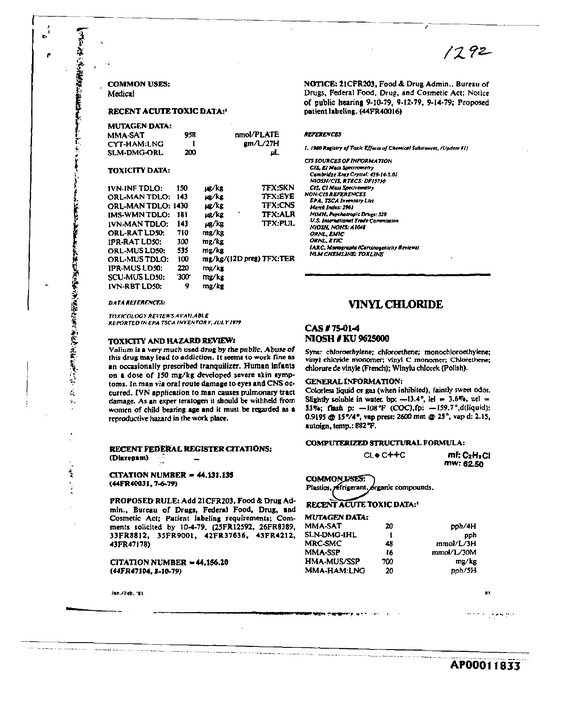
Abuse of this drug may lead to addiction.
refid# zdpp1ezZG8kQkz9NmJMd1br1a3 pages
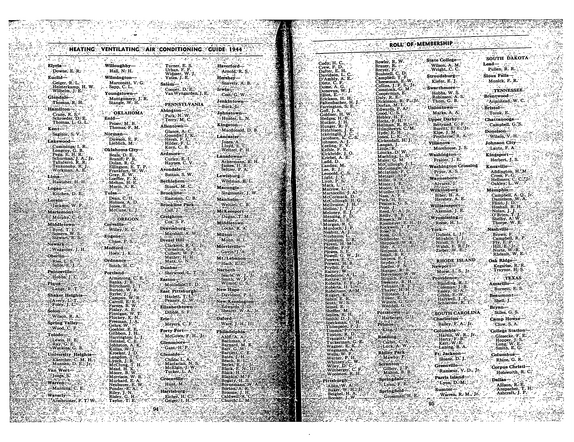
., 1061 Williams Oil-O-Matic Heating Corporation, 836 Young Radiator Company, 860 Eagle-Picher Lead Co.,1063 York Ice Machinery Corp., 898 Ehret Magnesia Mfg.
refid# 4vGdBQzd6Ey5qVZ7ya0J8Qo7Q1 page
Recommendations are made that can lead to a reduction of dustiness In the Picker House as well as in the Carding De partment.

refid# ZBm2xBZkLypn3yMgYz4wNRqD08 pages
ISC - vz-.st 2573 17*1 .1714 7 ~ -f IT M Saalttac 7rpr-** Swiu capper ' vu: =fl*lK Cap4.rtt Seaen-lary CeparMa-at leet 'flftlfi* CtpertMnl 71m Oxld# ces*rt*t tie Lead llprat %dd " lUeUu*N* laceM Ctrldeod - Mantel* City Copper Co. - ?


refid# evvgeb0y16qM2Ldn7xorxGeq97 pages
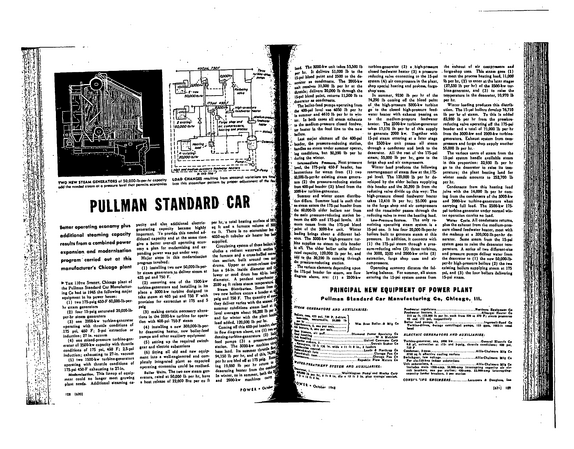
Winter leading brings about a different bal ance.
refid# 4vMdwMY0Qyo4aZ6X4Vdw906yN1 page
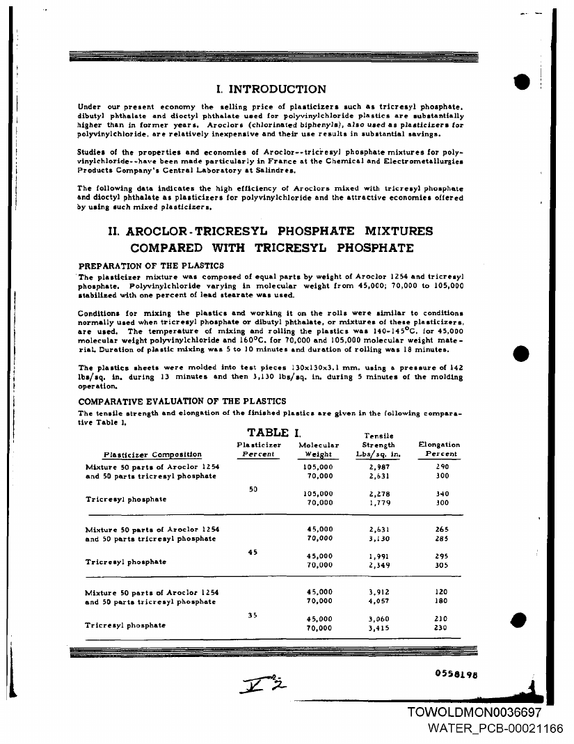
Polyvinylchloride varying in molecular weight from 45,000; 70,000 to 105,000 stabilised with one percent of lead stearate was used.
refid# ByV6Z1aoMwvZMb1ZZx1veq1po8 pages
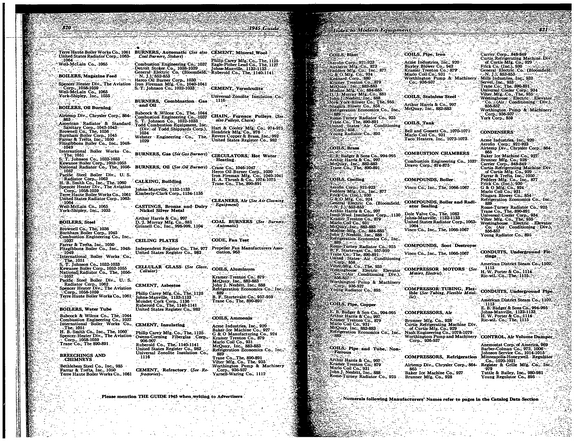
.;:1037 Eagle-Picher Lead GoV, The, 1127 * Detroit Stoker.
refid# 0qjEja2RBdd1aVeZdEG83Ny5M1 page