Refine
Estimated Years 1930-1939Clear
4,625 results foundRefine Search
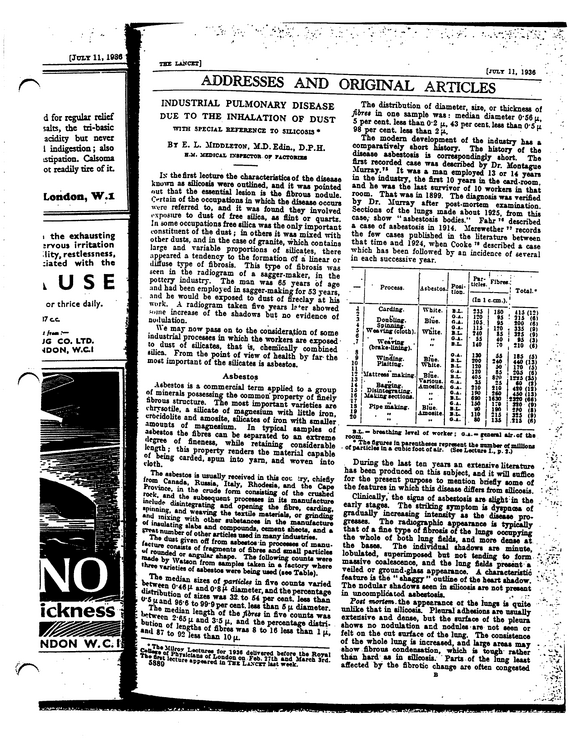
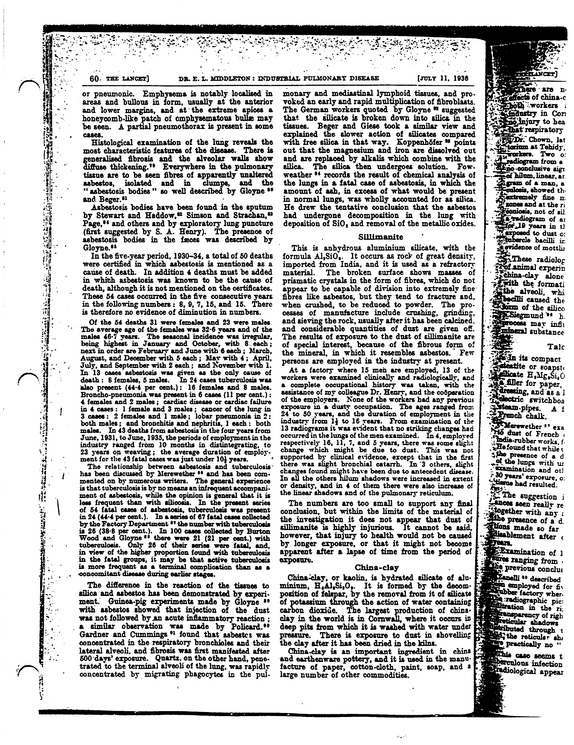
FILE NAME: CERAMICS (CER) DATE: 1936 July DOC#: CER013 DOCUMENT DESCRIPTION: Journal Article - Industrial Pulmonary Disease Due to the Inhalation of Dust [J olt 4, 18 JOLT 11,1836 ierivatives bohydrate ; proteins itic tissues.
refid# b2rvkZEbd735v6eqdymLEK7k8 pages
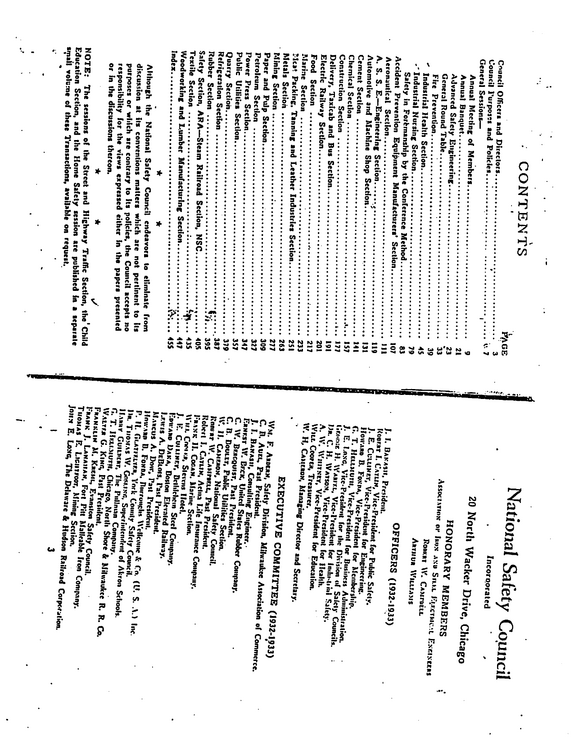
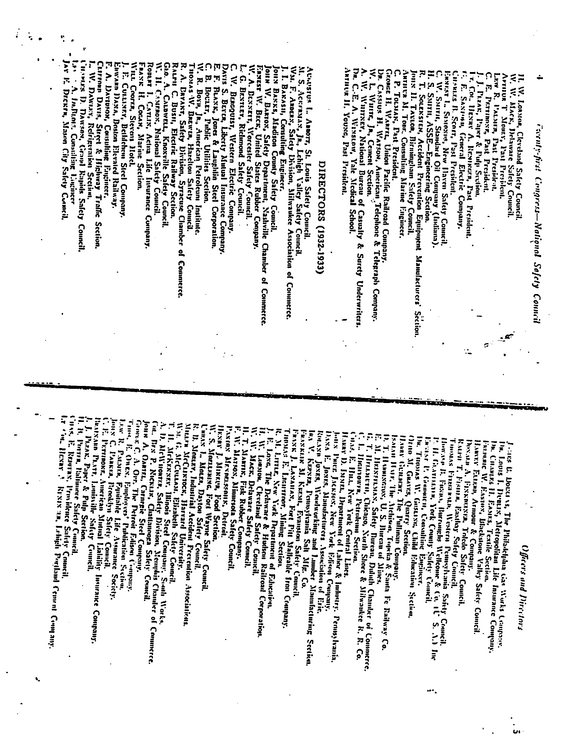
FILE NAME Armco ARM DATE 1932 Oct DOC ARM003 DOCUMENT DESCRIPTION Transactions of the National Safety Council 1932 TRANSACTIONS National Safety | Council Incorporated -- ---- -- ' TWENTY ANNUAL - SAFETY CONGRESS | o meee f es eeeSe Voth ie Si ass 2 th Washington D.
refid# YqoBEo8E9jp6xNzgE04VvDGK34 pages
PLAINTIFF'S EXHIBIT OSC-5 TH E F.
refid# E6GODqKd4kaXNv313ymogJyb25 pages
I r r- X ?
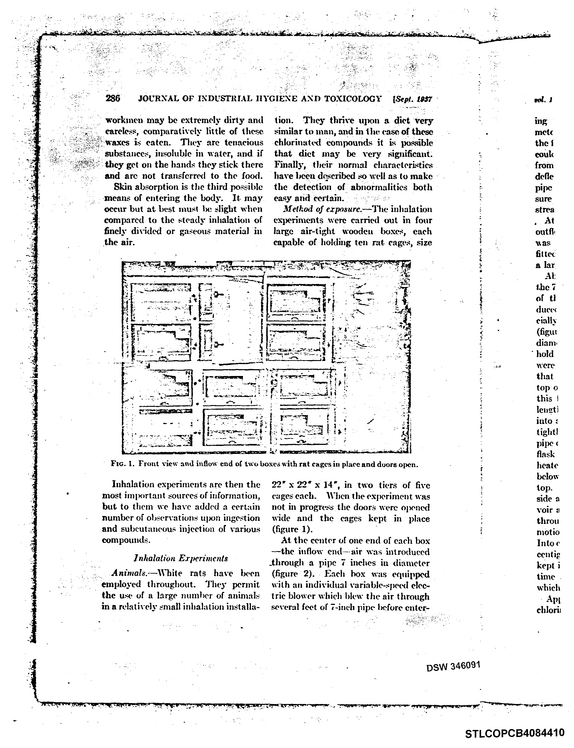
refid# e79w594wg7nvZxM06nJydrg1M29 pages
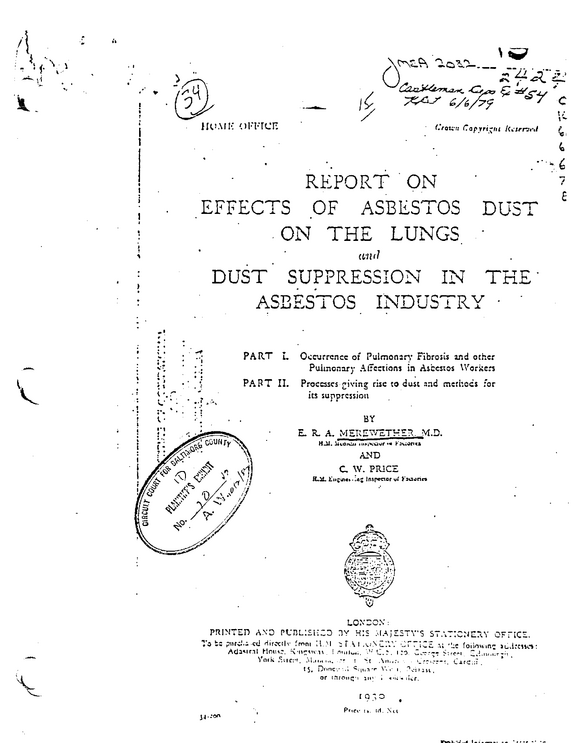
FILE NAME State of the Art Literature SAL DATE 1930 DOC SAL016 DOCUMENT DESCRIPTION Report on Effects of Asbestos Dust on the Lungs and Dust Suppression in the Asbestos Industry \ MEA 2012 ors 424 424 34 | , | HOME OFFICE t I 6/6/79 TAJ 6/6/79 454 C K K K ' Crown Copyright Reserved 6 | | oN - 3 REPORT ON | " EFFECTS OF ASBESTOS DUST -
refid# 6RNvQwy7j6Br2wKg9yo9X0qkR35 pages
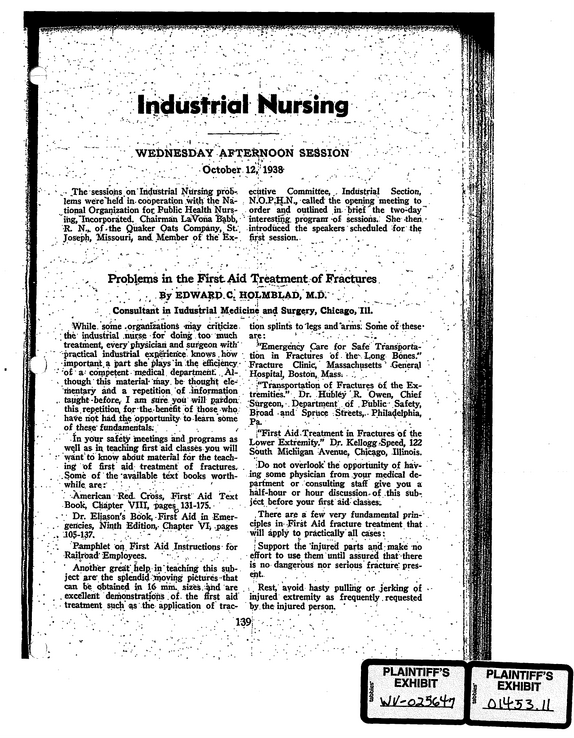
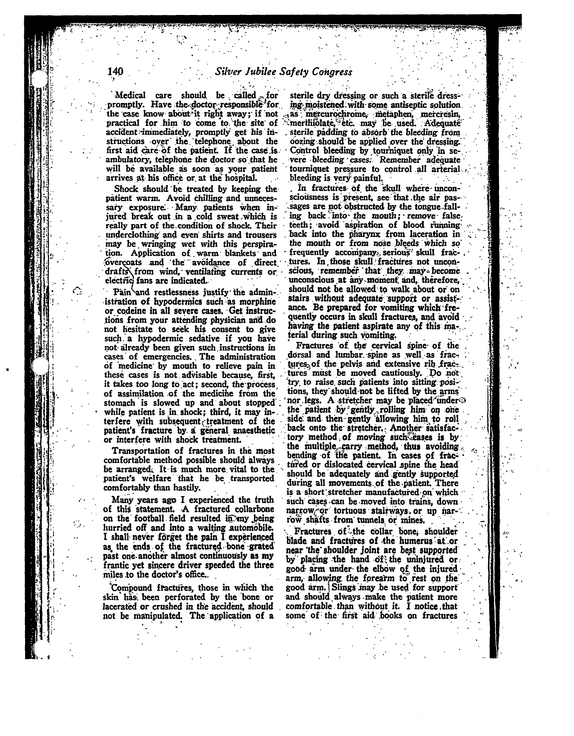
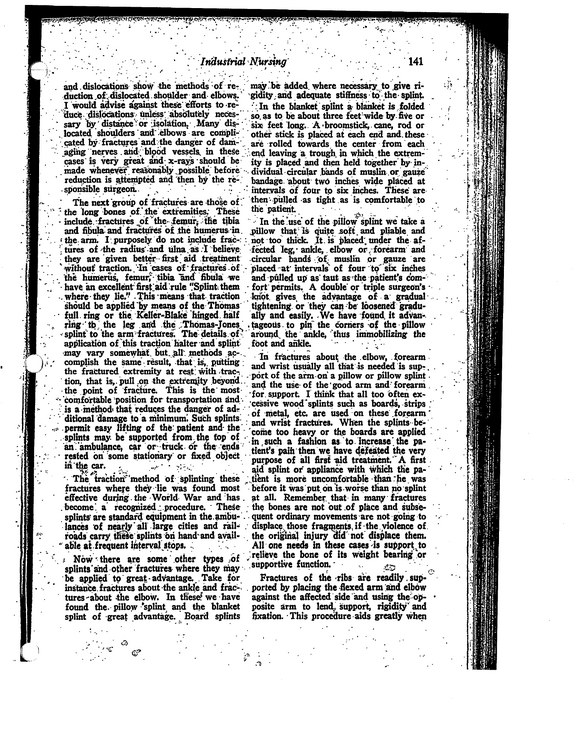
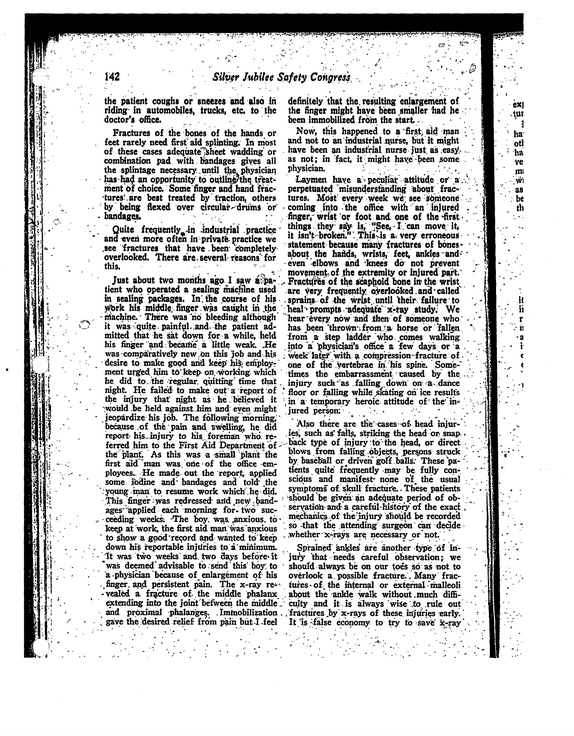
WEDNESDAY AFTERNOON SESSION ; ; October 12,;!
refid# wKDgqRoBkJd1GgmyMNvEpprv624 pages
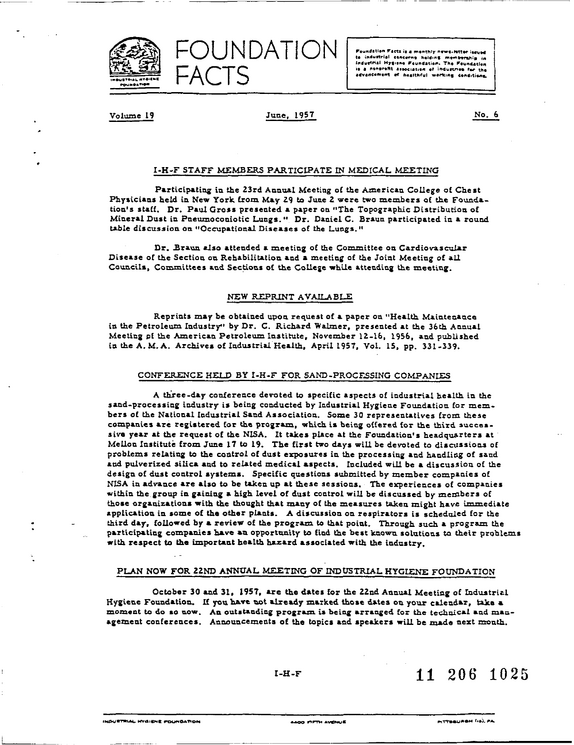
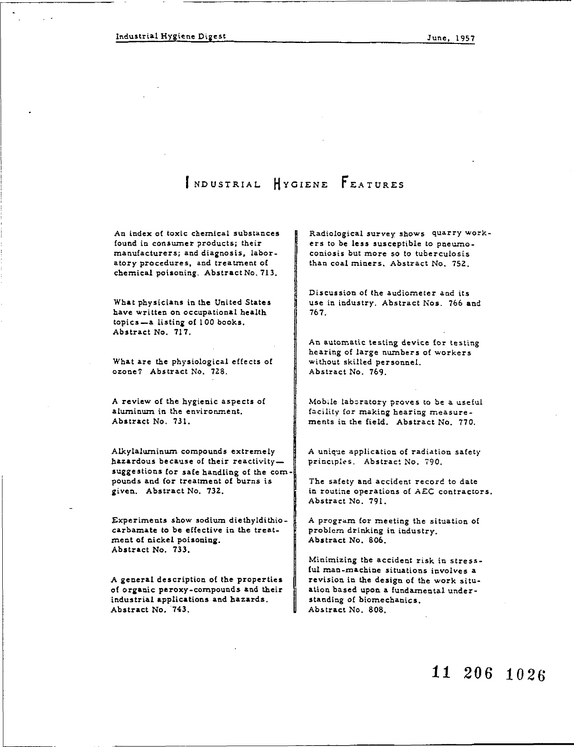
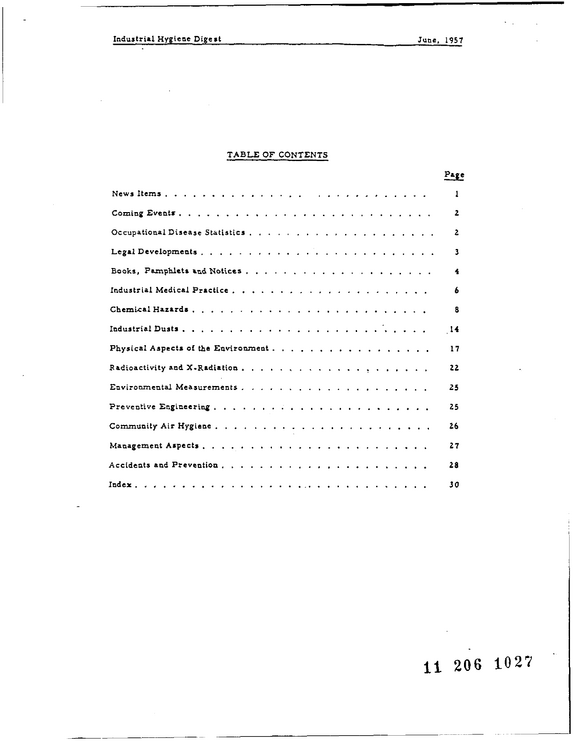
PLAINTIFF'S i EXHIBIT I c/Q.O t. ( Industrial Hygiene Digest INDUSTRIAL HEALTH NEWS LITERATURE ABSTRACTS MEDICAL ENGINEERING CHEMICAL TOXICOLOGICAL LEGAL dni1os4 and traada JUNE. 1937 (VoL 21, No. 6) INDUSTRIAL HYGIENE FOUNDATION MELLON INSTITUTE 4400 TOTH AVXMUX PITTSBURGH IX PA. 11 206 1024 FOUNDATION FACTS Peuntfi'ief* flrti it w*wthir "*'-*** i*v4 t* indMttri#!
refid# zyzonkDZvmQmn9v3obape95a34 pages
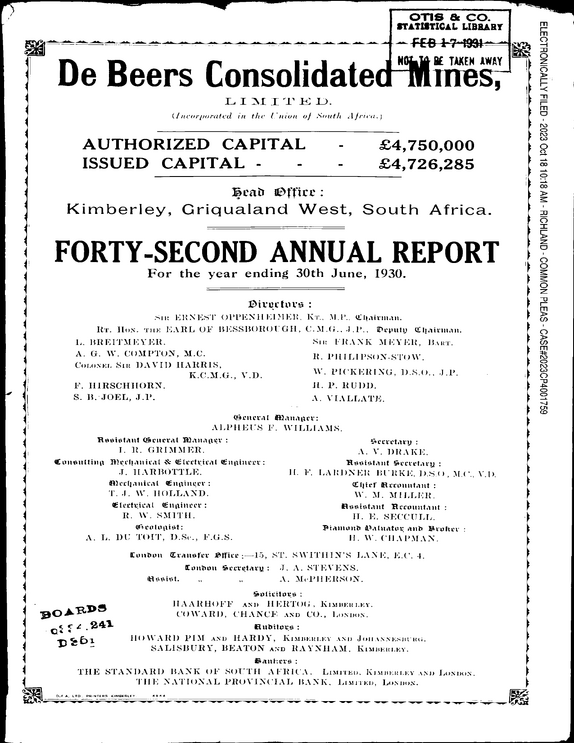
FILE NAME Cape Asbestos CAPE DATE 1930 DOC CAPE105 DOCUMENT DESCRIPTION 42nd Annual Report De Beers Consolidated Mines Ltd.

refid# bOOjj9eV8pNa9rLwe7koK08g645 pages
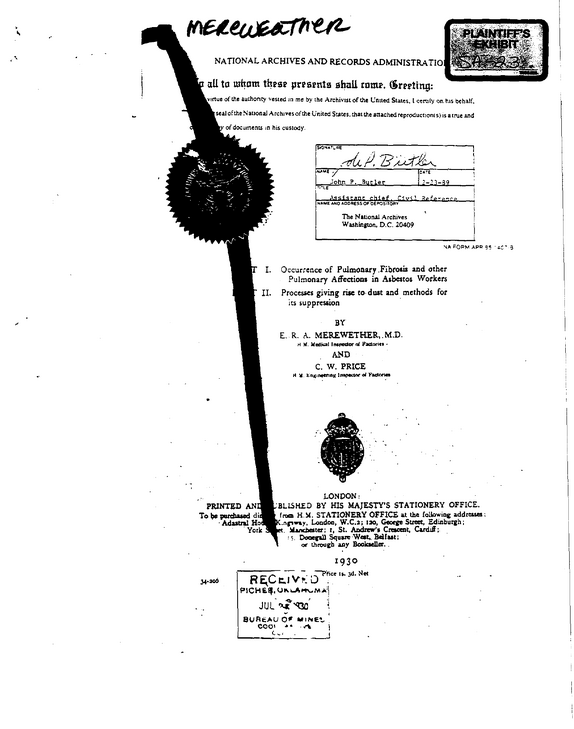
NATIONAL ARCHIVES AND RECORDS ADMINISTRATE all ta whom these presents shall rome.
refid# ZnQgvq4d4YOpvL676X91EGEkd37 pages
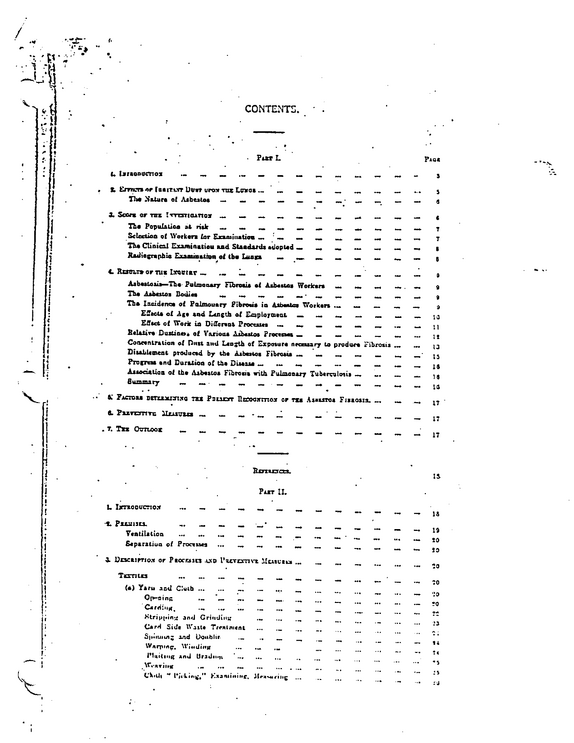
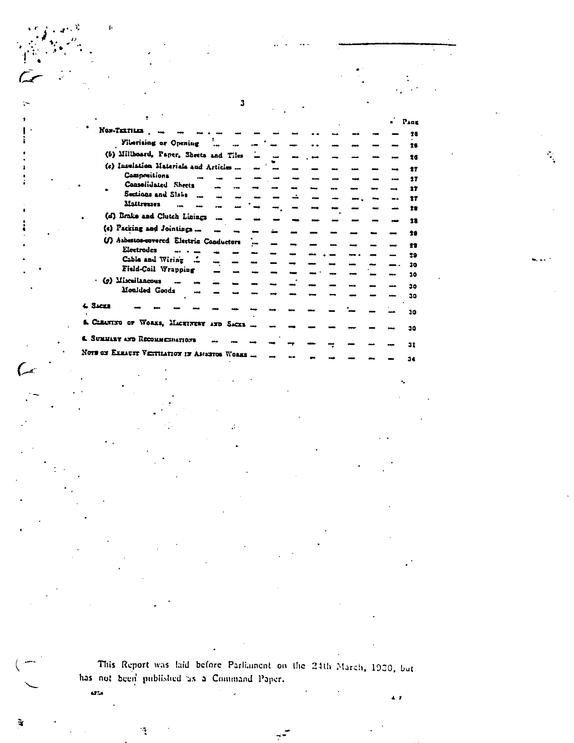
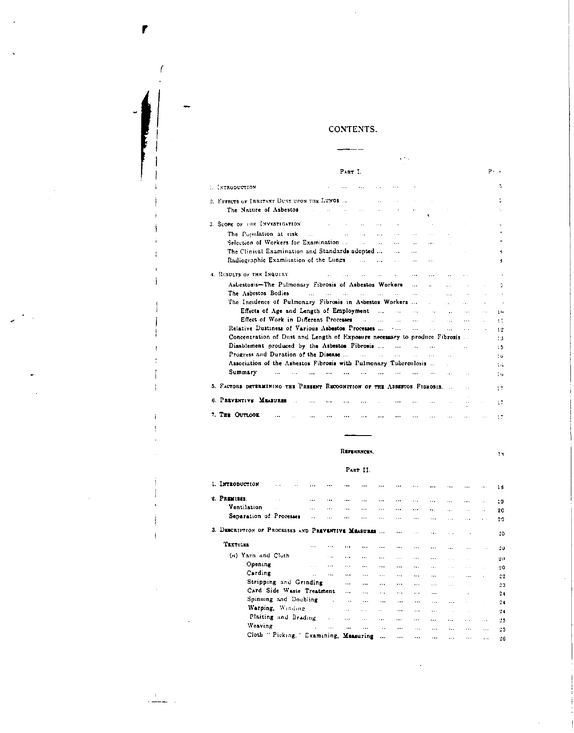
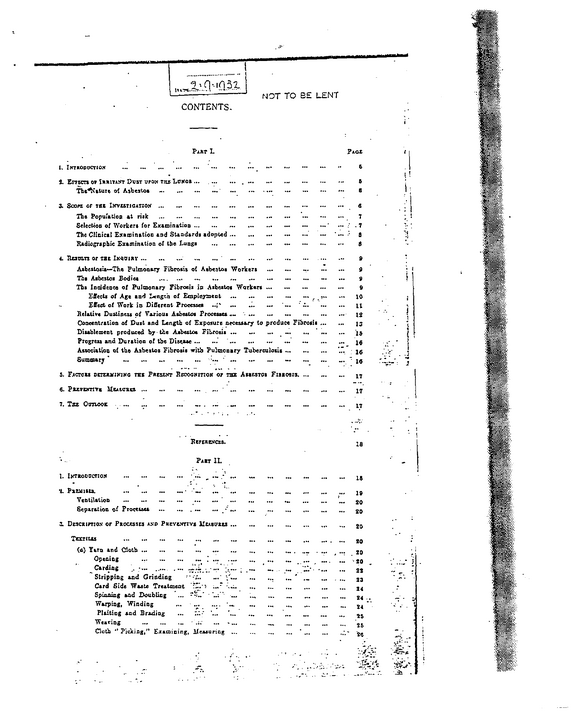
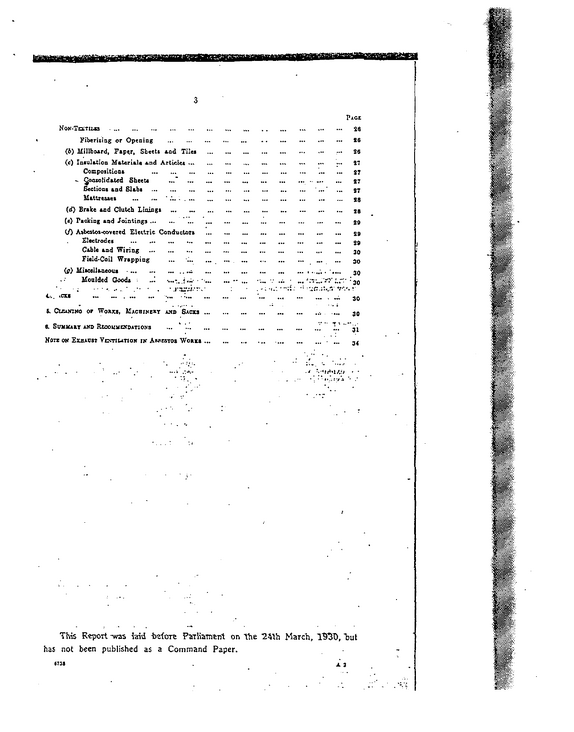
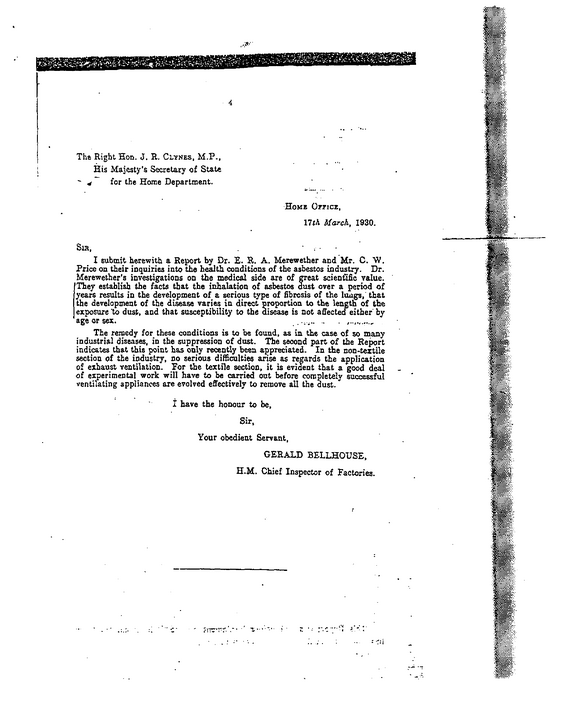
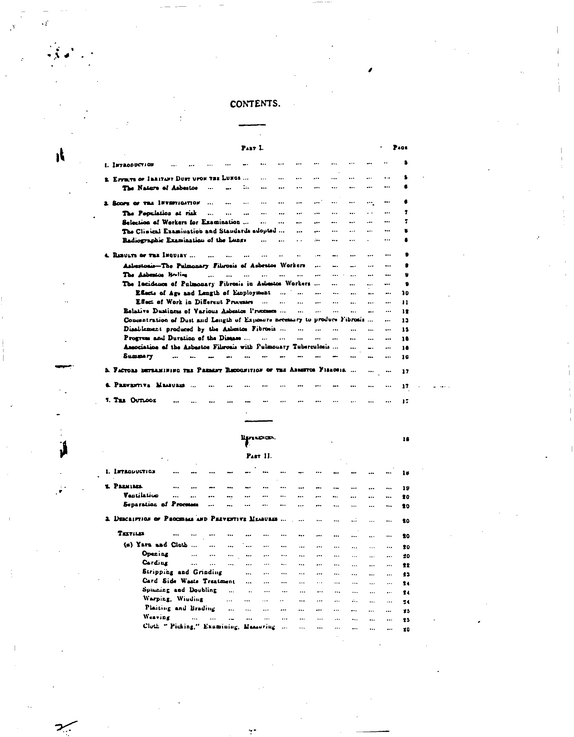
REPORT ON EFFECTS OF ASBESTOS DUST ON THE LUNGS and DUST SUPPRESSION IN THE ASBESTOS INDUSTRY PART I.
refid# rMJazZ442arRBq57O4rbY5zJ42 pages
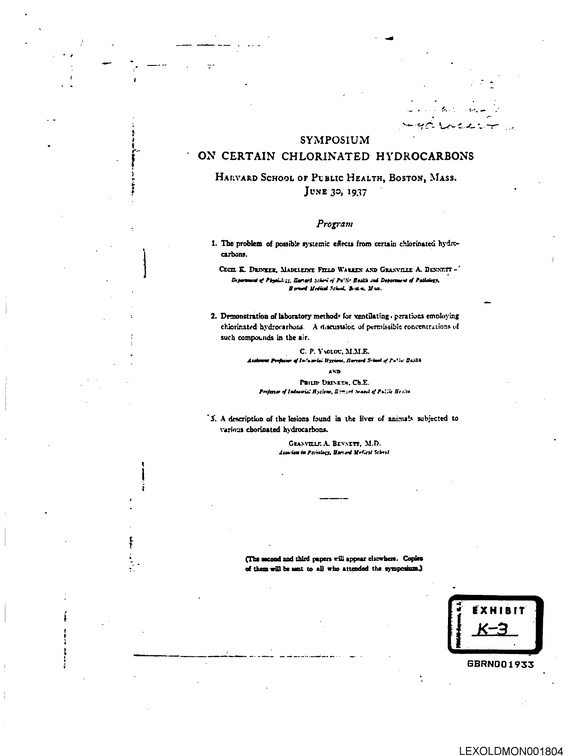
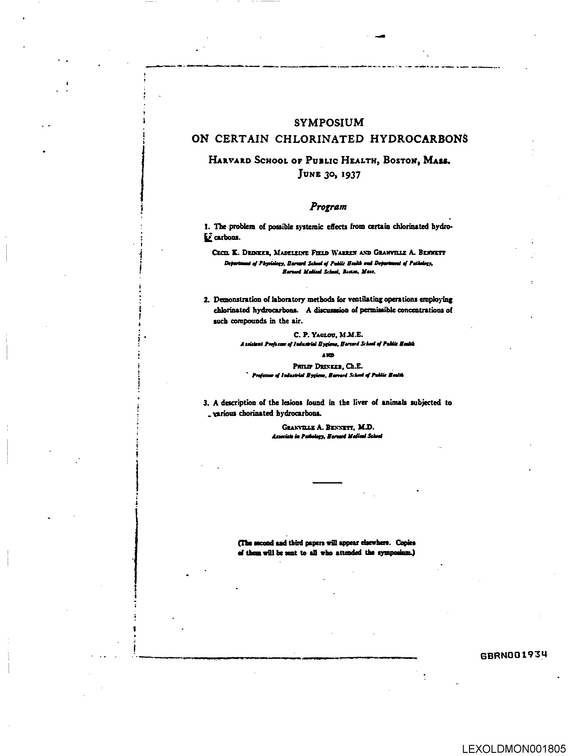
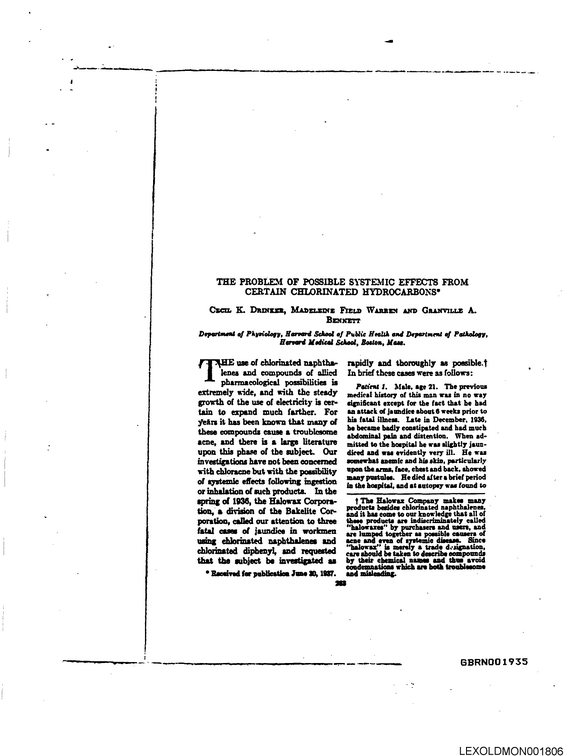
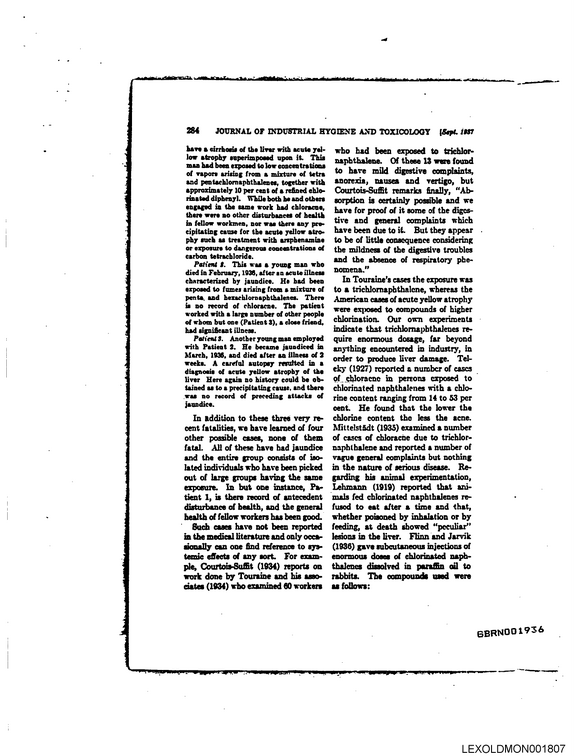
SYMPOSIUM ON CERTAIN CHLORINATED HYDROCARBONS Harvard School or Public Health, Boston, Mass.
refid# 4JJNpNZOYjBdQ7qY2pVX06pqV31 pages
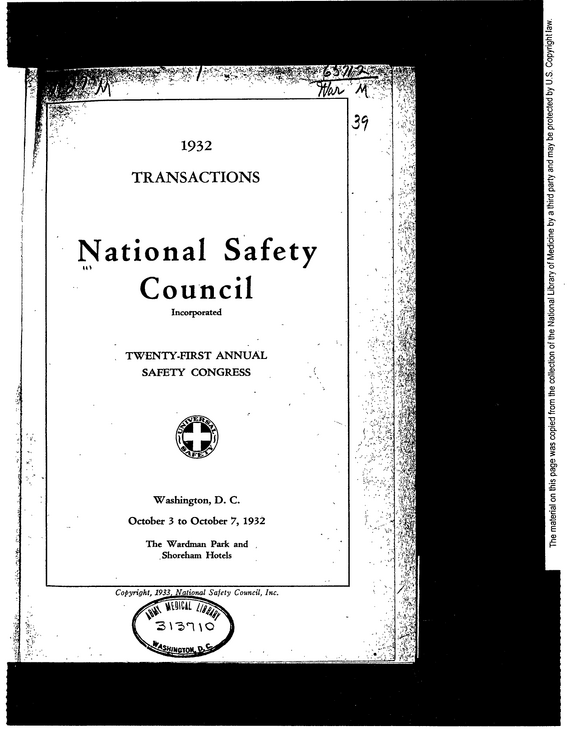
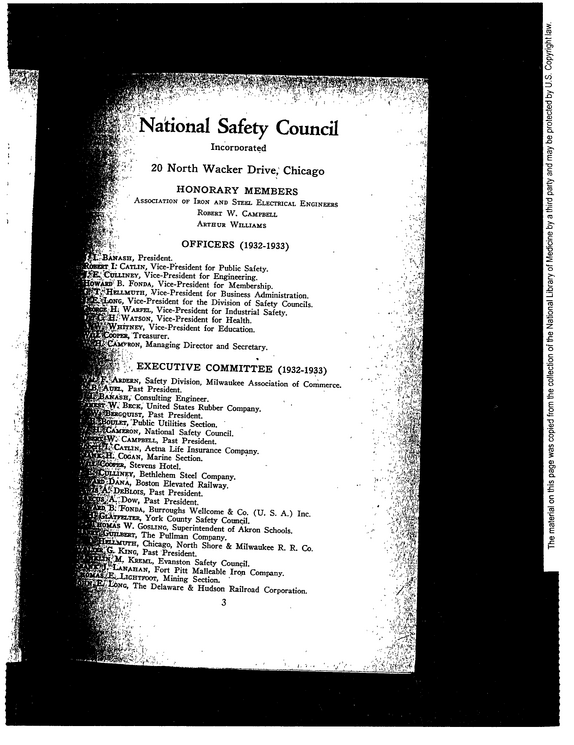
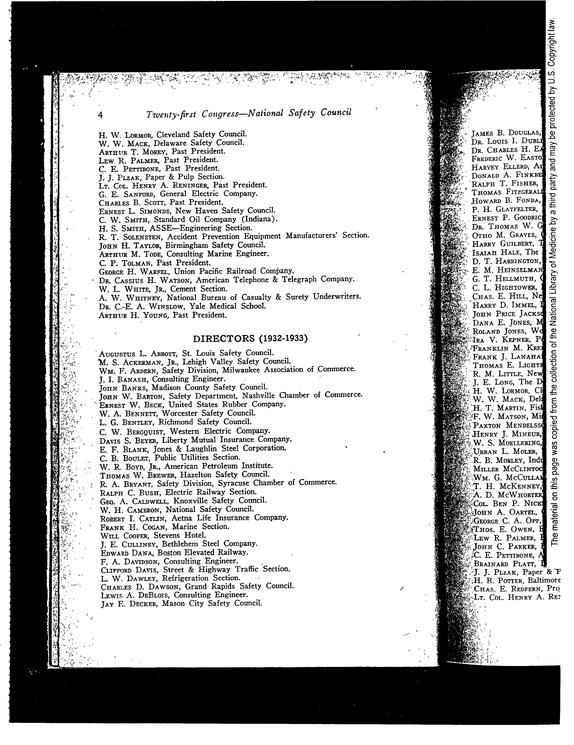
FILE NAME: National Safety Council (NSC) DATE: 1932 Oct DOC#: NSC436 DOCUMENT DESCRIPTION: NSC Transactions - Officer Lists by Section 1932 TRANSACTIONS National Safety Council Incorporated TWENTY-FIRST ANNUAL SAFETY CONGRESS Washington, D.
refid# B5a7Kb062ky3bq09NwE4KXXGw33 pages
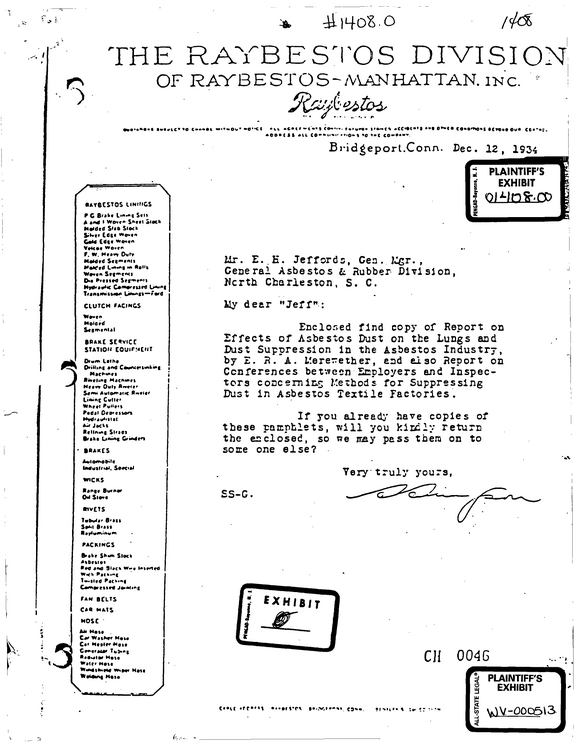
THE RAYBESTOS DIVISION *5 OF RAYBESTOS'/VVANHATTAN. inc. " Iwi^ic* * (!
refid# zo52omkgyBMkkY34w6Kp07pqB36 pages
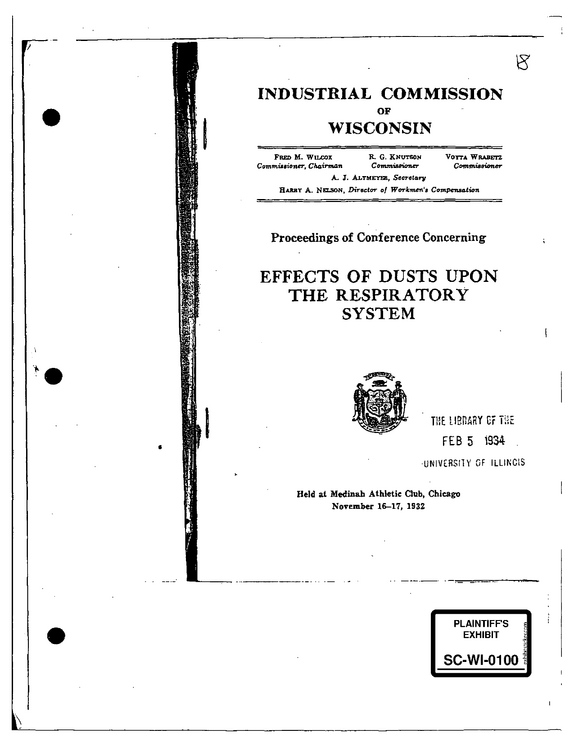
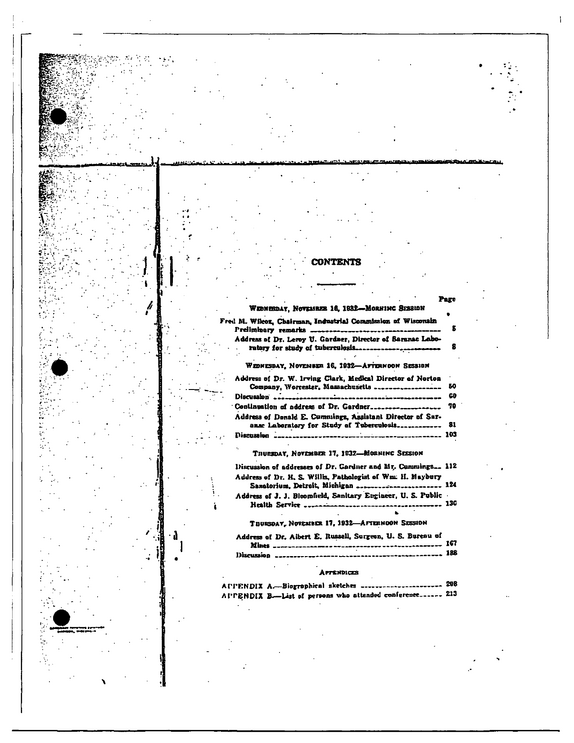
APPENDICES ; ATTENDIX APPENDIX Biographical sketches ~------~-- ----------- List of persons who attended conference 164 as sandstone is also a harmless dosage may be good arithmetical reasoning but may lead one into a serious error My suggestion is that we should determine the permissible limit of dustiness for each individual dust In the interim for those dusts that we do not have any basic data of threshold dosage we can demand from industry that it maintain conditions in the workrooms equal to those already found in the best plants of a similar industry in actual operation I shall now be happy to answer any questions that may have suggested themselves to you during the course of my remarks DR SCHLOMOVITZ Did you make any study of the dust , in the air passing through respirators MR BLOOMFIELD We have conducted studies on positive pressure masks and helmets as used by sandblasters during actual work in a sandblast room but we have not conducted studies in the field nor in the laboratory on the efficiency of respirators Excellent work on respirators has been done by the United States Bureau of Mines and at Professor Philip Drinker's laboratory at the Harvard School of Public Health - DR SCHLOMOVITZ You don't happen to know the size of particles that pass through the mask MR BLOOMFIELD Last month Professor Drinker pre- sented a paper at the National Safety Congress in Washington in which he stated that a careful measurement of the size of dust particles entering and leaving respirators shows a slight but important reduction in average size of the dust particles In fact there are now respirators on the market which on testing by Professor Drinker were found to have efficiencies in excess of 90 per cent against silica dust of a size less than 2 microns So that apparently some respirators do filter out the small particles MR WILCOX Is there any recognized activity among these manufacturers of protective devices respirators and so forth to try to develop something that will give relief MR BLOOMFIELD Very much so The manufacturers of equipment and protective devices are quite active In _ sagemay be good arithone into a serious error i mine the permissible dua dust that we do not have any ve can demand from in- 3 in the workrooms equal st plants of a similar in- r any questions that may u during the course of ake any study of the dust ators nducted studies on pasias used by sandblasters it room but we have not in the laboratory on the ent work on respirators tes Bureau of Mines and oratory at the Harvard happen to know the size mask?
refid# jyxVMkK1Y9gk1VGo0mDK1Dw3O55 pages
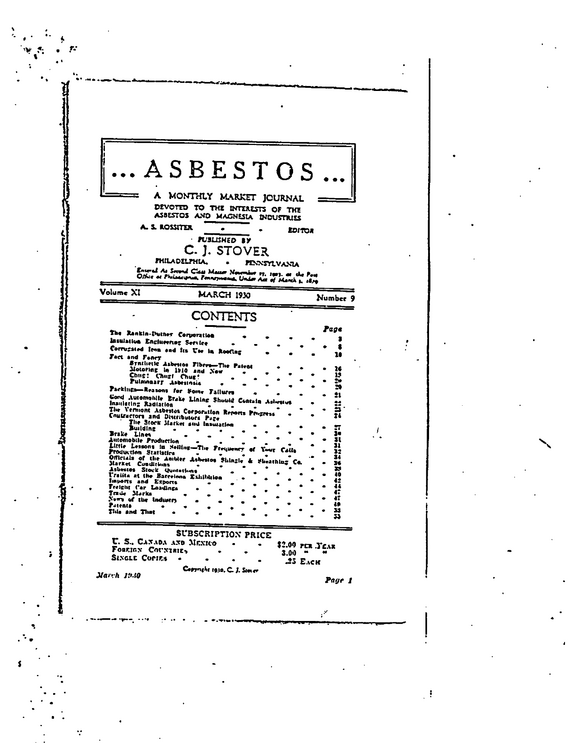
FILE NAME Keene KNE DATE 1930 Mar DOC KNE061 DOCUMENT DESCRIPTION Trade Journal Issue - ASBESTOS A rr .gt . & a: Ps ybituy J hy ry ohs aepn:aa fi, 4 z Kaiig- o Pa -~ 3h = is = & <e Peeeg iWigh if 3!
refid# OzXXgKpEdEDXORyqVVJb7zo9e60 pages