Refine
Estimated Years 1930-1939Clear
8,921 results foundRefine Search
American Society of.
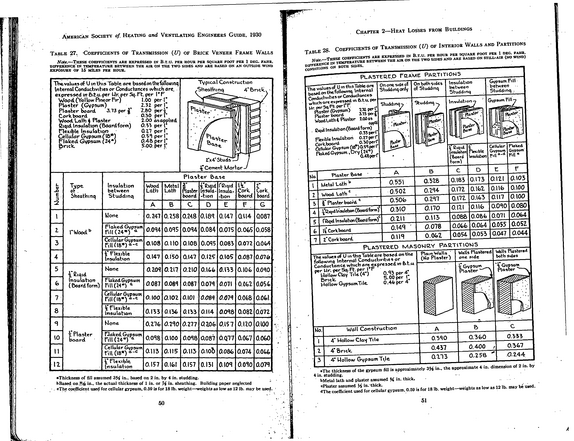
refid# zz307zZ3n3MjaL0QBJ8Gay0161 page
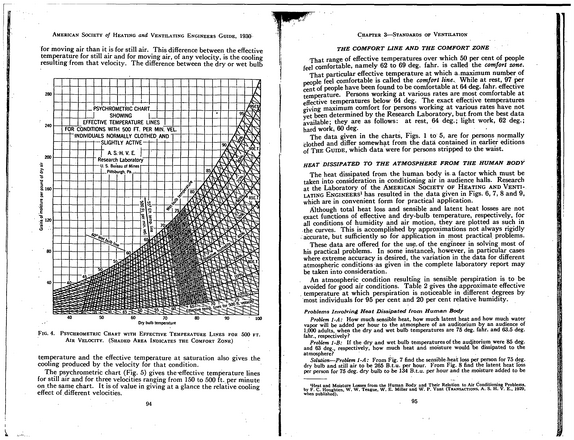
American Society of Heating and Ventilating Engineers Guide, 1930 for moving air than it is for still air.
refid# 3N8OJvrerqV3xjLROzNvKOMKO1 page
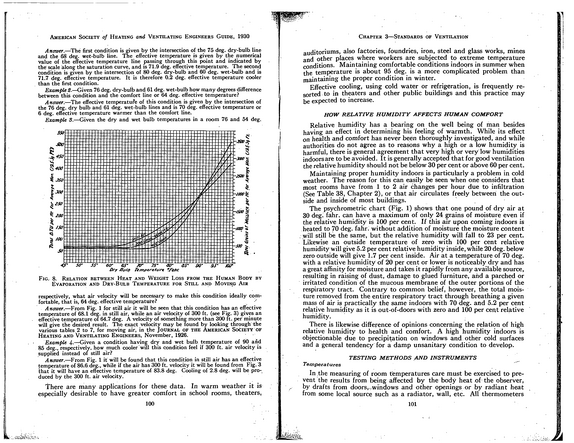
American Society of Heating and Ventilating Engineers Guide, 1930 Answer.
refid# 8v9BjnwJJzDOL6xmN2z386VB1 page
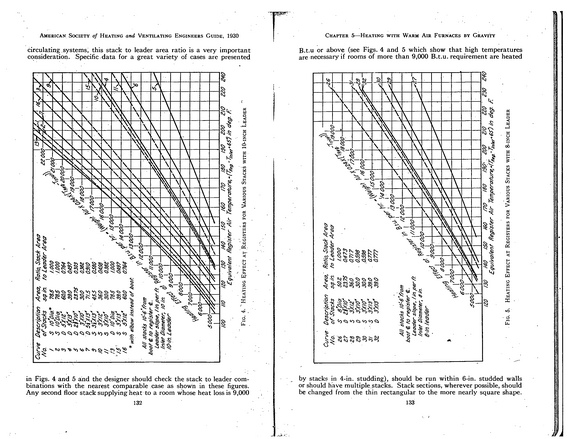
American Society of Heating and Ventilating Engineers Guide, 1930 circulating systems, this stack to leader area ratio is a very important consideration.
refid# N2wxRrx5v4V24axKZmGLMqopw1 page
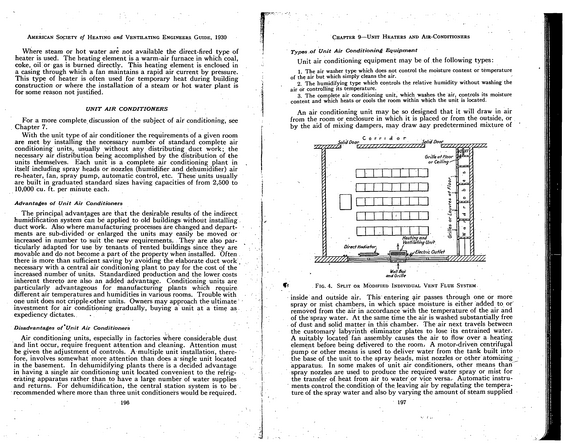
American Society of Heating and Ventilating Engineers Guide, 1930 Where steam or hot water are not available the direct-fired type of heater is used.
refid# gaJmRLLQQ2BXXme8vxOny7xpJ1 page
American Society of Heating and Ventilating Engineers Guide, 1931 heater, and for protecting the surfaces from the corrosive action of h, sulphurous or sulphuric acid formed.
refid# aBdM5JkvNko6Xawj6xvzQ2b3M1 page
American Society of Heating and Ventilating Engineers Guide, 1931 WARD, George C.
refid# je634Jmdgm19m8yZZpQYVK8N1 page
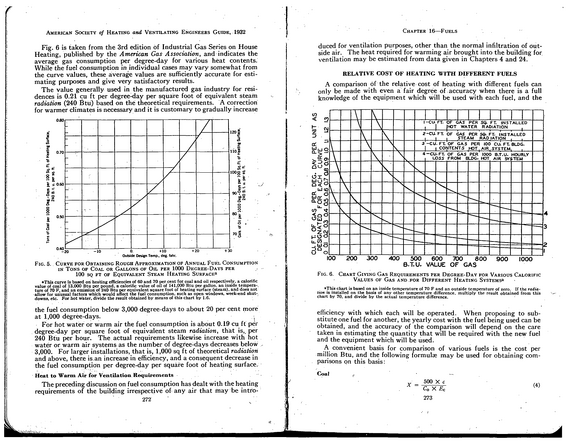
f American Society of Heating and Ventilating Engineers Guide, 1932 Fig. 6 is taken from the 3rd edition of Industrial Gas Series on House Heating, published by the American Gas Association, and indicates the average gas consumption per degree-day for various heat contents.
refid# b5dRokgewBOMdRj7vExkrK0eo1 page
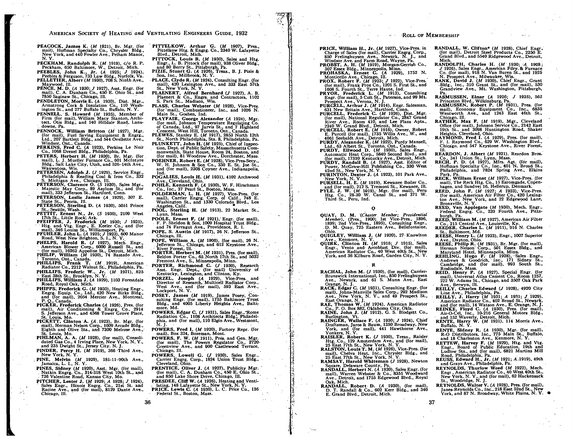
American Society of Heating and Ventilating Engineers Guide, 1932 PEACOCK, James K.
refid# LJD4d22aKmXOOq2mbz2B8EN0z1 page
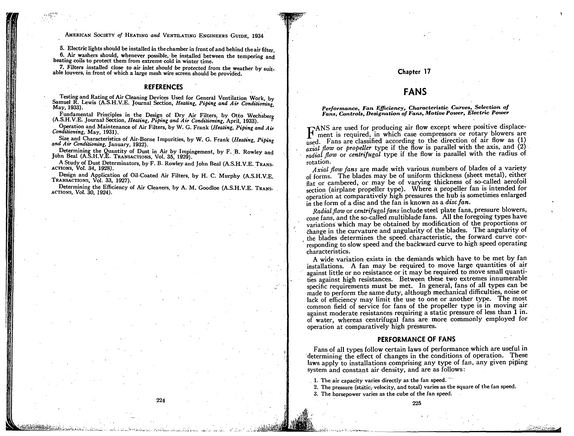
American Society of Heating and Ventilating Engineers Guide, 1934 5.
refid# bawweZGO7x1kYJvDqnQEMpVZ11 page
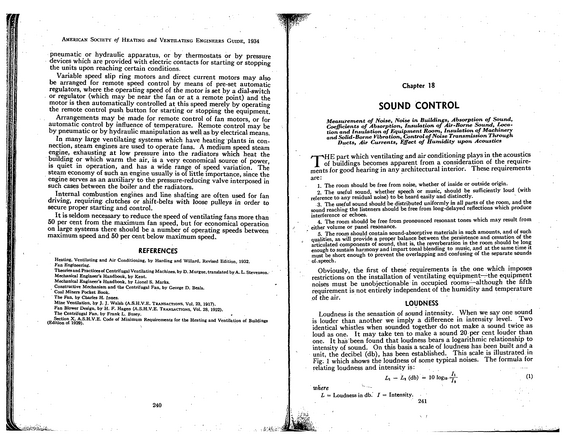
American Society of Heating and Ventilating Engineers Guide, 1934 pneumatic or hydraulic apparatus, or by thermostats or by pressure devices which are provided with electric contacts for starting or stopping the units upon reaching certain conditions.
refid# 0gZKNDokbGpQRLRn9rRdLk4rb1 page
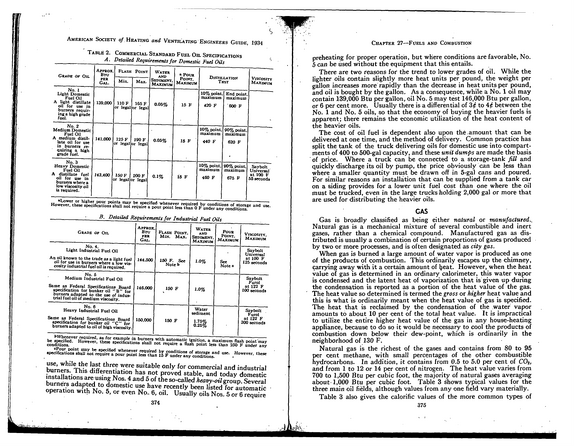
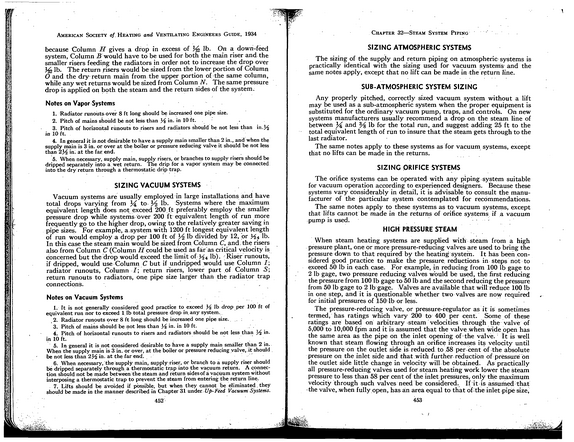
American Society of Heating and Ventilating Engineers Guide, 1934 Table 2.
refid# wDJMypyx9E8J86bzNV1eb236B1 page
American Society of.
refid# 5DR7doKvgkVVrnYLjxB9QzxKJ1 page
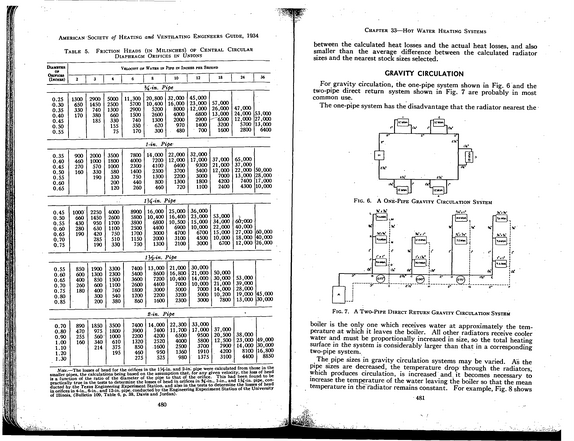
American Society of Heating and Ventilating Engineers Guide, 1934 Table 5.
refid# zQ9K7xXqwoJQZgyGyb7M2GkLg1 page
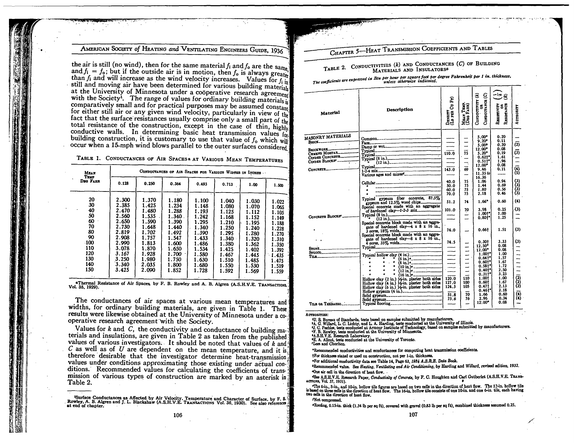
American Society of Heating and Ventilating Engineers Guide, 1935' the air is still (no wind), then for the same material fi and/Q are the same, and/i = /0; but if the outside air is in motion, then fQ is always greats than fi and will increase as the wind velocity increases.
refid# 6b7jx97g8NEYX3qLXDr4e00BE1 page