Refine
Estimated Years 1930-1939Clear
8,921 results foundRefine Search
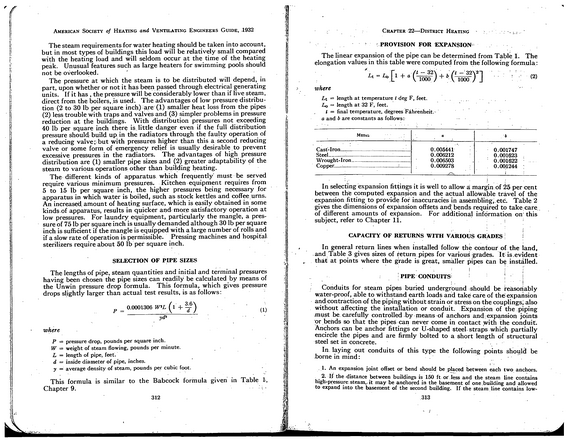
American Society of Heating and Ventilating Engineers Guide, .1932 The steam requirements for water heating should be taken into account, but in most types of buildings this load will be relatively small compared with the heating load and will seldom occur at the time of the heating peak.
refid# 37Qyqvy4QQ6rKqZMgKJ1Q3kR61 page
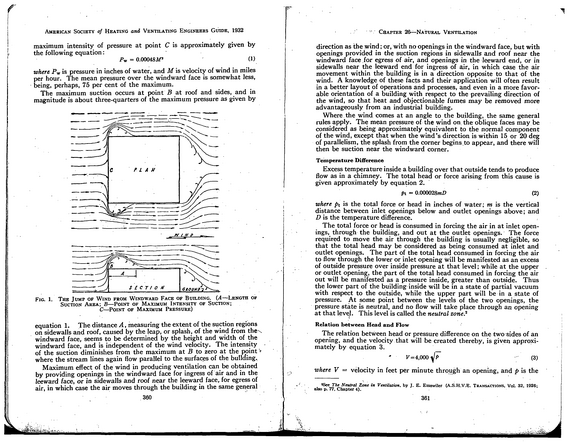
American Society of Heating and Ventilating Engineers Guide, 1932 maximum intensity of pressure at point C is approximately given by the following equation: Pw = 0.00048Af3 (1) where Pw is pressure in inches of water, and M is velocity of wind in miles per hour.
refid# JNmagmQK1Rj229DNk0LDD00MZ1 page
American Society of Heating and Ventilating Engineers Guide, 1932 which process moisture is given off.
refid# QXLVy0Or9O6ZaQeGpN3YgzM6v1 page
American Society of Heating and.Ventilating Engineers Guide, 1932 WARREN, Frederick A.
refid# 93n0dK68xJg9q42DGpZeE6Xo31 page
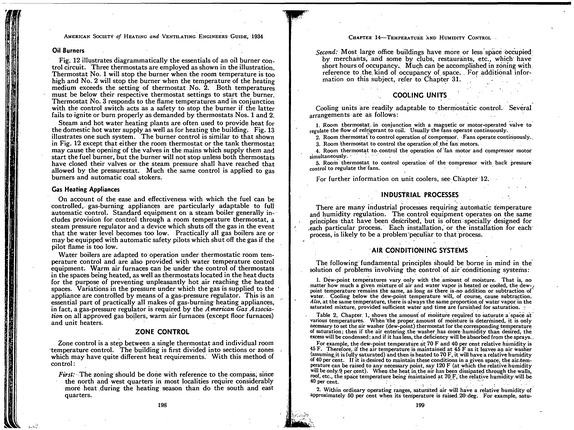
American Society of Heating and Ventilating Engineers Guide, 1934 Oil Burners Fig. 12 illustrates diagrammatically the essentials of an oil burner con trol circuit.
refid# a1LBy1M0Ge5Zv9q64XVn2qeRy1 page
American Society of Heating and Ventilating Engineers Guide, 1934 Thus the two whistles made a noise 10 logI0 2 = 3 db louder than one whistle and the ten whistles 10 log10 10 = 10 db louder than one.
refid# 3Q293qxGDwmzEvKJj4bvz8OxJ1 page
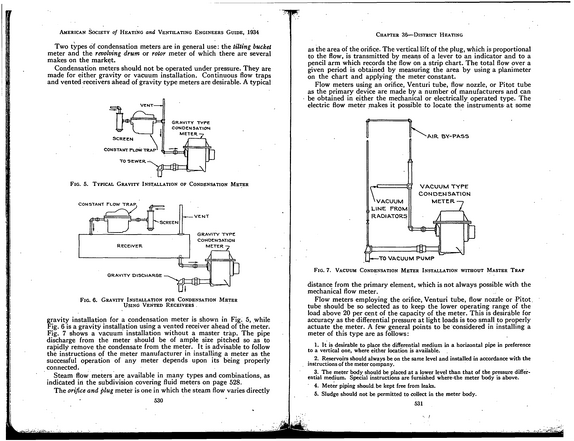
American Society of Heating and Ventilating Engineers Guide, 1934 Two types of condensation meters are in general use: the tilting bucket meter and the revolving drum or rotor meter of which there are several makes on the market.
refid# ppeBR6NKJEgVRDa4kn6qEp7dw1 page
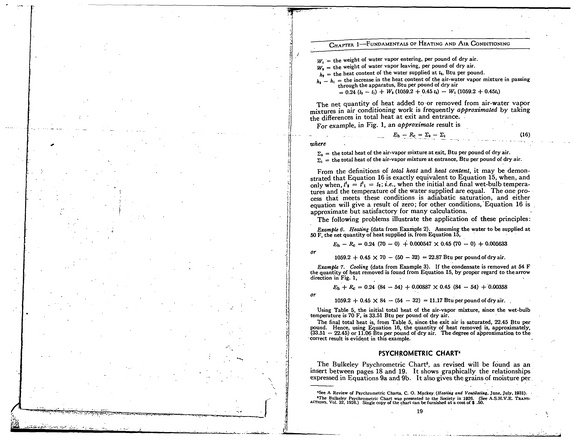
Chapter 1--Fundamentals of Heating and Air Conditioning W, = the weight of water vapor entering, per pound of dry air.
refid# zdBqmZaJyojBe6Vq9O2a3gXbn1 page
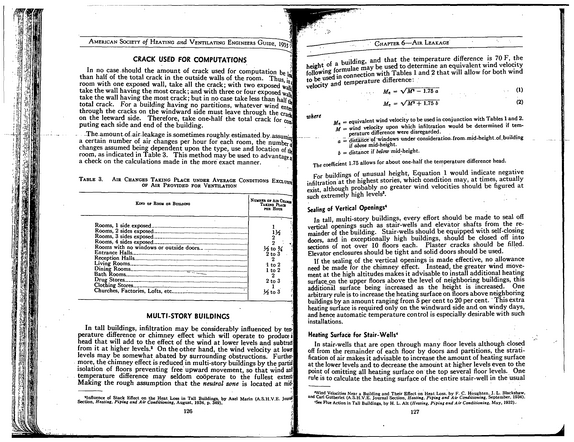
American Society of Heating and Ventilating Engineers Guide, 1935 Chapter 6--Air Leakage CRACK USED FOR COMPUTATIONS In no case, should the amount of crack used for computation be than half of the total crack in the outside walls of the room.
refid# DMMDN5x5vaRe9j6n9oMNEKGQN1 page
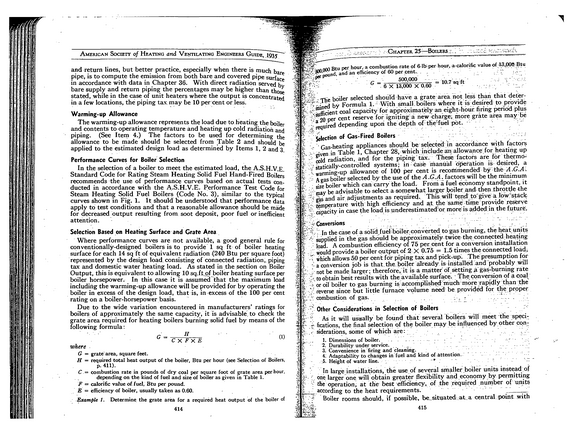
American Society of Heating and Ventilating Engineers Guide, 1935 and return lines, but better practice, especially when there is much ba pipe, is to compute the emission from both bare and covered pipe surface in accordance with data in Chapter 36.
refid# ym5EJ44Z4jKBKp7O9xX1vvdzX1 page
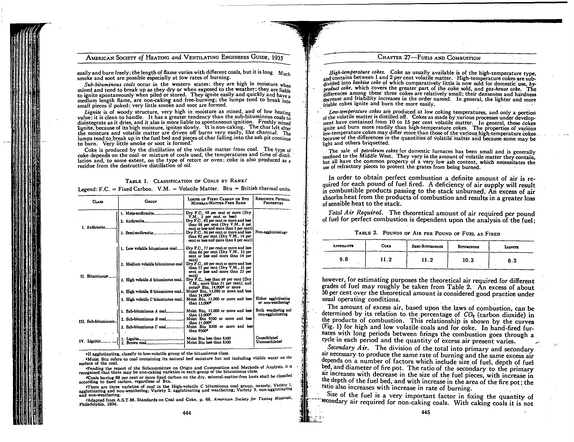
of andAmerican Society Heating Ventilating Engineers Guide, 1935 easily and burn freely; the length of flame varies with different coals, but it is long.
refid# X8zk7Y3BYXemyjbQ2oVd69Mxd1 page
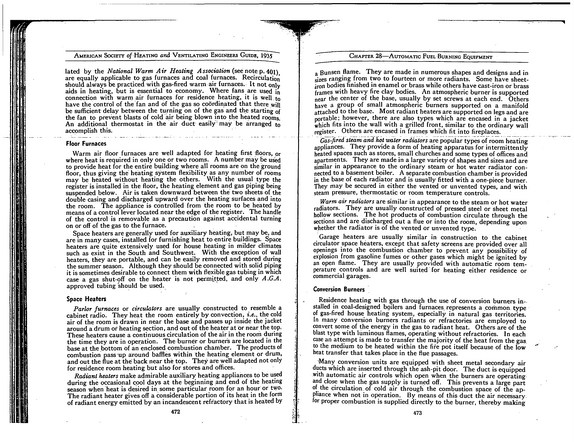
American Society o/ Heating and Ventilating Engineers Guide, 1935 lated by the National Warm Air Heating Association (see note p. 401) are equally applicable to gas furnaces and coal furnaces.
refid# kDaprmM757ZgByVGveRwO29ZD1 page
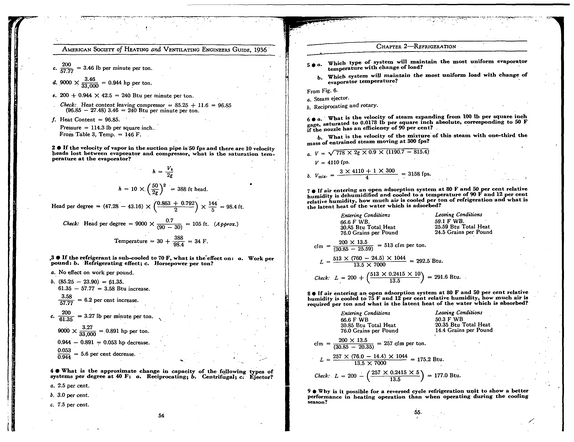
American Society of Heating and Ventilating Engineers Guide, 1936 c. = 3.46 lb per minute per ton. d. 9000 X 33 qqq = 0.944 hp per ton. e. 200 + 0.944 X 42.5 = 240 Btu per minute per ton.
refid# EvwQgnkvxEZVpGXe2vYdrEOpV1 page
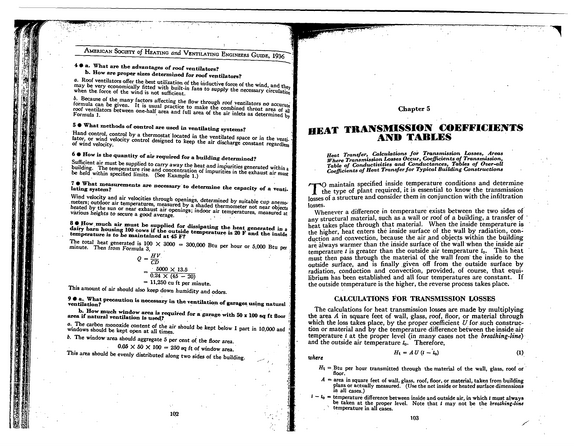
American Society of Heating and Ventilating Engineers Guide, 1936 4 a.
refid# Byw2aveDZjKEq1wxyGOyjLVoE1 page
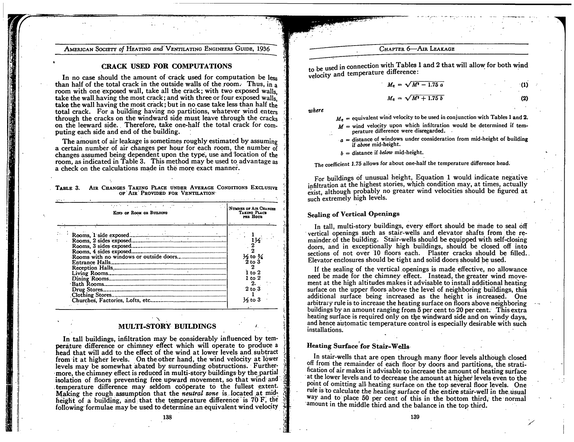
American Society of Heating and' Ventilating Engineers Guide, 1936 CRACK USED FOR COMPUTATIONS In no case should the amount of crack used for computation be less than half of the total crack in the outside walls of the room.
refid# 6Rp0V8eDMMqJ3n3g30Gjyo8361 page