Refine
Estimated Years 1920-1929Clear
2,678 results foundRefine Search
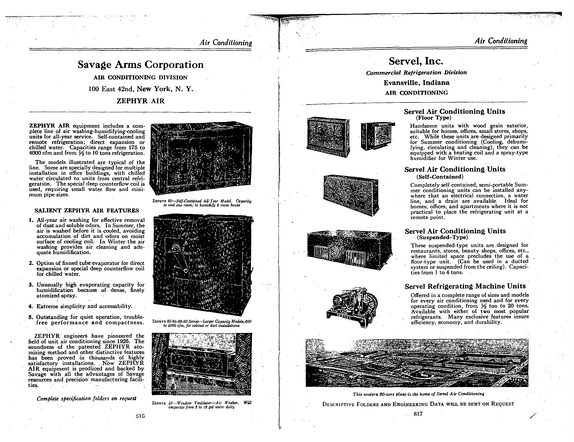
Air Conditioning Savage Arms Corporation AIR CONDITIONING DIVISION 100 East 42nd, New York, N.
refid# OENZR56kp2XXedyK9poYZLrr11 page
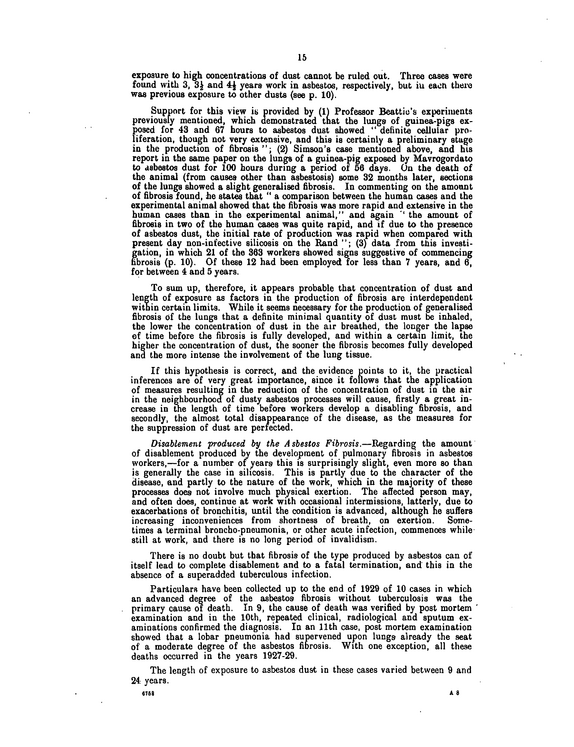
15 exposure to high concentrations of dust cannot be ruled out.
refid# mmdoy4zd2G4Mxap58bOGRNgy01 page
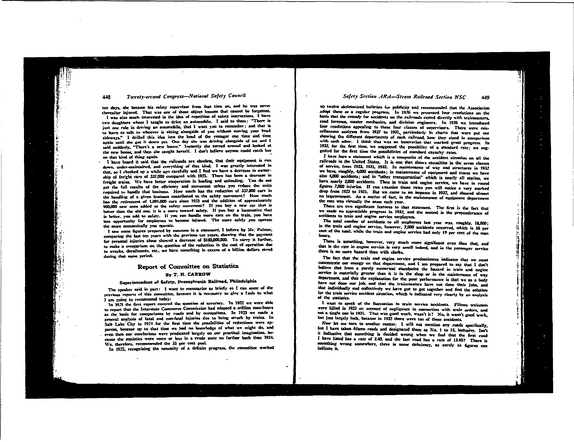
448 Txccnly-sccond Congress--National Safety Council ten days, she became bis safety supervisor from that tim on, and he was never thereafter' crytired.
refid# gaeq3Q7JE01DpZE5qmk9X9w1Q1 page
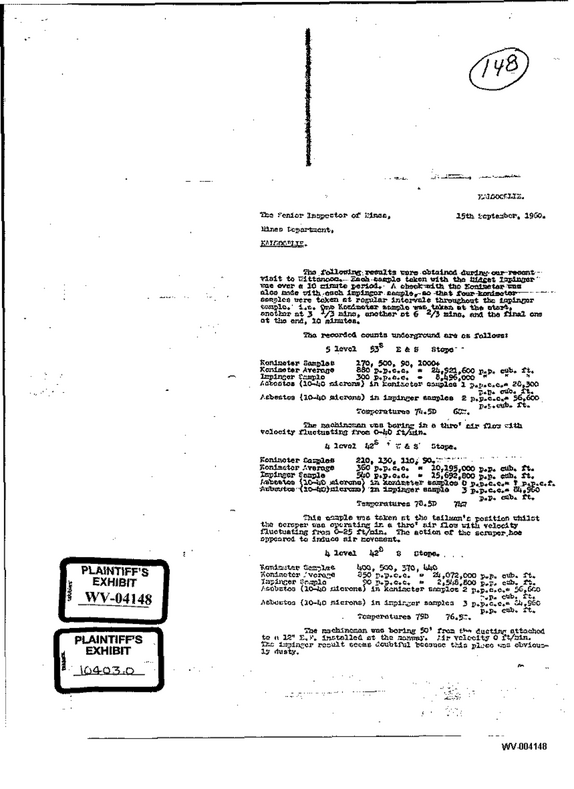
The Senior laapeeter of L'lnoc, ULiuid tcpartsent, smaozus* JVlfiOCfUS. 15th iepte^bcr, 1920.
refid# V3Nez5548J7p6vDk4qKE9bqLw4 pages
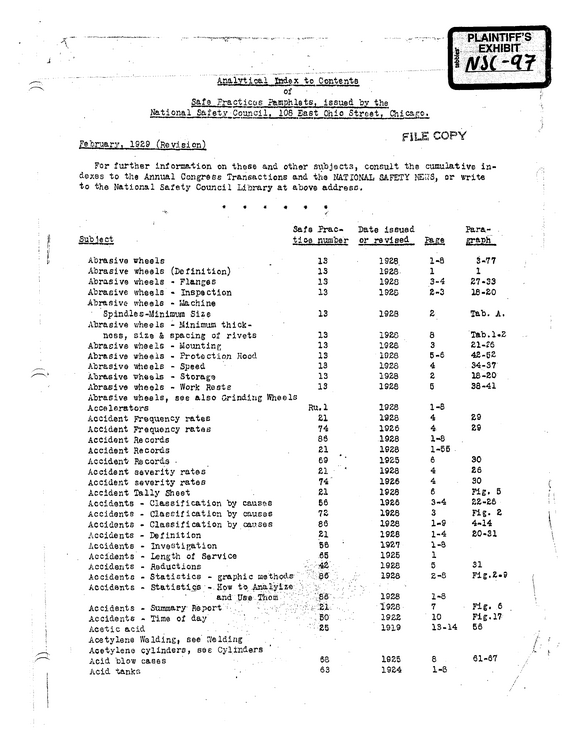
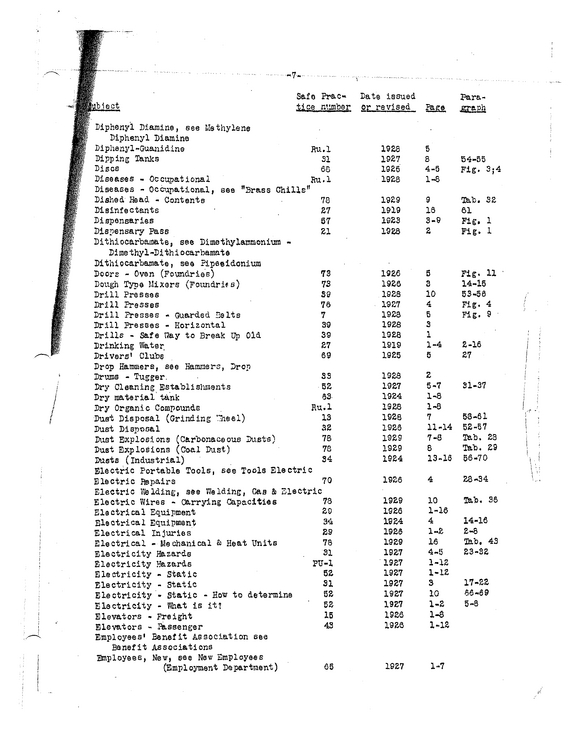
FILE NAME: National Safety Council (NSC) DATE: 1929 Feb DOC#: NSC109 DOCUMENT DESCRIPTION: Analytical Index to Contents of Safe Practices Pamphlets, Issued by the NSC A n a ly tica l Index to Contents of Safe P ra ctice s Pamphlets, Issued, by the N ational S a fe ty Council, 108 East Ohio S tr e e t, Chicago, February, 1929 ('Revision) file copy For fu rth e r inform ation on these and other su b je c ts, consult the cumulative in dexes to the Annual Congress Transactions and the NATIONAL SAFETY NEtiS, or write to the N ational S a fe ty Council Library a t above address.
refid# YrR1bxy9odMjG2X3kMoXweZKy3 pages
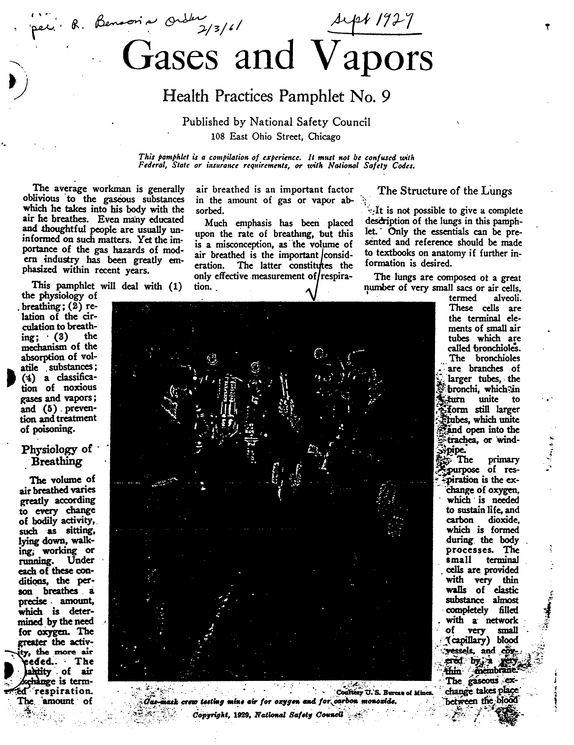
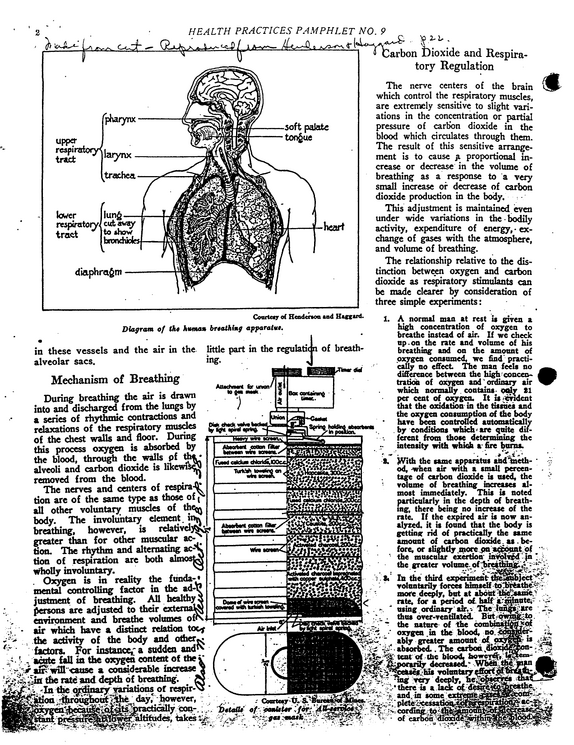
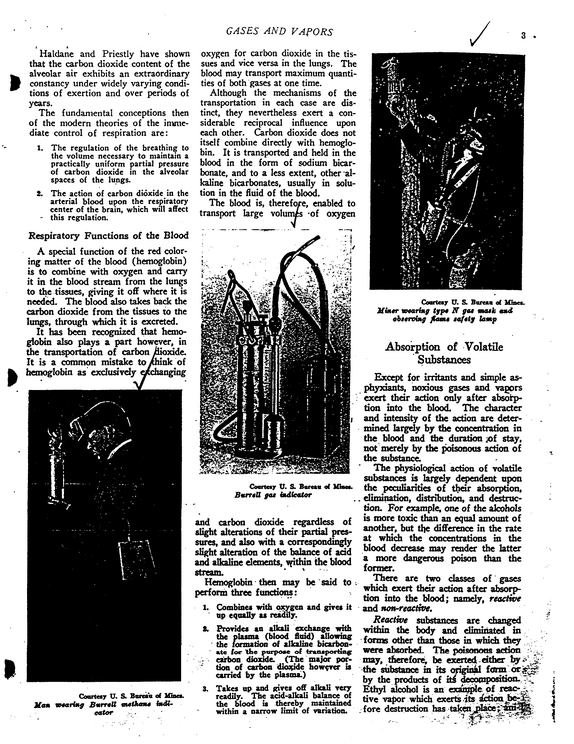
FILE NAME: National Safety Council (NSC) DATE: 1929 Sept DOC#: NSC433 DOCUMENT DESCRIPTION: NSC Health Practices Pamphlet - Gases and Vapors ( ' ' T Gases and Vapors Health Practices Pamphlet N o . 9 Published by National Safety Council 108 East Ohio Street, Chicago This pamphlet is a compilation o f experience.

refid# 0g2Nb73640gveQX9kqvyomEvR12 pages
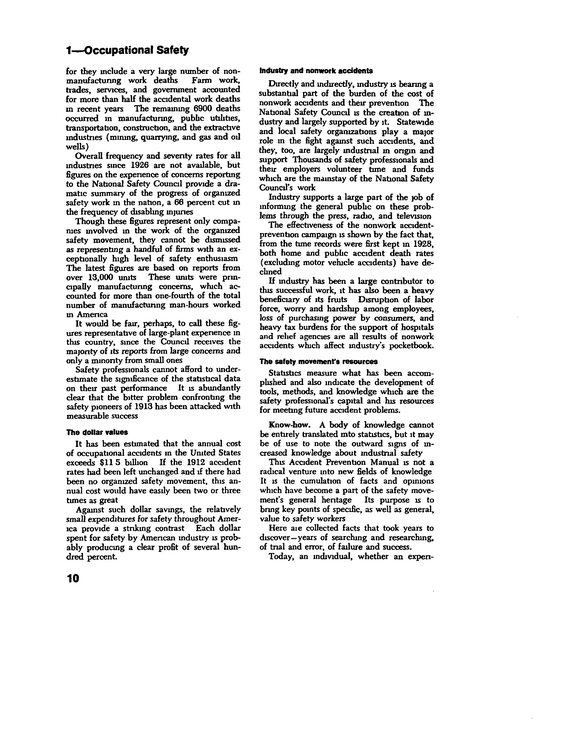
1--Occupational Safety for they include a very large number of nonmanufacturing work deaths Farm work, trades, services, and government accounted for more than half the accidental work deaths in recent years The remaining 6900 deaths occurred in manufacturing, public utilities, transportation, construction, and the extractive industries (mining, quarrying, and gas and oil wells) Overall frequency and seventy rates for all industnes since 1926 are not available, but figures on the experience of concerns reporting to the National Safety Council provide a dra matic summary of the progress of organized safety work in the nation, a 66 percent cut m the frequency of disabling injunes Though these figures represent only compa nies involved in the work of the organized safety movement, they cannot be dismissed as representing a handful of firms with an ex ceptionally high level of safety enthusiasm The latest figures are based on reports from over 13,000 units These units were prin cipally manufacturing concerns, which ac counted for more than one-fourth of the total number of manufacturing man-hours worked in America It would be fair, perhaps, to call these fig ures representative of large-plant experience in this country, since the Council receives the majority of its reports from large concerns and only a minority from small ones Safety professionals cannot afford to under estimate the significance of the statistical data on their past performance It is abundantly dear that the bitter problem confronting the safety pioneers of 1913 has been attacked with measurable success The dollar values It has been estimated that the annual cost of occupational accidents in the United States exceeds $11 5 billion If the 1912 accident rates had been left unchanged and if there had been no organized safety movement, this an nual cost would have easily been two or three times as great Against such dollar savings, the relatively small expenditures for safety throughout Amer ica provide a striking contrast Each dollar spent for safety by American industry is prob ably producing a clear profit of several hun dred percent. 10 Industry and nonwork accidents Directly and indirectly, industry is bearing a substantial part of the burden of the cost of nonwork accidents and their prevention The National Safety Council is the creation of in dustry and largely supported by it.
refid# zzNRLo5eorGMr4xwdydEkNjpm1 page
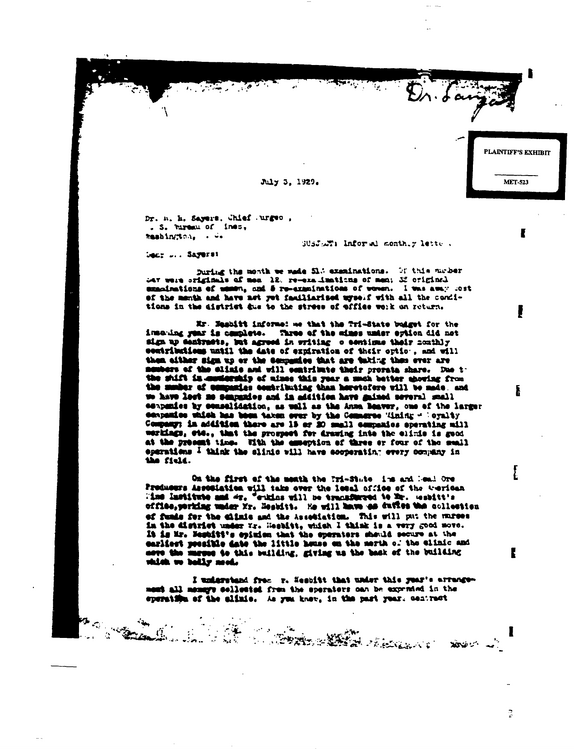
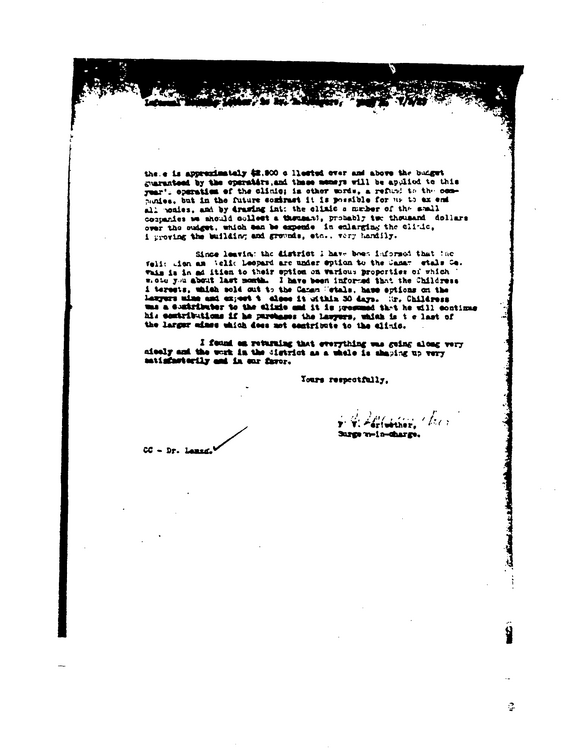
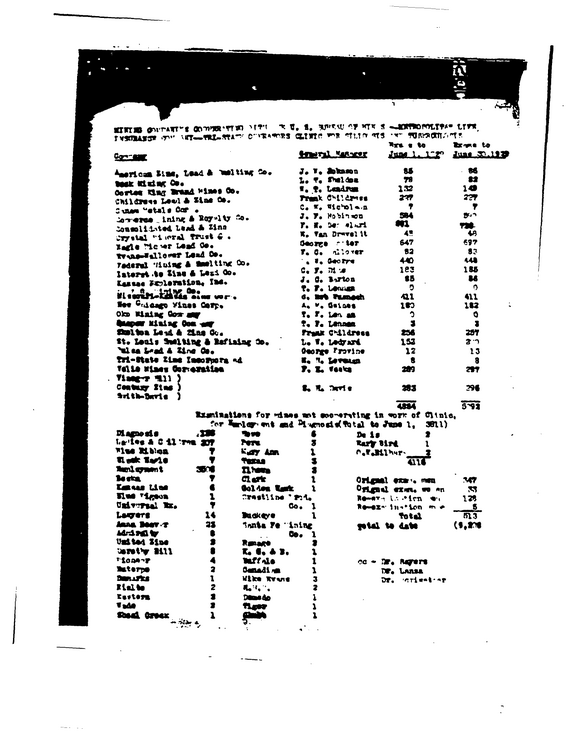
u July 3. 1929.
refid# YVNmm9ezXQen1zLQRLV8M4kE3 pages
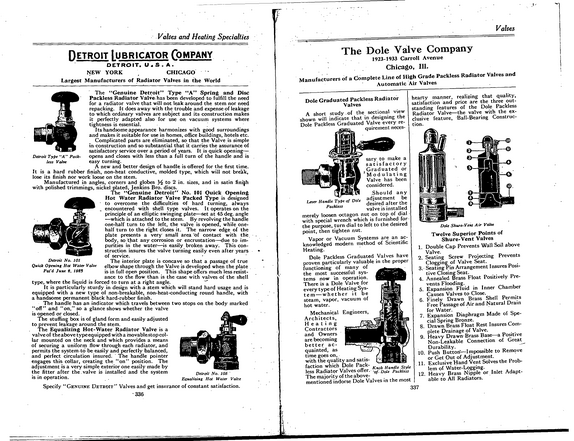
Valdes and Heating Specialties Detroit Iubricator Company DETROIT, Us S .
refid# M4xMDYMD5op77QLyyqGGQLYxa1 page
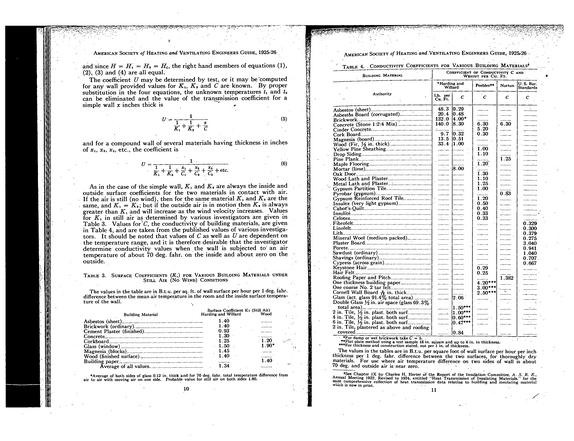
American Society of Heating and Ventilating Engineers Guide, 1925-26; and since H = H, = H, = Hc, the right hand members of equations (1), (2), (3) and (4) are all equal.
refid# yrm9a3XZ9w1rqERq7N6Lxne061 page
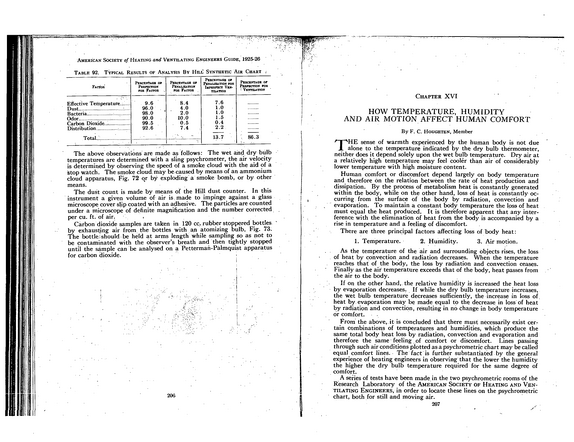
American Society of Heating and Ventilating Engineers Guide, 1925-26 Table 92.
refid# 7MN7qnMwEBZgKjzJ5kXL6RYvV1 page
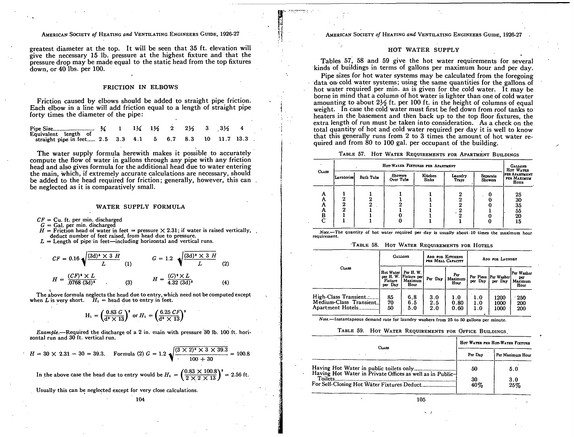
American Society of Heating and Ventilating Engineers Guide, 1926-27 greatest diameter at the top.
refid# 10Ra3pr9BYwXODM1kVG4y82aa1 page
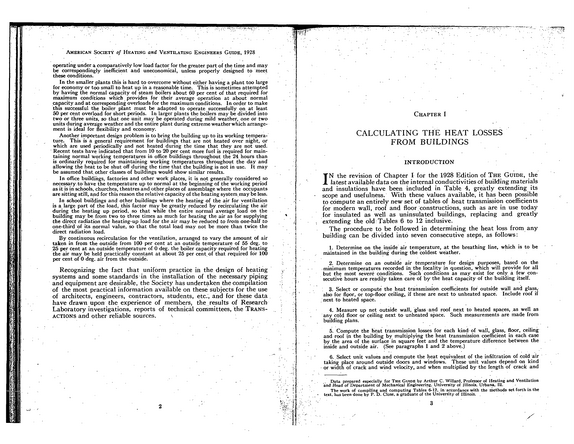
American Society of Heating and Ventilating Engineers Guide, 1928 operating under a comparatively low load factor for the greater part of the time and may be correspondingly inefficient and uneconomical, unless properly designed to meet these conditions.
refid# JB2BLGaQEVkQ8xQazRyrM40O1 page
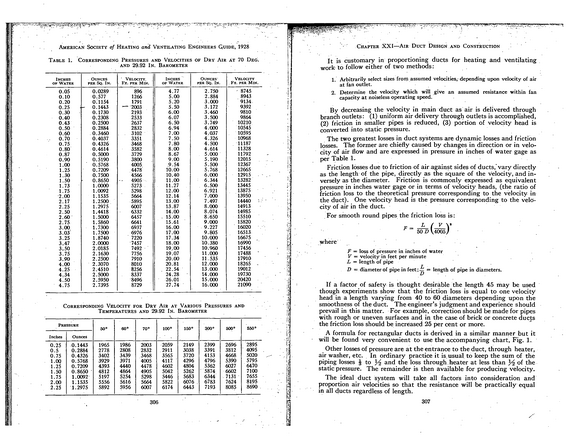
Y-Y-: '[' '7_,Y' 'Y'"^;$ V7-: American Society 0/ Heating and Ventilating Engineers Guide, 1928 Table 1.
refid# X8D3BEXrZyvMjGJg6bZ9L3n5K1 page
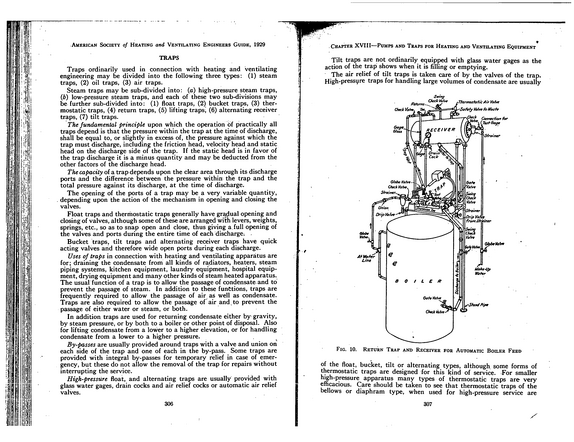
American Society of Heating and Ventilating Engineers Guide, 1929 TRAPS Traps ordinarily used in connection with heating and ventilating engineering may be divided into the following three types: (1) steam traps, (2) oil traps, (3) air traps.
refid# r63Kb0aDa7L0abzBzqz3VKGEr1 page