Refine
Estimated Years 1920-1929Clear
2,678 results foundRefine Search
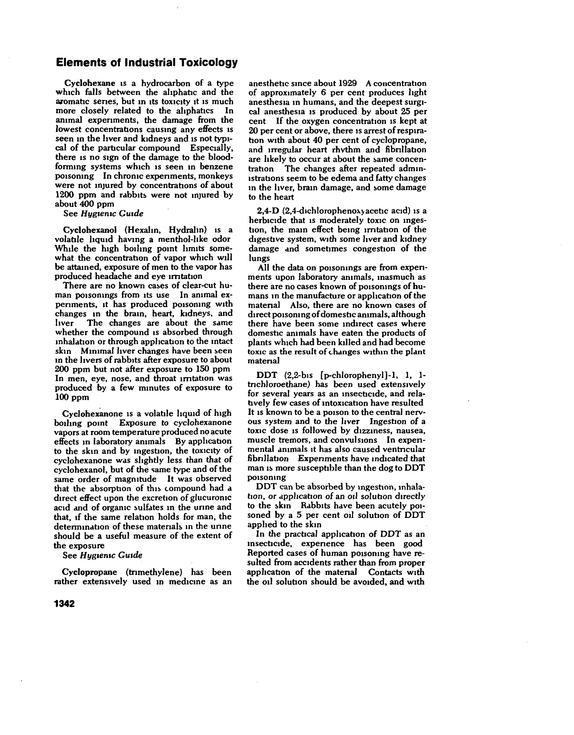
Elements of Industrial Toxicology Cyclohexane is a hydrocarbon of a type which falls between the aliphatic and the aromatic series, but in its toxicity it is much more closely related to the aliphatics In animal experiments, the damage from the lowest concentrations causing any effects is seen in the liver and kidneys and is not typi cal of the particular compound Especially, there is no sign of the damage to the bloodforming systems which is seen in benzene poisoning In chronic expenments, monkeys were not injured by concentrations of about 1200 ppm and rabbits were not injured by about 400 ppm See Hygienic Cutde Cyclohexanol (Hexalin, Hydralin) is a volatile liquid having a menthol-like odor While the high boiling point limits some what the concentration of vapor which will be attained, exposure of men to the vapor has produced headache and eye irritation There are no known cases of clear-cut hu man poisonings from its use In animal ex periments, it has produced poisoning with changes in the brain, heart, kidneys, and liver The changes are about the same whether the compound is absorbed through inhalation or through application to the intact skin Minimal liver changes have been seen in the livers of rabbits after exposure to about 200 ppm but not after exposure to 150 ppm In men, eye, nose, and throat irritation was produced by a few minutes of exposure to 100 ppm Cyclohexanone is a volatile liquid of high boiling point Exposure to cyclohexanone vapors at room temperature produced no acute effects in laboratory animals By application to the skin and by ingestion, the toxicity of cyclohexanone was slightly less than that of cyclohexanol, but of the same type and of the same order of magnitude It was observed that the absorption of this compound had a direct effect upon the excretion of glucuronic acid and of organic sulfates in the urine and that, if the same relation holds for man, the determination of these materials in the unne should be a useful measure of the extent of the exposure See Hygienic Guide Cyclopropane (tnmethylene) has been rather extensively used in medicine as an anesthetic since about 1929 A concentration of approximately 6 per cent produces light anesthesia in humans, and the deepest surgi cal anesthesia is produced by about 25 per cent If the oxygen concentration is kept at 20 per cent or above, there is arrest of respira tion with about 40 per cent of cyclopropane, and irregular heart rhythm and fibrillation are likely to occur at about the same concen tration The changes after repeated admin istrations seem to be edema and fatty changes in the liver, brain damage, and some damage to the heart 2,4-D (2,4-dichlorophenox> acetic acid) is a herbicide that is moderately toxic on inges tion, the mam effect being irritation of the digestive system, with some liver and kidney damage and sometimes congestion of the lungs All the data on poisonings are from expen ments upon laboratory animals, inasmuch as there are no cases known of poisonings of hu mans in the manufacture or application of the matenal Also, there are no known cases of direct poisoning ofdomestic animals, although there have been some indirect cases where domestic animals have eaten the products of plants which had been killed and had become toxic as the result of changes within the plant material DDT (2,2-bis [p-chlorophenyl]-l, 1, 1tnchloroethane) has been used extensively for several years as an insecticide, and rela tively few cases of intoxication have resulted It is known to be a poison to the central nerv ous system and to the liver Ingestion of a toxic dose is followed by dizziness, nausea, muscle tremors, and convulsions In experi mental animals it has also caused ventricular fibrillation Expenments have indicated that man is more susceptible than the dog to DDT poisoning DDT can be absorbed by ingestion, inhala tion, or application of an oil solution directly to the skin Rabbits have been acutely poi soned by a 5 pier cent oil solution of DDT applied to the skin In the practical application of DDT as an insecticide, expenence has been good Reported cases of human poisoning have re sulted from accidents rather than from proper application of the matenal Contacts with the oil solution should be avoided, and with 1342
refid# mpkKDd8jqLvVBGJqZXeVNxXkB1 page
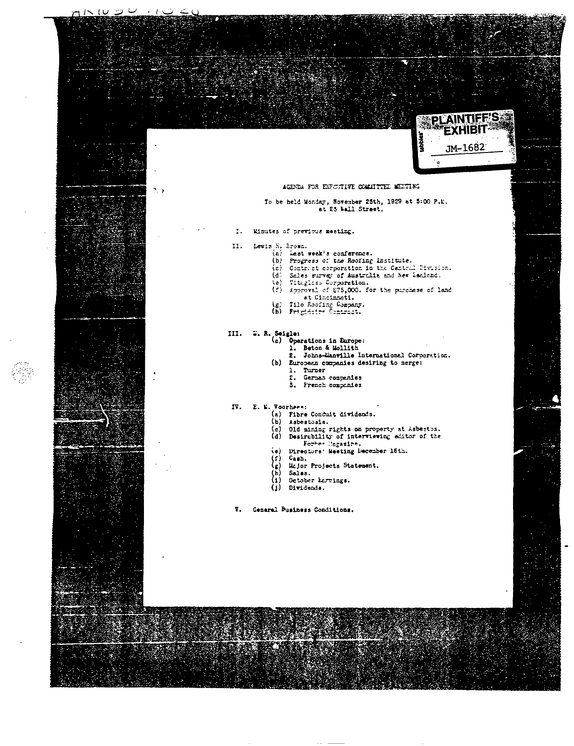
/\ lu Zi ^___`I 1 3M-1682 "\ t ACEMXA FDR VJCJTiTZ CCtfUTTEI ICTTIHG To be held Unr-day* Sove^iber 25th, 1929 at 5:00 P.L, at 25 tall Street.
refid# wrbKKVzvjnxr6Z1oLwxL467gJ2 pages
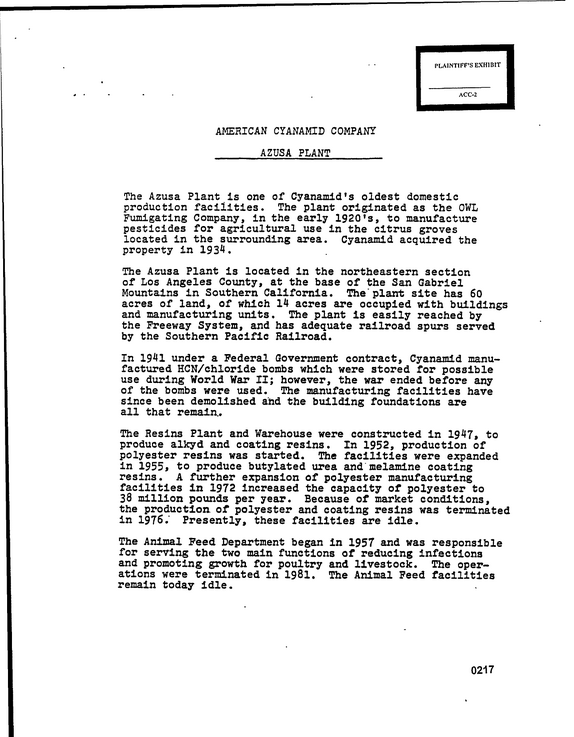
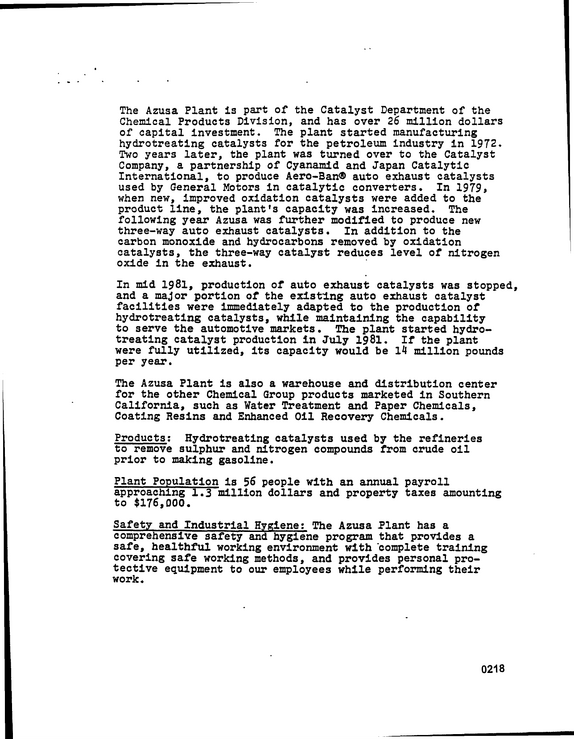
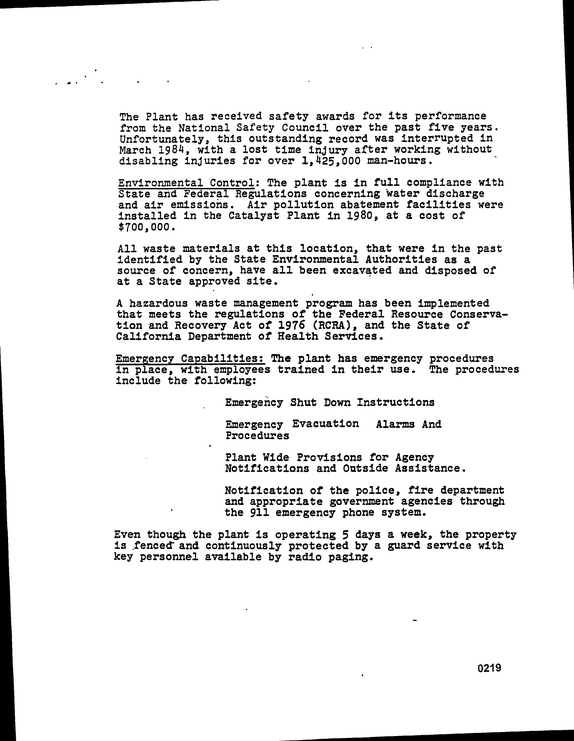
AMERICAN CYANAMID COMPANY ________ AZUSA PLANT The Azusa Plant is one of Cyanamid's oldest domestic production facilities.
refid# jNVRBN55d83m3ZBd7J0w1Jyr93 pages
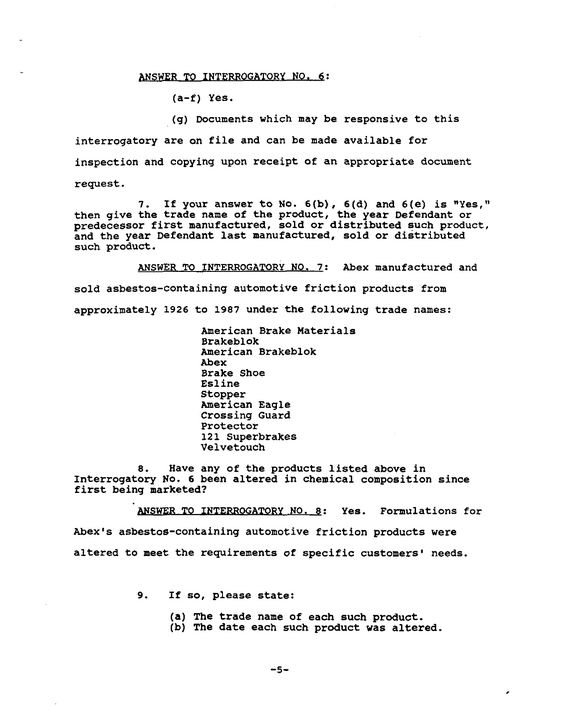
ANSWER TO INTERROGATORY NO. 6; (a-f) Yes.
refid# 4Qj1nXzjVL9EGOz2m9w0JLgR1 page
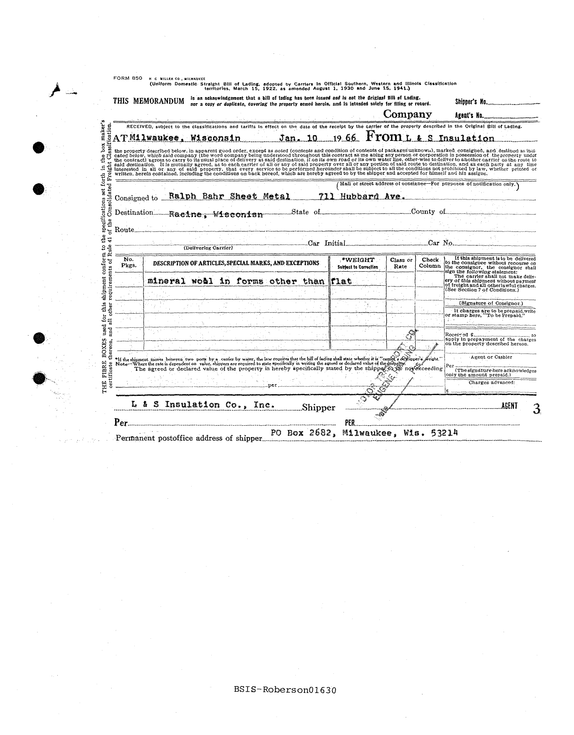
TH E FIBRE BOXES used fo r this shipment conform to the specifications set fo rth in the box maker's certificate thereon, and a ll other requirements of Rule 41 of the Consolidated Freight Classification.
refid# Z4Gz0ZDLbrBR190y7EZpeV0RZ1 page
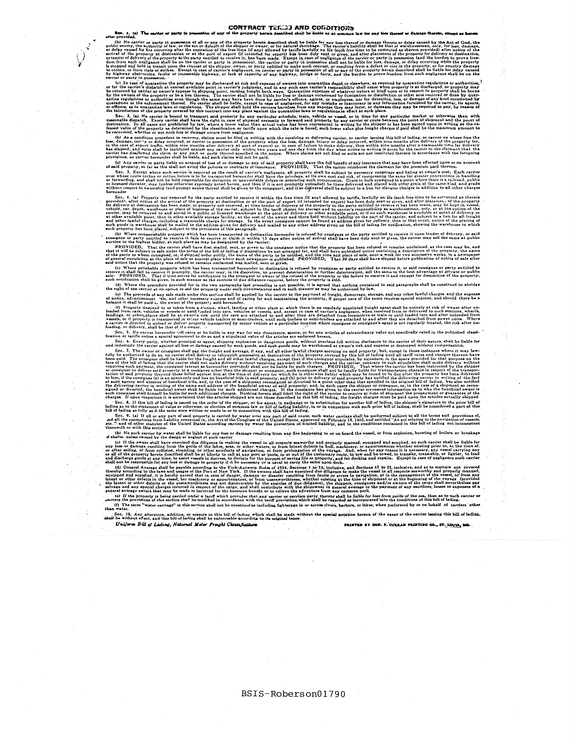
CONTRACT Tf03 AND CONDITIO?
refid# J33GY8oaV4QvXqY2qonYK77Ye1 page
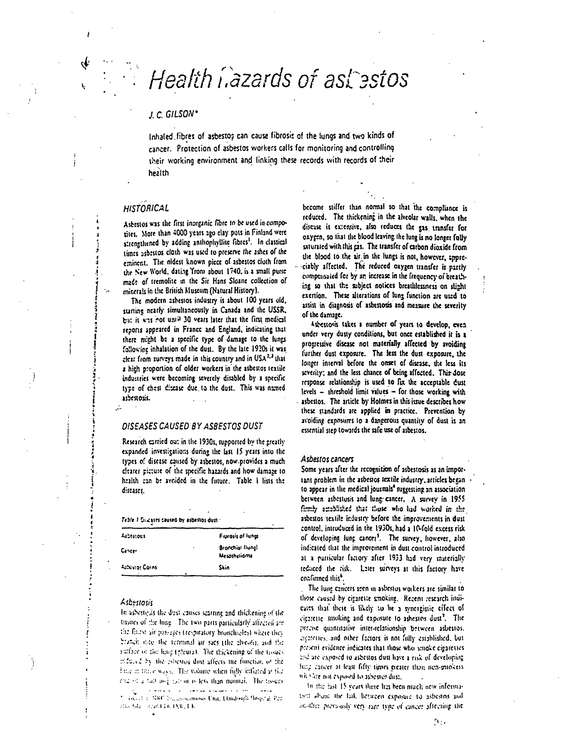
Health Hazards of astasios j. c.
refid# O3OeyjOyLyK9Xme0kmXOren4X1 page
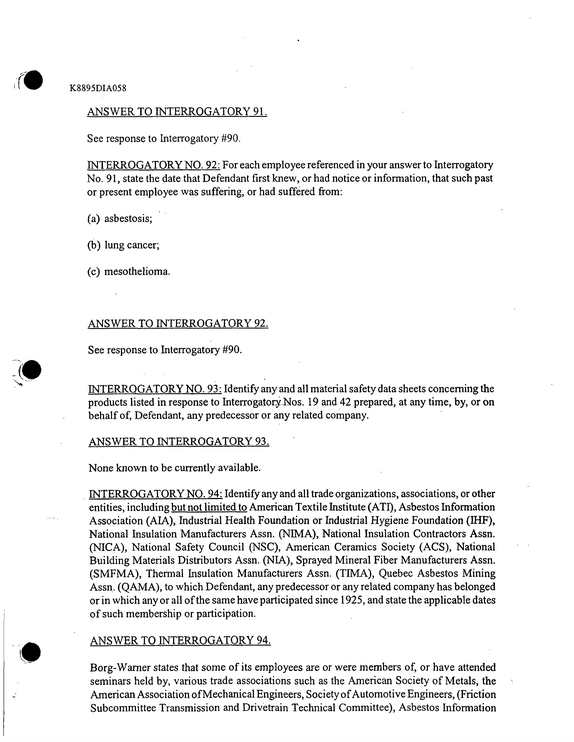
K8895DIA058 ANSWER TO INTERROGATORY 91.
refid# wrr4k7kwnd7rQVDEnJLd0jV941 page
Gerald T.
refid# 140N0Bxm7qROy0N8BmpJdxdd1 page
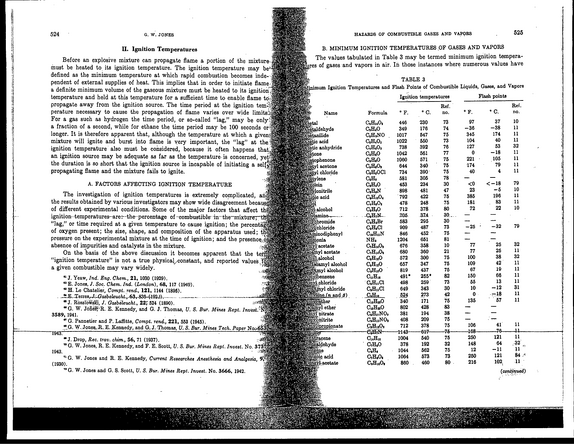
524 0.
refid# qaD3e67R5YeRVjjZ50zJVoE4R1 page
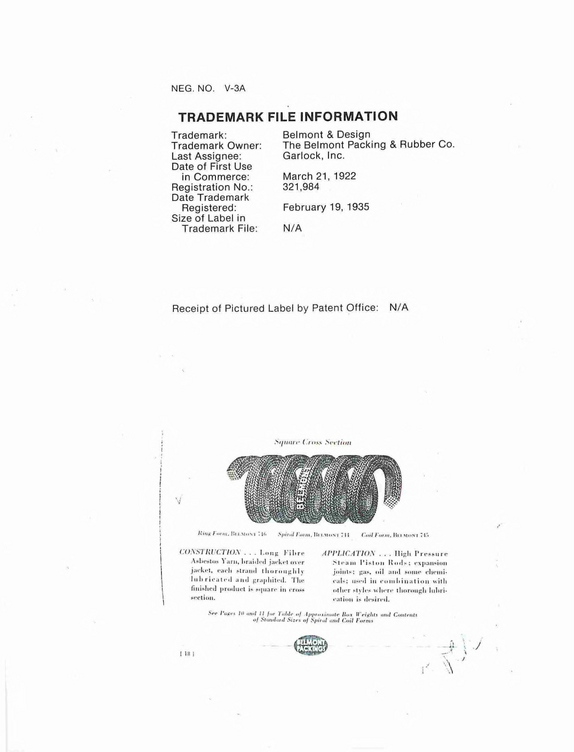
NEG.
refid# 50pkpG4oa2B9omGyO6k7Qd9K41 page
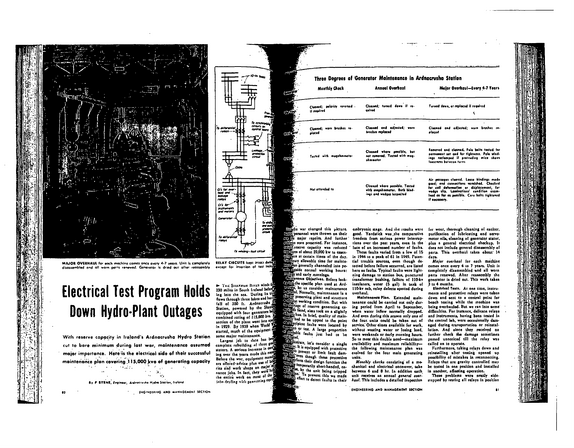
Three Degrees of Generator Maintenance In Ardnscruiha Station Monthly Check Attsool Overhool Major Overhaul--Ivery.4-7 Years raSwj* Cteoacd; polarity reversed ii reetfisd Cleaned; turaed down if re quired Turned down, or replaced if required PSKlar , CUeasd; worn brushes # placed Cleaned and edjested; worn brashes replaced Cleoeed oed adjusted; worn brushes re placed m Tested with megohrnmeter Cteaeed where possible, but not removed.
refid# rBZy7vOGb4DJnK5rNqwYwBzv71 page
...lines and bylines 4 /*". r " "* ttom ffigiSi*'- forvrir# tdilot Contributing tdUor' Auodole frf'for To'jy.0 (?

refid# 2JxgyNmwb299q3Jban7GJGGp61 page
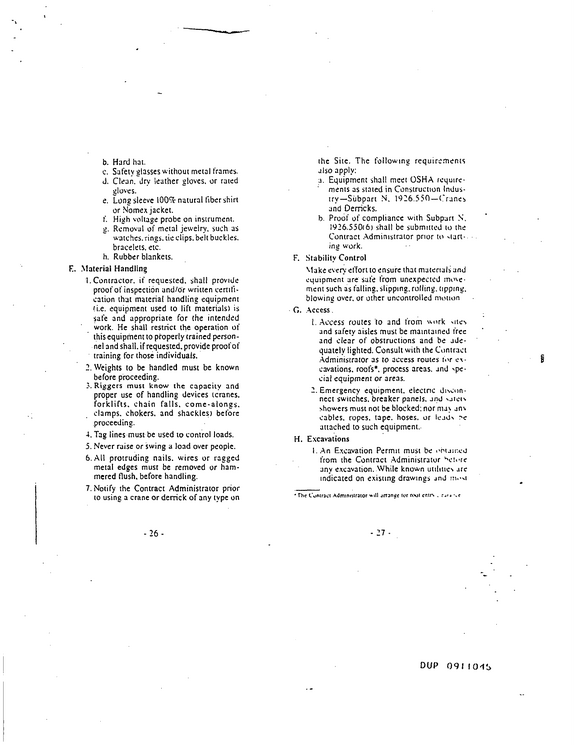
b.
refid# NEB7OBOD1rXa8k8d20XQ2b19E1 page
10 " Am.
refid# 8R4Or26ZLYX4ZVmD3YB3OjRLy1 page