Refine
Estimated Years 1910-1919Clear
1,849 results foundRefine Search
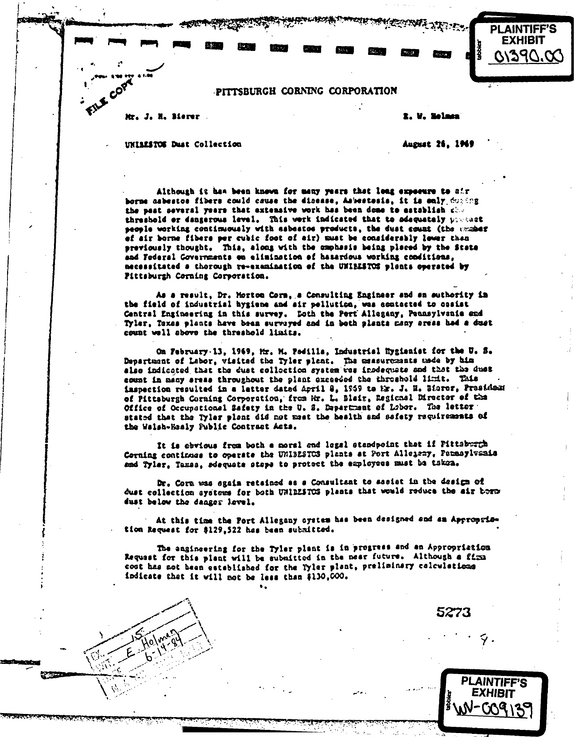
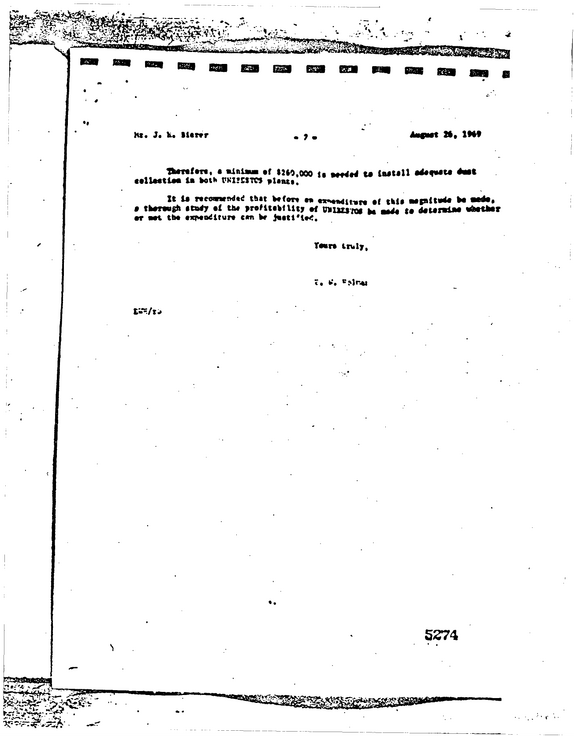
UHUZ8TQ8 Diut Collection August 21* IHt Although It ha* btan known for mot fair* that ioeg ix^mn to air borne utcitoi fiber* could cause the disease, tiMiUala, It la only, dvi-:" the peat several years that extensive work haa Wan deae to aatahllah thraabold or dangerous level.
refid# wqQEgReyvNRYgXnLY61K0MJV62 pages
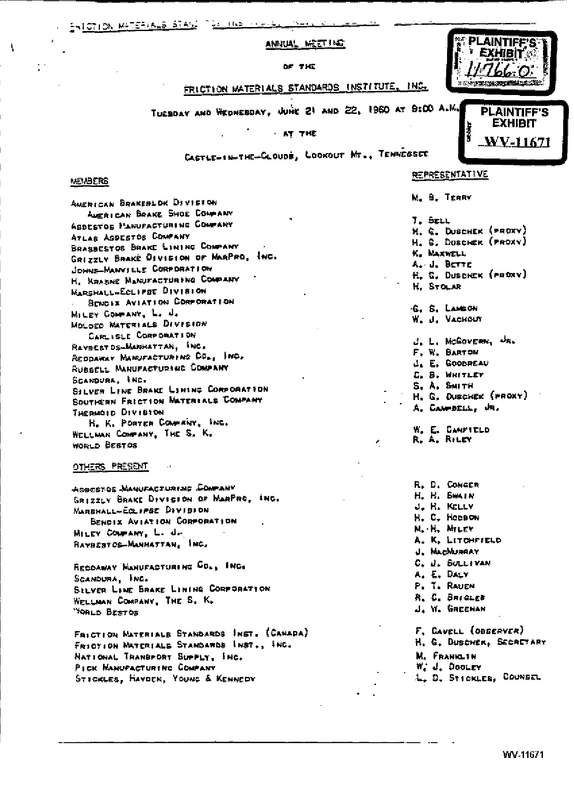
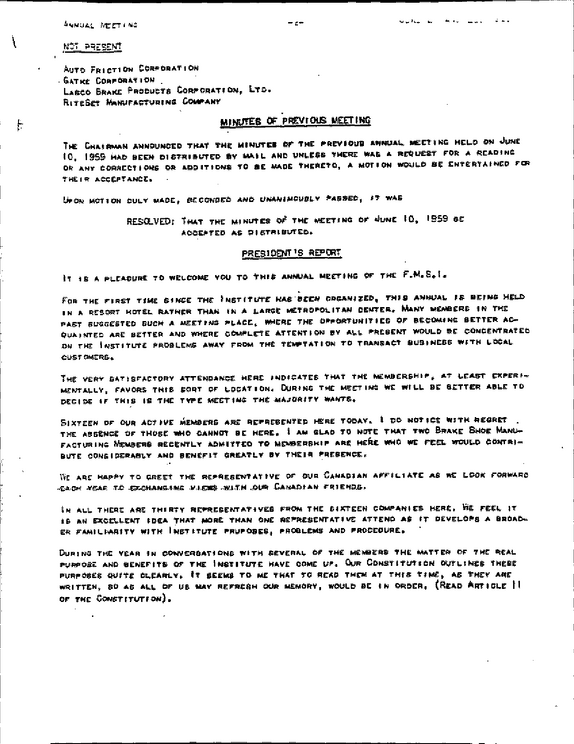
\ FRICTION IMTERIALS stANtl4ROS INSTIM.
refid# oDVXRZZ1ywZoRVYoO6d4ao8pD2 pages
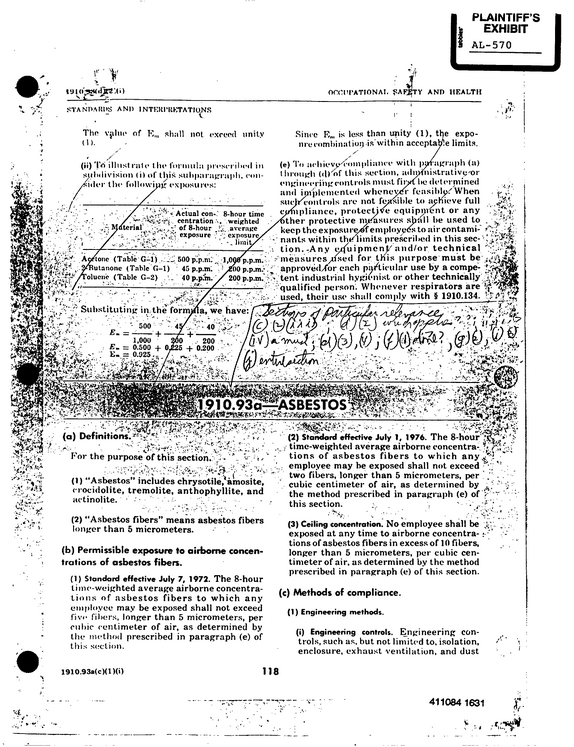
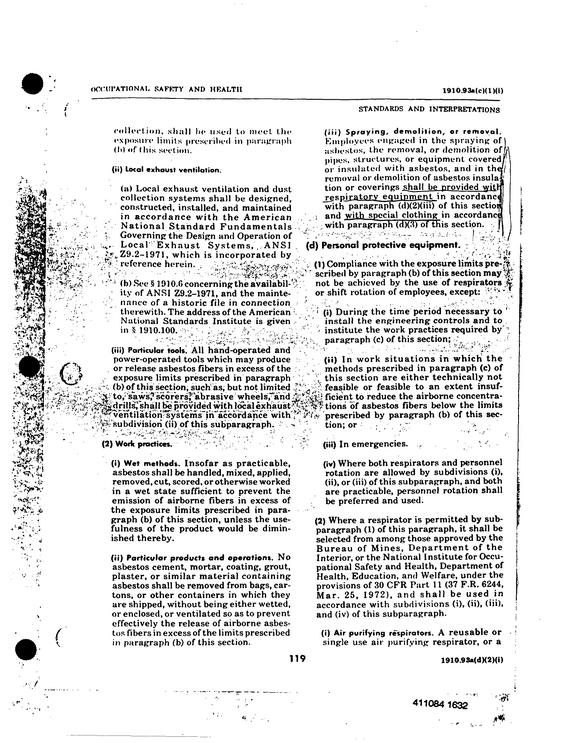
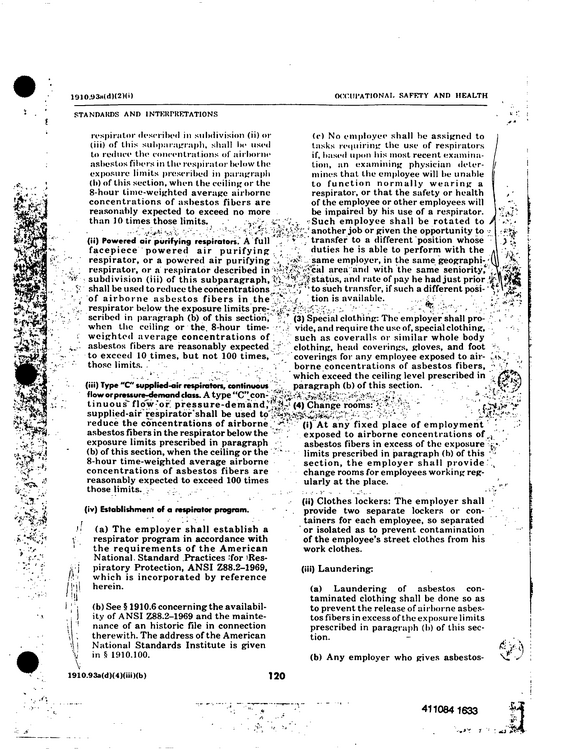
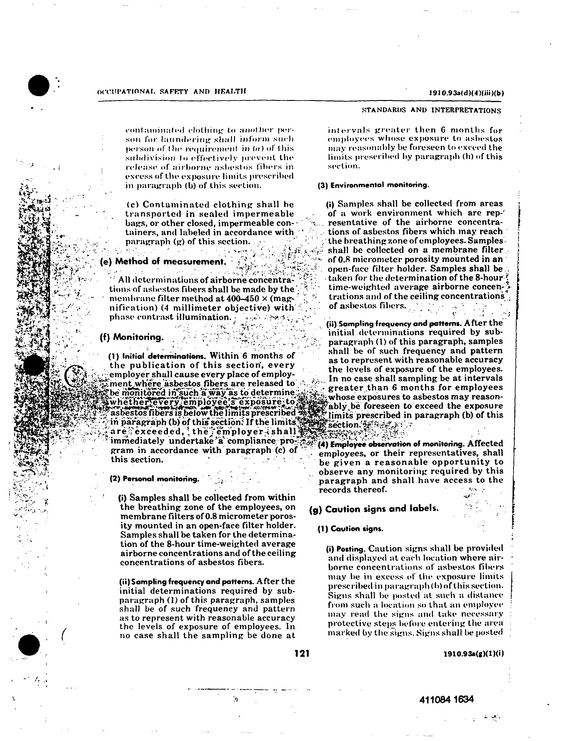
r* lUIOSWfiQta'.li) s c~ ------ STANDAKPS AND 1 NTKKPItKTATIONS 1.
refid# baedy799YwRZR4pg4QELR0KQD6 pages
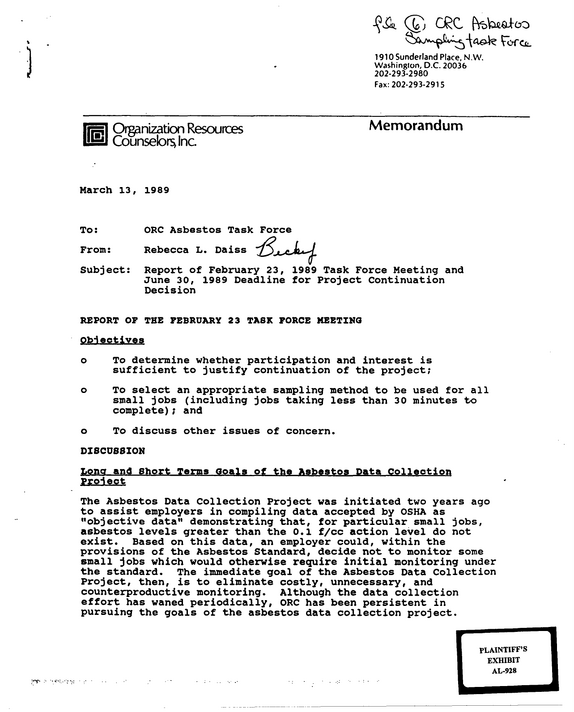
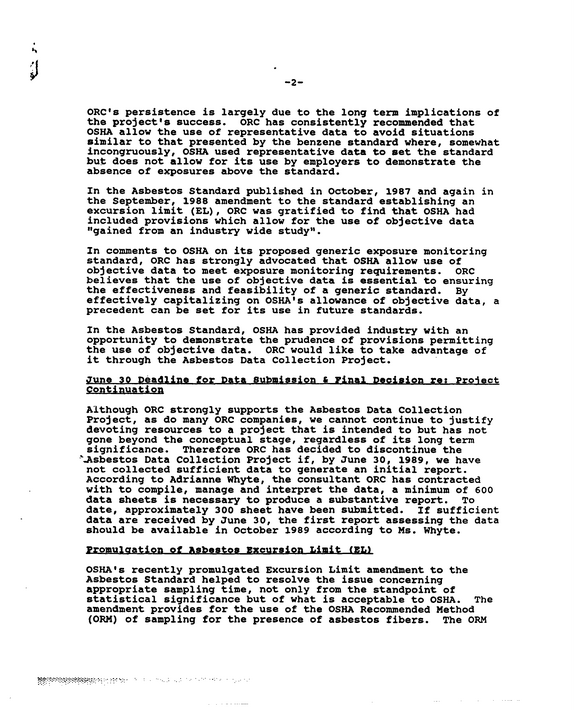
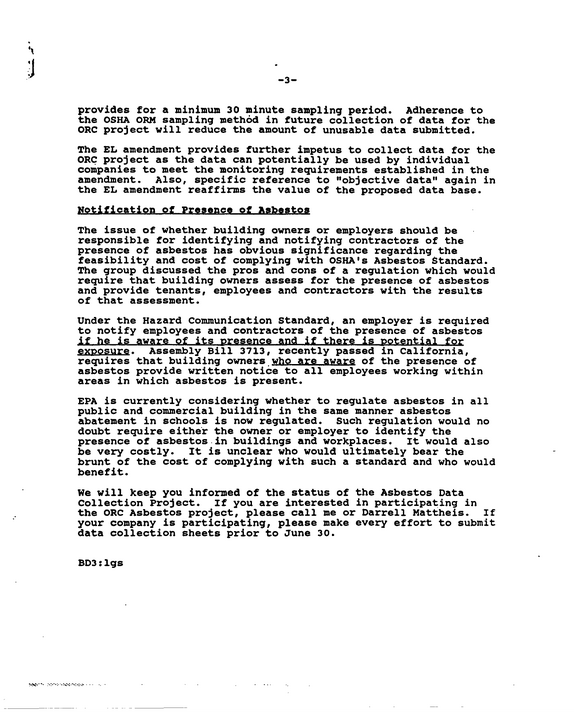
I Organization Resources Counselor^ Inc CJj CC frbWU-co ^OTCfi. 1910 Sunderland Place, N.W.
refid# mqKGYM5g7xzjevNJNyvq28XVO3 pages
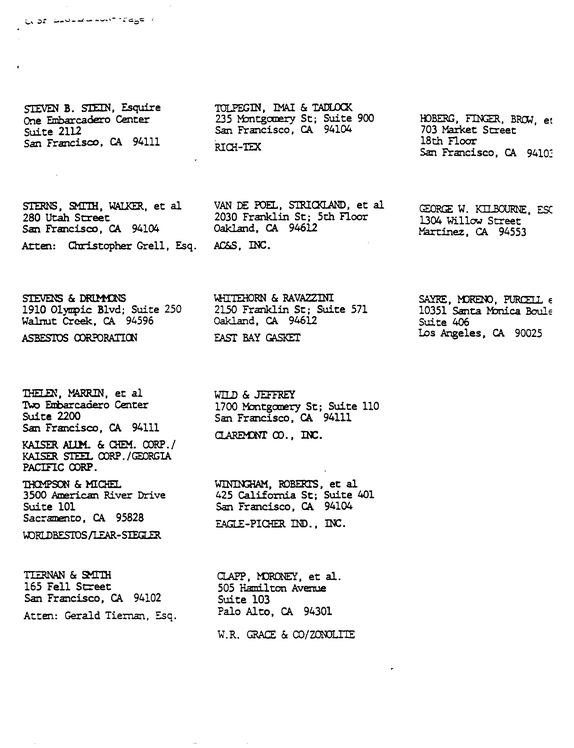
STEVEN B.
refid# mm7vznEYNmd14vRX8Nnqn7Nb1 page
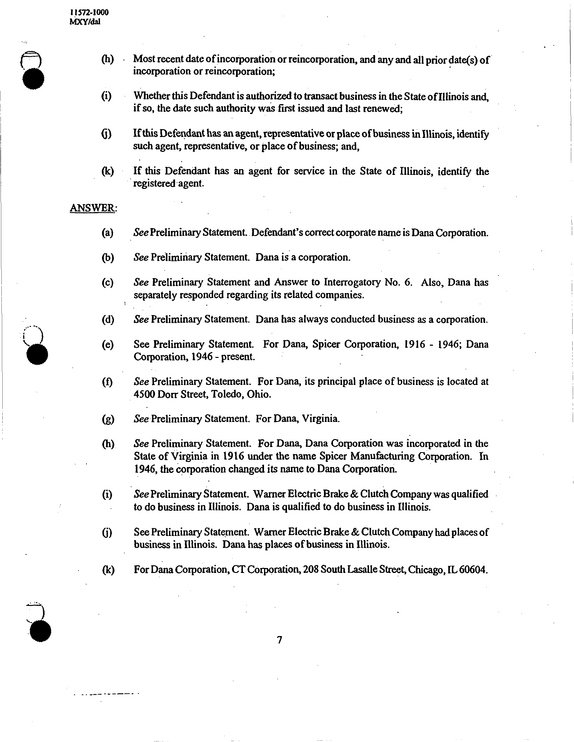
11572-1000 MXY/dal (h) Most recent date ofincorporation or reincorporation, and any and all prior date(s) of incorporation or reincorporation; (0 Whether this Defendant is authorized to transact business in the State ofIllinois and, if so, the date such authority was first issued and last renewed; 0) Ifthis Defendant has an agent, representative or place ofbusiness in Illinois, identify such agent, representative, or place of business; and.
refid# ym6qRJoLBOVKzqQe0D7yvrx8n1 page
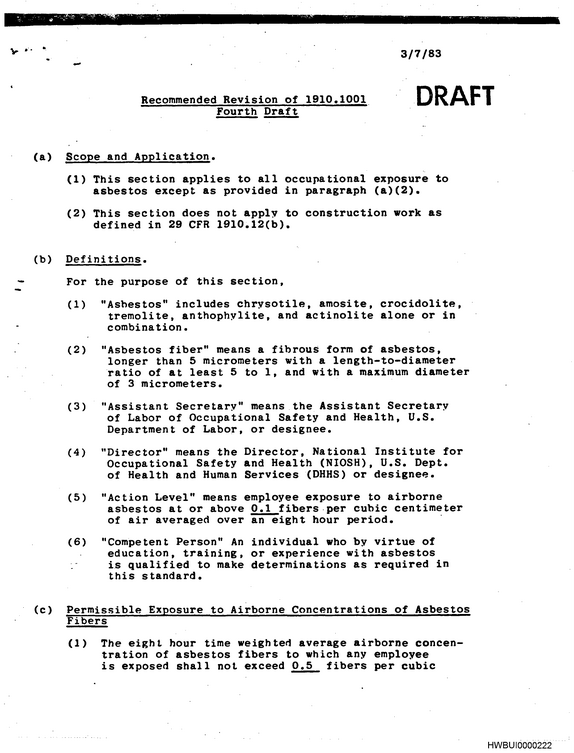
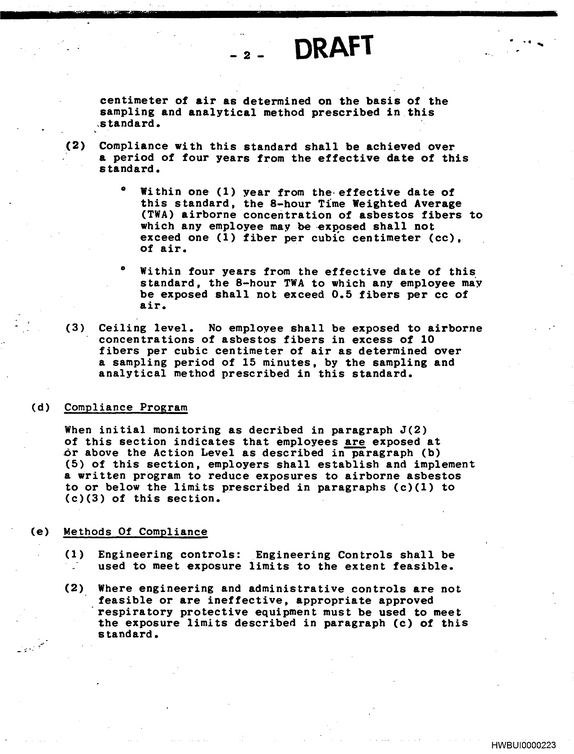
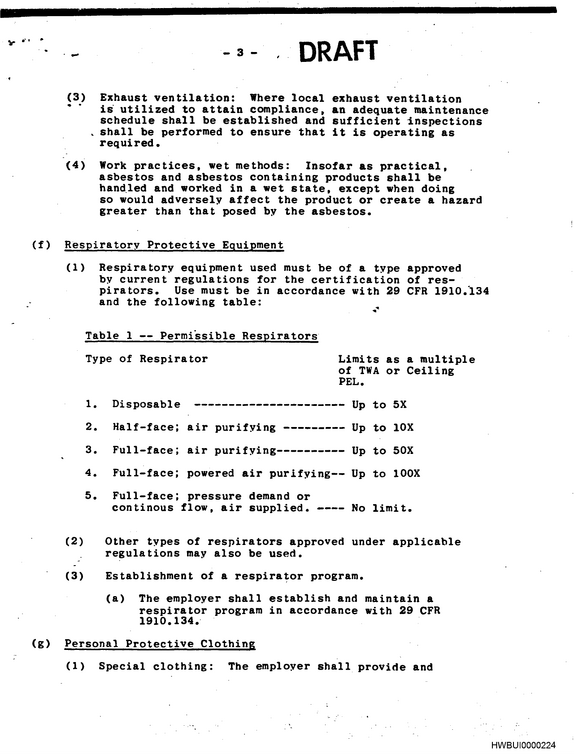
Recommended Revision of 1910.1001 Fourth Draft 3/7/83 DRAFT (a) Scope and Application. (1) This section applies to all occupational exposure to asbestos except as provided in paragraph (a)(2). (2) This section does not apply to construction work as defined in 29 CFR 1910.12(b).
refid# YGovBvVvoeOeB7wXKKgLyKeqy8 pages
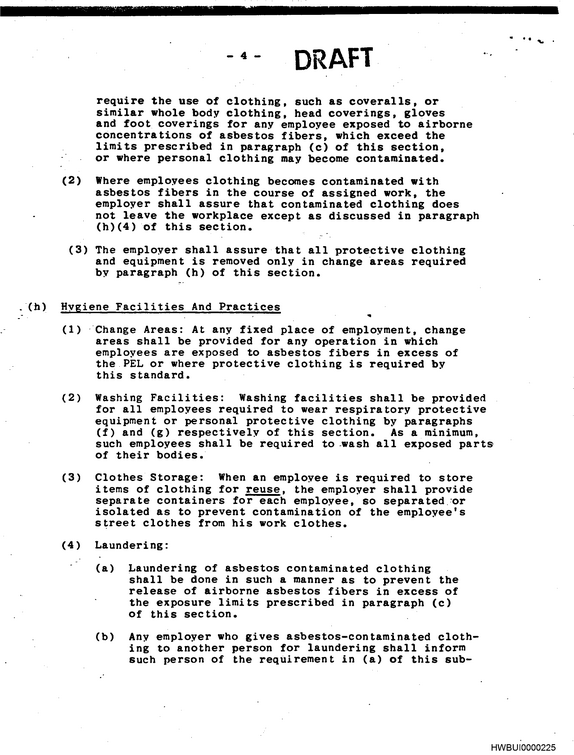
Air Conditioning unit Hutem ILG Electric Ventilating Co. 2880 North Crawford Ave., Chicago 41, 111.
refid# omG4nmv2dp3L0X7Vz0ELKVLgo1 page
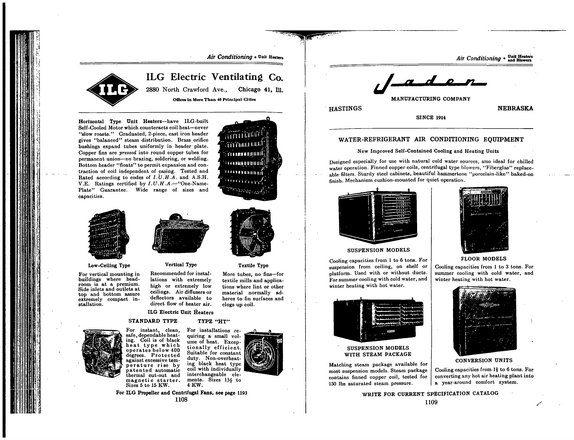
130 Air Conditioning E.
refid# 0qEg1n8kgyv9QVEpz7a6NGdvx1 page
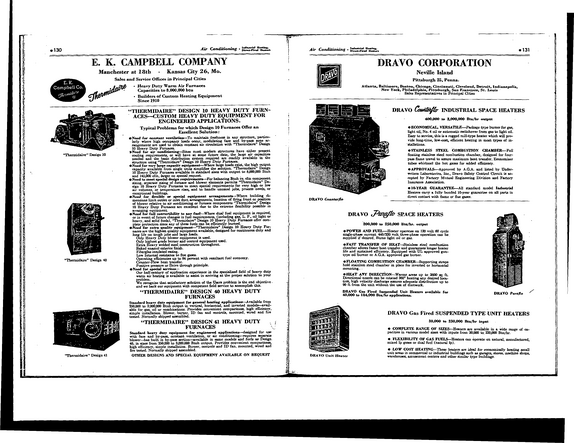
228 Air System Equipment ram and bu*< CLARAGE FAN COMPANY Kalamazoo, Michigan Air Handling and Conditioning Equipment Sales Engineering Offices in All Principal Cities Since 1913 Clarage has been a leading manufacturer of air handling and conditioning equipment.
refid# KJKZG10LROmBe2ZXYjK9pwyKx1 page
Summary The present situation in the field of indus trial safety is one of progress and improve ment, largely through the continued applica tion of techniques and knowledge slowly and painfully acquired through the years There appears to be no limit to the progress possible through the application of the uni versally accepted safety techniques of educa tion, engineering, and enforcement Yet large and senous problems remain un solved A number of industries still have high accident rates While there are excep tions, small industry in general still has not seen the value and importance of a safety program There are still far too many in stances where management and labor are not working together or have different goals for the safety program The total job ahead is at least as great as the job already accomplished In addition to future problems, there are many past prob lems which remain unsolved The resources of the safety movement are great and strong--an impressive body of knowledge, a corps of able professional safety people, a high level of prestige, strong organ izations for cooperation and exchange of information Yet there are elements of poverty and weak ness in the present situation The very suc cess of the old techniques has a tendency to make the safety profession conservative and overcautious Some safetymen feel there is less of the old spirit which moved the safety pioneers back in 1912 The average safetyman, they feel, has become "respectable" and is content to do a quietly effective routine job Others feel that the "pioneer spirit" is still present, that new ideas are being proposed But with acceptance of safety as a part of the industrial way of life, progress is no longer as spectacular as it was in the "old" days Still the challenges ahead are very great, and no doubt they will be met by modem "radicals," ready to invent and test new de partures in safety work and motivation Current Problems Some problems of the safety movement are less directly related to present strengths and weaknesses Some of these problems are technological and scientific Some are social and political Still others are essentially or ganizational Technology and science There is no reason for the safetyman to view general technological trends with alarm Emphasis upon automation and more refined instrumentation will probably continue New specific problems will anse, but they will be of a type which well-established methods of safety engineering are competent to solve The use of new materials -- particularly radioactive materials -- is likely to present more serious difficulties to the safetyman However, even here, there is considerable experience The safetyman has most likely had some experience with radiation problems -- X-rays and the like Yet he will have to be very fast on his mental feet to handle the new prob lems that atomic energy and radioactive mate rials will present m a wide range of industries in the near future Social and cultural influences Each generation greets a new kind of "younger generation " The current group, like other "younger generations," is in some ways very different from what went before More and more young workers have had or expect to have their lives disrupted by a period of military service This necessity has created some instability and restlessness It has also, m many cases, brought a quick maturity of viewpoint Most young workers are entering industry with more formal education than ever before The concentration of public information into fewer and larger units means that youth will be in some ways conditioned more to single mold education than previous generations were It is likely that the approach will have to be made more flexible than ever before, for the instability and quick-matunng processes at work in different individuals will produce a very wide range in attitudes toward social responsibility in general, and safety in partic ular Teaching and safety promotion will have to have, at least on the surface, more polish and sophistication, for the audience will be more literate and more conditioned to "slick" 19
refid# QMaEp1BMkDBm2Y574aDjaEbGR1 page
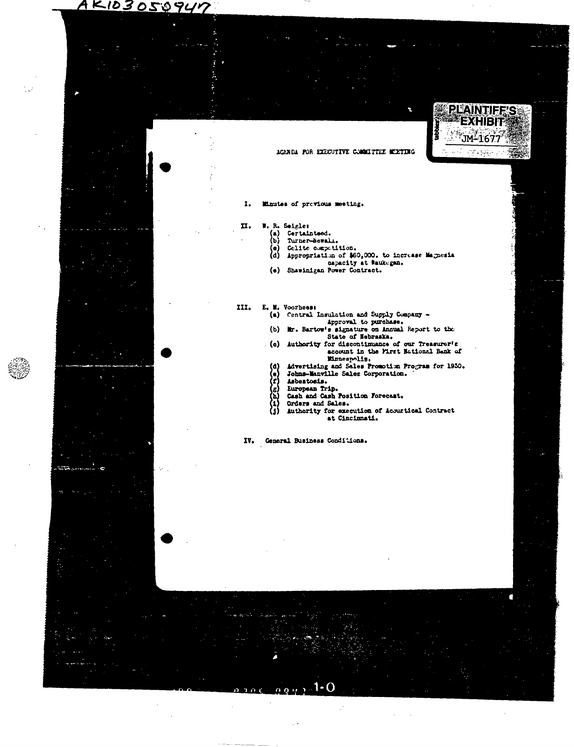
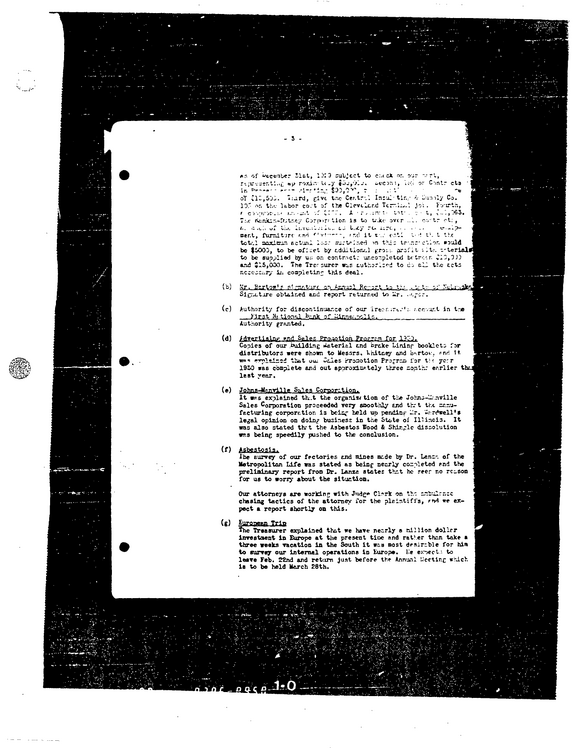
xauiat for EEcunvt comcrnz botg Minutes of previous nesting. 1.
refid# wgRO9Jn2137yVdoBJLJGNLKB45 pages
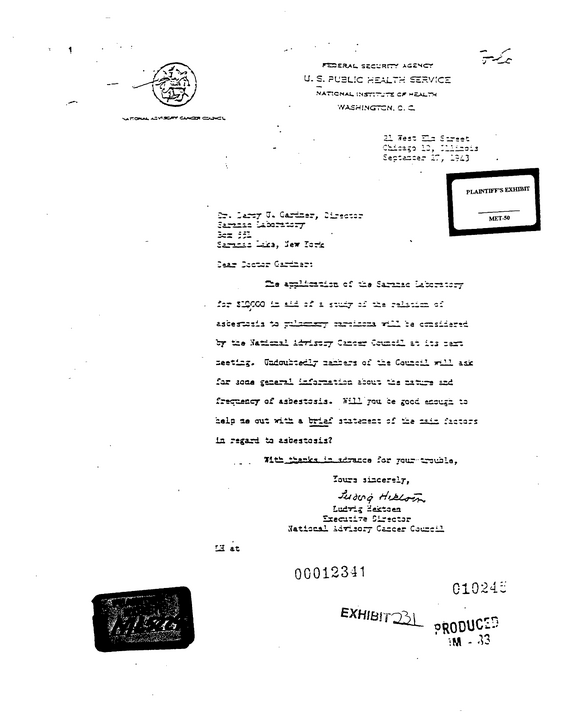
1 rTSERAL.
refid# 9JYMgJdQ0vODoX9vXB3xkX9071 page
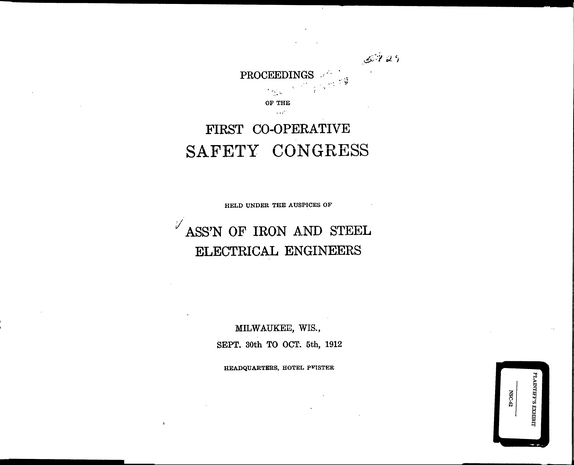
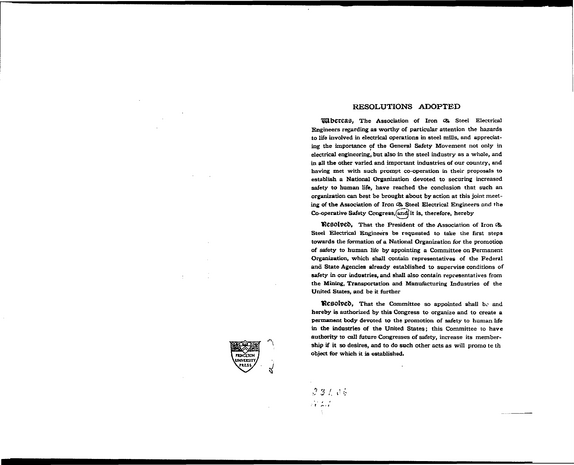
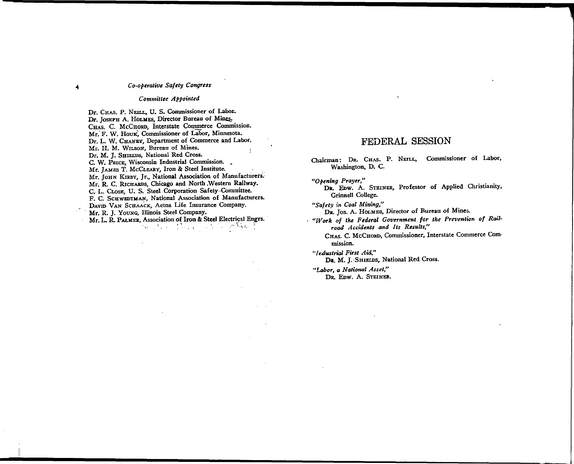
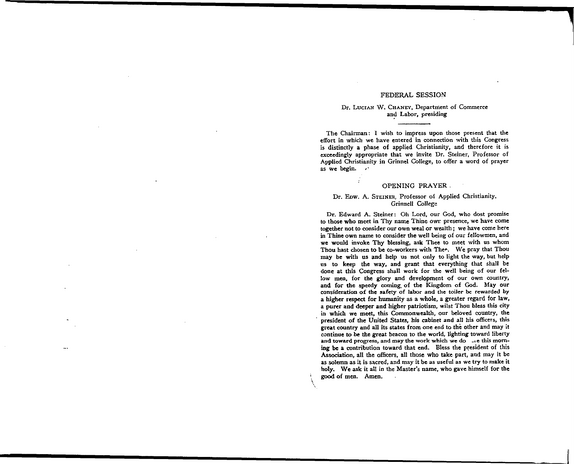
PROCEEDINGS ' 1t OP THE :V "7 ^ FIRST CO-OPERATIVE SAFETY CONGRESS HELD UNDER THE AUSPICES OF ASS'N OF IRON AND STEEL ELECTRICAL ENGINEERS MILWAUKEE, WIS., SEPT. 30th TO OCT. 5th, 1912 HEADQUARTERS, HOTEL POSTER P L A IN T IF F 'S E X H IB IT RESOLUTIONS ADOPTED HQlbecead, The Association of Iron C& Steel Electrical Engineers regarding as worthy of particular attention the hazards to life involved in electrical operations in steel mills, and appreciat ing the importance of the General Safety Movement not only in electrical engineering, but also in the steel industry as a whole, and in all the other varied and important industries of our country, and having met with such prompt co-operation in their proposals to establish a National Organization devoted to securing increased safety to human life, have reached the conclusion that such an organization can best he brought about by action at this joint meet ing of the Association of Iron CIS.
refid# mmo81VNmYGaXgzXOR4Y83QR5b170 pages
DISEASES OF THE BLOOD FORMING ORGANS 607 shaped, neutrophilic leucocytes, 1 per cent segmented nucleated leucocytes, T 55.4 per cent lymphocytes, 2 per cent mononuclears, 0.4 per cent basophiles, and 1.1 per cent atypical cells.
refid# jyp0g4K0EB3rDdGZd29wEz7OZ1 page