Refine
Estimated Years 1900-1909Clear
1,222 results foundRefine Search
rule, was passed in England The first com pensation act in Austria was passed about 1887, and the first one m England about 1897 In this country, as early as 1897, labor began advocating workmen's compensation legisla tion to replace the common law approach to liability The first compensation law in the United States was passed by the Federal Government in 1908 for its own employees The first state laws were approved a few years later The first laws ran into difficulty Thecourts held that neither the employer nor the em ployee had an option regarding coverage and that compelling an employer to pay without fault on his part violated the 14th Amendment to the Constitution of the United States, which prohibits taking a person's property without due process of law To overcome this difficulty, some states passed elective laws that granted both the employer and the employee the right to decide whether or not each wished to come under the act In some states, another type ofstatute called an elective presumptive act was passed Under such an act, the employer or employee is presumed to come under the act unless he files to the contrary pnor to the occurrence of an injury In 1917, the United States Supreme Court finally declared that a state may enact and enforce a workmen's compensation law under its power (to provide for the public health, safety, and welfare) without violating the 14th Amendment to the Constitution of the United States Many states then passed compulsory laws, compliance with which was mandatory for certain employments, with penalties imposed for noncomphance At the present time, compensation acts of one type or another are in effect in the fifty states, the District of Columbia, and Puerto Rico There are also two Federal acts Purpose of laws One of the mam purposes of workmen's compensation laws was to eliminate the lia bility based solely on proof of the employer's negligence and to substitute for it a system of liability for accidents regardless of the em ployer's fault This change was intended to prevent the injured worker from becoming a public charge, who would have to be sup ported either by the taxpayers or by charitable organizations The principle underlying these laws was that liability for industrial accidents should be regarded as part of the cost of operating a business so that the cost of such accidents would be transferred from the worker and the employer to the consumer Under the compensation system, the em ployer surrendered his right to insist on proof of negligence and his right to interpose the common law defenses and accepted a certain but limited liability' without fault At the same time, labor surrendered its right to sue for unlimited damages and accepted a certain but limited liability of the employer This system eliminated speculation bargaining on damages Elements of Workmen's Compensation Laws State workmen's compensation acts gen erally cover accidental injuries arising out of and in the course of employment Since state acts vary, it is important to distinguish between accidental injury and disease In general, an accident may be defined as "a sudden and unexpected event, occurring at a definite time and place " In most laws, the term also includes any disease directly the result of, or a preexisting condition aggravated by, an accidental in jury An industrial disease contracted in dependently of an accidental injury is another consideration and usually is treated separately under the heading "occupational disease " The requirement m most laws that the injury "arise out of and m the course of employment" is interpreted differently in various jurisdictions The trend, however, has been to award benefits where there is a causal relationship between the injury and the employment, no matter how slight In some jurisdictions, an employee may forfeit his right to compensation or have his benefits for a compensable injury reduced by 'Discussion in this paragraph and in several preceding paragraphs adapted in part from Noel S Symons "Trends in Compensation Attitudes " The Monitor (Apnl 1952) 291
refid# rBjOdLBg13V9EkG4OayR3pbY71 page
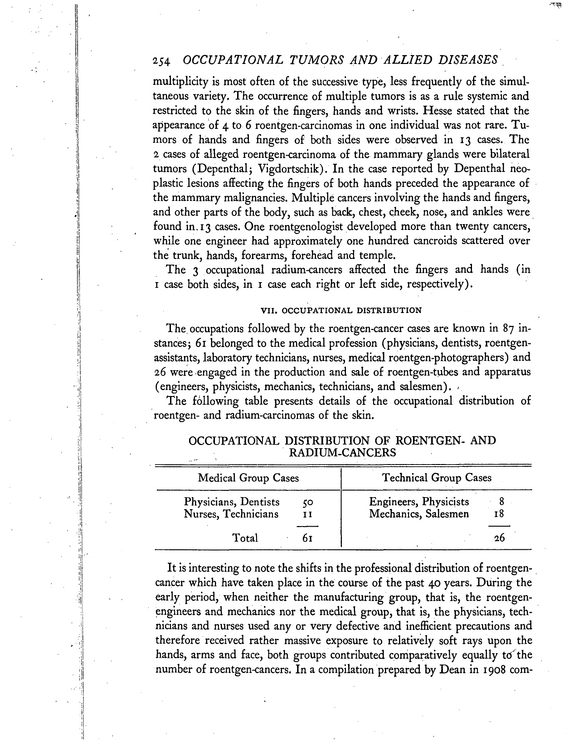
254 OCCUPATIONAL TUMORS AND ALLIED DISEASES multiplicity is most often of the successive type, less frequently of the simul taneous variety.
refid# wqvmmbM9opEQoLxnnvY00azwJ1 page
436 GEORGE D.
refid# MJGNj0EJVoNgQwr463eGMKzKx1 page
\W'/ \ ?
refid# 4Q4K8RyBn31mMRqK9xKEzLKqa6 pages
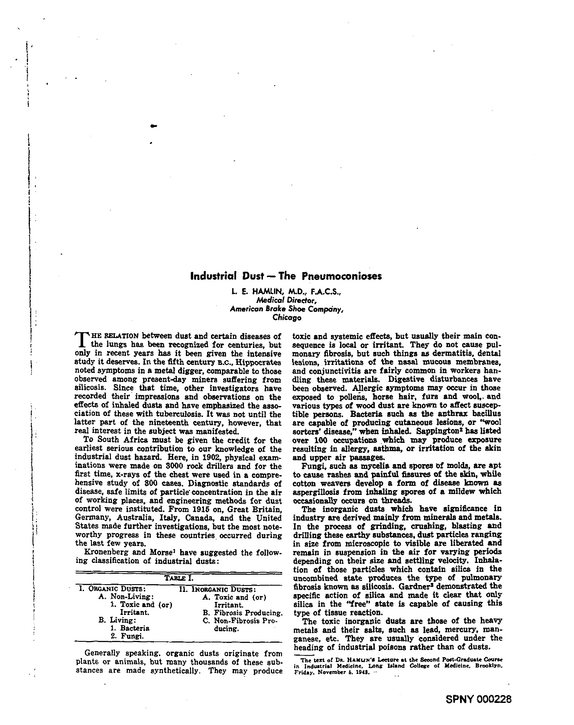
I i Industrial Dust --The Pneumoconioses L E.
refid# zQyvkNDba6zxrLxor451KeK4g1 page
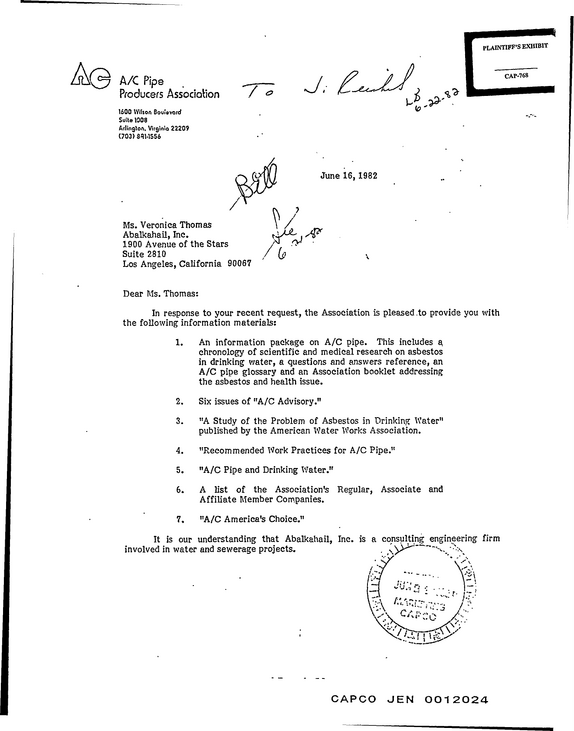
A@ A/C Pipe Producers Association 1600 Wilson Boulevard Suite 1008 Arlington, Virginia 22209 (703)331.1556 J.
refid# 915N4V087w1QmxXLL4oD9o3B62 pages
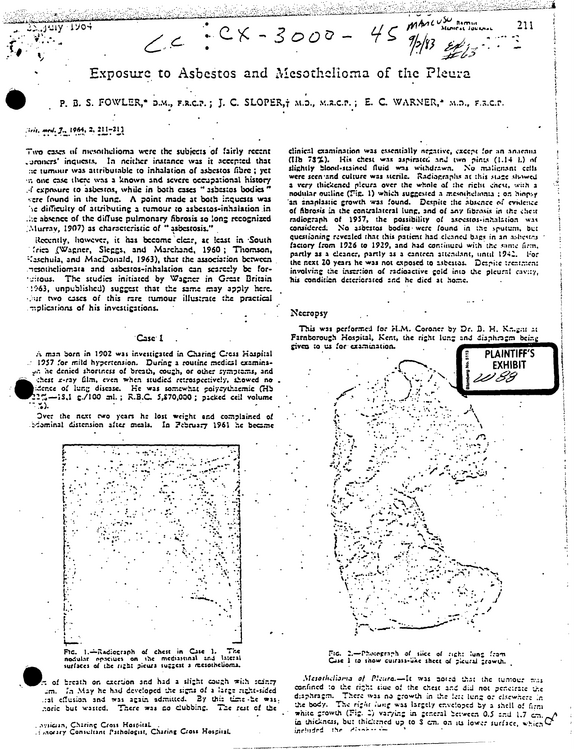
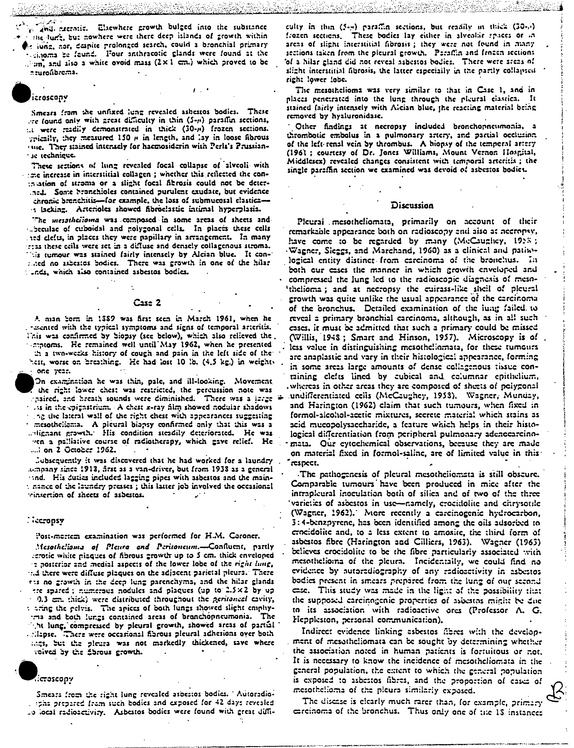
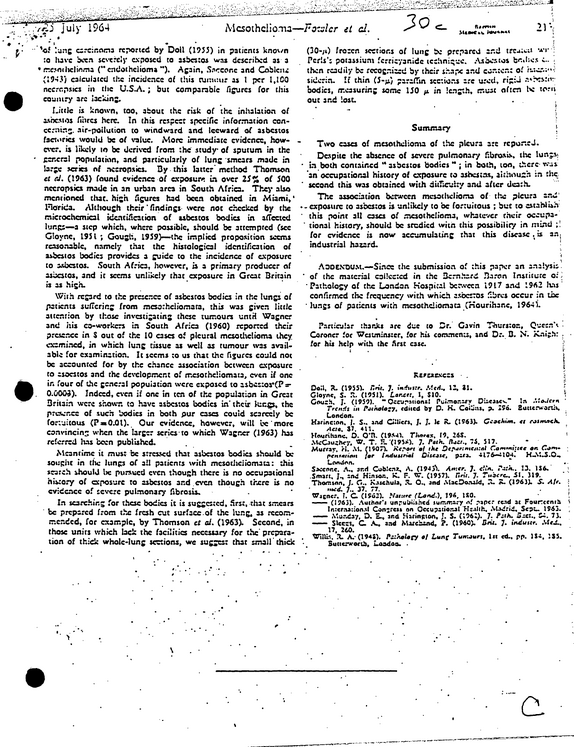
- ex - 3 o ///- n*mm 211 Exposure to Asbestos and Mesothelioma of the Pleura P.
refid# 3QwVb4EGrYEQvwyNXxQq20o4E3 pages
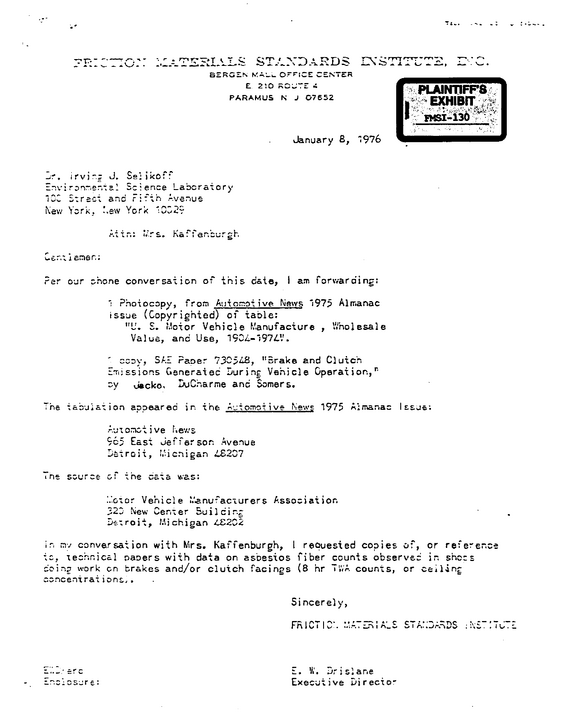
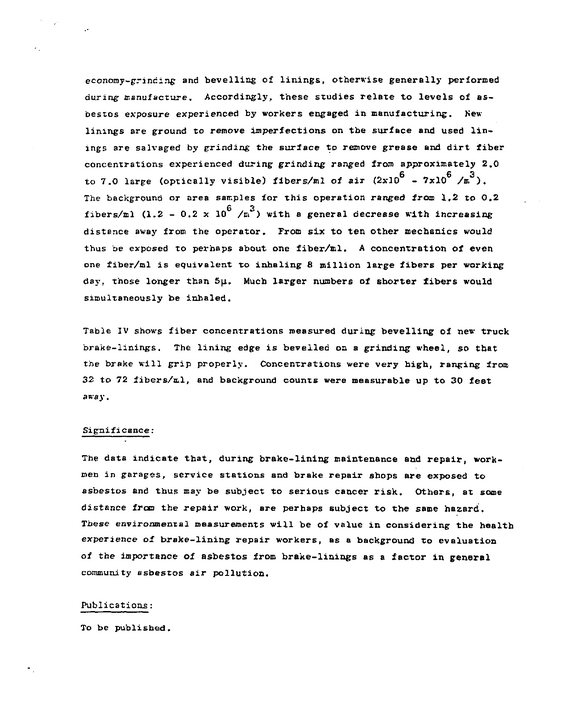
TJSSIAI-S STANDARDS BZRGEN MALi.
refid# mmr1MMekVd3a8GKNe499bQNb10 pages
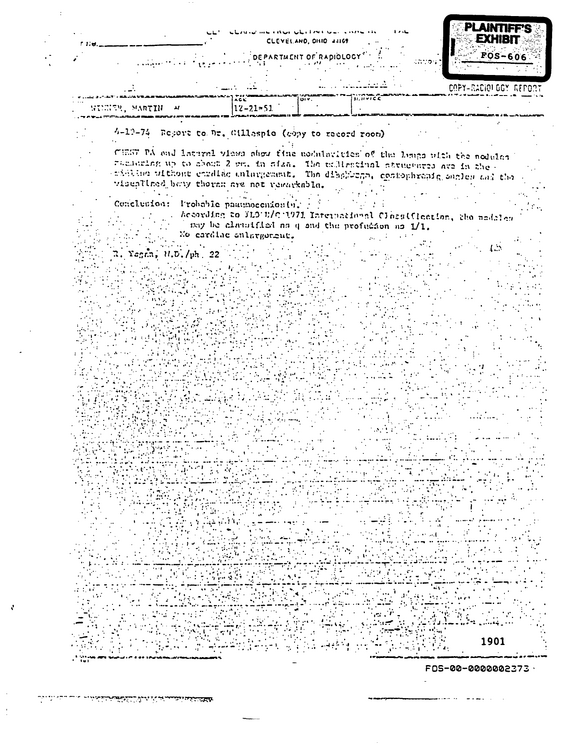
>_l.' ,' 11 r wl_ / M < w* w \ W* wC' 1^ **/' i * CLevti.AMo. omio J4ic DCPARTmCHT OP RApiOLOCr,*. 7 i . . '!
refid# JQwDV6x4dyDwQ0YD2M5gKg2e1 page
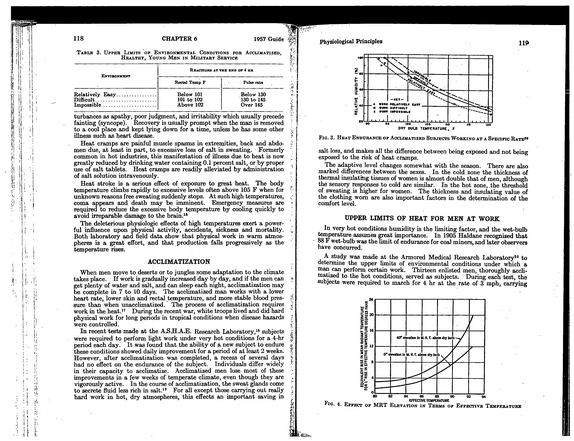
Table 3.
refid# ZBxp449L9wL8v6ba9JwwaN2dZ1 page
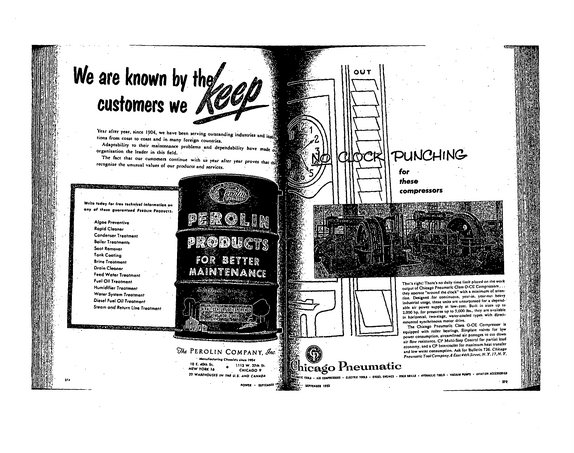
W/e are known by tty customers we Year after year, since 1904, we have been serving outstanding industries and instj^l tions from coast to coast and in many foreign countries
refid# MJjz0r3494z44n6aMNrBzBD3L1 page
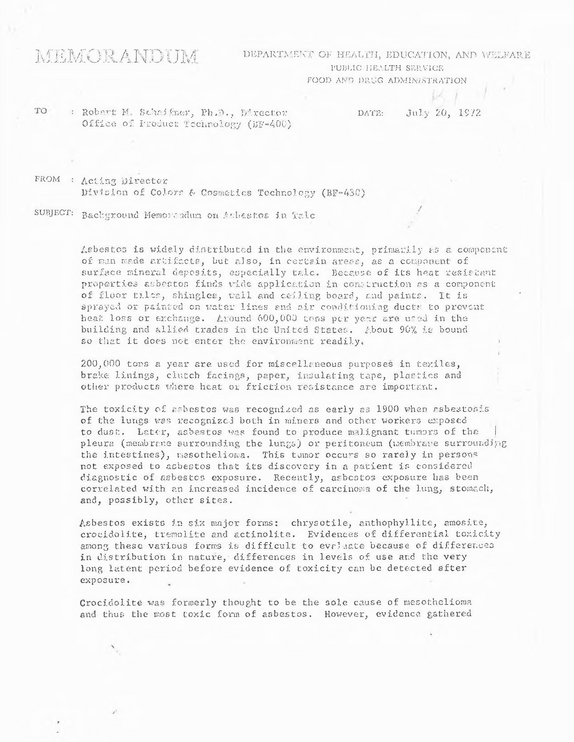
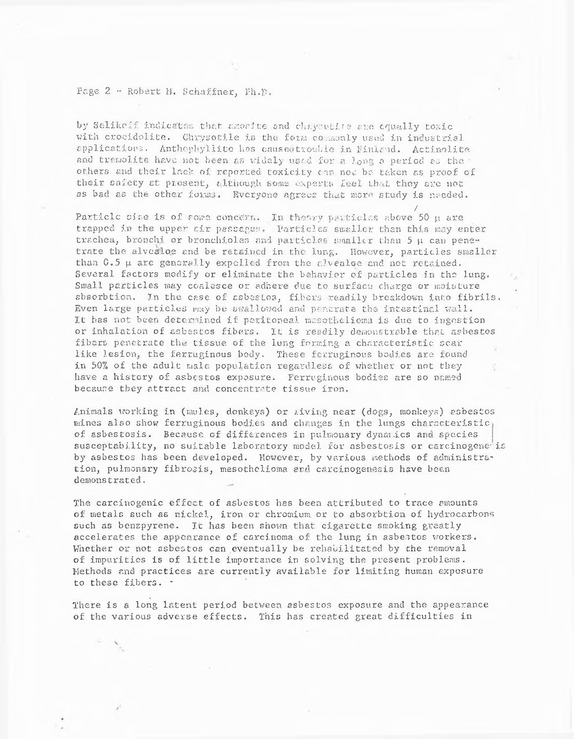
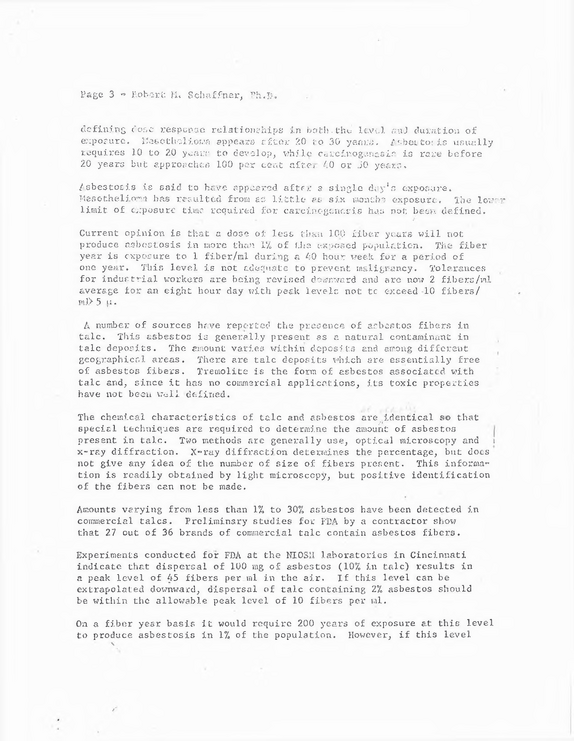
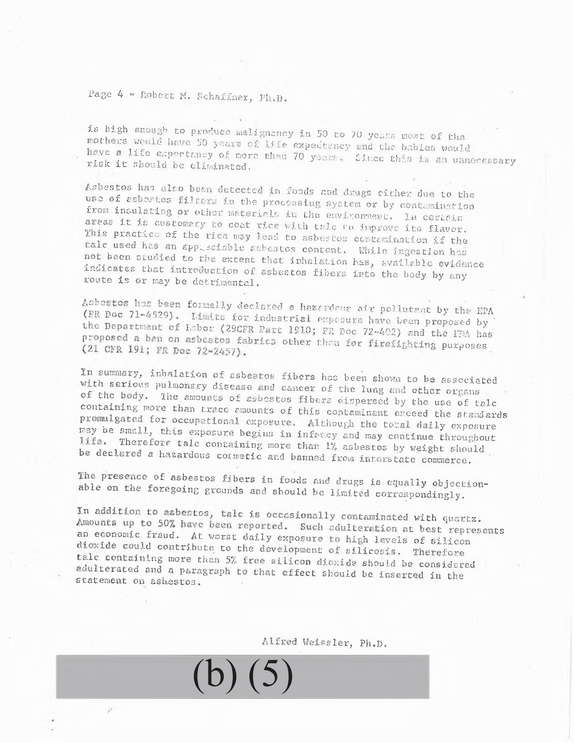
PUBLC HEALTH SLRVICE POOD AND DRUG ADMINi.STRATON : Robert K BcV.i finer, Phhft., ]>:lrecf.or O ffic e oi.
refid# k63V1vkXOp9EpoV42wdk2rMjb4 pages
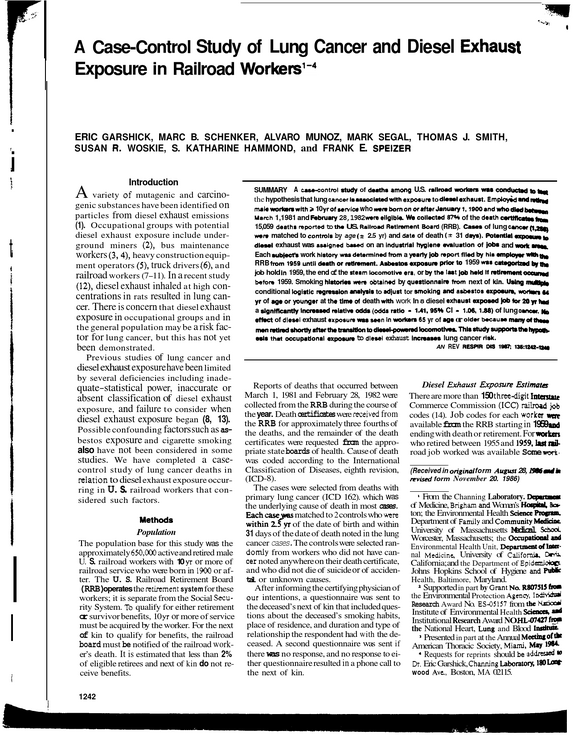
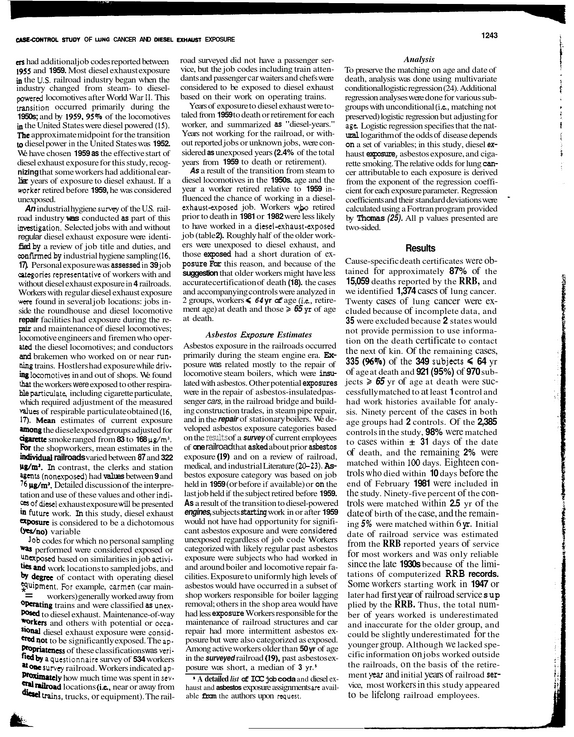
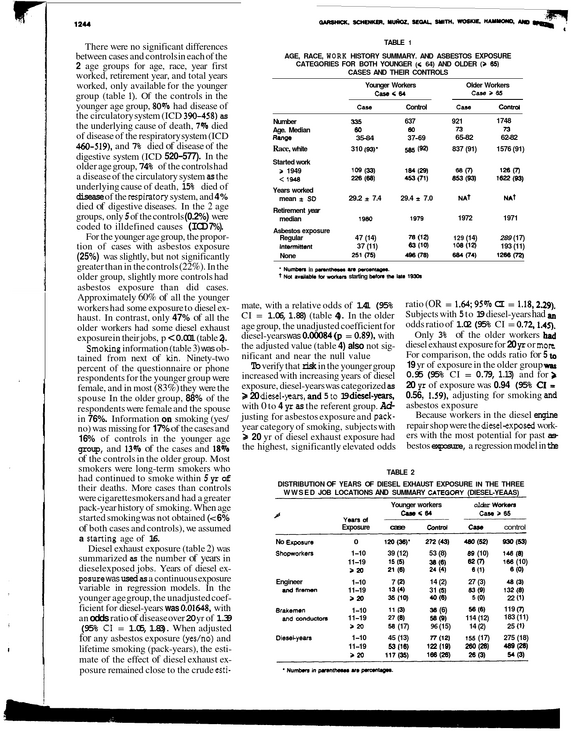
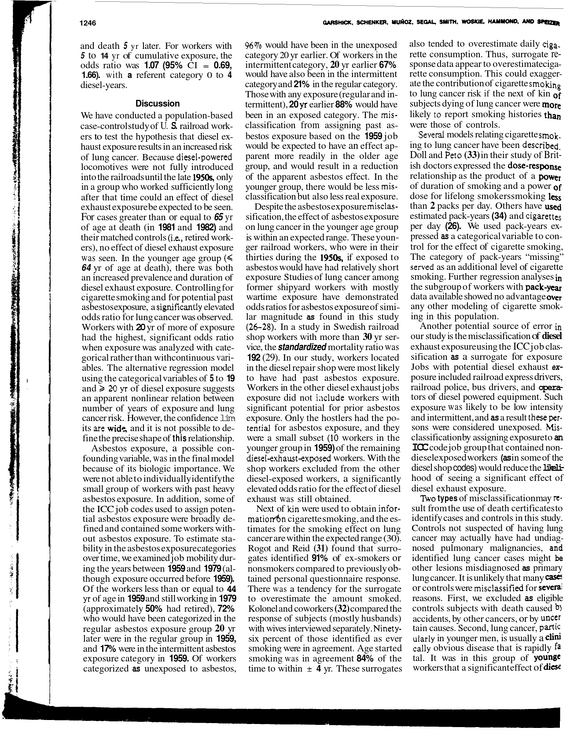
I-.* t A Case-Control Study of Lung Cancer and Diesel Exhaust Exposure in Railroad W ~ r k e r ~ ' - ~ .
refid# M4dmKLQ3oJ16aoMyZReQNLKGM7 pages
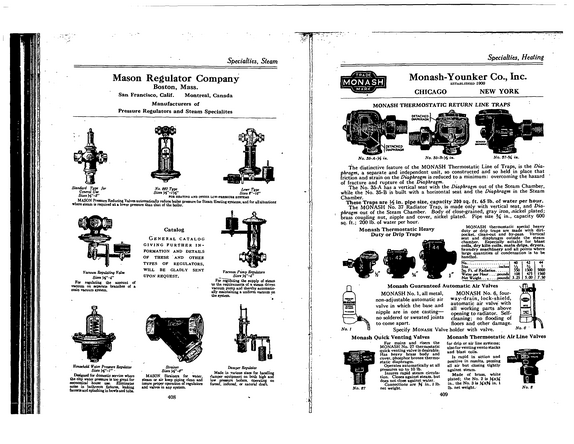
Specialties, Steam Mason Regulator Company Boston, Mass.
refid# vB65QVb5gnLGK0pw6Nar5XRam1 page
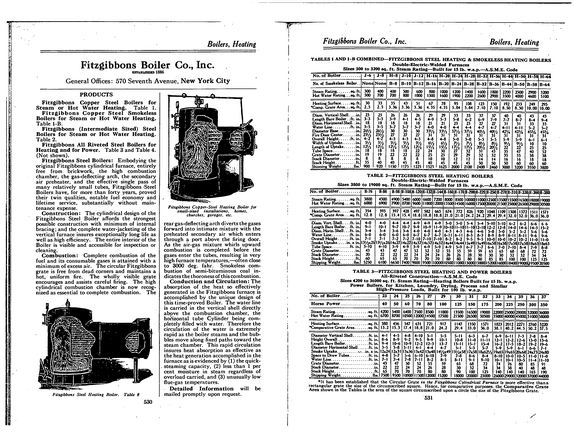
Boilers, Healing Fitzgibbons Boiler Co., Inc.
refid# 3nz2r6Rd1dvq7jZdEw76py9O1 page