Refine
Estimated Years UndatedClear
1,187 results foundRefine Search
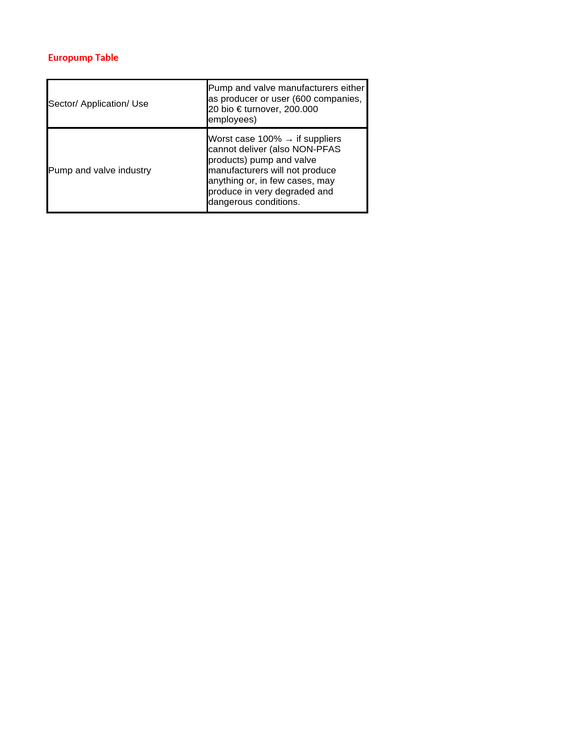
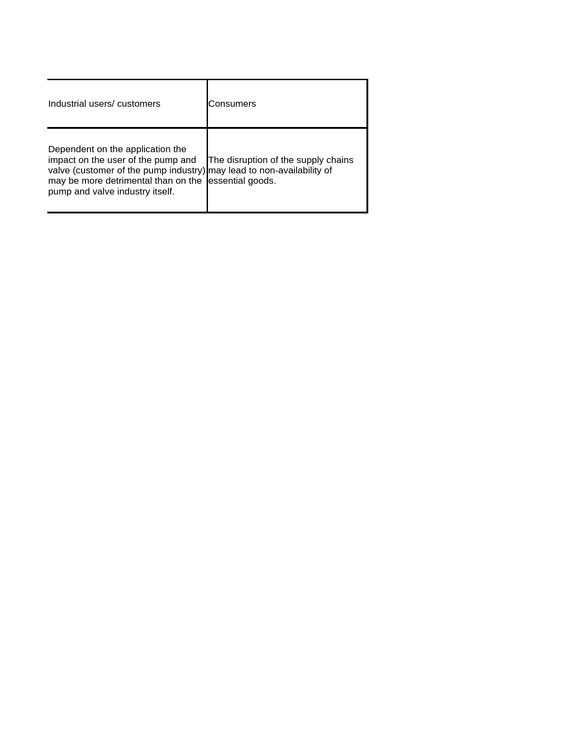
Europump Table Sector/ Application/ Use Pump and valve industry Pump and valve manufacturers either as producer or user (600 companies, 20 bio turnover, 200.000 employees) Worst case 100% if suppliers cannot deliver (also NON-PFAS products) pump and valve manufacturers will not produce anything or, in few cases, may produce in very degraded and dangerous conditions.
refid# K63aM9Qk4v0wznLMoOgaNEzz22 pages
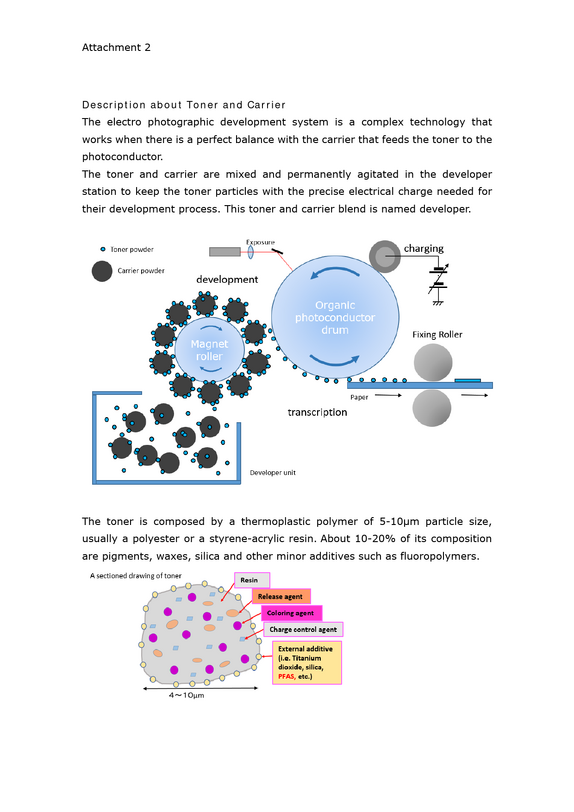
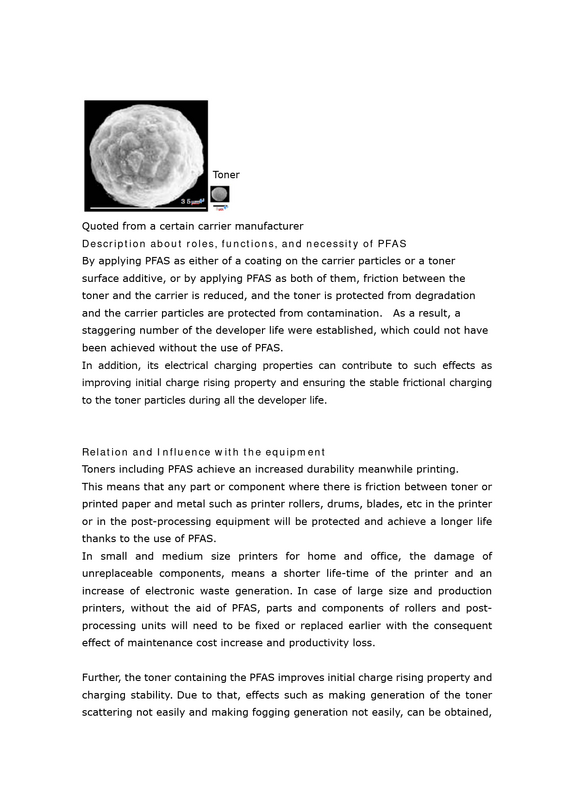
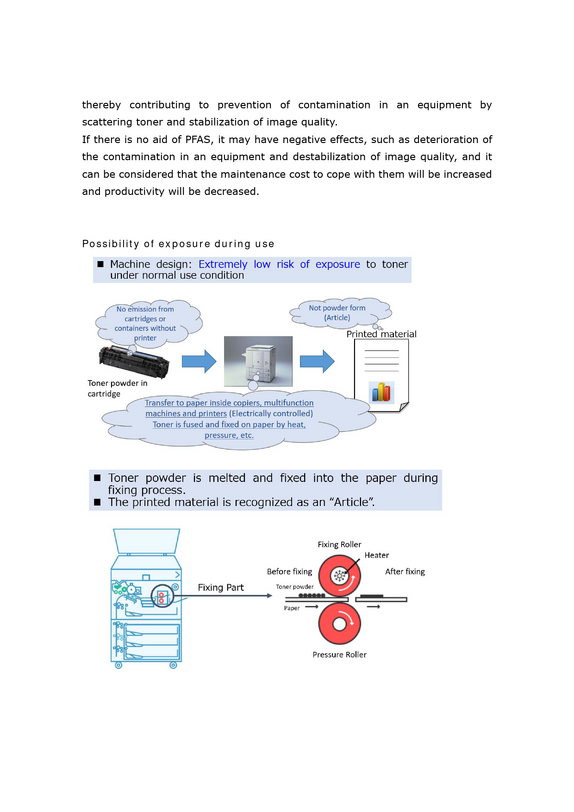
Attachment 2 Description about Toner and Carrier The electro photographic development system is a complex technology that works when there is a perfect balance with the carrier that feeds the toner to the photoconductor.

refid# re4X1Nvg5mbqBBD3YmX0aXnjE4 pages
The welding is a unique and STRATEGIC technology, for construction and repair The European Welding Association (EWA) is an industrial association which comprises national associations and manufacturers of electric and flame welding equipment, welding and brazing consumables, equipment to ensure the health and safety of welders ( fume extraction systems included) across Europe.




refid# Gm5VjxO5QgknQY5eyk6mgNggN6 pages
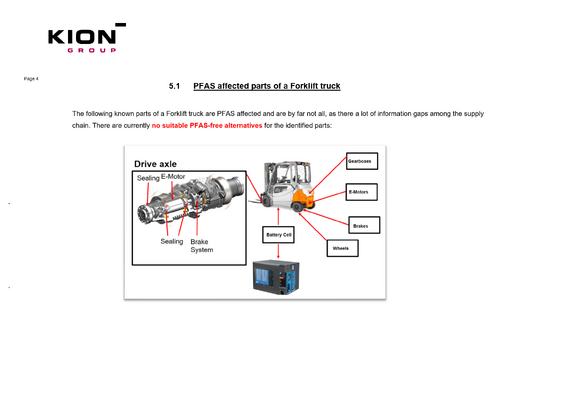
KION GROUP Page 1 KION GROUP do LINDE Material Handling Italia S.p.a.
refid# kmEqxJ8Ve6yGVdRYx7vQBL0LO8 pages
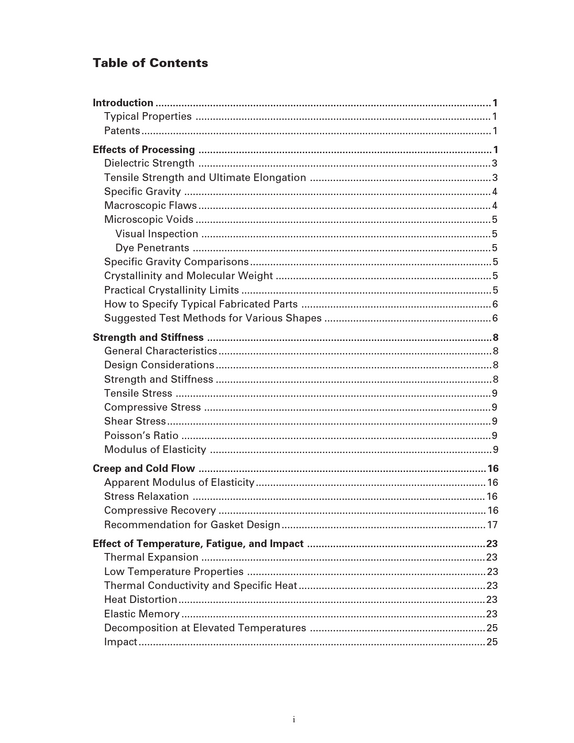
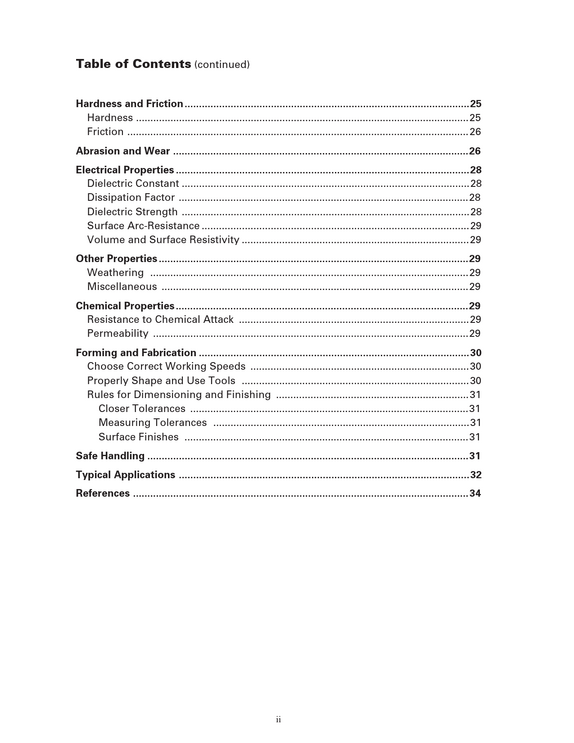
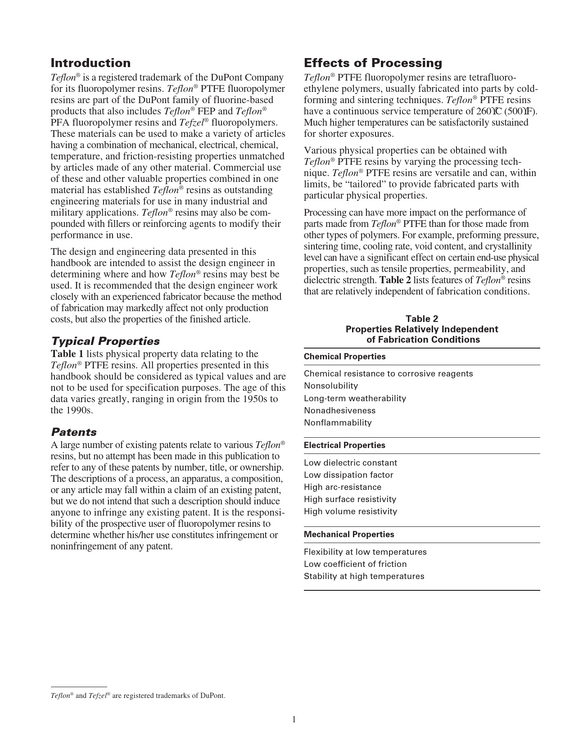
f Teflon PTFE fluoropolymer resin Properties Handbook Table of Contents Introduction .....................................................................................................................1 Typical Properties .......................................................................................................1 Patents ..........................................................................................................................1 Effects of Processing ......................................................................................................1 Dielectric Strength ......................................................................................................3 Tensile Strength and Ultimate Elongation ...............................................................3 Specific Gravity ...........................................................................................................4 Macroscopic Flaws ......................................................................................................4 Microscopic Voids .......................................................................................................5 Visual Inspection .....................................................................................................5 Dye Penetrants ........................................................................................................5 Specific Gravity Comparisons ....................................................................................5 Crystallinity and Molecular Weight ...........................................................................5 Practical Crystallinity Limits .......................................................................................5 How to Specify Typical Fabricated Parts ..................................................................6 Suggested Test Methods for Various Shapes ..........................................................6 Strength and Stiffness ...................................................................................................8 General Characteristics ...............................................................................................8 Design Considerations ................................................................................................8 Strength and Stiffness ................................................................................................8 Tensile Stress ..............................................................................................................9 Compressive Stress ....................................................................................................9 Shear Stress.................................................................................................................9 Poisson's Ratio ............................................................................................................9 Modulus of Elasticity ..................................................................................................9 Creep and Cold Flow ....................................................................................................16 Apparent Modulus of Elasticity ................................................................................16 Stress Relaxation ......................................................................................................16 Compressive Recovery .............................................................................................16 Recommendation for Gasket Design .......................................................................17 Effect of Temperature, Fatigue, and Impact ..............................................................23 Thermal Expansion ...................................................................................................23 Low Temperature Properties ...................................................................................23 Thermal Conductivity and Specific Heat .................................................................23 Heat Distortion...........................................................................................................23 Elastic Memory ..........................................................................................................23 Decomposition at Elevated Temperatures .............................................................25 Impact .........................................................................................................................25 i Table of Contents (continued) Hardness and Friction ...................................................................................................25 Hardness ....................................................................................................................25 Friction ....................................................................................................................... 26 Abrasion and Wear .......................................................................................................26 Electrical Properties ......................................................................................................28 Dielectric Constant ....................................................................................................28 Dissipation Factor .....................................................................................................28 Dielectric Strength ....................................................................................................28 Surface Arc-Resistance .............................................................................................29 Volume and Surface Resistivity ...............................................................................29 Other Properties ............................................................................................................29 Weathering ...............................................................................................................29 Miscellaneous ...........................................................................................................29 Chemical Properties ......................................................................................................29 Resistance to Chemical Attack ................................................................................29 Permeability ..............................................................................................................29 Forming and Fabrication ..............................................................................................30 Choose Correct Working Speeds ............................................................................30 Properly Shape and Use Tools ...............................................................................30 Rules for Dimensioning and Finishing ...................................................................31 Closer Tolerances .................................................................................................31 Measuring Tolerances .........................................................................................31 Surface Finishes ...................................................................................................31 Safe Handling ................................................................................................................31 Typical Applications .....................................................................................................32 References ..................................................................................................................... 34 ii Introduction Teflon is a registered trademark of the DuPont Company for its fluoropolymer resins.

refid# VGn3kJDxpQvwQXXamYMMb3Oro38 pages
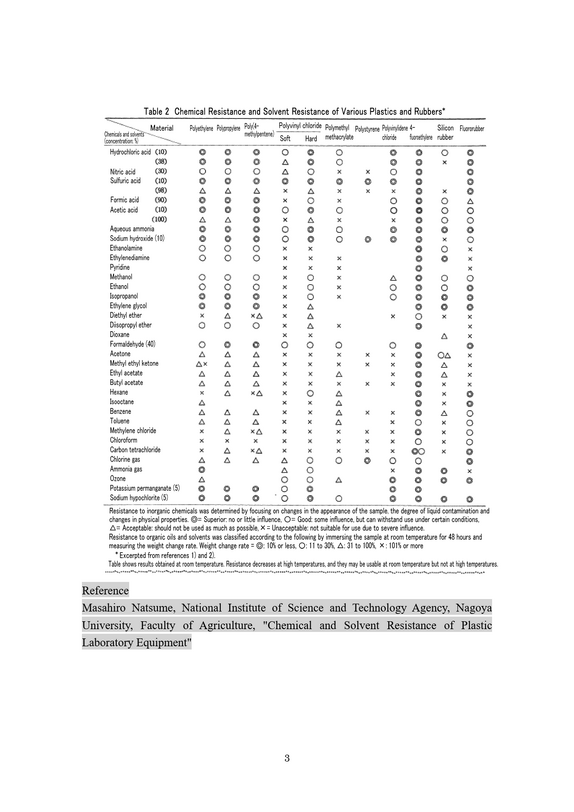
Processed product for shipbuilding applications Application : Shipbuilding Materials used in the field are PTFE (CAS NO: 9002-84-0), PCTFE (CAS NO: 9002-839), PFA (CAS NO: 26655-00-5), PVDF (CAS NO: 24937-79-9), and ETFE (CAS NO: 94228-79-2).
refid# 4vp8nRY99YmRMQzvj4Bdk93zR3 pages
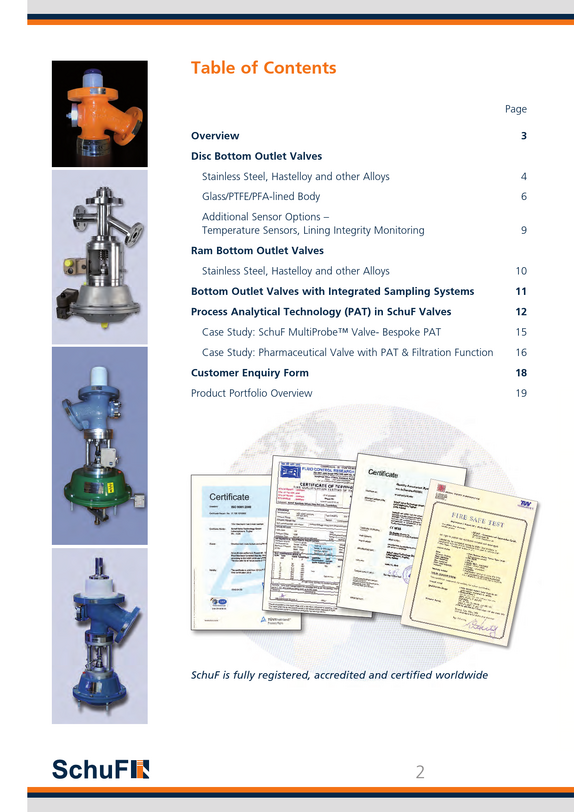
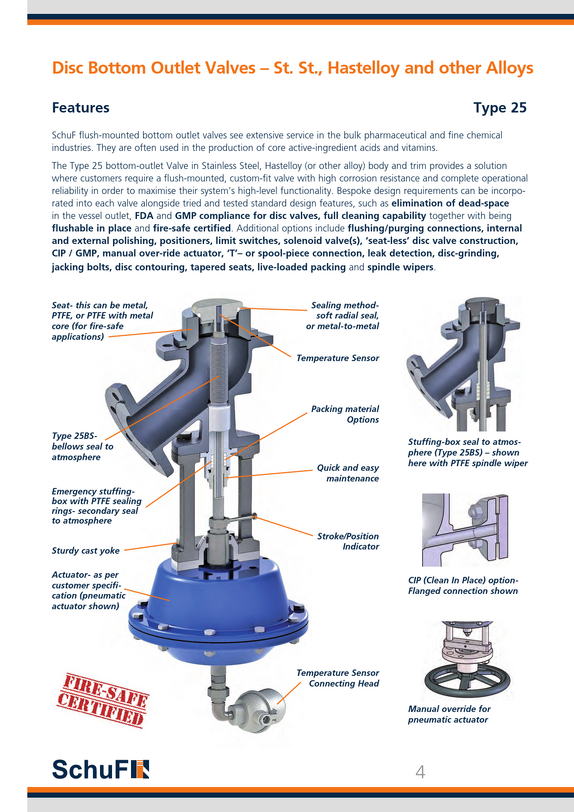
Valves for the Pharmaceutical and Fine Chemical Industries Table of Contents Page Overview 3 Disc Bottom Outlet Valves Stainless Steel, Hastelloy and other Alloys 4 Glass/PTFE/PFA-lined Body 6 Additional Sensor Options - Temperature Sensors, Lining Integrity Monitoring 9 Ram Bottom Outlet Valves Stainless Steel, Hastelloy and other Alloys 10 Bottom Outlet Valves with Integrated Sampling Systems 11 Process Analytical Technology (PAT) in SchuF Valves 12 Case Study: SchuF MultiProbeTM Valve- Bespoke PAT 15 Case Study: Pharmaceutical Valve with PAT & Filtration Function 16 Customer Enquiry Form 18 Product Portfolio Overview 19 SchuF is fully registered, accredited and certified worldwide 2 Valves for the Pharmaceutical and Fine Chemical Industries Overview In recent years, the dual pressures of rationalisation and safety/environmental regulations have driven technical progress in the pharmaceutical and fine chemical industries, resulting in a number of significant developments.


refid# 2R20KQn53ZNg9QVgEZQe2rp1a20 pages
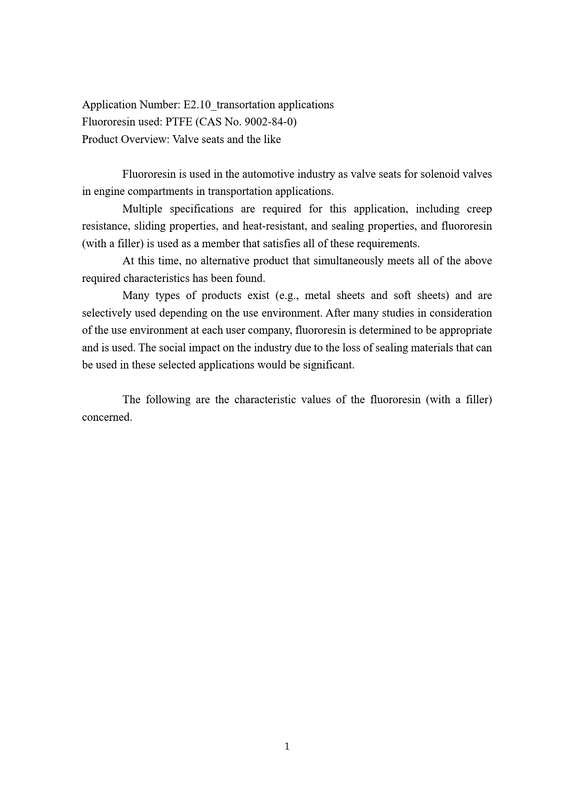
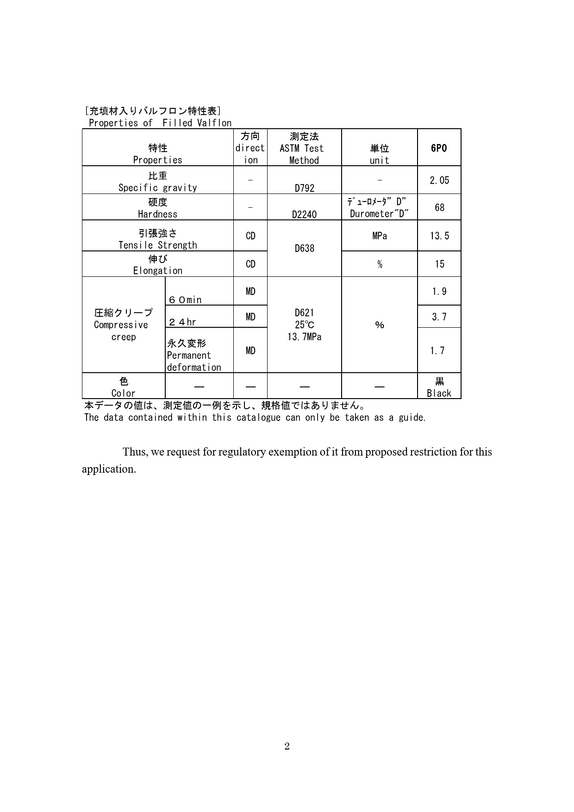
Application Number: E2.10_transortation applications Fluororesin used: PTFE (CAS No. 9002-84-0) Product Overview: Valve seats and the like Fluororesin is used in the automotive industry as valve seats for solenoid valves in engine compartments in transportation applications.
refid# 4J59g04pEomZLK349Qz10N30V2 pages
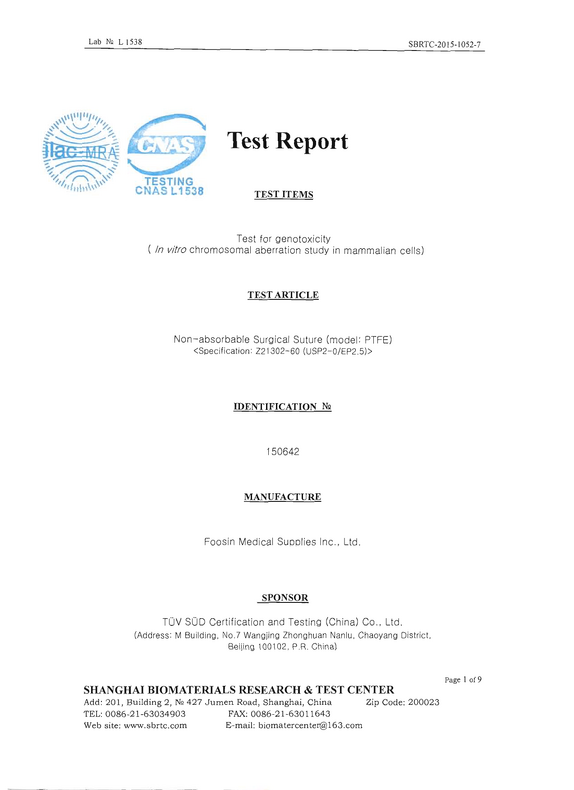
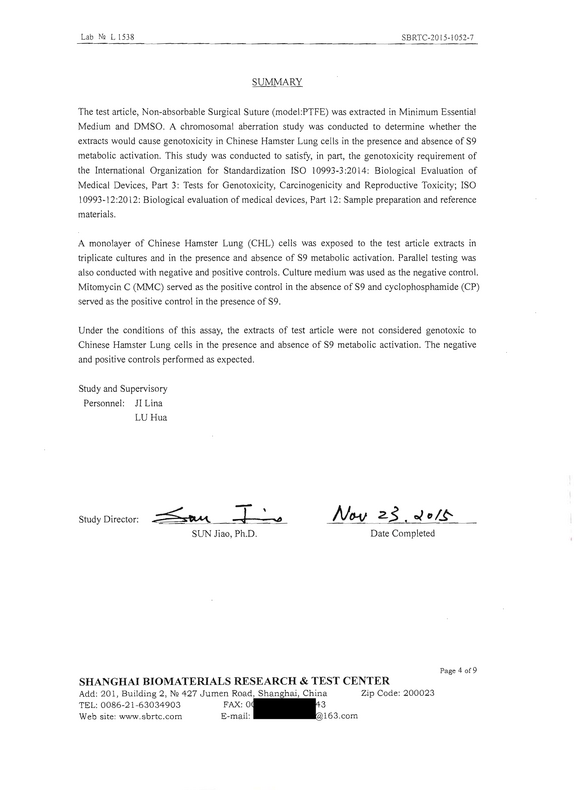
Lab Isla L 1538 NOTICE SBRTC-2015-1052-7 I.
refid# qaGnEbx0j6LGV8D7qB5QraQDR9 pages
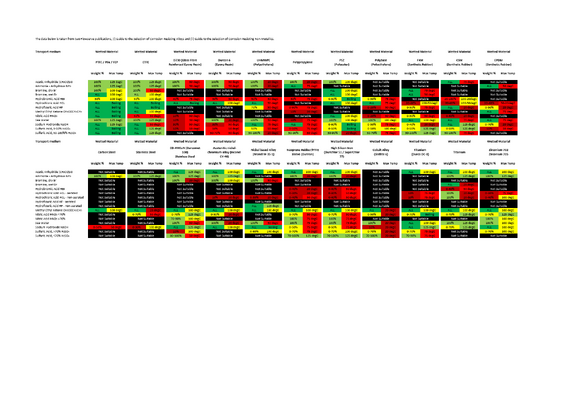
The data below is taken from two Flowserve publications, (i) Guide to the Selection of Corrosion Resisting Alloys and (ii) Guide to the Selection of Corrosion Resisting Non-Metallics.
refid# MGJQzrvQJpj0EoGmbXMmgYzQj1 page
NEED IS THE MOTHER OF ALL INVENTIONS "Everything has a context, from the smallest environmental gesture to saving the stream and bottom sea for future generations."

refid# k9v2v6Y4BaK04G6n01vKqG0jn1 page
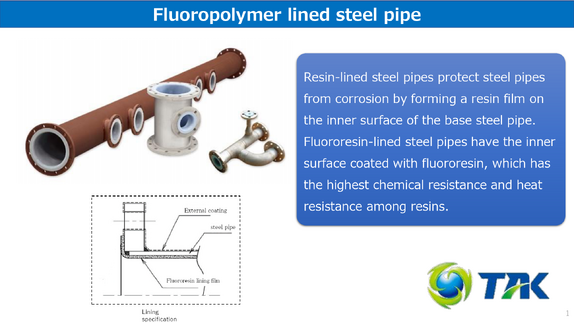
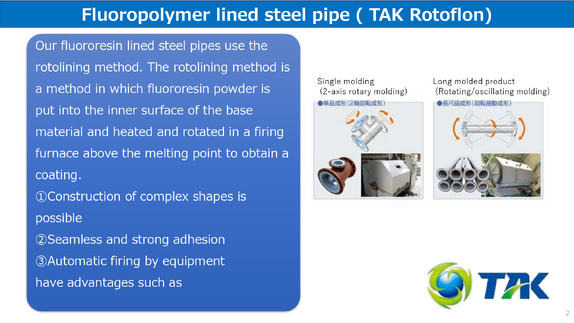
Fluoropolymer lined steel pipe External coating steel pipe Resin-lined steel pipes protect steel pipes from corrosion by forming a resin film on the inner surface of the base steel pipe.
refid# k65G95kRmROXKEMQZpn98428y2 pages
The exemption application of perfluorosulfonic acid(PFSA) resins and perfluorocarboxylic acid(PFCA) resins and ion exchange membranes for chlor-alkali industry Chlor-alkali industry is the largest sector in the modern chemical industry.

refid# NYMVvYYQyZLx94Roq7LKgxep2 pages
Comment on Proposed Restriction of PFAS --A citizen of the earth.
refid# b56bM0JJo55pzxqJ7ZzRLKeBO2 pages
The Essentiality of PFAS for Rigid Gas Permeable Contact Lenses Dr Mark D Eddleston Summary The safety and effectiveness of rigid gas permeable (RGP) contact lenses is reliant on the use of PFAS.
refid# aJjkZ4oV32ooDnrJakQXjb9we37 pages