Refine
Estimated Years UndatedClear
1,187 results foundRefine Search
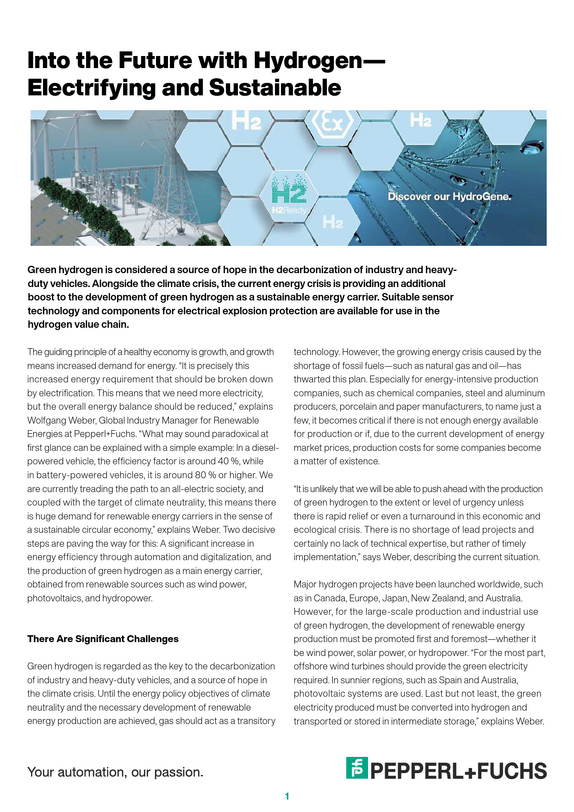
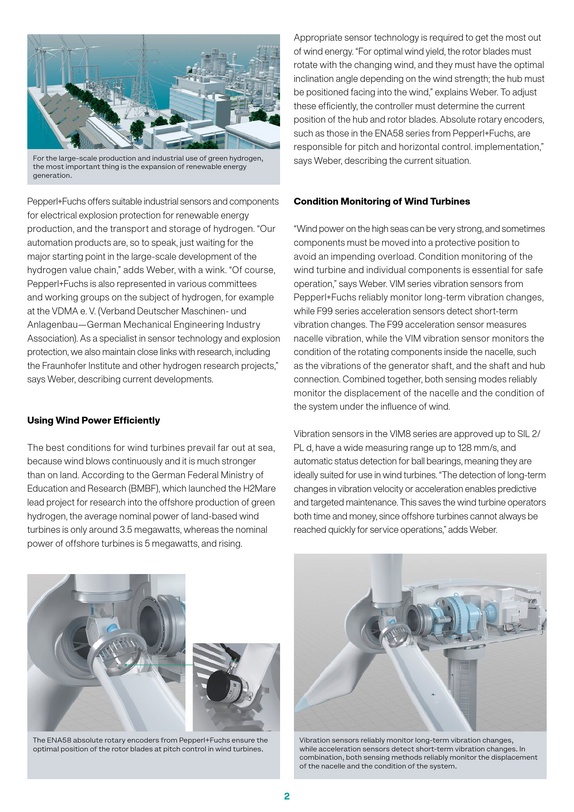
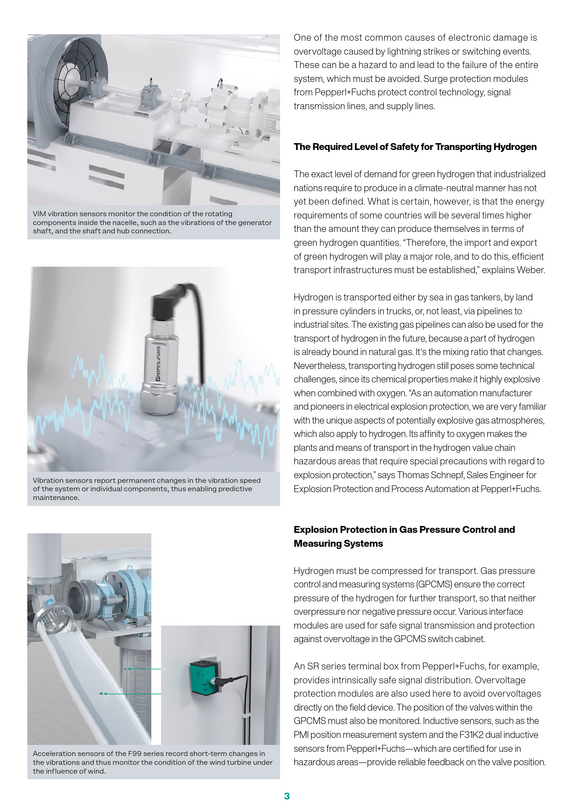
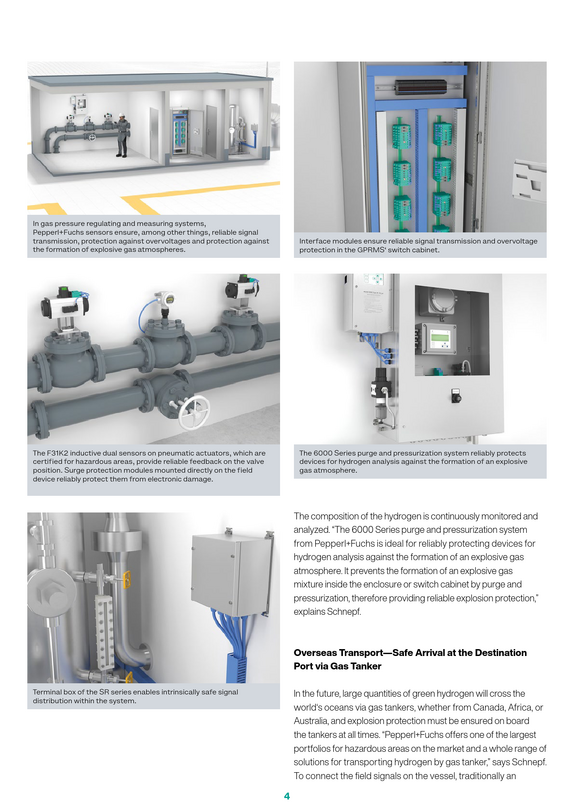
Into the Future with Hydrogen-- Electrifying and Sustainable Green hydrogen is considered a source of hope in the decarbonization of industry and heavyduty vehicles.
refid# gbbe6ongDYD2e2ykMzN6OEneN7 pages
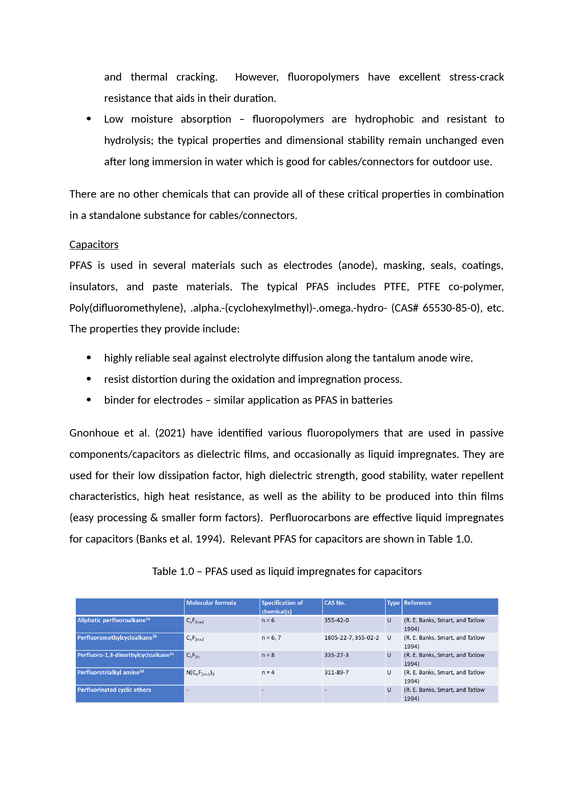
Introduction Despite concluding that there was an unclear substitution potential for electronics, the Dossier Submitters decided not to put the industry forward for derogations regarding the proposed PFAS Restriction.
refid# bye1Rxrko0RgvG6aGEEL7Qkdy9 pages
Chemical Compatibility Reference Chart Polyethylene / LDPE / HDPE The chemical compatibility of LDPE and HDPE on this chart is tested at 20C and 50C for 7 days and 30 days (if applicable) with constant exposure.
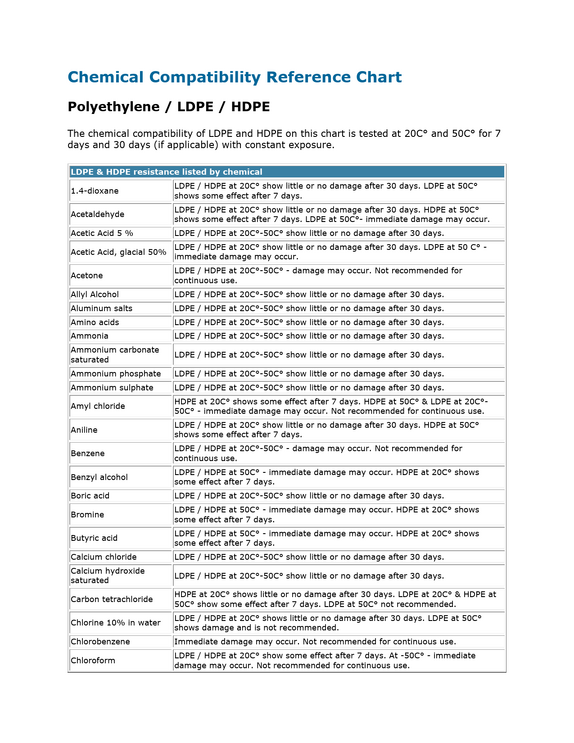
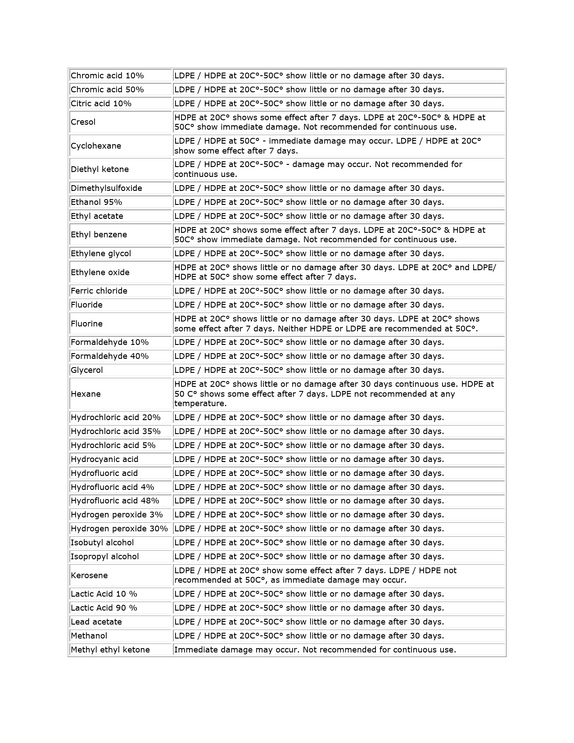
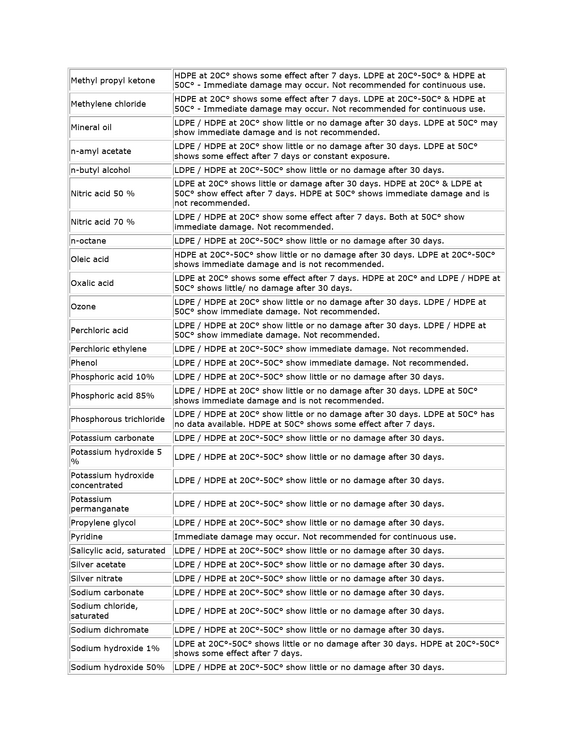
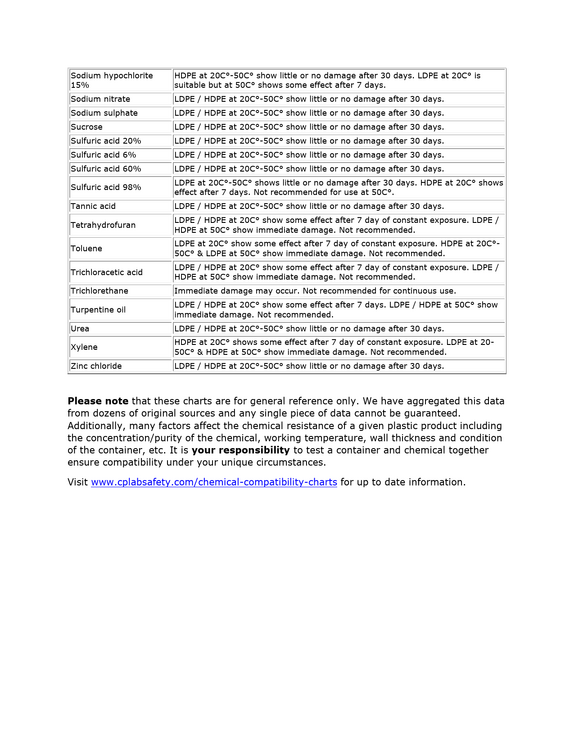
refid# EyZekeGELjnK8kyeaoJxygDL4 pages
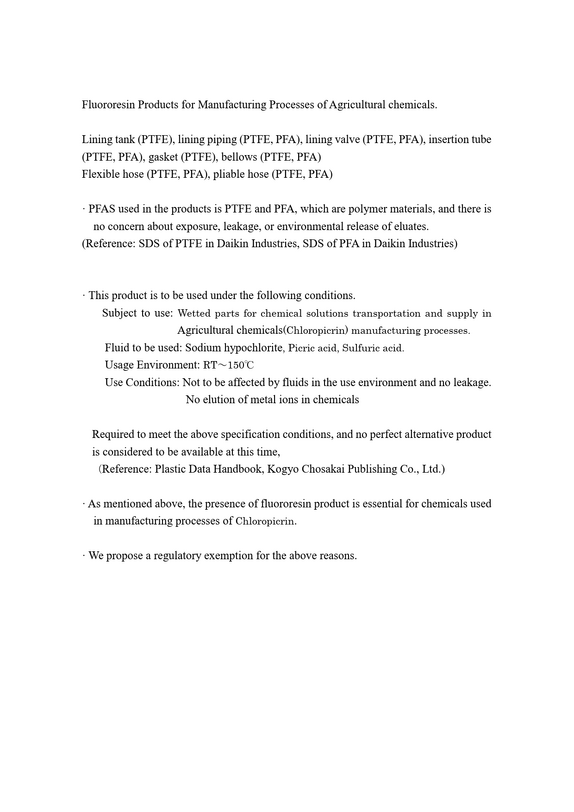
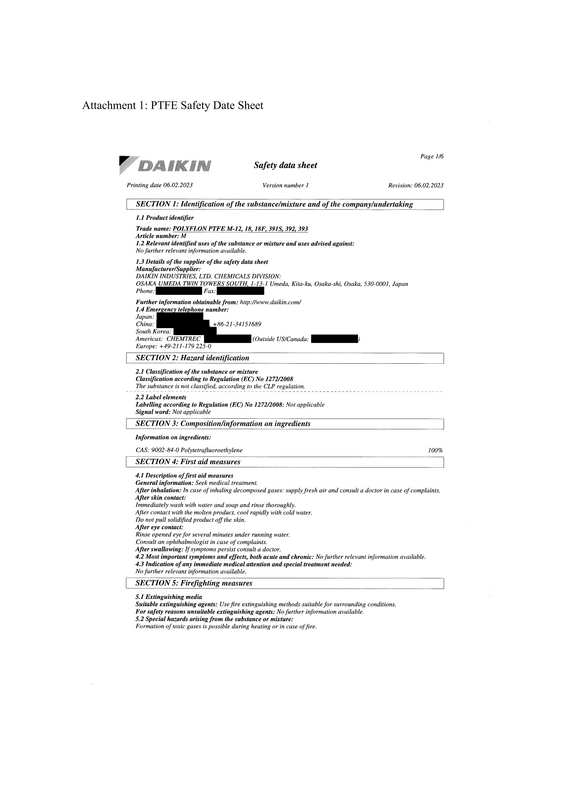
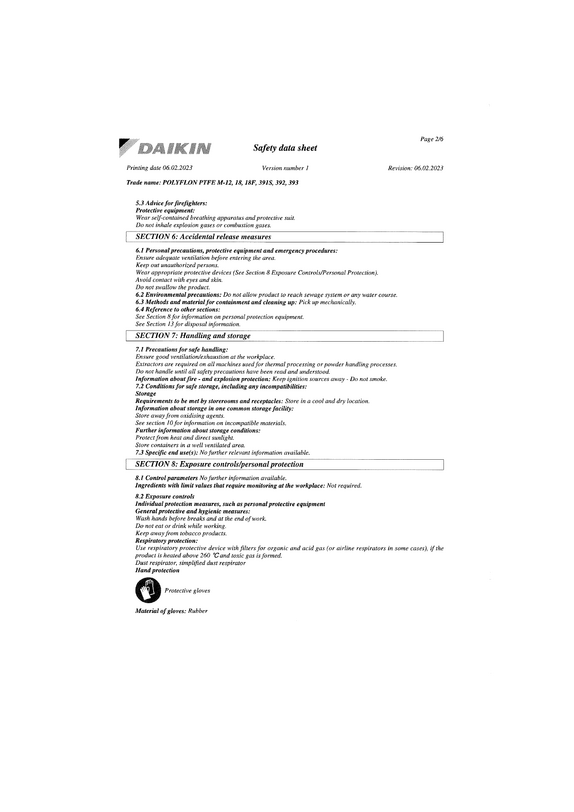
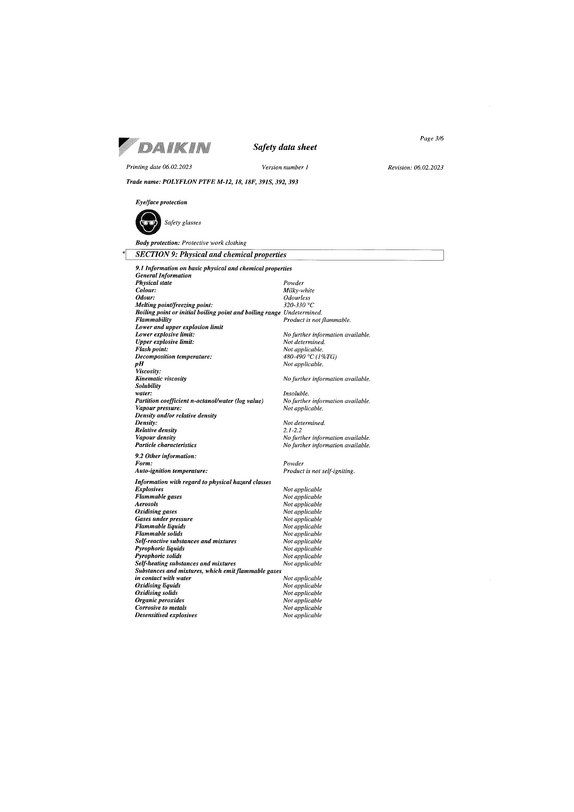
Fluororesin Products for Manufacturing Processes of Agricultural chemicals.
refid# K9m4qYapmpoQEYQMqRaxNE3o23 pages
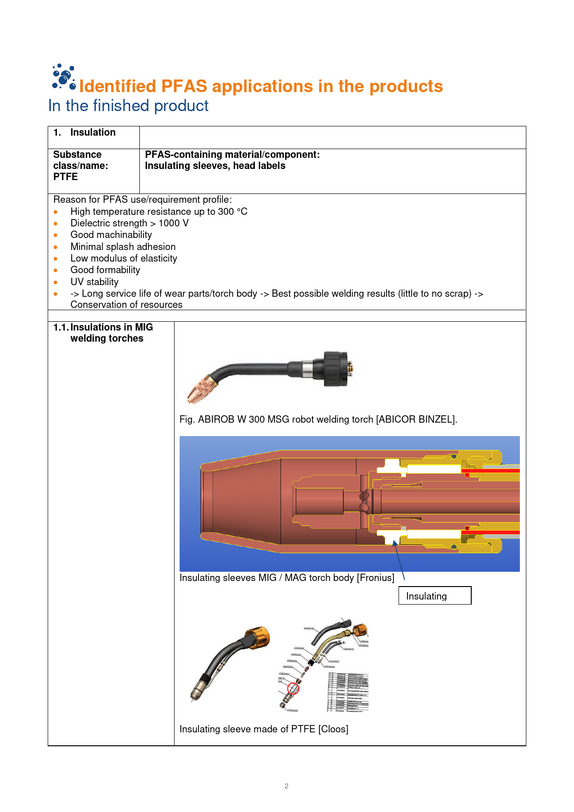
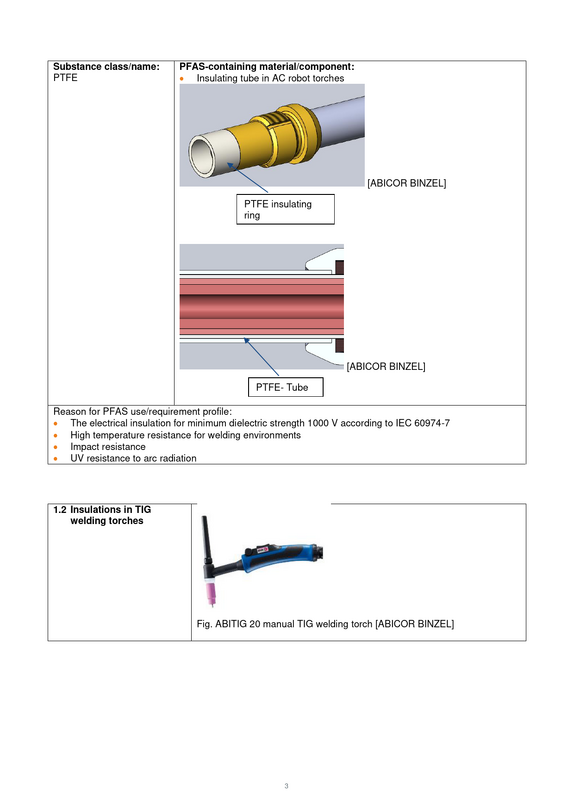
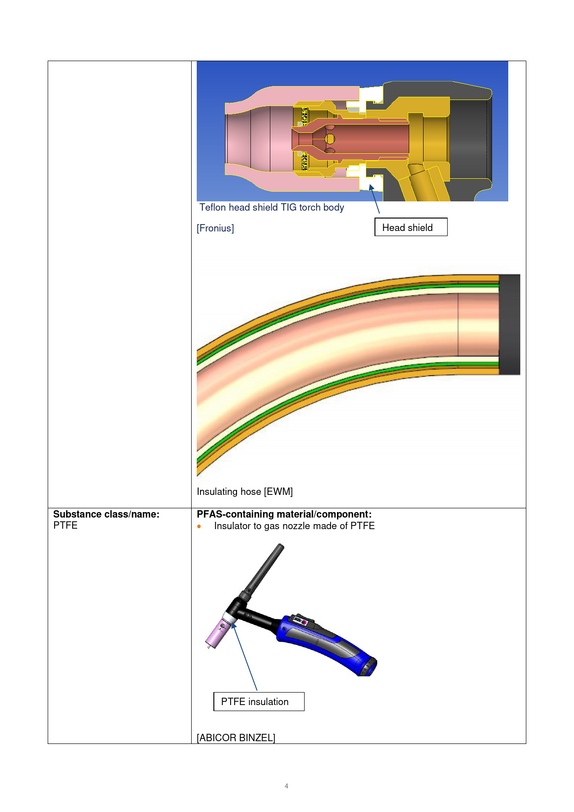
Factsheet/case study "PFAS in electric welding equipment".

refid# kaEOXbEwNEg6od0ndOQMGOgMD12 pages
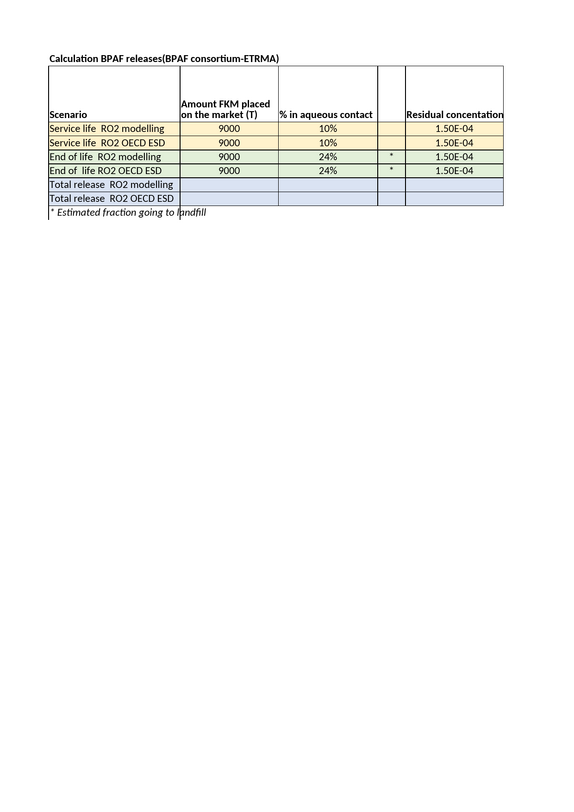
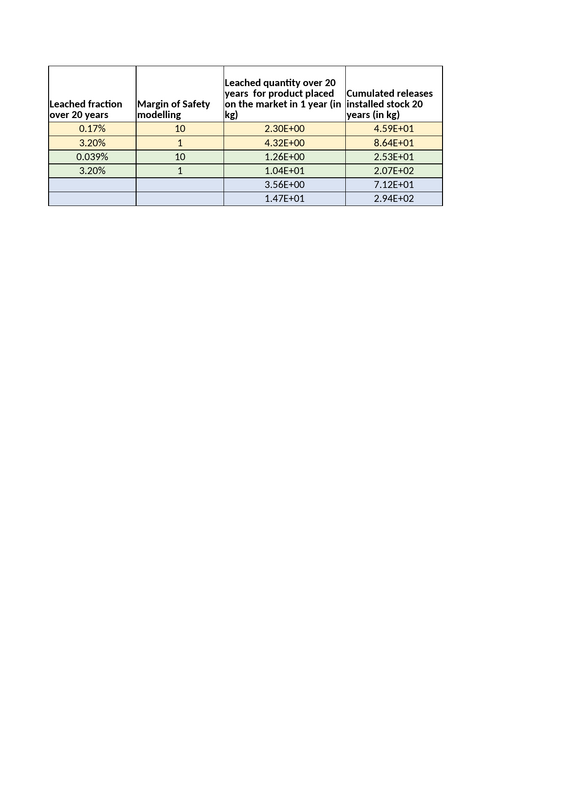
Calculation BPAF releases(BPAF consortium-ETRMA) Scenario Amount FKM placed on the market (T) Service life RO2 modelling 9000 Service life RO2 OECD ESD 9000 End of life RO2 modelling 9000 End of life RO2 OECD ESD 9000 Total release RO2 modelling Total release RO2 OECD ESD * Estimated fraction going to landfill % in aqueous contact 10% 10% 24% 24% Residual concentation 1.50E-04 1.50E-04 * 1.50E-04 * 1.50E-04 Leached fraction over 20 years 0.17% 3.20% 0.039% 3.20% Margin of Safety modelling 10 1 10 1 Leached quantity over 20 years for product placed on the market in 1 year (in kg) 2.30E+00 4.32E+00 1.26E+00 1.04E+01 3.56E+00 1.47E+01 Cumulated releases installed stock 20 years (in kg) 4.59E+01 8.64E+01 2.53E+01 2.07E+02 7.12E+01 2.94E+02 Fraction not eliminated in WWTP (39%) (kg) 1.79E+01 3.37E+01 9.86E+00 8.09E+01 2.78E+01 1.15E+02

refid# aBO0vJOEORn873QzDpEBakJX93 pages
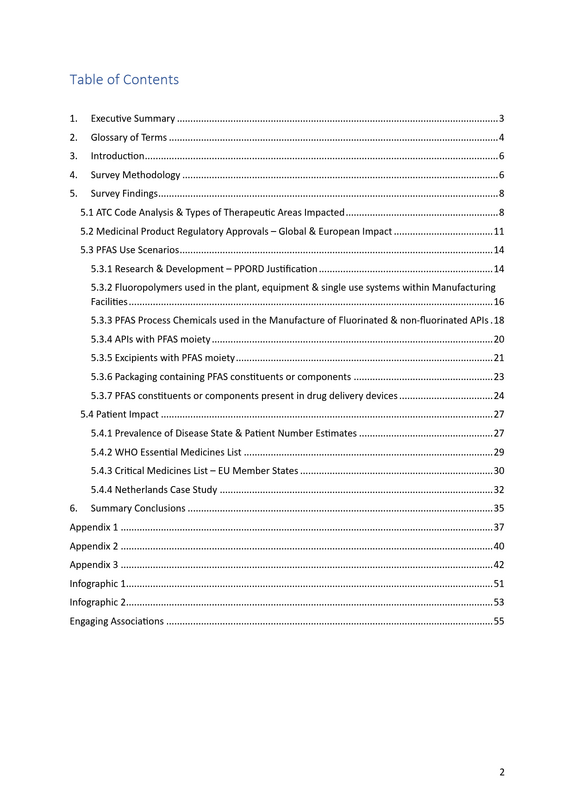
Human Health Medicinal Products Sector Survey Impact of Proposed PFAS Restric=on on Pa=ent Access to Medicines & EU Strategic Autonomy Disclaimer: This document was prepared in good faith by represented associa6ons for the purposes of preparing the public consulta6on response to the PFAS Restric6on proposed under Title VIII of the REACH Regula6on.
refid# k7X1q1O7N2J3azoBVnjYkVEn55 pages
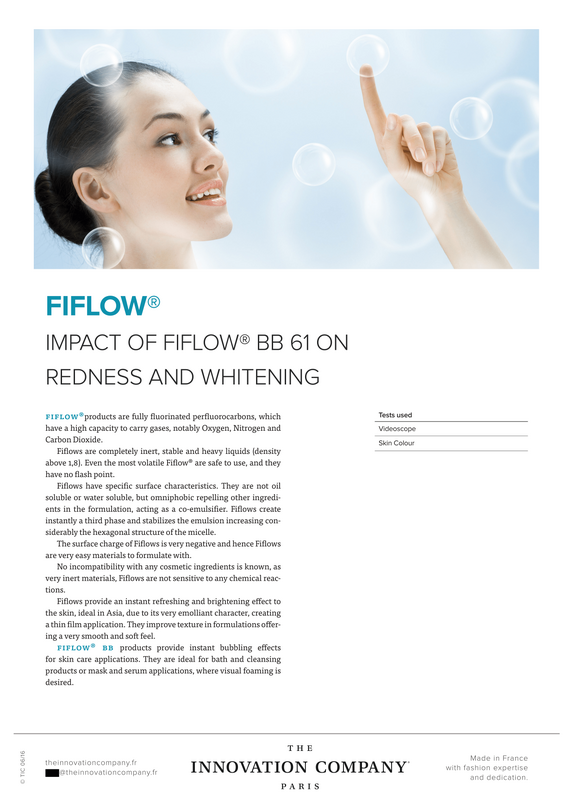
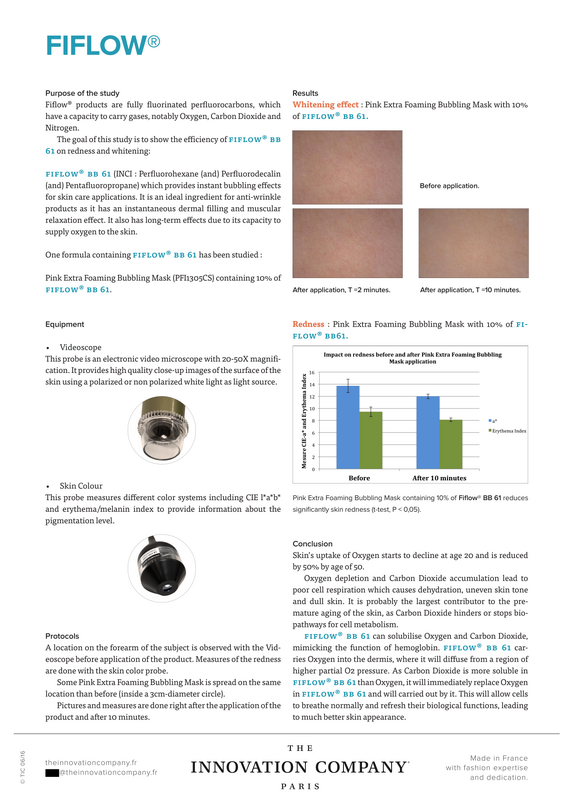
IMPACT OF FIFLOW BB 61 ON REDNESS AND WHITENING FIFLOW products are fully fluorinated perfluorocarbons, which have a high capacity to carry gases, notably Oxygen, Nitrogen and Carbon Dioxide.
refid# wq9074JzBjDDZRDbgk42na4DJ2 pages

refid# ymaMv7o2Krdg7xLL822w8z3g32 pages
refid# O32bGQZG0L6Z1MnV2Gj7g5VOw3 pages
refid# JrKZjO7RjBXVQp3MOY00zr2JZ1 page
Structure depictio PFBA PFHxA PFBS CAS NumbECNumberCode for soStructural Formular (N/A) (N/A) (N/A)|PFBS?
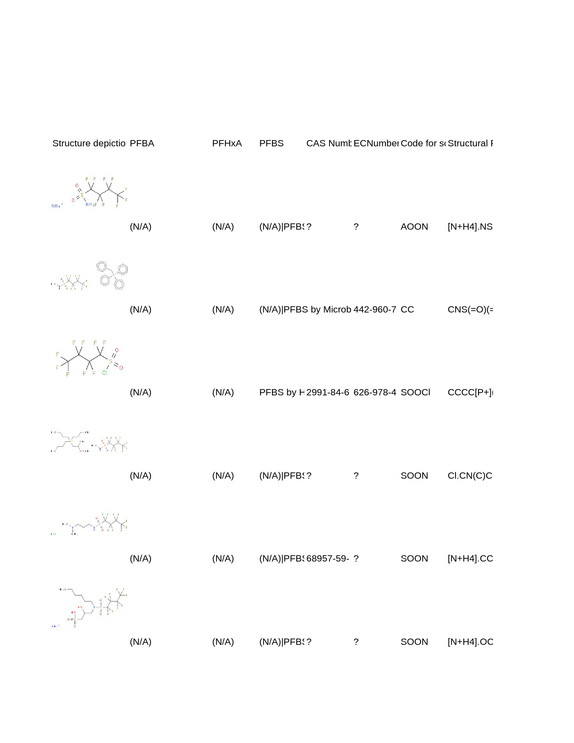
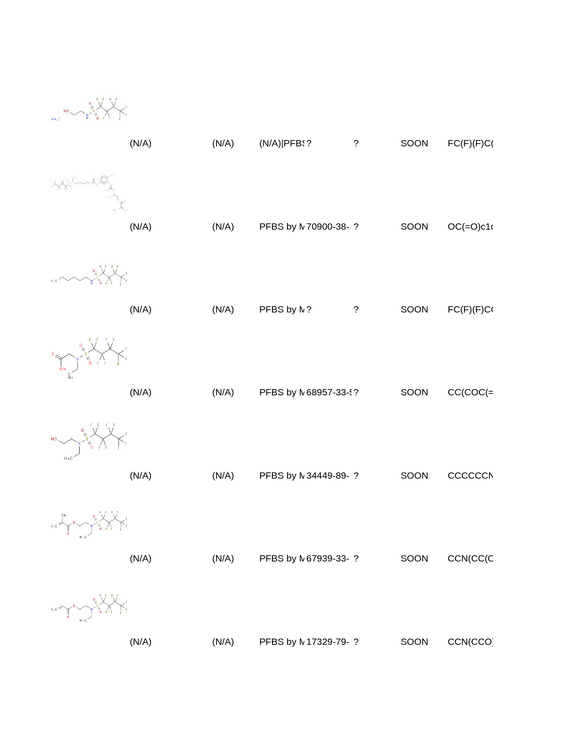
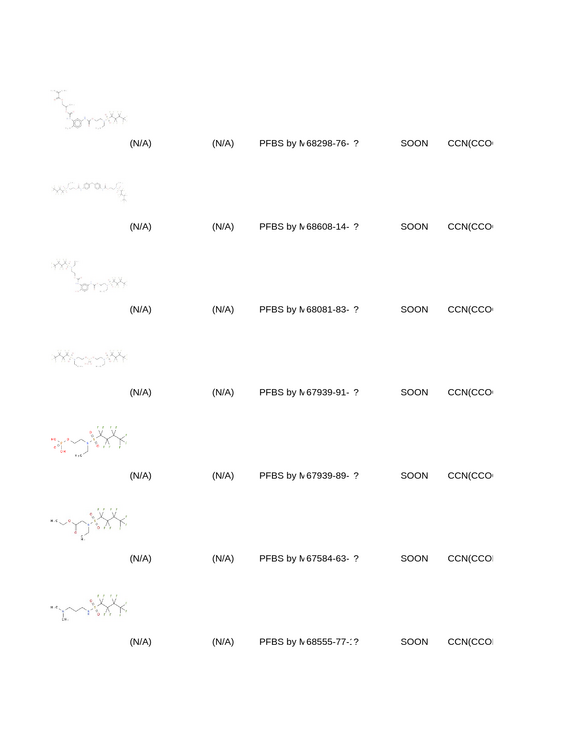
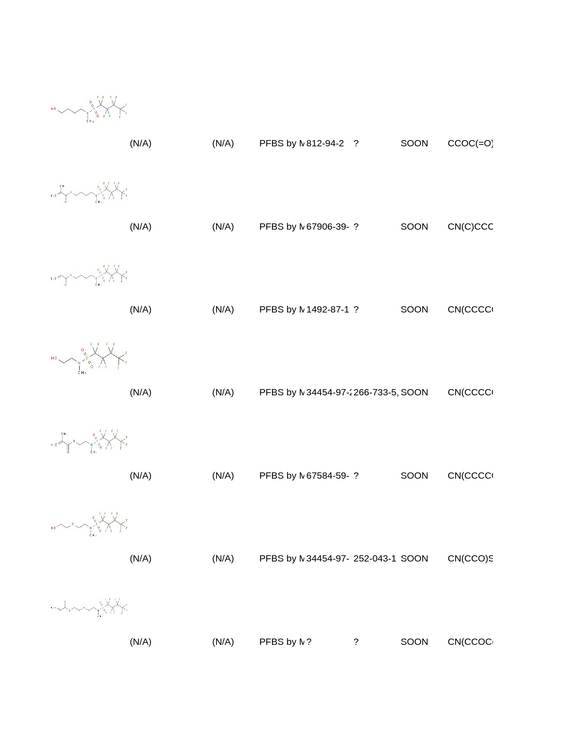
refid# 1ypdJ3ZaRp17jmXgB82RY3qNj65 pages
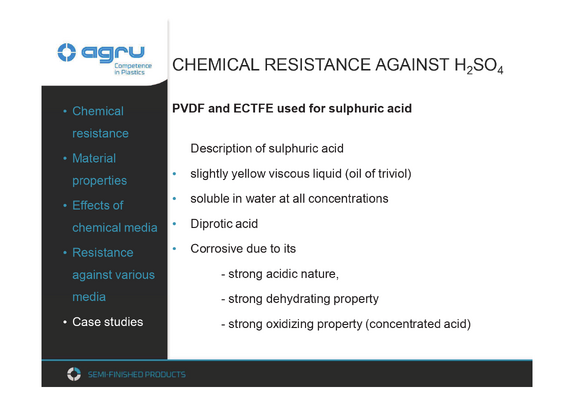
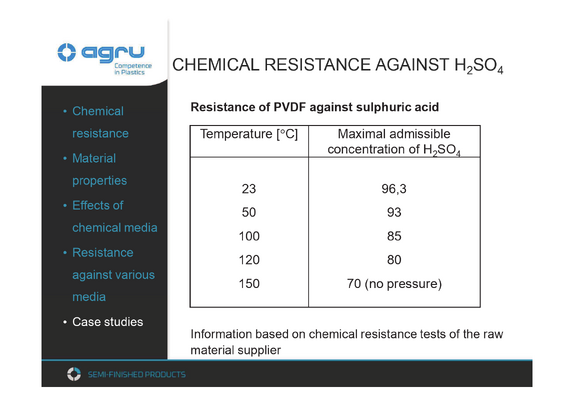
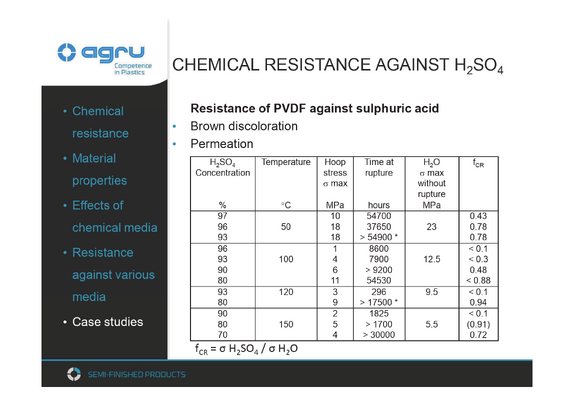
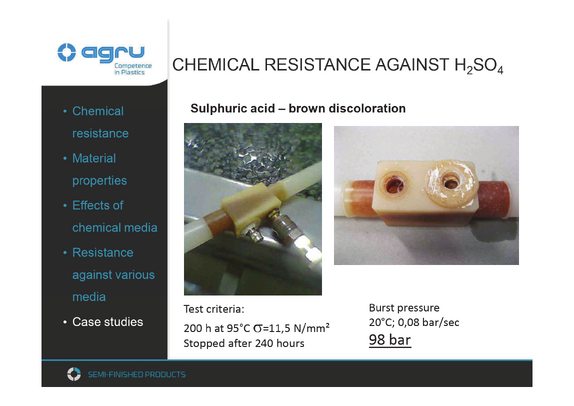
CHEMICAL RESISTANCE AGAINST H2SO4 Chemical resistance Material properties Effects of chemical media Resistance against various media Case studies PVDF and ECTFE used for sulphuric acid Description of sulphuric acid slightly yellow viscous liquid (oil of triviol) soluble in water at all concentrations Diprotic acid Corrosive due to its - strong acidic nature, - strong dehydrating property - strong oxidizing property (concentrated acid) CHEMICAL RESISTANCE AGAINST H2SO4 Chemical resistance Material properties Effects of chemical media Resistance against various media Case studies Resistance of PVDF against sulphuric acid Temperature [C] Maximal admissible concentration of H2SO4 23 96,3 50 93 100 85 120 80 150 70 (no pressure) Information based on chemical resistance tests of the raw material supplier CHEMICAL RESISTANCE AGAINST H2SO4 Chemical Resistance of PVDF against sulphuric acid resistance Brown discoloration Permeation Material properties H2SO4 Concentration Temperature Hoop stress V max Time at rupture H2O V max without rupture Effects of % C MPa hours MPa 97 10 54700 chemical media 96 50 18 37650 23 93 18 > 54900 * Resistance 96 1 8600 93 100 4 7900 12.5 against various 9800 6 > 9200 11 54530 media 93 120 3 296 9.5 80 9 > 17500 * Case studies 90 2 1825 80 150 5 > 1700 5.5 70 fCR = H2SO4 / H2O 4 > 30000 fCR 0.43 0.78 0.78 < 0.1 < 0.3 0.48 < 0.88 < 0.1 0.94 < 0.1 (0.91) 0.72 CHEMICAL RESISTANCE AGAINST H2SO4 Chemical resistance Material properties Effects of chemical media Resistance against various media Case studies Sulphuric acid - brown discoloration Test criteria: 200 h at 95C V=11,5 N/mm Stopped after 240 hours Burst pressure 20C; 0,08 bar/sec 98 bar CHEMICAL RESISTANCE AGAINST H2SO4 Chemical resistance Material properties Effects of chemical media Resistance against various media Case studies High concentrated sulphuric acid (concentration: >96,3%) SO3(g) + H2O(l) H2SO4(l) -H2O Sulfur trioxide (SO3) CHEMICAL RESISTANCE AGAINST H2SO4 Chemical resistance Material properties Effects of chemical media Resistance against various media Case studies Resistance of PVDF against sulphur trioxide, which is formed by sulphuric acid >96,3% Deshydrofluorination Permeation Increase in weight (>5%) Stress cracking corrosion Typical phenomenon if SO3 only is present in very small amounts Physical and chemical degradation ECTFE is resistant against sulphuric acid with a concentration >96,3% without any restrictions CHEMICAL RESISTANCE AGAINST H2SO4 Chemical resistance Material properties Effects of chemical media Resistance against various media Case studies Medium: Temperature: Medium: Temperature: sulphuric acid 98% 20C sulphuric acid 96% 20C - 30C CHEMICAL RESISTANCE AGAINST H2SO4 Chemical resistance Material properties Effects of chemical media Resistance against various media Case studies Medium: Temperatrure: sulphuric acid 98% 20C The solution ETHYLENCHLORTRIFLUORETHYLEN - ECTFE
refid# 3JngBBxrqxeMkqRr1kB871XMn8 pages
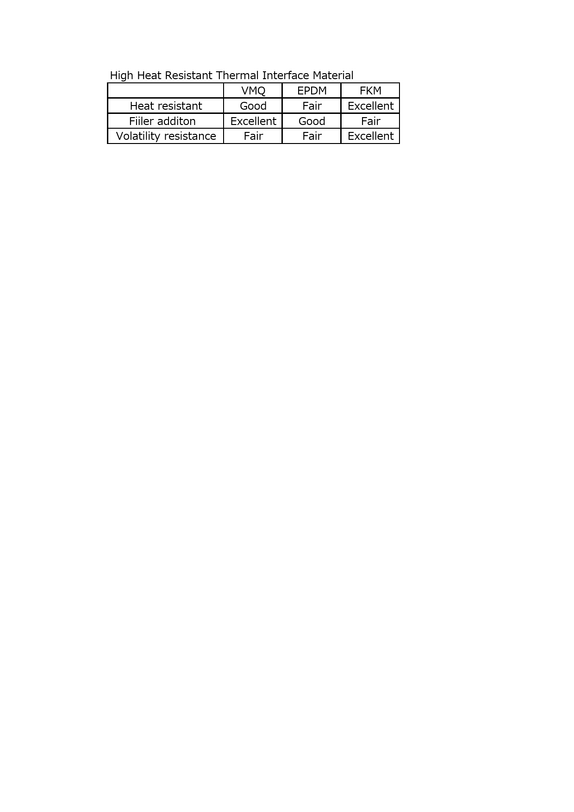
High Heat Resistant Thermal Interface Material VMQ EPDM FKM Heat resistant Good Fair Excellent Fiiler additon Excellent Good Fair Volatility resistance Fair Fair Excellent
refid# e7R5ZmMM4yNr959ewEvq4LQ4g1 page
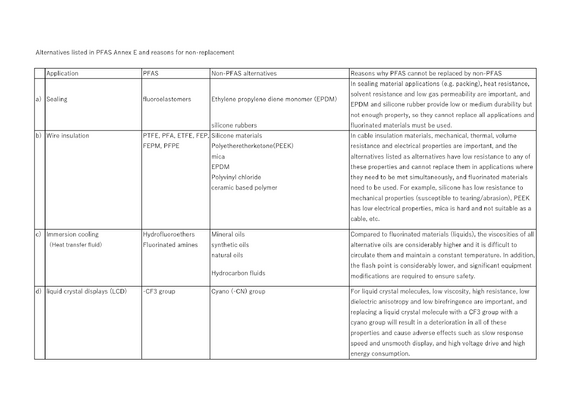
Alternatives listed in PFAS Annex E and reasons for non-replacement Application a) Sealing b) Wire insulation c) Immersion cooling Heat transfer fluid d) liquid crystal displays (LCD) PFAS Non-PFAS alternatives fluoroelastomers Ethylene propylene diene monomer (EPDM) silicone rubbers PTFE, PFA, ETFE, FEP, Silicone materials FEPM, PFPE Polyetheretherketone(PEEK) mica EPDM Polyvinyl chloride ceramic based polymer Hydrofluoroethers Fluorinated amines -CF3 group Mineral oils synthetic oils natural oils Hydrocarbon fluids Cyano (-CN) group Reasons why PFAS cannot be replaced by non-PFAS In sealing material applications (e.g. packing), heat resistance, solvent resistance and low gas permeability are important, and EPDM and silicone rubber provide low or medium durability but not enough property, so they cannot replace all applications and fluorinated materials must be used.
refid# vQp0aJ0NRvOb4j7Yx9bMboeY1 page