Refine
Estimated Years 2010-2019Clear
286 results foundRefine Search
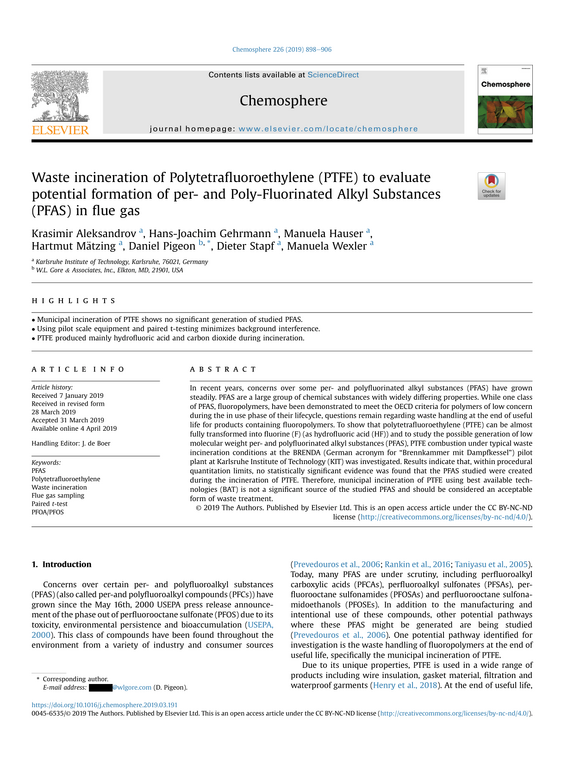
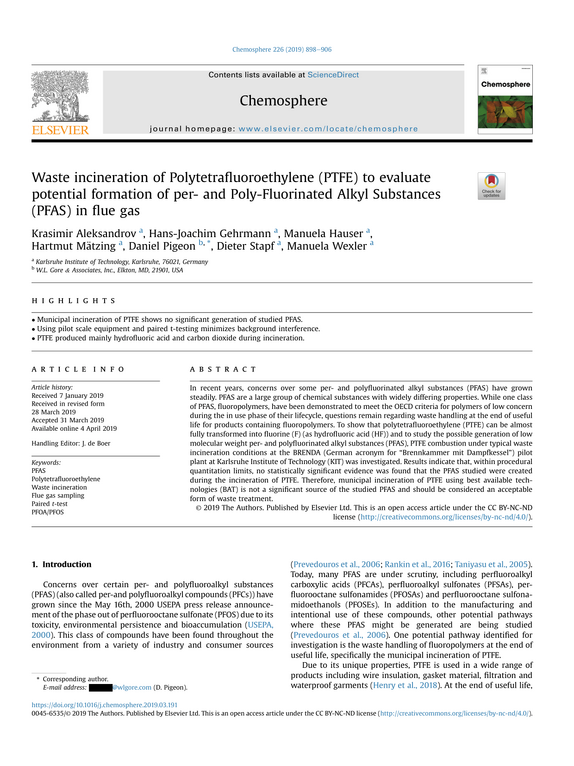
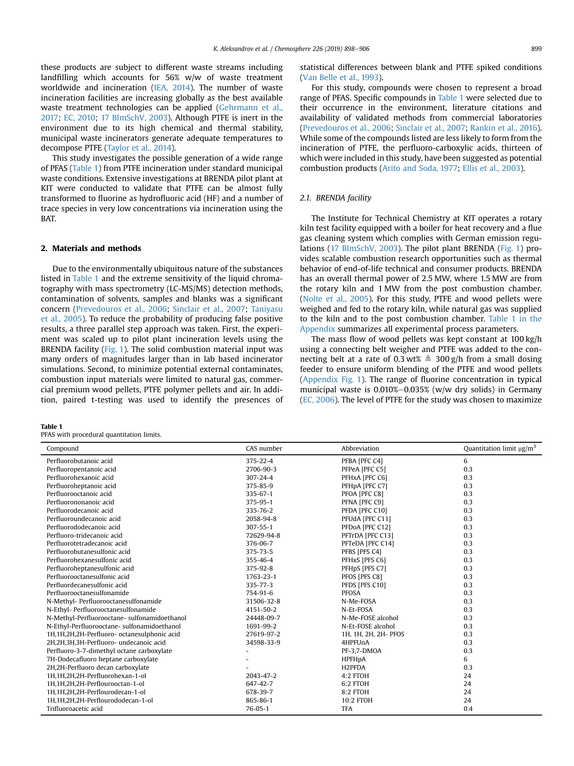
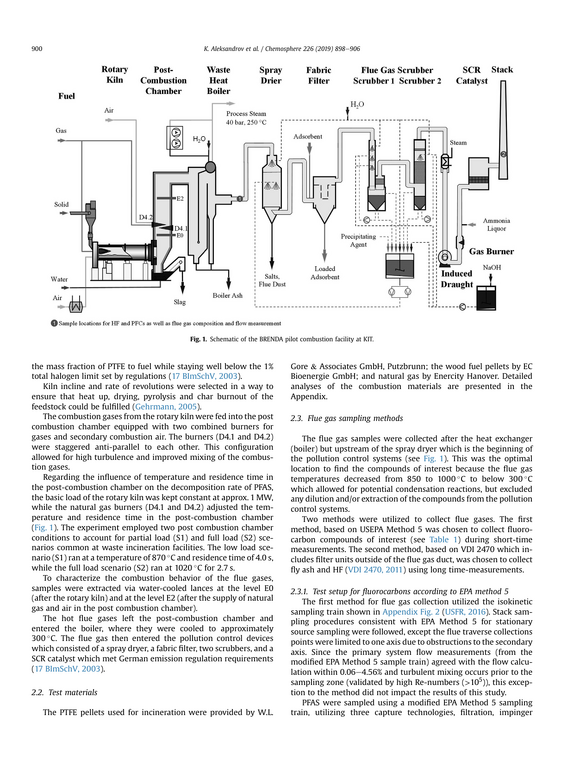
ELSEVIER Chemosphere 226 (2019) 898-906 Contents lists available at ScienceDirect Chemosphere journal homepage: www.elsevier.com/locate/chemosphere Waste incineration of Polytetrafluoroethylene (PTFE) to evaluate potential formation of per- and Poly-Fluorinated Alkyl Substances Chec updates (PFAS) in flue gas Krasimir Aleksandrov a, Hans-Joachim Gehrmann a, Manuela Hauser a, Hartmut Matzing a, Daniel Pigeon b. , Dieter Stapf a, Manuela Wexler a a Karlsruhe Institute of Technology, Karlsruhe, 76021, Germany b W.L.
refid# bB9RJa5qepwOQKDgn1K5r4qGk9 pages
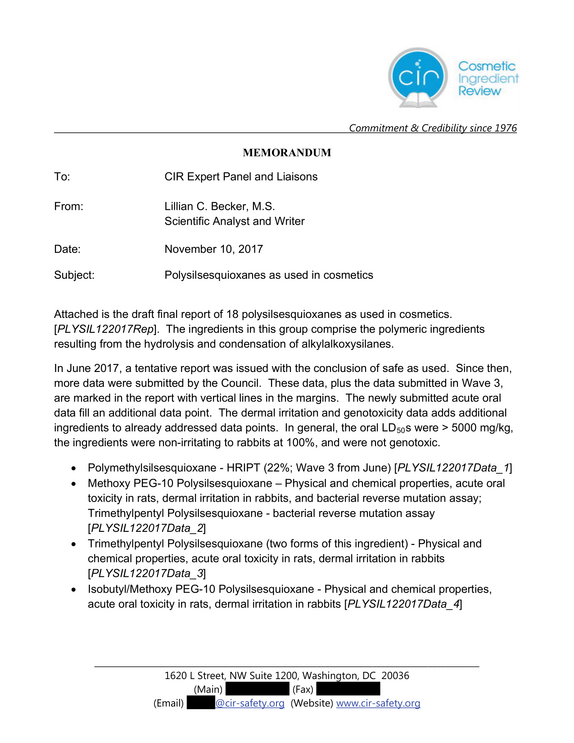
Safety Assessment of Polysilsesquioxanes as Used in Cosmetics Status: Release Date: Panel Meeting Date: Draft Final Report for Panel Review November 10, 2017 December 4-5, 2017 The 2017 Cosmetic Ingredient Review Expert Panel members are: Chair, Wilma F.
refid# 7640J0egkdGY145R67kxJ70R192 pages
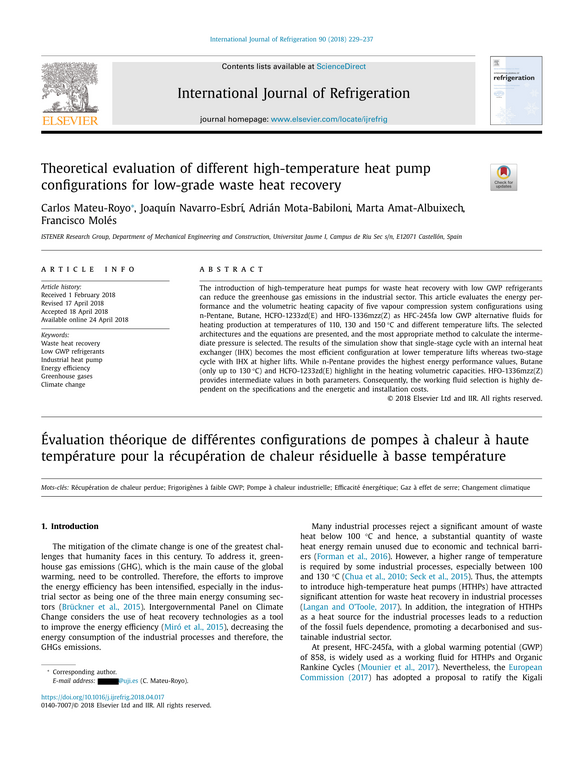
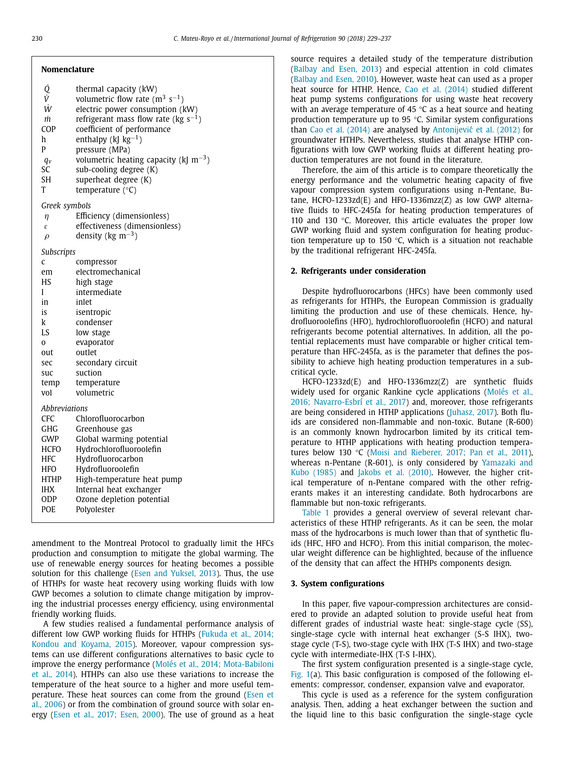
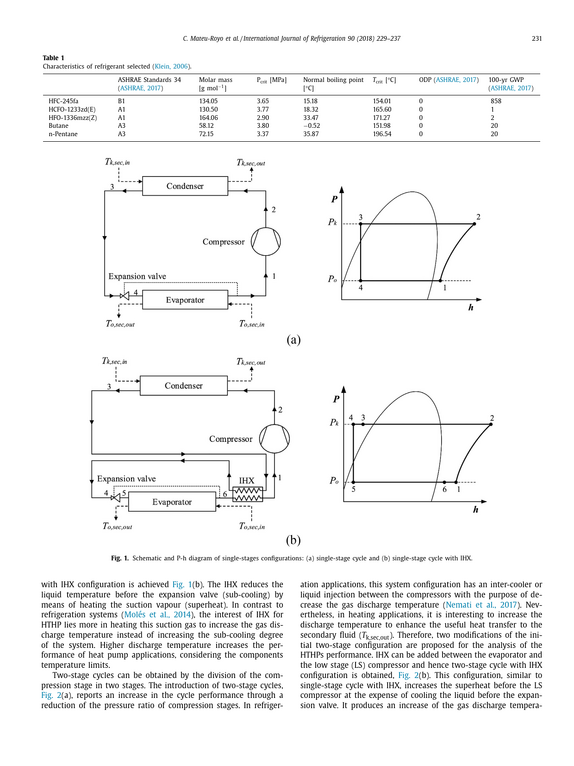
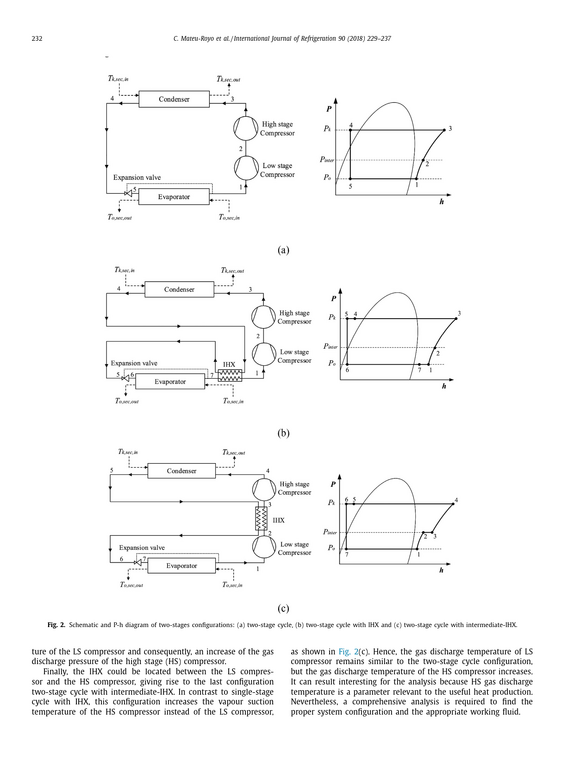
International Journal of Refrigeration 90 (2018) 229-237 Contents lists available at ScienceDirect International Journal of Refrigeration journal homepage: www.elsevier.com/locate/ijrefrig Theoretical evaluation of different high-temperature heat pump 011) configurations for low-grade waste heat recovery Check for updates Carlos Mateu-Royo , Joaquin Navarro-Esbri, Adrian Mota-Babiloni, Marta Amat-Albuixech, Francisco Moles ISTENER Research Group, Department of Mechanical Engineering and Construction, Universitatfaume I, Campus de Riu Sec s/n, E12071 Castellon, Spain ARTICLE INFO Article history: Received 1 February 2018 Revised 17 April 2018 Accepted 18 April 2018 Available online 24 April 2018 Keywords: Waste heat recovery Low GWP refrigerants Industrial heat pump Energy efficiency Greenhouse gases Climate change ABSTRACT The introduction of high-temperature heat pumps for waste heat recovery with low GWP refrigerants can reduce the greenhouse gas emissions in the industrial sector.
refid# 7RN8QawNgQ5vKpe159E1yGjKE9 pages
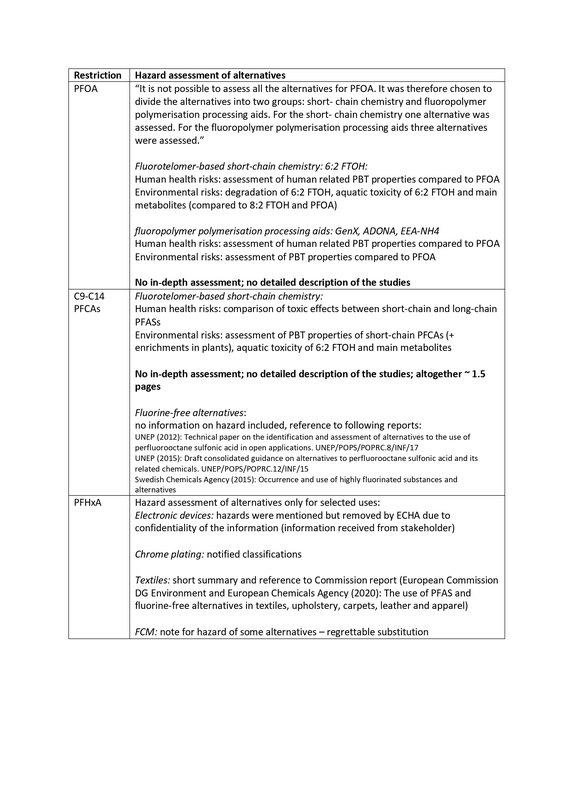
Restriction PFOA Hazard assessment of alternatives "It is not possible to assess all the alternatives for PFOA.
refid# jywbm2Xpj7pdX29aDNBEkr0bk1 page
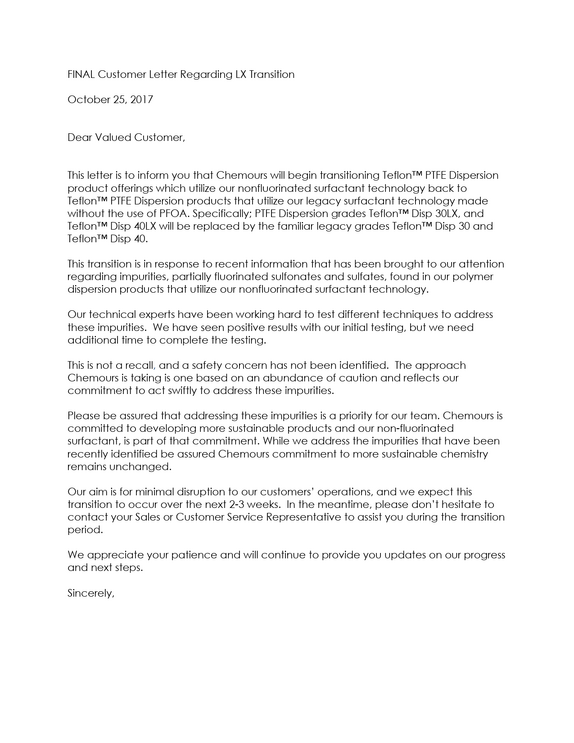
FINAL Customer Letter Regarding LX Transition October 25, 2017 Dear Valued Customer, This letter is to inform you that Chemours will begin transitioning TeflonTM PTFE Dispersion product offerings which utilize our nonfluorinated surfactant technology back to TeflonTM PTFE Dispersion products that utilize our legacy surfactant technology made without the use of PFOA.
refid# ZnMbqbwoNe96b3pkxa5O4NyxZ1 page
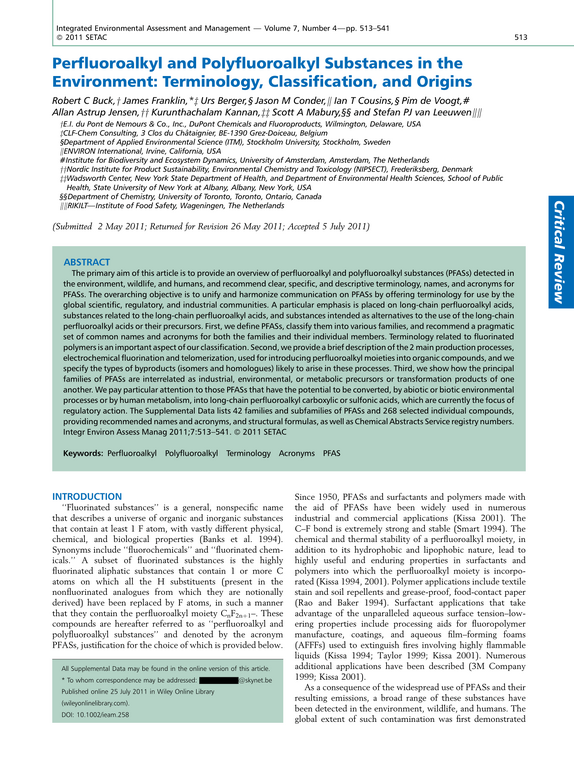
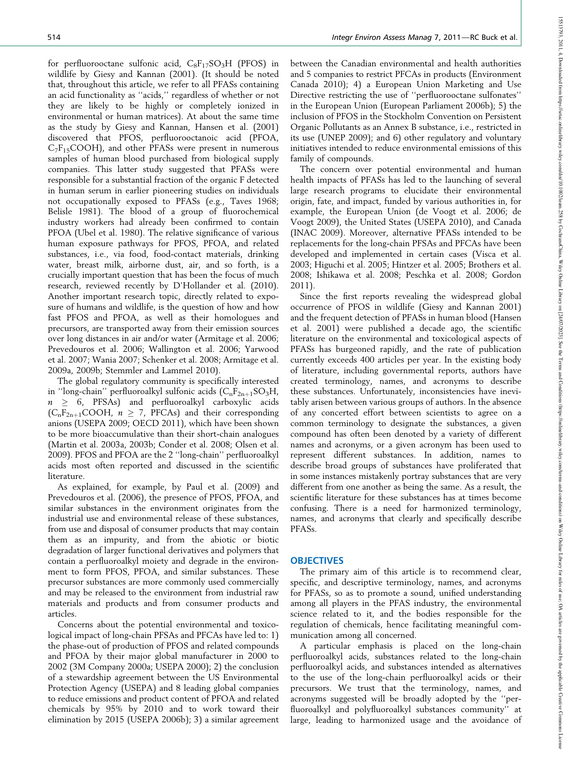
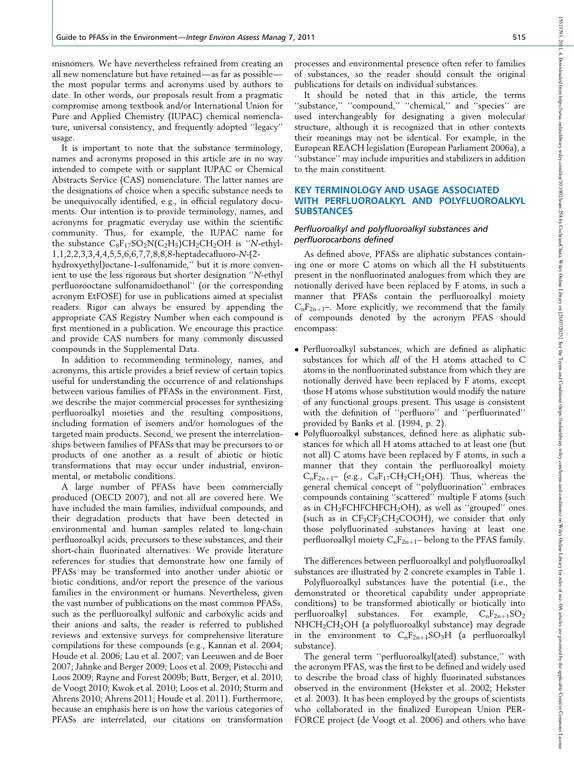
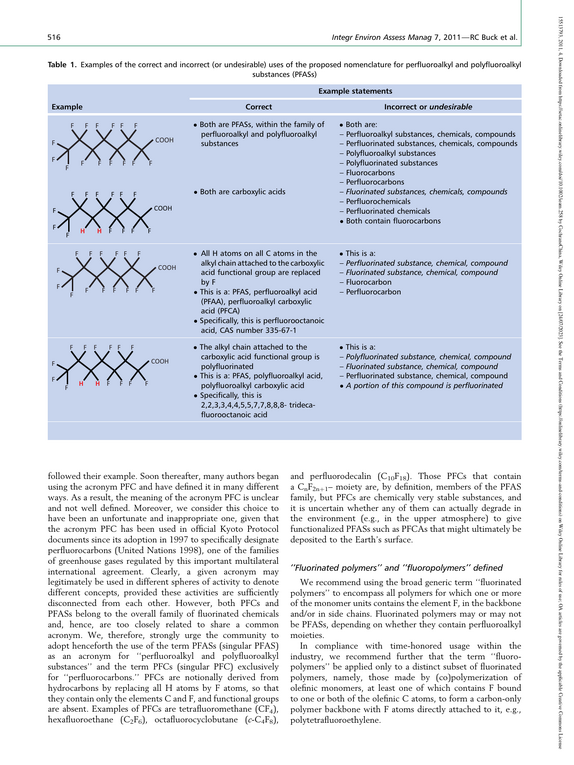
Integrated Environmental Assessment and Management -- Volume 7, Number 4--pp. 513-541 2011 SETAC 513 Perfluoroalkyl and Polyfluoroalkyl Substances in the Environment: Terminology, Classification, and Origins Robert C Buck, t James Franklin, *$ Urs Berger, Jason M Conder, // Ian T Cousins, Pim de Voogt,# Allan Astrup Jensen, tt Kurunthachalam Kannanal Scott A Mabuiy, and Stefan PJ van Leeuwen//// tE.I. du Pont de Nemours & Co., Inc., DuPont Chemicals and Fluoroproducts, Wilmington, Delaware, USA 1CLF-Chem Consulting, 3 Clos du Chataignier, BE-1390 Grez-Doiceau, Belgium Department of Applied Environmental Science (ITM), Stockholm University, Stockholm, Sweden IIENVIRON International, Irvine, California, USA #Institute for Biodiversity and Ecosystem Dynamics, University of Amsterdam, Amsterdam, The Netherlands it-Nordic Institute for Product Sustainability, Environmental Chemistry and Toxicology (NIPSECT), Frederiksberg, Denmark HWadsworth Center, New York State Department ofHealth, and Department ofEnvironmental Health Sciences, School ofPublic Health, State University of New York at Albany, Albany, New York, USA Department of Chemistry, University of Toronto, Toronto, Ontario, Canada IIIIRIKILT--Institute of Food Safety, Wageningen, The Netherlands (Submitted 2 May 2011; Returned for Revision 26 May 2011; Accepted 5 July 2011) rt ABSTRACT (t) The primary aim of this article is to provide an overview of perfluoroalkyl and polyfluoroalkyl substances (PFASs) detected in the environment, wildlife, and humans, and recommend clear, specific, and descriptive terminology, names, and acronyms for (b PFASs.
refid# rBj4kVY3ovpRygDaLZ51rKDr29 pages
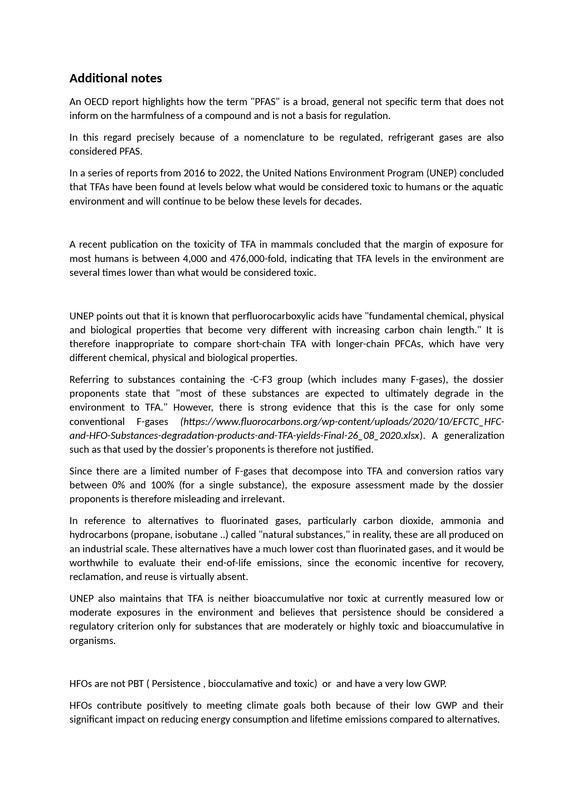
Additional notes An OECD report highlights how the term "PFAS" is a broad, general not specific term that does not inform on the harmfulness of a compound and is not a basis for regulation.
refid# 7RQe33kpQjQQynrkVRGKDJGDE1 page
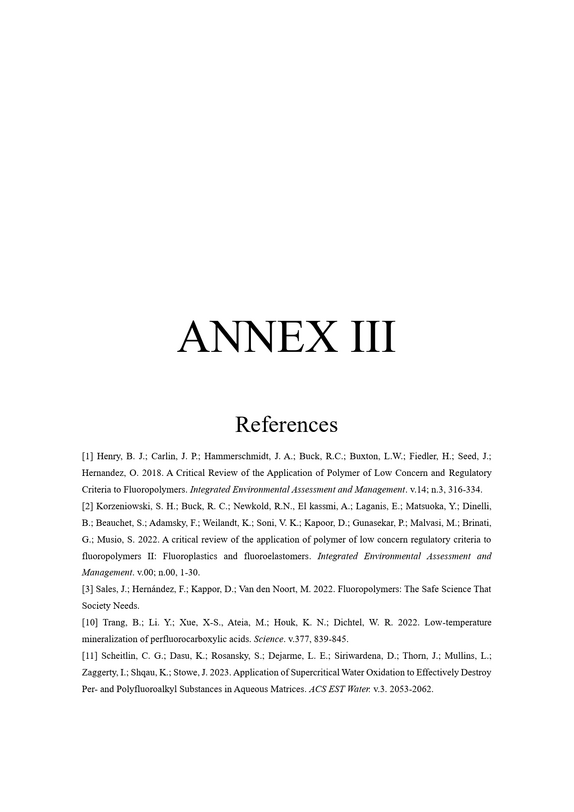
ANNEX III References [1] Henry, B.
refid# evowxrgdggO57X4z3e4OVZOGe77 pages
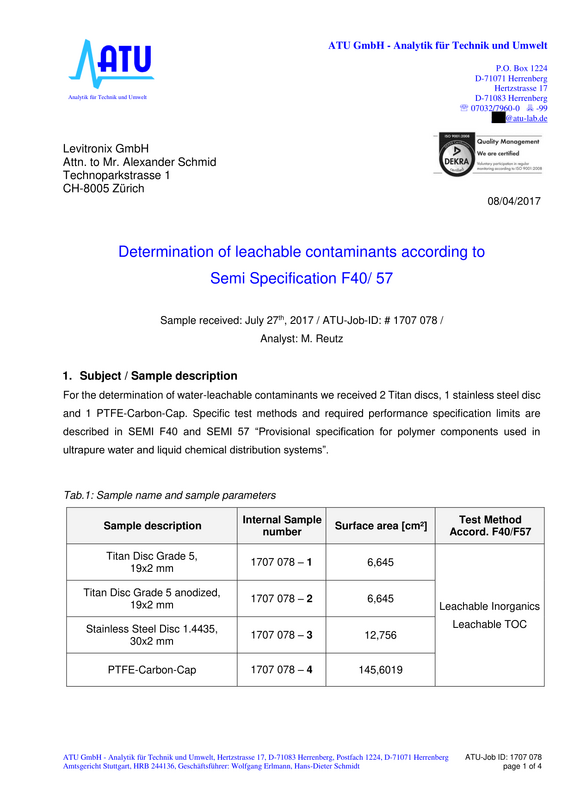
ApTU Analytik fur Technik und Umwelt Levitronix GmbH Attn. to Mr.
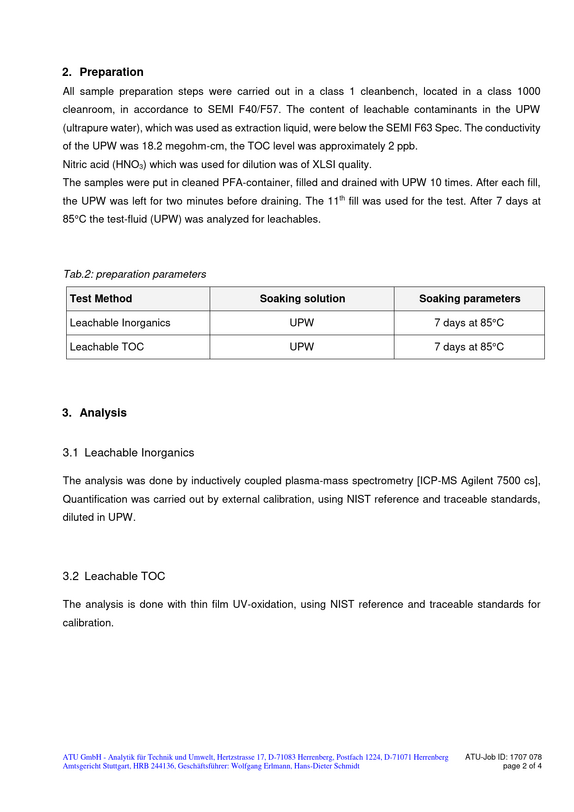
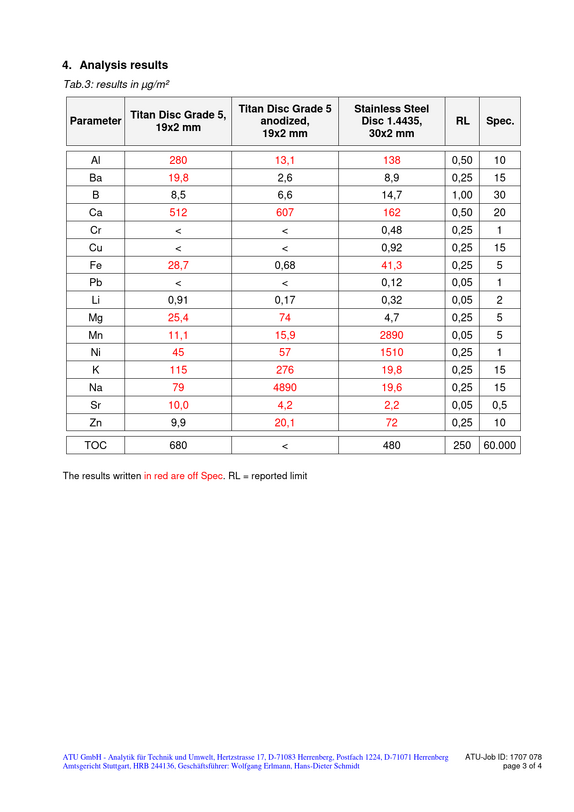
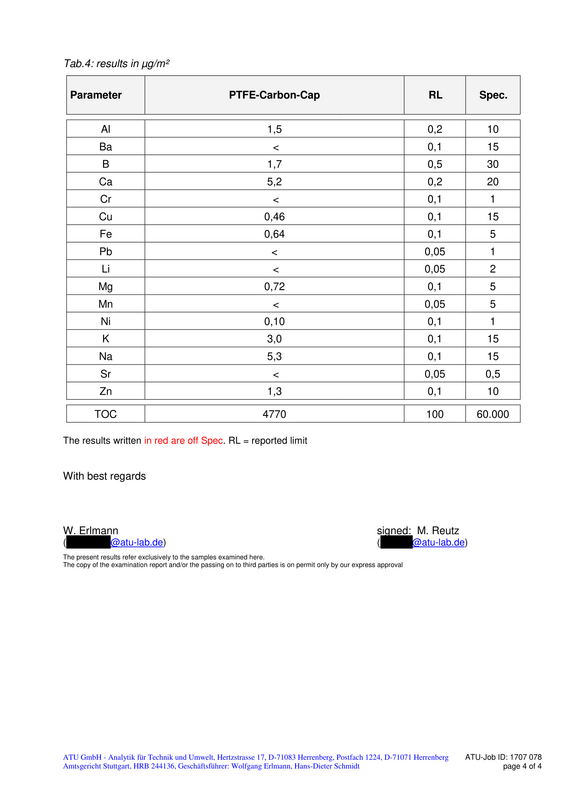
refid# Dd4eDEwXnRVLo5wd7qNmjDOx54 pages
See discussions, stats, and author profiles for this publication at: https://www.researchgate.net/publication/332214722 Waste incineration of Polytetrafluoroethylene (PTFE) to evaluate potential formation of per- and Poly-Fluorinated Alkyl Substances (PFAS) in flue gas Article in Chemosphere April 2019 DOI: 10.1016/j.chemosphere.2019.03.191 CITATIONS 45 7 authors, including: Krasimir Aleksandrov Karlsruhe Institute of Technology 12 PUBLICATIONS 63 CITATIONS SEE PROFILE Dieter Stapf Karlsruhe Institute of Technology 94 PUBLICATIONS 616 CITATIONS SEE PROFILE READS 920 Hans-Joachim Gehrmann Karlsruhe Institute of Technology 66 PUBLICATIONS 538 CITATIONS SEE PROFILE Manuela Wexler Karlsruhe Institute of Technology 15 PUBLICATIONS 66 CITATIONS SEE PROFILE Some of the authors of this publication are also working on these related projects: Valorization routes of the products of screw pyrolysis of low grade biogenic feedstocks View project Chemical recycling of plastics waste View project All content following this page was uploaded by Hans-Joachim Gehrmann on 23 April 2019.
refid# 2Ra98jrVNzvad9KnLdMMBVeZL10 pages
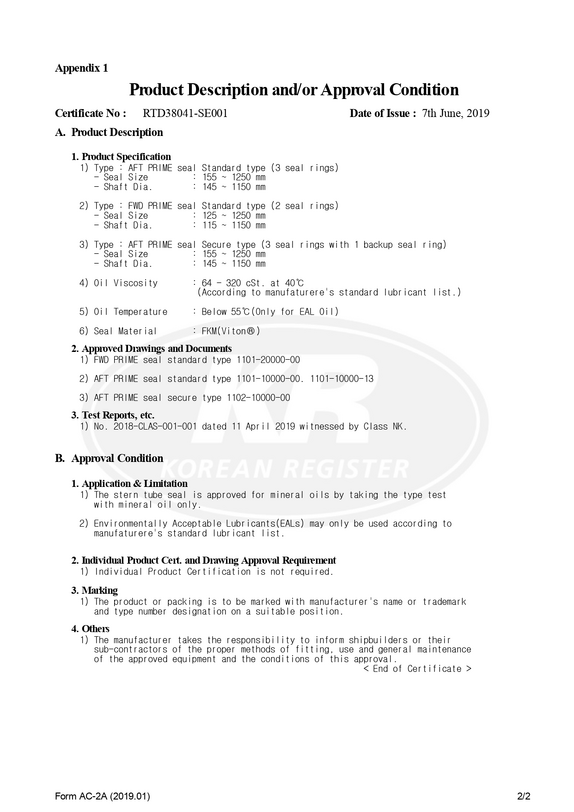
TYPE APPROVAL CERTIFICATE Certificate No.
refid# KGxk98mzDgJDZpK45qo54OYeo2 pages
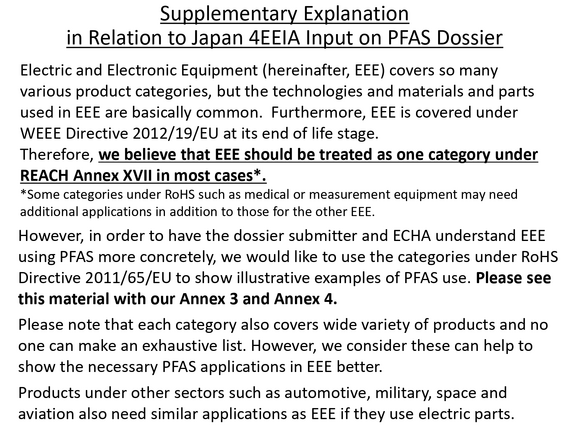
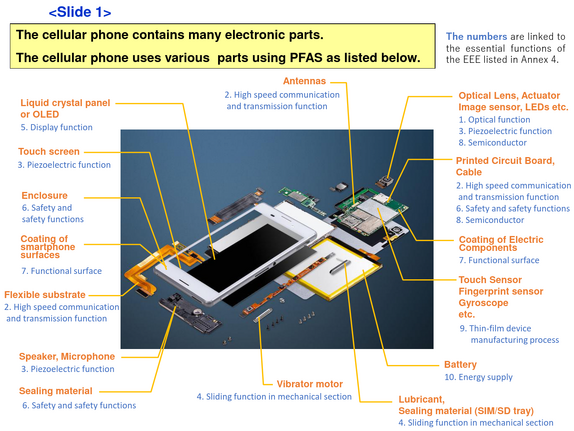
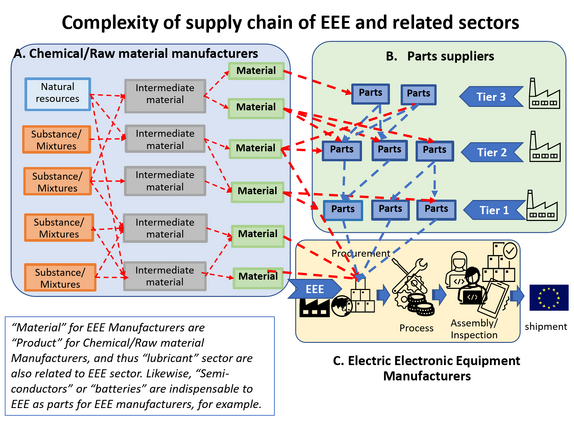
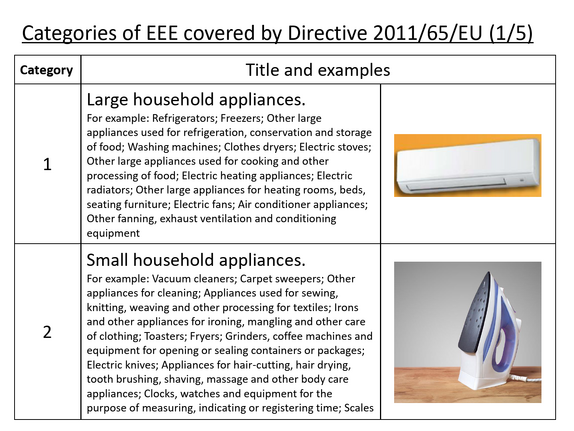
Supplementary Explanation in Relation to Japan 4EEIA Input on PFAS Dossier Electric and Electronic Equipment (hereinafter, EEE) covers so many various product categories, but the technologies and materials and parts used in EEE are basically common.
refid# 5k6L7MMwEQ5B16MLRdJY4p1M48 pages
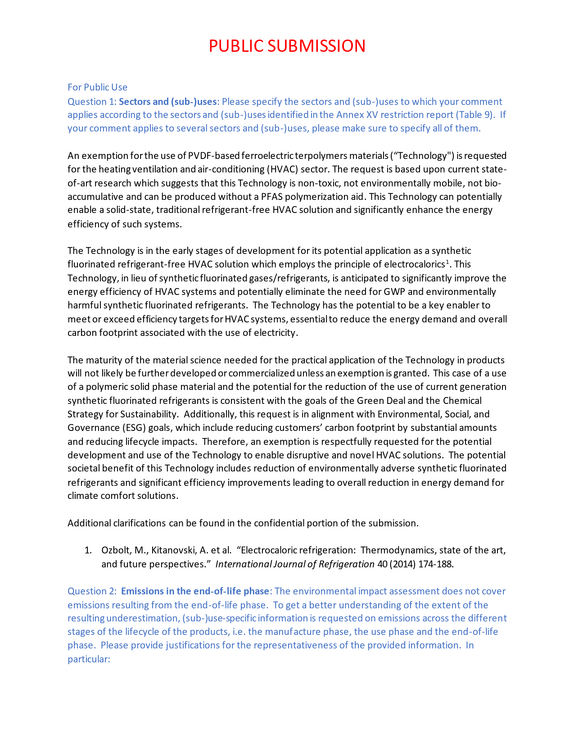
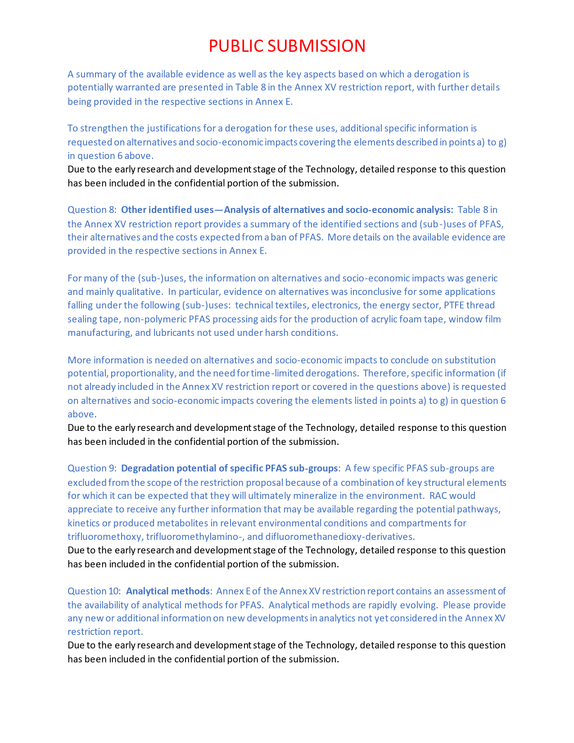
PUBLIC SUBMISSION For Public Use Question 1: Sectors and (sub-)uses: Please specify the sectors and (sub-)uses to which your comment applies according to the sectors and (sub-)uses identified in the Annex XV restriction report (Table 9).
refid# 2jMrqO3qeGGY708KyEL9R6m2r4 pages
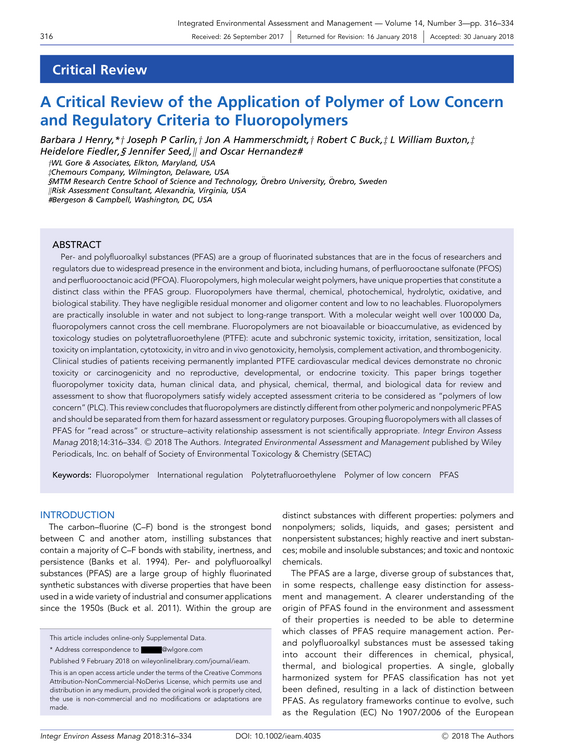
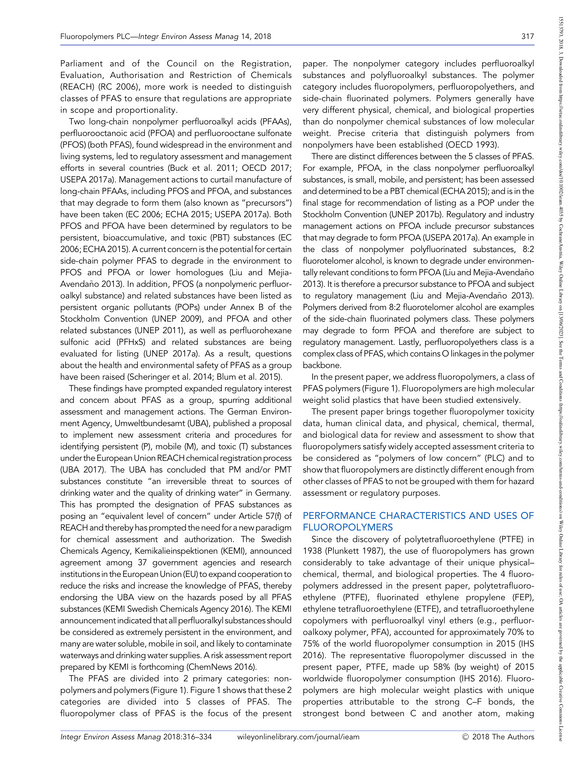
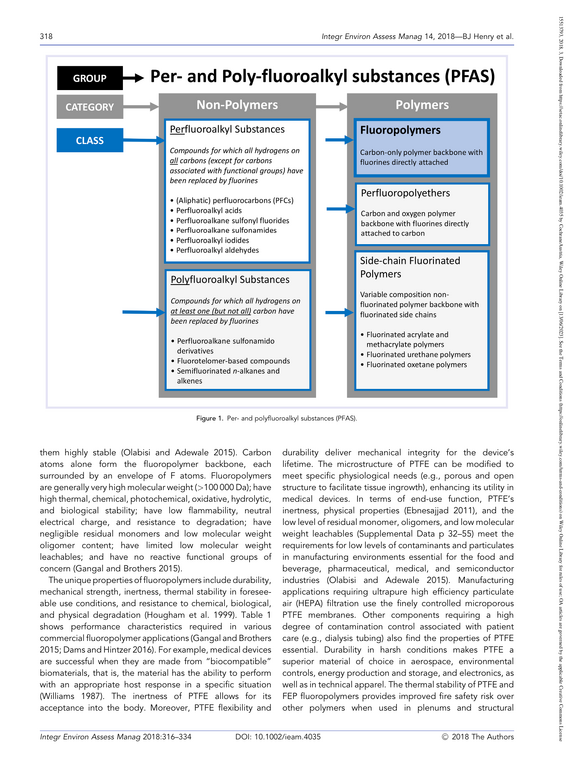
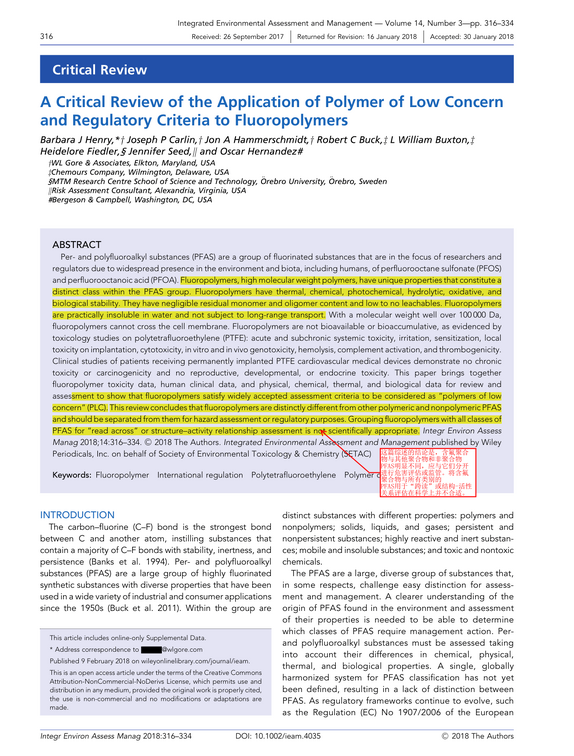
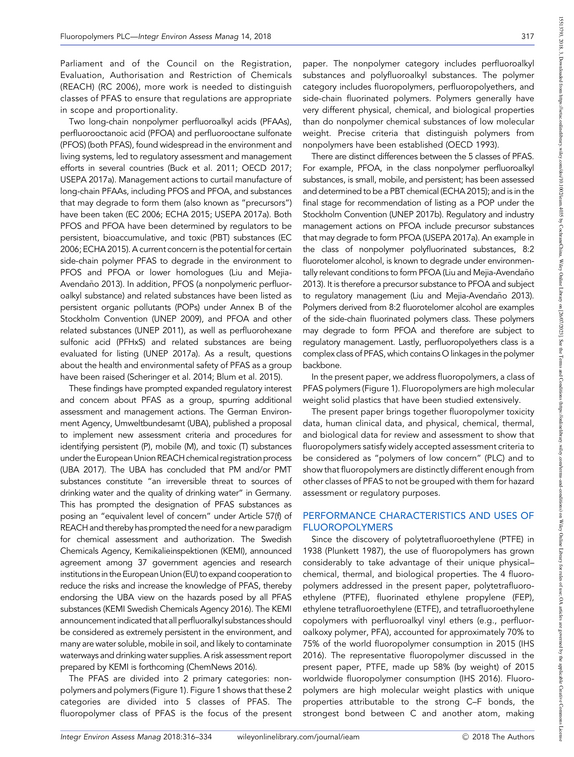
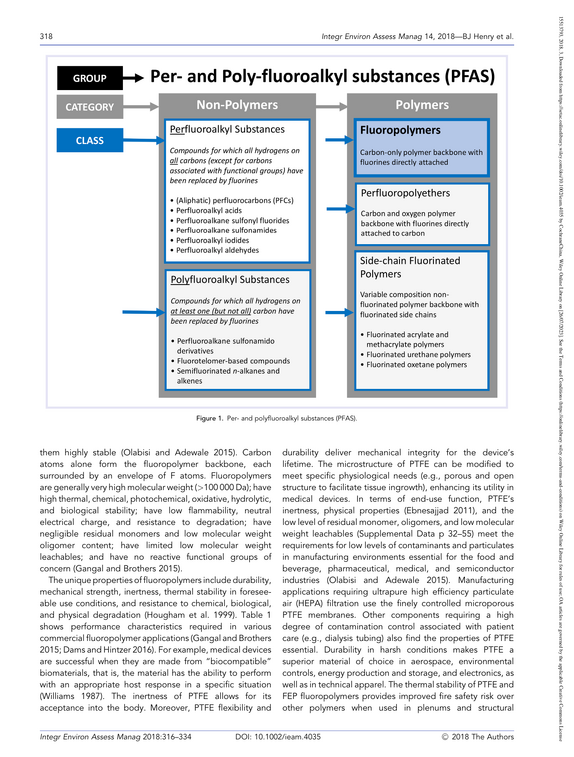
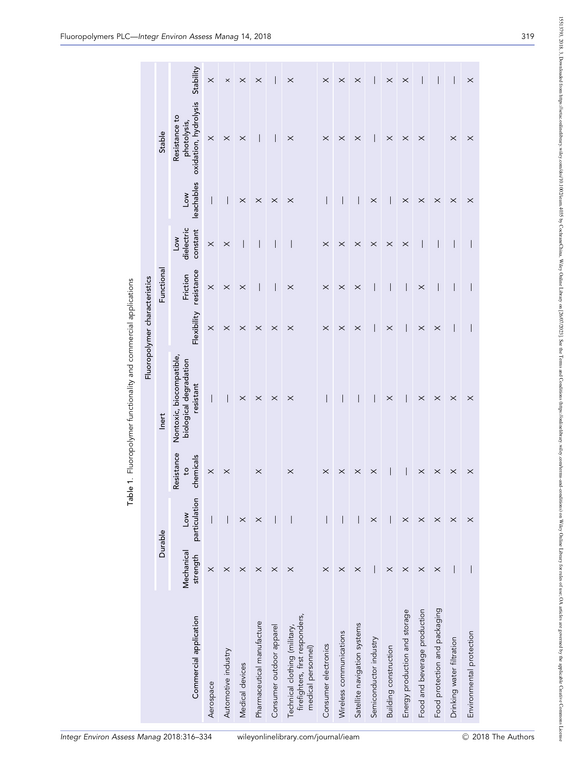
Integrated Environmental Assessment and Management -- Volume 14, Number 3--pp. 316-334 316 Received: 26 September 2017 Returned for Revision: 16 January 2018 Accepted: 30 January 2018 Critical Review A Critical Review of the Application of Polymer of Low Concern and Regulatory Criteria to Fluoropolymers Barbara J Henry,*t Joseph P Carlin, t Jon A Hammerschmidt, f Robert C Buck,: L Heidelore Fiedler, Jennifer Seed,// and Oscar Hernandez# tWL Gore & Associates, Elkton, Maryland, USA tChemours Company, Wilmington, Delaware, USA MTM Research Centre School of Science and Technology, Orebro University, Orebro, Sweden //Risk Assessment Consultant, Alexandria, Virginia, USA #Bergeson & Campbell, Washington, DC, USA William Buxton, I ABSTRACT Per- and polyfluoroalkyl substances (PFAS) are a group of fluorinated substances that are in the focus of researchers and regulators due to widespread presence in the environment and biota, including humans, of perfluorooctane sulfonate (PFOS) and perfluorooctanoic acid (PFOA).
refid# 3eaK6JqBMDnoG49Yvxmpe135n19 pages
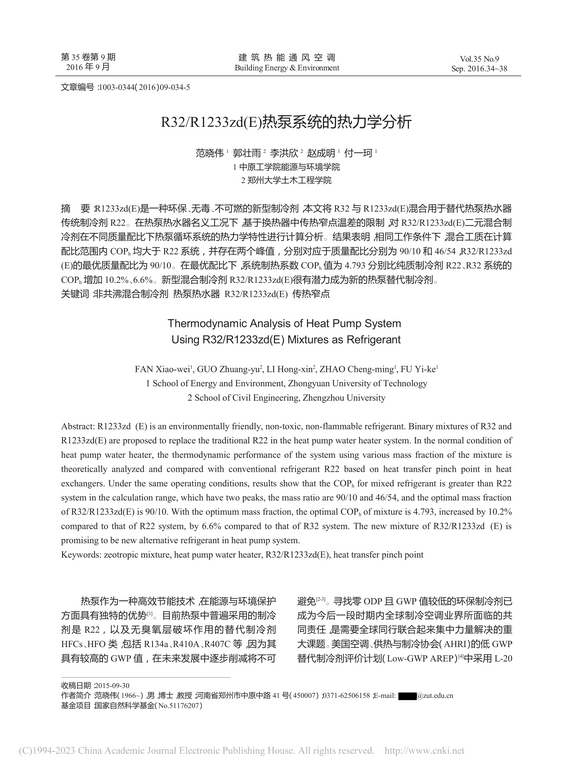
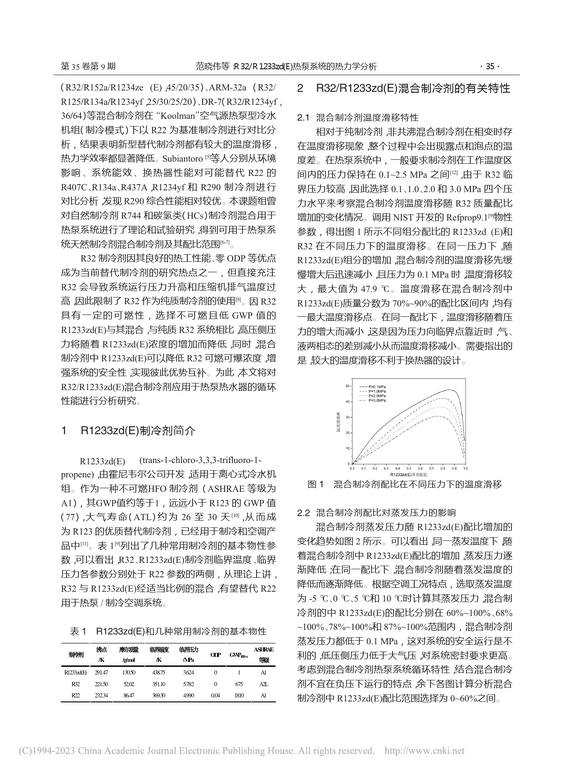
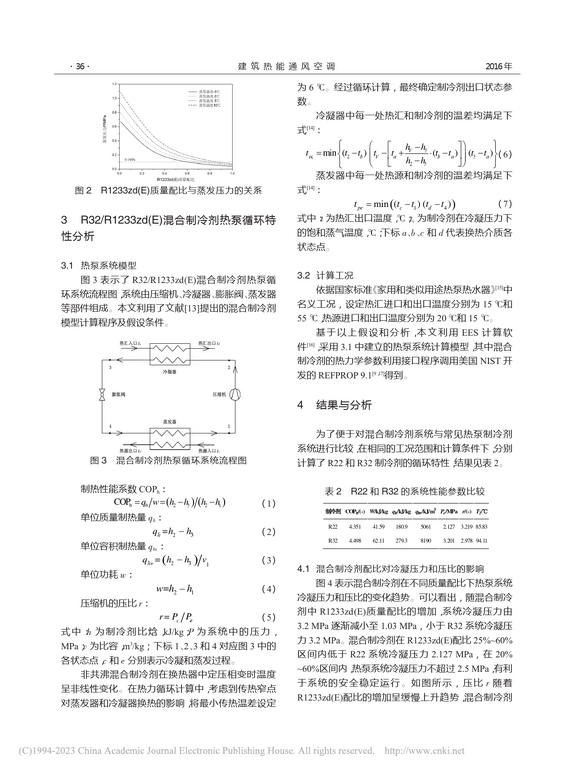
35 9 2016 9 :1003-0344( 2016)09-034-5 Building Energy & Environment Vol.35 No.9 Sep.2016.34 -38 R32/R1233zd(E) l 2 2 l I 1 2 R1233zd(ER32 R1233zd(E) R22R32/R1233zd(E TO cot),R22 /Nlet90/10 46/54 ,R32/R1233zd (E)90/100 COPh )9 4.793 R22R32 COPh 10.2%- 6.6%O R32/R1233zd(E0 R32/R1233zd(E Thermodynamic Analysis of Heat Pump System Using R32/R1233zd(E) Mixtures as Refrigerant FAN Xiao-wei',GUO Zhuang-re,LI Hong-xin2,ZHAO Cheng-mingl,FU Yi-ke' 1 School ofEnergy and Environment,Zhongyuan University ofTechnology 2 School of Civil Engineering,Zhengzhou University Abstract: R1233zd (E)is an environmentally friendly,non-toxic,non-flammable refrigerant.Binary mixtures ofR32 and R1233zd(E)are proposed to replace the traditional R22 in the heat pump water heater system.In the normal condition of heat pump water heater, the thermodynamic performance of the system using various mass fraction of the mixture is theoretically analyzed and compared with conventional refrigerant R22 based on heat transfer pinch point in heat exchangers.
refid# dQOXOaRp3q2ZXjvkaLmE10Xq5 pages