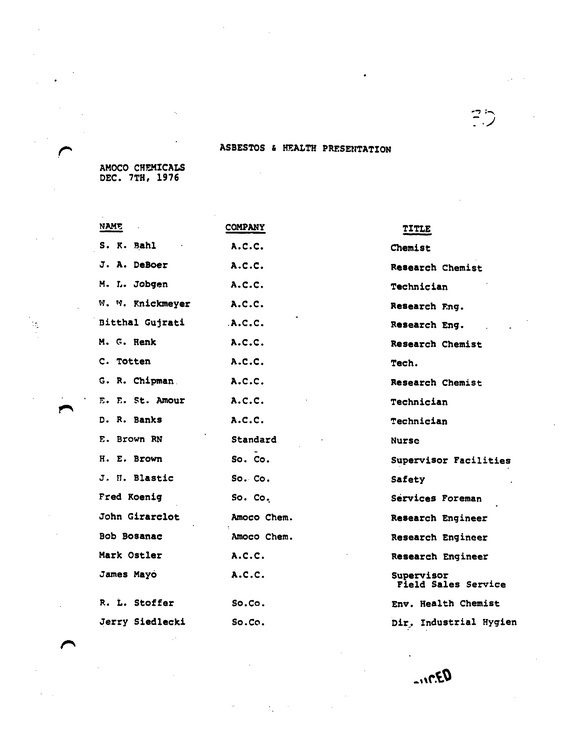
AMOCO CHEMICALS DEC. 7TH, 1976 ASBESTOS & HEALTH PRESENTATION NAME S.
refid# M424GZjo9N5LNJj8k9dbK3mYy1 page
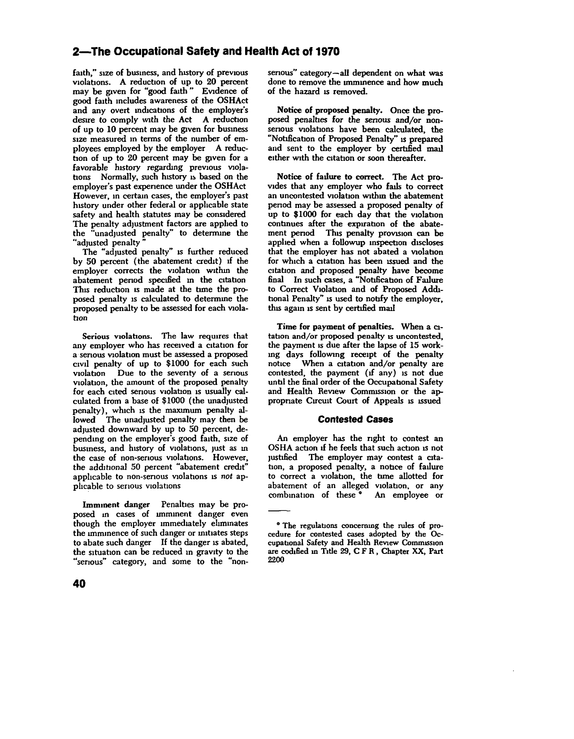
2--The Occupational Safety and Health Act of 1970 faith," size of business, and history of previous violations.
refid# M4MJOYxoLke6nx4m0VDJYyp6M1 page
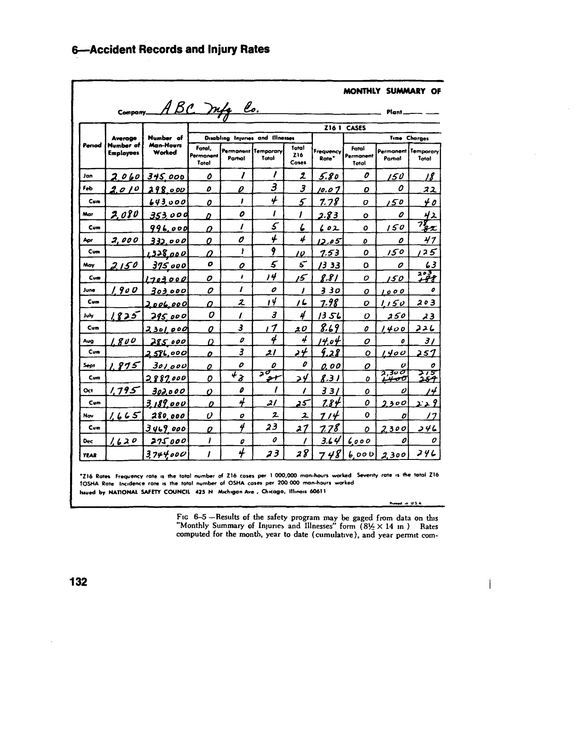
6--Accident Records and Injury Rates AB<LCompany.
refid# VGgYLV9pBqva5EBJmBKN3b5zj1 page
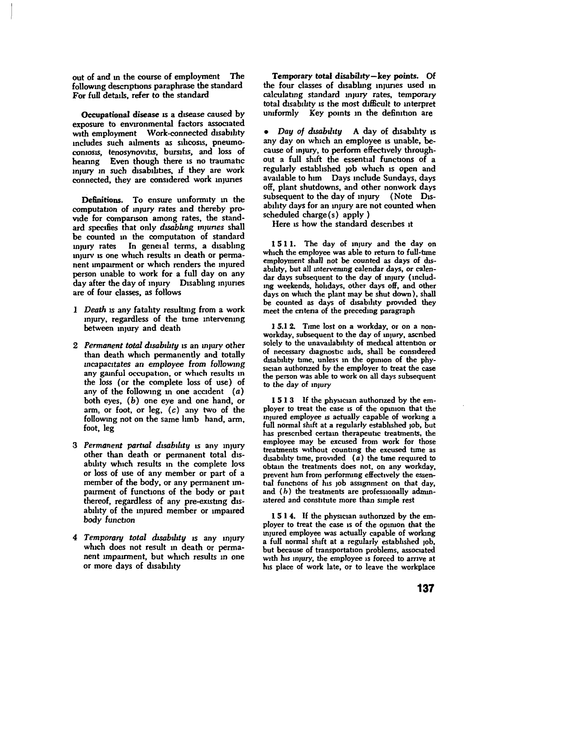
out of and in the course of employment The following descriptions paraphrase the standard For full details, refer to the standard Occupational disease is a disease caused by exposure to environmental factors associated with employment Work-connected disability includes such ailments as sihcosis, pneumo coniosis, tenosynovitis, bursitis, and loss of hearing Even though there is no traumatic injury m such disabilities, if they are work connected, they are considered work injuries Definitions.
refid# zd7E3D0EgO9KBOOVo5v438mya1 page
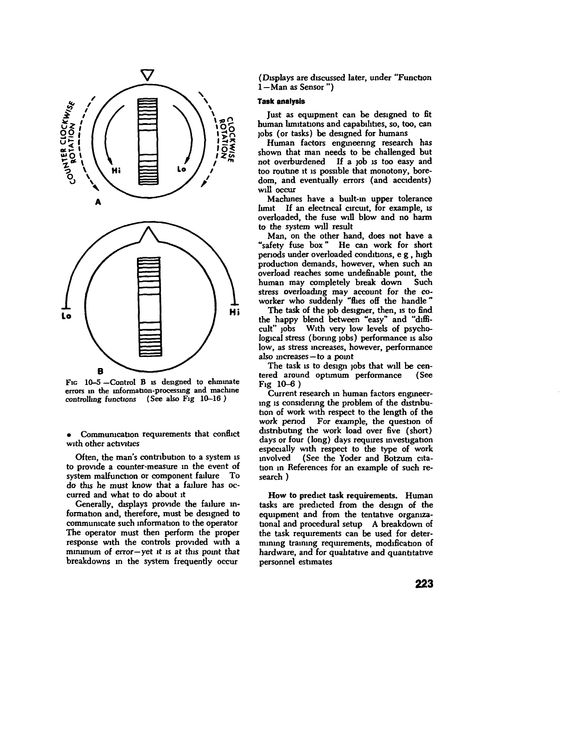
V Fig 10-5 --Control B is designed to eliminate errors in die information-processing and machine controlling functions (See also Fig 10-16 ) Communication requirements that conflict with other activities Often, the man's contribution to a system is to provide a counter-measure in the event of system malfunction or component failure To do this he must know that a failure has oc curred and what to do about it Generally, displays provide the failure in formation and, therefore, must be designed to communicate such information to the operator The operator must then perform the proper response with the controls provided with a minimum of error--yet it is at this point that breakdowns in the system frequently occur (Displays are discussed later, under "Function 1--Man as Sensor ") Task analysis Just as equipment can be designed to fit human limitations and capabilities, so, too, can jobs (or tasks) be designed for humans Human factors engineering research has shown that man needs to be challenged but not overburdened If a job is too easy and too routine it is possible that monotony, bore dom, and eventually errors (and accidents) will occur Machines have a built-in upper tolerance limit If an electrical circuit, for example, is overloaded, the fuse will blow and no harm to the system will result Man, on the other hand, does not have a "safety fuse box " He can work for short periods under overloaded conditions, e g, high production demands, however, when such an overload reaches some undefinable point, the human may completely break down Such stress overloading may account for the co worker who suddenly "flies off the handle " The task of the job designer, then, is to find the happy blend between "easy" and "diffi cult" jobs With very low levels of psycho logical stress (boring jobs) performance is also low, as stress increases, however, performance also increases--to a point The task is to design jobs that will be cen tered around optimum performance (See Fig 10-6 ) Current research in human factors engineer ing is considering the problem of the distribu tion of work with respect to the length of the work period For example, the question of distributing the work load over five (short) days or four (long) days requires investigation especially with respect to the type of work involved (See the Yoder and Botzum cita tion in References for an example of such re search ) How to predict task requirements.
refid# qdG80kDw9v27MryzGqxZgoQLG1 page
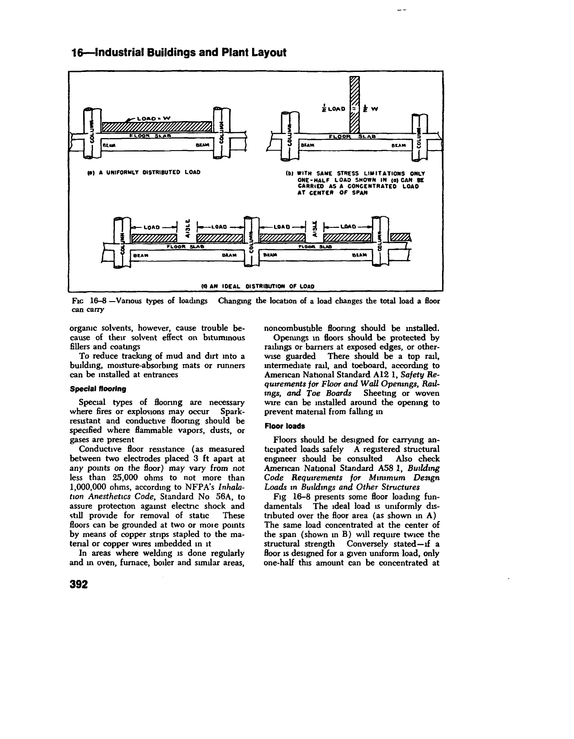
16--industrial Buildings and Plant Layout Fic 16-6 --Various types of loadings Changing the location of a load changes the total load a floor can carry organic solvents, however, cause trouble be cause of their solvent effect on bituminous fillers and coatings To reduce tracking of mud and dirt into a building, moisture-absorbing mats or runners can be installed at entrances Special flooring Special types of flooring are necessary where fires or explosions may occur Sparkresistant and conductive flooring should be specified where flammable vapors, dusts, or gases are present Conductive floor resistance (as measured between two electrodes placed 3 ft apart at any points on the floor) may vary from not less than 25,000 ohms to not more than 1,000,000 ohms, according to NFPA's Inhala tion Anesthetics Code, Standard No 56A, to assure protection against electric shock and still provide for removal of static These floors can be grounded at two or moie points by means of copper strips stapled to the ma terial or copper wires imbedded in it In areas where welding is done regularly and in oven, furnace, boiler and similar areas, noncombustible flooring should be installed.
refid# QgXm9jxbok760DqvYMzQbJmJ61 page
COVER SHEET FOR B-LEVEL DOCUMENTS REMOVED IN PRIVILEGE REVIEW ORIGINAL B-LEVEL BOX NO.______ PRODUCTION BOX NO.
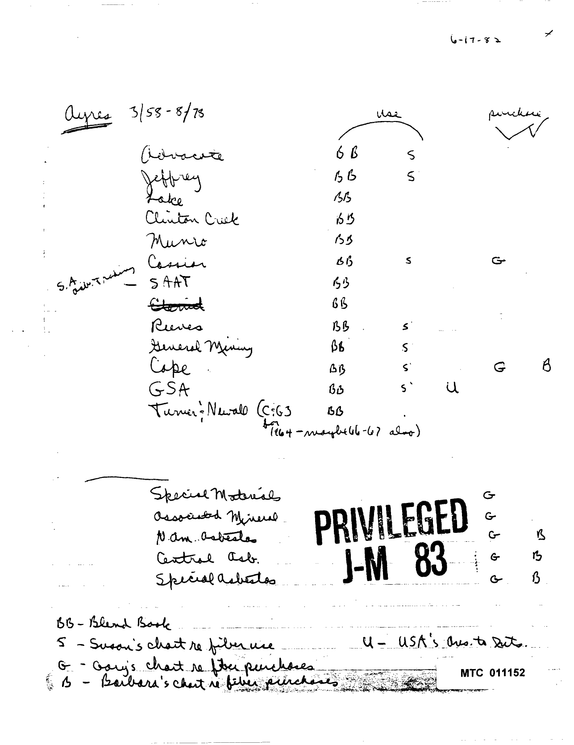
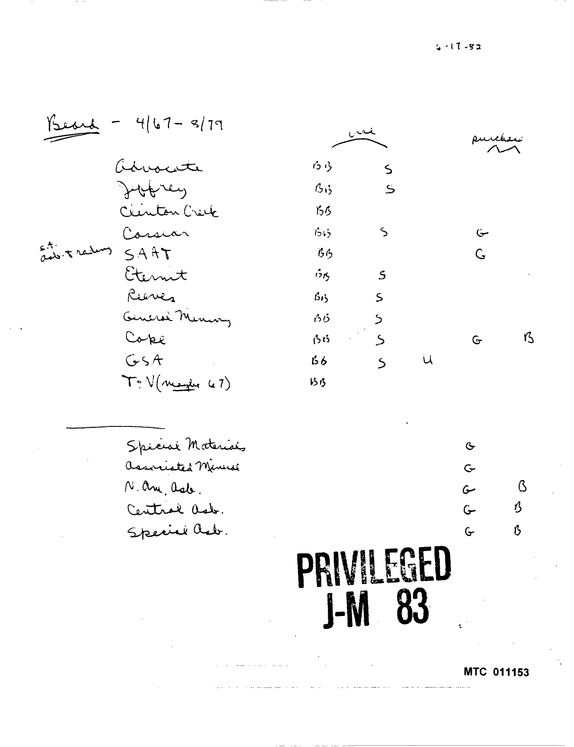
refid# 6b3pQDKKjam69mE1aKeRqqa354 pages
Bridgeport, Conn JfJIa , 12w5 Ur* Vendiver Bro'ua, Attorney, Johns-'k-aville Corporation, Bar Xork City.
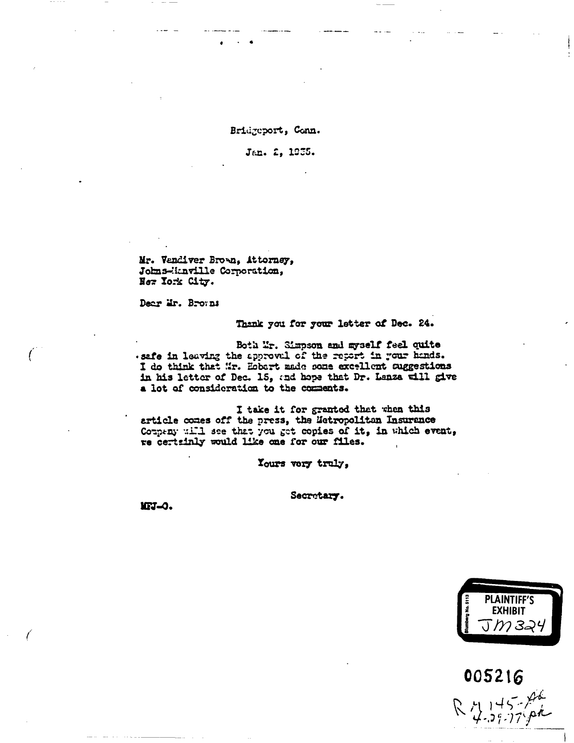
refid# XzwpXxRvmOedM72wOJ0EOm2nK1 page
i * NQVpgfe&p- 15 ^19 20 'i ** # * 'A J.
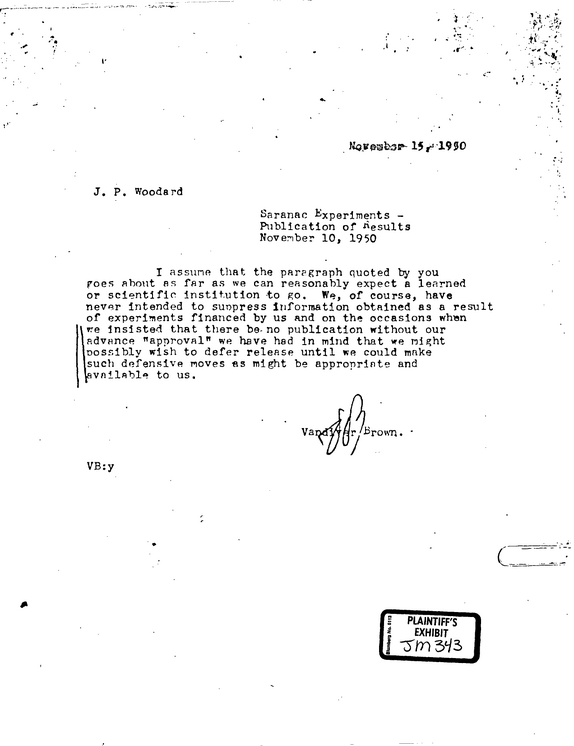
refid# QX1DyVYpBRn8g3JpjnpRD43N81 page
I A' ; -.
refid# 1yK69eGYqX8m2JjxwGLR9Oppa14 pages
COPY 7 0 a K BOX NUMBER ~> ' / ; \ SEGMENT NO.

refid# 9ZxqmnmKz7Qn016d1Zkd4nVR276 pages
MTC 011104 I MTC 011105 PRIVILEGE BOX _ felSP 0PRODUCTION BOX I /?

refid# gD8BoarxbDnroX6q24Xm0KBba6 pages
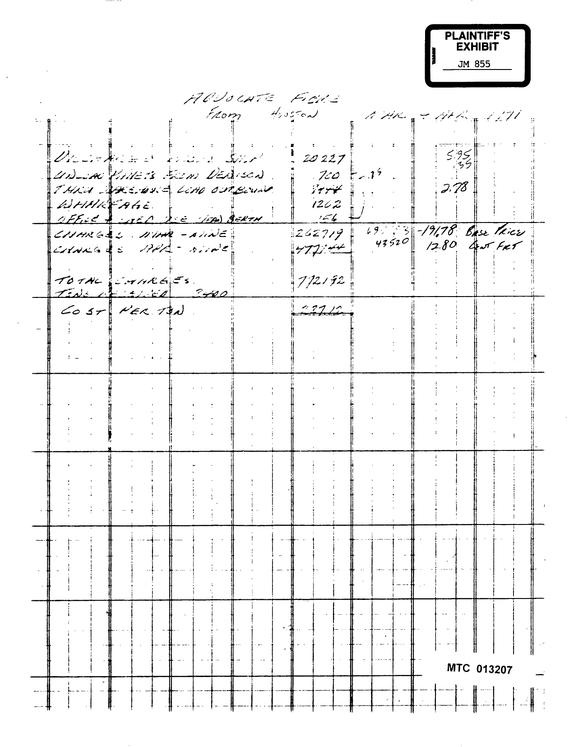
PLAINTIFFS EXHIBIT JM 855
refid# v6NRvebw37dD4Ny3myNeNRR4R1 page
*'/ `W WIREr-/!
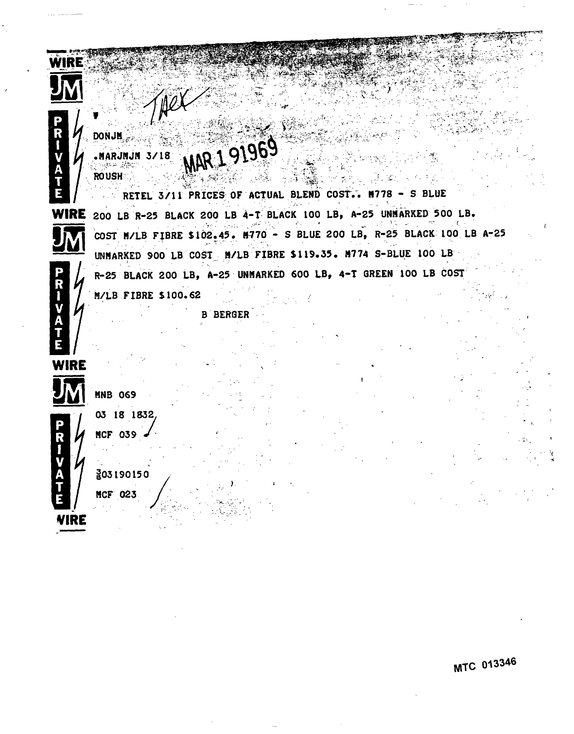
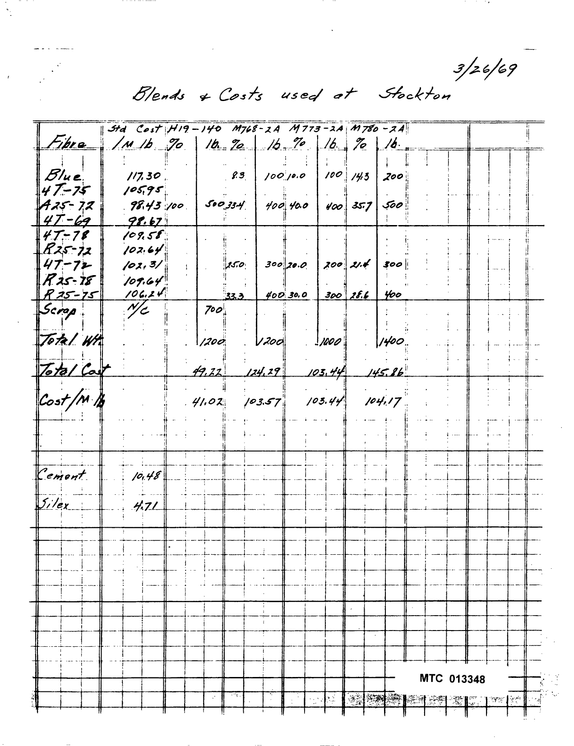
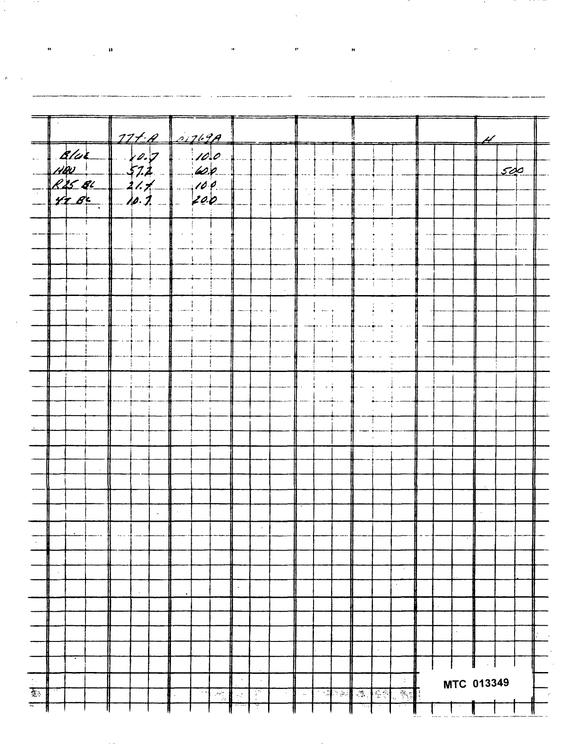
refid# Gn7Lb7O4mBMYxzr5Od316Rb417 pages
Pipe Plant /O -- S " a J.
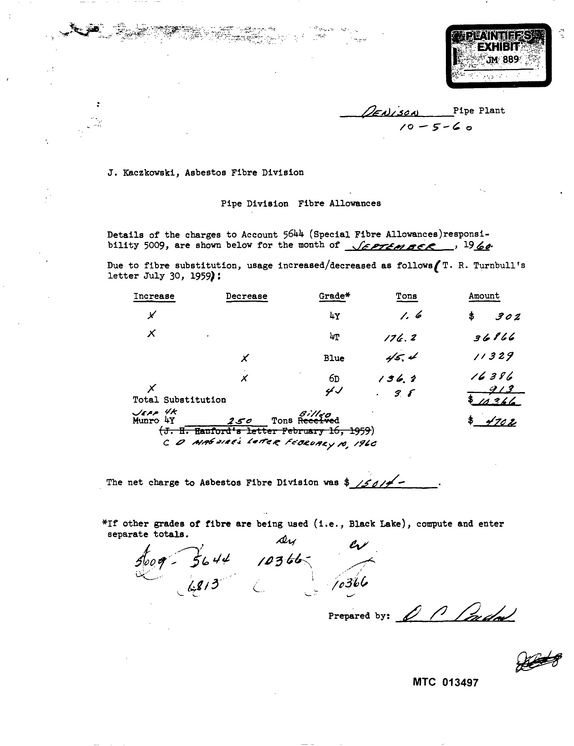
refid# J3K0GdaKJJoq9wRodz13ZGvjK3 pages