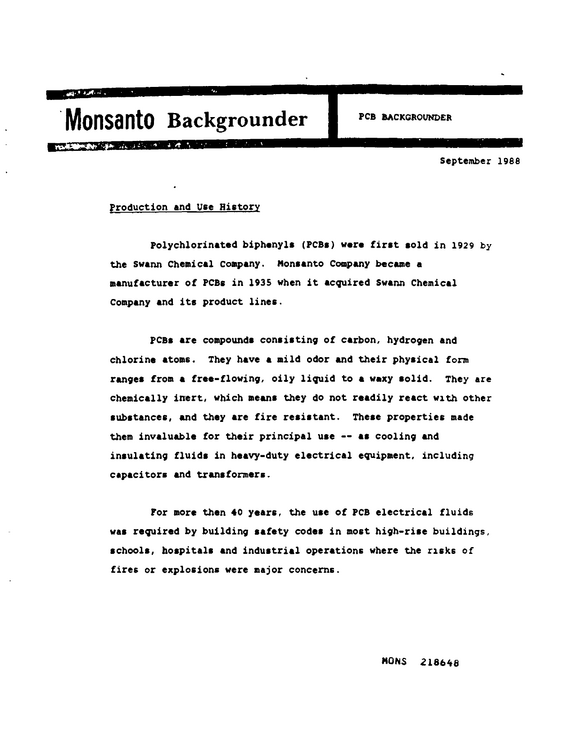
Monsanto Backgrounder |t*V- PCB BACKGROUNDER September 1966 Production and Use History Polychlorinated biphenyls (PCBs) were first sold in 1929 by the Swsnn Chemical Company.
refid# Yrz1dEbYYee61X390QjnzgdMD9 pages
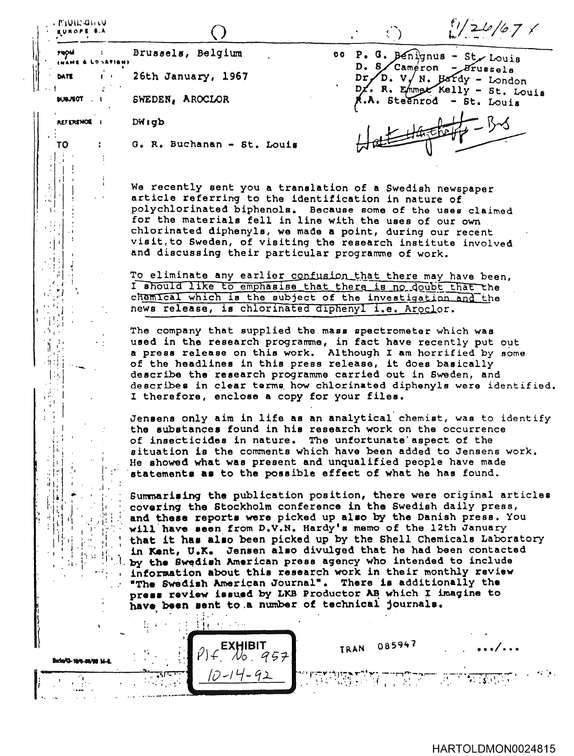
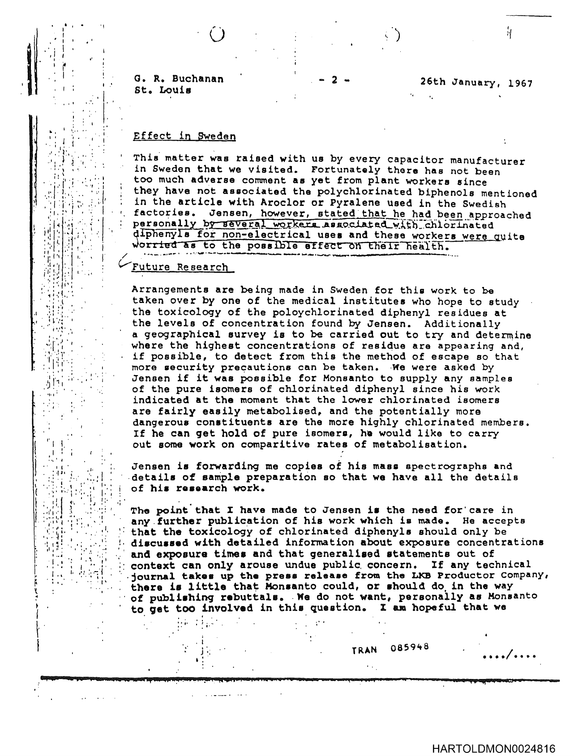
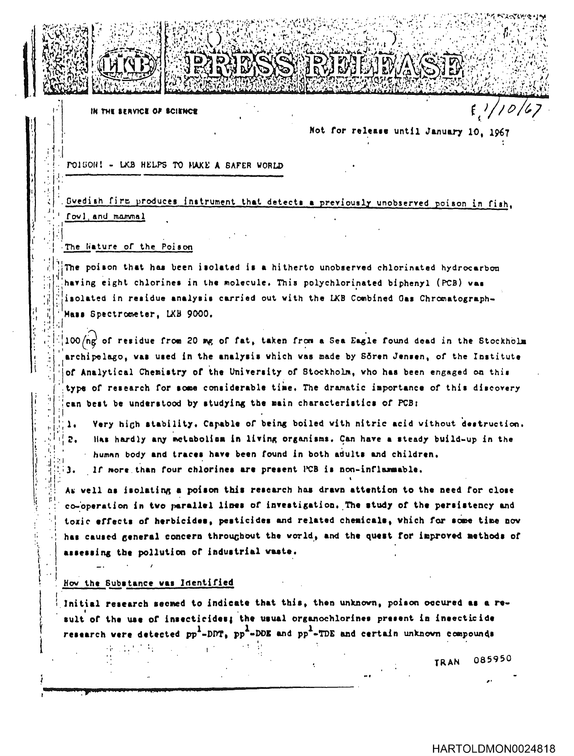
Swedish fire, produces instrumcnt that detects a previously unobserved poison in fish, '!'
refid# GK98Eq4JaqDk0Zvqbr02va5147 pages
In IT7J-7S Michigan fisherman who cereuriod fish comsininc >lljit parts pre million of PCBs showed no *vntp< otrs of illness.
refid# 6BGkvO3O7rQ1vqNaVgzyzyMxE1 page
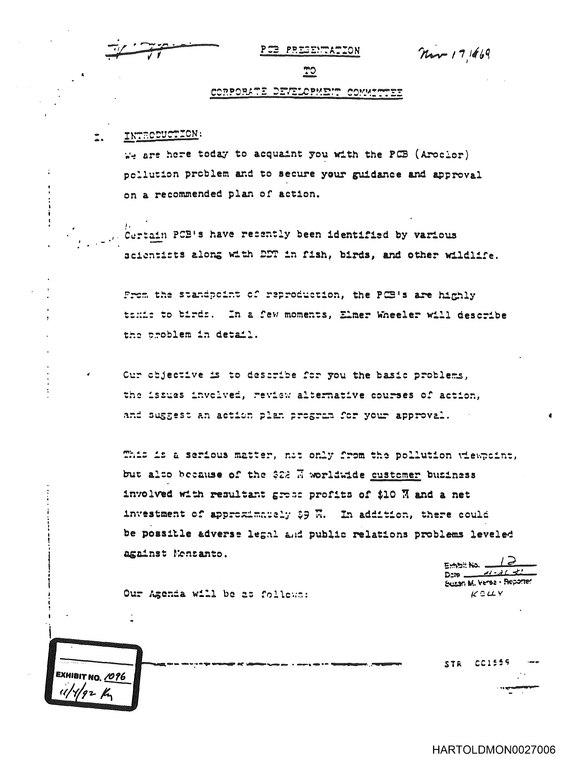
Certain PCB's have recently been identified by various scientists along with OBT in fish, birds, and other wildlife.
refid# RpVEVb6abYXyp0oG26Z7rnQrE25 pages
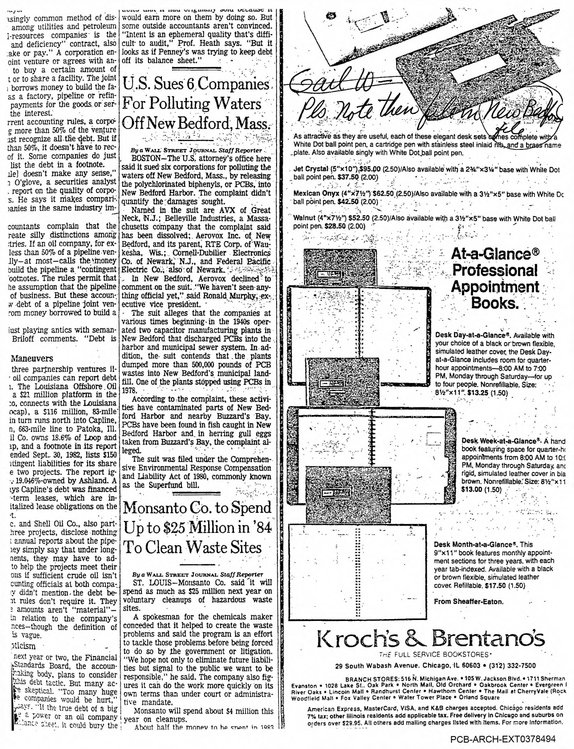
PCBs have been found in fish caught in New Bedford Harbor and, in herring gull eggs taken from Buzzard's Bay, the complaint al leged
refid# mbaZR6RdrRKL4kq33GkJvQMj43 pages
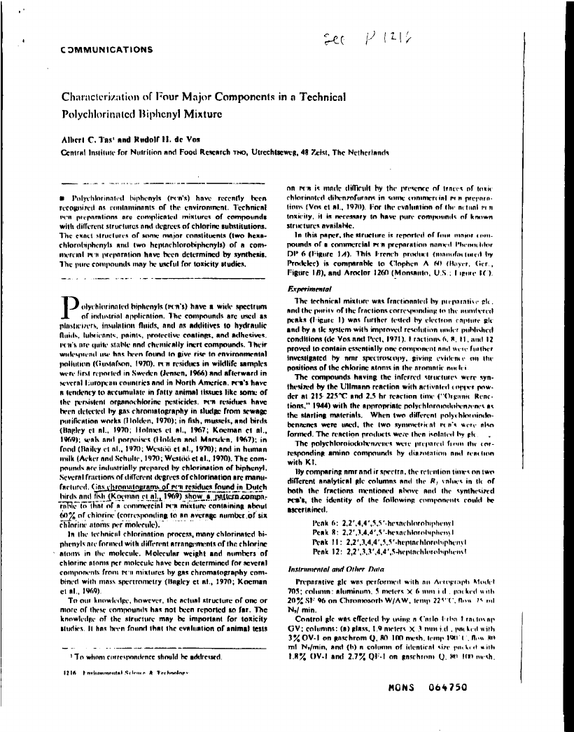
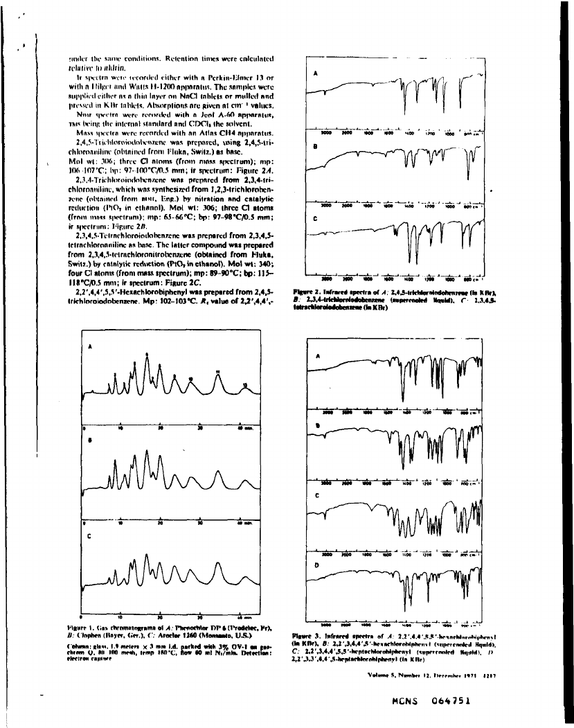
When two dilferent polyehkuoindo- purification works (I loldcn, 1970); in fish, mussels, and birds bcnacnes were used, the two symmetrien!
refid# b3zza71x2kRbwDnryMYr581D3 pages
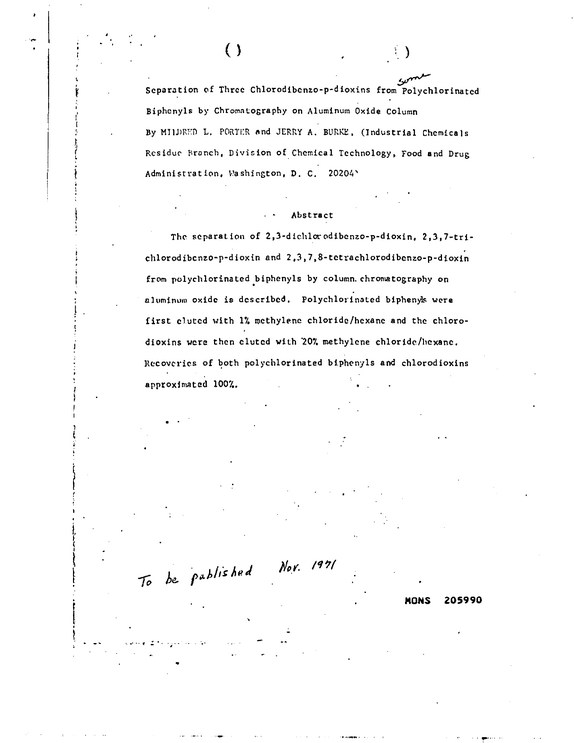
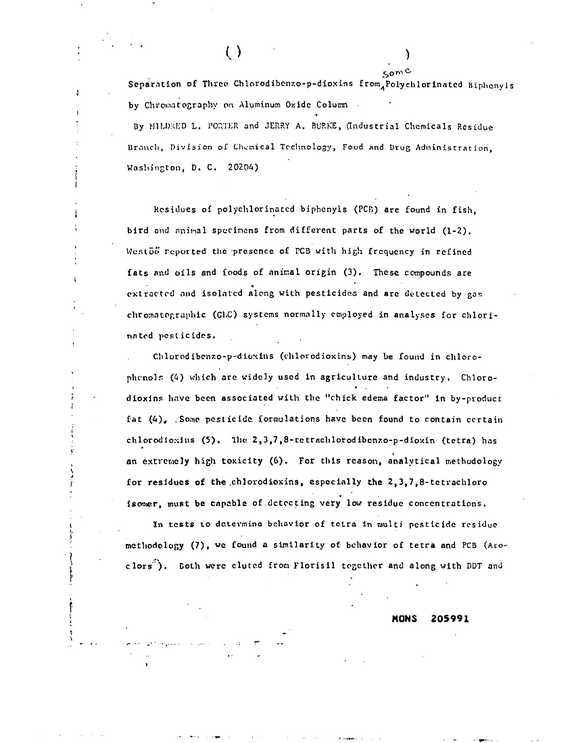
C. 20204) Residues of polychlorinated biphenyls (PCB) are found in fish, bird and animal specimens from different parts of the world (1-2).
refid# 5k9wydkb74pMEJYGeRYzeD3xe9 pages
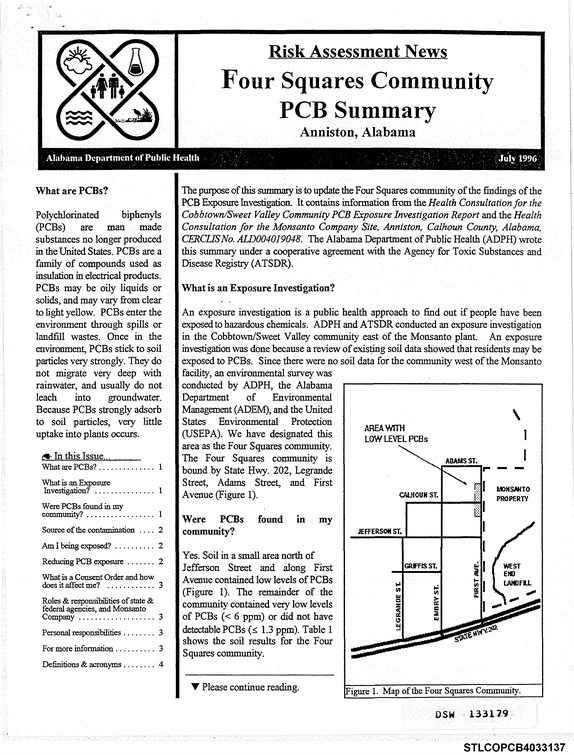
Do not eat fish or wild game from the Choccolocco Creek area
refid# ymex6D2ZV5dqLmQDezdop3bOd4 pages
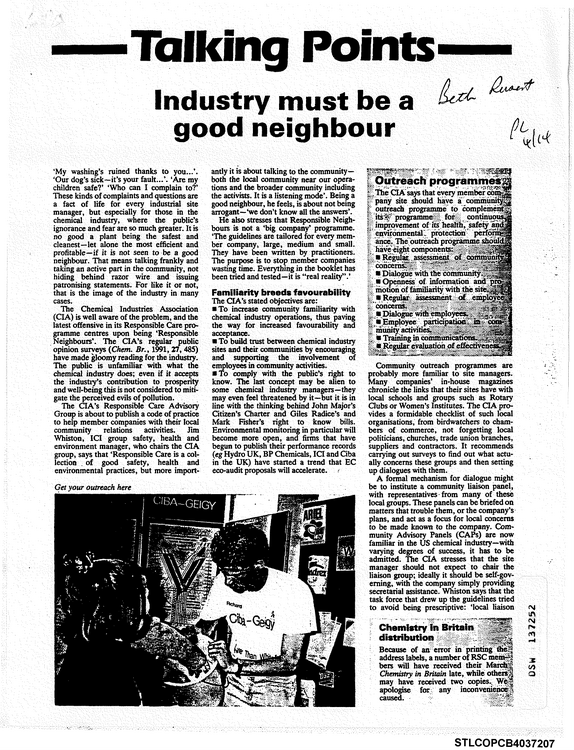
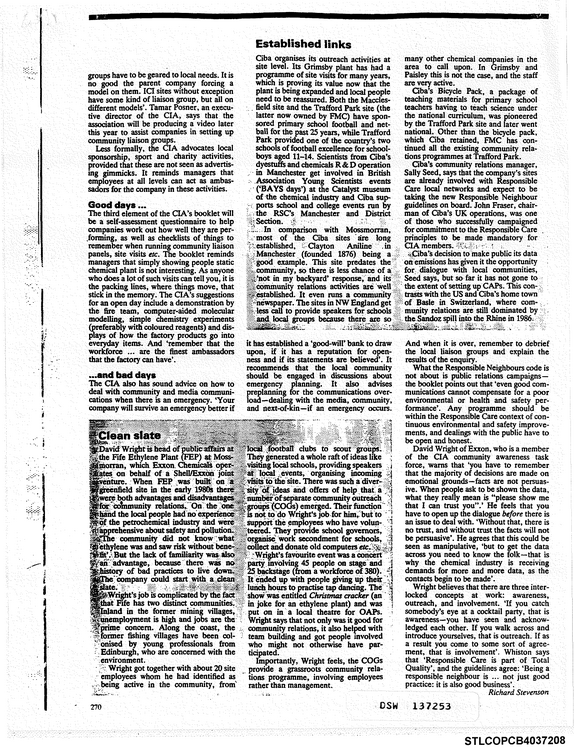
Talking Points Industry must be a good neighbour `My washing's ruined thanks to you...'.
refid# J3O9m2Jbyz1xdX4DB54Jx7Q362 pages
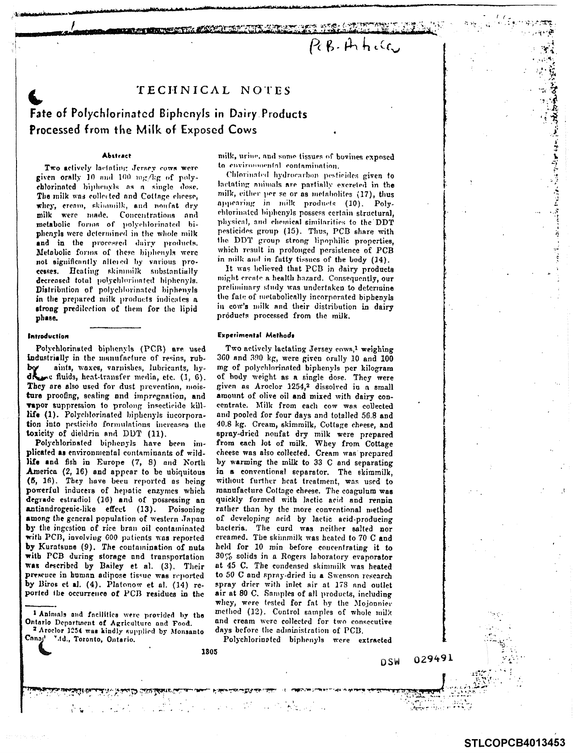
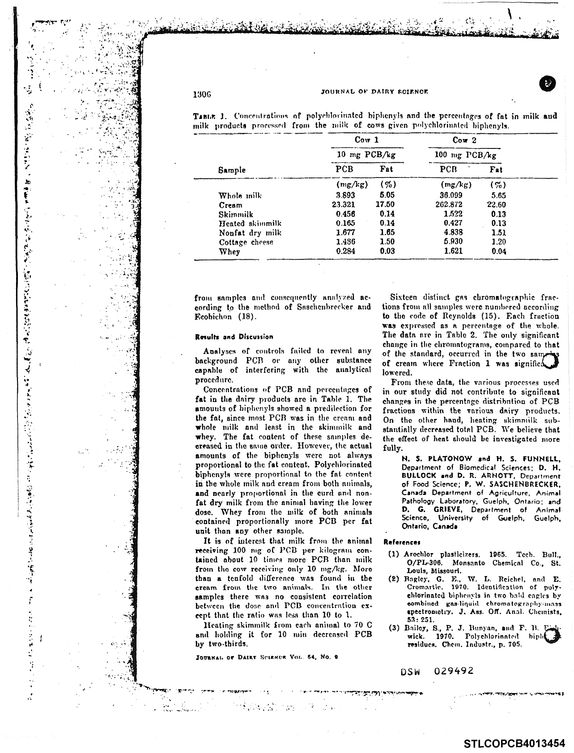
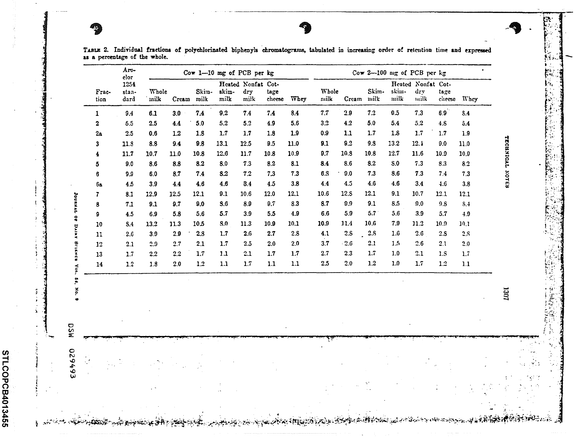
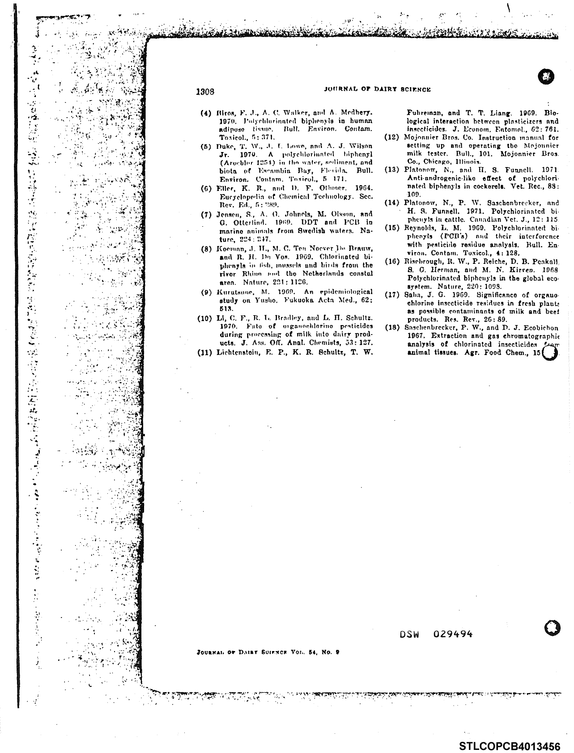
Cream was prepared life and fish in Europe (7, 8) and North by wanning the milk to 33 C and separating America (2, 16) and appear to be ubiquitous in a conventional separator.
refid# DMbxepaLa3z3VQ9pjxj03J7wB4 pages
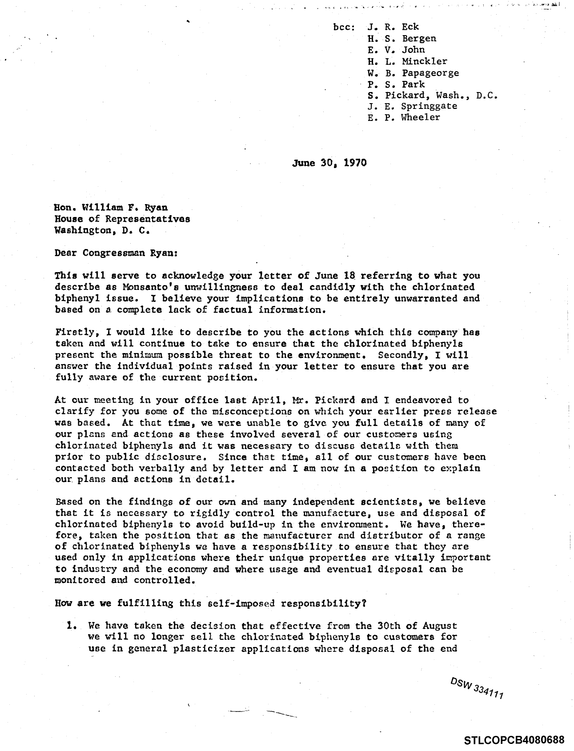
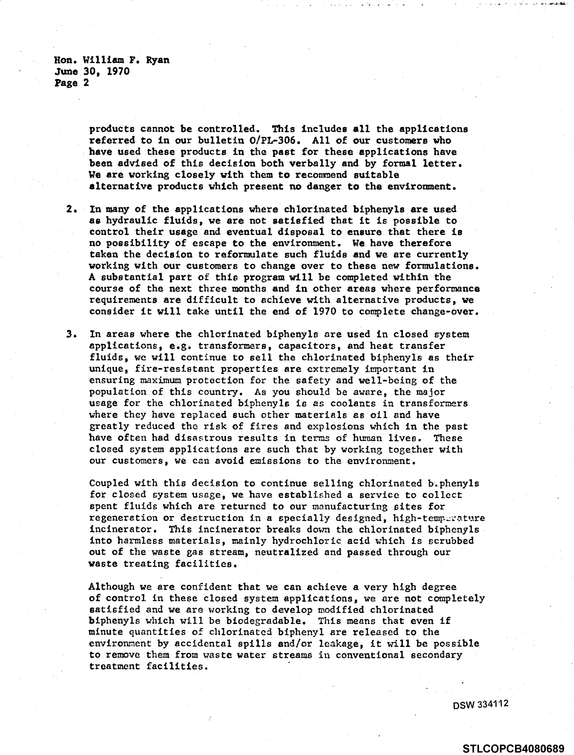
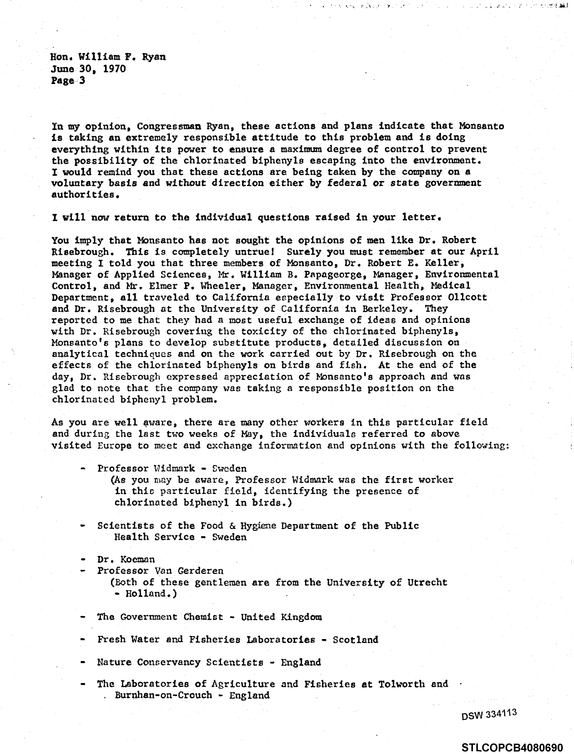
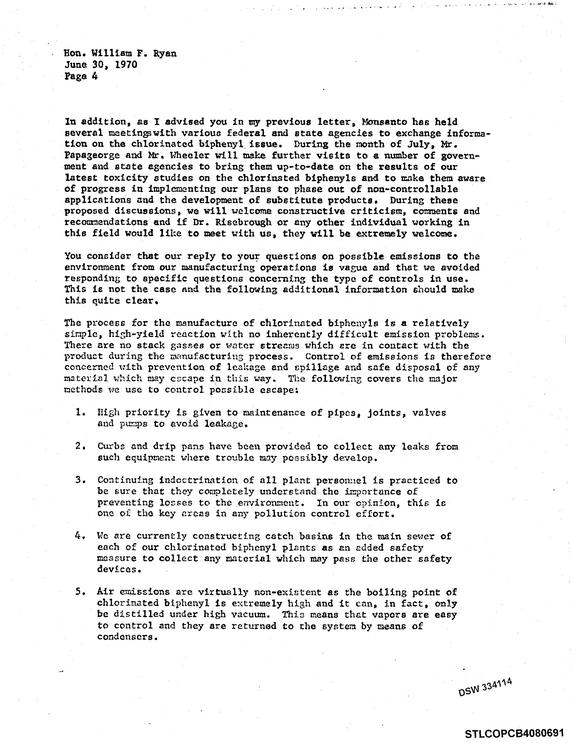
Risebrough covering the toxicity of the chlorinated biphenyls, Monsanto's plans to develop substitute products, detailed discussion on analytical techniques and on the work carried out by Dr, Risebrough on the effects of the chlorinated biphenyls on birds and fish.
refid# 6Y3J0vZ1gY7ZxvxL6oqN2w9R6 pages
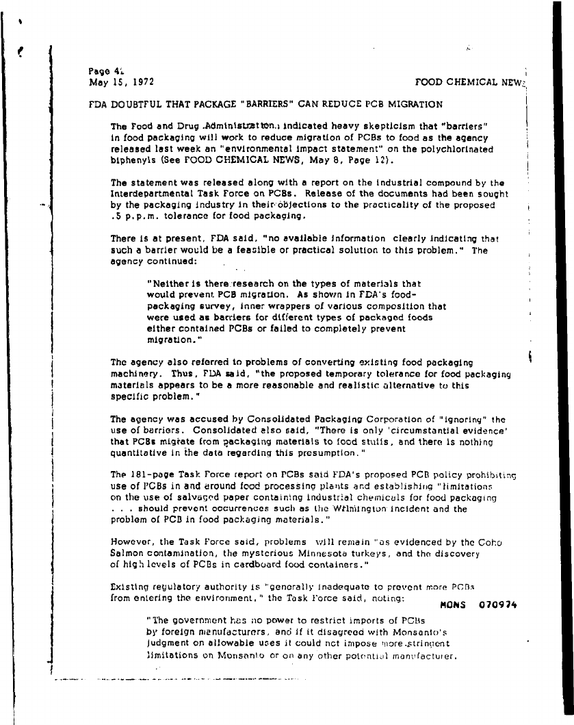
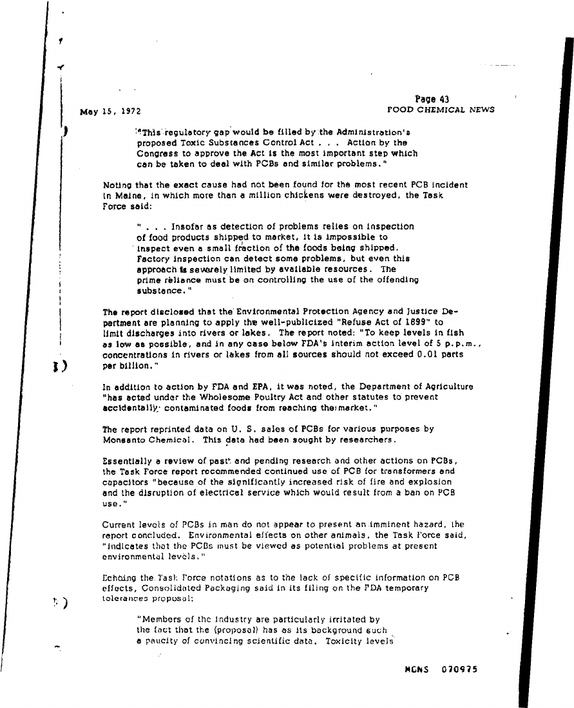
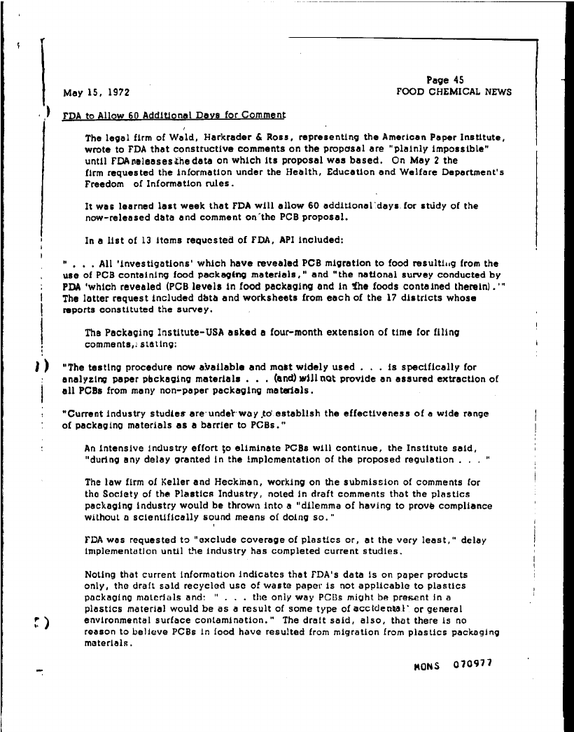
The report noted: "To keep levels In fish as low as possible, and in any case below FDA's interim action level of 5 p.p.m., concentrations In rivers or lakes from all sources should not exceed 0.01 parts per billion."
refid# G6D07o5BKM2xVY2ExYdv4kJXn5 pages
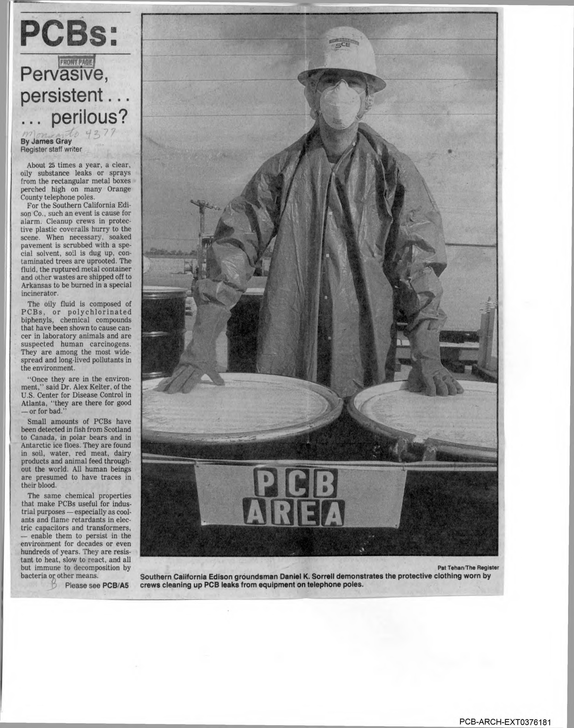
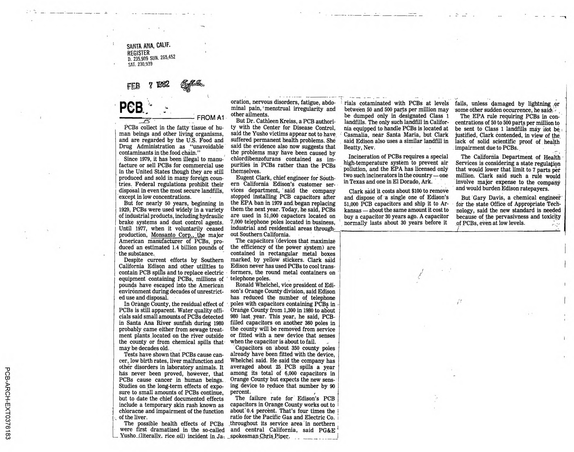
Small amounts of PCBs have been detected in fish from Scotland to Canada, in polar bears and in Antarctic ice floes.
refid# OzbamZjyGp94vOwz2ka9JmOvw4 pages
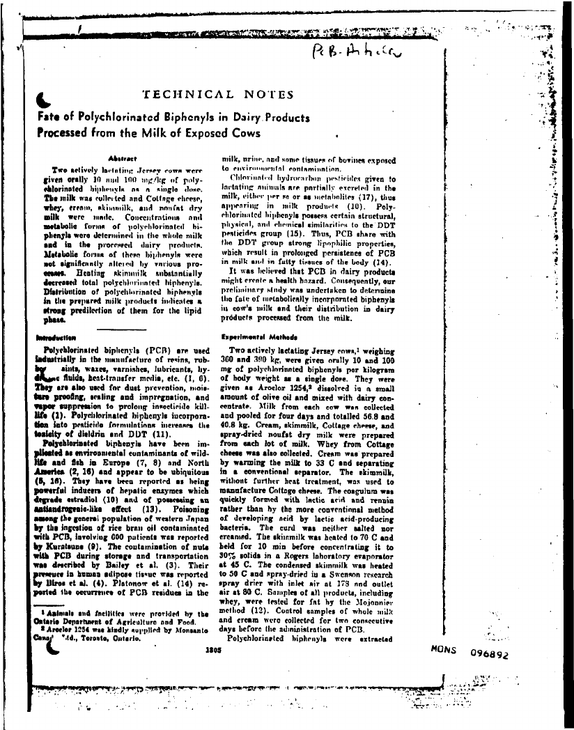
Polychlorinated bipheoyl* have been impUattad aa enviroomental contaminant* of wildHfa and fish in Europe (7, 8) and North America (2, 16) and appear to be ubiquitous (6, 16).
refid# r0dNLRpZgeRvR7Nrb6vZzGDE4 pages
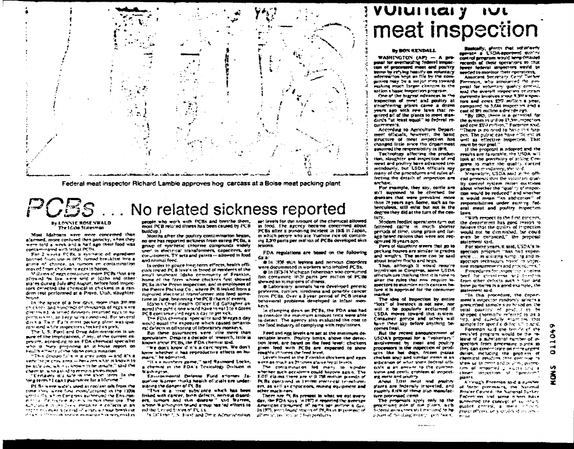
Residues of chemical compounds identified as polychlorinated biphenyls (PCBs) have recent ly been detected in livestock feedstuffs and subsequently in meat, eggs, poultry, milk and fish.
refid# VJZOBXO56aEQ8ZykgqmqxXYXw12 pages