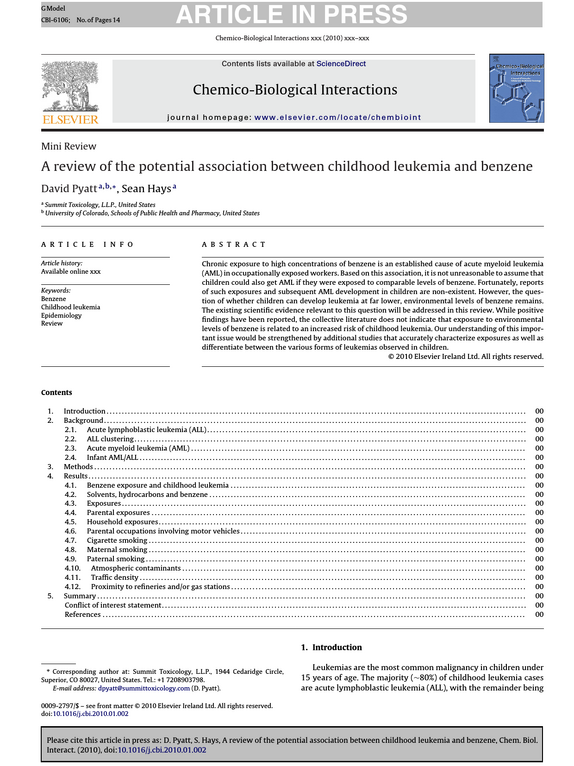
G Model CBI-6106; No. of Pages 14 ARTICLE IN PRESS Chemico-Biological Interactions xxx (2010) xxxxxx Contents lists available at ScienceDirect Chemico-Biological Interactions journal homepage: www.elsevier.com/locate/chembioint Mini Review A review of the potential association between childhood leukemia and benzene David Pyatt a,b,, Sean Hays a a Summit Toxicology, L.L.P., United States b University of Colorado, Schools of Public Health and Pharmacy, United States article info Article history: Available online xxx Keywords: Benzene Childhood leukemia Epidemiology Review abstract Chronic exposure to high concentrations of benzene is an established cause of acute myeloid leukemia (AML) in occupationally exposed workers.
refid# rpgMaby1w92mYK3mxb7e8bED714 pages
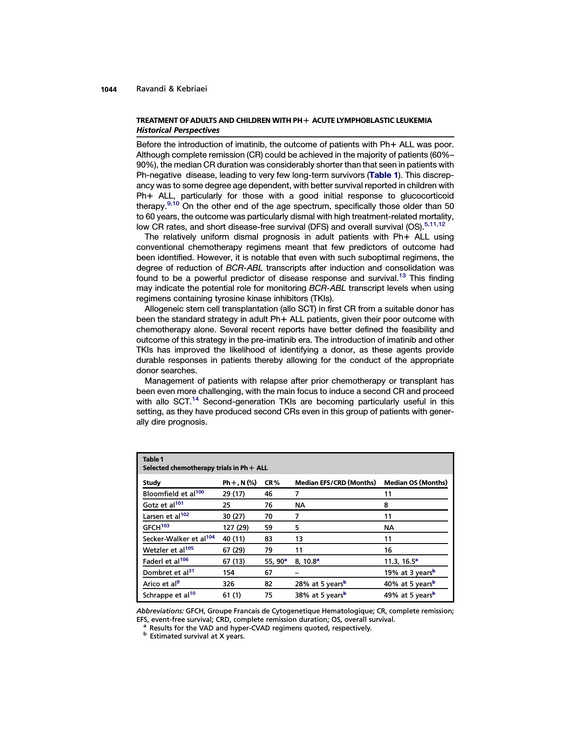
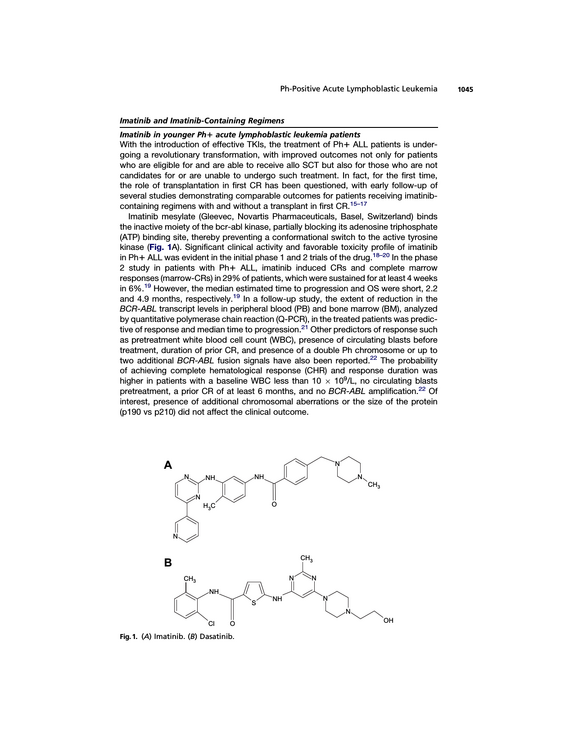
Philadelphia Chromosome - Positive Acute Lymphoblastic Leukemia Farhad Ravandi, MDa,*, Partow Kebriaei, MDb KEYWORDS Acute lymphoblastic leukemia Philadelphia chromosome BCR-ABL Tyrosine kinase inhibition Allogeneic stem cell transplant BIOLOGY The Philadelphia (Ph) chromosome, a short chromosome 22, results from the reciprocal translocation between chromosomes 9 and 22 that fuses the breakpoint cluster region (BCR) gene on chromosome 22 to the Ableson (ABL) gene on chromosome 9.1,2 The protein product of the fusion gene, BCR-ABL, has enhanced tyrosine kinase activity leading to the constitutive activation of several downstream pro-proliferative and pro-survival signaling pathways, and hence to leukemogenesis.3 The Ph chromosome is the most frequent cytogenetic abnormality in adult patients with acute lymphoblastic leukemia (ALL), occurring in approximately 20% to 30% of adults but only in about 5% of children with this disease.4 The incidence rises with age, and it occurs in approximately 50% of patients older than 50 years.5 Depending on the location of the breakpoint within the BCR gene, two major varieties of the oncogenic protein of differing sizes have been recognized.


refid# v1vjwd9XmbzOdDXQgYYjR4DRE21 pages
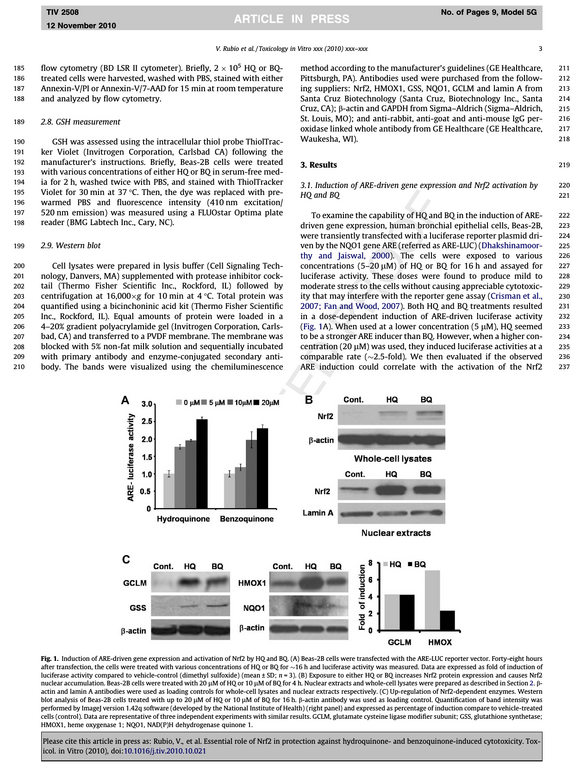
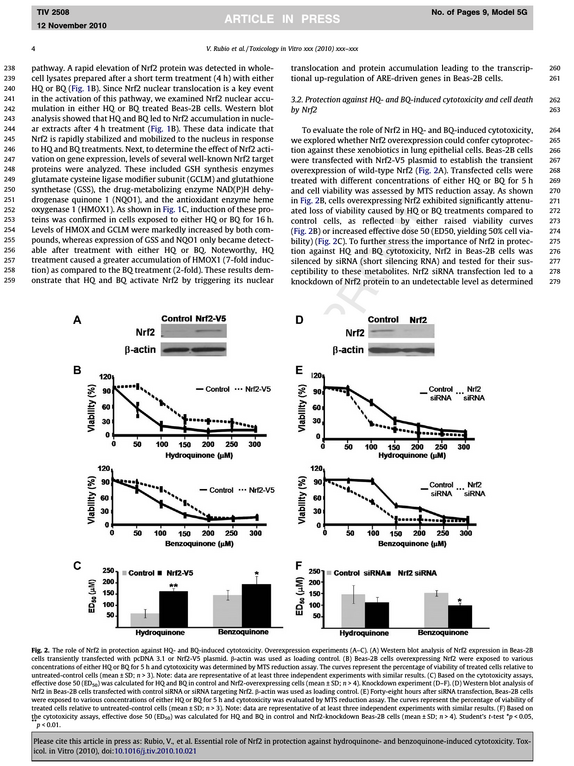
TIV 2508 12 November 2010 1 No. of Pages 9, Model 5G Toxicology in Vitro xxx (2010) xxxxxx Contents lists available at ScienceDirect Toxicology in Vitro journal homepage: www.elsevier.com/locate/toxinvit 2 Essential role of Nrf2 in protection against hydroquinone3 and benzoquinone-induced cytotoxicity 4 Valentina Rubio a,b, Jiawei Zhang b,1, Mahara Valverde a, Emilio Rojas a,, Zheng-Zheng Shi b 5 a Departamento de Medicina Genmica y Toxicologa Ambiental, Instituto de Investigaciones Biomdicas, Universidad Nacional Autnoma de Mxico, Ciudad Universitaria, 6 04510 Mxico D.F., Mexico 7 b The Methodist Hospital Research Institute, Department of Radiology, The Methodist Hospital, Houston, TX 77030, United States 8 article info 21 30 11 Article history: 12 Received 9 August 2010 13 Accepted 29 October 2010 14 Available online xxxx 15 Keywords: 16 Hydroquinone 17 Benzoquinone 18 Nrf2 19 ARE-driven 20 Apoptosis 21 Glutathione 22 abstract Benzene is a well-established human carcinogen.
refid# 715wdMdV3x10amxvk4BzE0xER9 pages
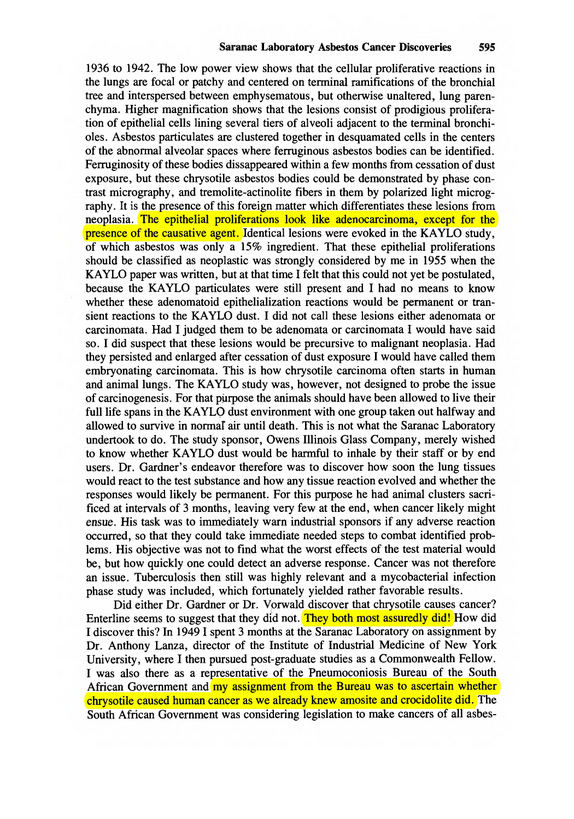
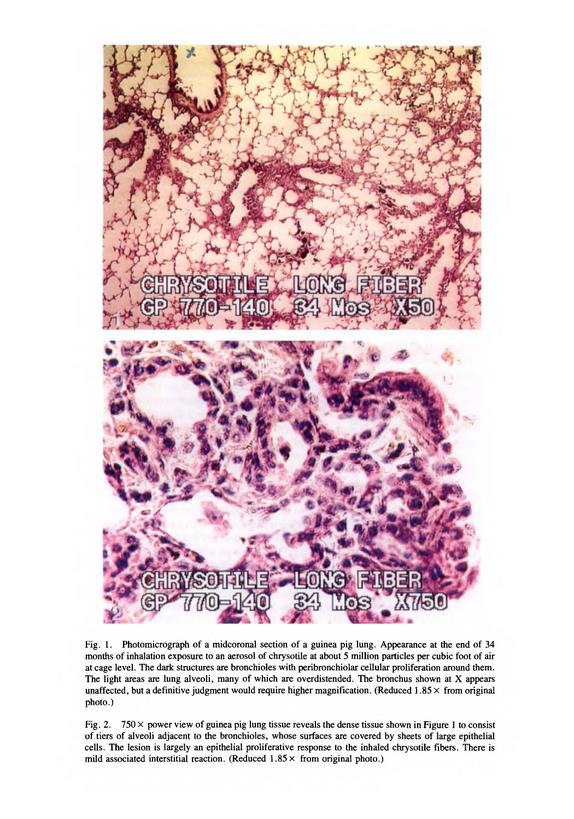
American Journal of Industrial Medicine 27:593-606 (1995) COMMENTARY Chronology of Asbestos Cancer Discoveries: Experimental Studies of the Saranac Laboratory Gerrit W.H.
refid# 71vdjMqDX01QX69ae6Vxvy55R14 pages
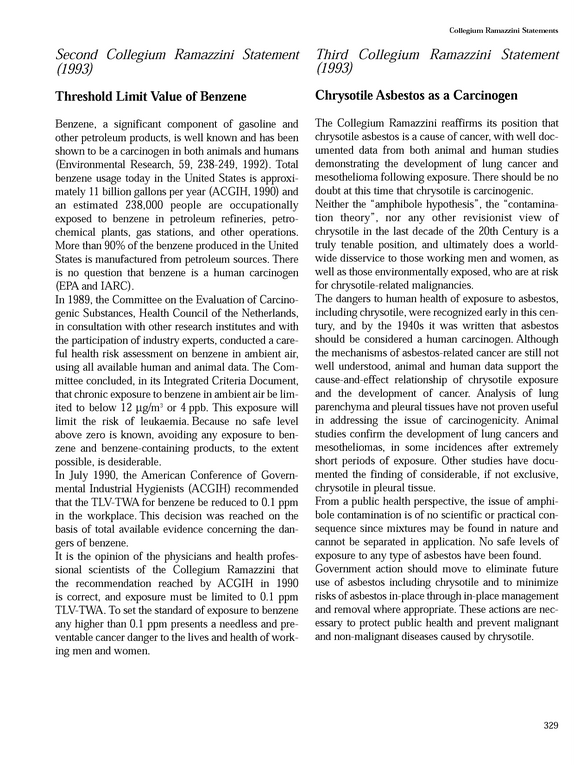
Collegium Ramazzini Statements Second Collegium Ramazzini Statement Third Collegium Ramazzini Statement (1993) (1993) Threshold Limit Value of Benzene Chrysotile Asbestos as a Carcinogen Benzene, a significant component of gasoline and other petroleum products, is well known and has been shown to be a carcinogen in both animals and humans (Environmental Research, 59, 238-249, 1992).
refid# 5kZ8YkXw9139Ykm5oaj7dmJvR1 page
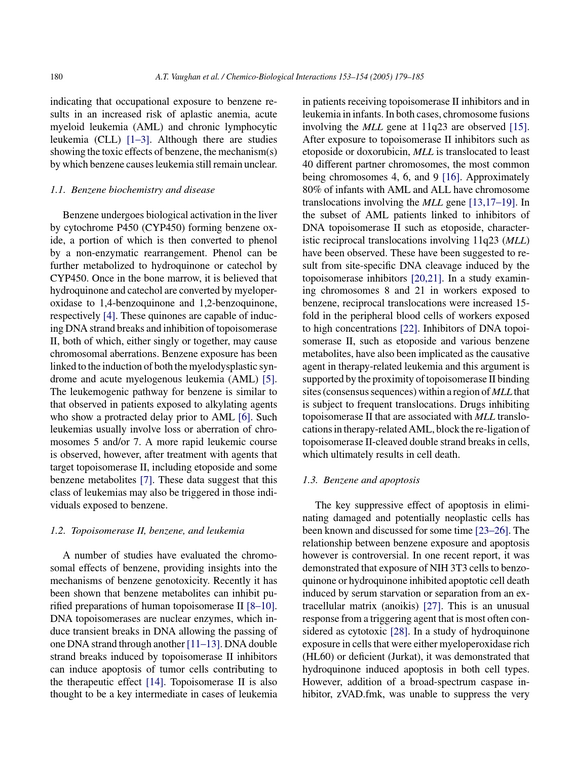
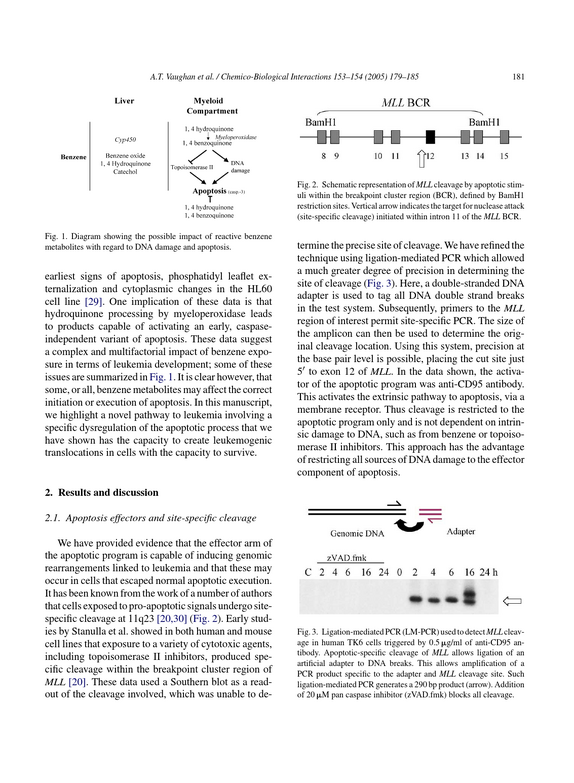
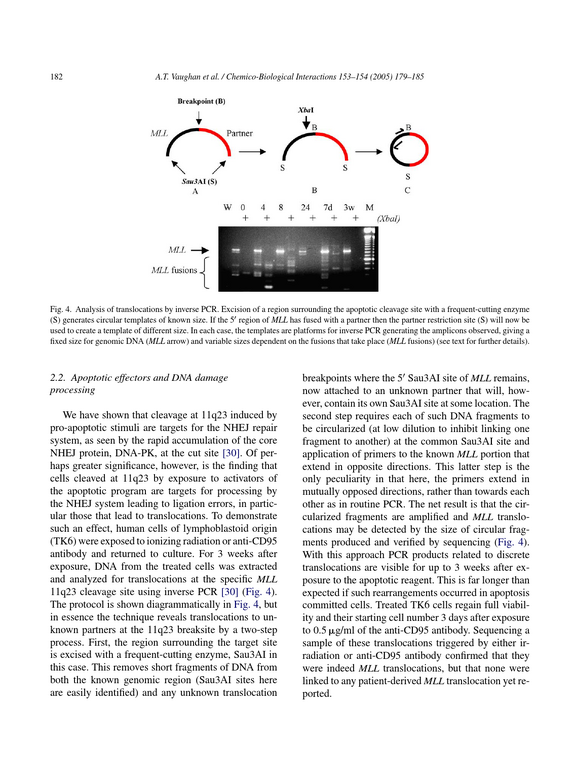
Chemico-Biological Interactions 153154 (2005) 179185 Surviving apoptosis: A possible mechanism of benzene-induced leukemia Andrew T.
refid# zzX30prRxN7dxyNBKvorBjQB07 pages
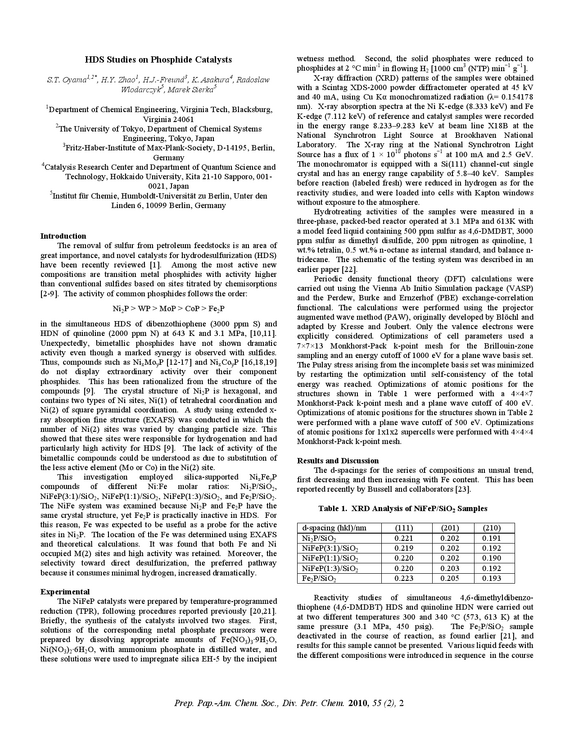
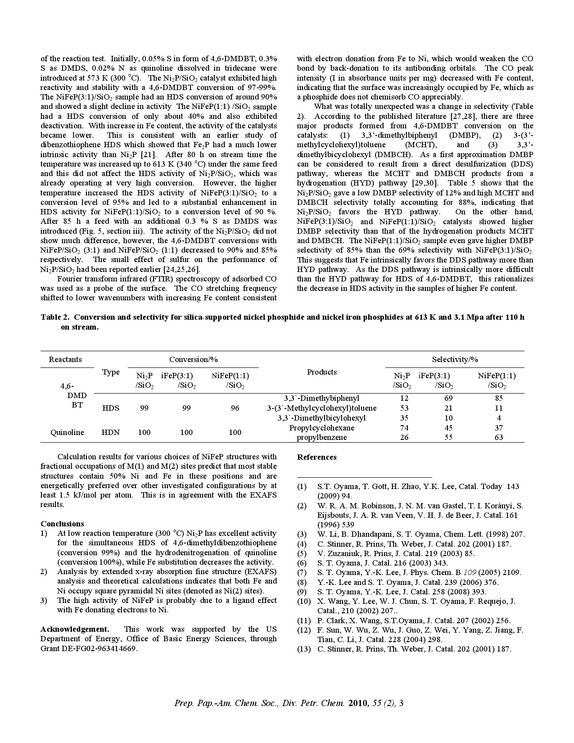
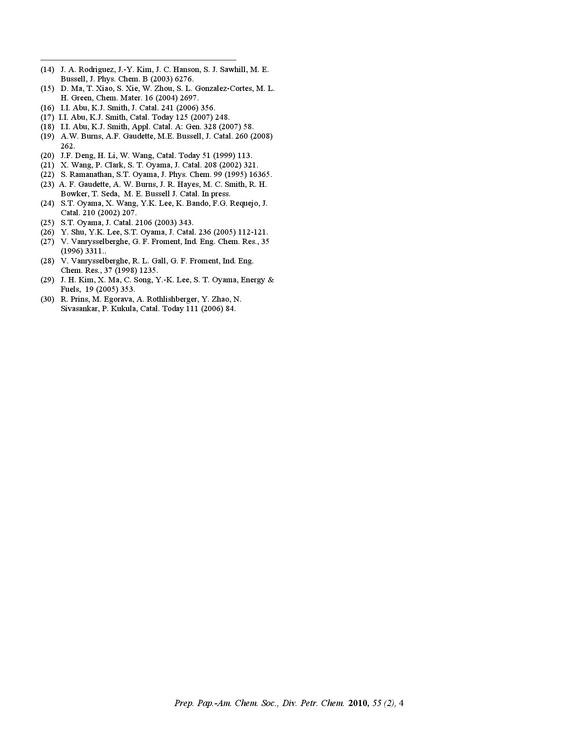
Lowering down the temperature synthesis of transition metal carbides: the case of niobium carbide C.A.
refid# QGR98YybNGp8qNrEj9J87qwo6 pages
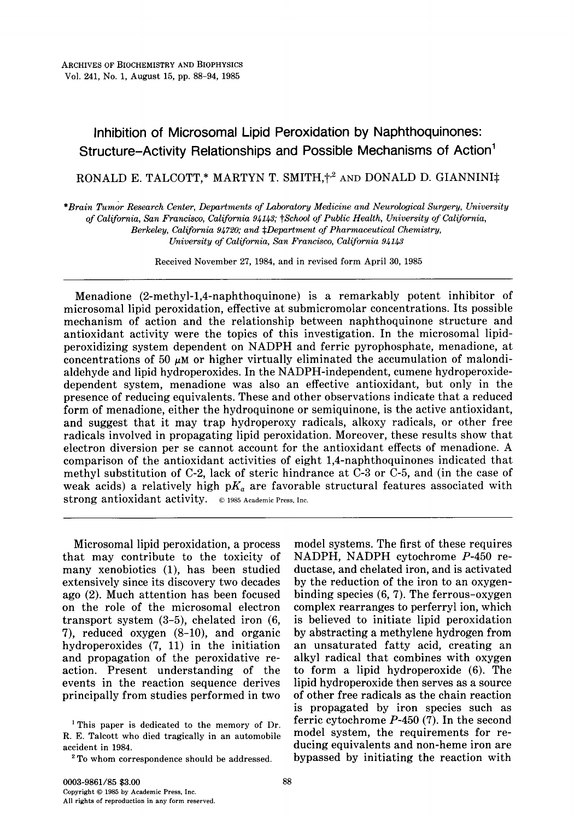
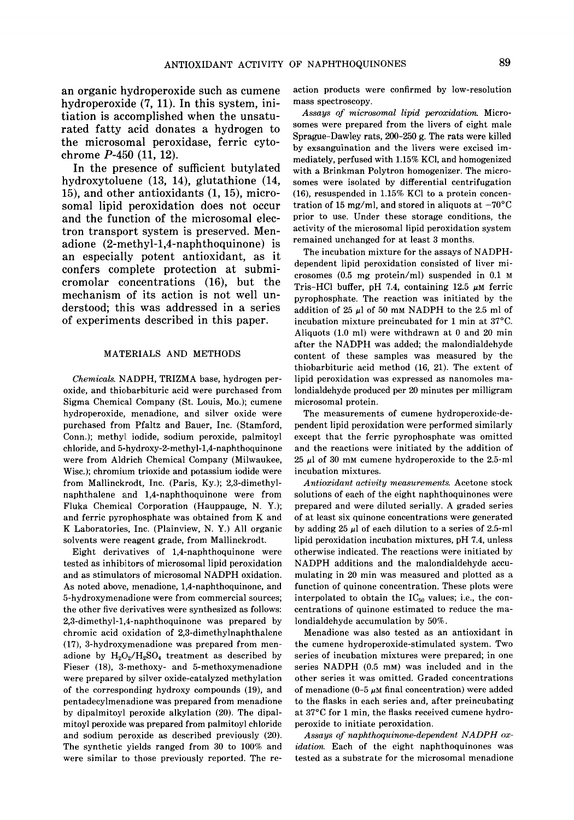
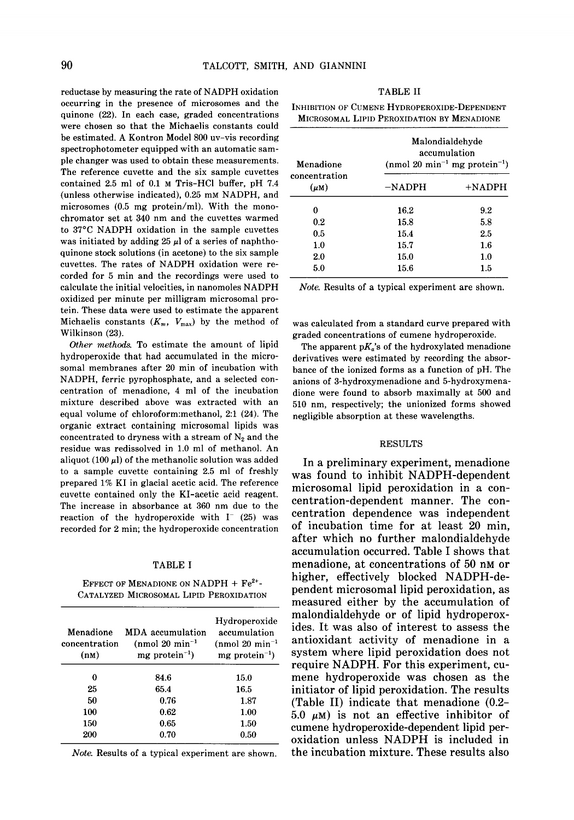
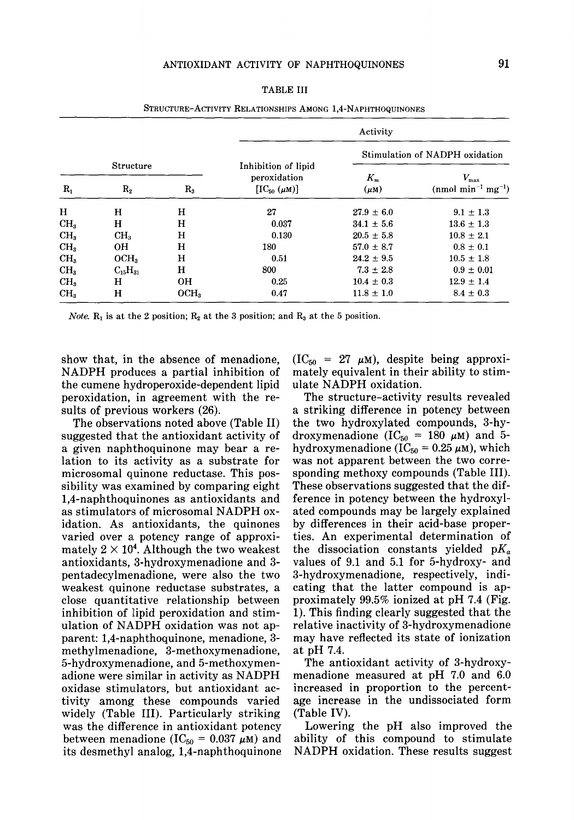
ARCHIVES OF BIOCHEMISTRY AND BIOPHYSICS Vol. 241, No. 1, August 15, pp. 88-94, 1985 Inhibition of Microsomal Lipid Peroxidation by Naphthoquinones: Structure-Activity Relationships and Possible Mechanisms of Action' RONALD E.
refid# e1x5Q5J6DeRGg93Vy0p6B06M47 pages
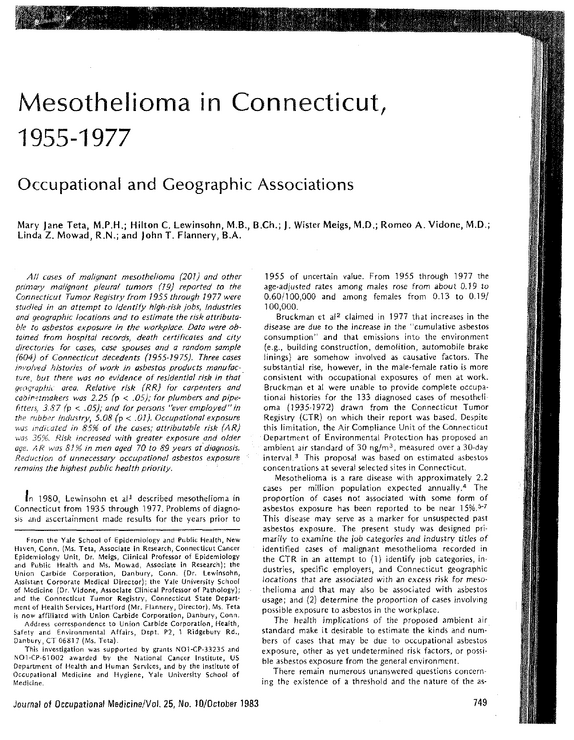
Mesothelioma in Connecticut, 1955-1977 Occupational and Geographic Associations Mary Jane Teta, Hilton C.
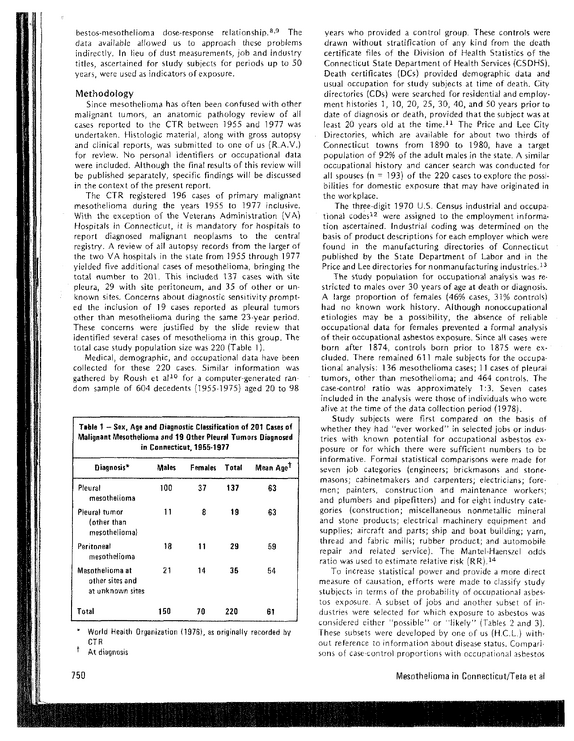
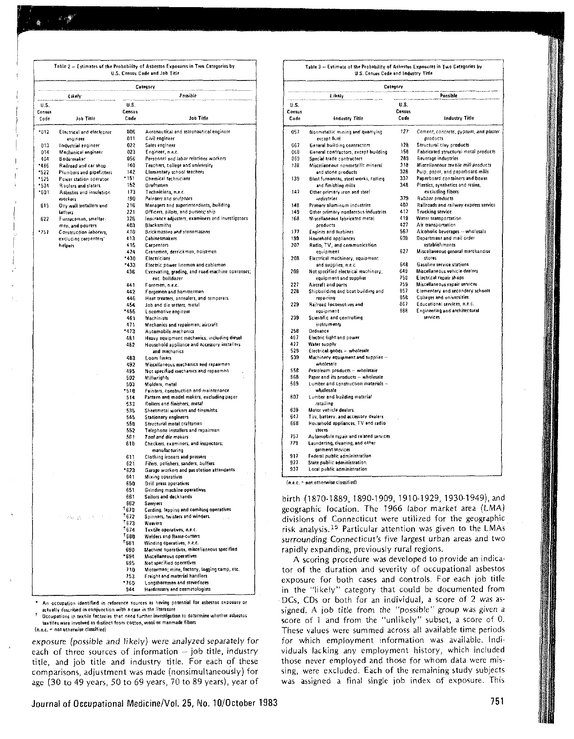
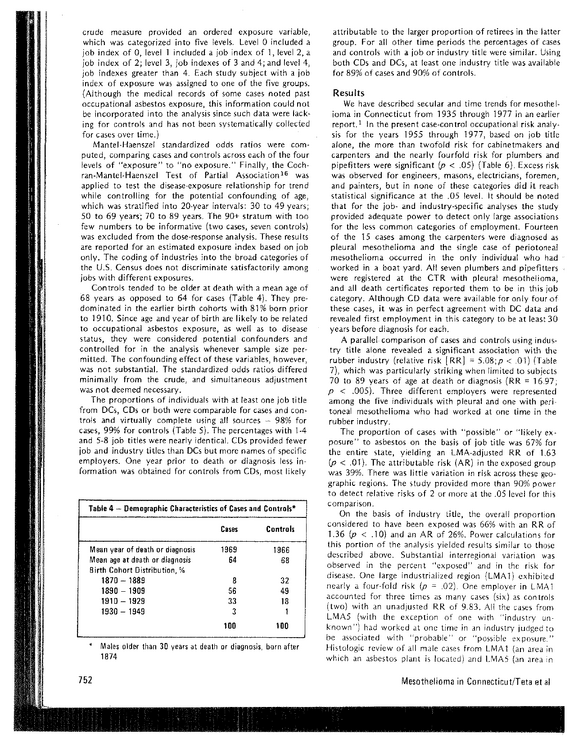
refid# Ne98qZgk38oV5OQLryqoZyj3p8 pages
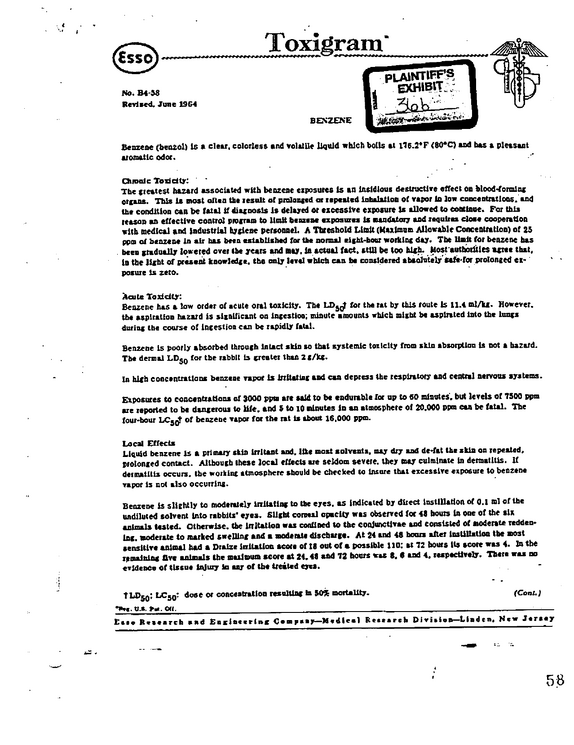
refid# qKXvoYzGppe0aYKn8bDLobdx2 pages
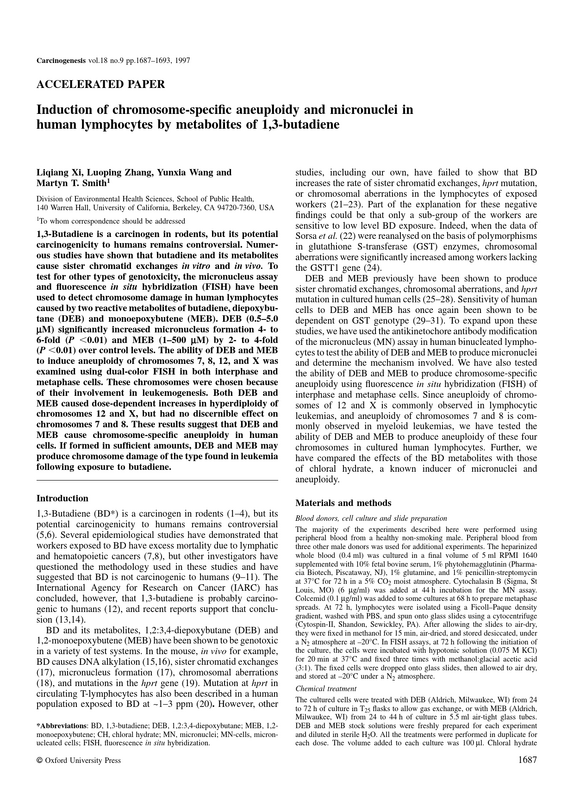
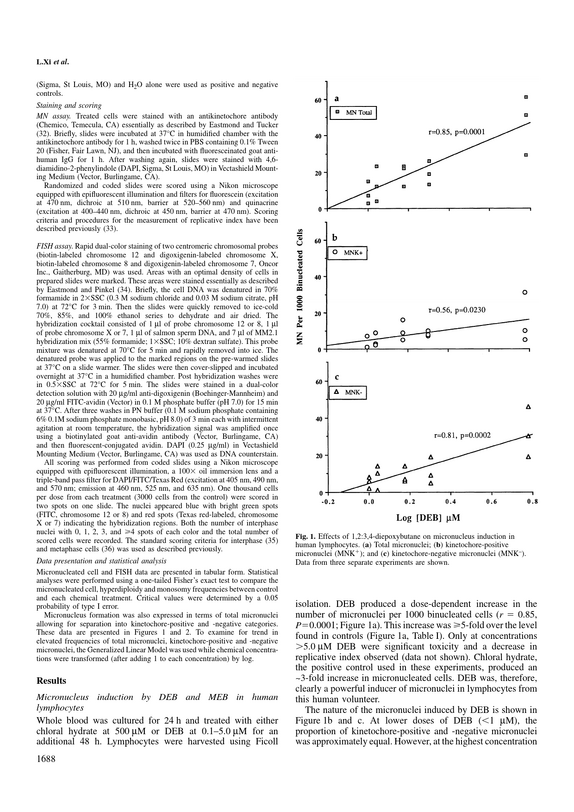
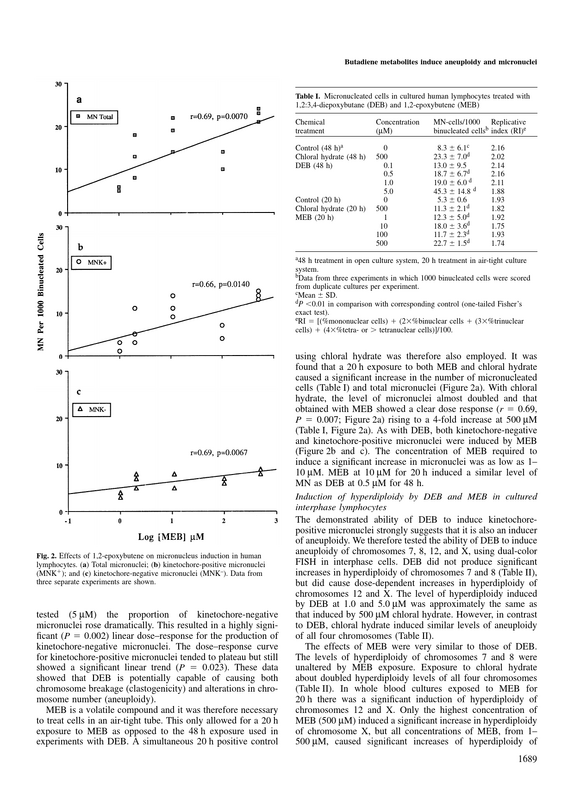
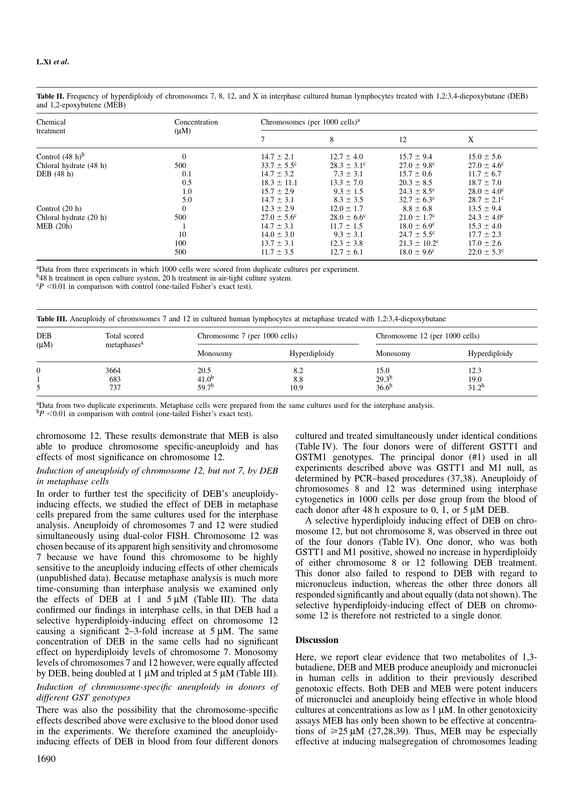
Carcinogenesis vol.18 no.9 pp.16871693, 1997 ACCELERATED PAPER Induction of chromosome-specific aneuploidy and micronuclei in human lymphocytes by metabolites of 1,3-butadiene Liqiang Xi, Luoping Zhang, Yunxia Wang and Martyn T.
refid# ek49Gggw284DJ5o5YoZE5Myp7 pages
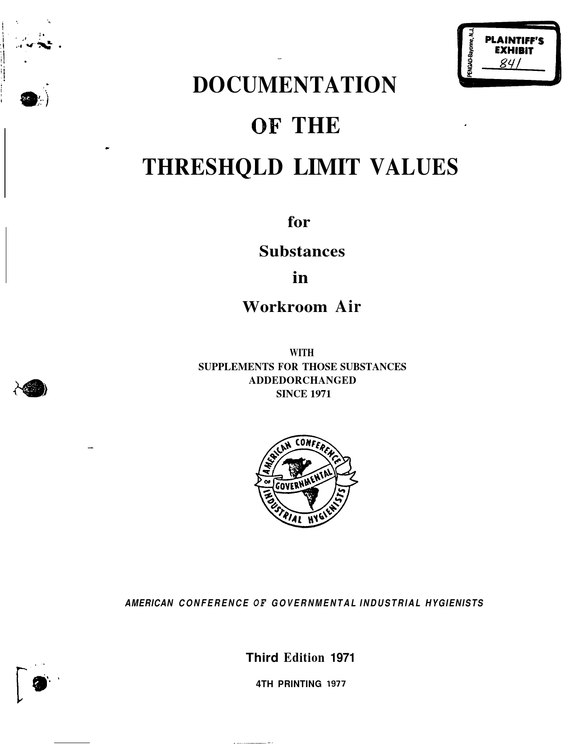
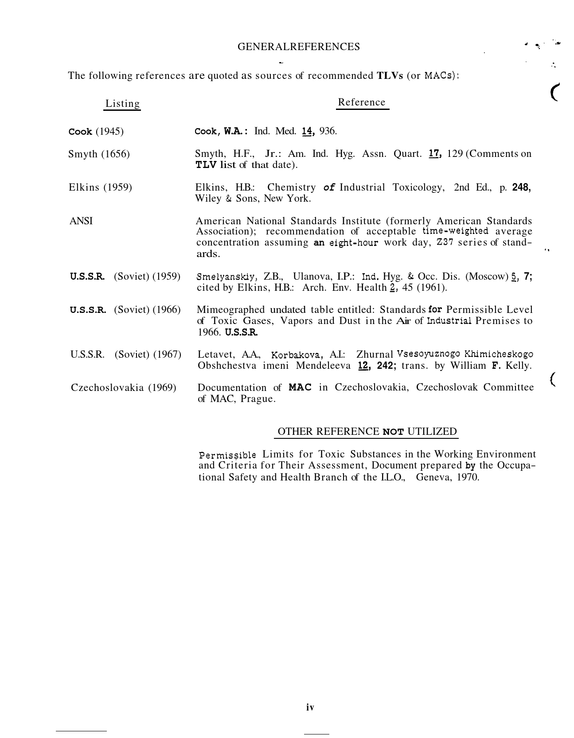
- j *.I DOCUMENTATION OF THE L THRESHQLD LIMIT VALUES for Substances in Workroom Air WITH SUPPLEMENTS FOR THOSE SUBSTANCES ADDEDORCHANGED SINCE 1971 AMERICAN CONFERENCE O F GOVERNMENTAL INDUSTRIAL HYGIENISTS 1"' Third Edition 1971 4TH PRINTING 1977 ~ ... .
refid# jyeBXJyxLzZaDa0Y2QDGerVD28 pages
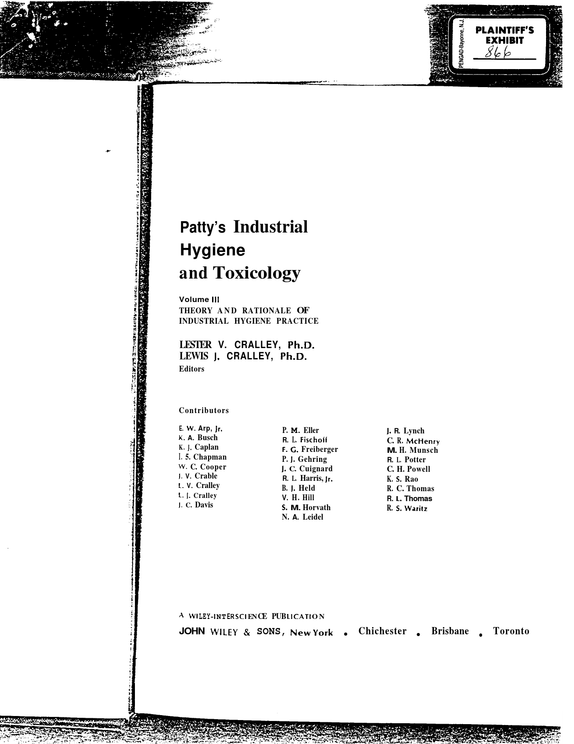
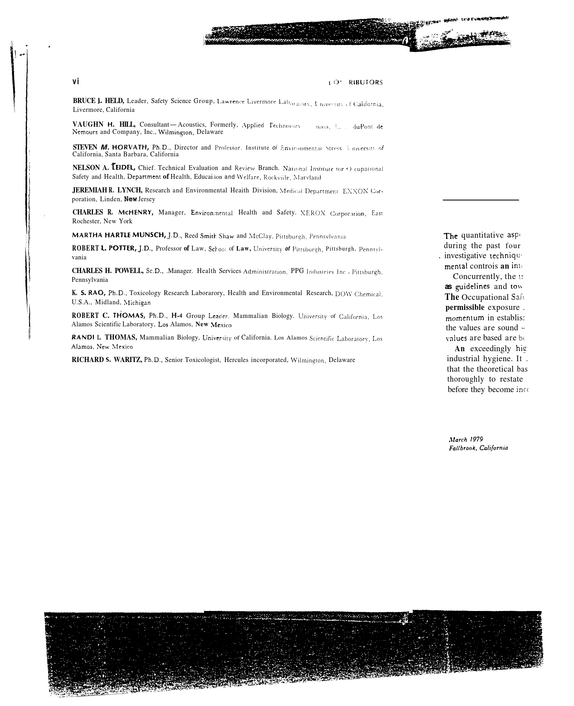
Patty's Industrial Hygiene and Toxicology Volume Ill THEORY A N D RATIONALE OF INDUSTRIAL HYGIENE PRACTICE LESTER V.
refid# 3N2Ybeyw2GDnM2QNL1B22Enp06 pages
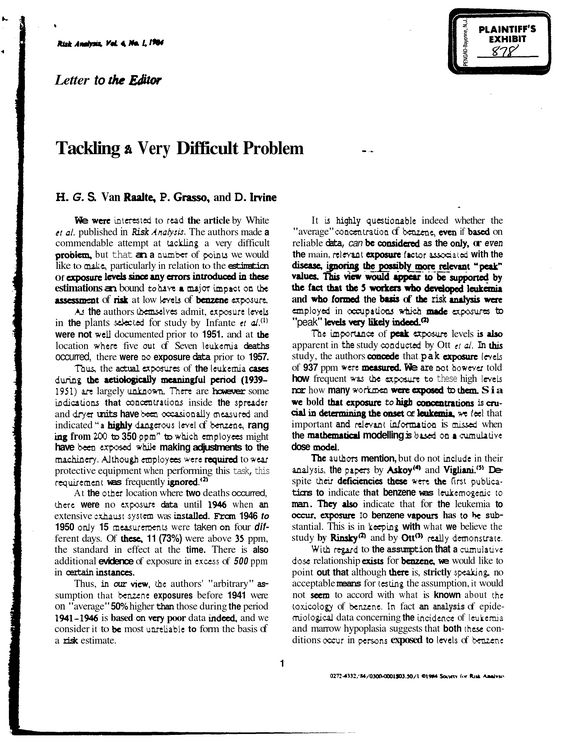
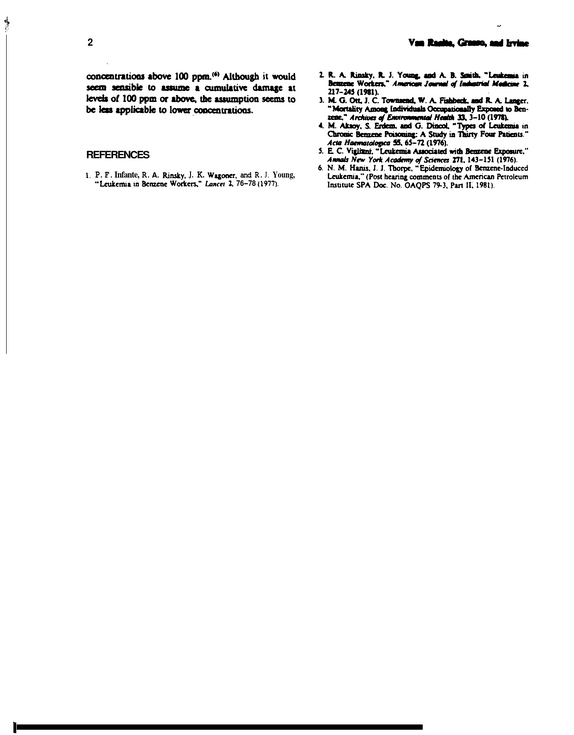
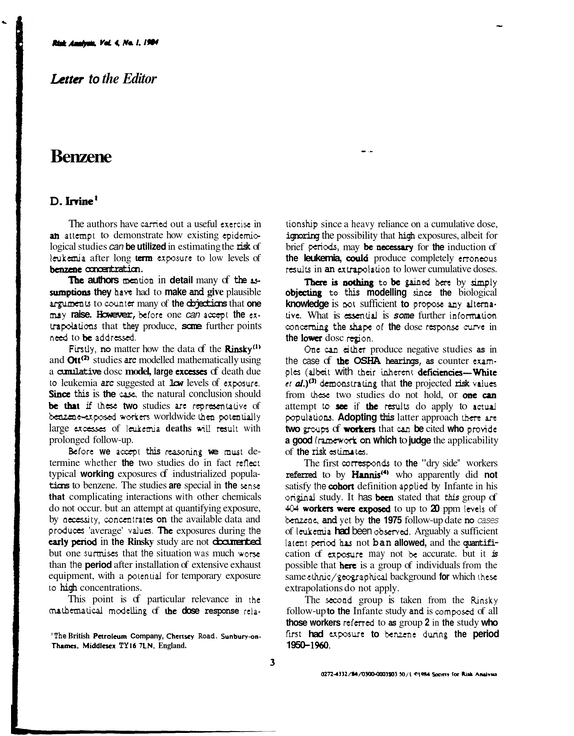
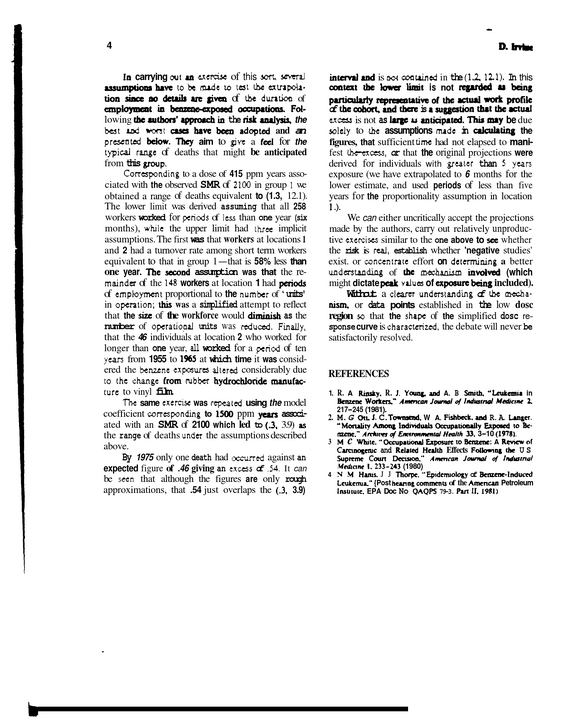
Letter to the &&or Tackling a Very Difficult Problem H.G.S.
refid# npN8NdJD3372we9n70Mz2zDaX7 pages
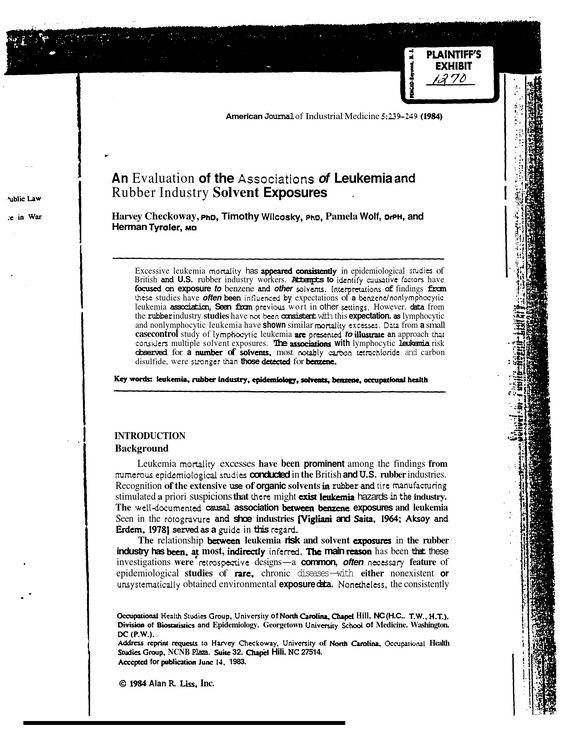
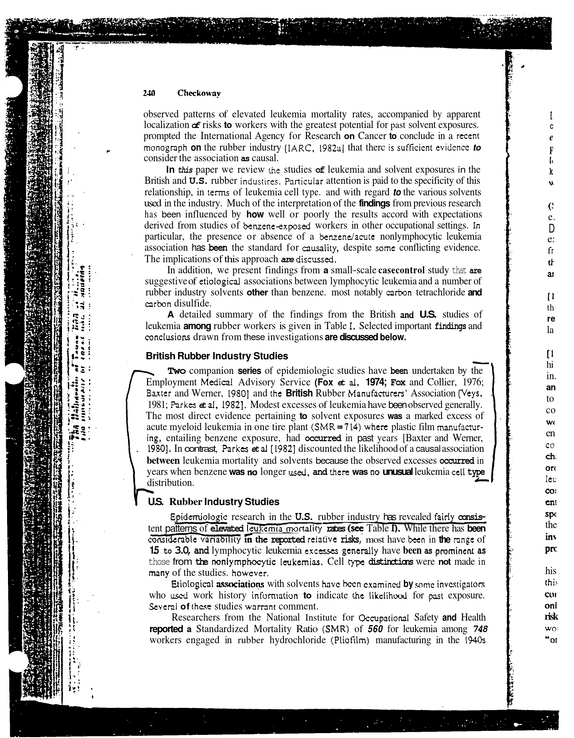
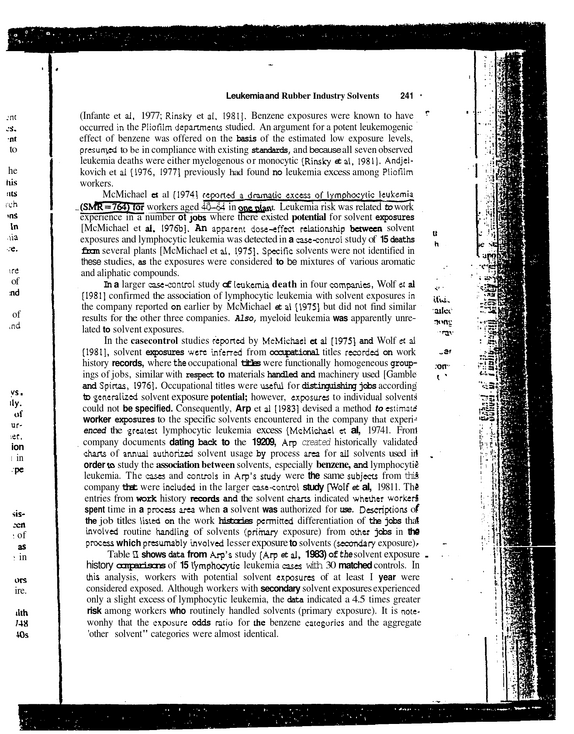
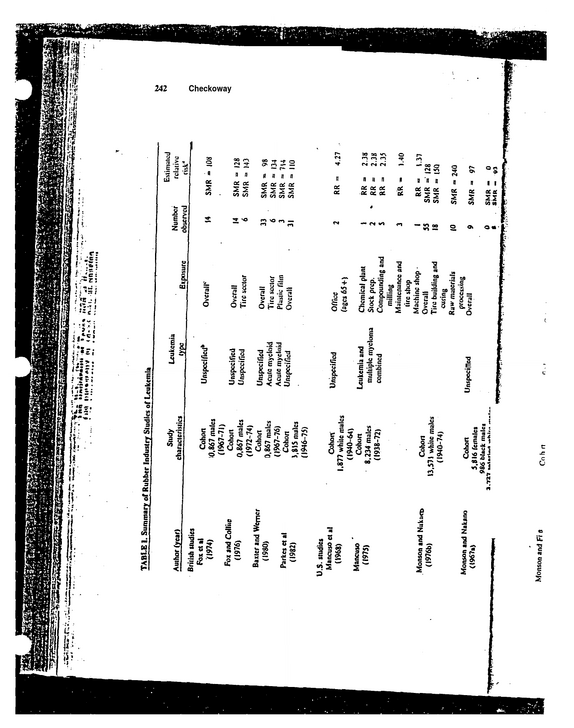
American Journal of Industrial Medicine 5239-249 (1984) v An Evaluation of the Associations of Leukemia and Rubber Industry Solvent Exposures .
refid# vVGpdg5dLg9bdVozj47ZE54bb11 pages