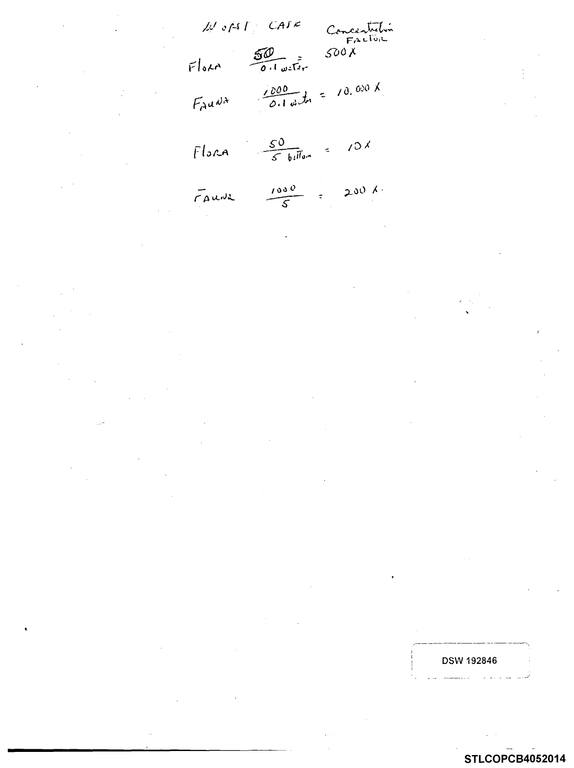
Fish - Marine or aquatic species concentrate PCB in the fatty ^ tissue.
refid# XREQkB0oDjGGw8Evm008KnyGy22 pages
Fish.
refid# wqNv0JL7GXQLLQ7oJJgVQkn1Q7 pages
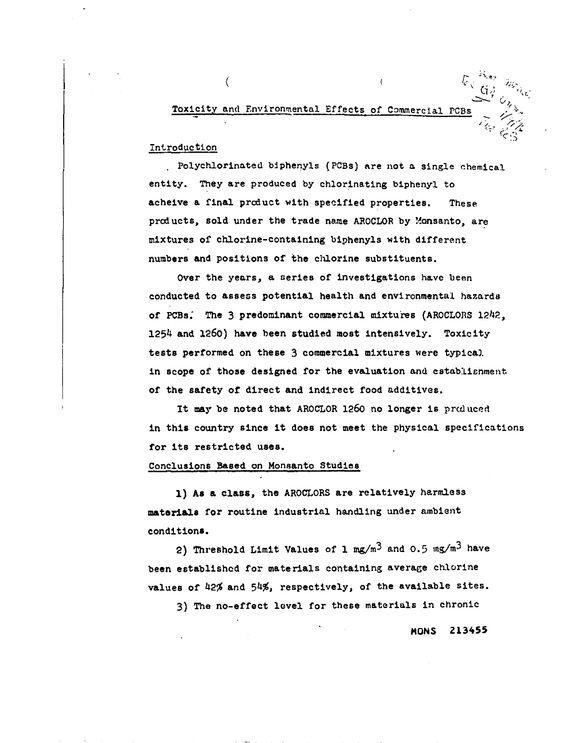
No hepatocellular carcinomas were present. 4) The no-effect level on rat reproduction is between 1 and 10 ppm in the diet since higher levels result in low mating indices. 5) No teratogenic or mutagenic effects were observed in studies with rats and mice. 6) In chicken reproduction and teratology studies, AROCLOR 1242, which produced the most severe effects, had a no-effect level of 2-4 ppm in the diet. 7) Acute toxicity to fish Varies from less than 1 ppm to greater than 100 ppm depending on the specific AROCLOR and species of fish tested. 8) PCBs containing 3 or less chlorine substituents per molecule are reasonably biodegradable.
refid# jbaJzYqnKxJ2q2dL66ogke4y12 pages
Orpl fish amt Came, fish Bull., 128 Sciic.O. **.>!
refid# 2Rjbb7reawV0egwVx5DdwQ8o73 pages
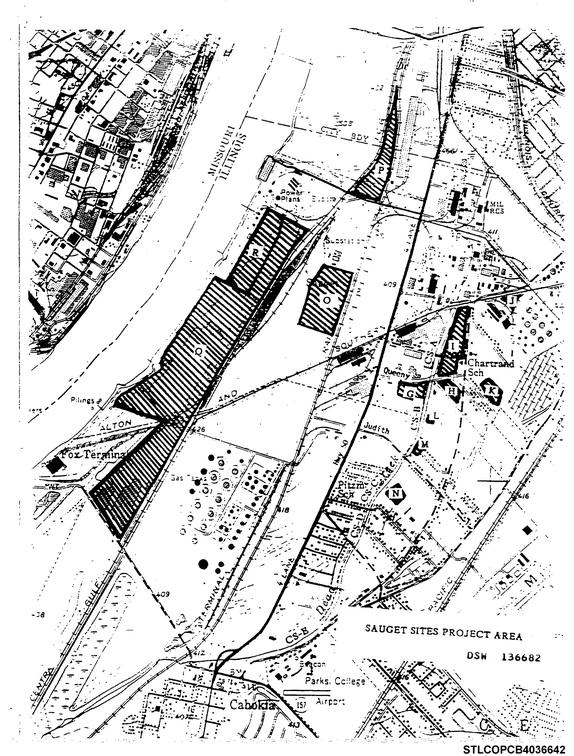
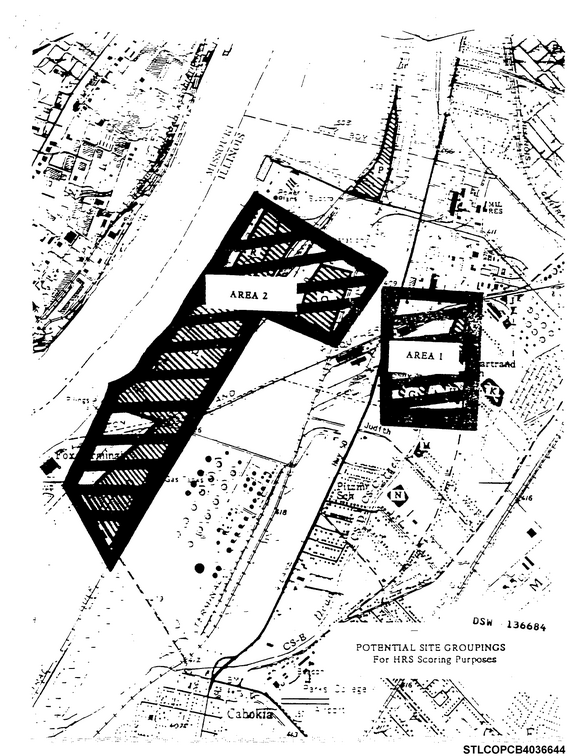
The river and its fish are likely sources of exposure to the contaminants but further study Is needed to be certain of effects on downstream water supplies and fishing.
refid# Lg7yRaEba7yr2VZbJX1rBQex512 pages
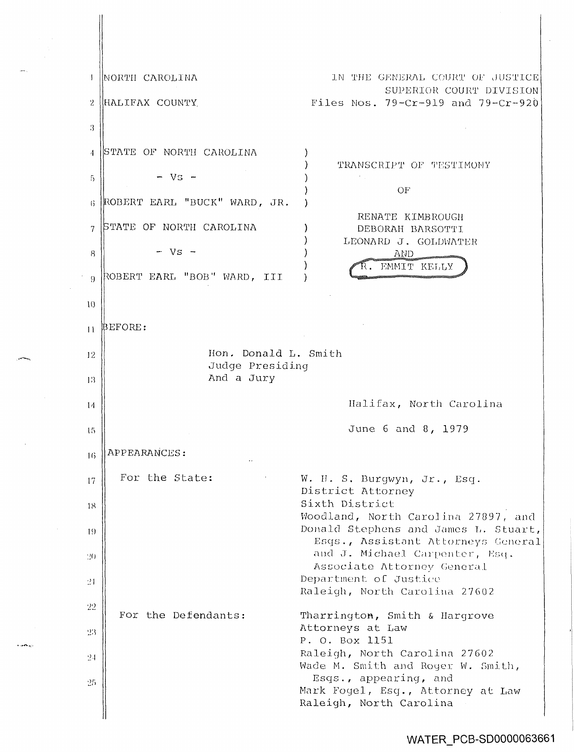
I 40RTII CAROLINA 2 IALIFAX COUNTY.
refid# 3X1d4KmpyYqLboM0NOozwYnJ15 pages
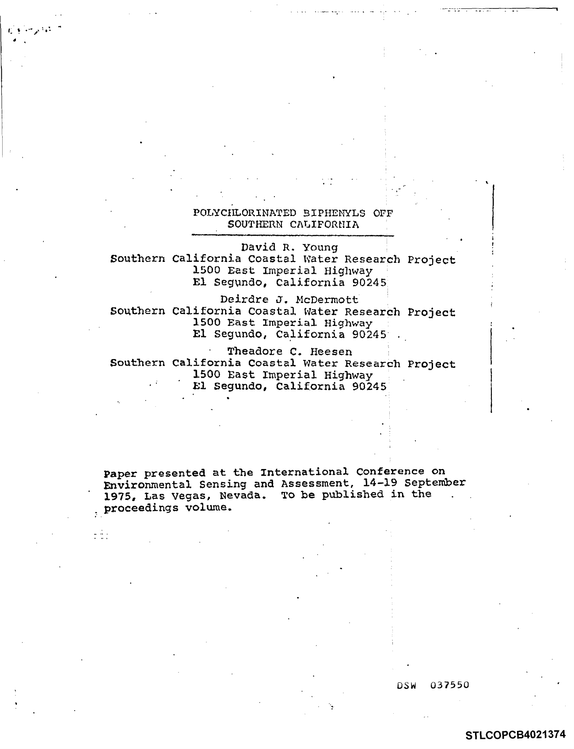
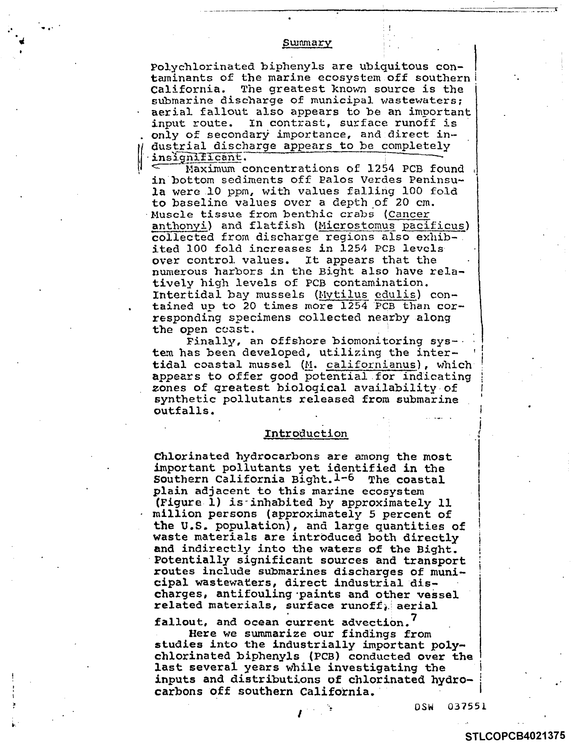
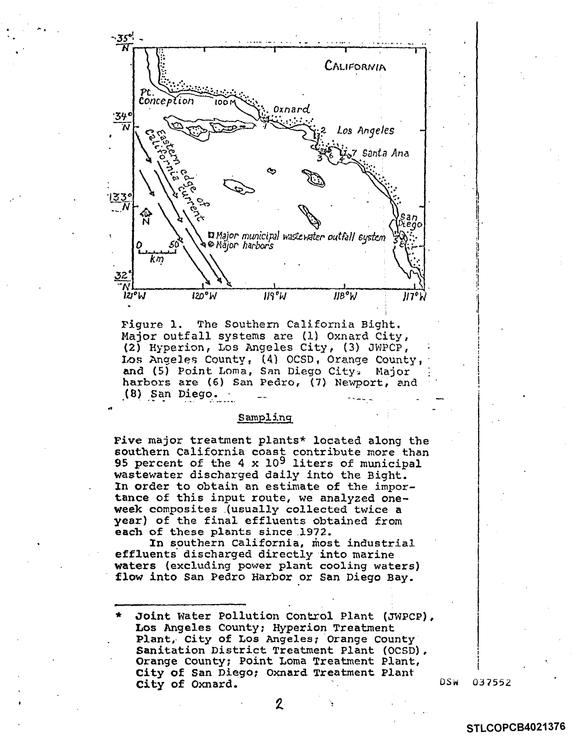
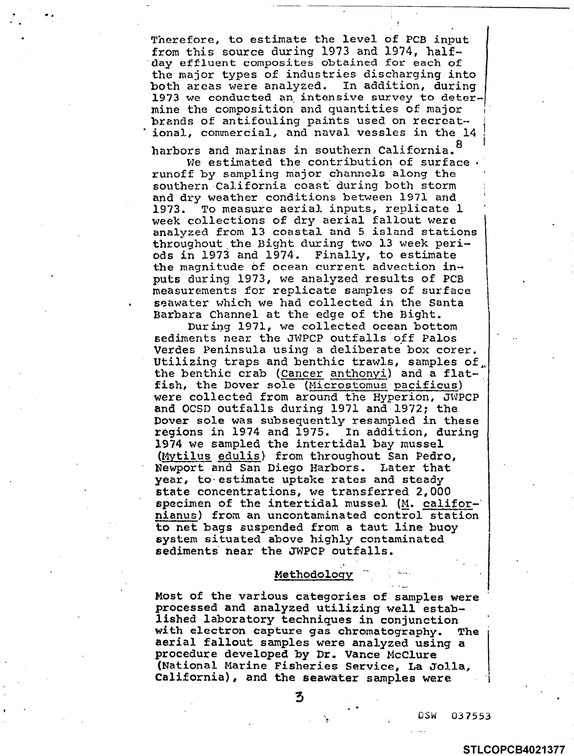
Utilizing traps and benthic trawls, samples of,, the benthic crab (Cancer anthonyi) and a flat fish, the Dover sole (Hicrostomus pacificus) were collected from around the Hyperion, JWPCP and OCSD outfalls during 1971 and 1972?
refid# 5oDBV83qQqmwBx5LBQBwbeae14 pages
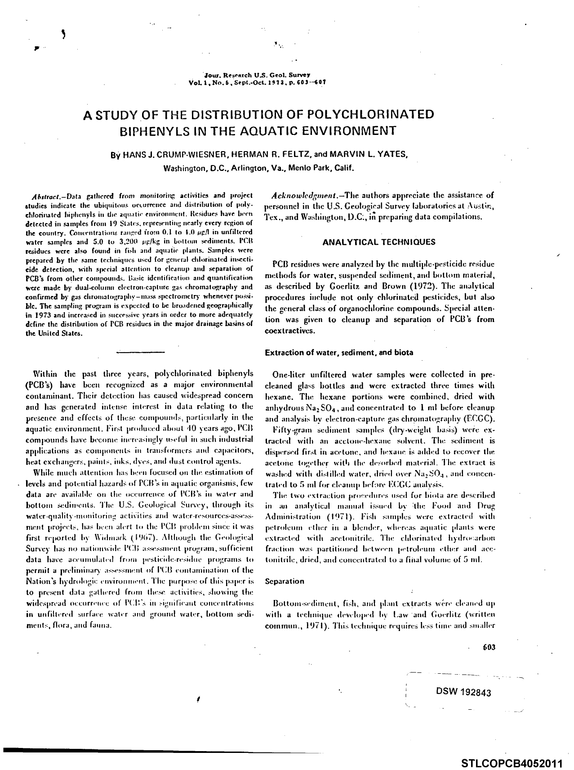
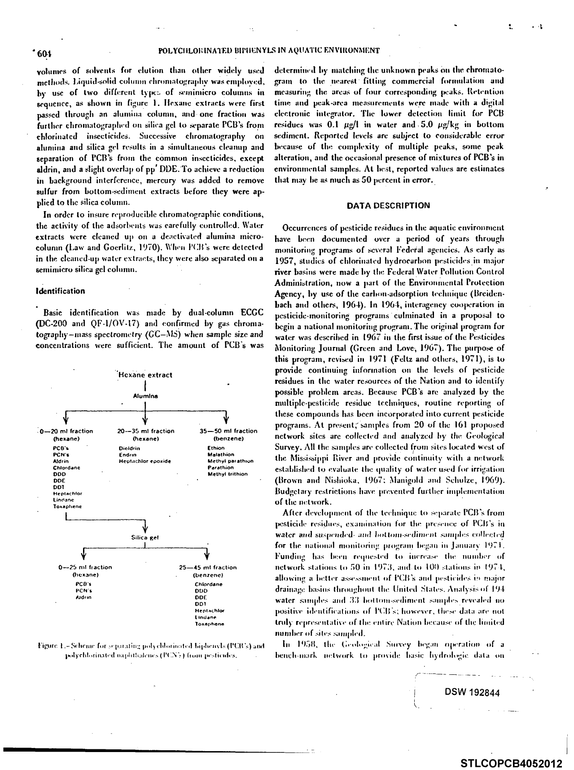
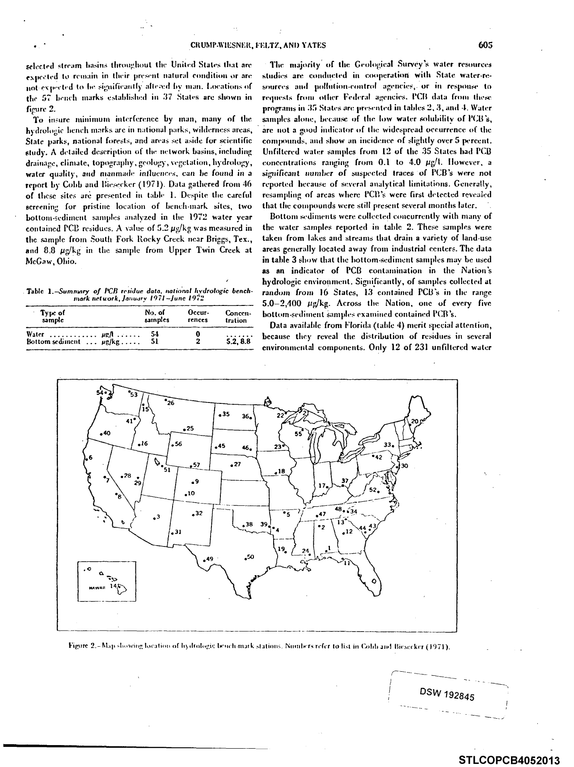
Fish samples were extracted with petroleum ether in a blender, whereas aquatic plants were extracted with acetonitrile.
refid# G6qonbJaVaVKGgBreQExrXL0N6 pages
Fish - Marine or aquatic species concentrate PCB in the fatty tissue.
refid# wgkekODQXEm9qn1ovo9L1NKNV22 pages
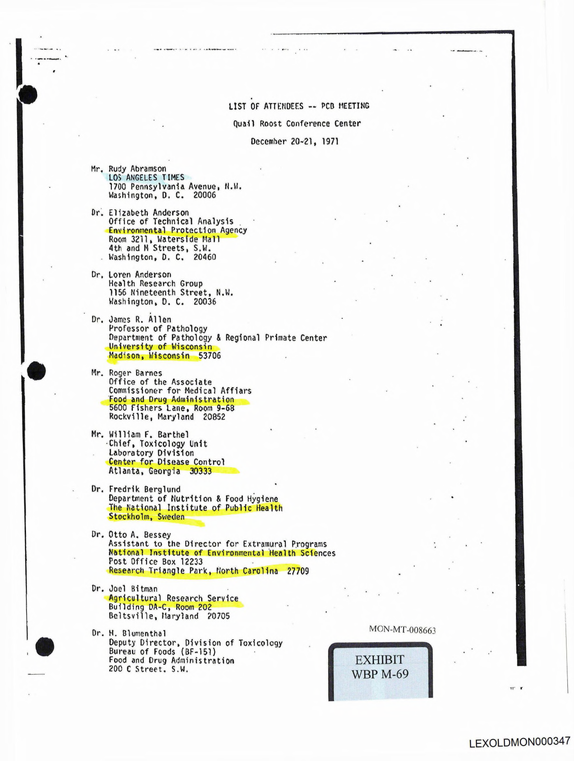
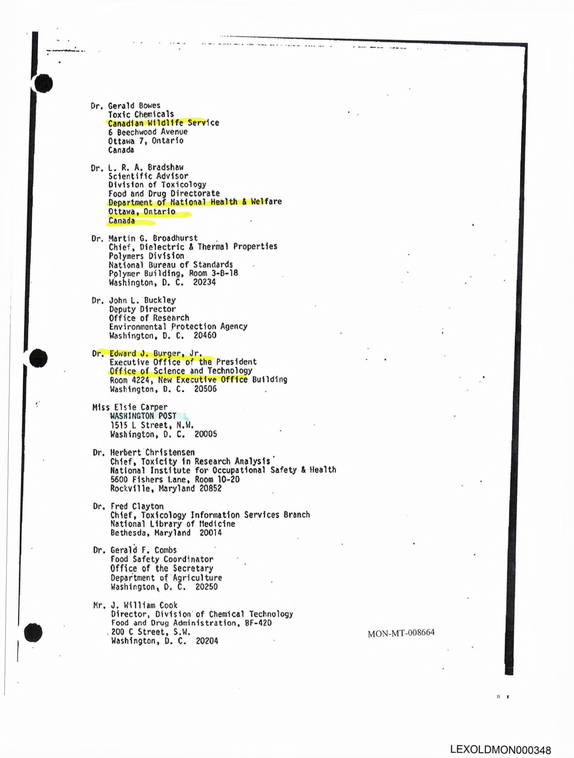
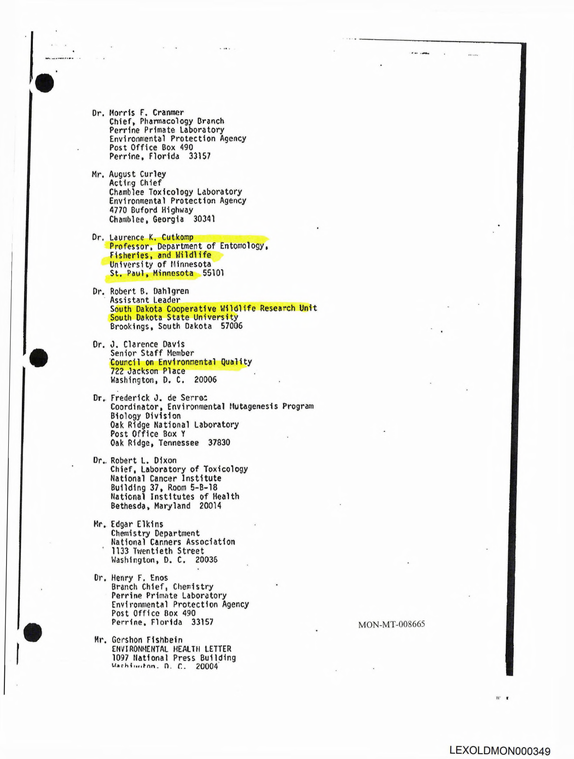
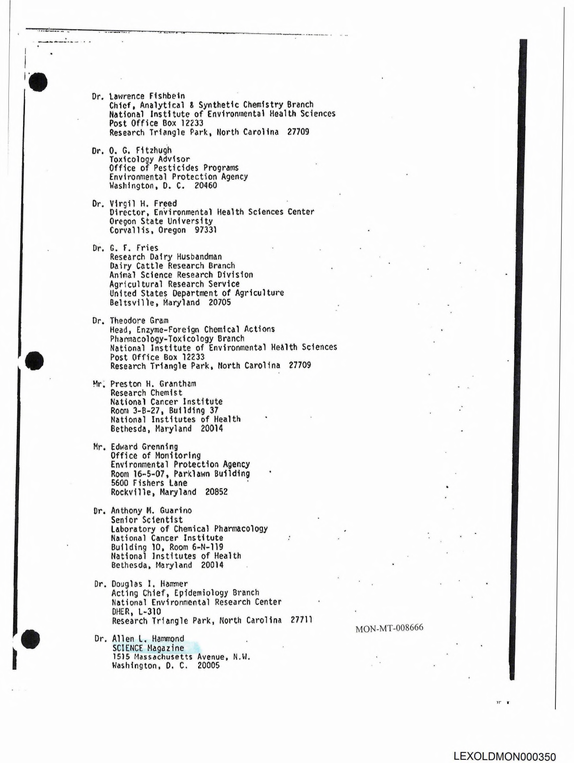
LIST OF ATTENDEES - PCD MEETING Quail Roost Conference Center December 20-21, 1971 Mr.
refid# 156ZL2pR6y1MNQOR699evyKga14 pages
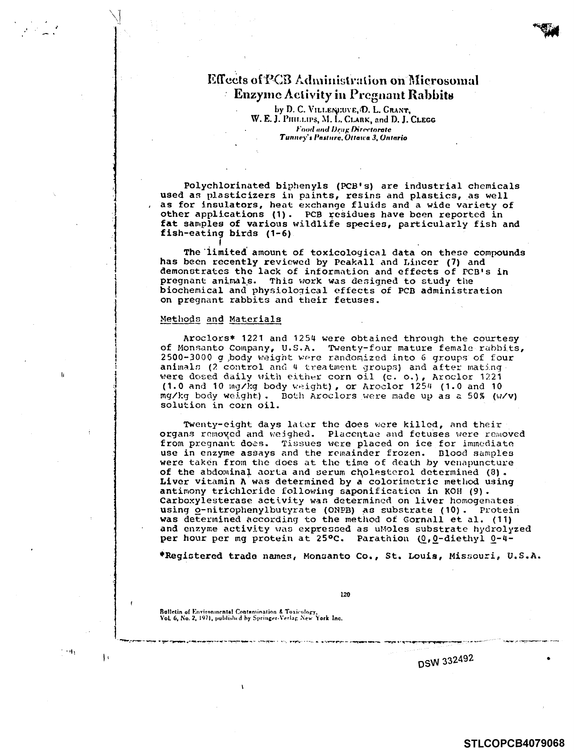
PCB residues have been reported in fat samples of various wildlife species, particularly fish and fish-eating birds (1-6) ,I , .
refid# 6Bw3vvZ6M06gbM0JdQJvd8qXd9 pages
Fish from certain fresh water locations are the food most frequently and consistently found to contain PCB residues.
refid# EqByjN7kyVz2y884mxKDbgo0n18 pages
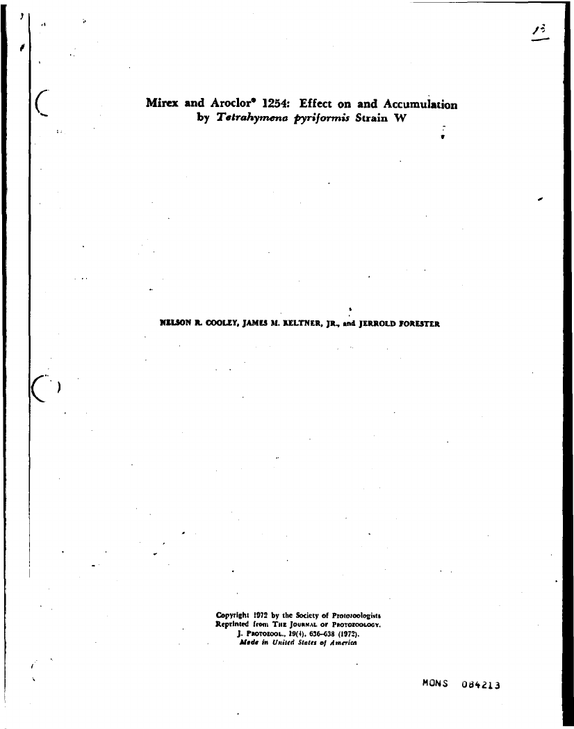
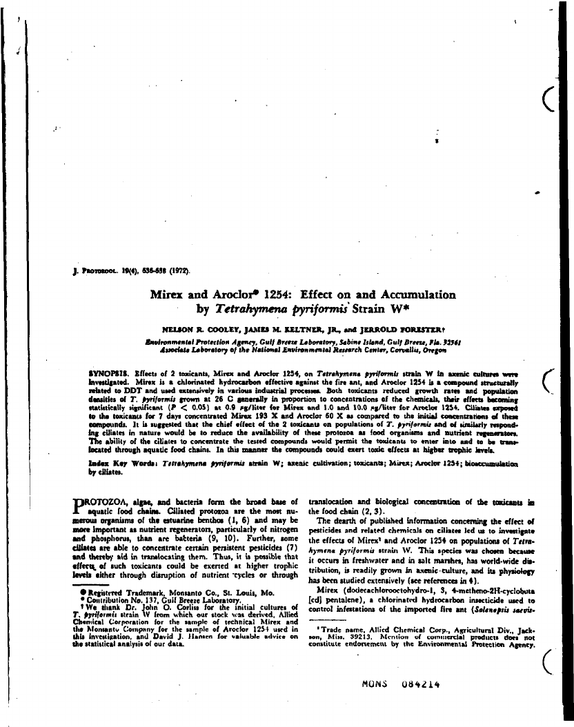
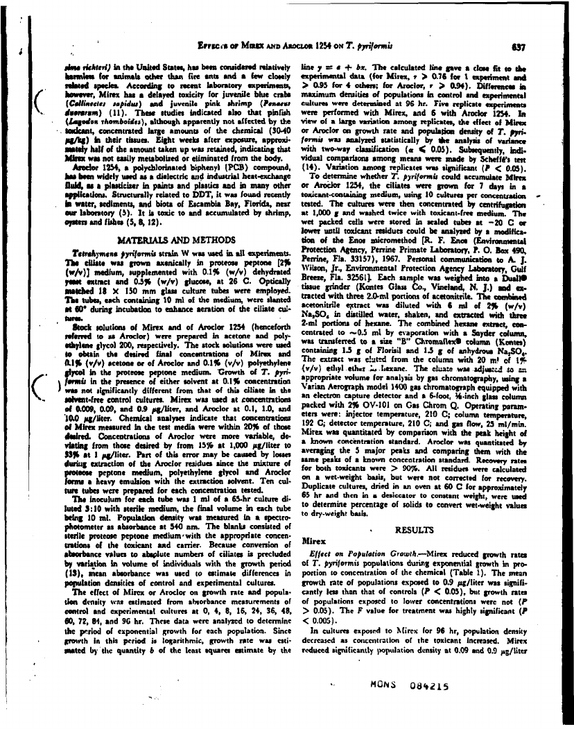
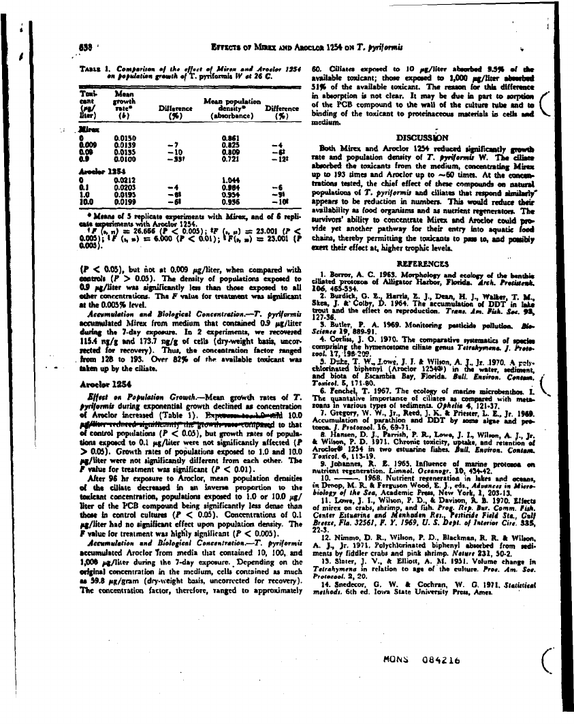
It 1s toxic to and accumulated by shrimp, oysters and fishes (5,8,12).
refid# wDE6ow8KvoB8mBBX5kBLgEvb64 pages
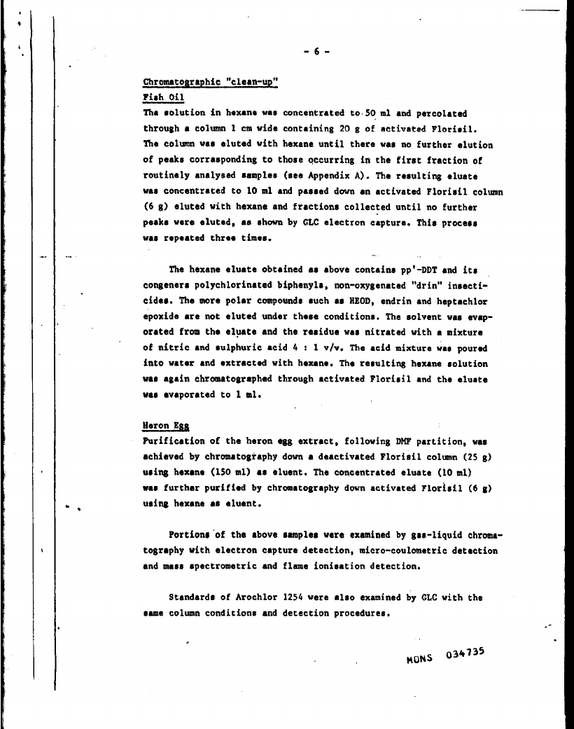
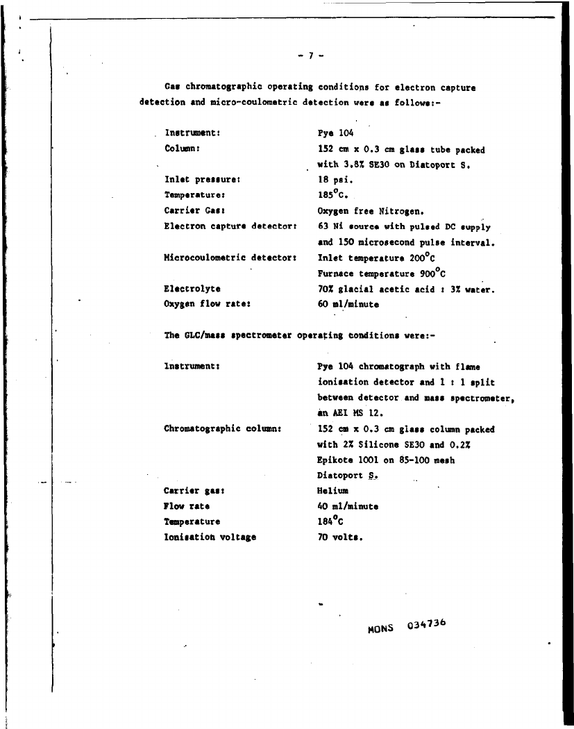
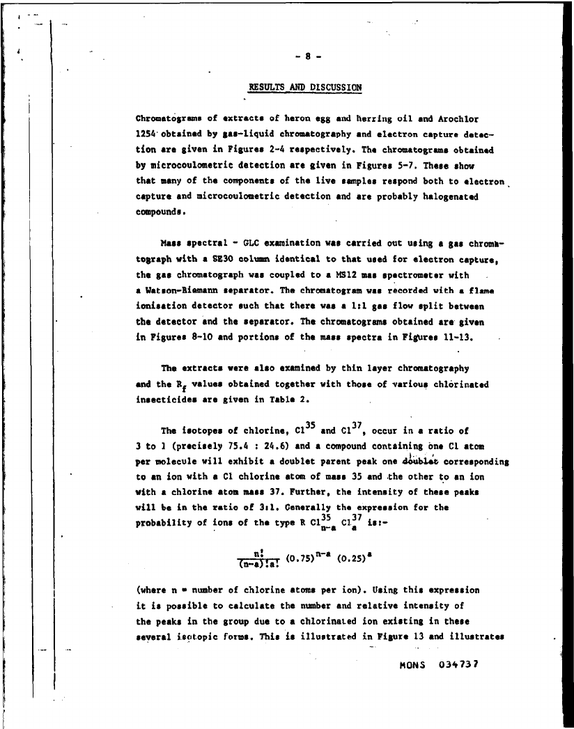
It seems very likely that with the analytical pro cedures employed for organochlorine insecticide determination at that time any interference in the region of DDT would be reported as DDT snd hence in some of the predatory birds particularly fish eating birds they appeared to have high organochlorine insecticide levels.
refid# 5kxLK1XOgQLeXDBE4O1M0RqoJ14 pages
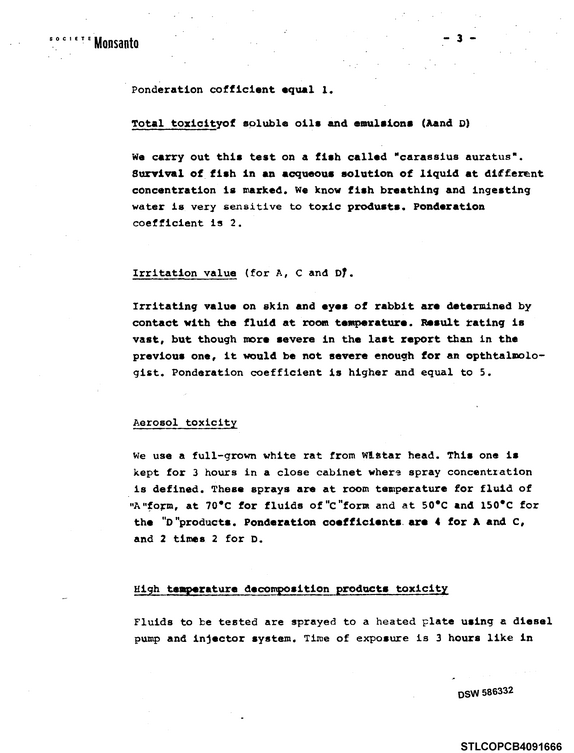
We know fish breathing and ingesting water is very sensitive to toxic produsts.
refid# dD9NLMqDV0o8bK2N8xXaLgM617 pages