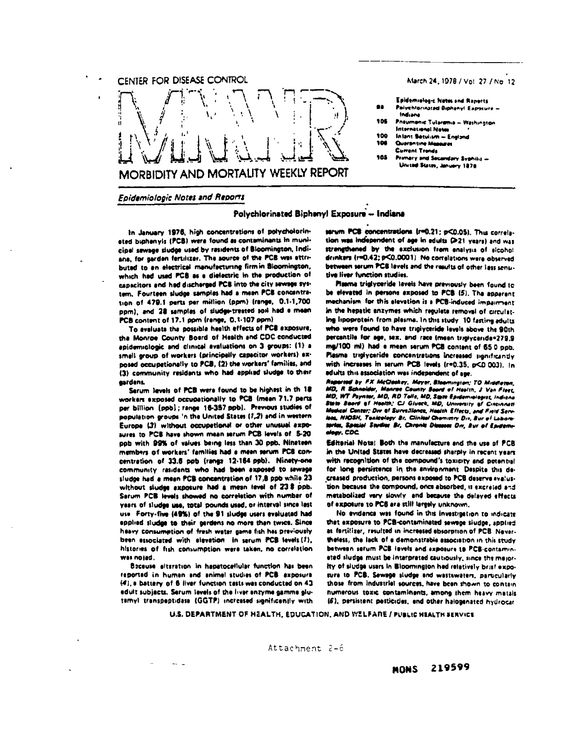
Since heavy consumption of fresh water game fish hat previously bean associated with elevation in tarum PCS levels (f), histones of fish consumption ware taken, no correlation wet no lad.
refid# jgmmanzpnjx8DERD5J6Z1avYQ2 pages
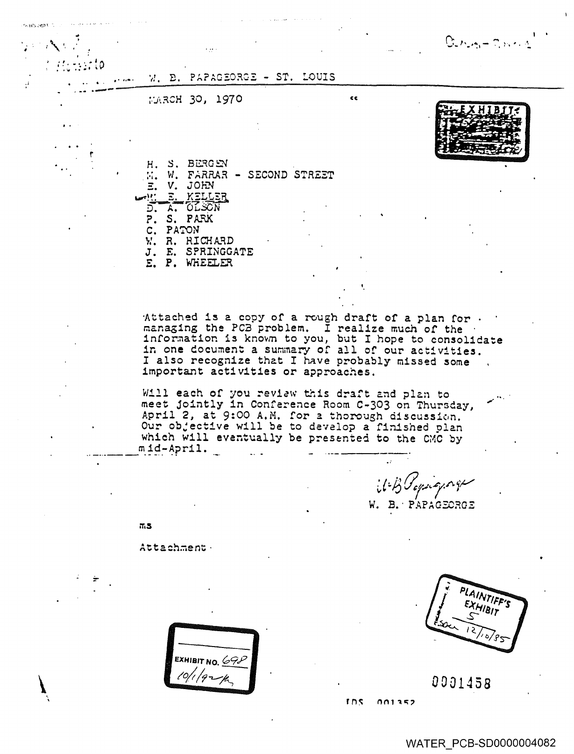
I march 30, 1970 H S.
refid# DD5DVYn7bDD6mRL5mYOwOXwr513 pages
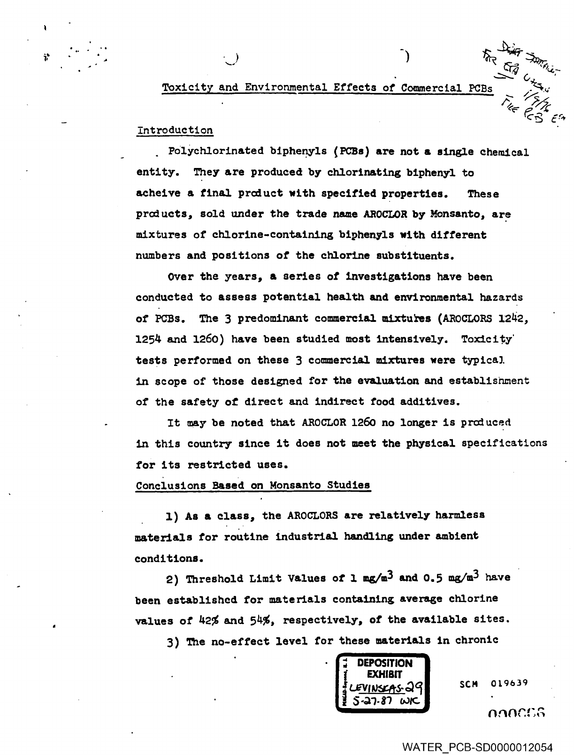
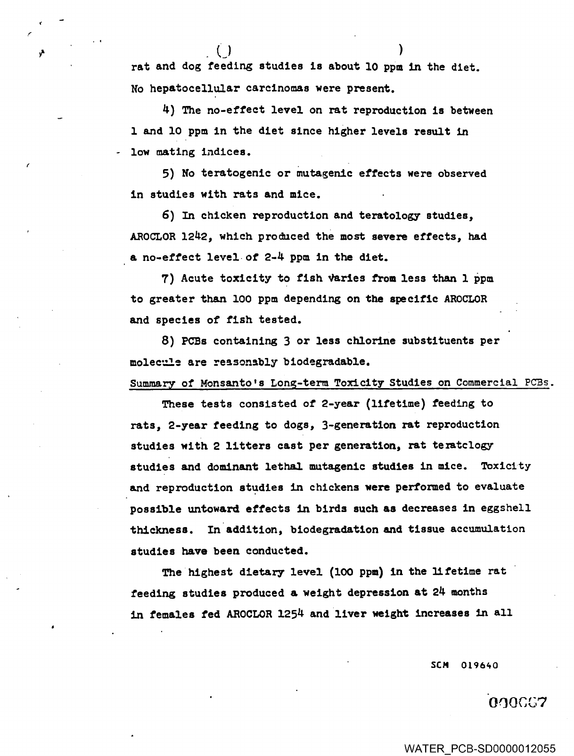
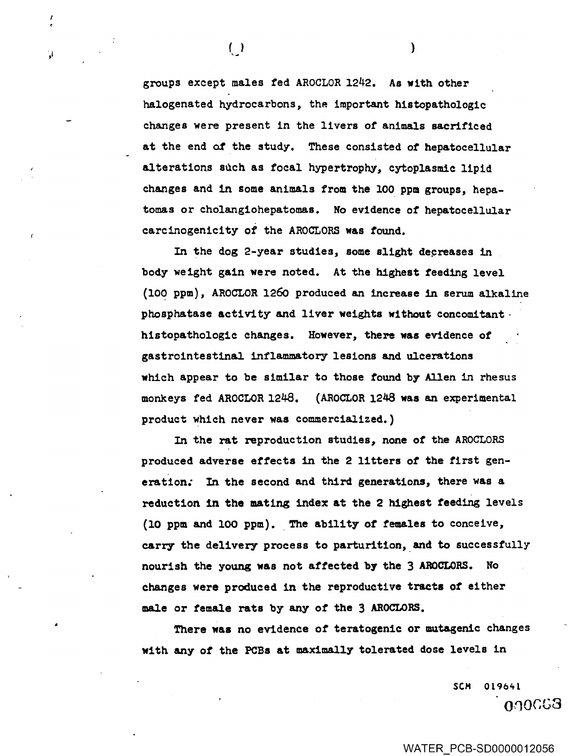
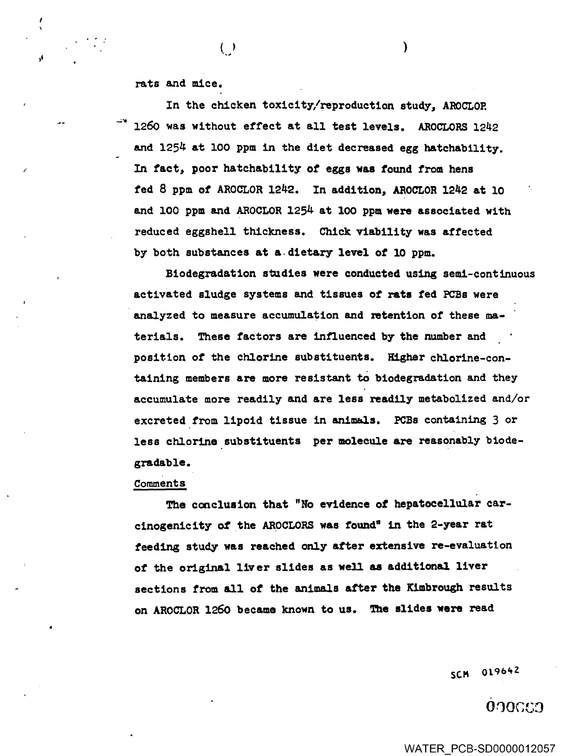
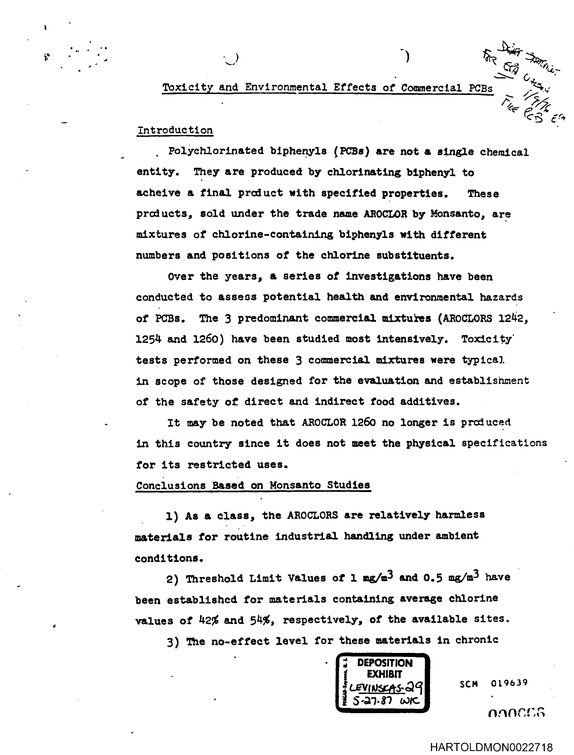
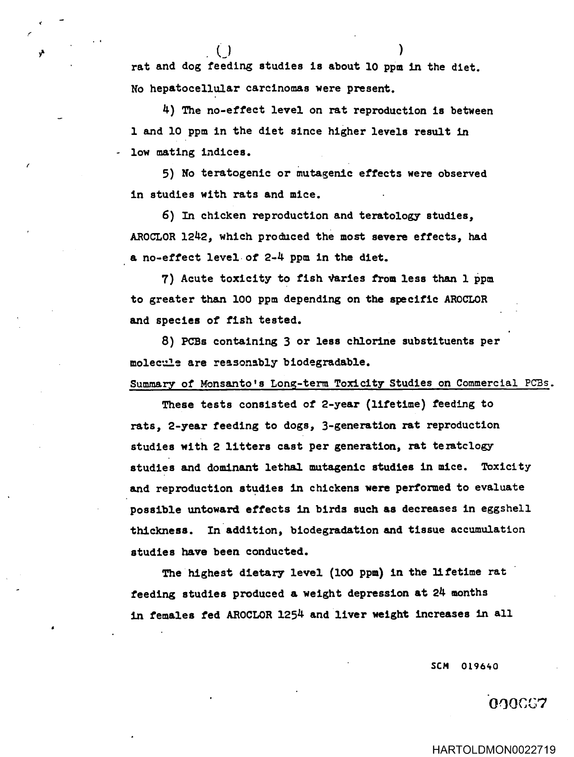
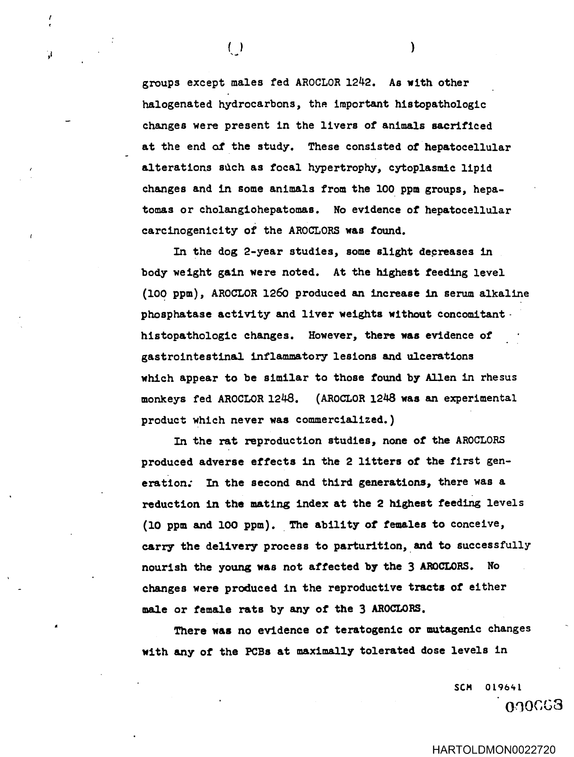
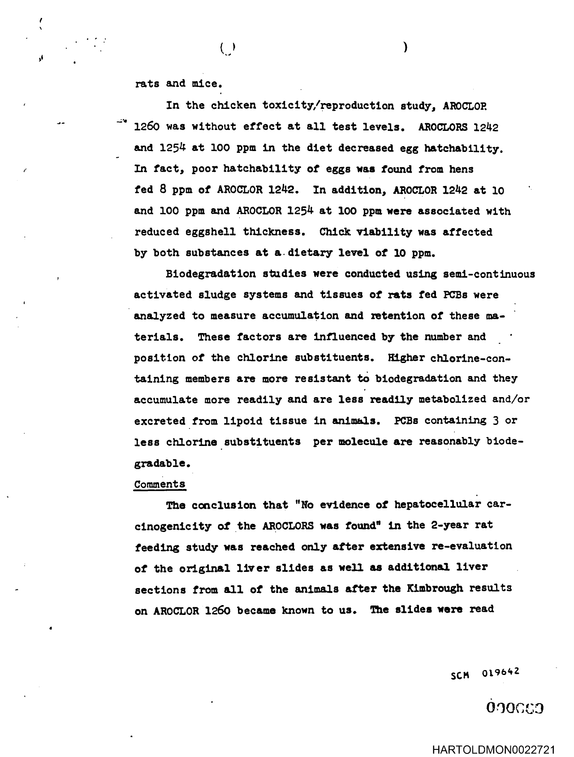
No hepatocellular carcinomas were present. 4) The no-effect level on rat reproduction is between 1 and 10 ppm in the diet since higher levels result in - low mating indices. 5) No teratogenic or mutagenic effects were observed in studies with rats and mice. 6) In chicken reproduction and teratology studies, AROCLOR 1242, which produced the most severe effects, had a no-effect level of 2-4 ppm in the diet. 7) Acute toxicity to fish Varies from less than 1 ppm to greater than 100 ppm depending on the specific AROCLOR and species of fish tested. 8) PCBs containing 3 or less chlorine substituents per molecule are reasonably biodegradable.
refid# By32nqG6Q7bx0yLb5GdO8zbej7 pages
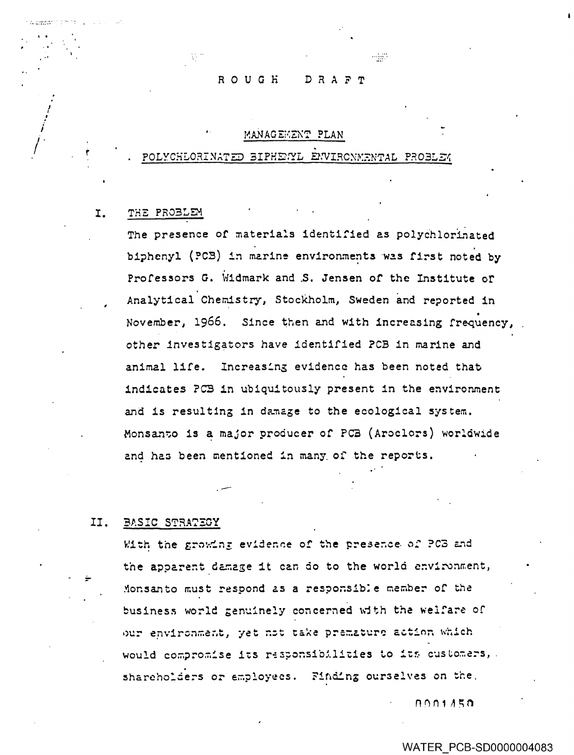
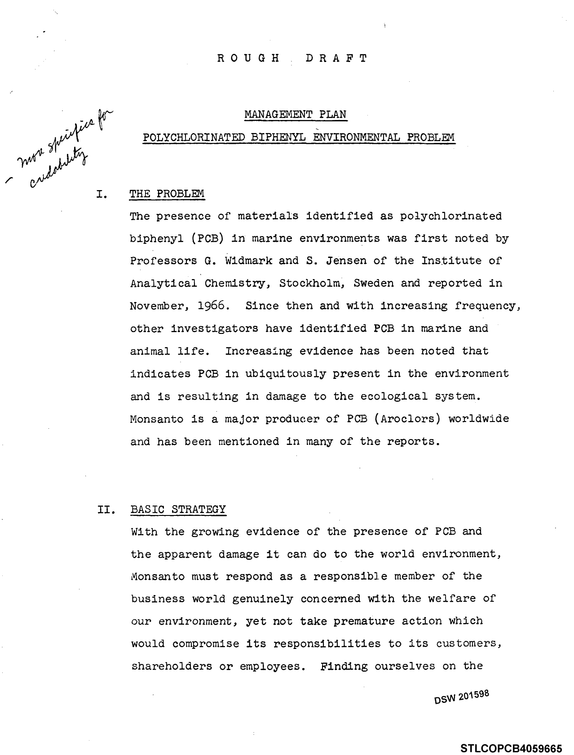
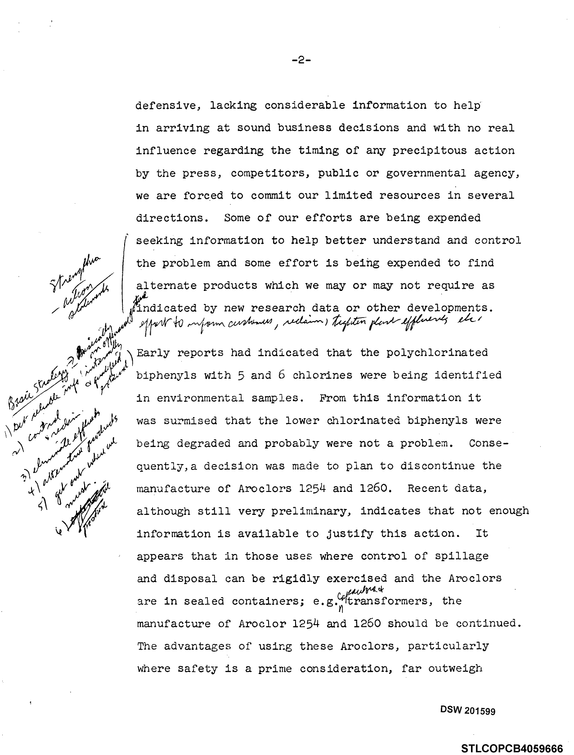
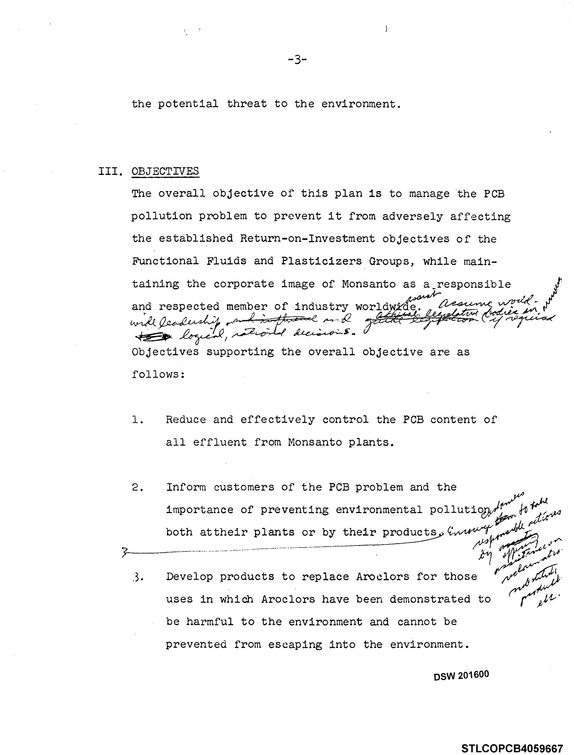
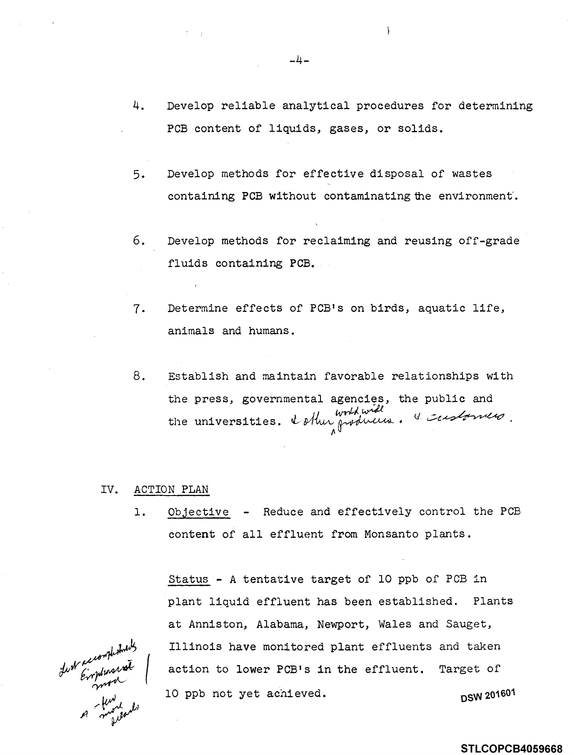
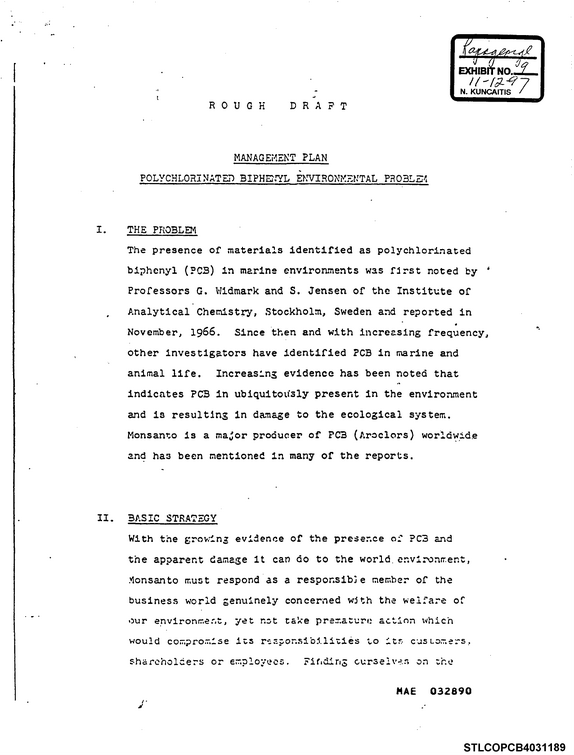
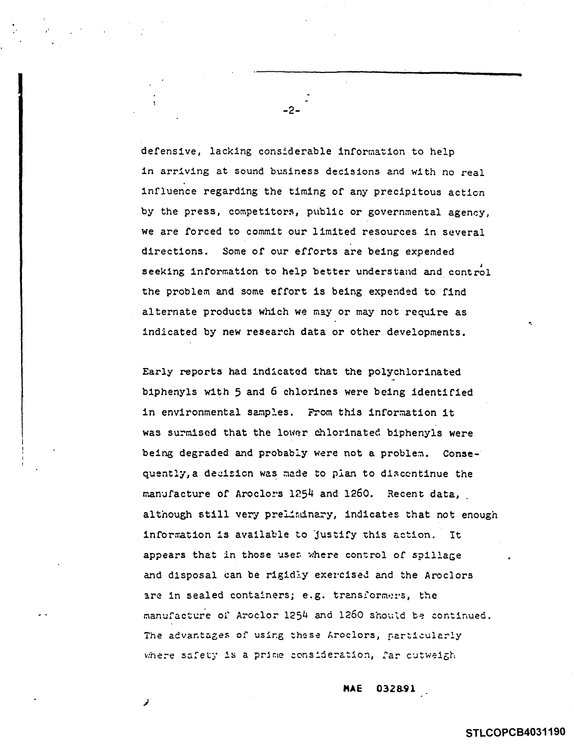
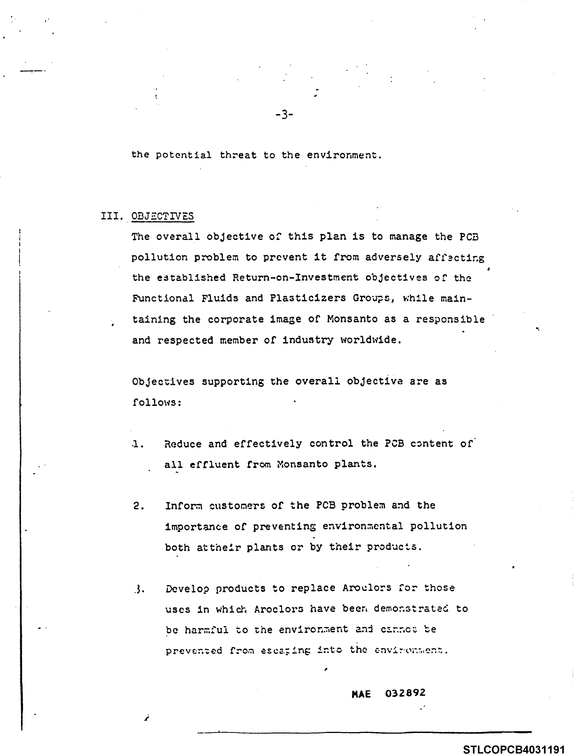
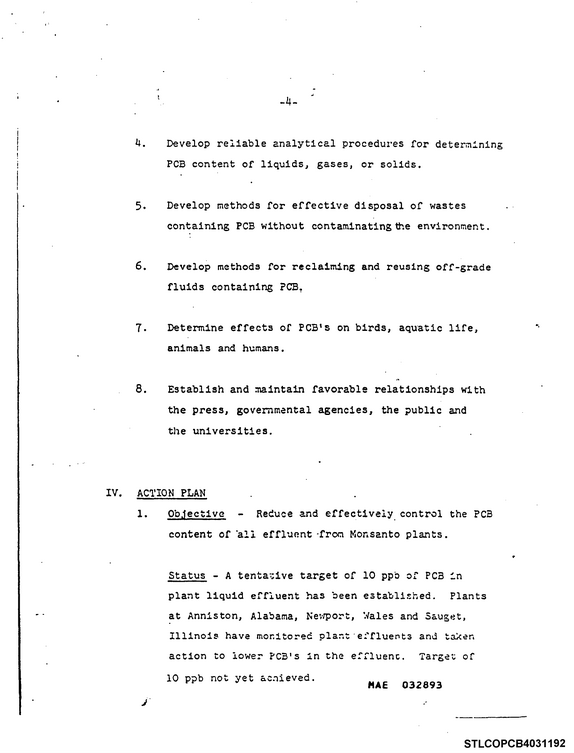
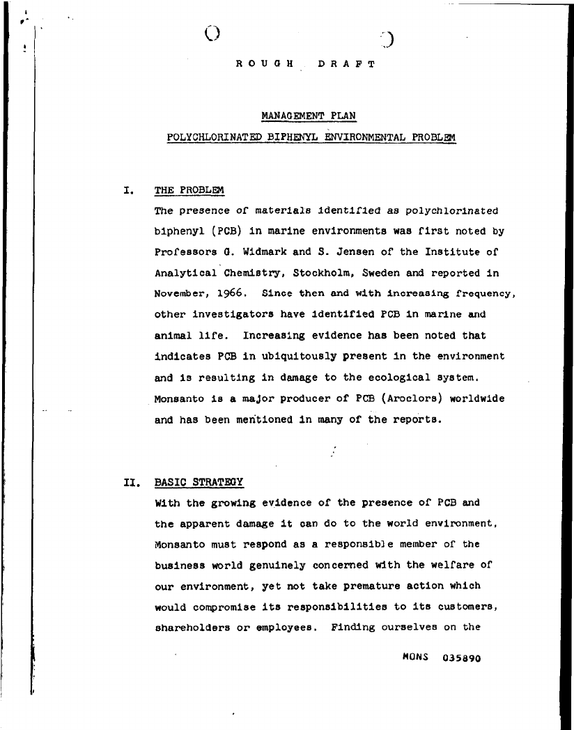
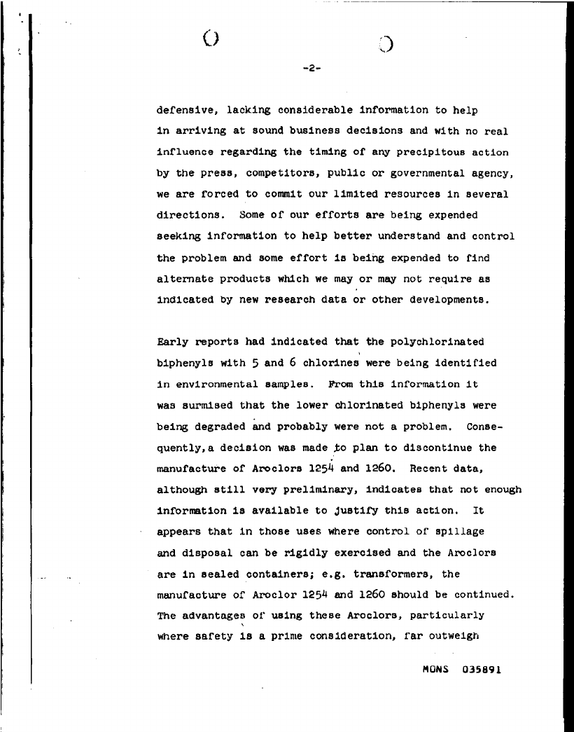
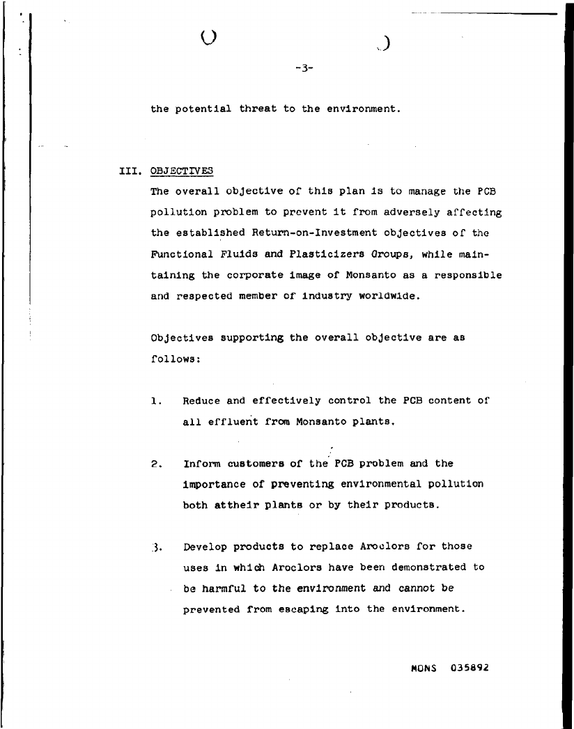
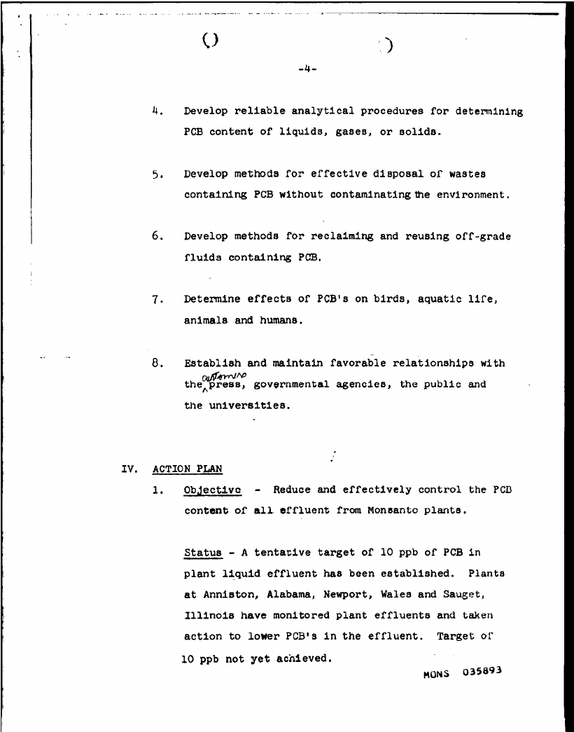
ROUGH DRAFT MANAGEMENT PLAN POLYCHLORINATED BIPHENYL ENVIRONMENTAL PROBLEM THE PROBLEM The presence of materials identified as polychlorinated biphenyl (PCB) in marine environments was first noted by Professors G.
refid# gYnDN4NNavOjX8azV0VLZev912 pages
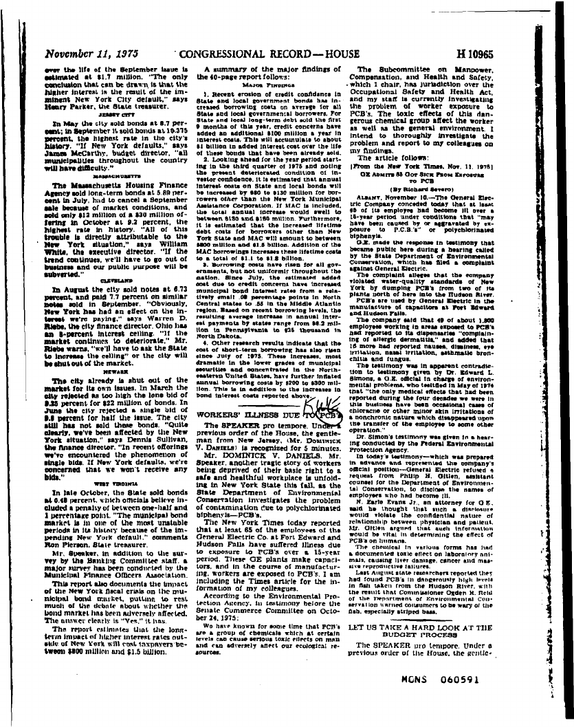
According to the Environmental Pro tection Agency, in testimony beiore the Senate Commerce Committee on Octo Last August state researchers reported they had found PCB's In dangerously high levels in fish taken from the Hudson River, with the result that Commissioner Ogden K. field of the Department of Environmental Con serve I Ion warned consumers u> be wary ot the fish, especially striped bass.
refid# gaVaJRnBOypRa7pN7DD0YbgZN1 page
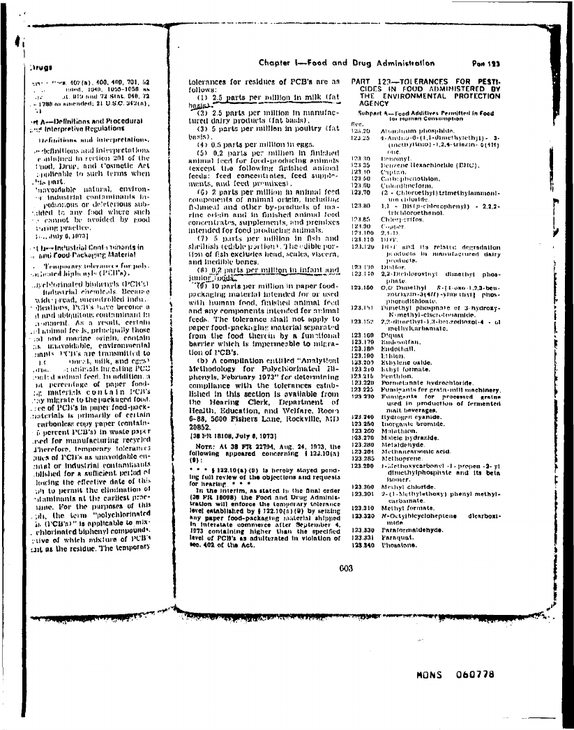
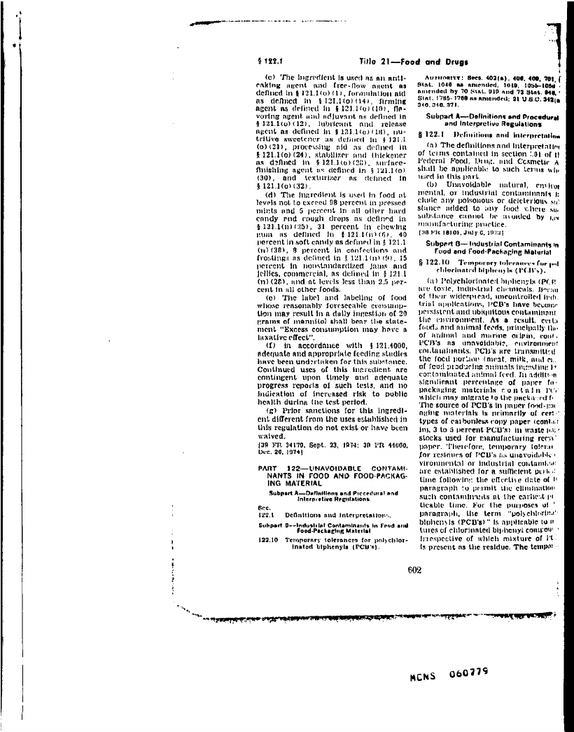
- 2.2.2- shellfish (edible p ji lion', Jhc i dibit; por 121.J20 is) -I n;t Us rrlrmo dccrndallon tion of fish excludes fiend, .scales, viscera, );ndu<:l In iimnnfaci urc<| dairy and Inedible bones.
refid# Rjv5o7LOkLw7kQJ3mVG28r28v2 pages
No hepatocellular carcinomas were present. 4) The no-effect level on rat reproduction is between 1 and 10 ppm in the diet since higher levels result in low mating Indices. 5) No teratogenic or mutagenic effects were observed in studies with rats and mice. 6) In chicken reproduction and teratology studies, AROCLOR 1242, which produced the most severe effects, had a no-effect level of 2-4 ppm in the diet. 7) Acute toxicity to fish Varies from less than 1 ppm to greater than 100 ppm depending on the specific AROCLOR and species of fish tested. 8) PCBs containing 3 or less chlorine substituents per molecule are reasonably biodegradable.
refid# a1NqzZ44VwyVvqak6xqp5Jn7a7 pages
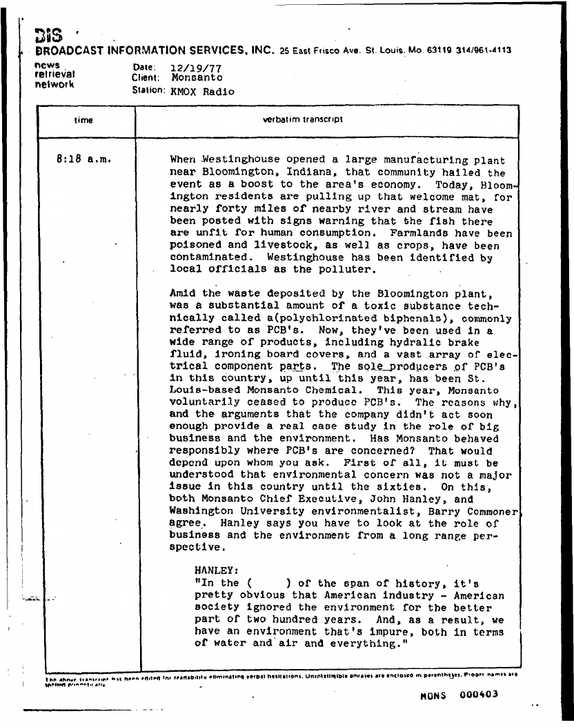
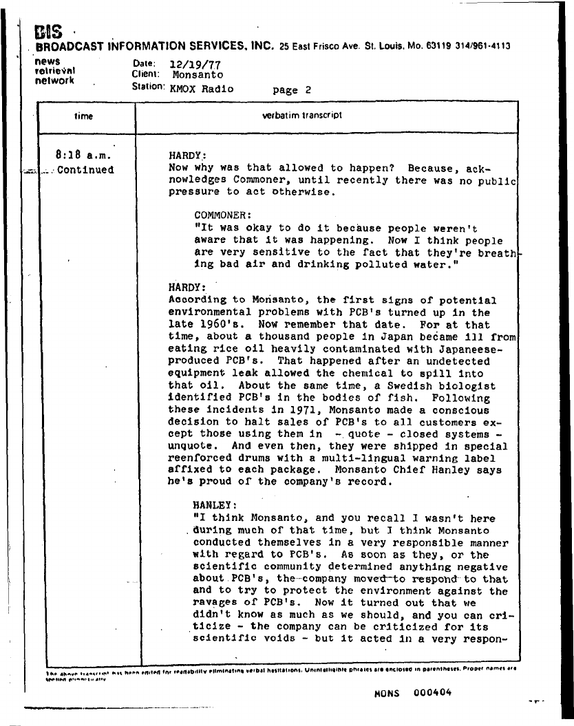
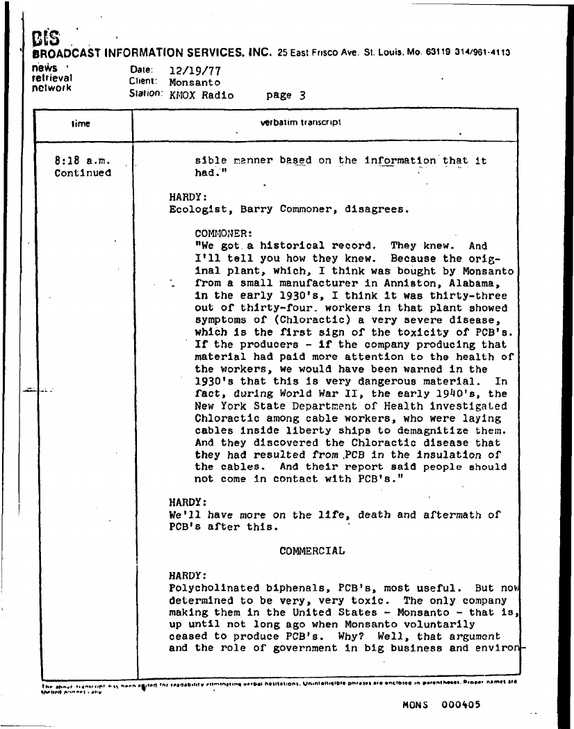
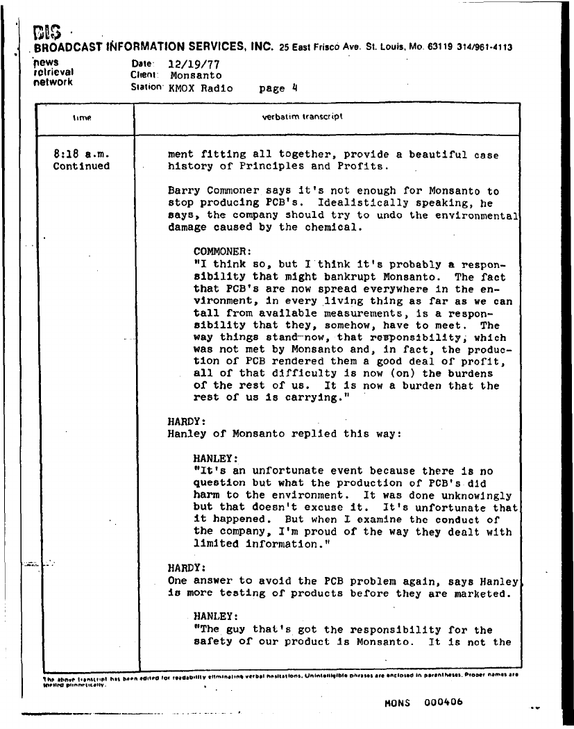
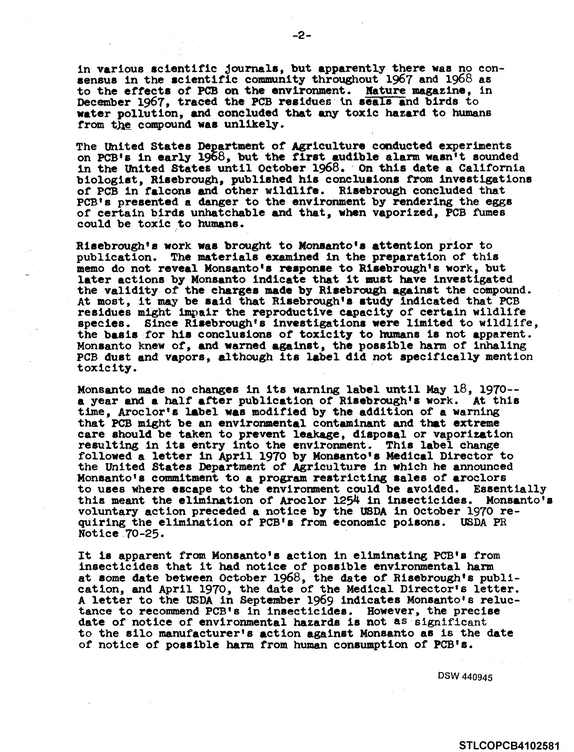
About the same time, a Swedish biologist identified PCB's in the bodies of fish.
refid# 2qN0VBw9M2eQoqBNwbwzKk8jp5 pages
Environmental dustrialised areas, higher levels of PCBs t distribution of PCBa by Iffy, y ' ' Protection Ageioy, said the chemical Is generally ere found In fish, snlmtls end f" Approximately 1.4 bflUdn pounds of ' .
refid# a1LxE978xMqXGqGmwNgKNYypa2 pages
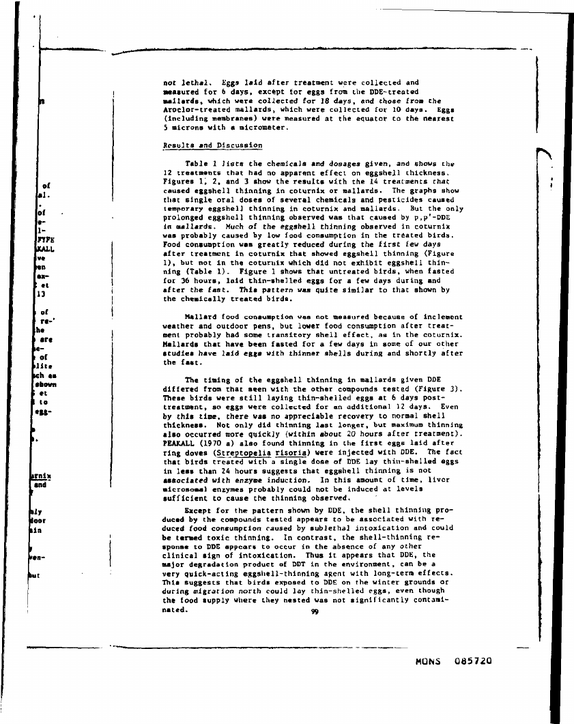
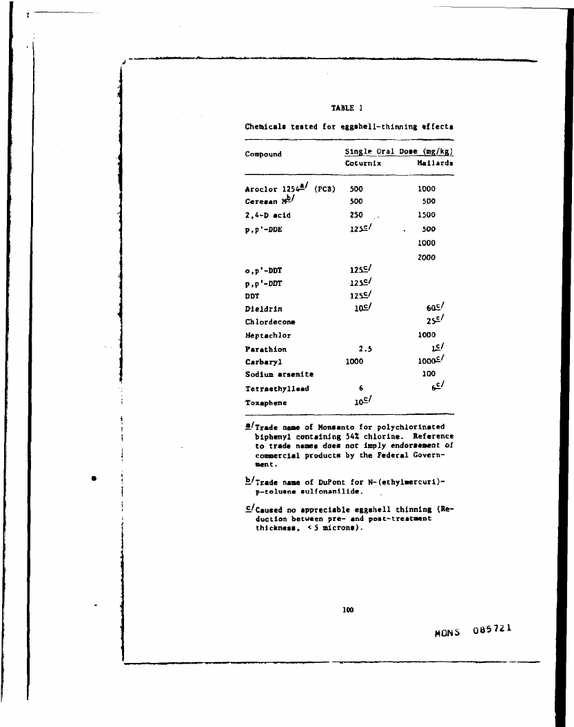
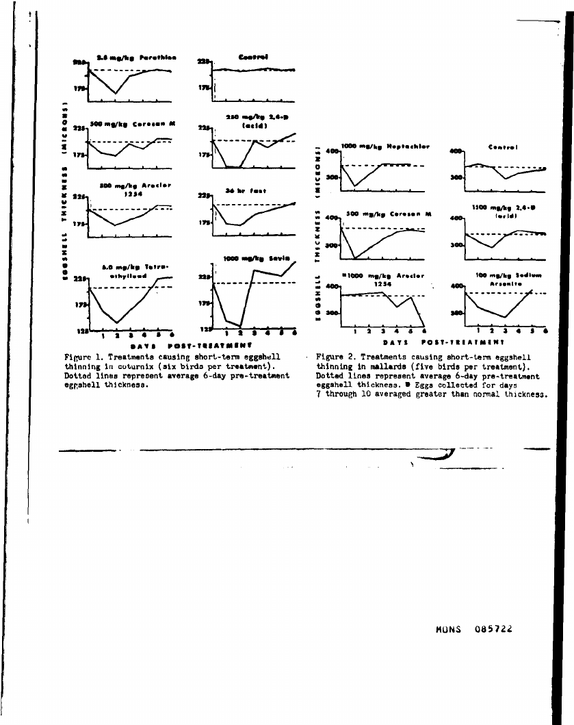
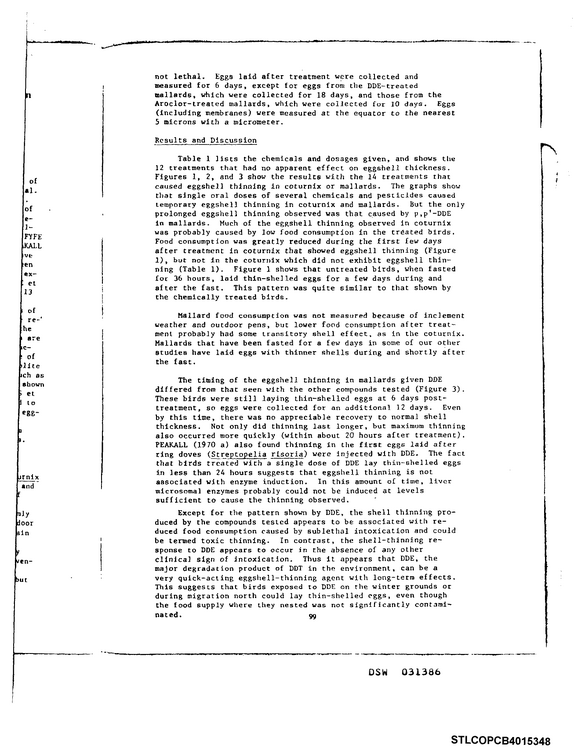
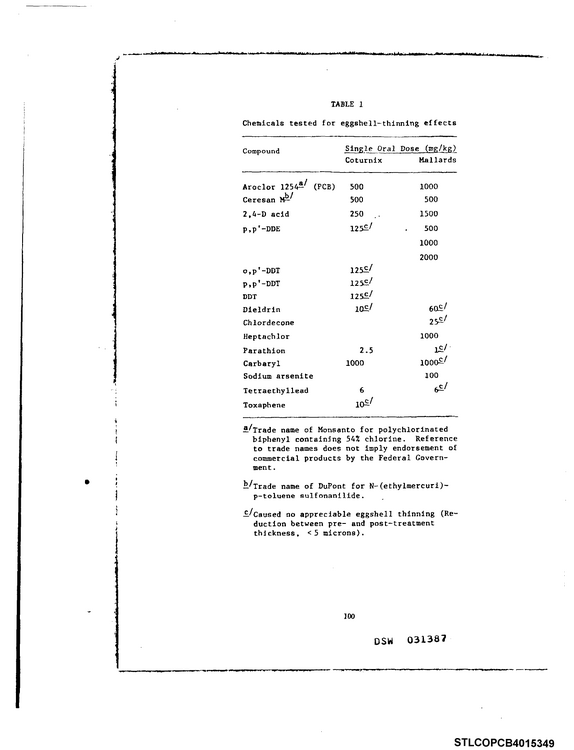
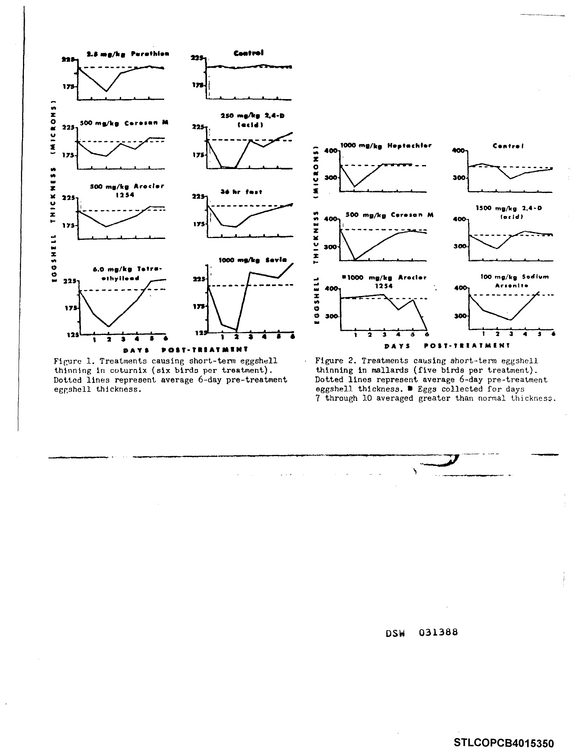
The lower degree of thinning in ducks may be duo to species differences, or to the possibility chat the responses of this and other species under laboratory conditions may not be re presentative of those of fish-eating and raptorial birds in the wild.
refid# DGX297qdGedREykaonO2ZL5355 pages
t ROUGH DRAFT f* EXHIBIT NO, U'fZ--*?
refid# LJZDMjn4pv4578396NxvNJgpd12 pages
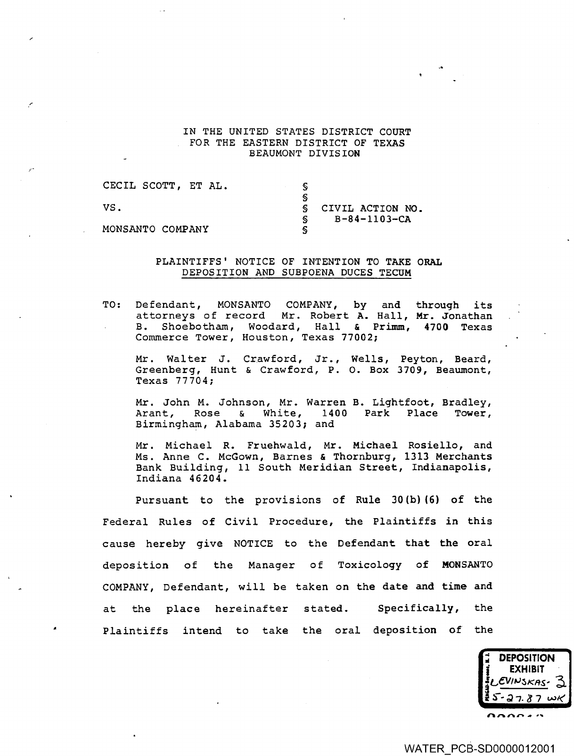
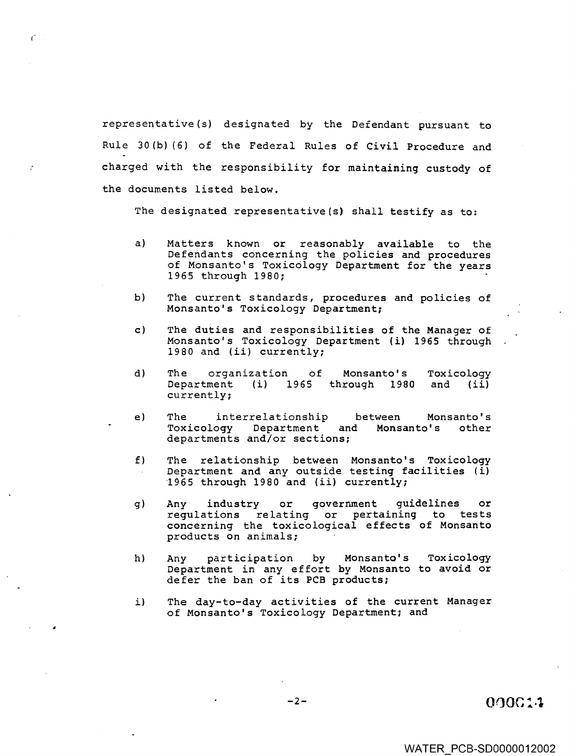
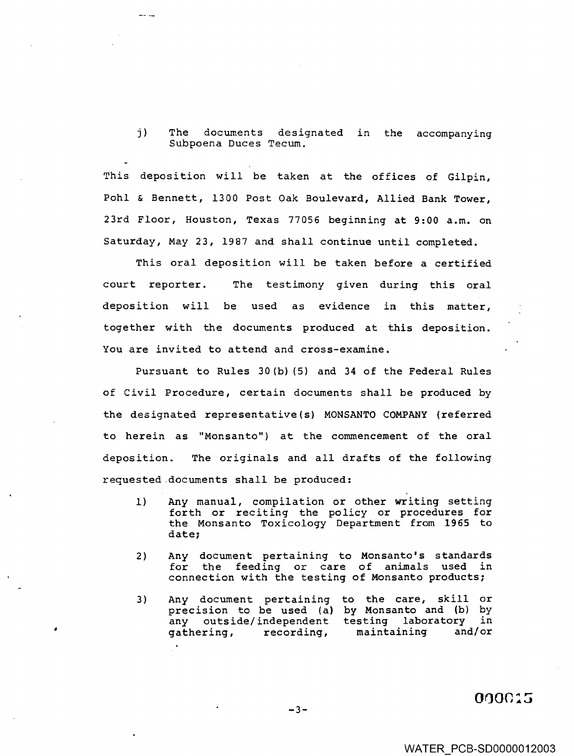
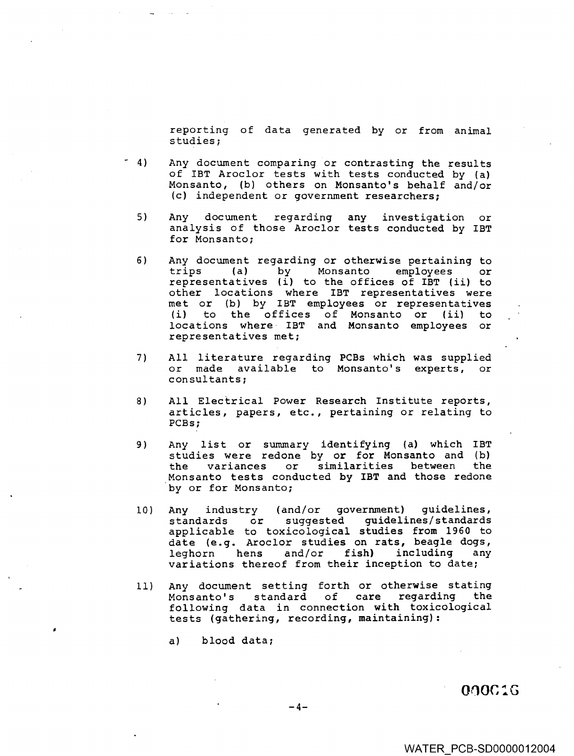
"Animal" shall mean any animal, mammal, reptile, bird, or fish used in connection with any study.
refid# Y9peg0x099MYGQ4ZGEZdXNaYy8 pages
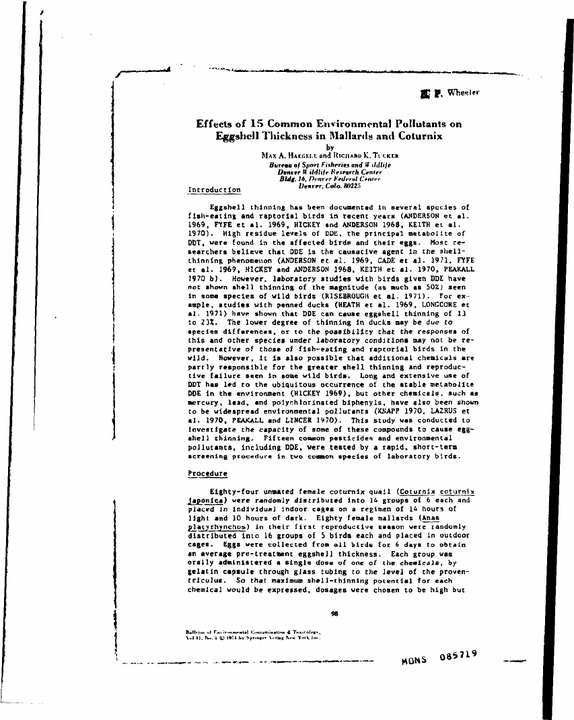
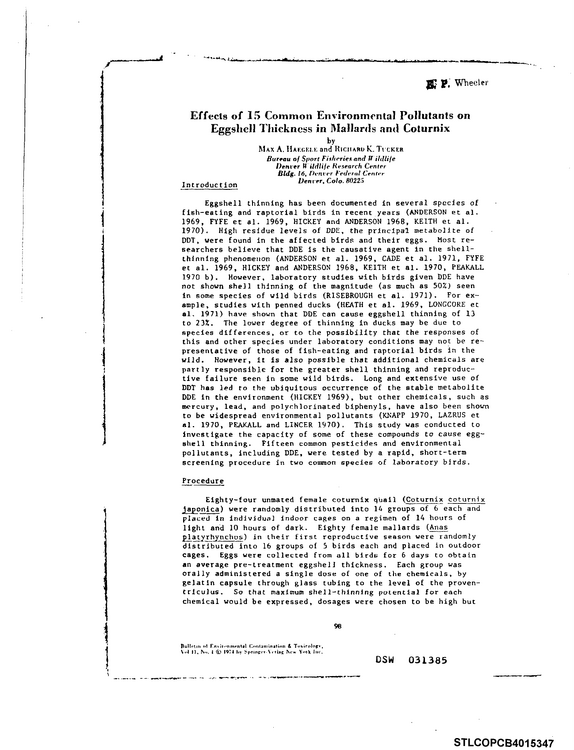
The lower degree of thinning in ducks may be due to species differences, or to the possibility that the responses of this and other species under laboratory conditions may not be re presentative of those of fish-eating and raptorial birds in the wild.
refid# NeMr76GrGJ60VqmxDEnvLOn8w5 pages
Studies on fish we
refid# 69gzLM94J207RZd7YVaj79Dg12 pages
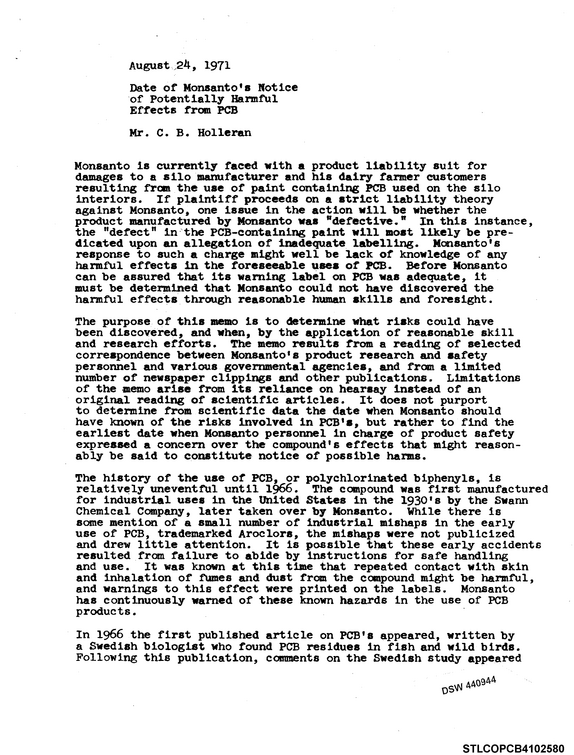
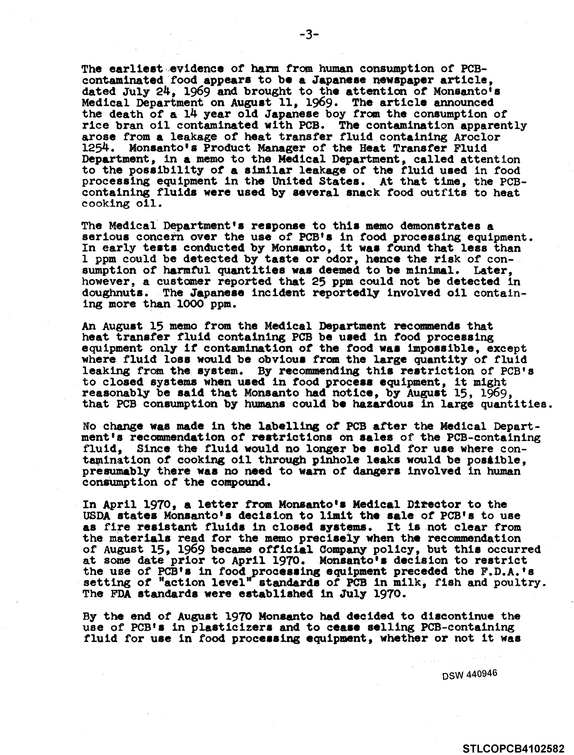
s setting of "action level"standards of PCB in milk, fish and poultry.
refid# 82NK3qzB1aMxa8zk6No1naxKd4 pages