During the summers of 1967 and 1968, however, there was a great deal of rain and a scarcTtyTof fish. .
refid# RJEY9KJVRKdEyo6Zwy0E3QkMX7 pages
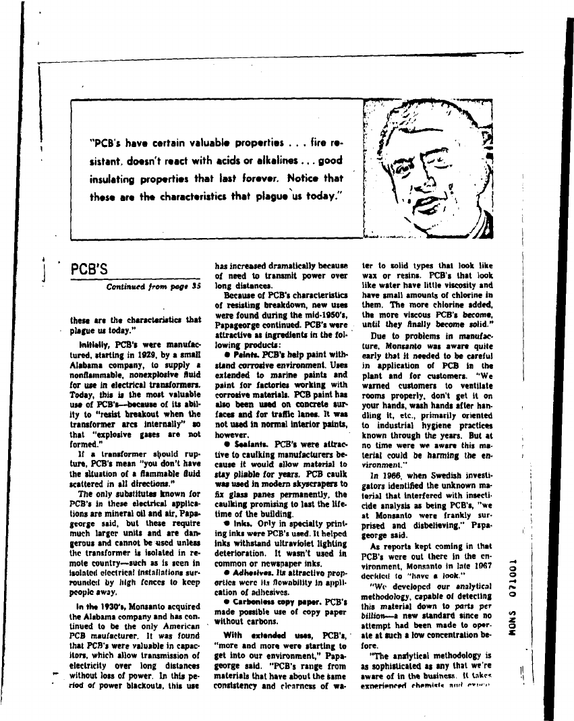
"Throughout 1908 and 1909, we received reports of PCB's being found In some sports fish, fish-eat ing birds and shellfish.
refid# oDRyJw8qLVgKKNqKgnXJjQK6E4 pages
J3i P.
refid# VG9yM1Lg11JnLQQB75K8aOwwq8 pages
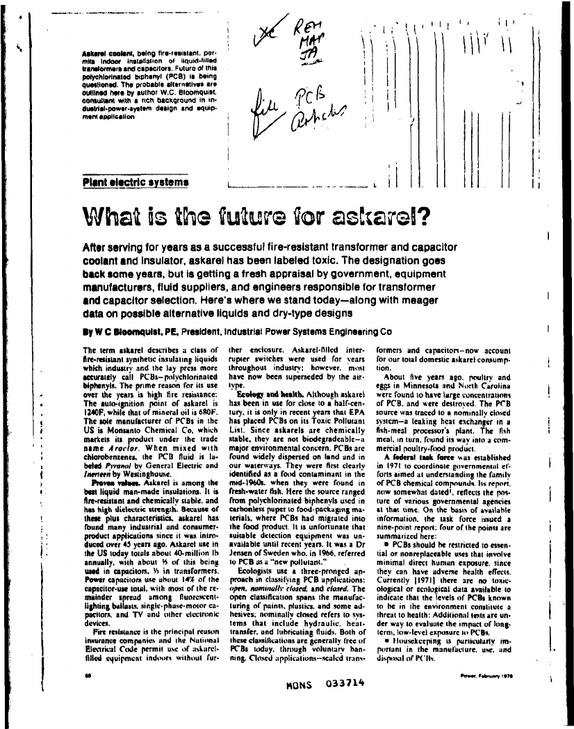
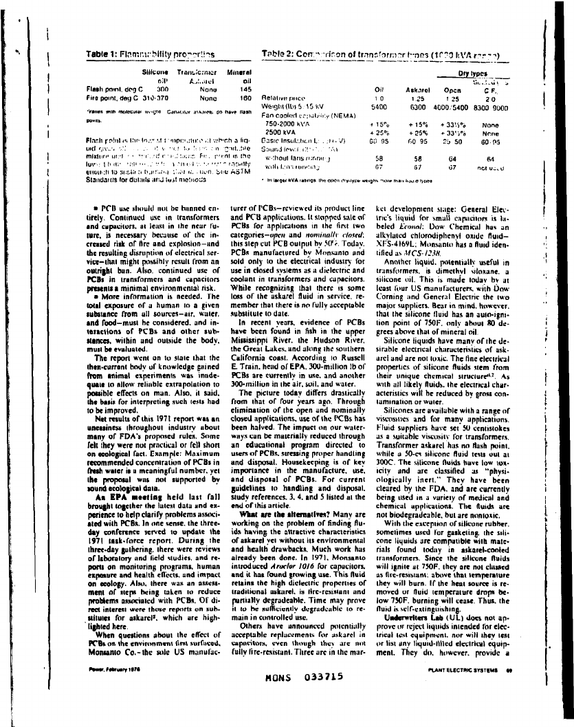
The fish meal, in turn, found its wav into a com mercial poultry-food product.
refid# Mo446oManNVarO0J9devnx08y3 pages
Fish. lies.
refid# eLpQvGejN2VrN0Zr3738jdpg7 pages
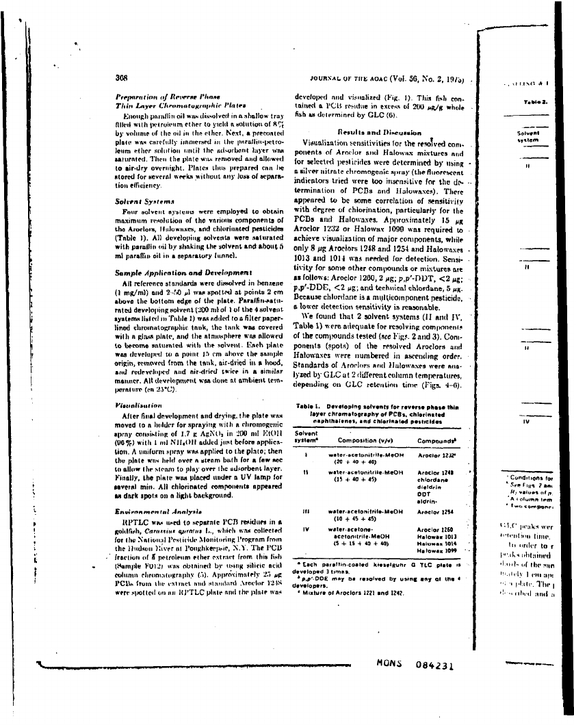
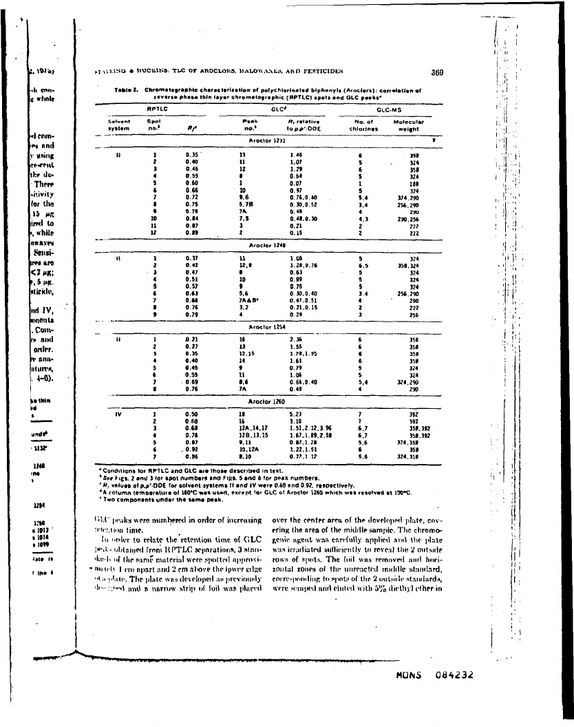
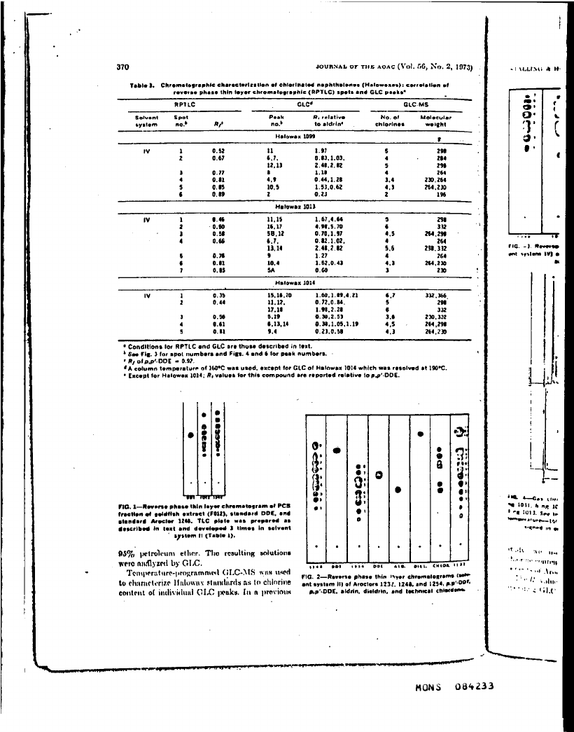
This fish con tained a PCD residue in excess ol 200 Mg/g whole fish as determined by GLC (6).
refid# EmDZ6ZvbKp6xVzrN4MYm66gbn6 pages
i--?
refid# 0Yr51mYGejDVqyeEa6pBOpzV6 pages
J FUNCTIONAL FLUIDS AROCLOR TOXICITY JANUARY - APRIL 1970 HS.B.
refid# nk0946eKZRpEaOgaVMyLV37ya17 pages
Dept f ish ami Came, Fish Dull., 128 f|96<|. 5 Stile, O.
refid# on7y1R9QO7Dx8NqBRmMDEOGR3 pages
Their lately on the fish in New York's Hud l' !
refid# mBxxyZZL5w9pgpRm5vjoNbL7g5 pages
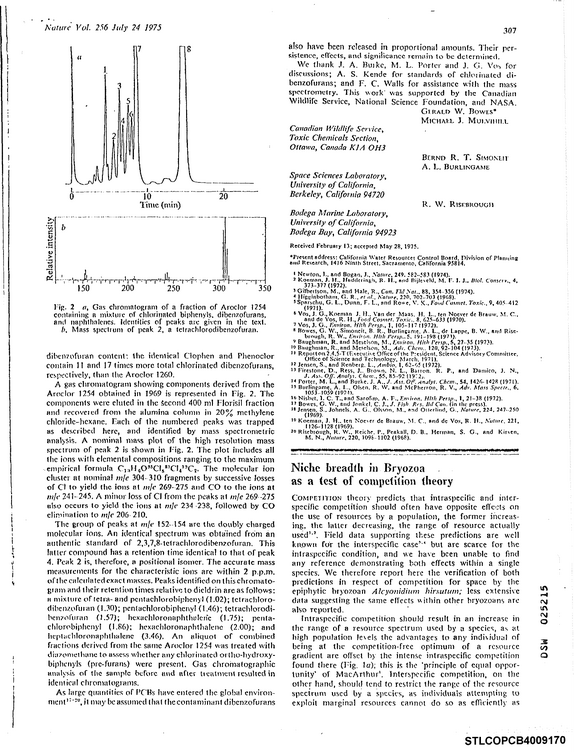
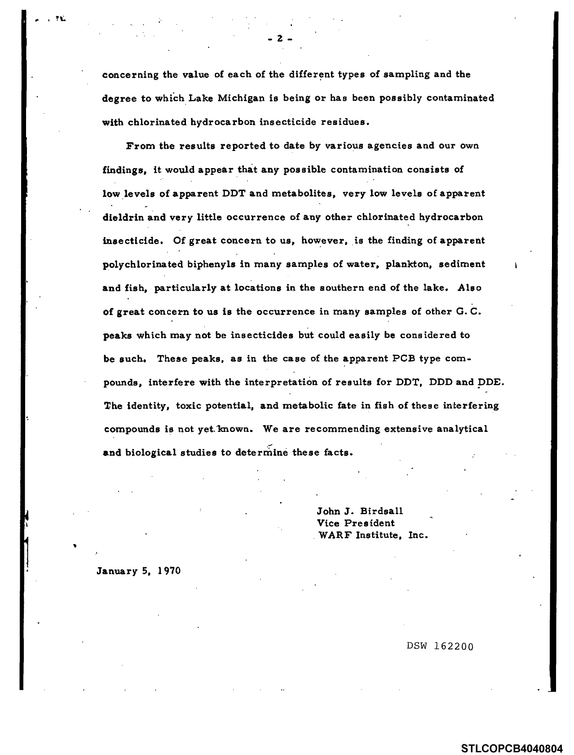
The identity, toxic potential, and metabolic fate in fish of these interfering compounds is not yet. known.
refid# Z4b1rJ2BGyDLw2oypKQ7wv5XZ16 pages
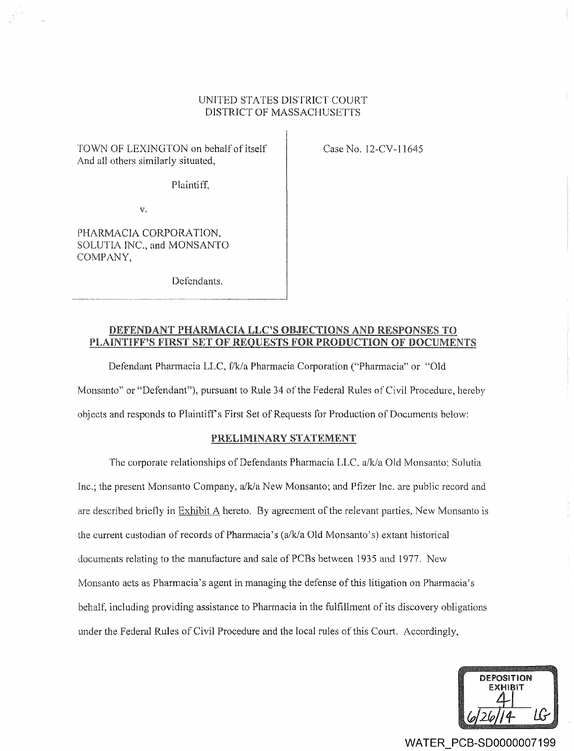
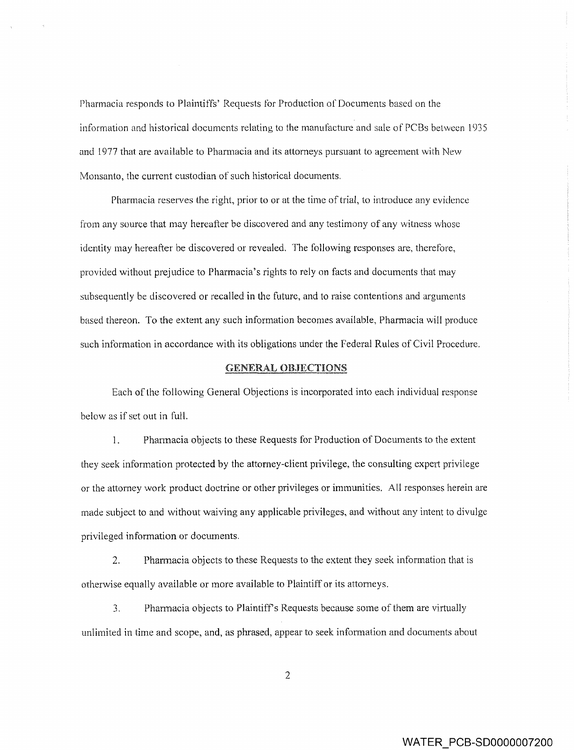
Pharmacia further objects to Request No. 3 on grounds that it is an overbroad, vague and burdensome fishing expedition and seeks information that is irrelevant and not reasonably calculated to lead to the discovery of admissible evidence.
refid# 93k66zkM8DZJ9exX6LaRborNR17 pages
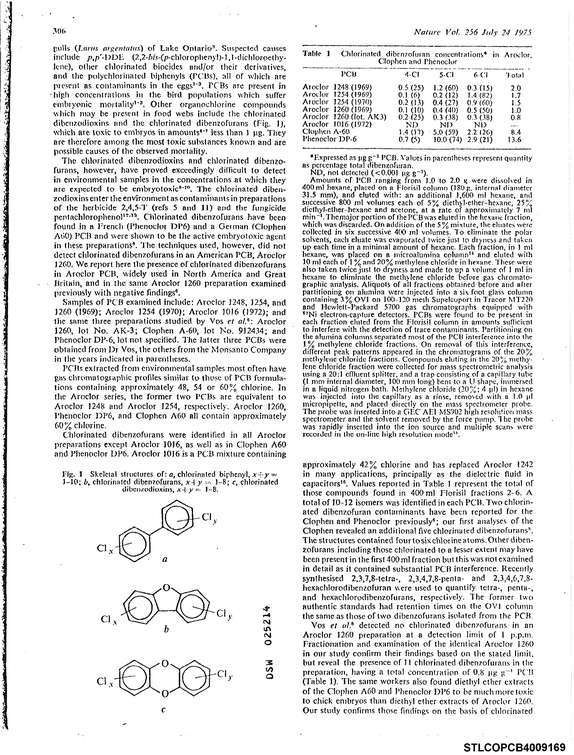
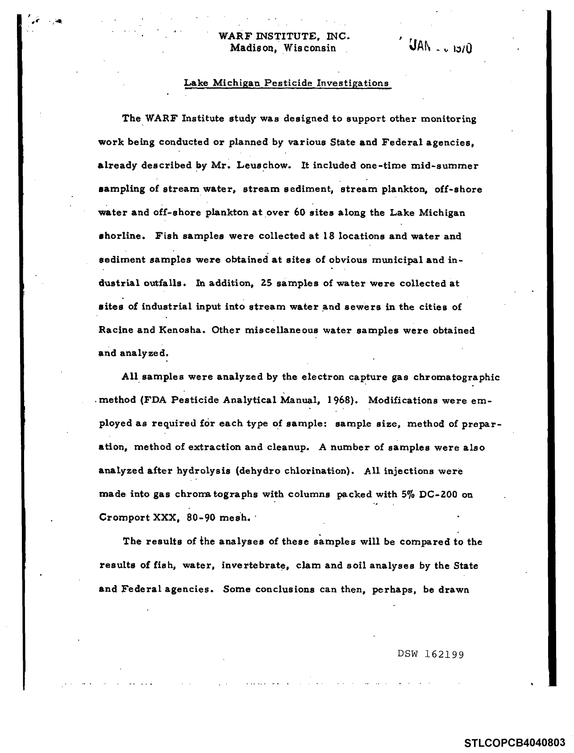
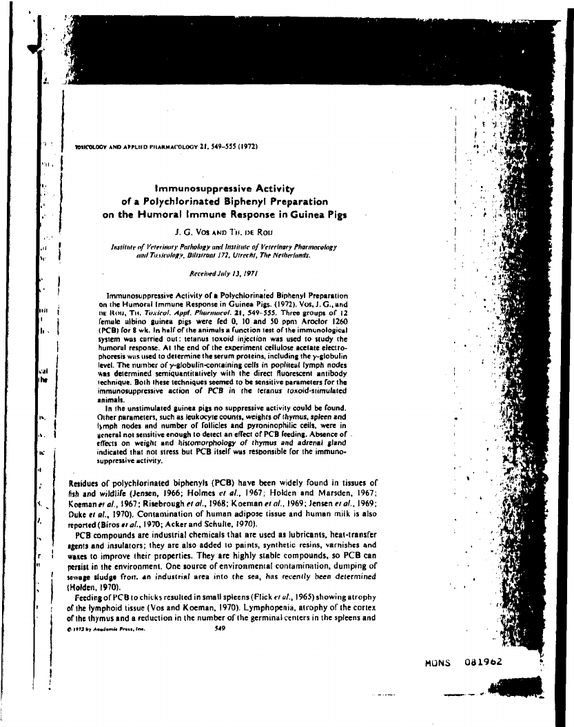
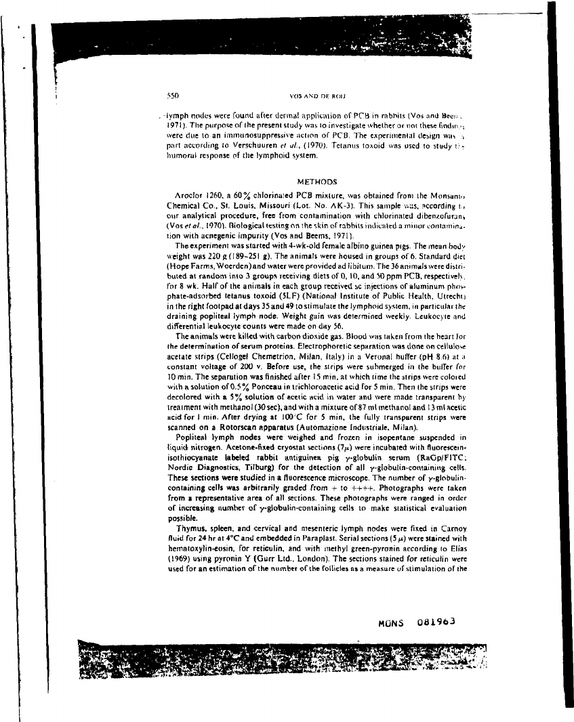
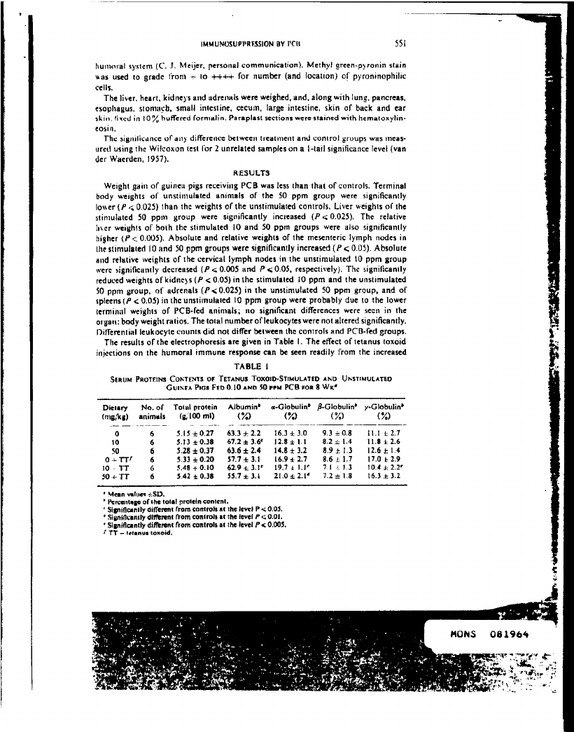
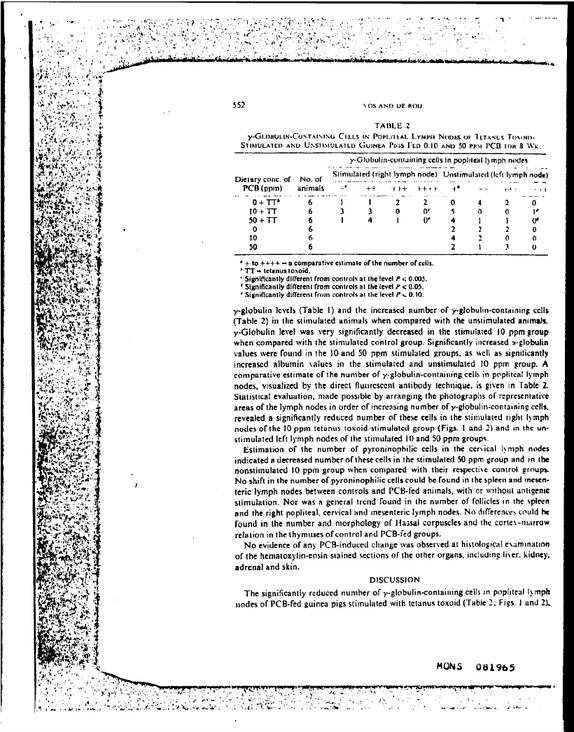
Residues of polychlorinated biphenyls (PCB) hove been widely found in tissues of fish and wildlife (Jensen, 1966; Holmes ef at., 1967; Holden and Marsdcn, 1967; Koemon eta!.
refid# gE6QJ8YYy5868ykLpQj0ejeN97 pages
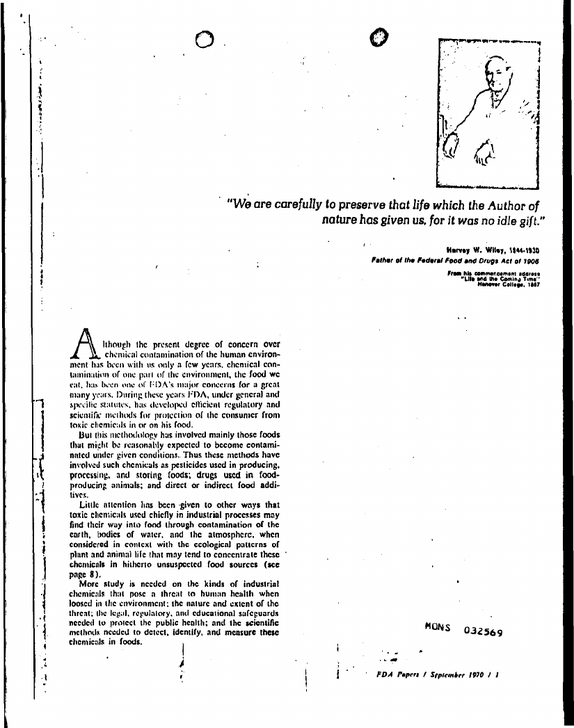
The recent discovery of toxic amounts of mer cury in fresh water fish as a result of contamination of bodies of fresh water is a ease in point.
refid# vKVQjwLv5XrZXLbmpKJzypy87 pages
J. lli.es * fish aml W ihilijr Service f'afiixcnf H ih/fi/r lU nnrt h ('.enter l.aurcl, &ld.
refid# MJxRB0EG3qgZna8EDJEbBpo3L10 pages