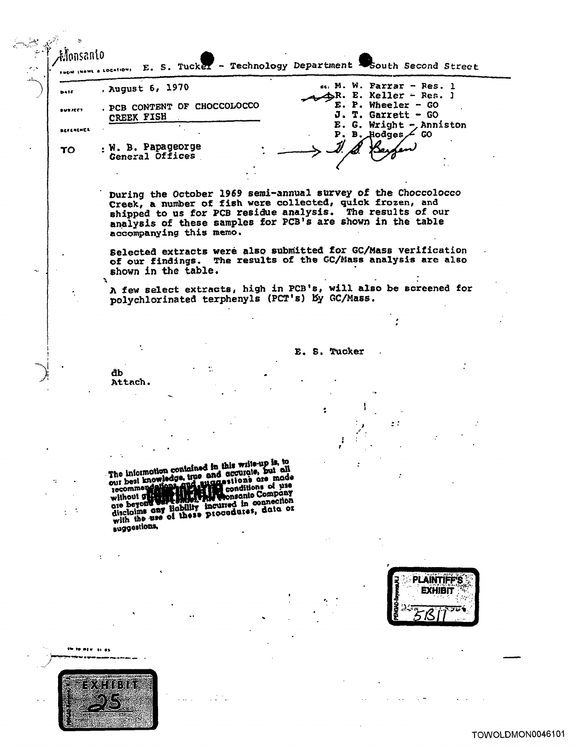
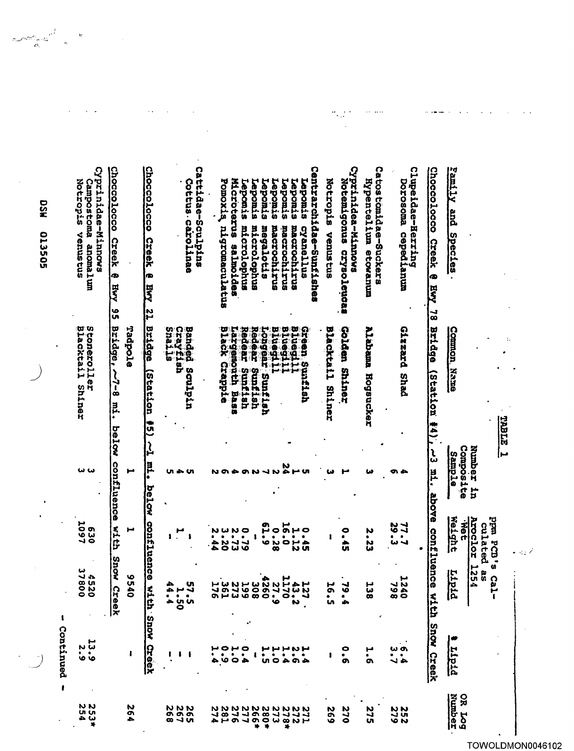
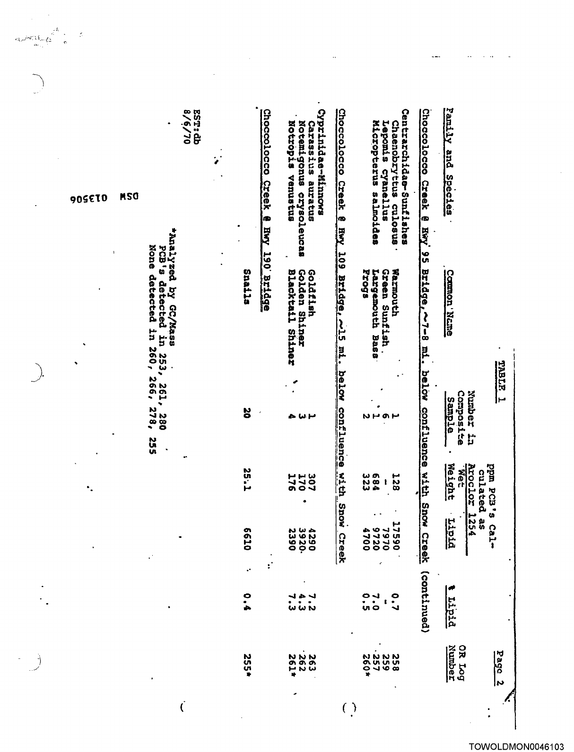
PCB CONTENT OF CHOCCOI/OCCO CREEK FISH TO : W.
refid# Lggb65mdaJBbwx46nrnNBxwgX3 pages
It is known to cause liver damage and malformations in fish.
refid# NNmkBozVnxOZrQdBNE9JKNoxw1 page
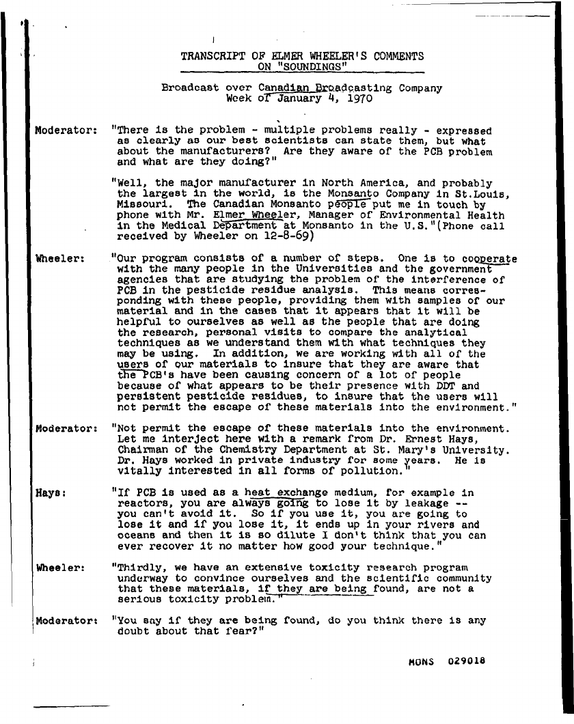
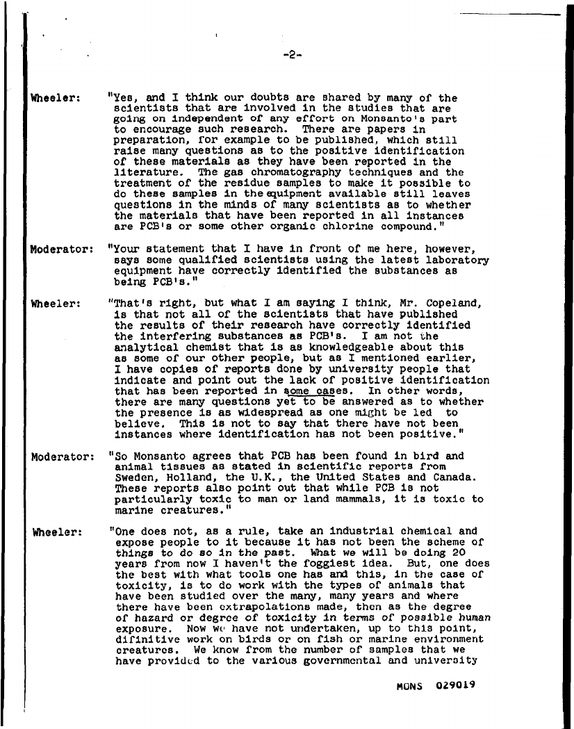
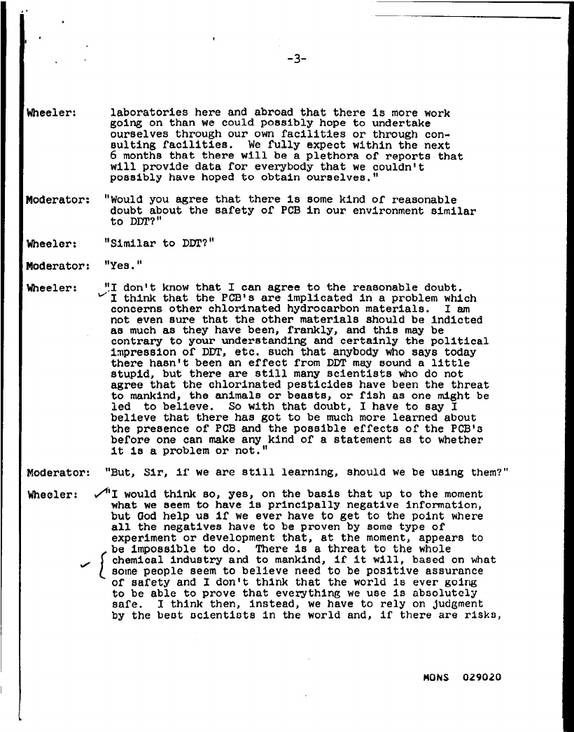
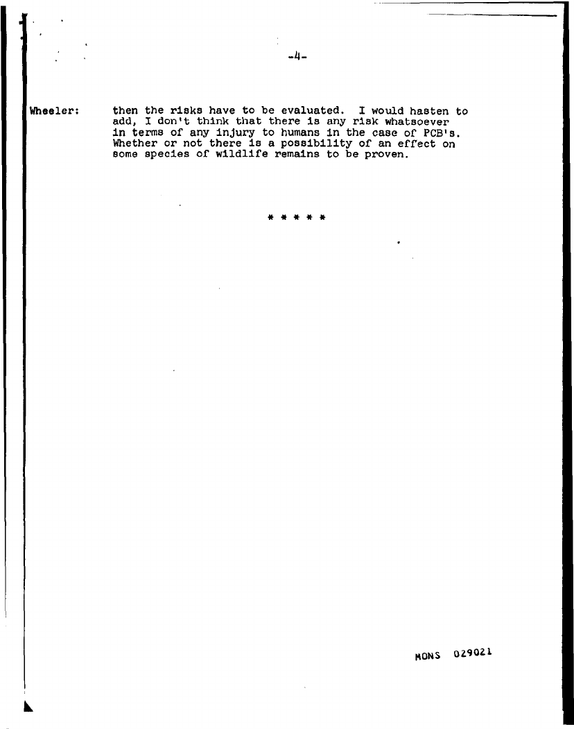
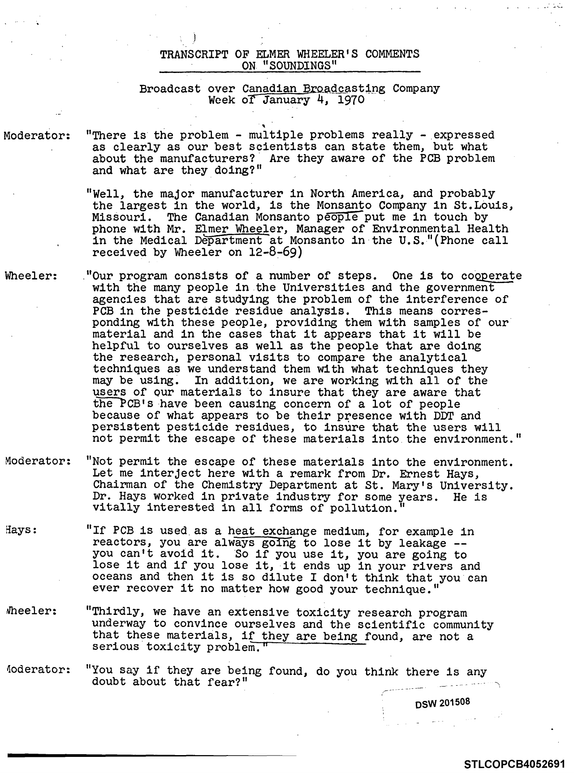
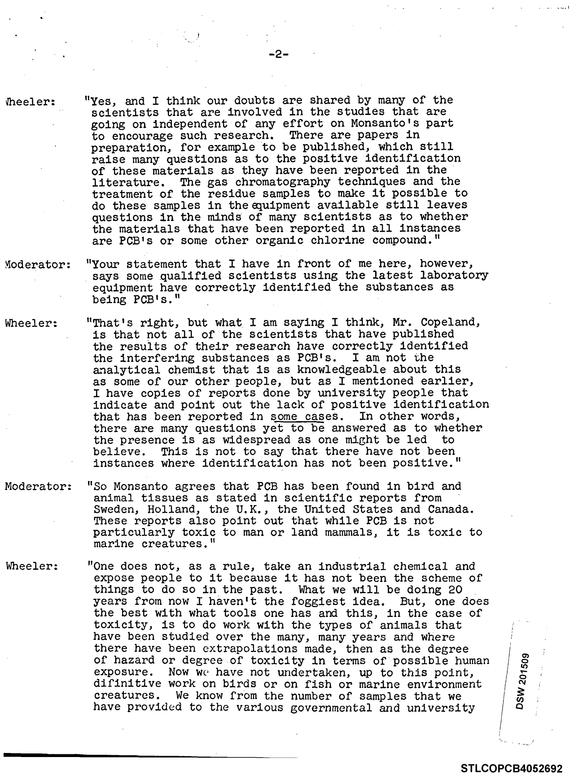
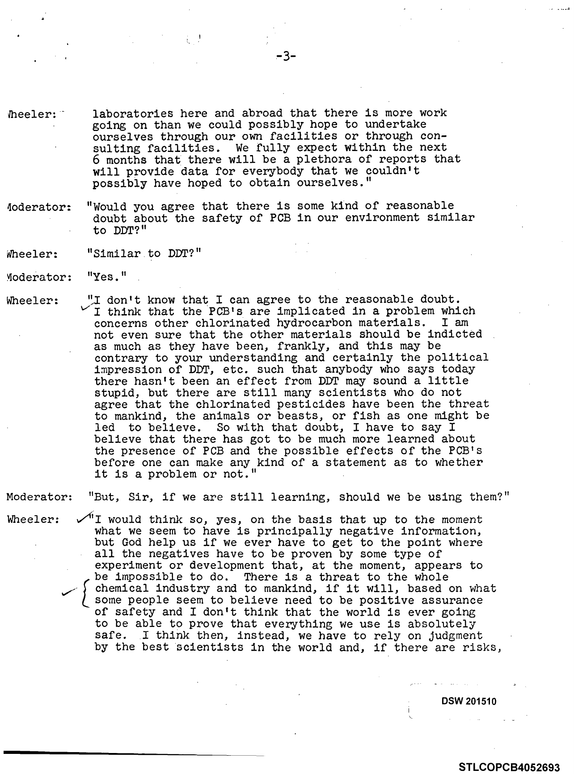
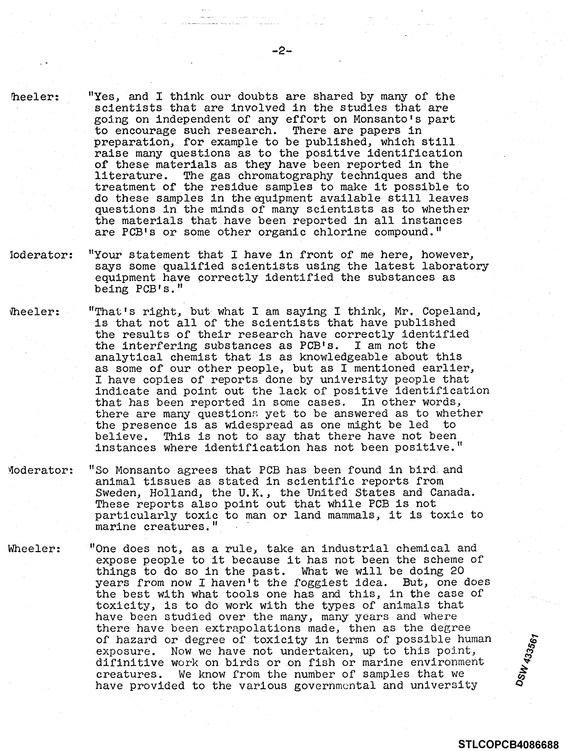
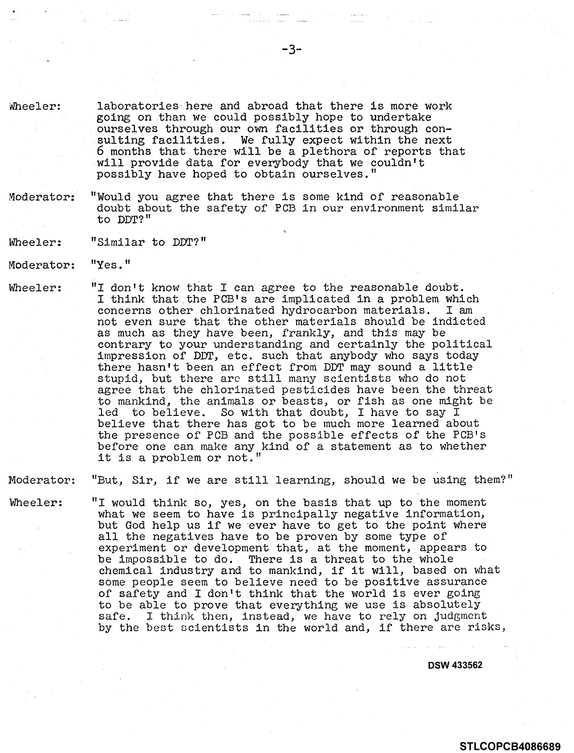
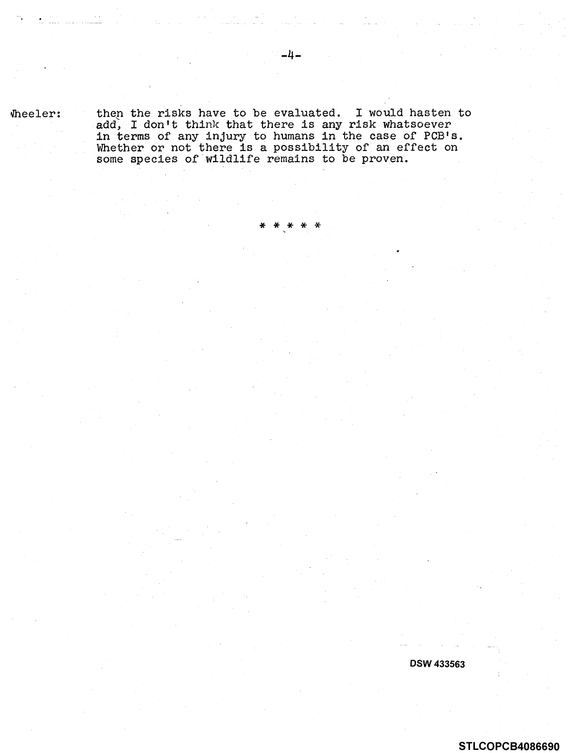
Now we have not undertaken, up to this point, difinltlve work on birds or on fish or marine environment creatures.
refid# qkXEYzz4g7D5boLwjB2q2vjKq4 pages
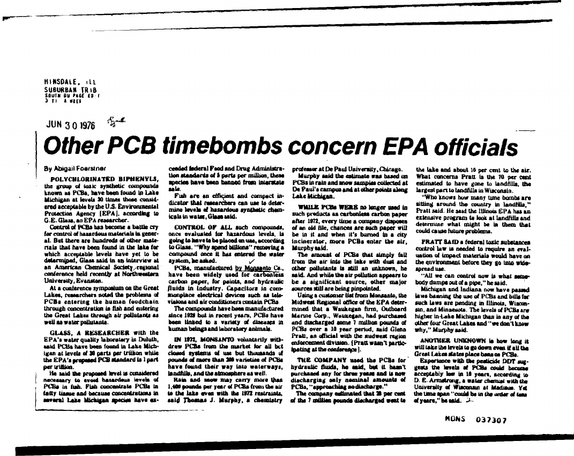
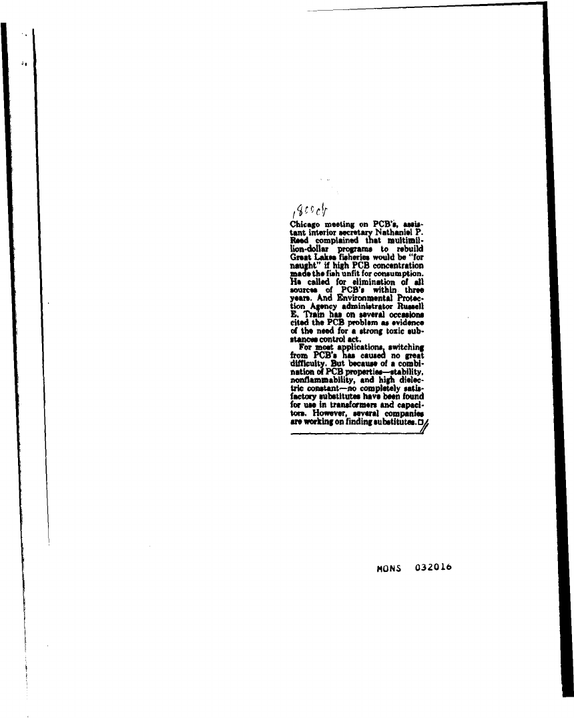
At a cuoference symposium on the Great Lakes, researchers noted the problems of PCBs entering the human foodchain through concentration is fish and entering the Great Lakes through air pollutants as wall as water pollutants.
refid# X7O25xKZEJpZVLV2L2N4448rG1 page
Now we have not undertaken, up to this point, difinitive work on birds or on fish or marine environment creatures.
refid# qmqvjKVBNGvOdLLzXdJ7D134q4 pages
Oti den Reid, to warn against eating Hudson River fish.
refid# 3eZbpJdJkeegvvVLg7R1Egm7J1 page
fishing supervisor of tho ing to doan this up.'
refid# pp5YoNxojdmpZkMQX3d7JpKEj1 page
Now we have not undertaken, up to this point, difinitive work on birds or on fish or marine environment creatures.
refid# MD01X8vEpoYMr4JL2V60Qpga4 pages
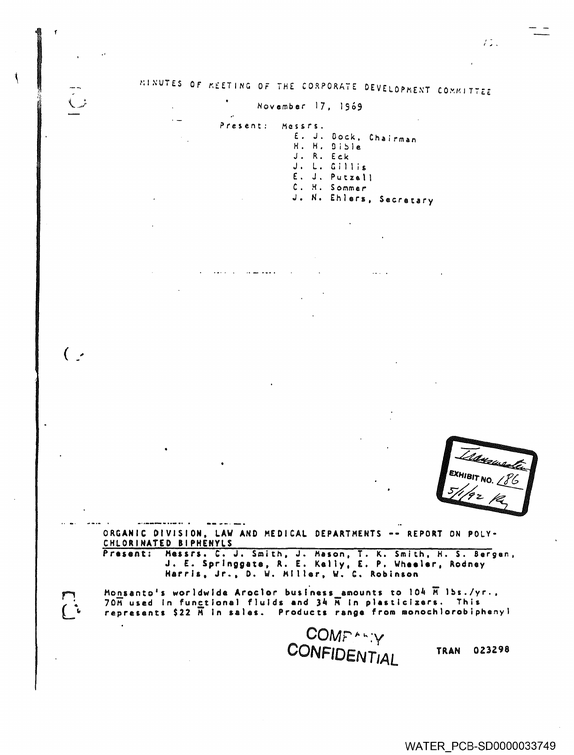
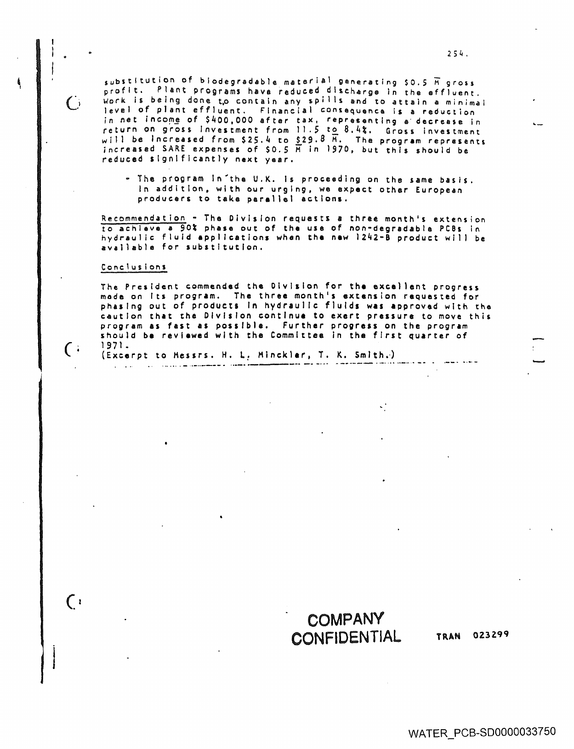
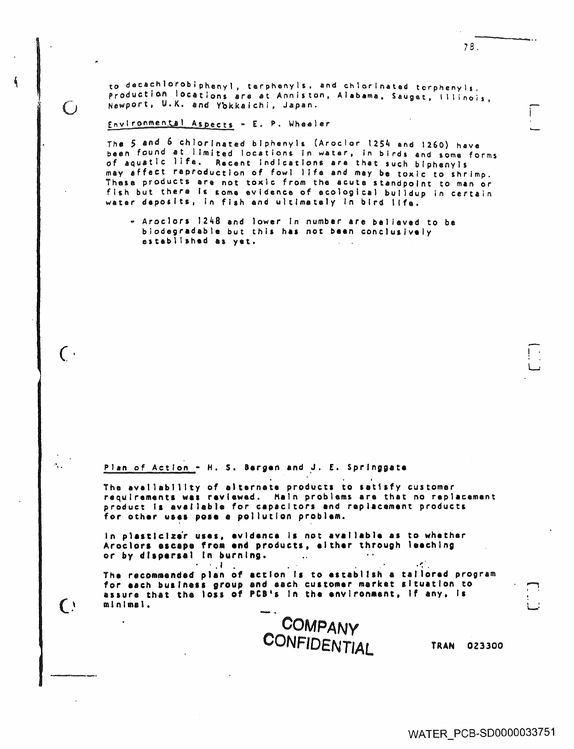
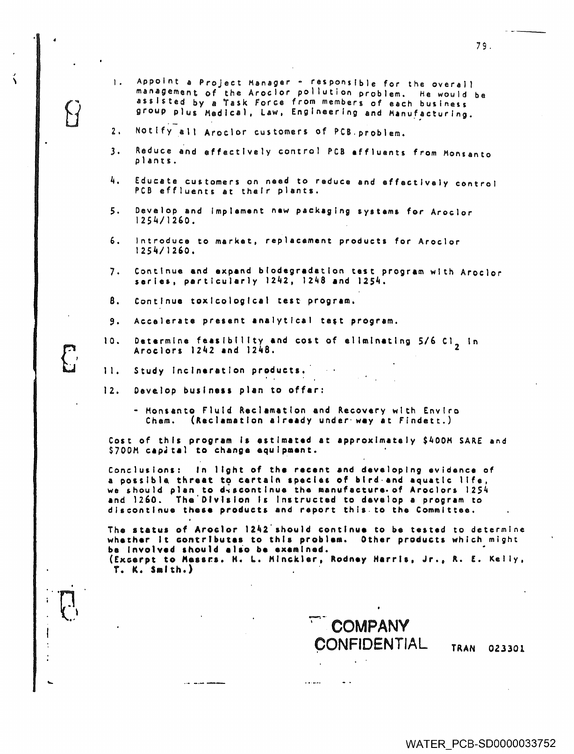
These products are not toxic from the acute standpoint to man or fish but there is some evidence of ecological buildup in certain water deposits, in fish end ultimately In bird life
refid# Vo7ZV72e07o6raqL6MX0YM5g4 pages
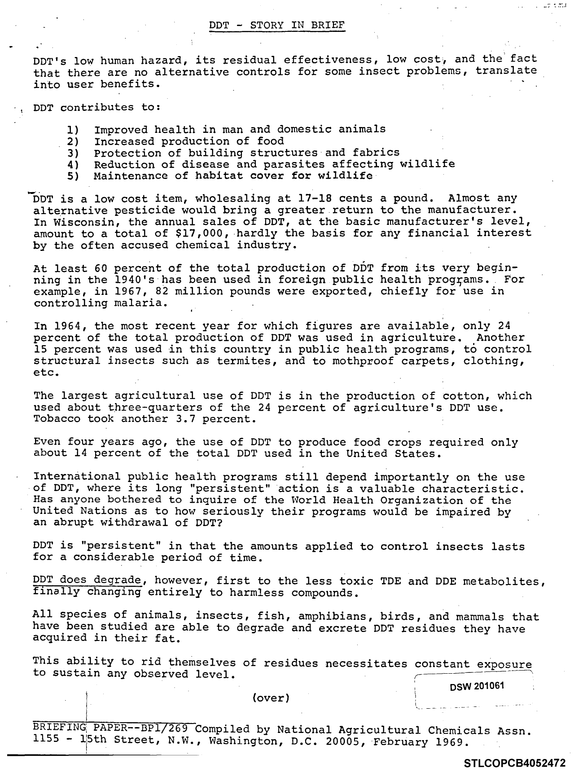
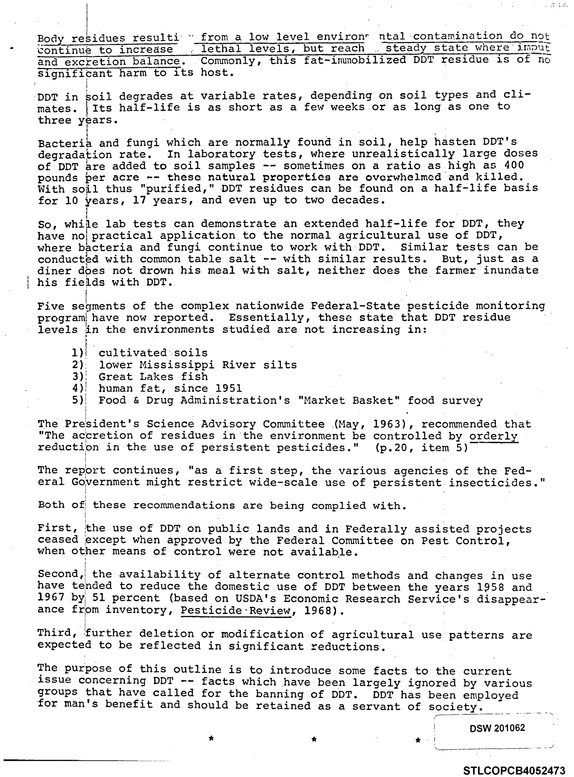
All species of animals, insects, fish, amphibians, birds, and mammals that have been studied are able to degrade and excrete DDT residues they have acquired in their fat.
refid# p22pMJkx6Zz4kQpEXK5g07Ojw4 pages
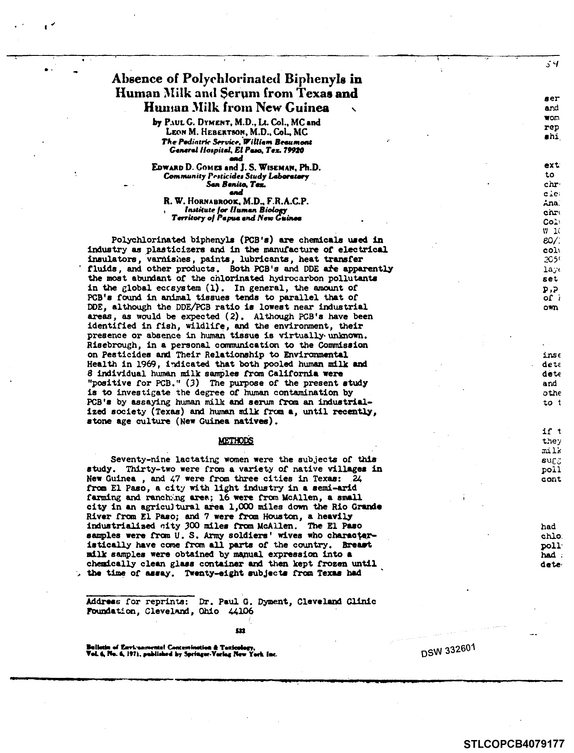
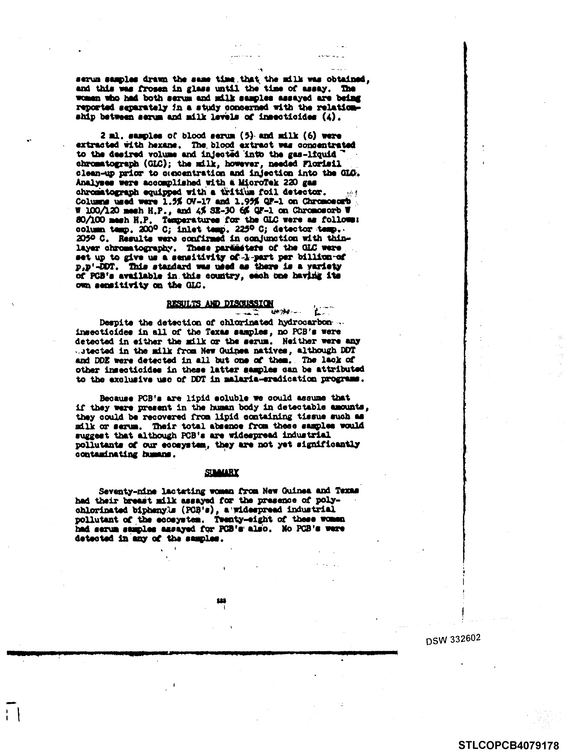
Although PCB's have been identified in fish, wildlife, and the environment, their presence or absence in human tissue is virtually* uninown.
refid# 3e2BBEyawyqDMD1EyqeJy36M33 pages
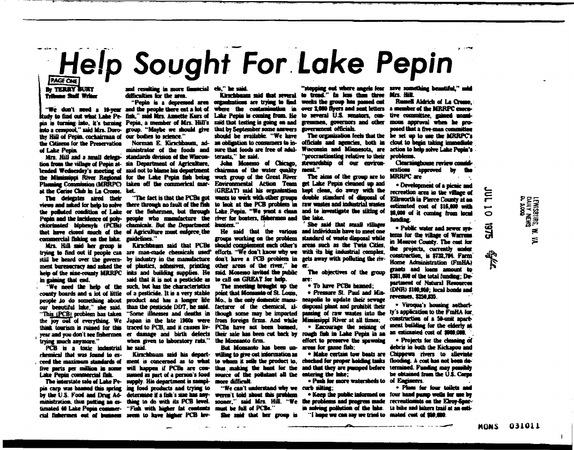
areas tor game fish: debris fa both the Kickapoo aod chemical that was fonnd to a Kinchbaum said bis deport witting to gve out information as Make certain tour beats are Onppewi riven to alleviate . ceed tte mailmom standards of ment a concerned as to what to wham it setts tte product to, checked tor proper botdfag tanka footing.
refid# mqM0VDa1b7Jgw8Ze72v2QwB5B1 page
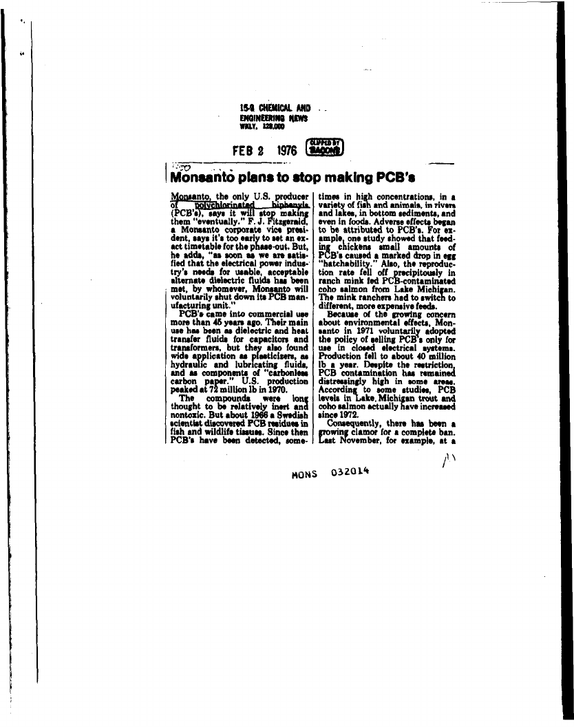
But about 1966 a Swedish scientist discovered PCB residues in fish and wildlifs tissues.
refid# bO5raaL33oRVnZobkK3xY9boy4 pages
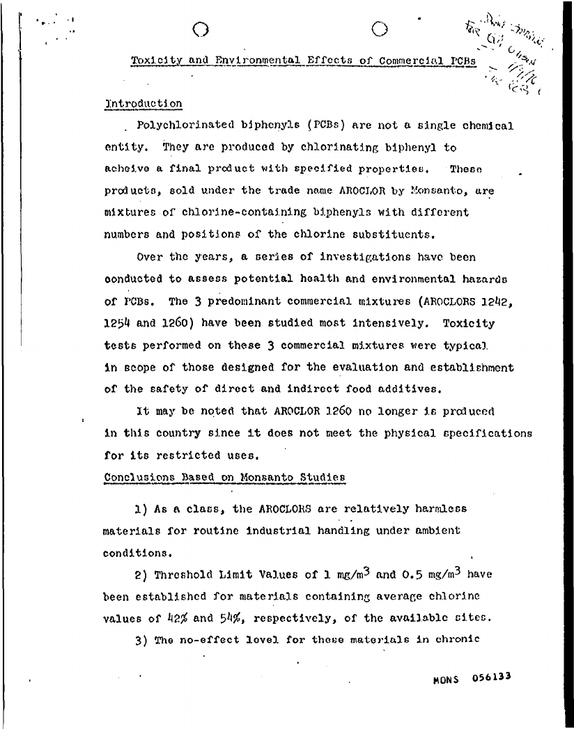
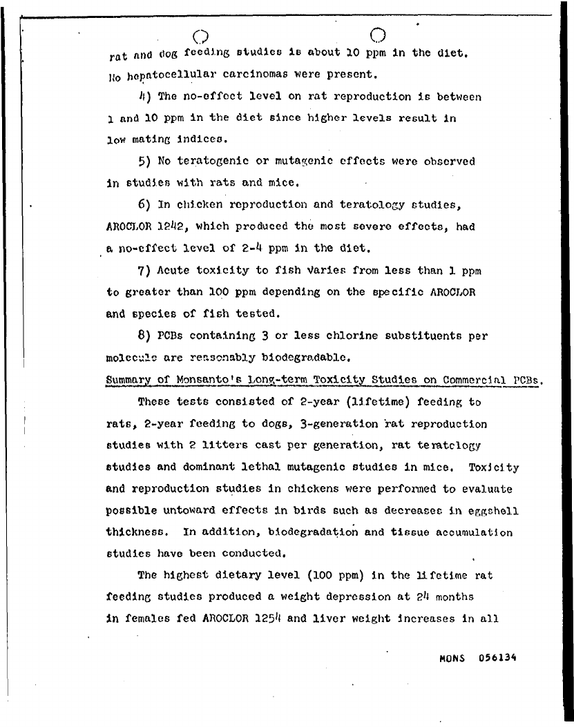
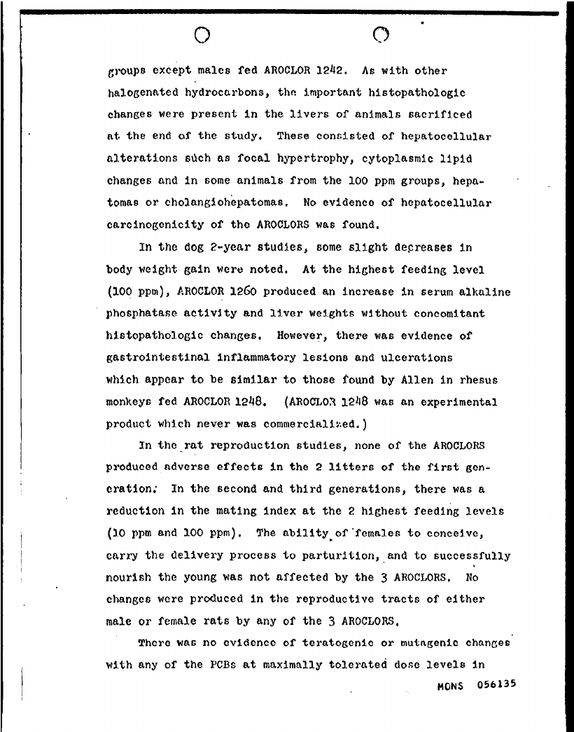
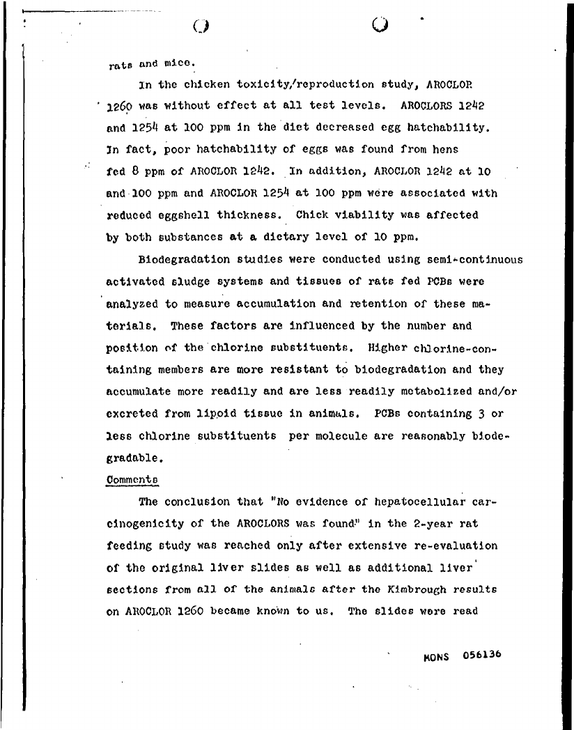
Ijo hepatocellular carcinomas were present. it) The no-effect level on rat reproduction is between 1 and 10 ppm in the diet since higher levels result in low mating indices. 5) No teratogenic or mutagenic effects were observed in studies with rats and mice. 6) In chicken reproduction and teratology studies, AR0CI.0R 1242, which produced the most severe effects, had a no-cffect level of 2-4 ppm in the diet. 7) Acute toxicity to fish Varies from less than 1 ppm to greater than 100 ppm depending on the specific AR0CL0R and species of fish tested. 8) PCBs containing 3 or less chlorine substituents per molecule are reasonably biodegradable.
refid# QMmzReQLm15XLL400DBNaDDQ65 pages
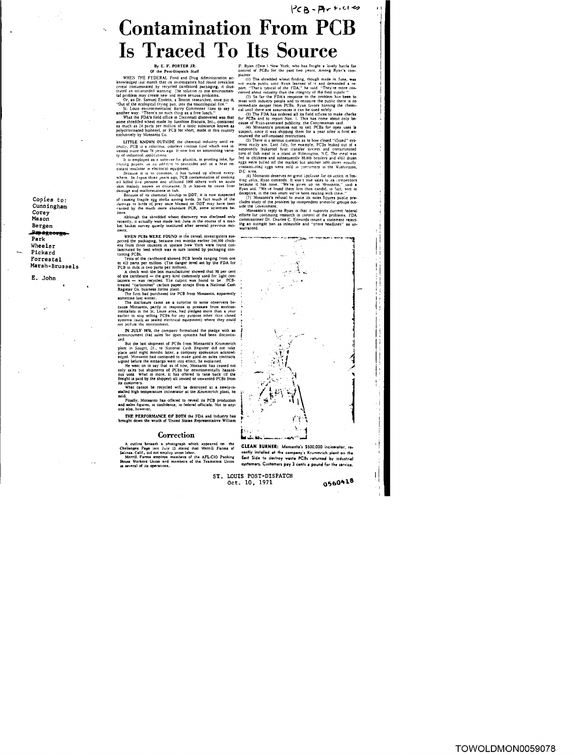
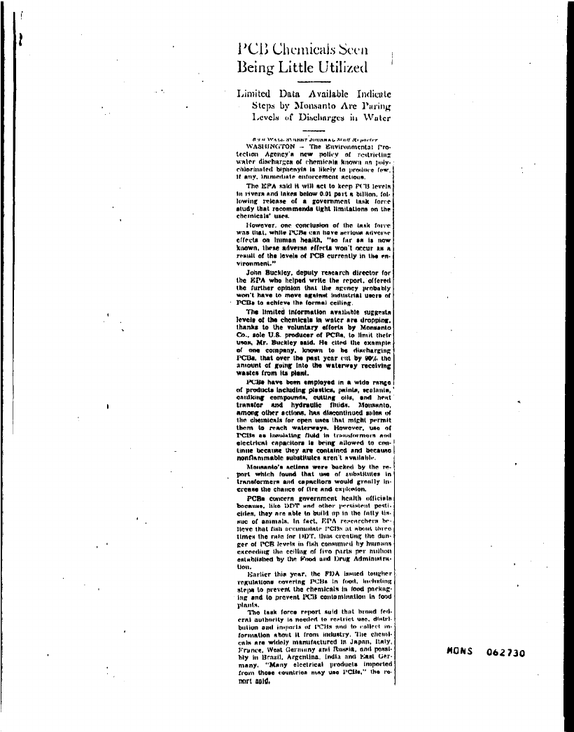
In fact, KPA researchers be lieve that fish Accumulate I*CBs at about three times tho role for DDT, thus eroding the dan ger of PCB levels In fish consumed by hummut exceeding the celling of five part* per million oatabitahed by the Food and Drug Administra tion.
refid# EJK3BKM2Zz8zn5Kojk2Bq5R42 pages