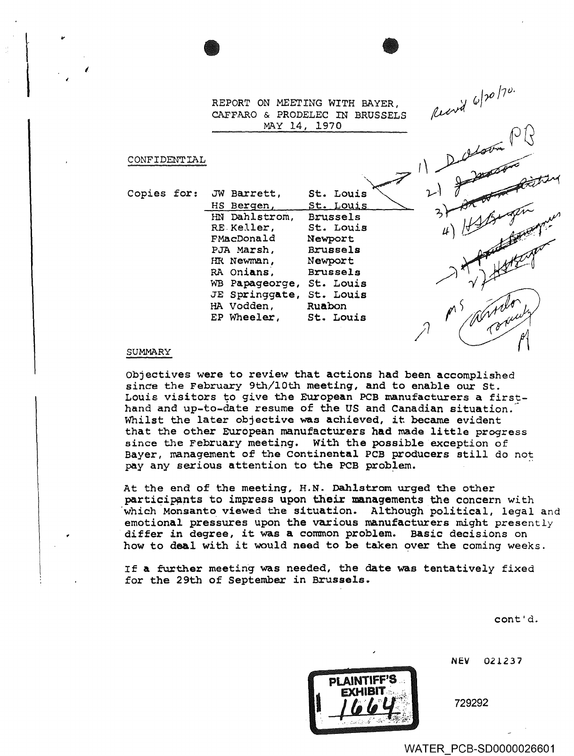
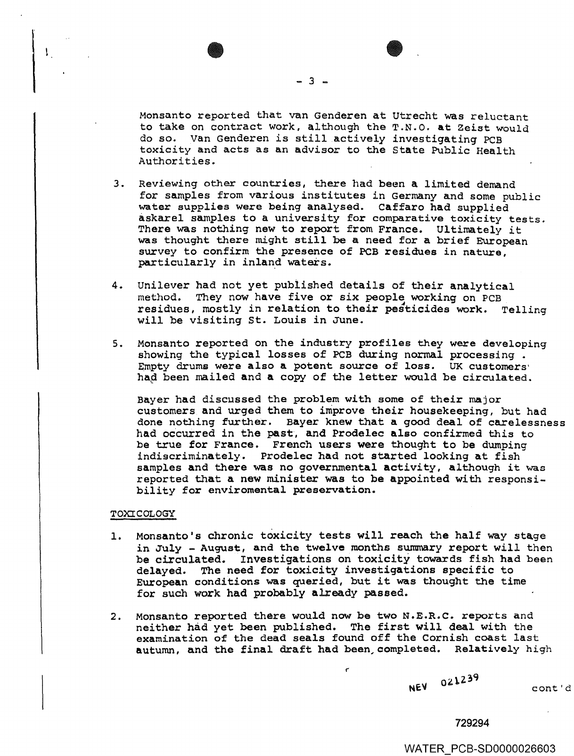
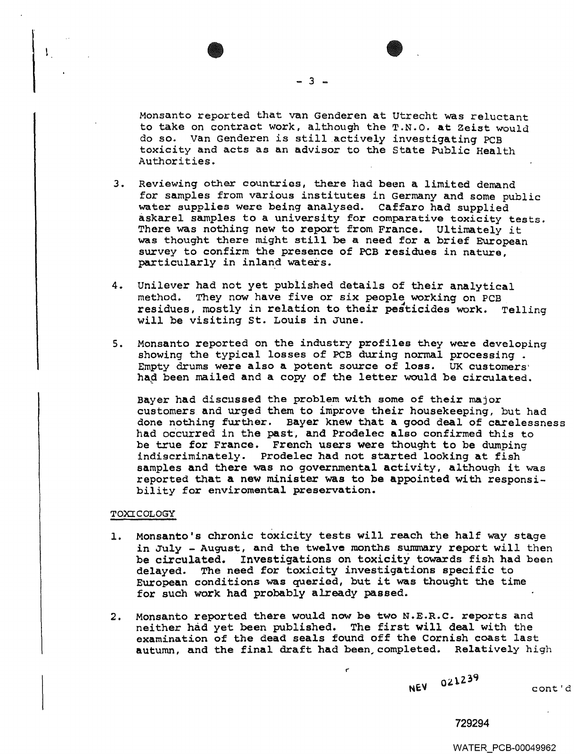
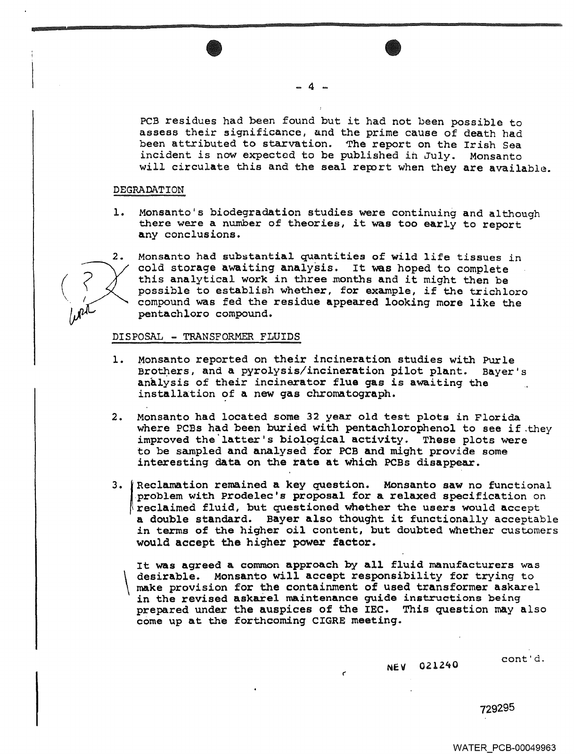
Investigations on toxicity towards fish had been delayed.
refid# kk4DJwe4oNmV4Kz3dbm3yyy05 pages
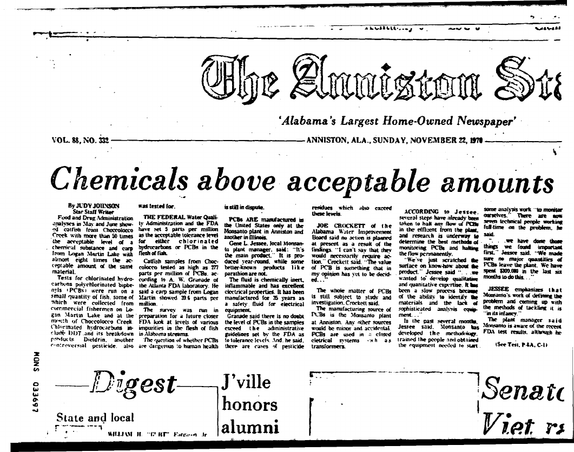
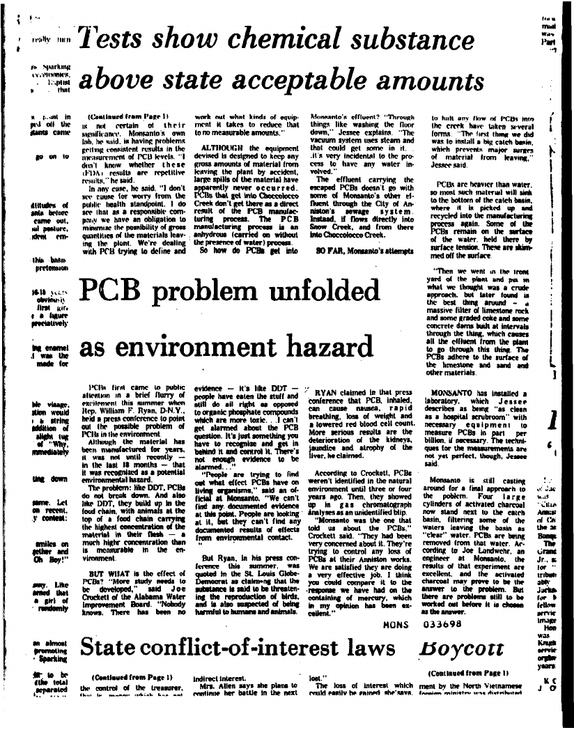
The stwvey was run in preparation for a future closer FDA look at levels of various impurities in (he flesh of fish in Alabama streams.
refid# 4GdBv1ME8gZxeBwRpnnMneNV2 pages
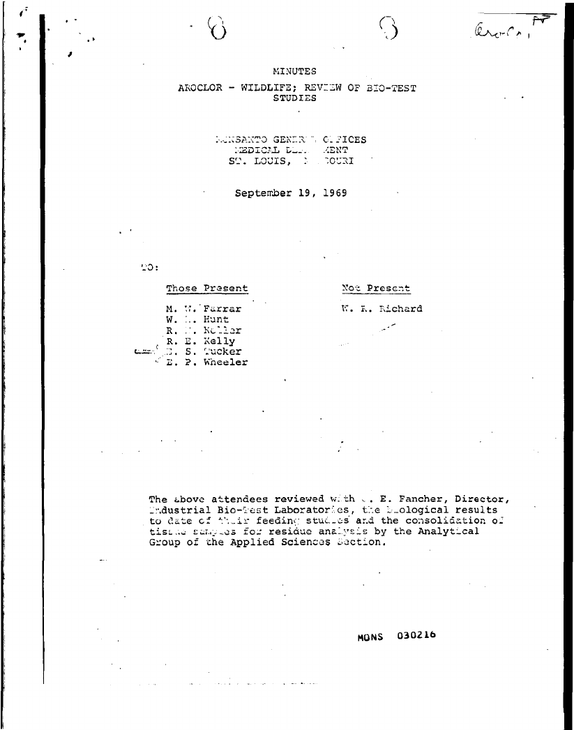
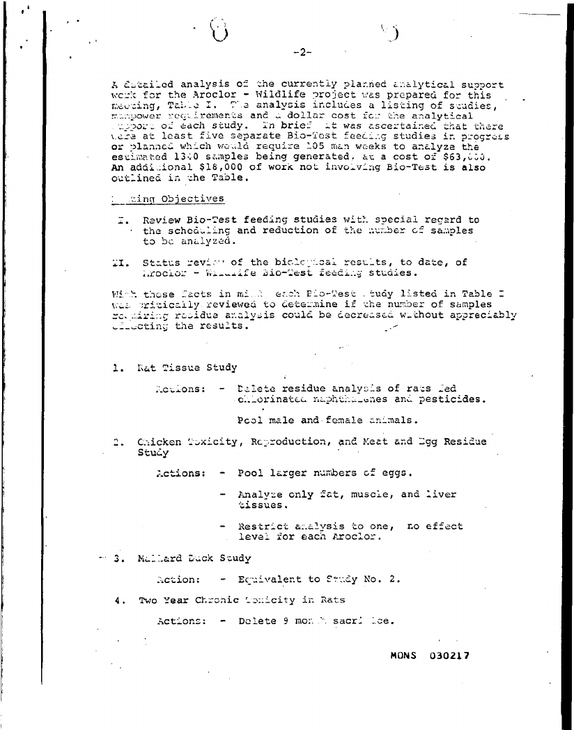
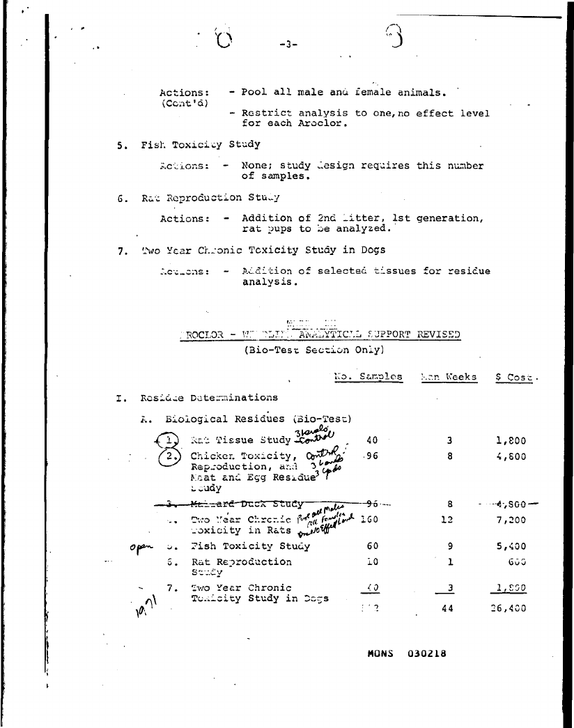
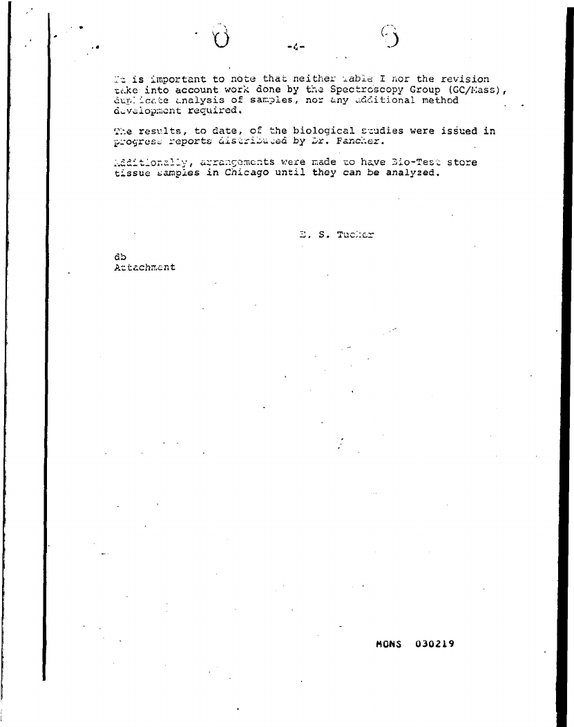
Fish Toxicity Study .
refid# N29104oDd1dqkm4BjG7e4jwMg8 pages
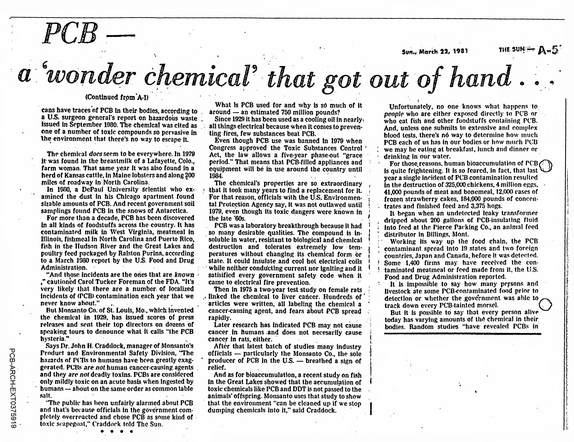
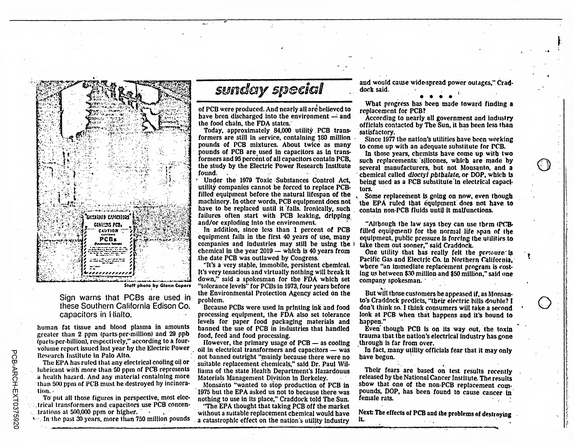
And as for bioaccumulation, a recent study on fish in the Great Lakes showed that the accumulation of !
refid# MG5vDpq9bq645p432xQ2474kz2 pages
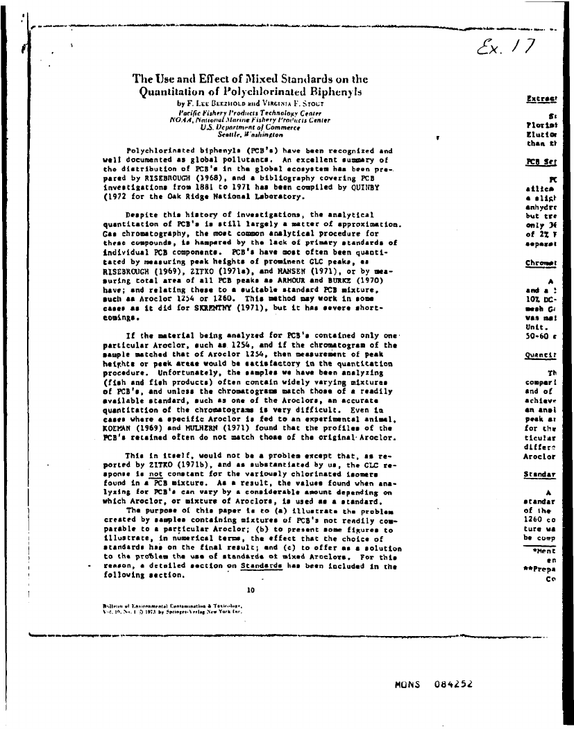
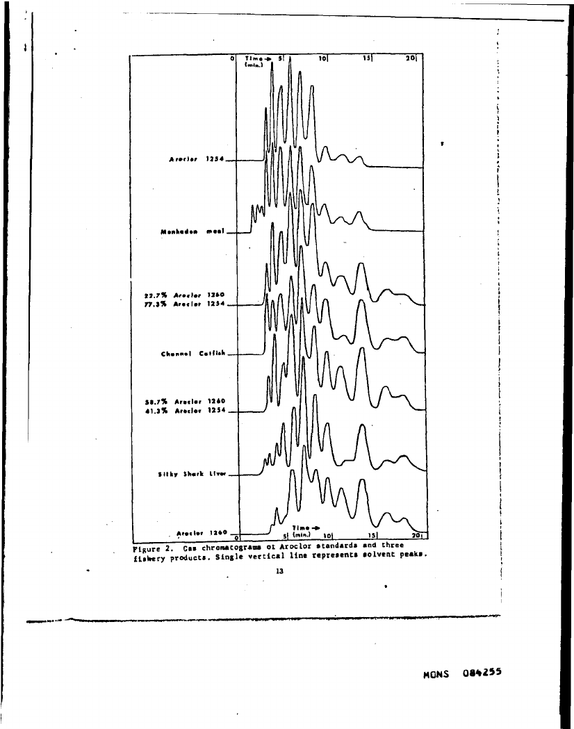
Unfortunately, the samples ws have been analyzing (fish and fish products) often contain widely varying mixtures of PCB's, and unless the chromatograss match those of e readily available standard, auch as one of the Aroclors, an accurate quantitation of the chromatograms is very difficult.
refid# 710ayM8EK3EZ5zYpVOjxzyY2e6 pages
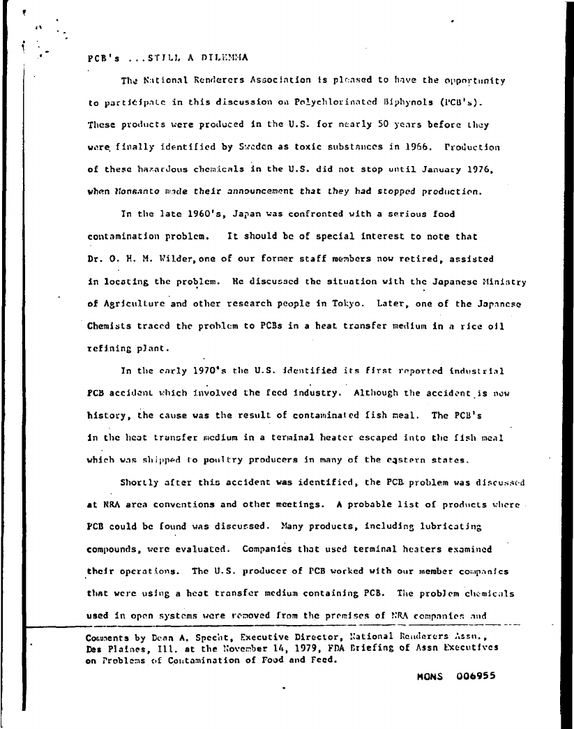
Although the accident is now history, the cause was the result of contaminated fish meal.
refid# NE6rYO4rwa34QmqGNLkjNQvEV6 pages
Mo the fish.
refid# L52QKJ9knXG835B1onRmKkZz2 pages
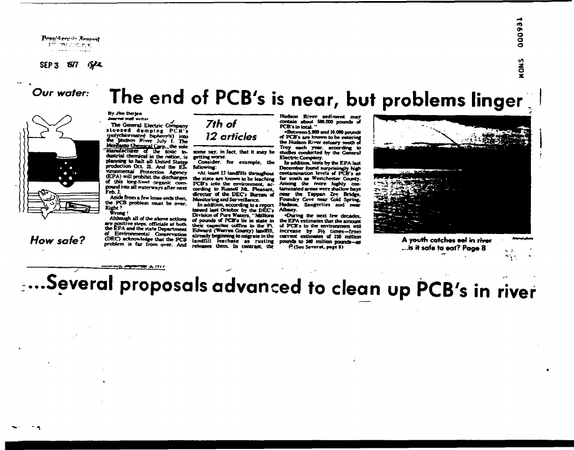
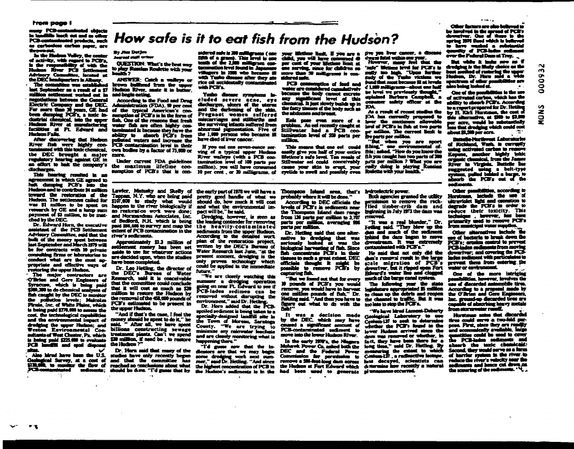
(for instance, if a plant ia th* Sreat Lakes that baa a tract Irrol of PCSs la aatta by a small fish, th* PCS lavwi lncraasea la th* fatty tisane of the fish and becomes greater when a larger flab eats the smaller one tad a herring gull or a person consumes the larger fish.)
refid# v6Ze3O7Yg7oBx45BKb7jeZ1xm6 pages
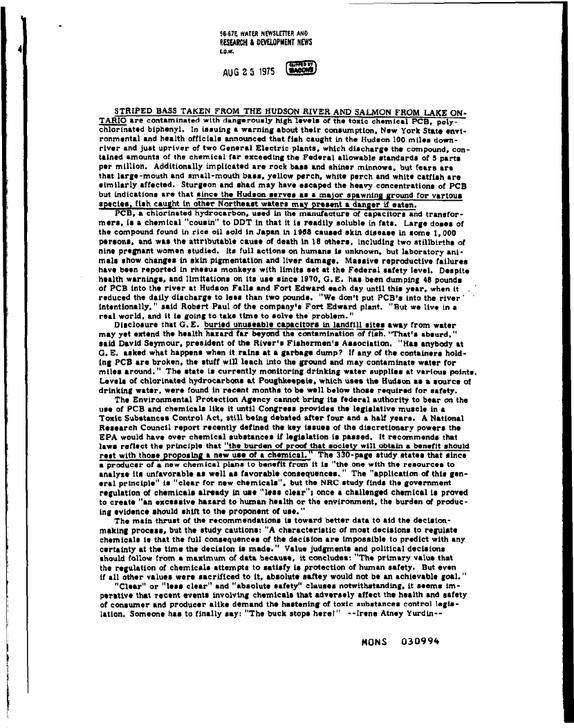
E, buried unuseable capacitors in landfill sites away from water may yet extend the health hazard far beyond the contamination of fish.
refid# 44qd7NyJp672nneb4BBJ10jxp2 pages
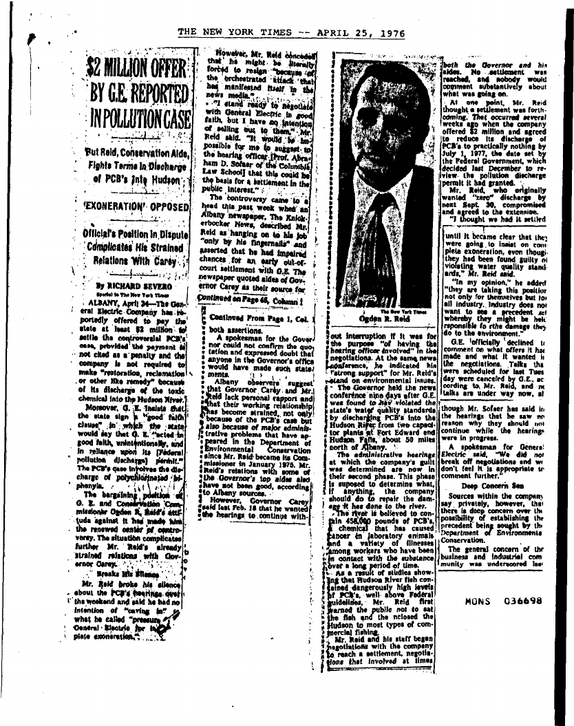
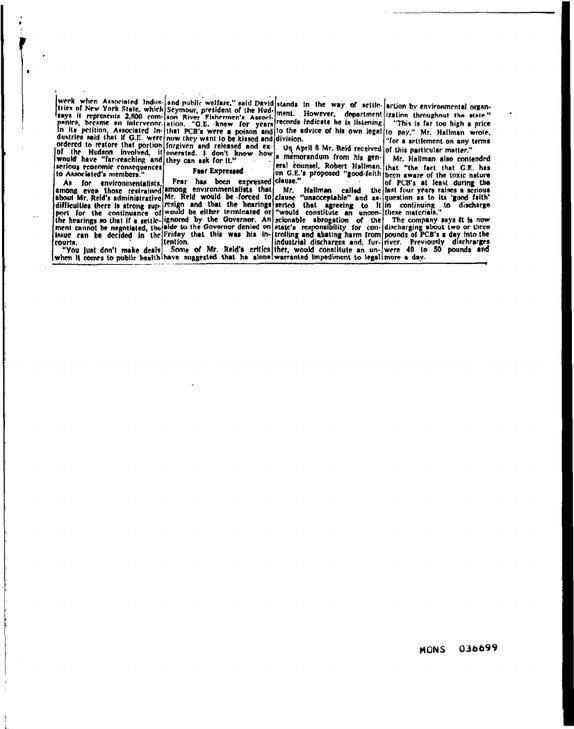
|ni that Hudson River fish con- :amed dangerously high levels if.Fdl's, well above Federal!
refid# 8Rn1V17nBwGx5w9X7kvxddpOZ2 pages
Investigations on toxicity towards fish had been delayed.
refid# bBp4xrkM0pDbXwr8Ne28Yppvg5 pages
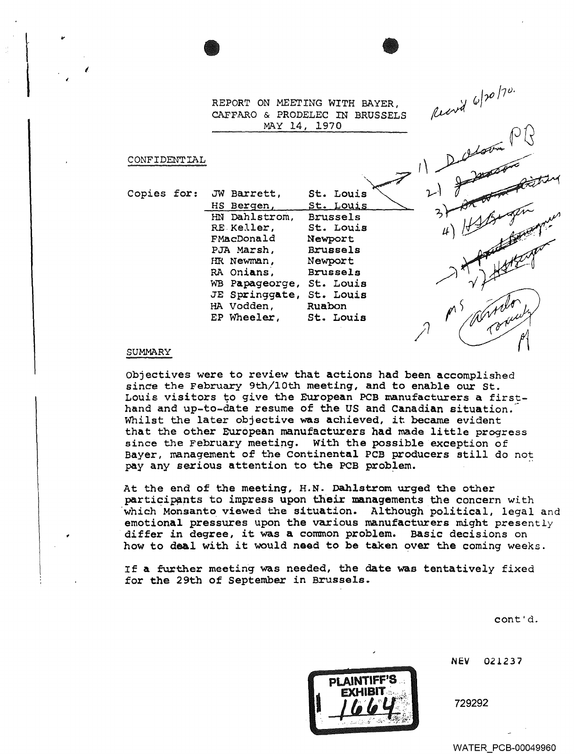
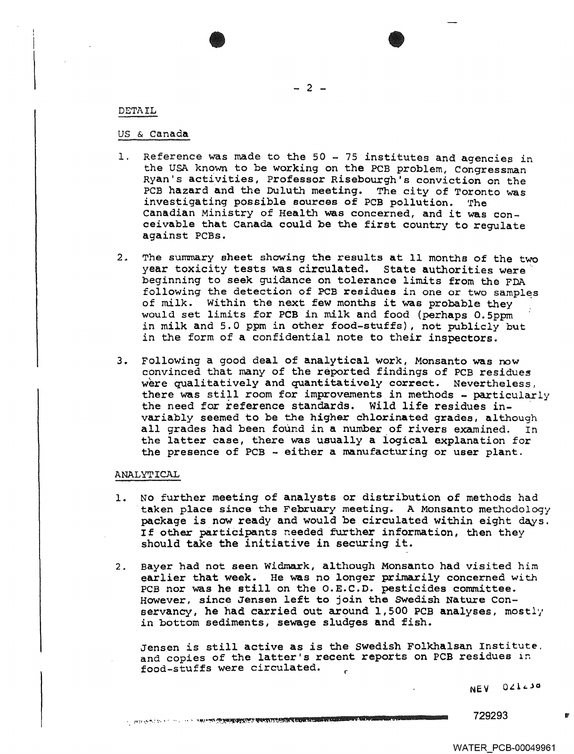
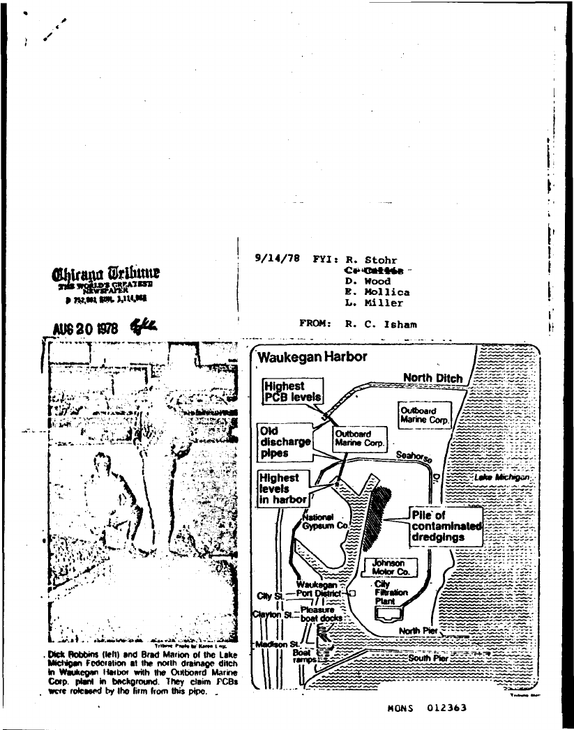
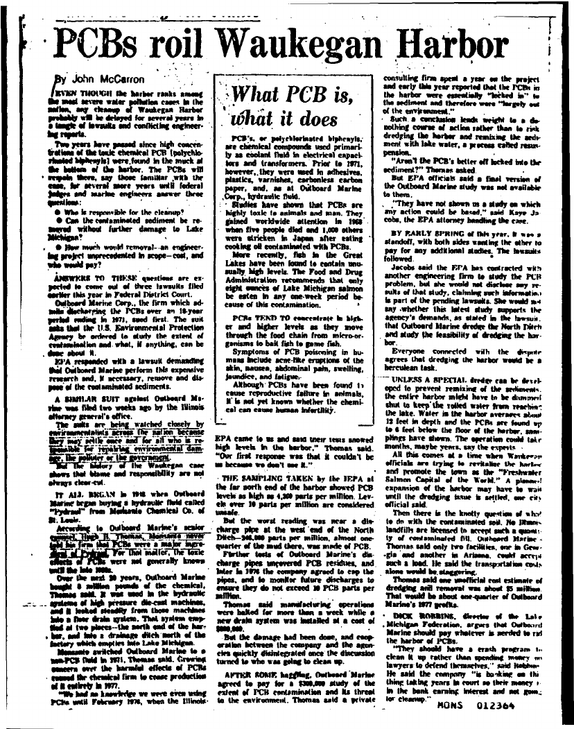
More recenthr. fish fa Ihe Great Lakes have been found to contain unu sually high levels.
refid# mBZNOGy16Q3z3Ywx1KR786jxZ2 pages
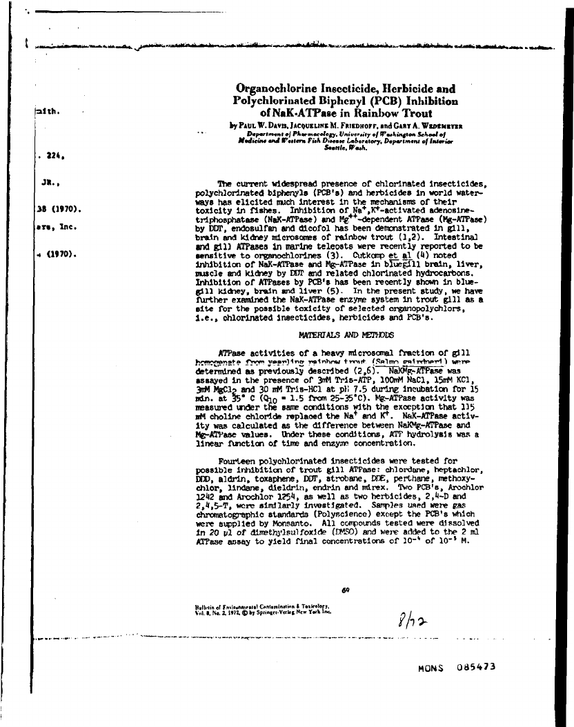
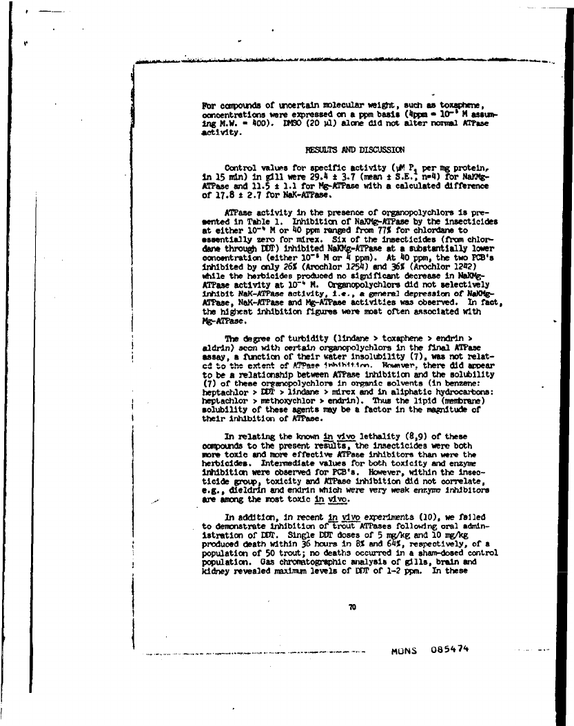
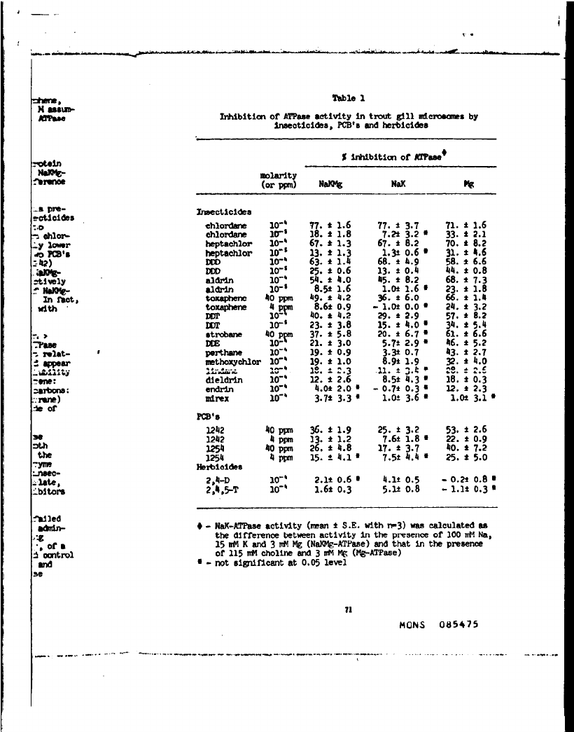
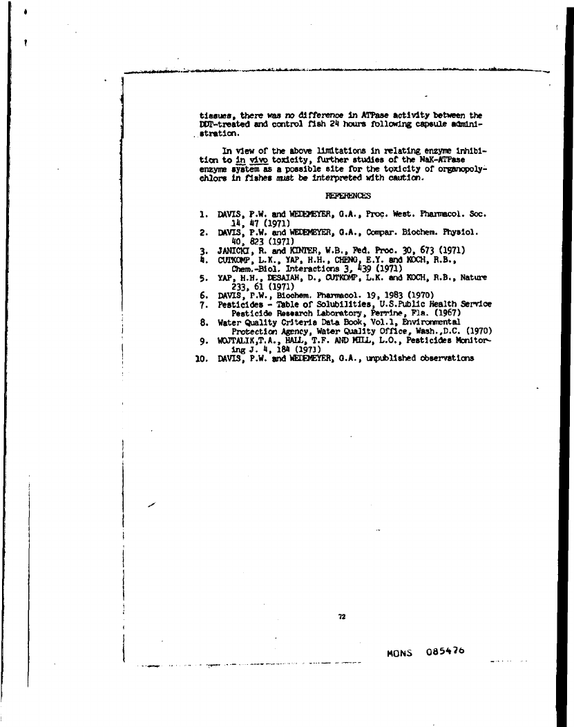
The current widespread presence of chlorinated Insecticides, polychlorinated biphenyls (PCB's) and herbicides in world water ways has elicited much Interest In the mechanisms of their toxicity In fishes.
refid# kDwDp77JroaxMEJXaBYj9XpXD4 pages
"A group of fish and Crus these data is still going on.
refid# jmop6M9560qd0GrM7VRQNy0p92 pages
Polychlorinated biphenyls were reported in the United Slates in coho salmon in 1969 and then in milk fat (28 parts per million), poultry and eggs (4.2 ppm), fish <35 ppm), and cereals (less than I ppm) (2).
refid# 6052v05jmMaJ0VEqGYNp60b92 pages