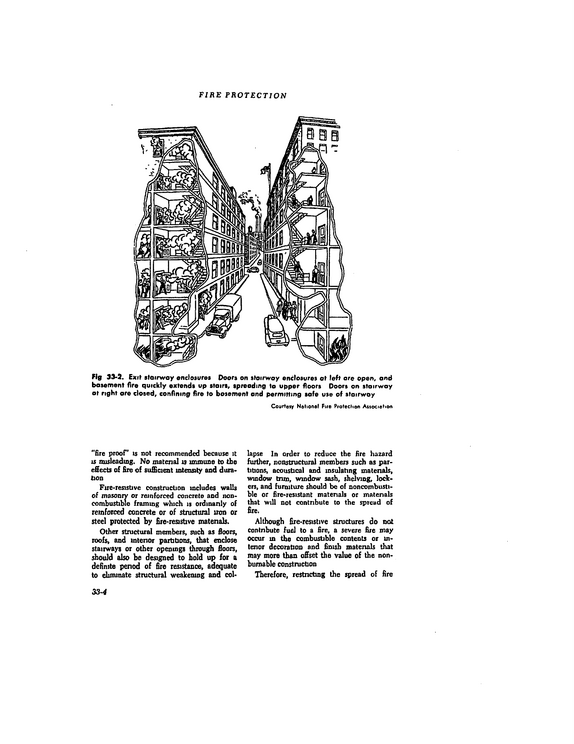
FIRE PROTECTION Pig 33-3.
refid# 4aX5Kx7GKpnmmo4yGy8xMyX6Q1 page
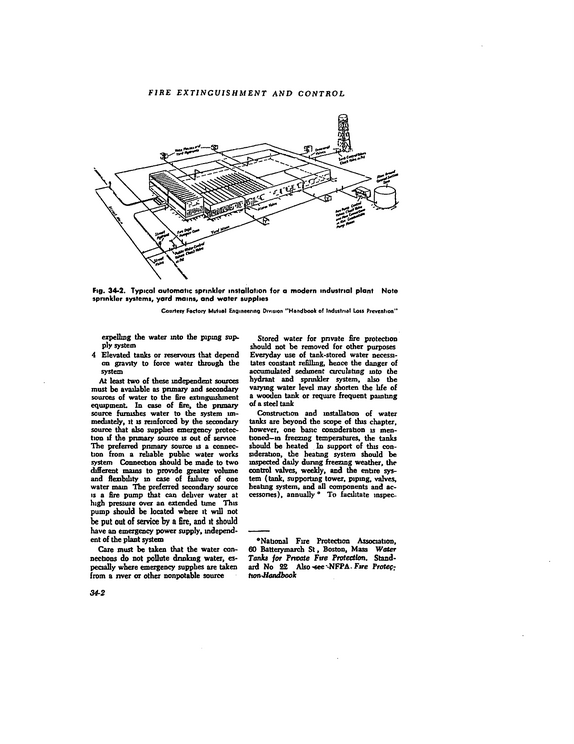
FIRE EXTINGUISHMENT AND CONTROL Fig. 34-2.
refid# MyG0ON8Oeagg6Leo8Grdd2b91 page
FIRE EXTINGUISHMENT AND CONTROL er type of diy powder and the method of application.
refid# bOywMV62gz8DxwxdKgvYdNXbD1 page
EMERGENCY ACTION PLANS meat which might be required for fire and should cover out-of-the-way places, espe cially those in which fires are most likely to start.
refid# em7mDyNm8r37ZdLNVQNYV58zy1 page
INQUIRY FORM NOTE - TOR ORIGINATING DEPARTMENT: GIVE COMPLETE DETAILS ON ALL ITEMS, SO THE NECESSARY INEORKATION MAY BE SECURED ON FIRST INQUIRY.
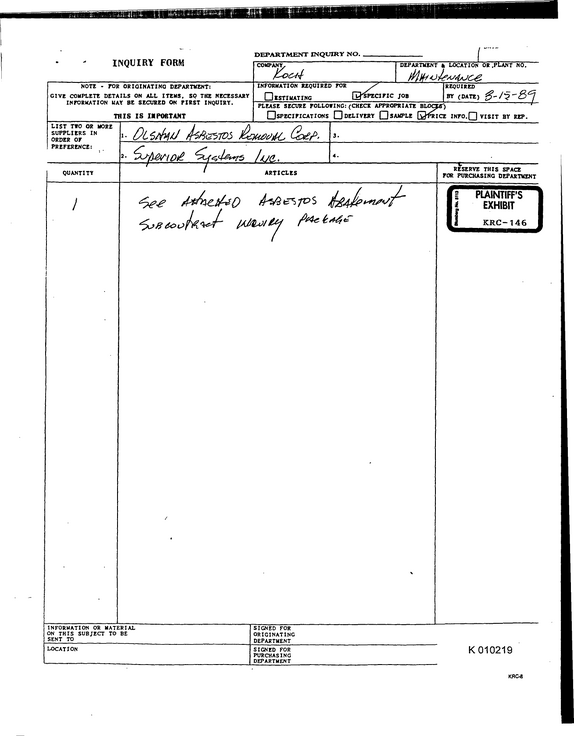
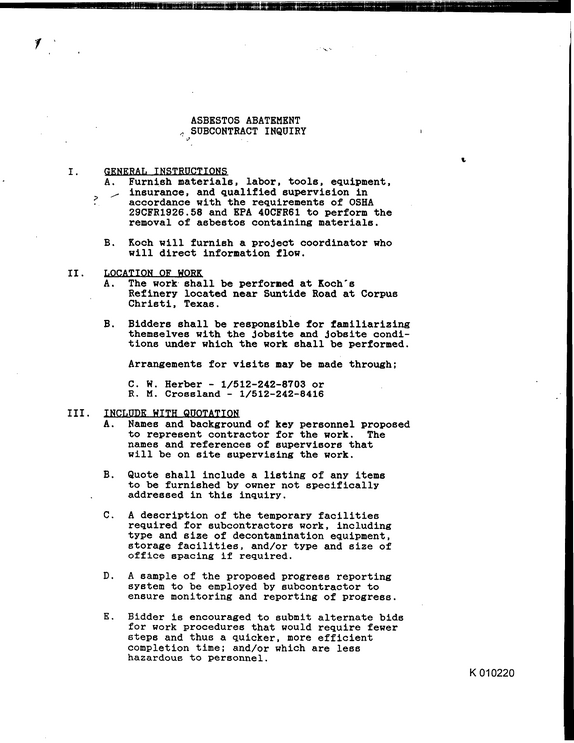
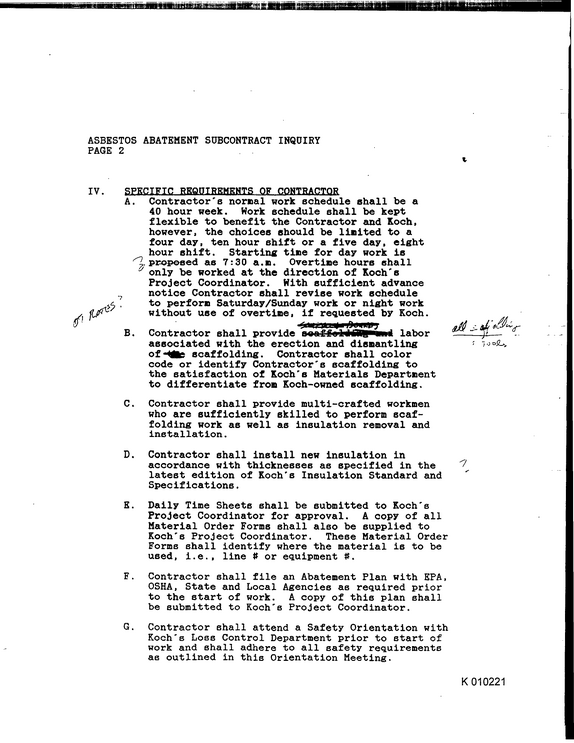
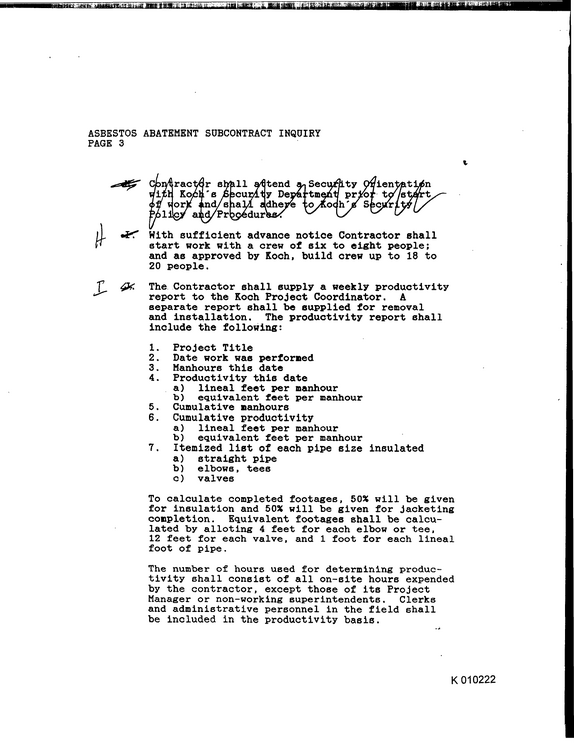
refid# 0gMQGNbR80z5nVnn8KNzB9p8k7 pages
NO. 96-03172-A RAMON T.
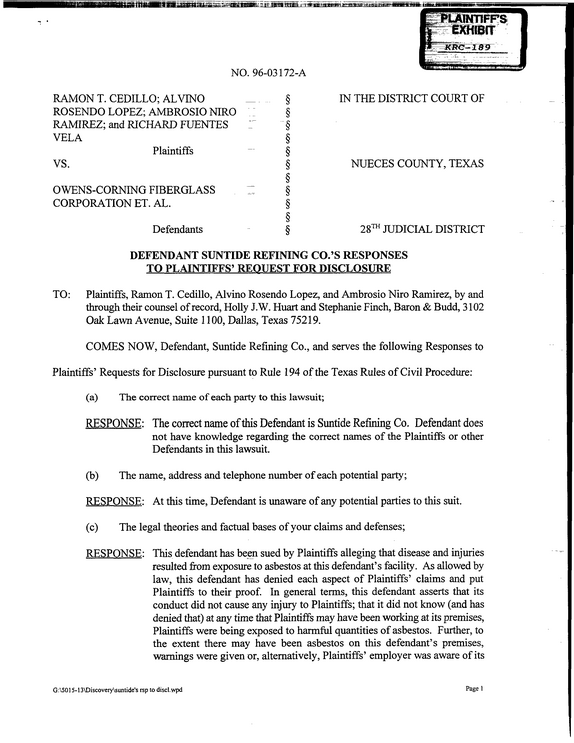
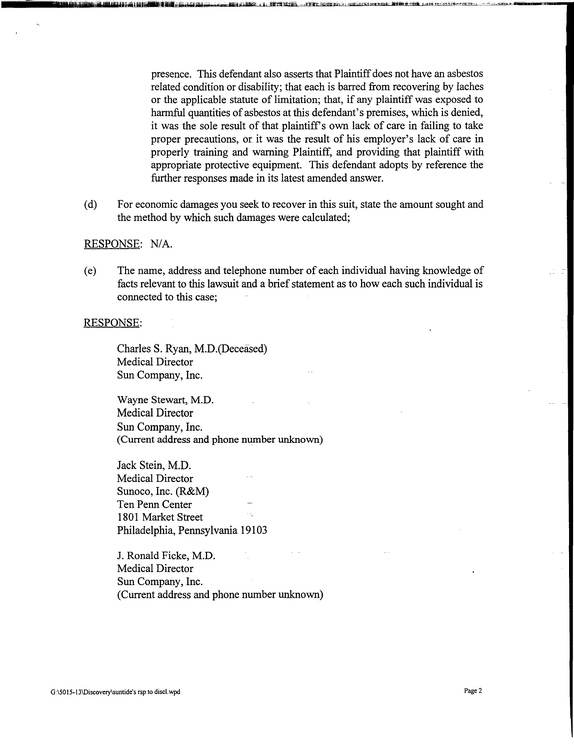
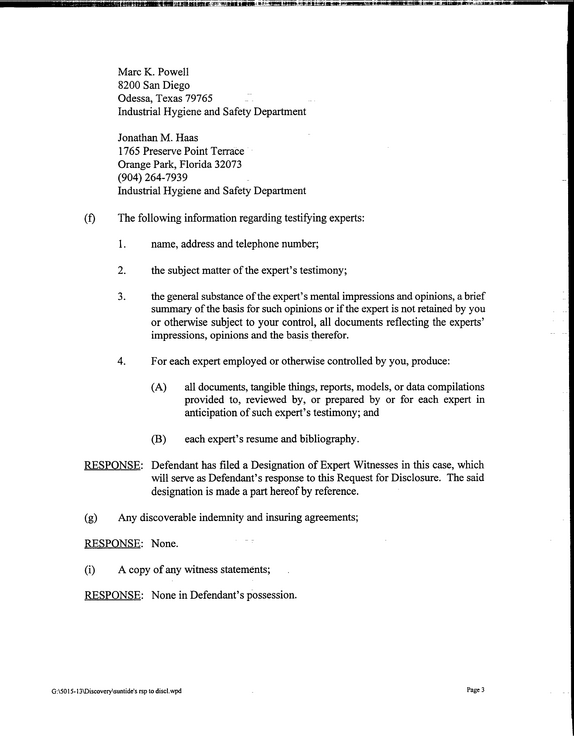
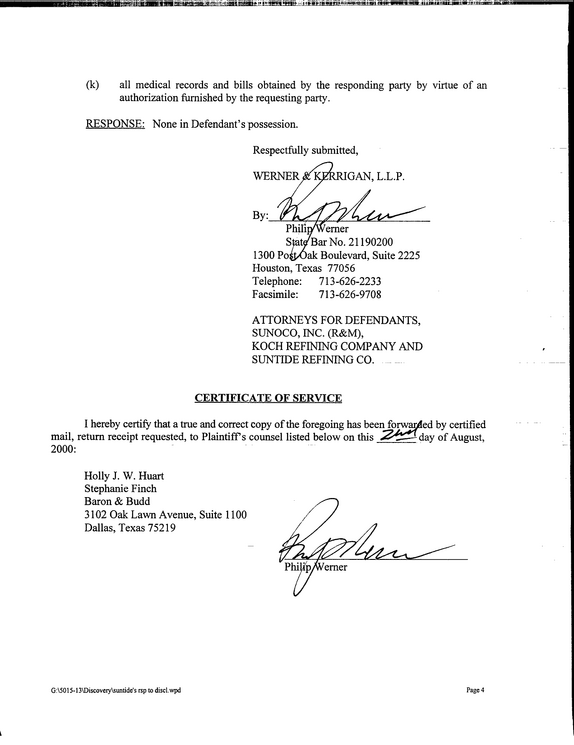
refid# 6RqLZ0y0k1vVkbE7vg5YpRLZR4 pages
CAUSE NO. 90G2055 WELDON R.
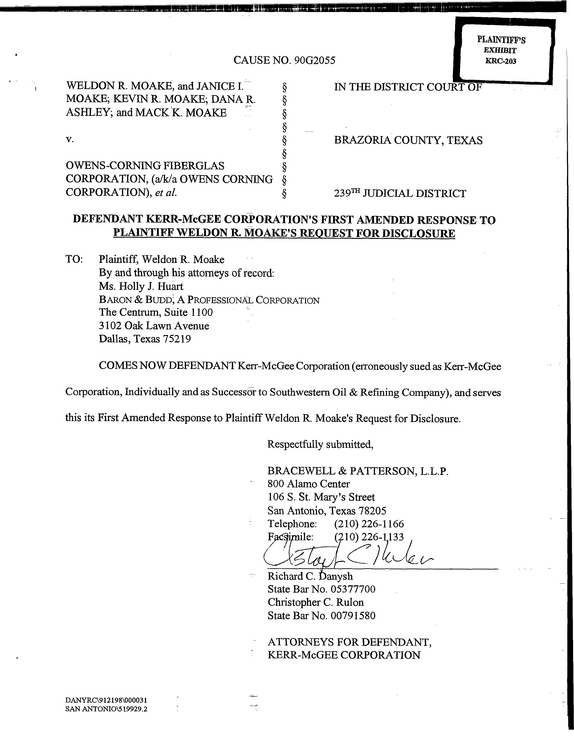
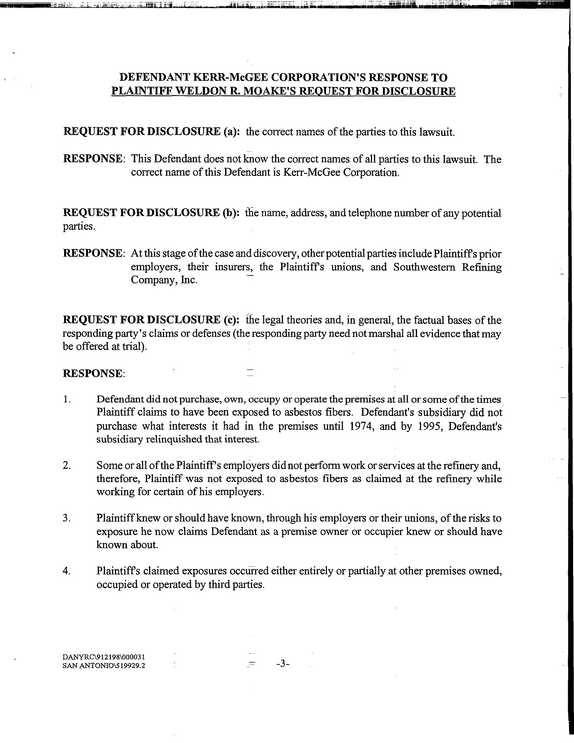
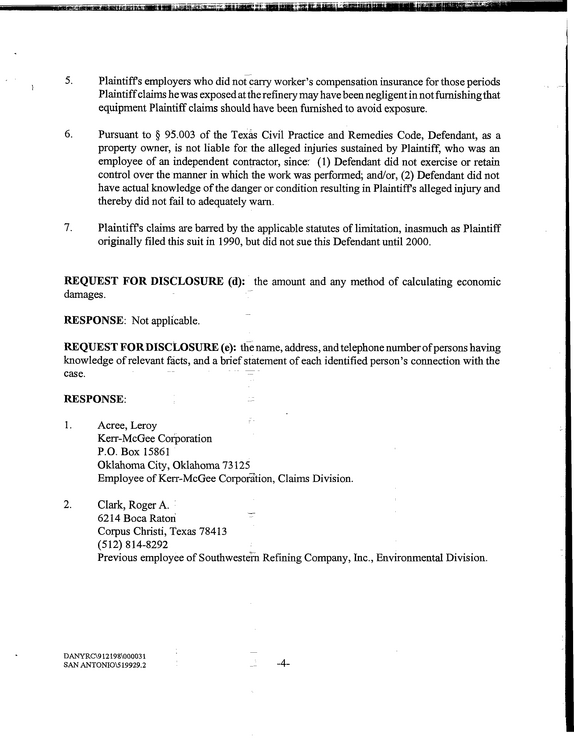
refid# NjdppENJ6VDxpk3jLq1rr4wV12 pages
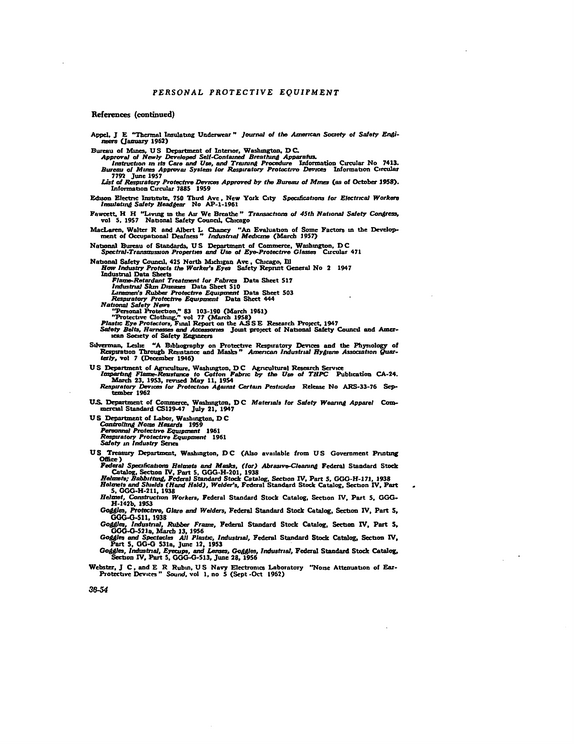
PERSONAL PROTECTIVE EQUIPMENT References (continued) Appel* J C "Thermal Insulating Underwear " Journal of the American Society of Safety Engi neers (January 1962) Bureau of Mines* US Department of Interior* Washington* DC Approval of Newly Developed Self-Contained Breathing Apparatus. instruction m its Care and Use, and Training Procedure Information Circular No 7413.
refid# 5kKgdak5qGXBO3RMDk1MV2G2N1 page
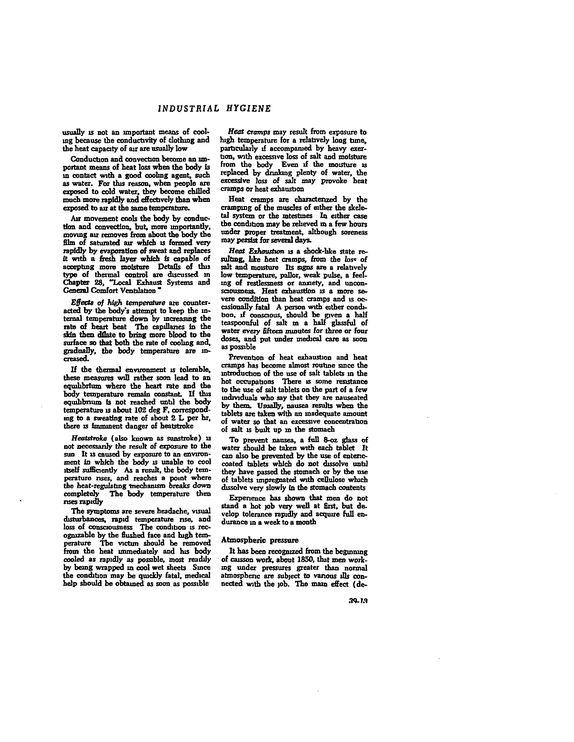
INDUSTRIAL HYGIENE usually is not an important means of cool ing because the conductivity of clothing and the heat capacity of air are usually low Conduction and convection become an im portant means of heat loss when the body is in contact with a good cooling agent, such as water.
refid# J3Be8Qy78e4MegE2jYG7Yz9Ev1 page
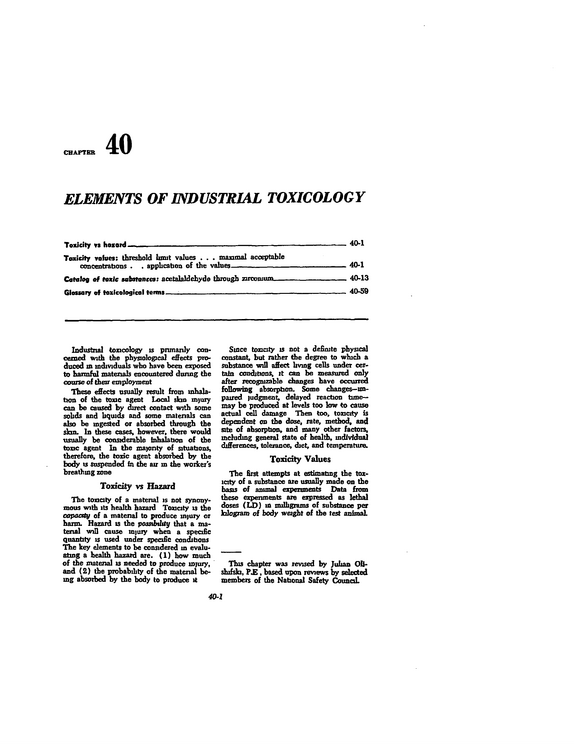
40CHAPTER ELEMENTS OF INDUSTRIAL TOXICOLOGY Toxicity vs hoxord -- ............. - ------- -- -------- ---------40-1 Toxicity yofoet: threshold limit values . . . maximal acceptable concentrations . . application of the values--------------------------------------------------40-1 Catalog of toxic substances: acetalaldehyde through zirconium------------------------------- 40-13 Glossary of taxicologicol terms----- ----------------------------------------------------------------------- 40-59 Industrial toxicology is primarily con cerned with the physiological effects pro duced m individuals who have been exposed to harmful materials encountered during the course of their employment These effects usually result from inhala tion of the toxic agent Local slon injury can be caused by direct contact with some solids and liquids and some materials can also be ingested or absorbed through the skin.
refid# 3qx5REjo3EeBeDG1wGr1NVbD1 page
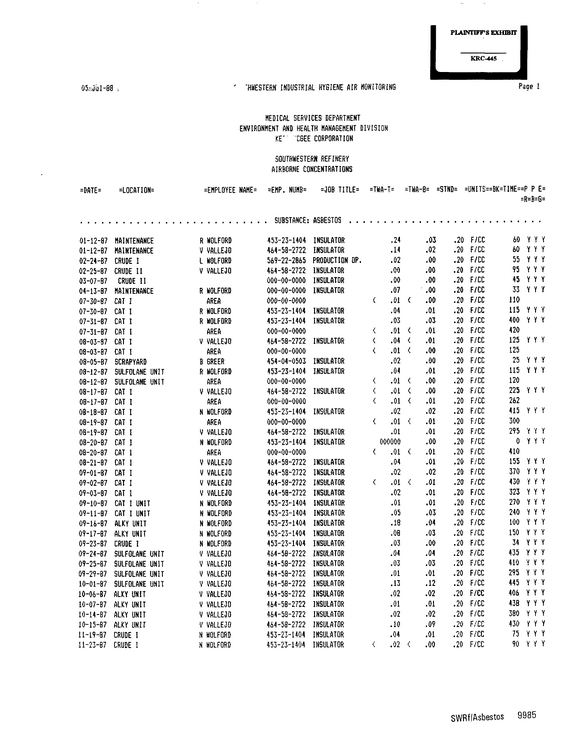
PLAINTIFF'S EXHIBIT 05rjul-68 =DATE= =LOCATION= 01-12-8?
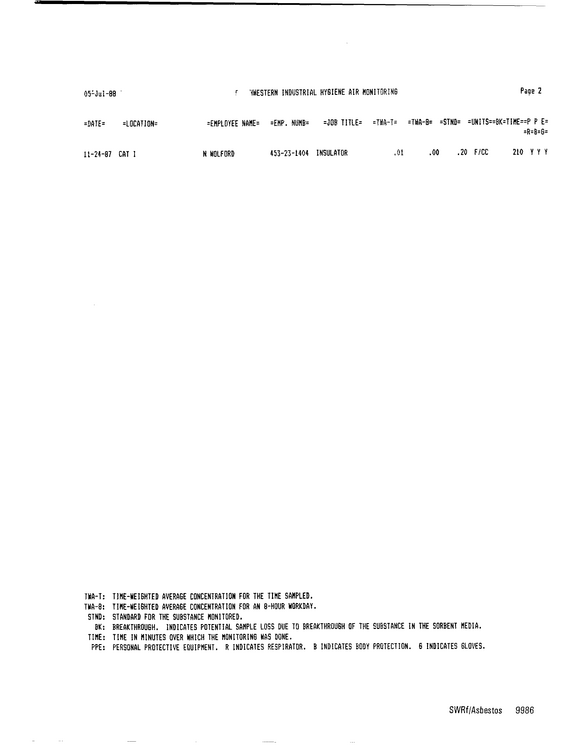
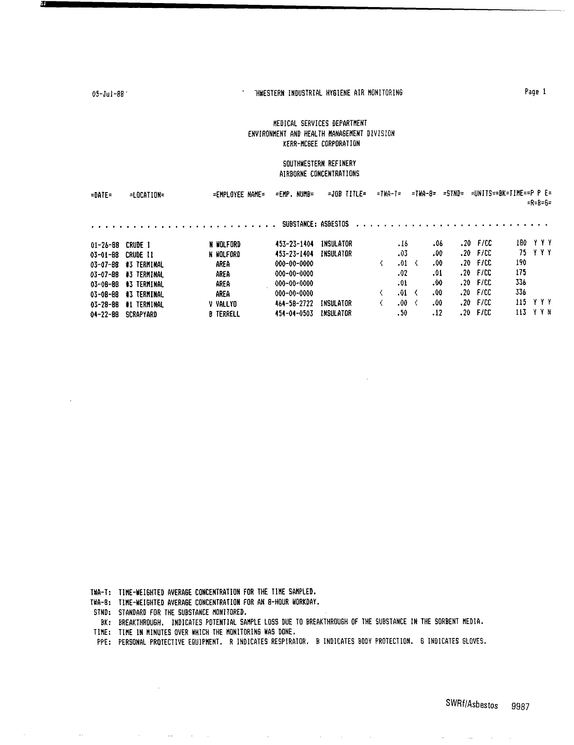
refid# 0JwwQMMGJOqB8b0k7QQzYvK4x3 pages
irn iai lurtiMMAMuri Niil r w mr vriiimii. r 111 ru nil* mjmmaiw, up \ immti lMrn Vpiiihm, rn.( HEMP 1/ 1 ,, 1 | Z-1I-U0 A.A.
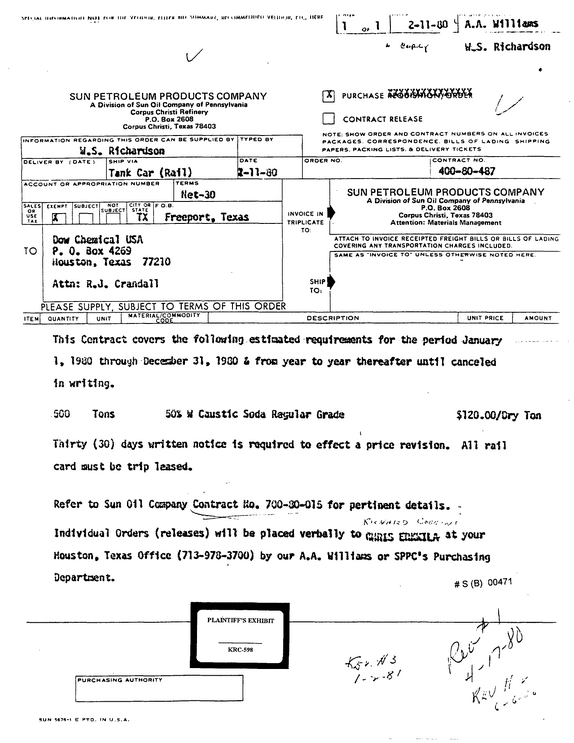
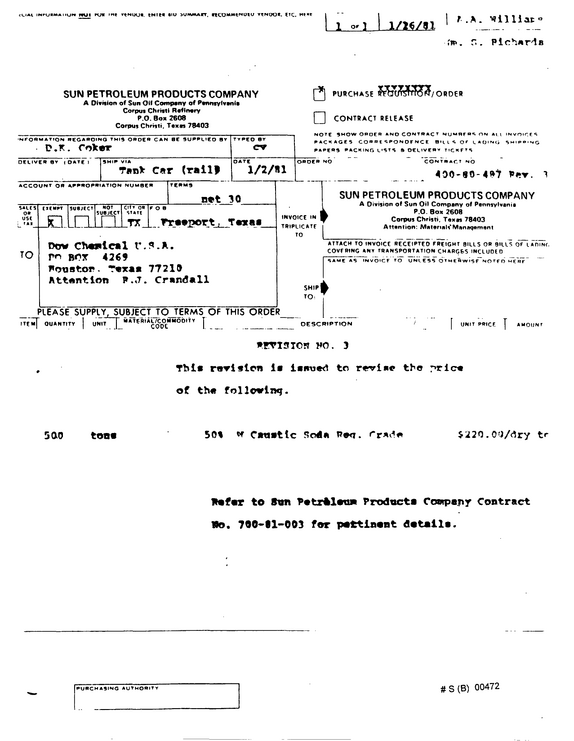
refid# 4v7vGZZQDDNLEjEY5emrZ0bKN2 pages
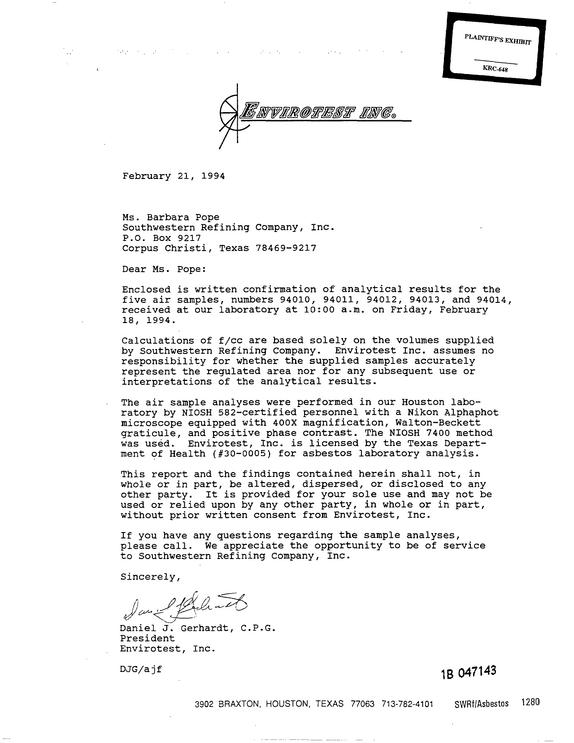
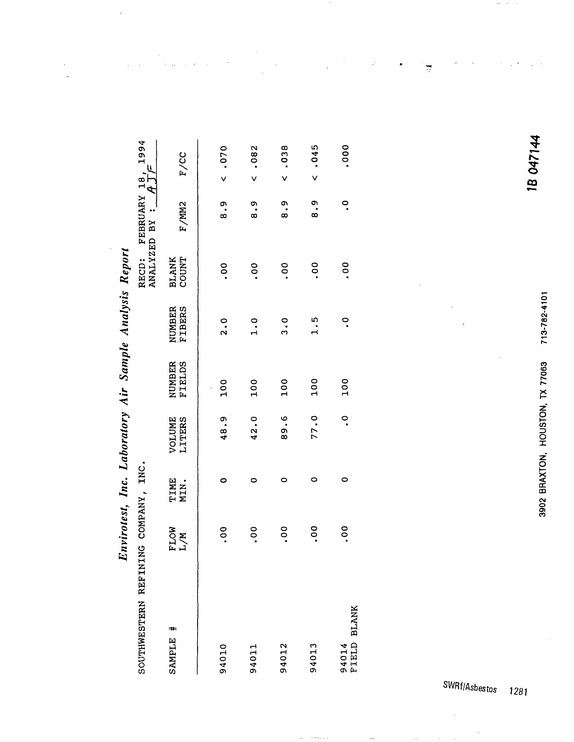
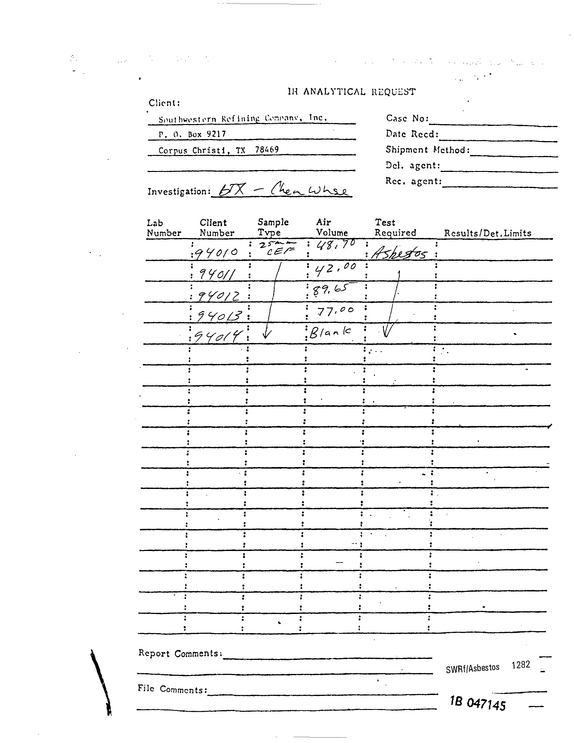
February 21, 1994 Ms.
refid# RpMwMbOB61B4L76BJnR0Mmeqn8 pages
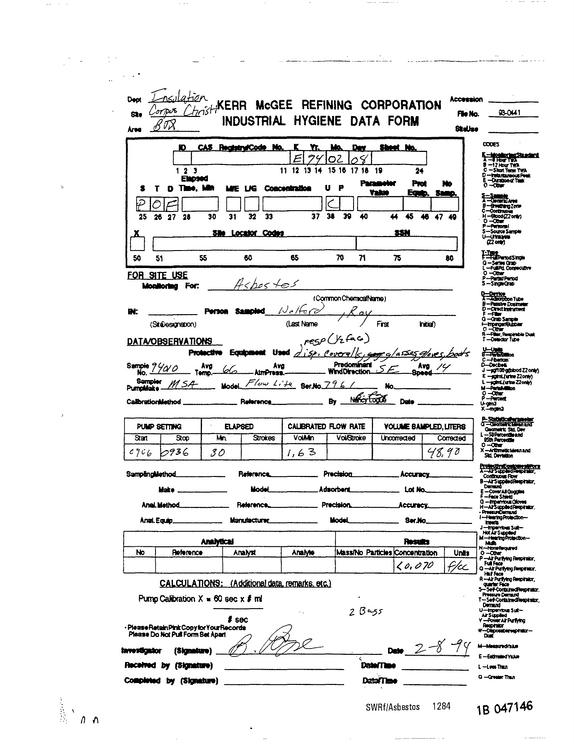
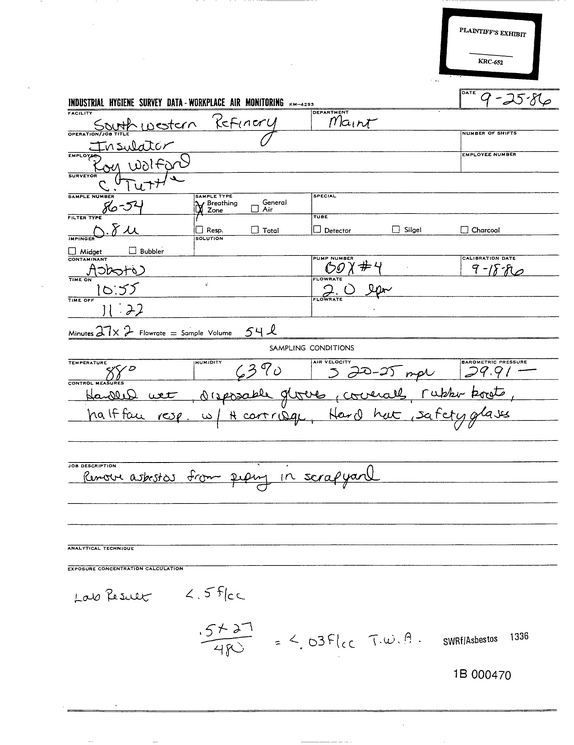
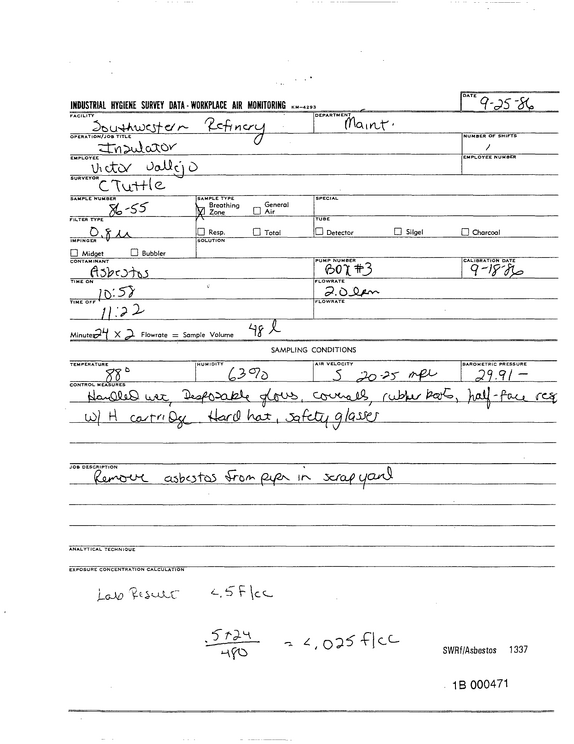
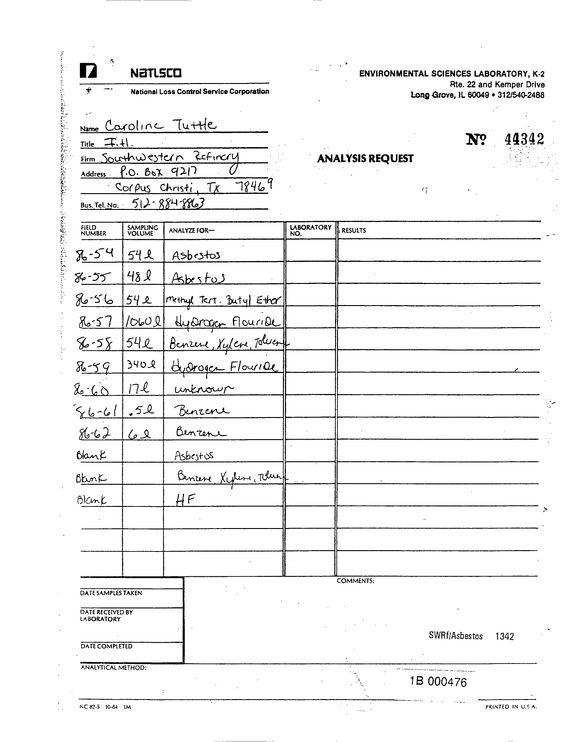
INDUSTRIAL HYGIENE SURVEY DATA - WORKPLACE AIR MONITORING km-**. 3 FACILITY ^iN-K 10 ofcra --- norU DEPARTMENT ff]a ihjf' OPERATION/JOB TITLE CT^^LclXoa' >y ^ employ**-^ "\ VtVA \jQdl DATE ?
refid# jBRJ6BbYzqBbz8nm5myRN4r0Q3 pages
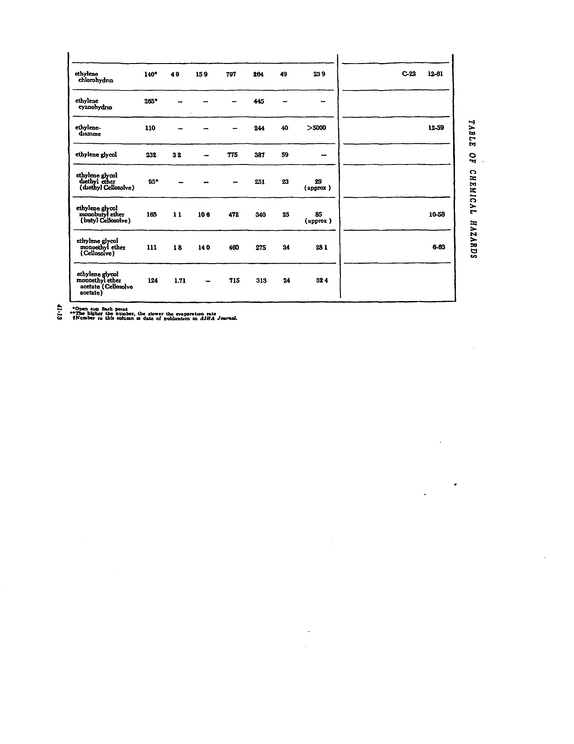
TABLE OF CHEMICAL HAZARDS 41-13 ethylene chlorohydnn 140* 49 159 797 264 49 239 ethylene cyanohydrin ethylenediamme 265* - - no - - - 445 - - - 244 40 >5000 ethylene glycol 232 32 - 775 387 59 - ethylene glycol diethyl ethez 95* - - (diethyl CeUasolve} - 251 23 29 (approx ) ethylene glycol monobuty!
refid# JNNbgr2yQyO7vB9x1kpRxJDVe1 page