Extracts from freshwater and seawater fish show fairly low amounts of PCB's, while seal blubber contains considerably more.
refid# rB3wwLRnD1wwX594a08Y0Xg2q10 pages
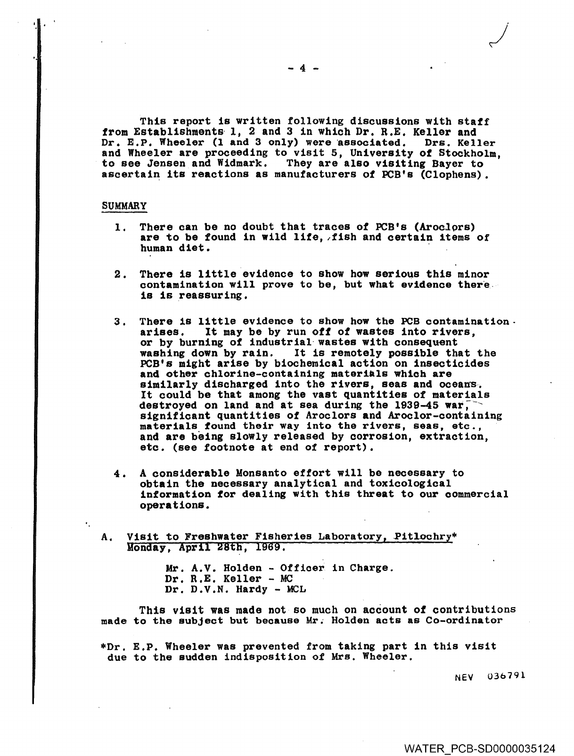
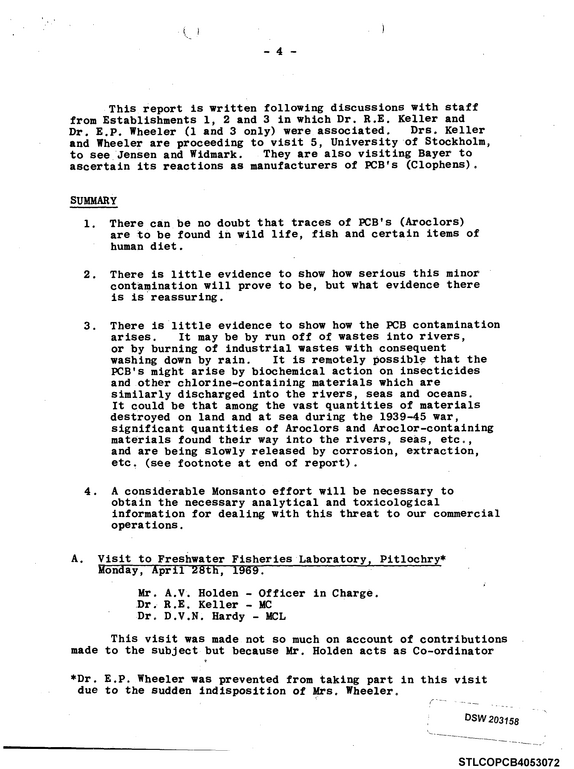
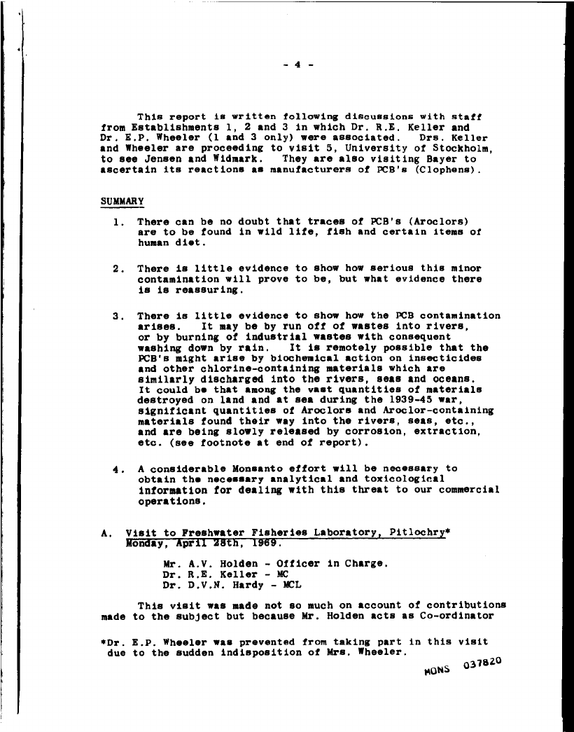
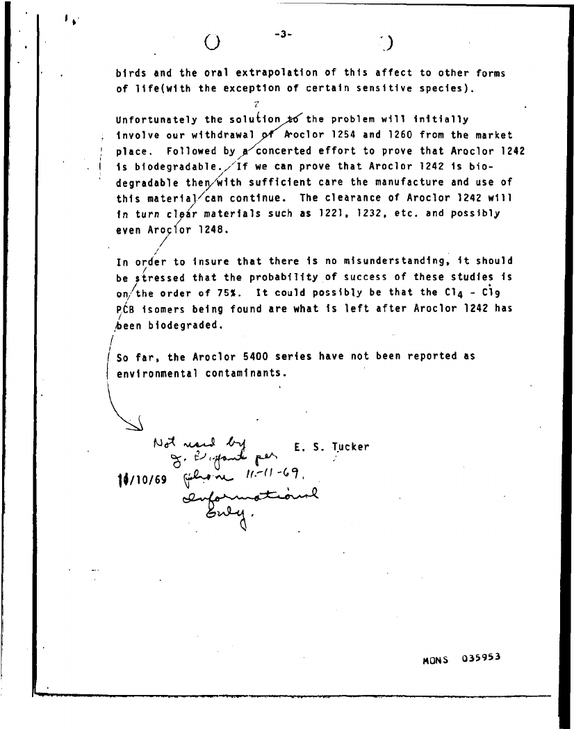
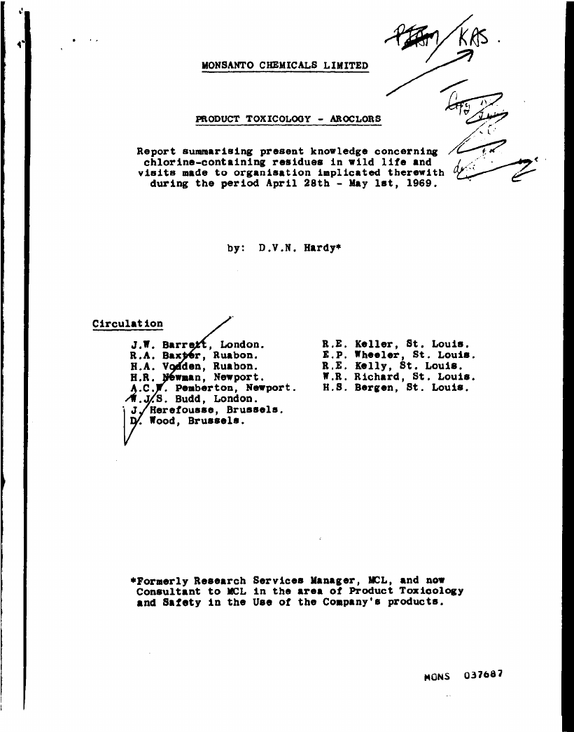
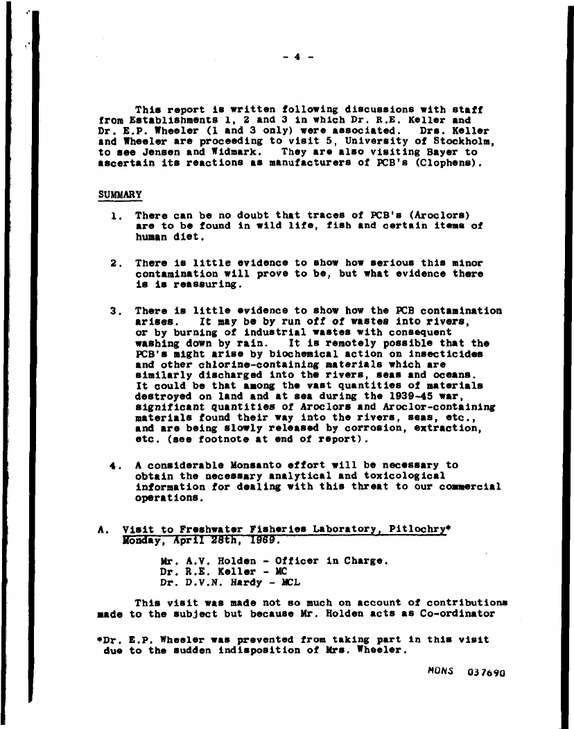
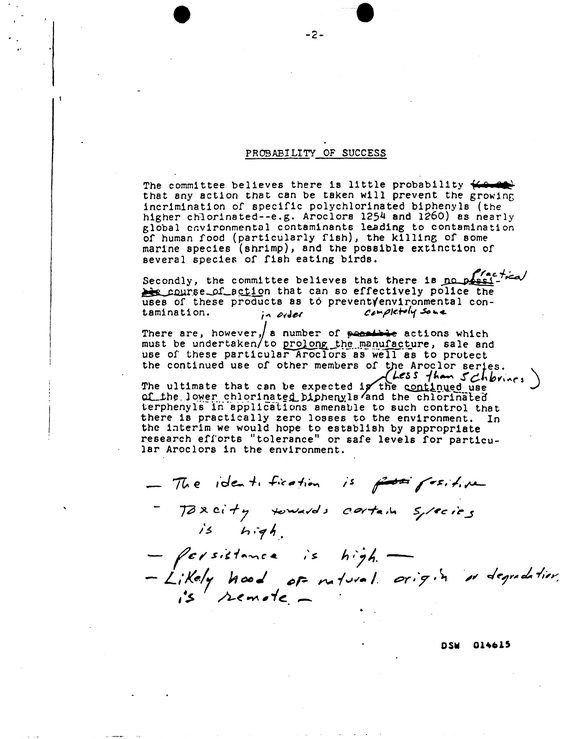
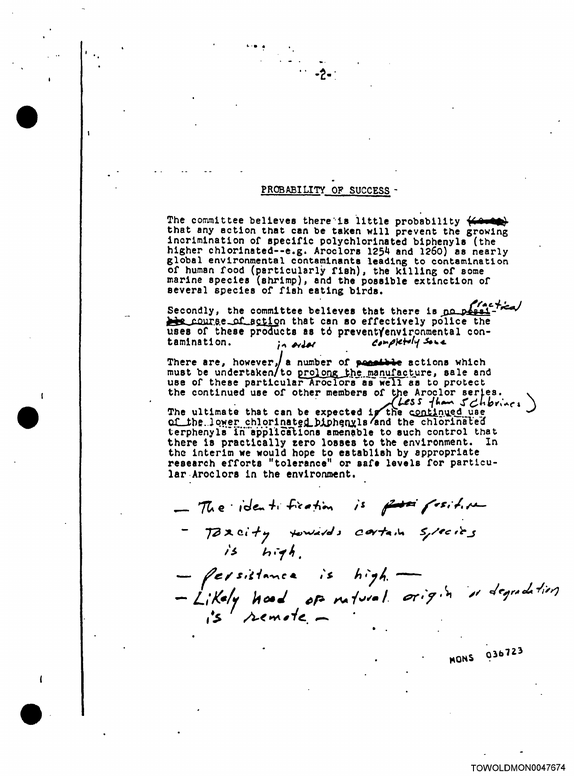
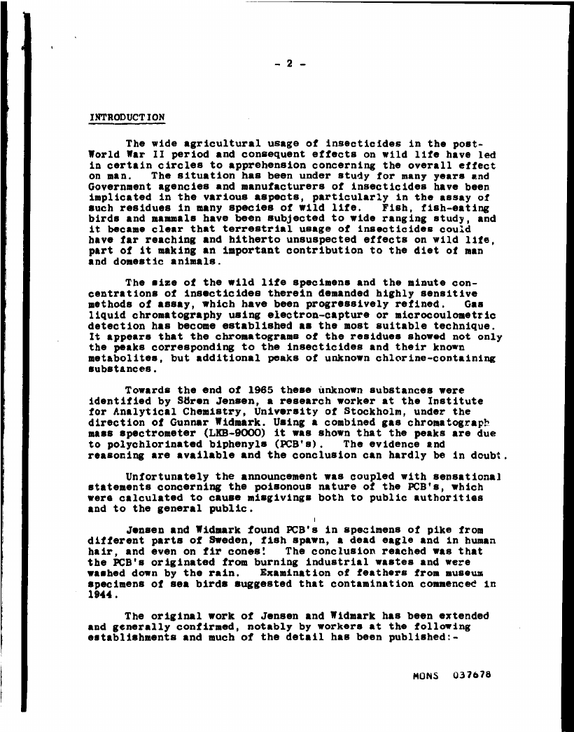
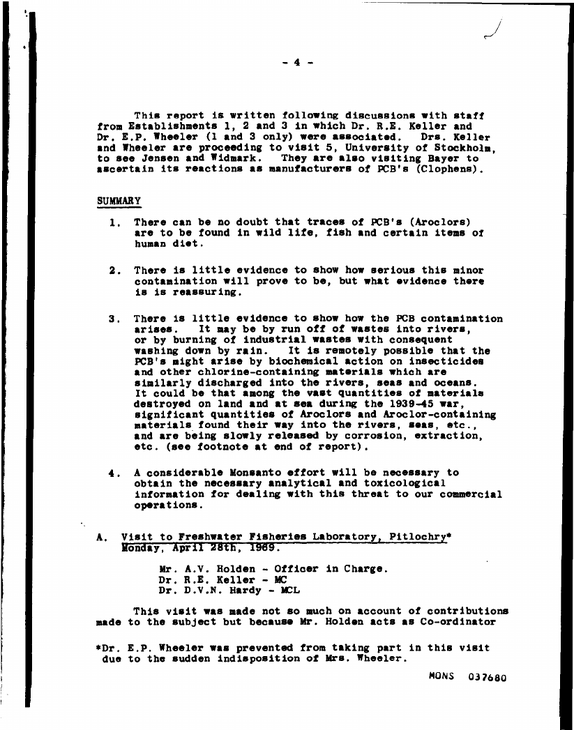
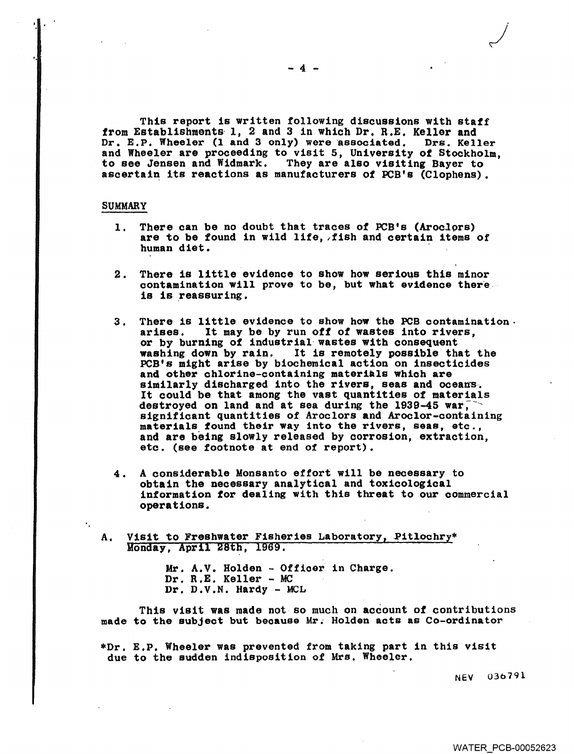
There can be no doubt that traces of PCB's (Aroclors) are to be found in wild life, fish and certain items of human diet. 2.
refid# RJ10zv67Oe1ZXwGdoqrepbagV10 pages
There can be no doubt that traces of PCB's (Aroclors) are to be found in wild life, fish and certain items of human diet. 2.
refid# ZnK3kjxMp3mvNNbxaGMXbg6rV10 pages
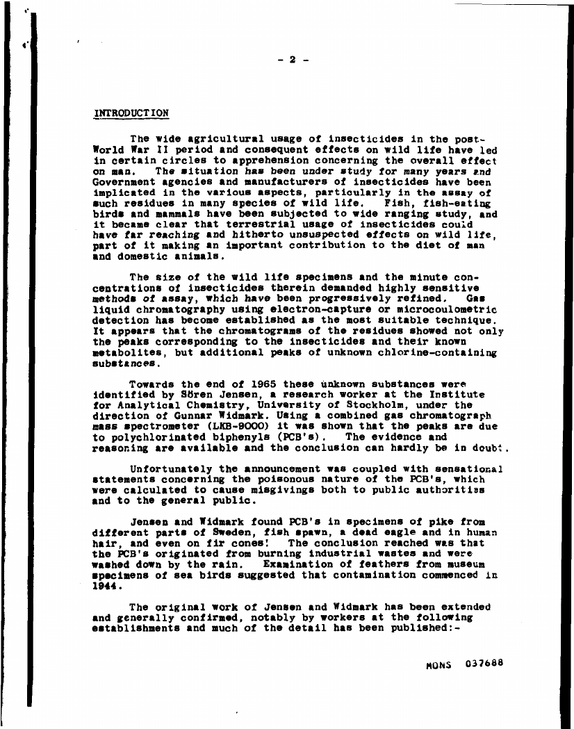
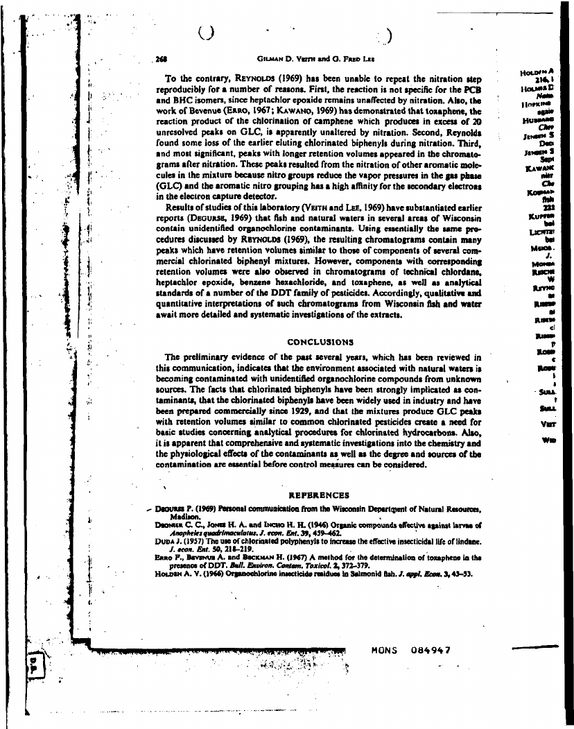
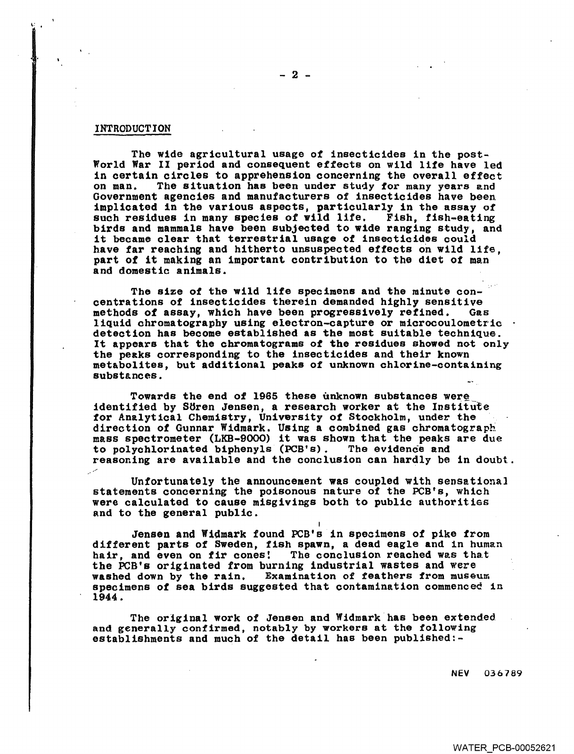
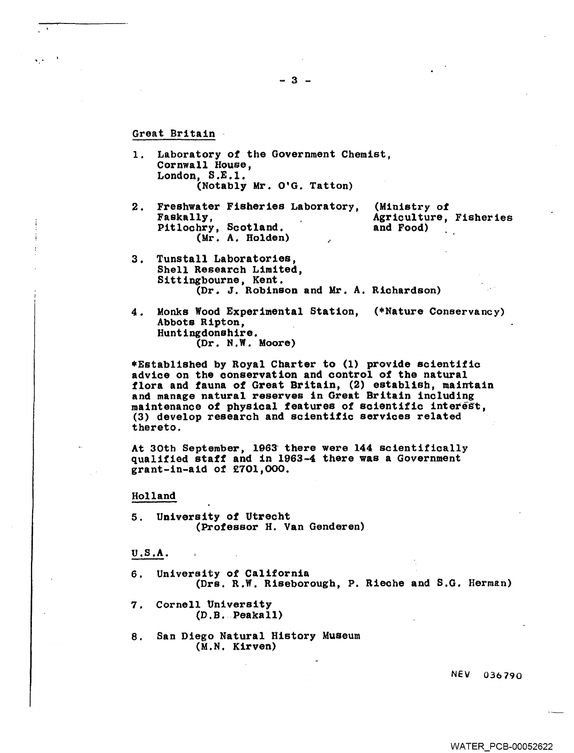
Rrmirougii et at. (1968 a) and Riserrougm et at. (1968 b) reported organochlorinc compounds in fish, birds and bird eggs which were attributed to the chlorinated biphenyls.
refid# Dvag3rk3VyVK0KJ0Og4B2mJVO5 pages
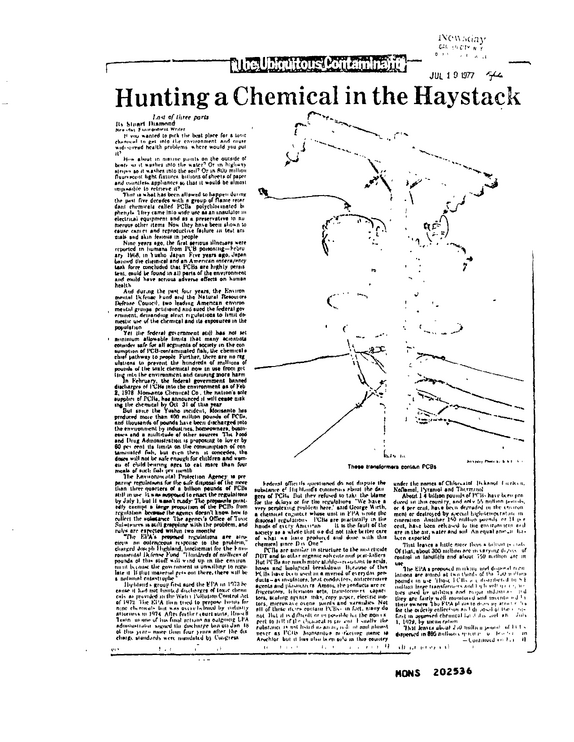
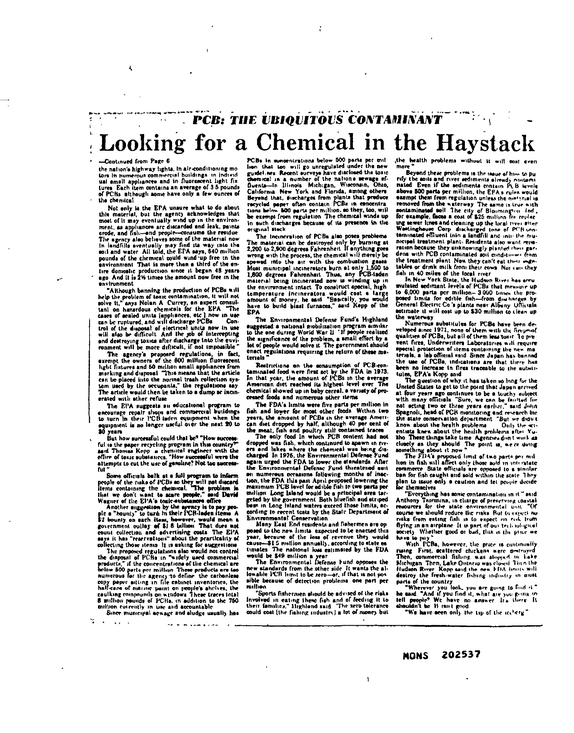
s#. by uiciiM mi urn Thit Jcnuw uih'Ul 2 nuJlu u nMM- d*fjierwd innnlhtiim *ruti i' u K-'-i m -- Lonliiiuul * n 11 i D * ll f,i h * f * 11 i HONS 202530 ~ - PCB: THE CBIQEITOIS COXTAIflIXAIXT 4- Looking for a Chemical in the Haystack Continued from Pip 6 K8i In sufterniration* below 500 part* per mil (the health problem* without It will eom even the ml ion* highway light*, In air-conditioning mo tore In numerous commercial building* in Individ ual amtlt appliance* and in fluorescent light fie lure* Each item contains an average of 3 5 pound* of PCft* although some have only a few ounce* of the chemical Not only U the EPA unsure what to do about ihl* material, but the agency acknowledge* that moil of It m*y eventually wind up in the environ' ment, ai appliance* arc discarded and leak, paint* erode, and fish--end people--consuma the residue The agency alao behove* some of the material now fn landfill* eventually may find it* way into tha oil and water All told, Lhe EPA aays, 640 million pound* of the chemical could windup free tn the nvlronment That ii more than a third of the en tire domestic production amee it began 48 year* go And It ia 2W times the amount now free in the environment "Although banning lhe production of PCBt mil help the problem of tone contamination, tt will not solve It," any* Nolan A Currey, an expert consul' tanl on hazardous chemical* for the EPA "The cam of aealed unit* (appliances, etc 1 now in use can be ruptured, and will discharge PCB* Con trol of Lite disposal of electrical units now tn use will also be difficult And the job of intercepting and destroying toxica after discharge Into tlte euvi* moment will be more diflicult, iT not impossible p The agency's proposed regulations, in fact, exempt the owners of the 600 million fluorescent light fixtures and 60 million small appliance* from m*rkmg and disposal "This mean* that the article can be placed into the normal traah collection ays' lem used by the occupant*." the regulations say The article would then be taken to dump ar inein- crated with ether refuae lion that too will go unregulated under the new guidel.nea Recant survey* have disclosed the tone chemical re a number of the nahons sewage tfOuenla--In Illinois Michigan, Wisconsin, Ohio.
refid# 1Q4nvkDdb6o6XkjOv1eoarkNZ2 pages
Hater Fish Hater Hater Hater Fish Hater .
refid# gbroz5YMoMywLB31jdDY1Nb2N9 pages
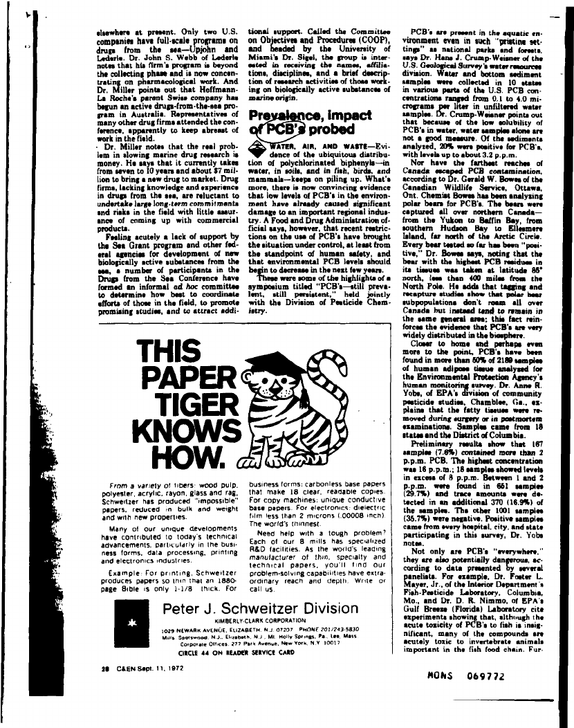
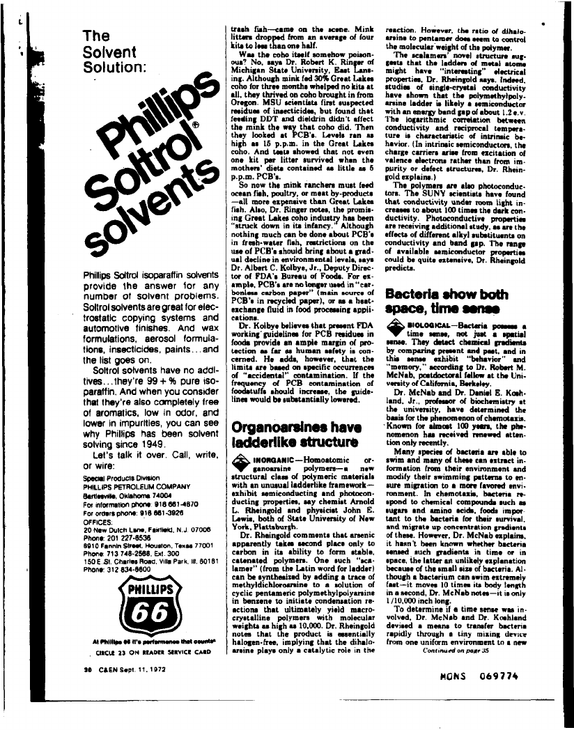
Mayer, Jr., of the Interior Department s Fish-Pesticide Laboratory.
refid# QkaB5mEG7d2ZKR26epgN0njXo3 pages
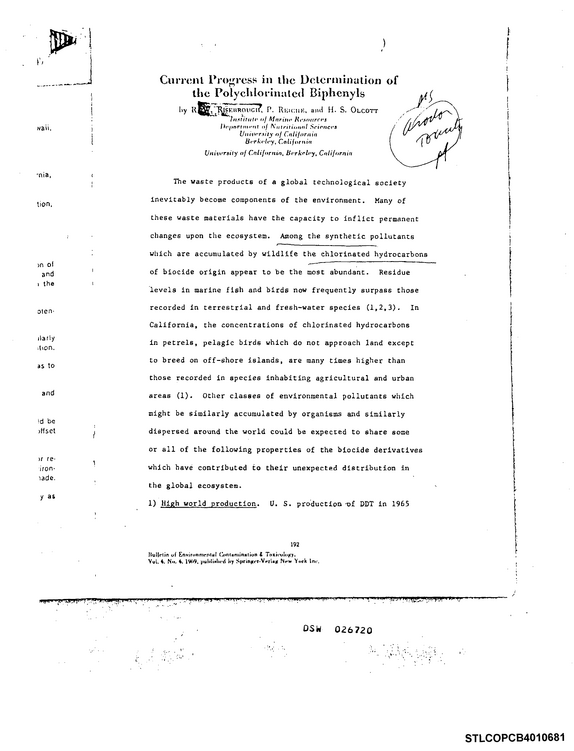
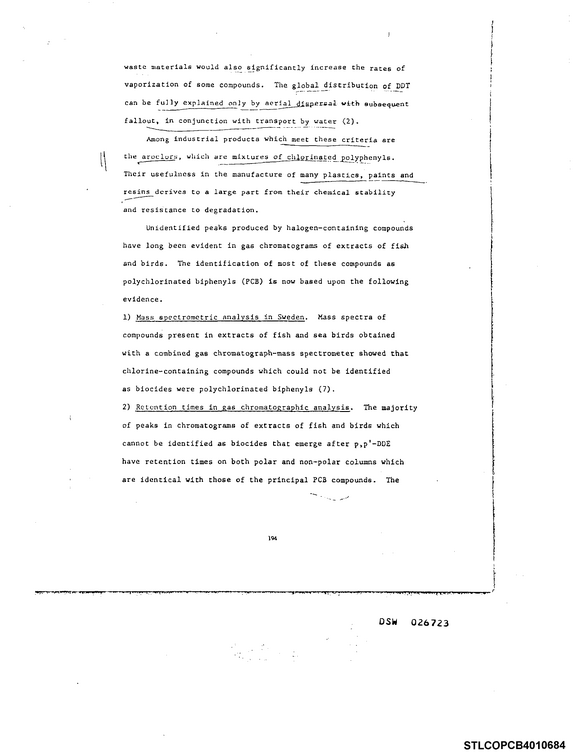
Residue levels in marine fish and birds now frequently surpass those recorded in terrestrial and fresh-water species (1,2,3).
refid# ykyZp1L7j6p20qjOKYOwgzXLn11 pages
There can be no doubt that traces of PCB's (Aroclors) are to be found in wild life, fish and certain items of human diet. 2.
refid# 6wmBRYrNYdMdVga9govgXjg9R10 pages
At that time they did not report positive findings in fish, shell fish or other marine organisms.
refid# aJm5R2kKwQ8QygwNr5aG2v8XN13 pages
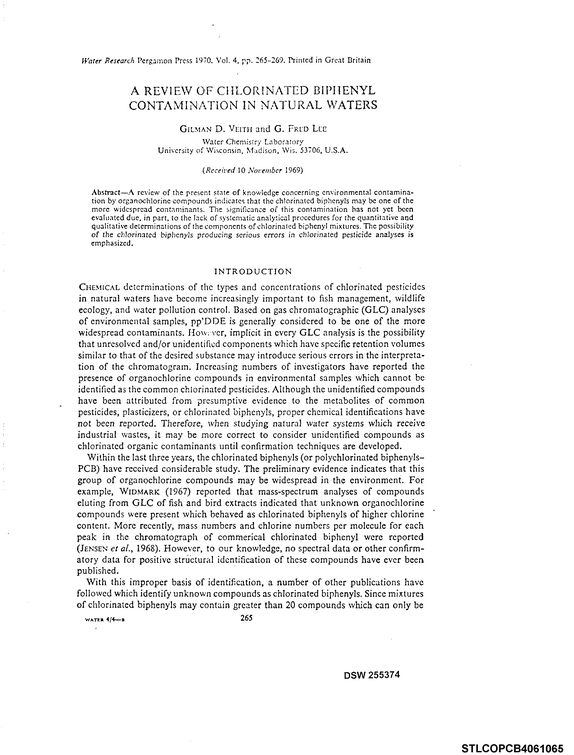
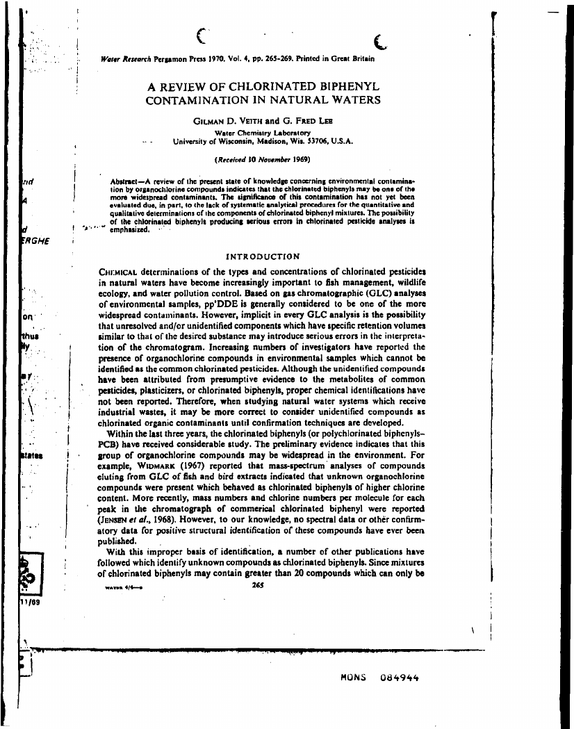
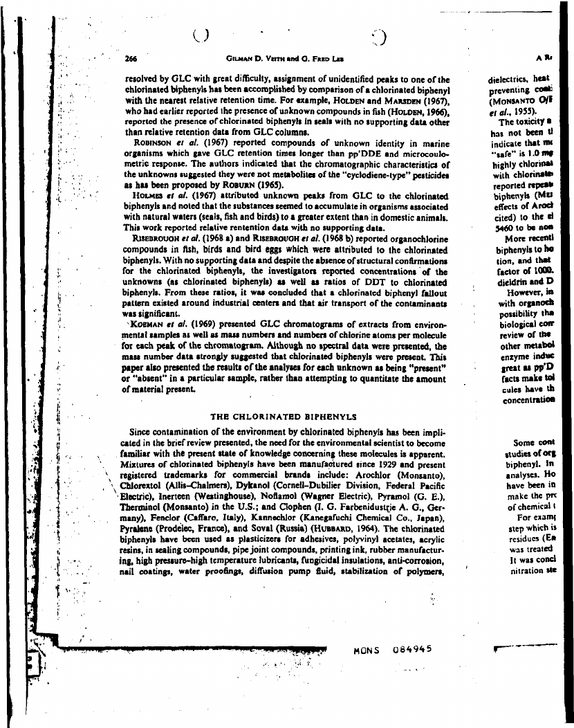
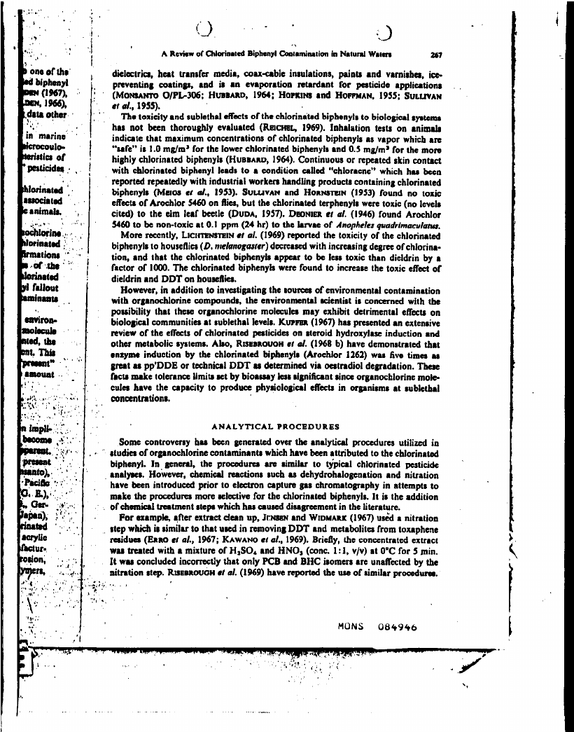
Risebrough et al. (1968 a) and Risebrough et al. (1968 b) reported organochlorinc compounds in fish, birds and bird eggs which were attributed to the chlorinated biphenyls.
refid# bDaxR9m0JY67Djb5X59G4m5o5 pages
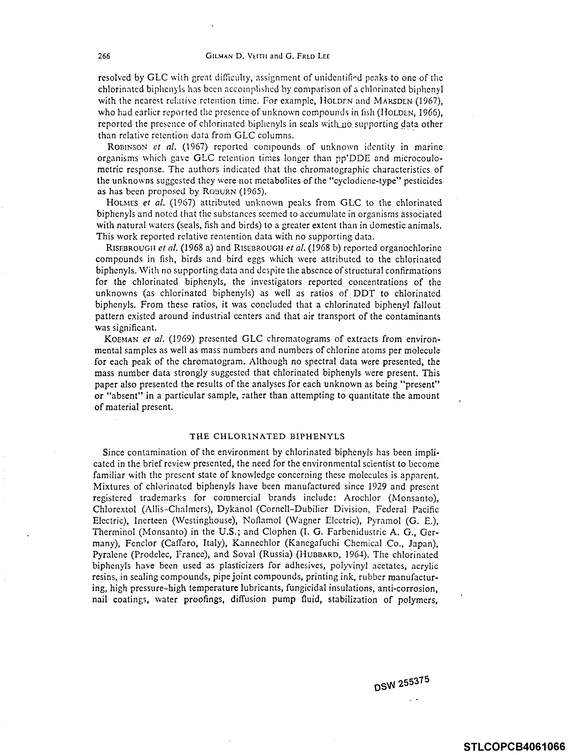
Risebrouoh tl al. (1968 a) and Risebkovoh el al. (1968 b) reported organochlorine compounds in fish, birds and bird eggs which were attributed to the chlorinated biphenyls.
refid# aBL3m25bOVKQ5aab7dkMDkGr95 pages
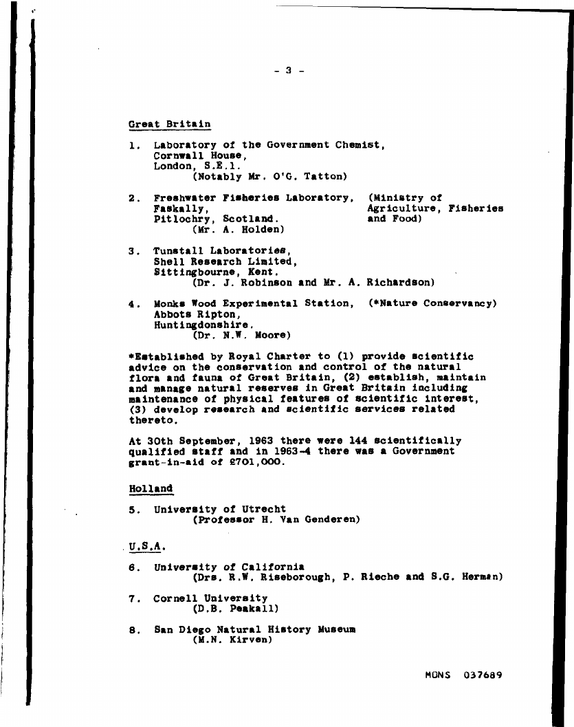
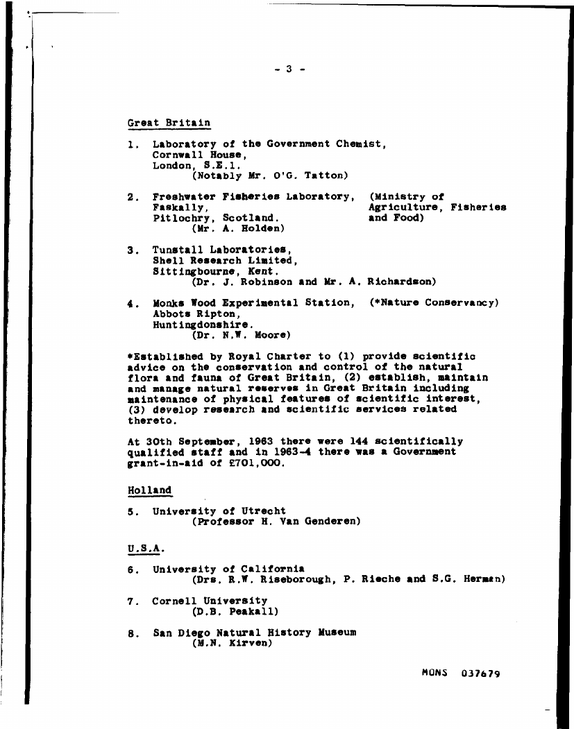
Department of Interior, Fish and Wildlife Lab oratories at Paturent ^.Maryland were visited.
refid# 85JO8qrMzEEbDGbEKvXmQbZ5Z13 pages
There can be no doubt that traces of PCB's (Aroclors) are to be found in wild life, fish and certain items of human diet. 2.
refid# QMXDrKQRwOynJZYqo5x8ragYL10 pages
Extracts from freshwater and seawater fish show fairly low amounts of PCB's, while seal blubber contains considerably more.
refid# g2K5oGGOBNOLLYrxnJgx3Q0qQ10 pages