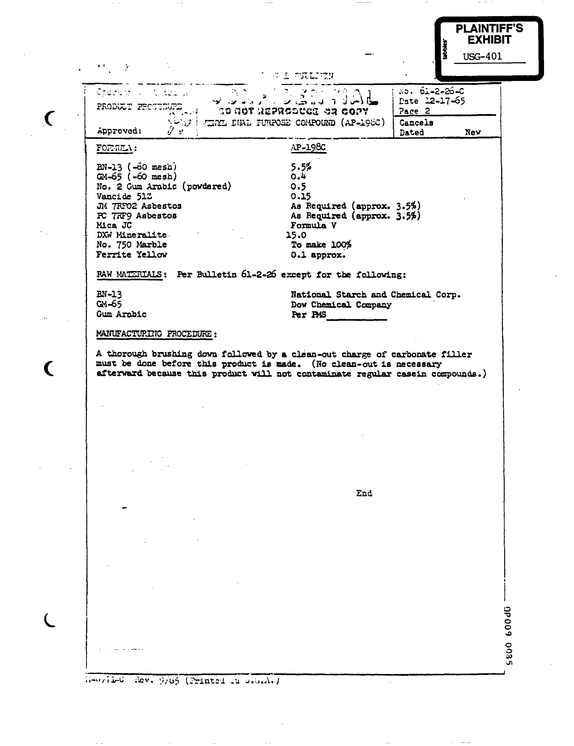
PLAINTIFF'S EXHIBIT USG-401 PRODUCT Pr.COTRUP.Z Approved: V Li-1 ' (j i> FORMULA: 1 "JI-LL7N ;\v ' lj - .1 j - .i/ ~l J tsub 10 fJOT U2?
refid# ga6ybB1GEO3E98Knm1KkDk4DJ1 page
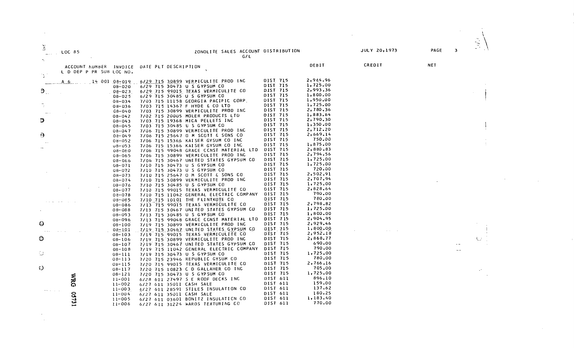
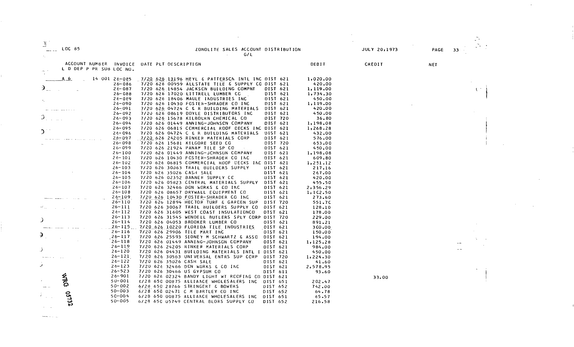
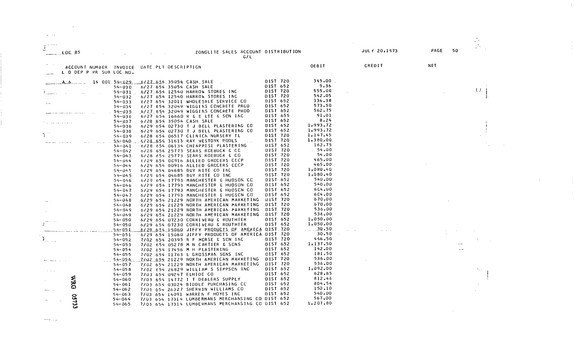
AvAu LOC 85 ZONOLITE SALES ACCOUNT D ISTR I BUT ION G/L ACCOUNT NUMBER INVOICE L D DEP P PR SUB LOC NO.
refid# vVDvqyR0o3XEjxdrQvoOnvyb912 pages
.,,,.
refid# RaXRyaVKQ56GGVZJLNK31Z3kB58 pages
refid# 06pEe68L1NLyyE0mJQoLrbK1O2 pages
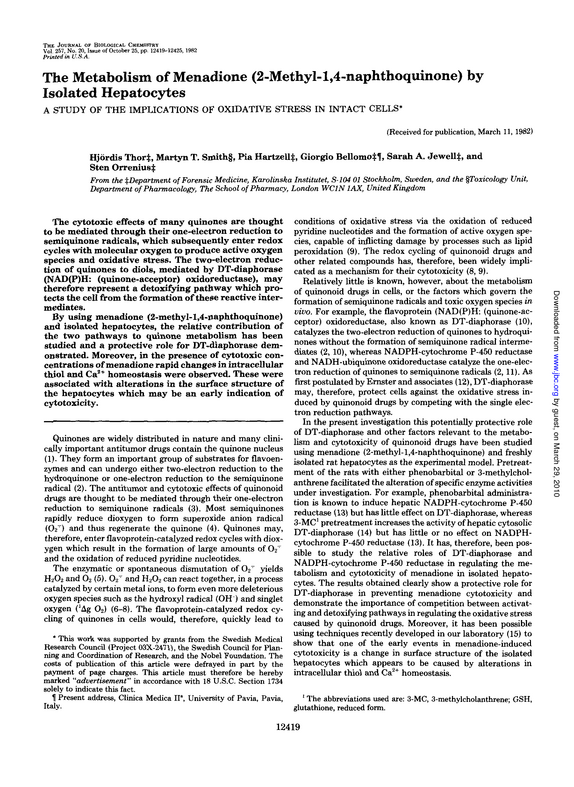
THEJOURNALOF BIOLOGICCAHLEMISTRY Vol 257, No. 20, Issue of October 25. pp. 12419-12425, 1982 Printed in U.S.A.
refid# Emxx4LoJ27y5kxXzV3EgVz0YL7 pages
Toxicogenomics Workshop Summary Applying New Biotechnologies to the Study of Occupational Cancer-- A Workshop Summary Mark Toraason,1,* Richard Albertini,2 Steven Bayard,3 William Bigbee,4 Aaron Blair,5 Paolo Boffetta,6 Stefano Bonassi,7 Steven Chanock,5 David Christiani,8 David Eastmond,9 Samuel Hanash,10 Carol Henry,11 Fred Kadlubar,12 Frank Mirer,13 Daniel Nebert,14 Stephen Rapport,15 Kathleen Rest,16 Nathaniel Rothman,5 Avima Ruder,1 Russell Savage,1,* Paul Schulte,1,* Jack Siemiatycki,17 Peter Shields,18 Martyn Smith,19 Paige Tolbert,20 Roel Vermeulen,5 Paolo Vineis,21 Sholom Wacholder,5 Elizabeth Ward,22,* Michael Waters,23 and Ainsley Weston24 1National Institute for Occupational Safety and Health, Cincinnati, Ohio, USA; 2University of Vermont, Burlington, Vermont, USA; 3Occupational Safety and Health Administration, Washington, DC, USA; 4University of Pittsburgh Cancer Institute, Pittsburgh, Pennsylvania, USA; 5National Cancer Institute, National Institutes of Health, Department of Health and Human Services, Bethesda, Maryland, USA; 6International Agency for Research on Cancer, Lyon, France; 7National Institute for Research on Cancer, Genoa, Italy; 8Harvard School of Public Health, Boston, Massachusetts, USA; 9University of California, Riverside, California, USA; 10University of Michigan, Ann Arbor, Michigan, USA; 11American Chemistry Council, Arlington, Virginia, USA; 12National Center for Toxicological Research, Jefferson, Arkansas, USA; 13Health and Safety Department, International Union, United Auto Workers, Detroit, Michigan, USA; 14University of Cincinnati, Cincinnati, Ohio, USA; 15University of North Carolina, Chapel Hill, North Carolina, USA, 16National Institute for Occupational Safety and Health, Washington, DC, USA; 17University of Montreal, Montreal, Canada; 18Georgetown University, Washington, DC, USA; 19University of California, Berkeley, California, USA; 20Emory University, Atlanta, Georgia, USA; 21University of Torino, Torino, Italy; 22 American Cancer Society, Atlanta, Georgia, USA; 23National Institute of Environmental Health Sciences, National Institutes of Health, Department of Health and Human Services, Research Triangle Park, North Carolina, USA; 24National Institute for Occupational Safety and Health, Morgantown, West Virginia, USA As high-throughput technologies in genomics, transcriptomics, and proteomics evolve, questions arise about their use in the assessment of occupational cancers.
refid# jyjgvv96dnOjZ968xjq9eron54 pages
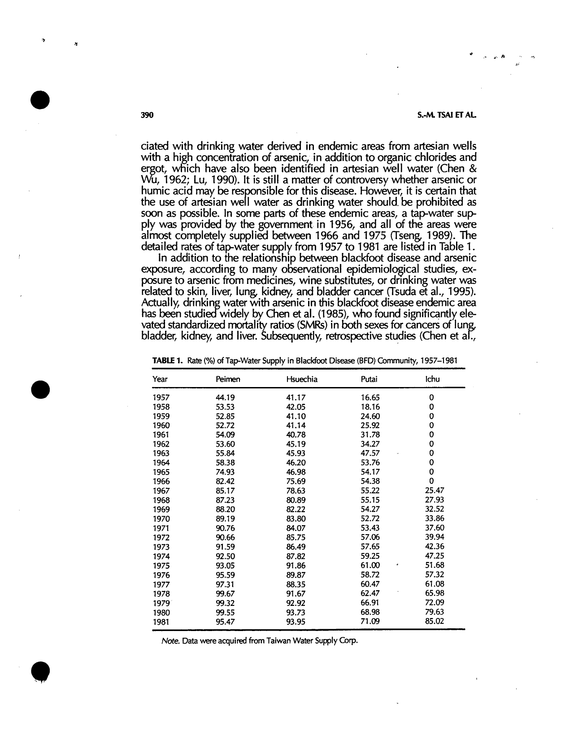
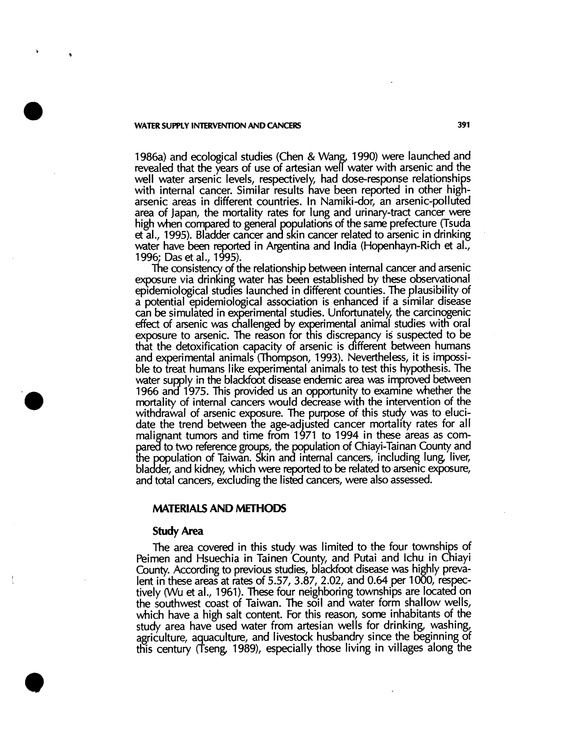
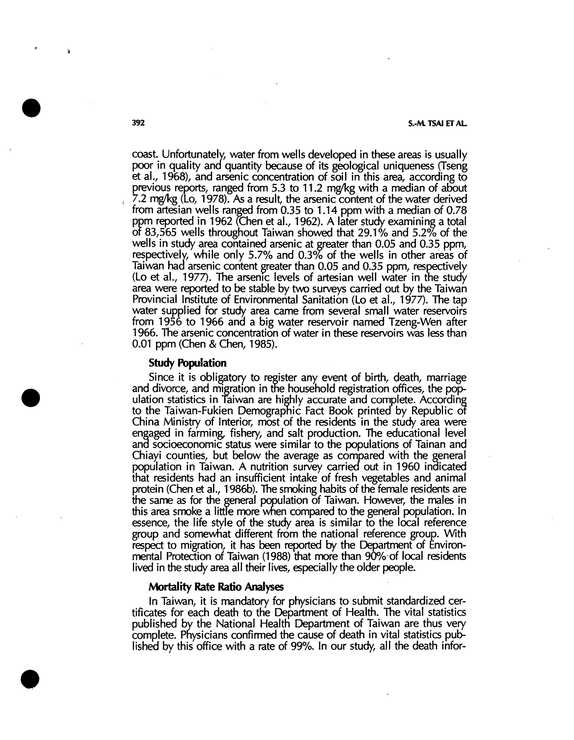
refid# 6b4gY97ObOXGX7k56jmMmkXEm16 pages
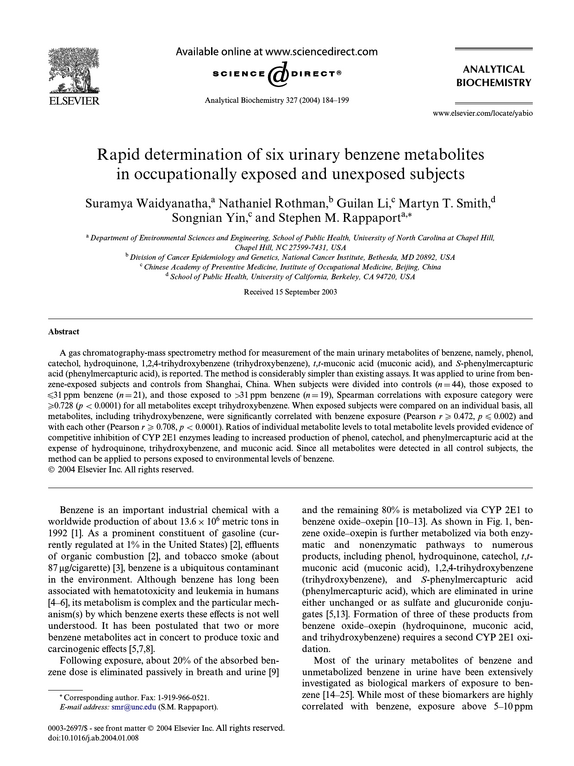
Analytical Biochemistry 327 (2004) 184199 ANALYTICAL BIOCHEMISTRY www.elsevier.com/locate/yabio Rapid determination of six urinary benzene metabolites in occupationally exposed and unexposed subjects Suramya Waidyanatha,a Nathaniel Rothman,b Guilan Li,c Martyn T.
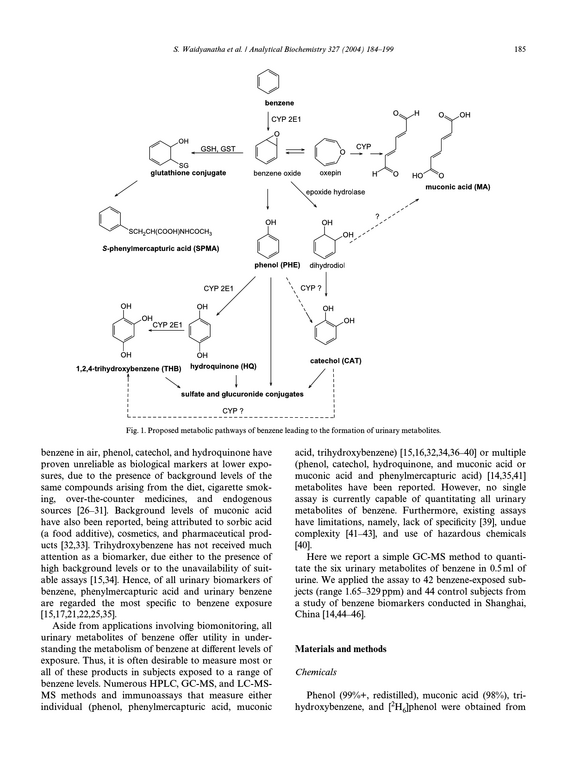
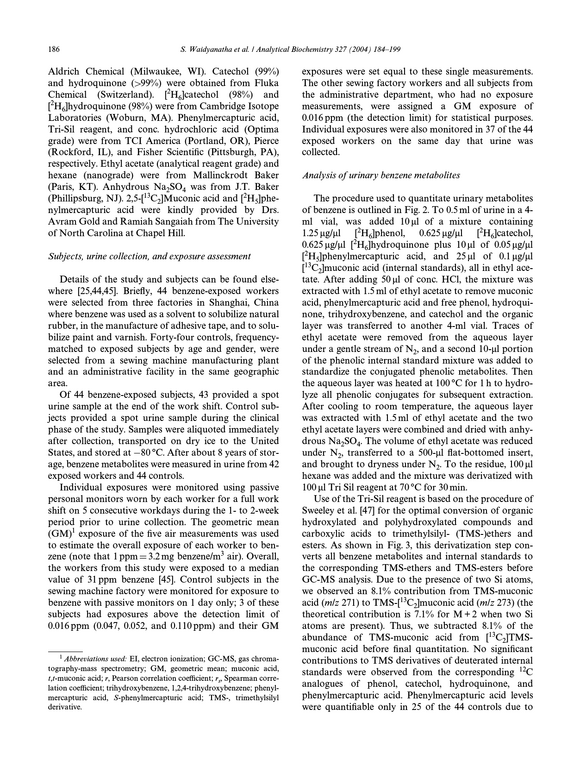
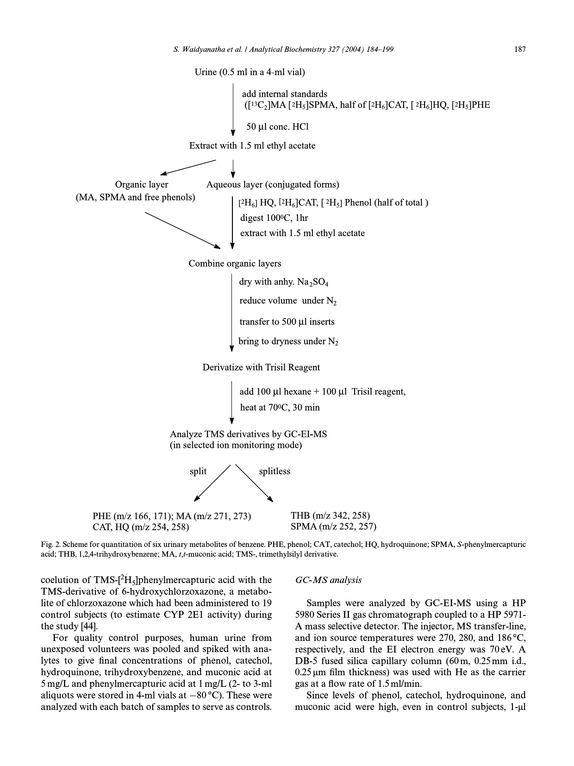
refid# 5DRaop7EDRbLx4pe24rGe2LLJ16 pages
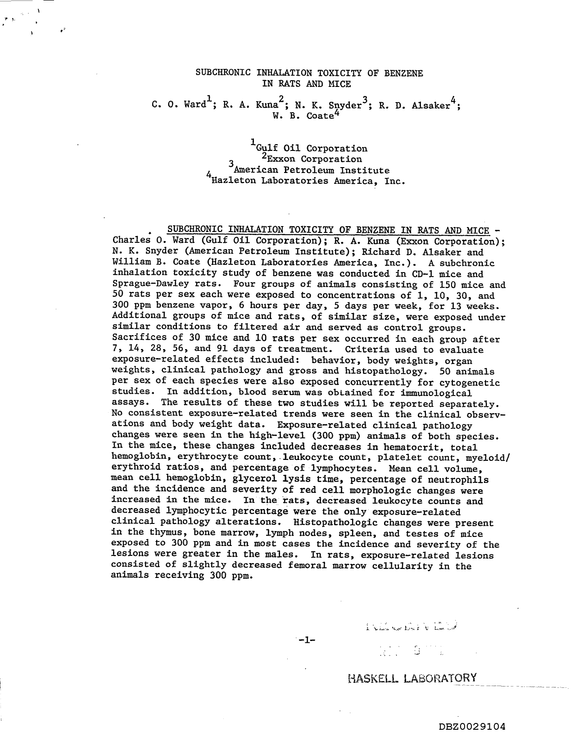
refid# 5kqBzrmD0mjoqoO08YD70EyZD28 pages
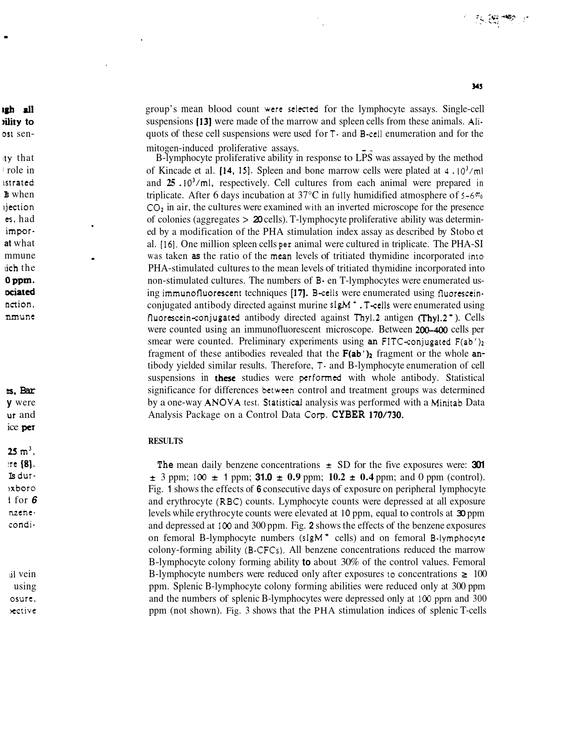
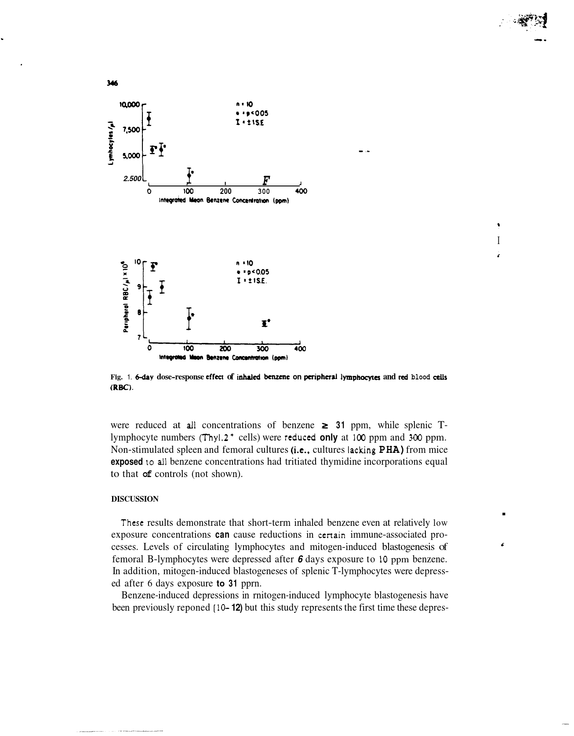
DEPRESSlONS IN 5 AND ?
refid# g37n4y9m9aKE8wZ71ovY9DbL7 pages
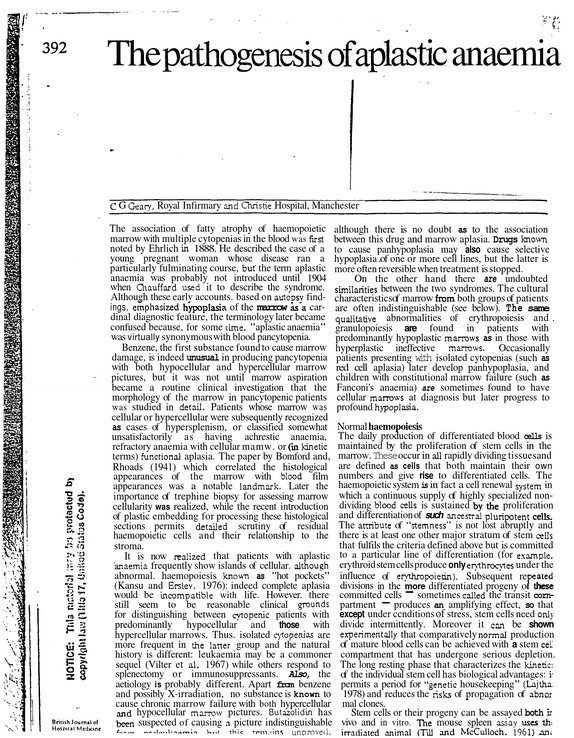
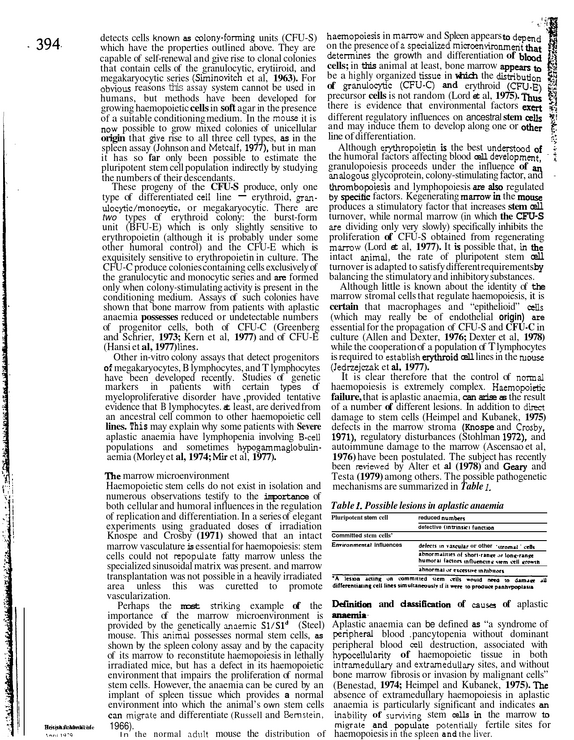
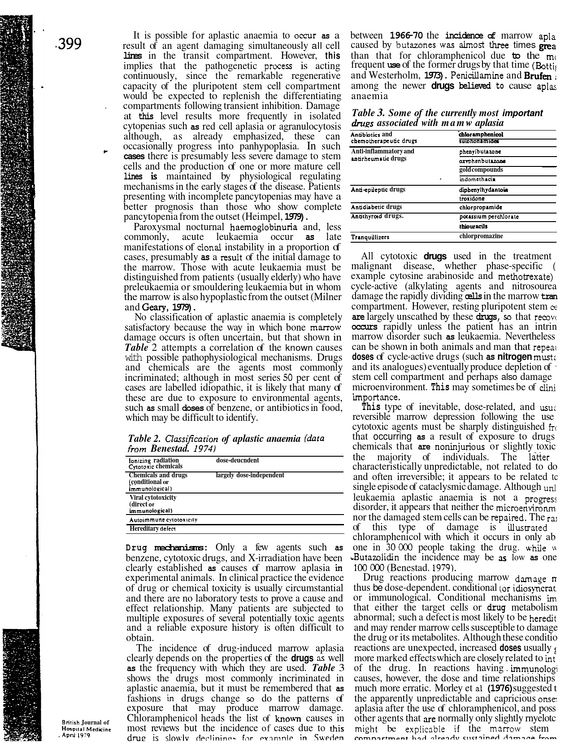
392 Thepathogenesisofaplasticanaemia c C G G a r y , Royal Infirmary and Christie Hospital, Manchester ~ The association of fatty atrophy of haemopoietic although there is no doubt as to the association marrow with multiple cytopenias in the blood was fkst between this drug and marrow aplasia.
refid# o9vXJgL45DQXKKy8mnZwqoNxD7 pages
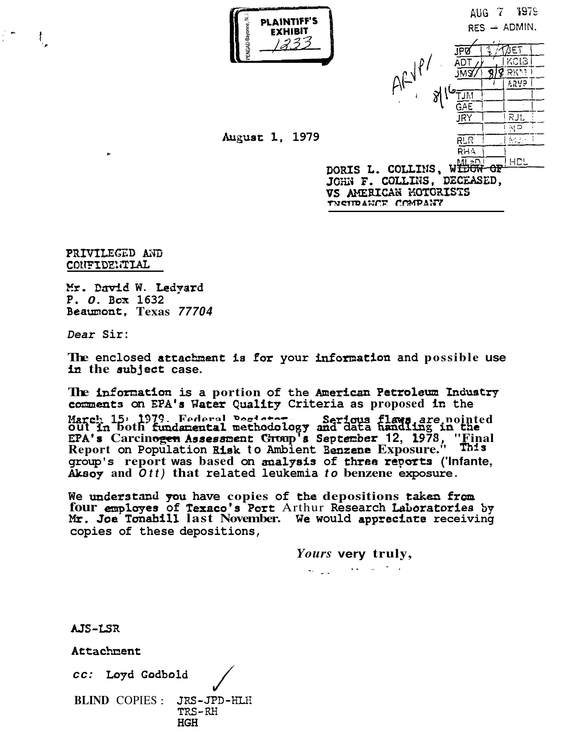
Auguat 1, 1979 c PRIVILEGXD K G C01lFIDZXTIA.L Ex.
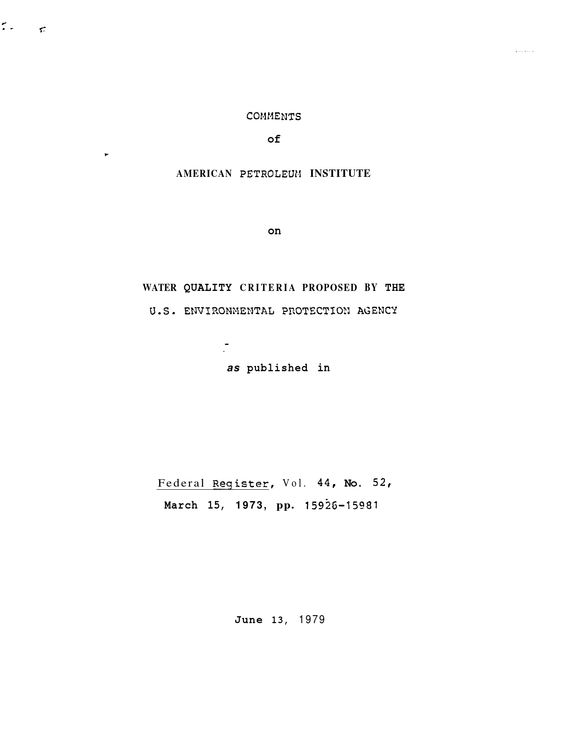
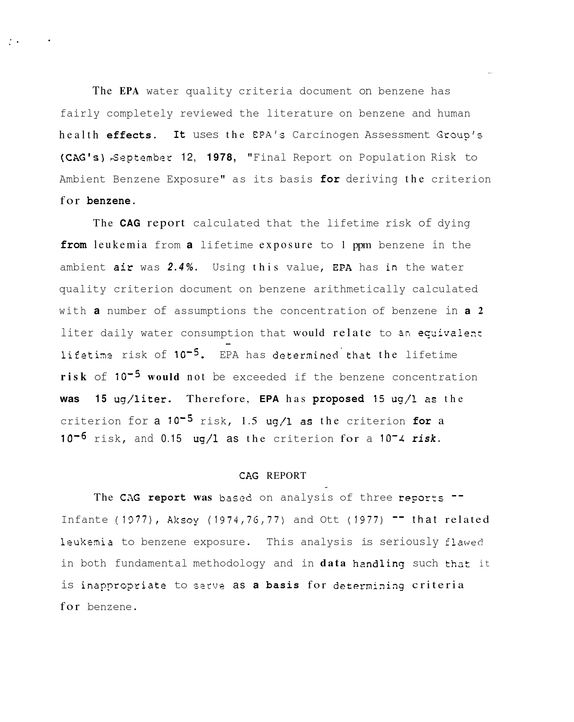
refid# 6Bym99mR0okdZXJ0deE8xx4a319 pages
Free Rud.
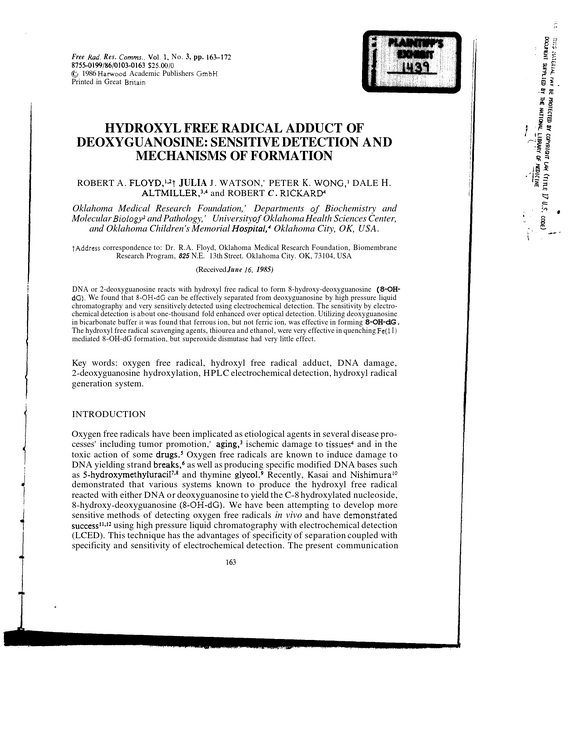
refid# K3ygxnDgmepGwagVzrdeqZ9N10 pages
hods for the 3, 173-215. roth and H.
refid# jBLqq79Je7Dyqp2vKnmBZEVL97 pages
refid# M4XGENqQm3Vvvgv6aR8b75Dqa18 pages