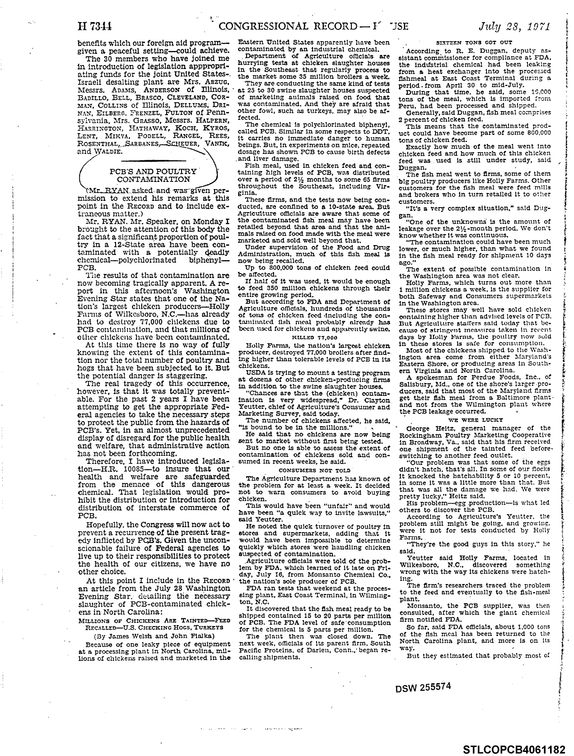
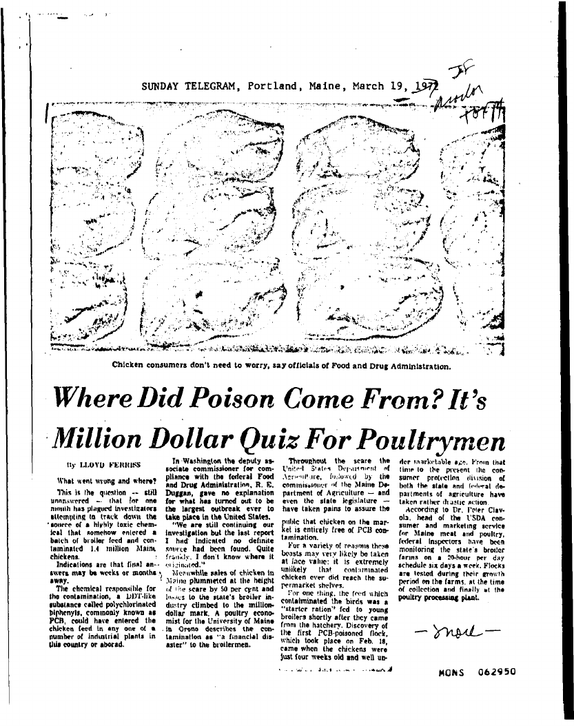
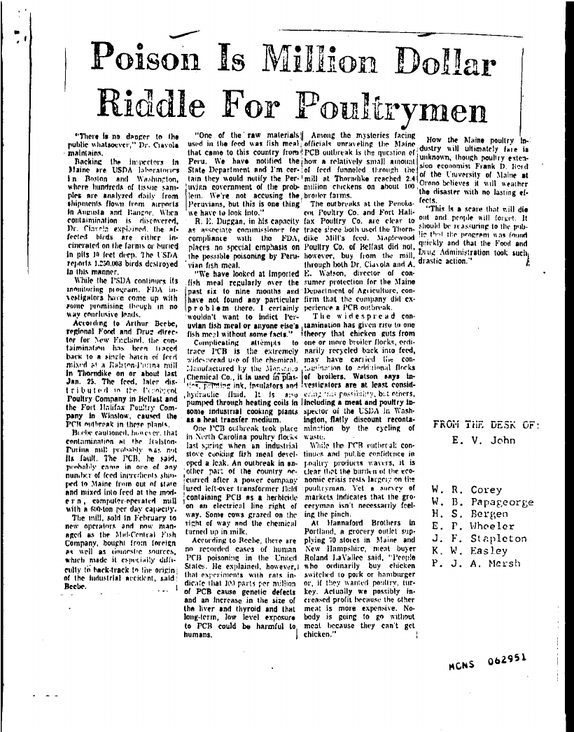
Generally, said Duggan, fish meal comprises 2 percent of chicken feed.
refid# pmLkMORbdGpYwXp4DBXJ0JXR62 pages
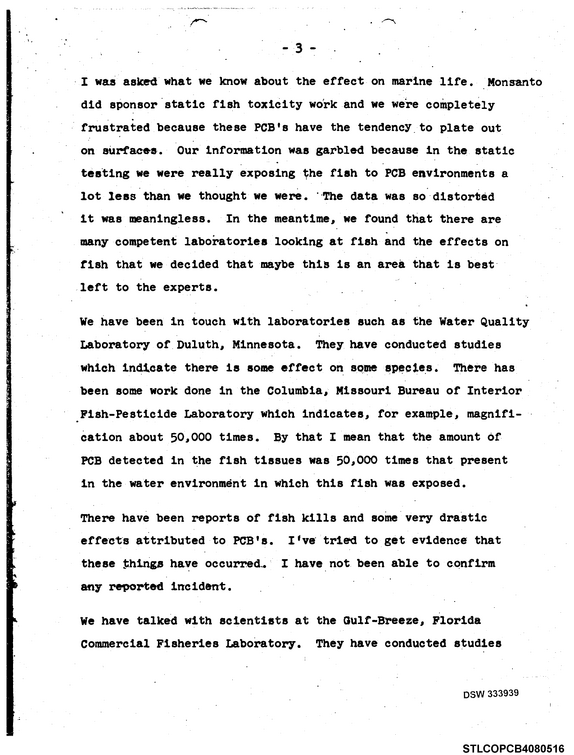
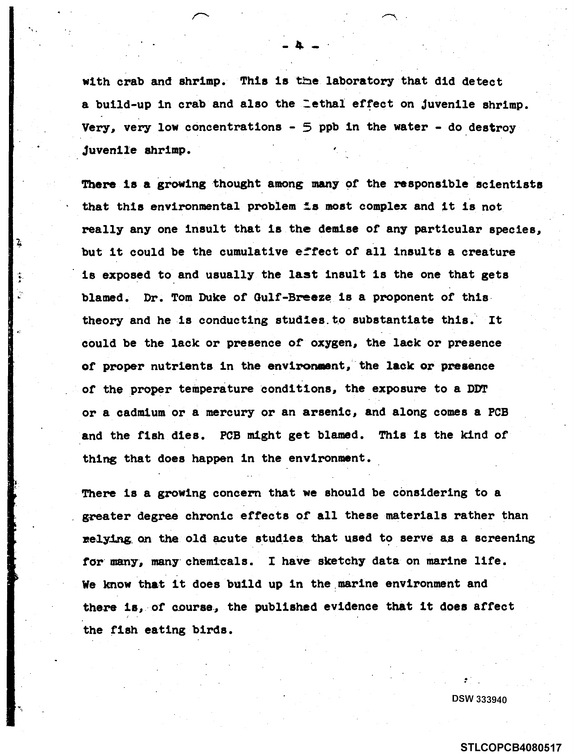
There seems to be minimal affect on adult fish.
refid# rp1y5Lr50zkJrZ9r22LLJorME16 pages
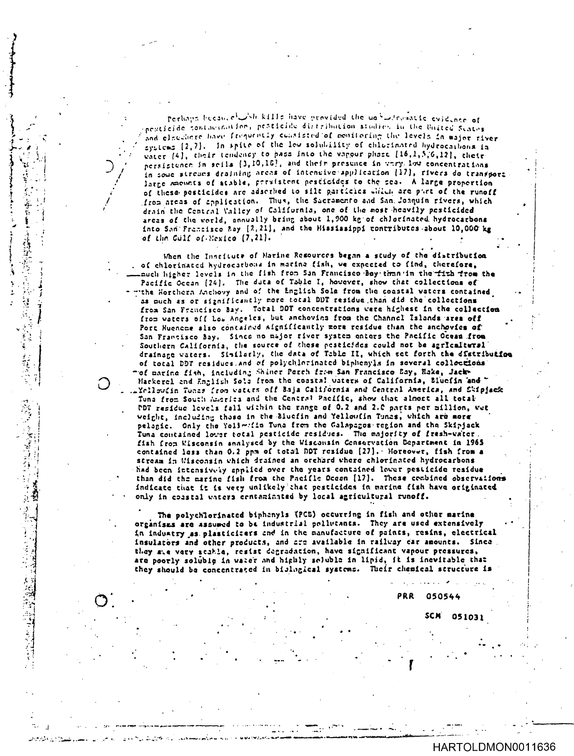
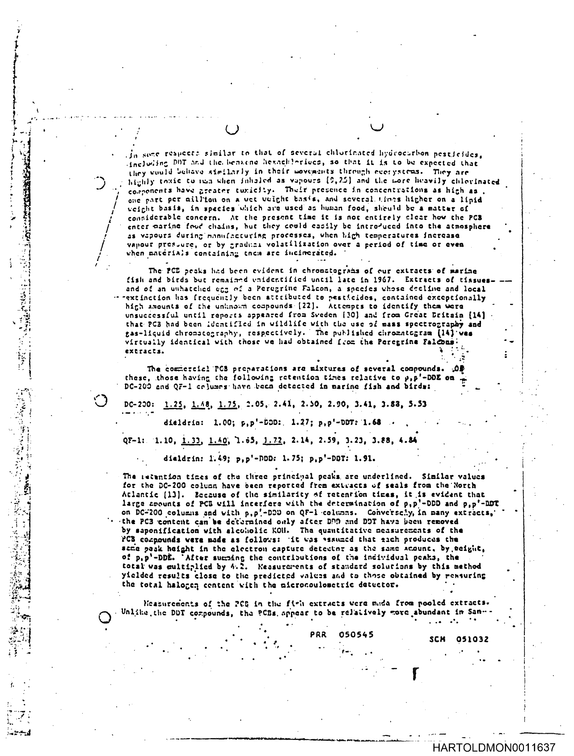
fish Crop Wisconsin analysed by the Wisconsin Conservation Department in 1965 contained lass than 0.2 ppm of total DOT residue (27).- Moreover, fish from a .
refid# m10ag9N3oyOv9O1w8VOm6Epk18 pages
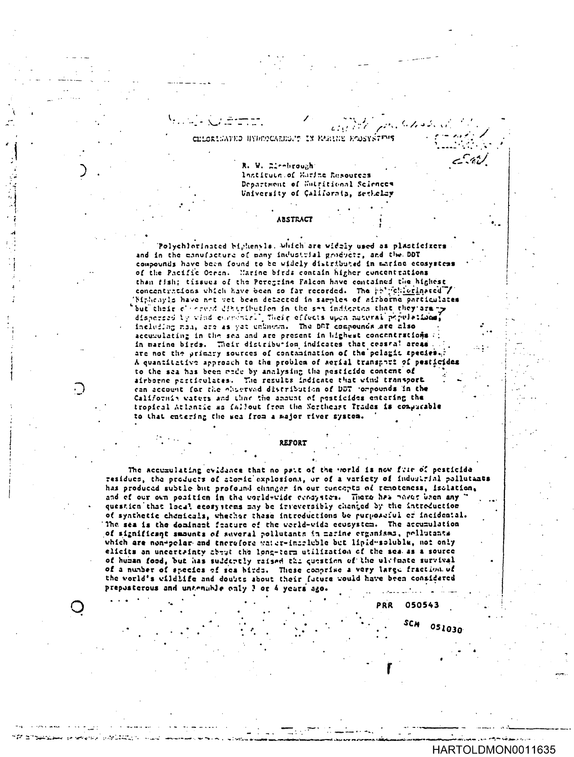
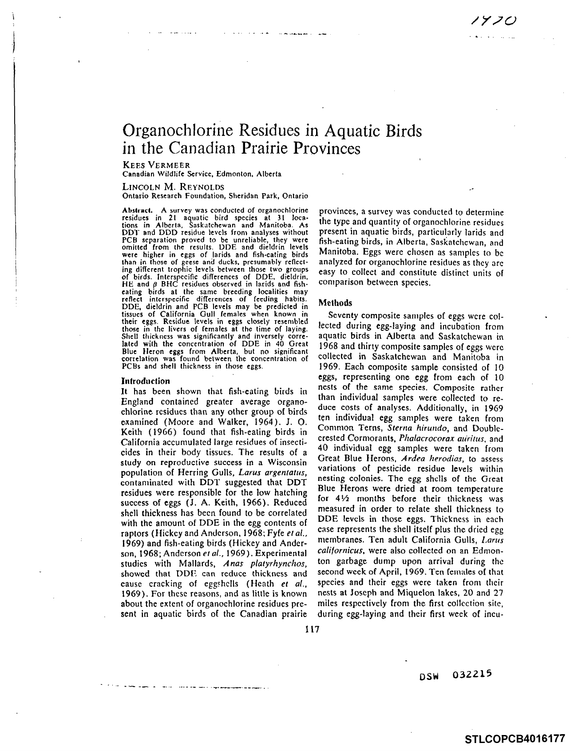
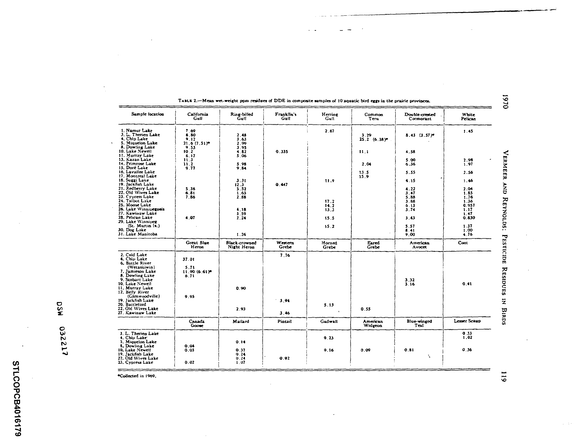
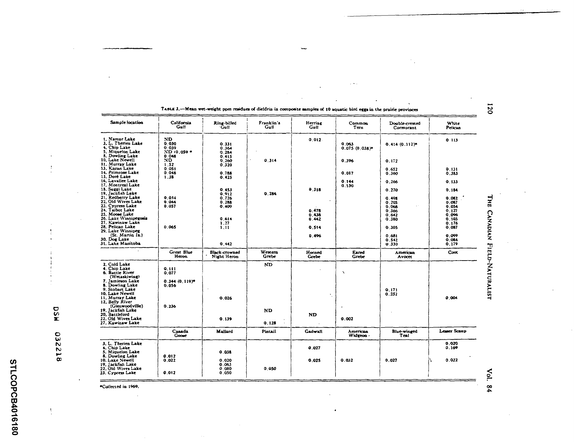
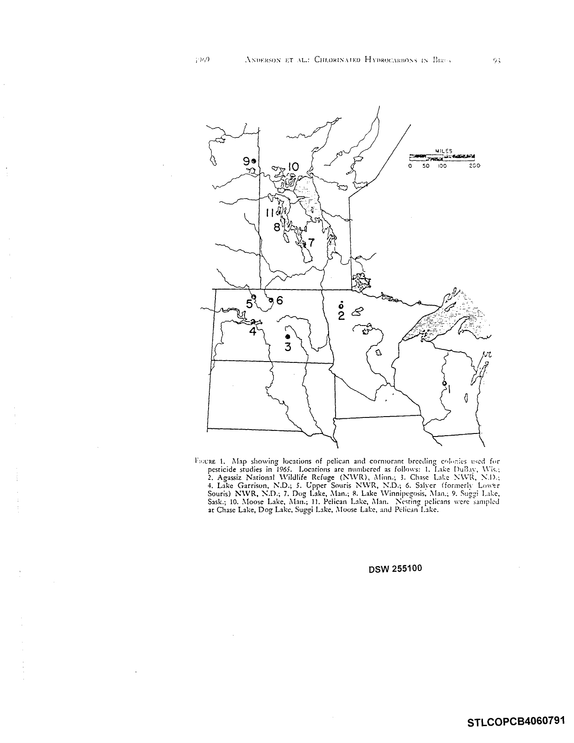
Keith (1966) found that fish-eating birds in California accumulated large residues of insecti cides in their body tissues.
refid# 5Oo8Mm9E9K6mznXXqqVyXLmV14 pages
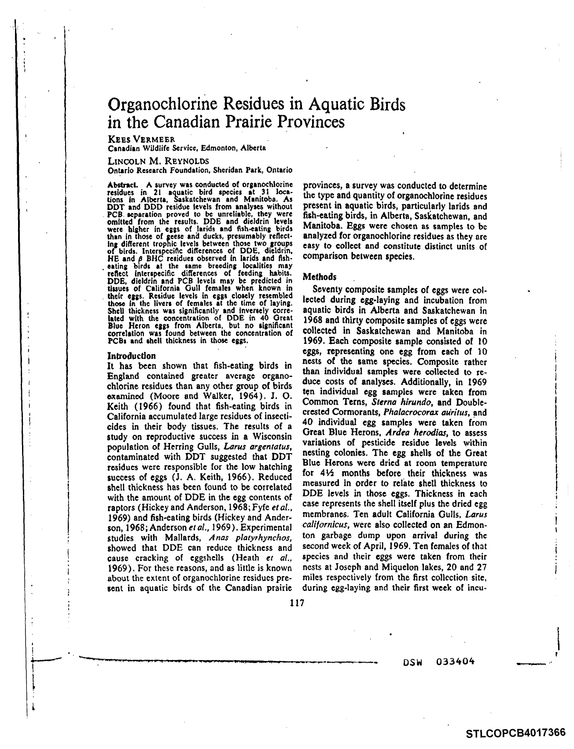
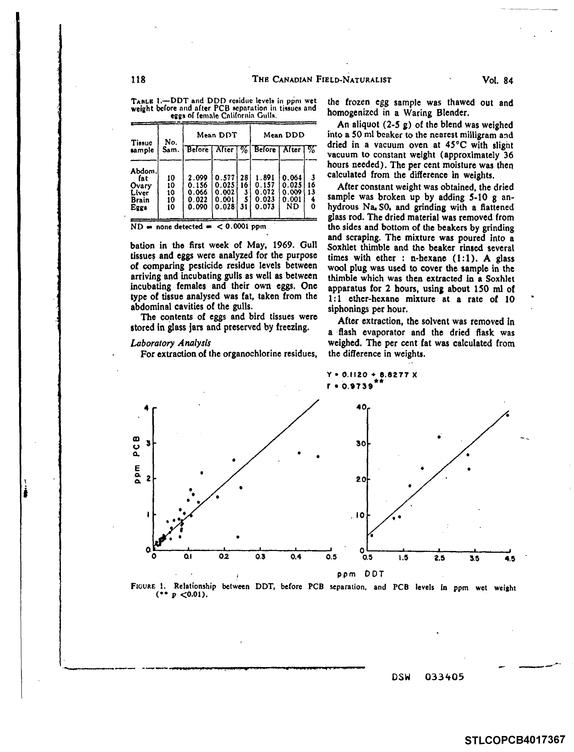
Keith (1966) found that fish-eating birds in California accumulated large residues of insecti cides in their body tissues.
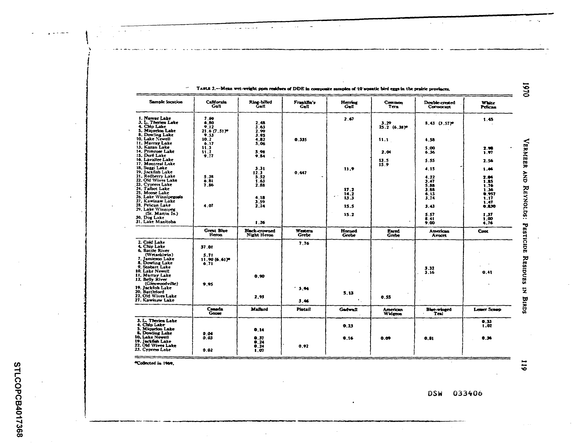
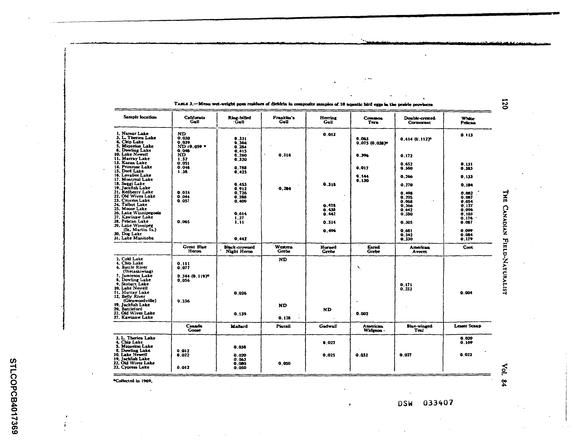
refid# mp0g4VNYBbqV3mM24Bb6JO4bO14 pages
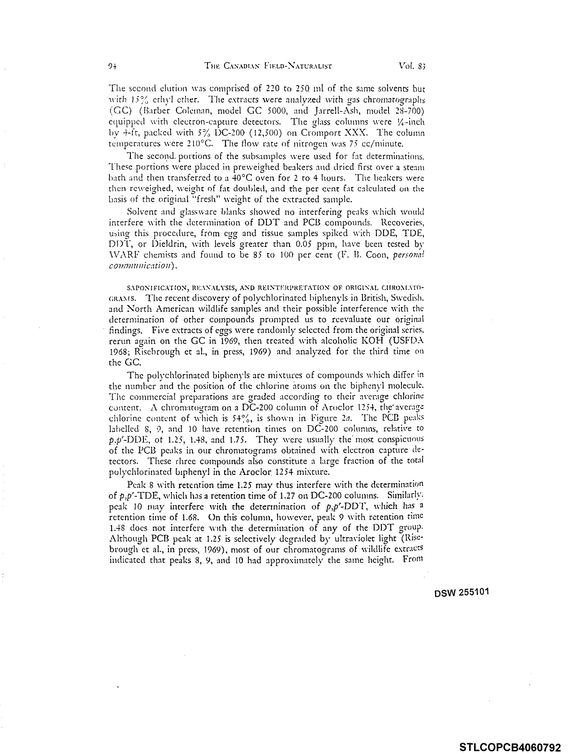
Where differences in fish size were encountered, we used equal volumes of ground material to give each fish equal representation in the pool.
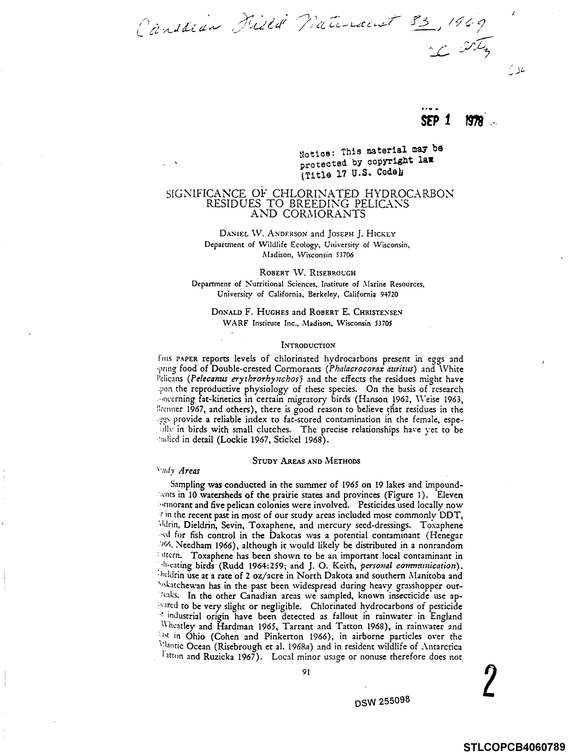
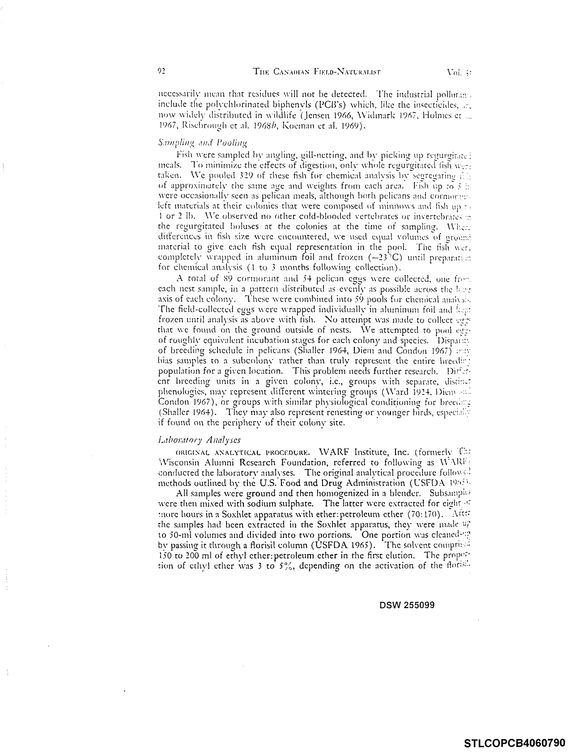
refid# Rav9Nn73myberMYXd9Q8jzkv724 pages
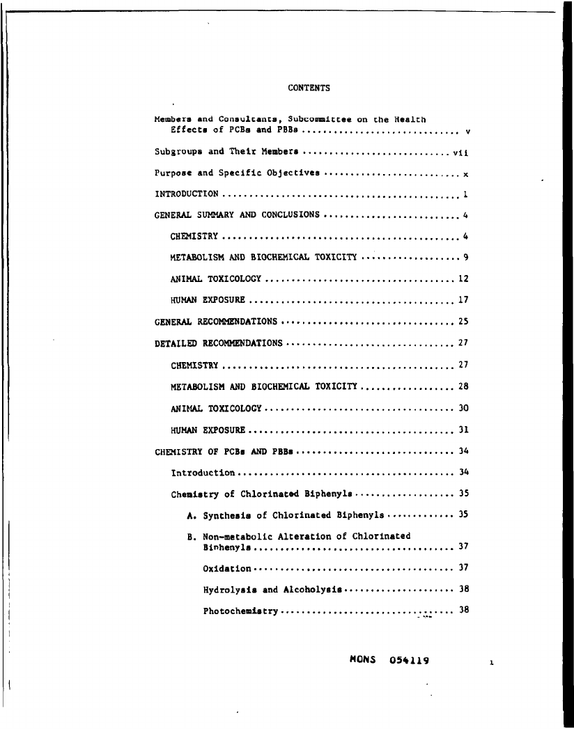
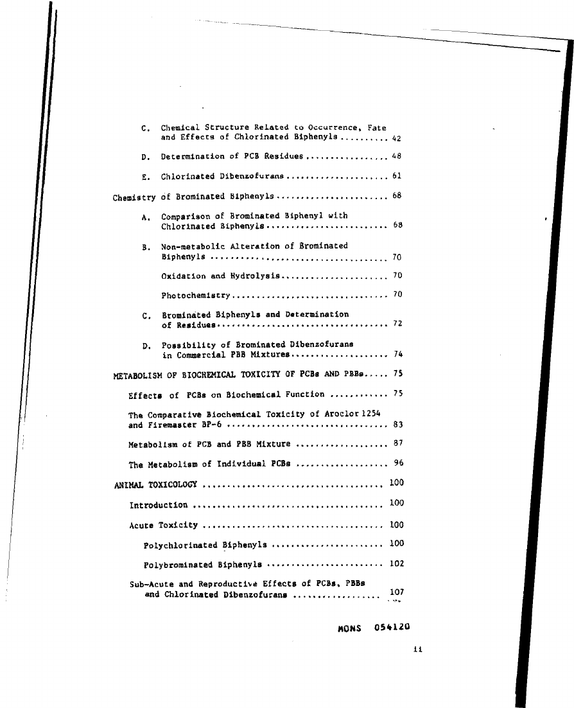
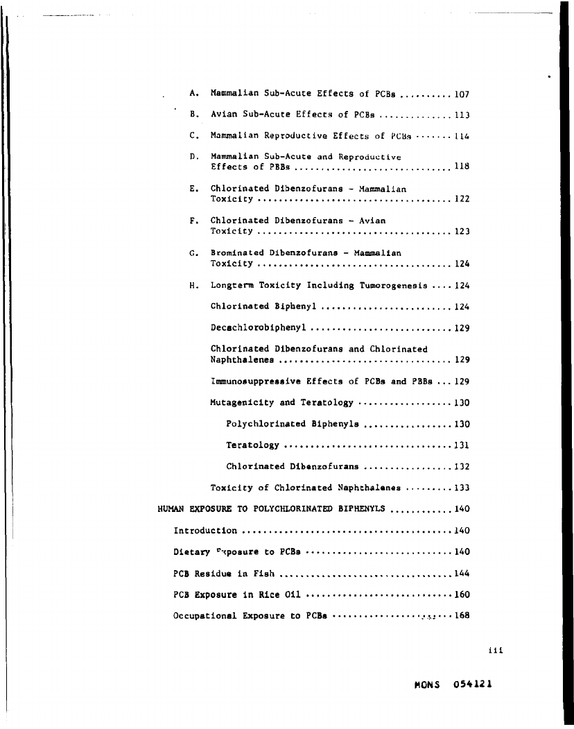
Longterm Toxicity Including Tumorogenesis .... 124 Chlorinated Biphenyl ..................................................... 124 Decachlorobiphenyl .......................................................... 129 Chlorinated Dibenzofurans and Chlorinated Naphthalenes ....................................................................... 129 Immunosuppressive Effects of PCBs and PBBs ... 129 Mutagenicity and Teratology ...................................... 130 Polychlorinated Biphenyls .................................... 130 Teratology............................................................... 131 Chlorinated Dibenzofurans .................................... 132 Toxicity of Chlorinated Naphthalenes .................. 133 HUMAN EXPOSURE TO POLYCHLORINATED BIPHENYLS ......................... 140 Introduction................................................................................. 140 Dietary p*<posure to PCBs...................................................... 140 PCB Residue in Fish.................................................................144 PCB Exposure in Rice Oil...................................................... 160 Occupational Exposure to PCBs.......................................168 il HONS 054121 Air and Water Exposure to PCBs...............................................182 Residues of PCB inHumanTissue andMilk.............................184 HUMAN EXPOSURE TO POLYBROMINATEDBIPHENYLS ............................. 187 Introduction.........................................................................................187 Human Exposure ....................................................................................188 MONS 054122 iv SUBCOMMITTEE ON THE HEALTH EFFECTS OF POLYCHLORINATED BIPHENYLS AND POLYBROMINATED BIPHENYLS Chairperson Albert C.
refid# V6mrz2DKK4RwJo2eE4JwQb18235 pages
Fish, Wildlife and Pesticides, USDI. 3.
refid# QXj687xeQ8O9rngKQMO5bkBN62 pages
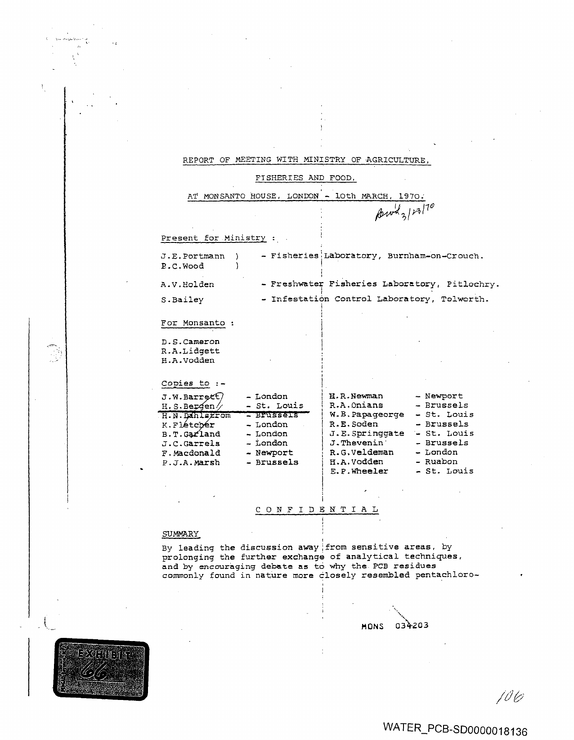
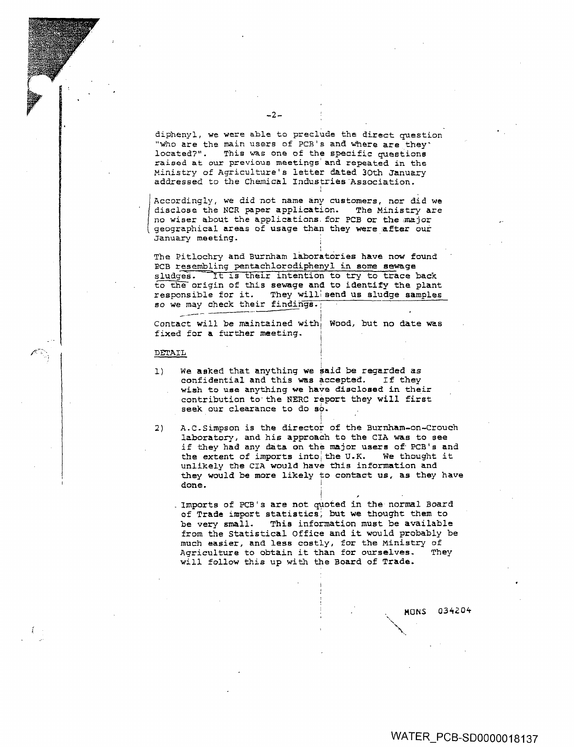
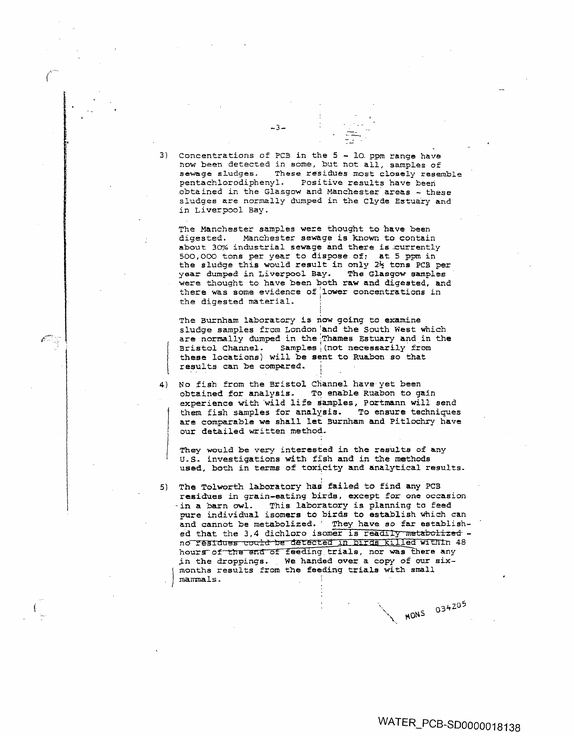
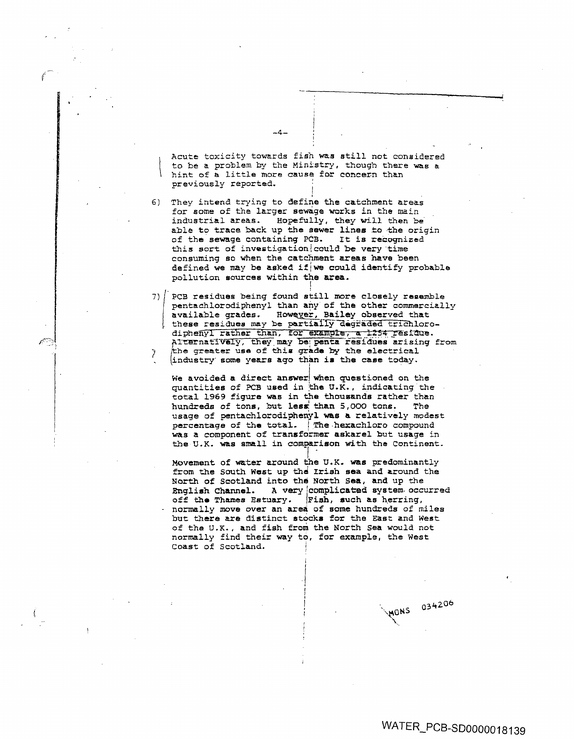
j Arrange for analysis of sewage sludge and fish samples and comparison of results.
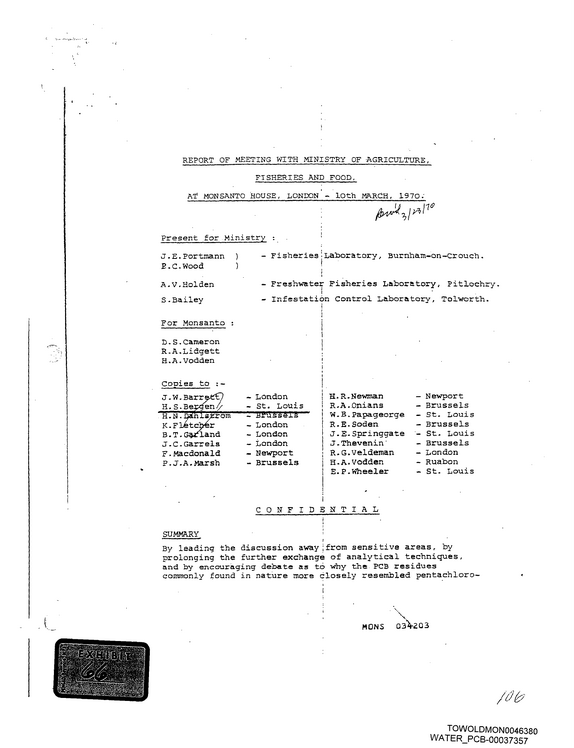
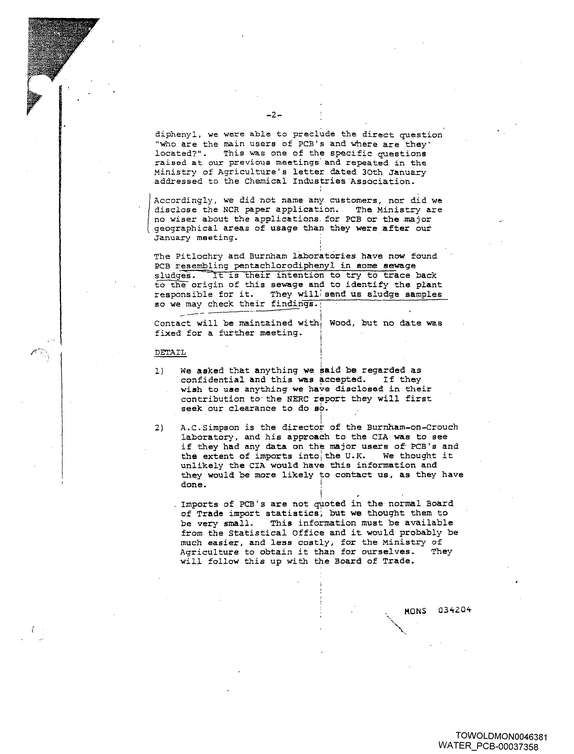
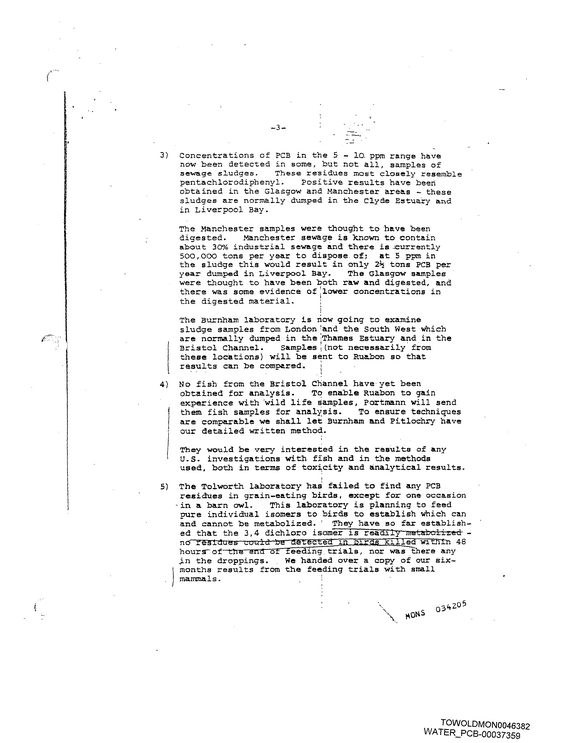
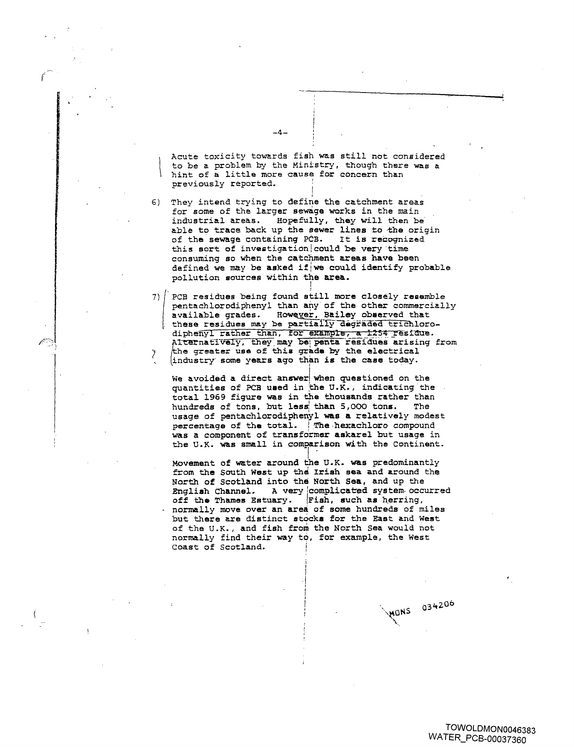
refid# w8e38Xm85JpRkBZODYXVDKbd6 pages
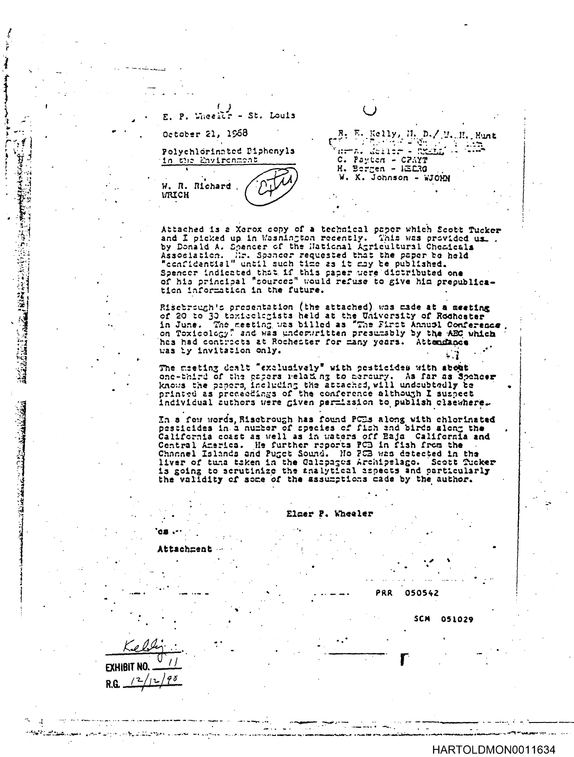
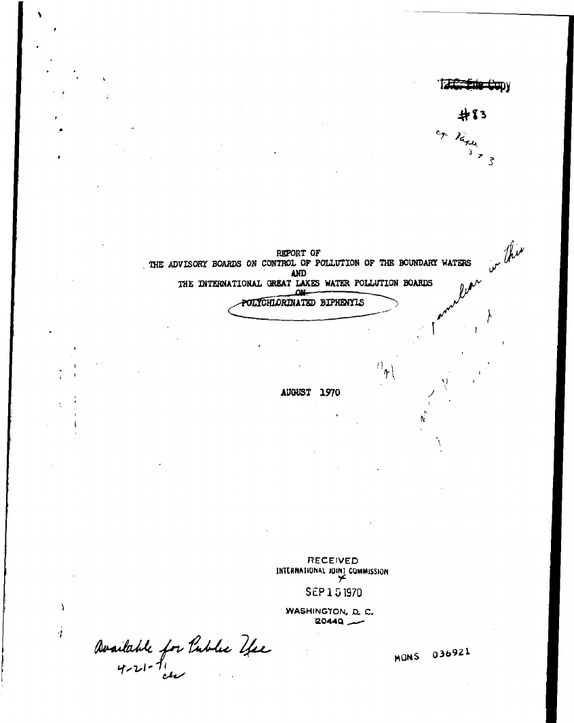
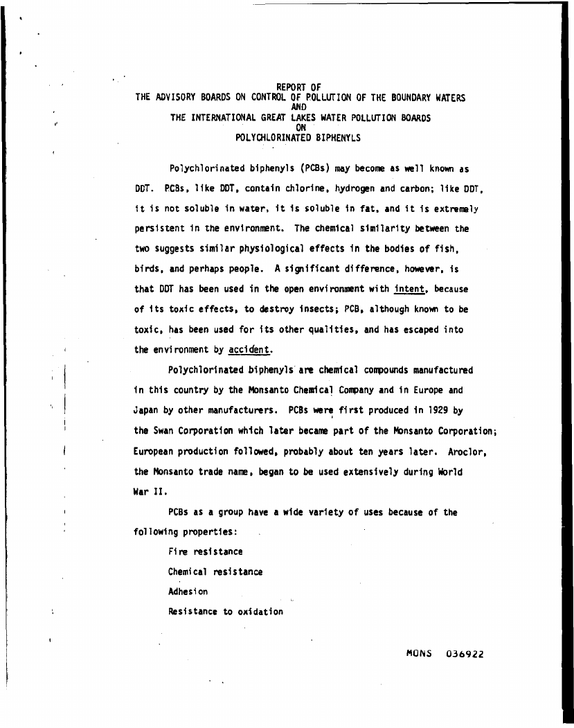
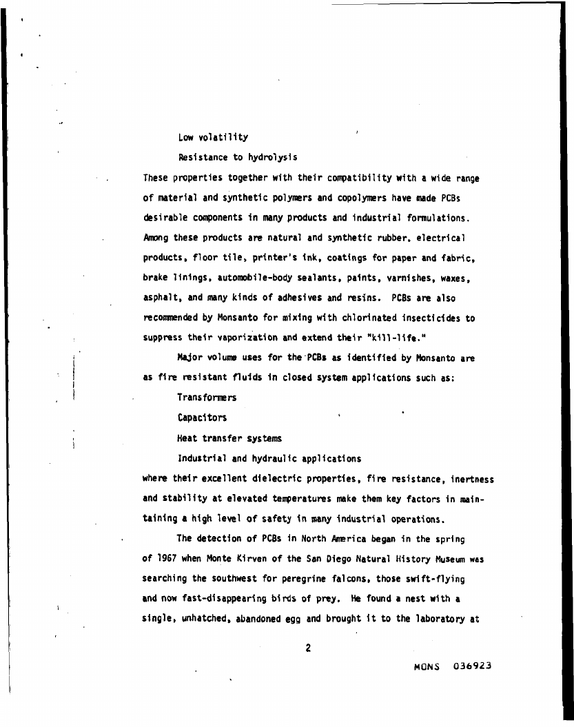
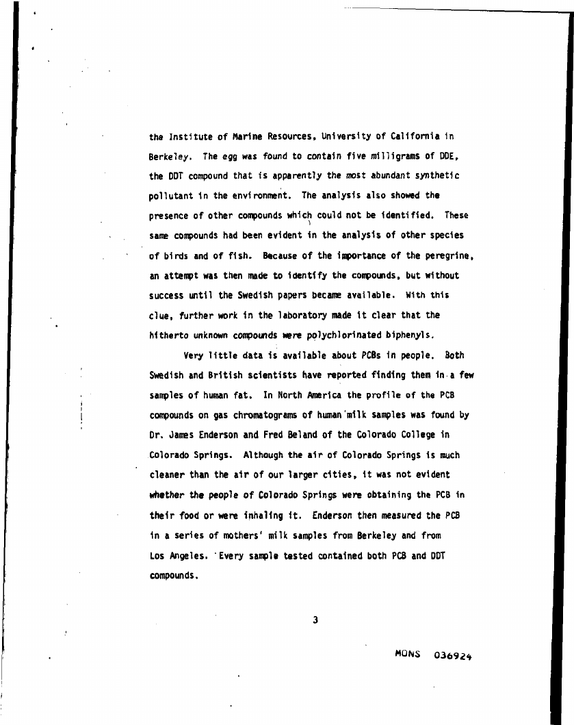
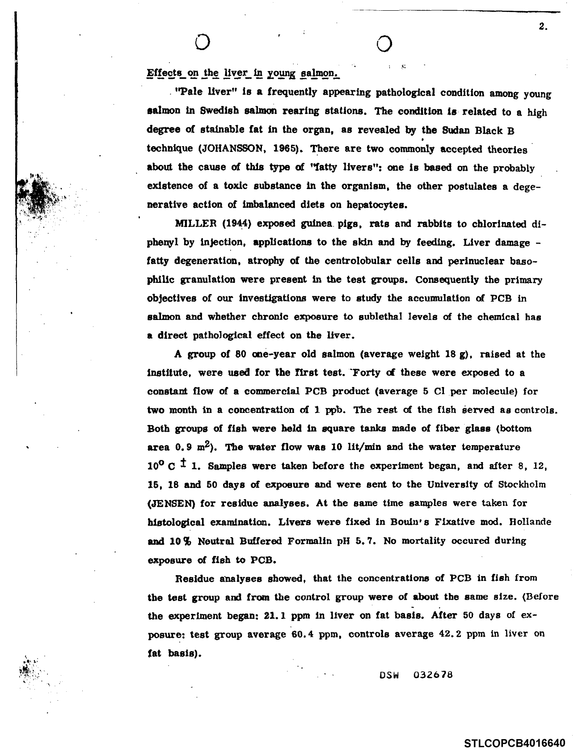
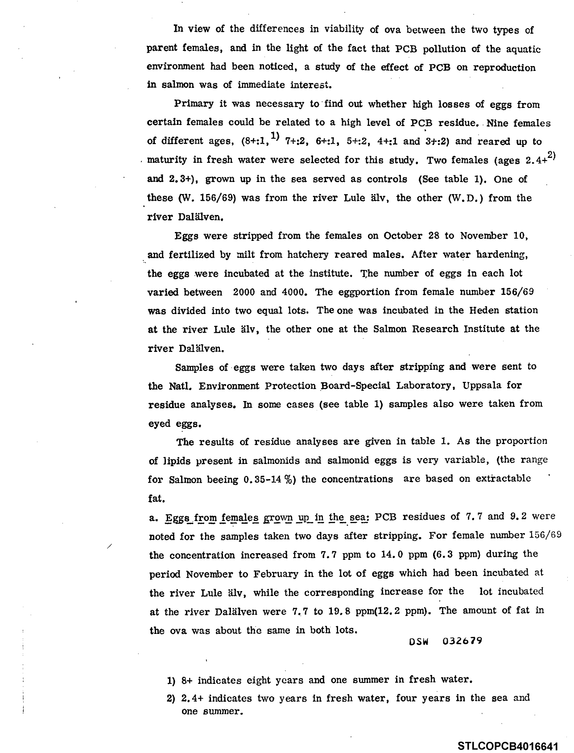
Many occurrences of PCBs have been reported in fish and wildlife.
refid# 8gKgYM47K2Ny8oEY2X4Edne11 pages
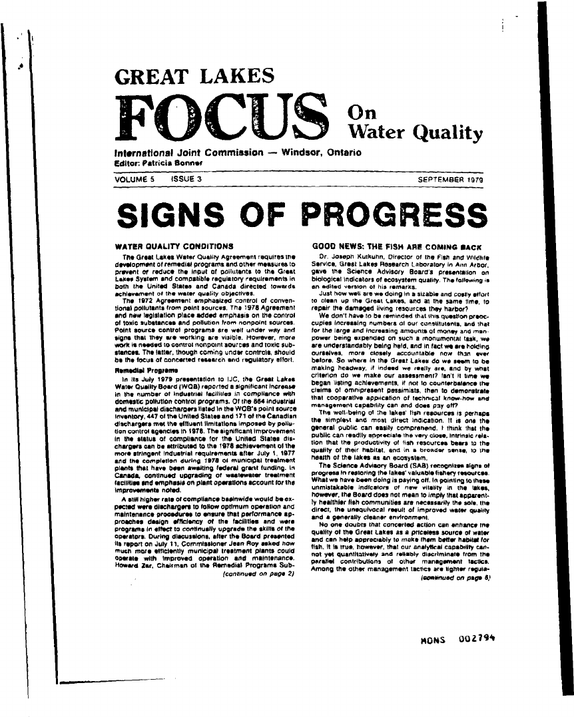
The woil-being ol the lakes' fish resources is perhaps the simplest and most direct indication.
refid# NGXn9aG3oR37QGzZnwxOkygXD2 pages
Fish-Cult. 23(3) 1961.
refid# DGpxYjda7avnRadNwy05G55dd9 pages
| I Arrange for analysis of sewage sludge and fish samples and comparison of results.
refid# r6EB5xYMVNwwo59ZVd2YM6Yye6 pages
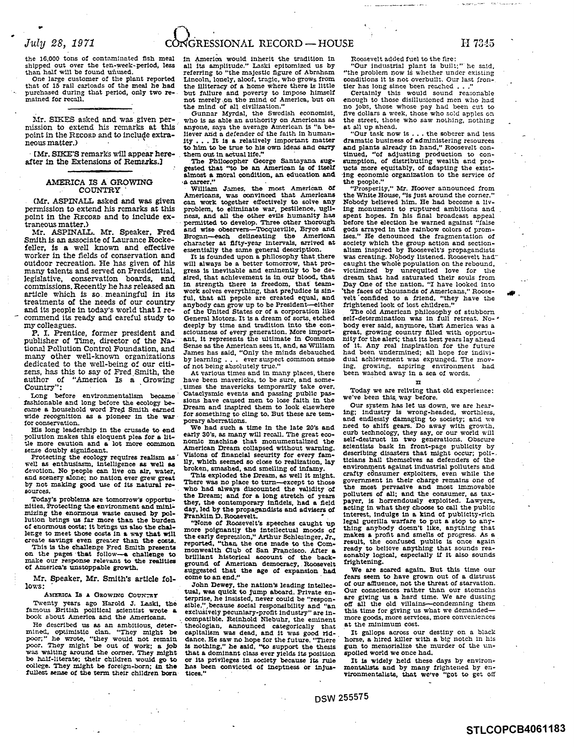
One PCB outbreak took place in Nerlh Carolina poultry flocks Iasi spring when an industrial stove cooking fish meal devel oped a leak.
refid# wgXBnazB2wrprLRqZMrD4Z1BB2 pages
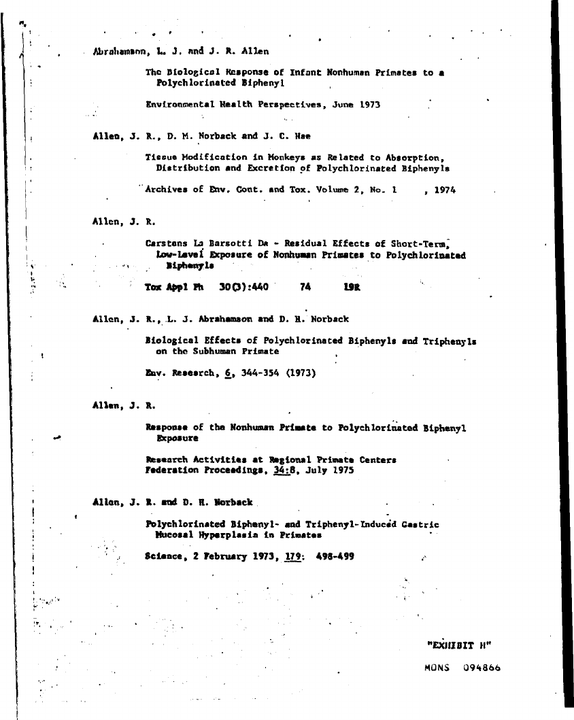
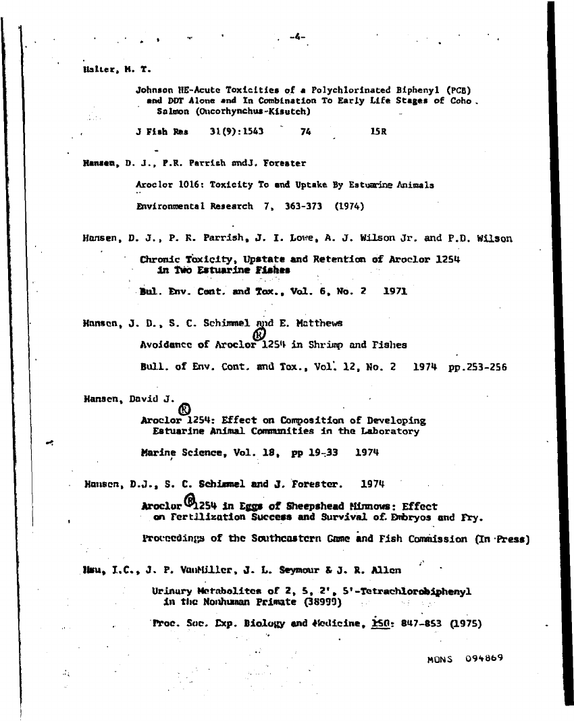
Matthews Avoidance of Aroclor 1254 in Shrimp and Fishes Bull, of Env.
refid# 2jQ6Dy2bNr649j22eVXwV7KR78 pages