Refine
Estimated Years UndatedClear
34,161 results foundRefine Search
I'll leave it to you to initially connect, and then we can stay in contact throughout the weekend and in the days leading up to the event.
refid# npJzG1NzqkO9v54azrX5D0q882 pages
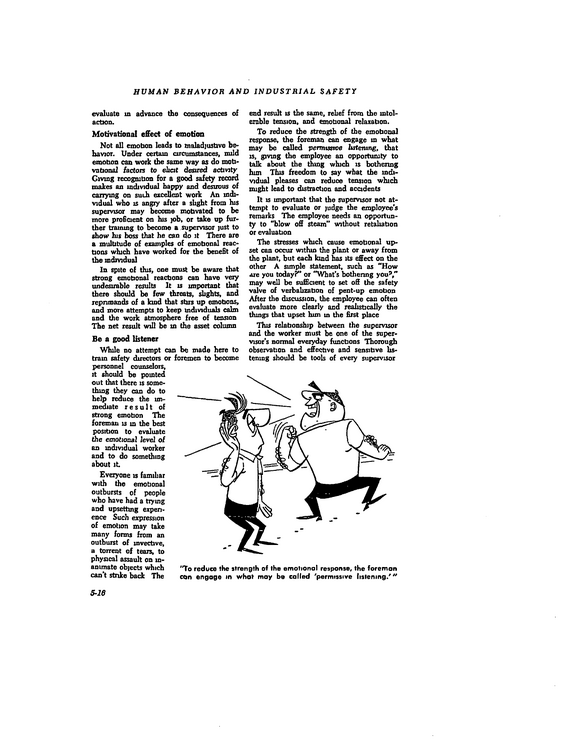
Motivational effect of emotion Not all emobon leads to maladjusbve be havior.
refid# EqQzpa2kqxaX2BO5Oj8Ydbgbj1 page
Stibine (antimony hydnde) is a toxic gas produced by the generation of hydrogen m the presence of elemental antimony Charging of storage batteries of the lead-acid type produces stibine from the antimony which is in the lead grids as a hardening alloy This occurs mostly as the battery is overcharged and in increasing amounts as the battery grows older Stibine is also apt to be formed when water is applied to the dross from aluminum re- 1169
refid# gaKk6K137Ye4VD1nkq2ExDx1q1 page
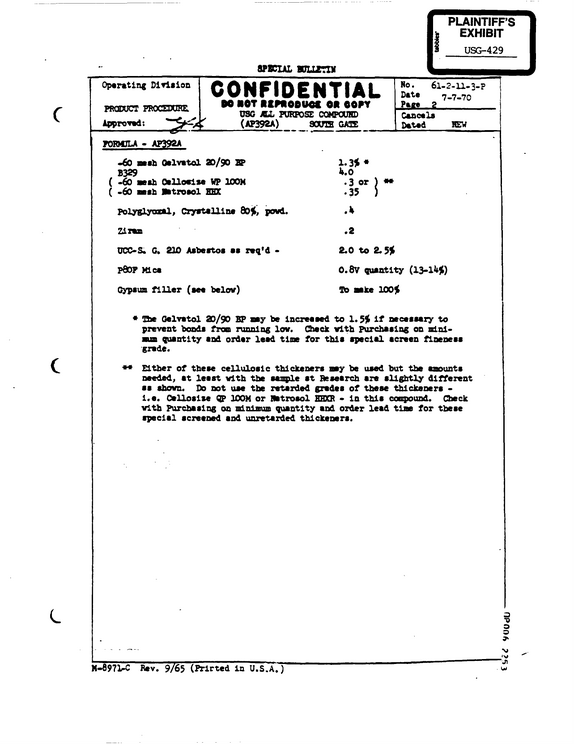
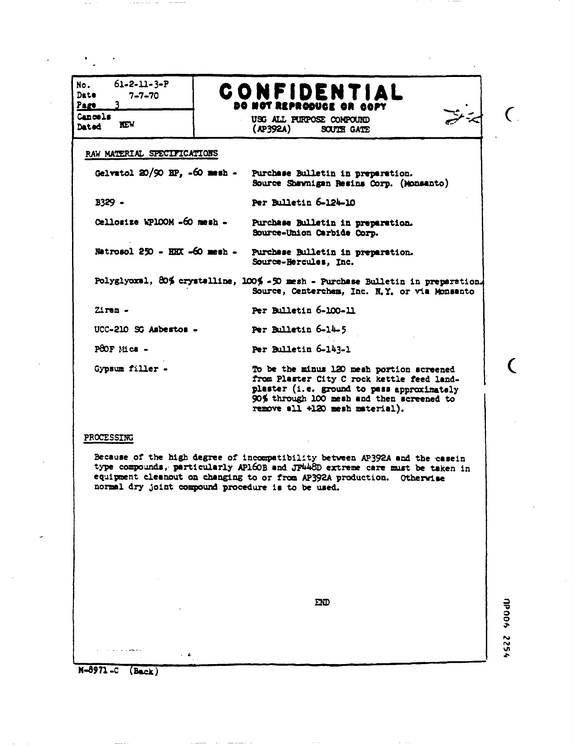
Check with Purcbaalng on minims quantity and order lead tine for tbeae apecial acreened and unretarded tblckenera.
refid# G65nV89qbOO6xgra0w3kX1DwY2 pages
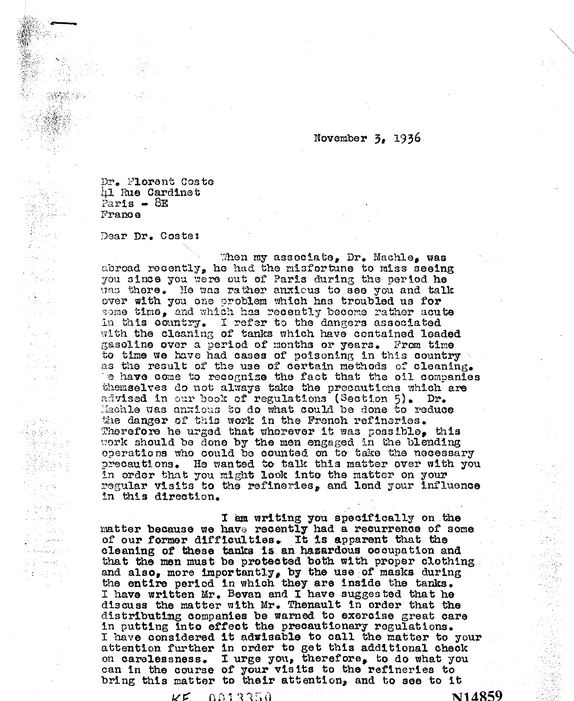
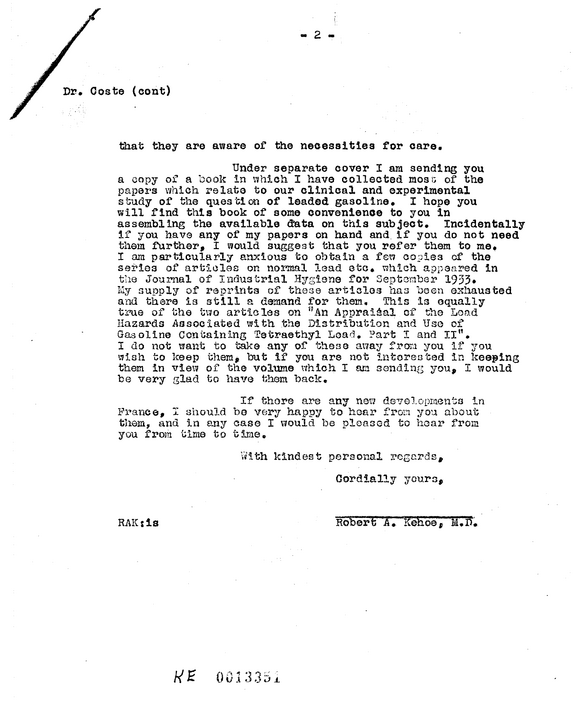
Under separate cover I am sending you a copy of a book in which I have collected most of the papers which relate to our clinical and experimental study of the question of leaded gasoline.
refid# b5Ybv8OgykzgEogYKByJjyn12 pages
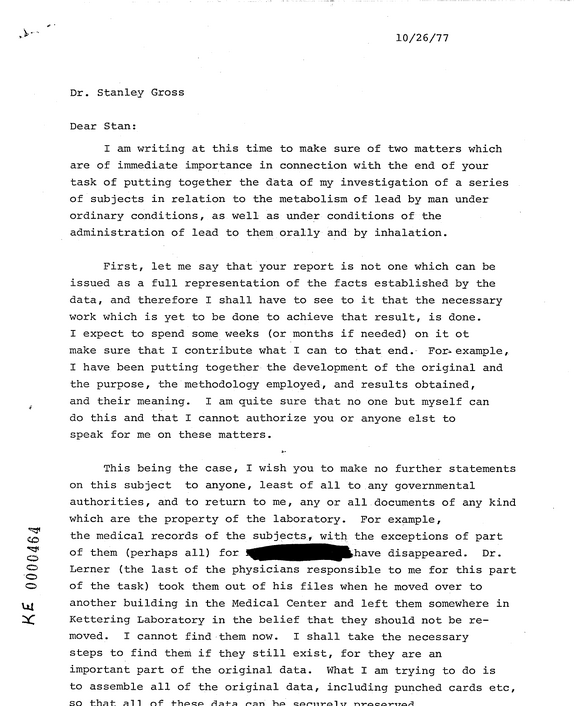
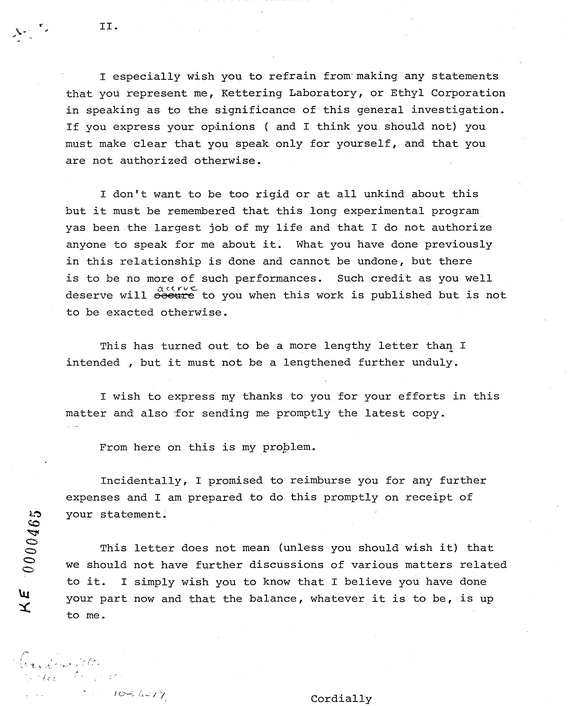
Stanley Gross Dear Stan: I am writing at this time to make sure of two matters which are of immediate importance in connection with the end of your task of putting together the data of my investigation of a series of subjects in relation to the metabolism of lead by man under ordinary conditions, as well as under conditions of the administration of lead to them orally and by inhalation.
refid# X9gQ2nLMLKa7eqxb6Ny0QEZg2 pages
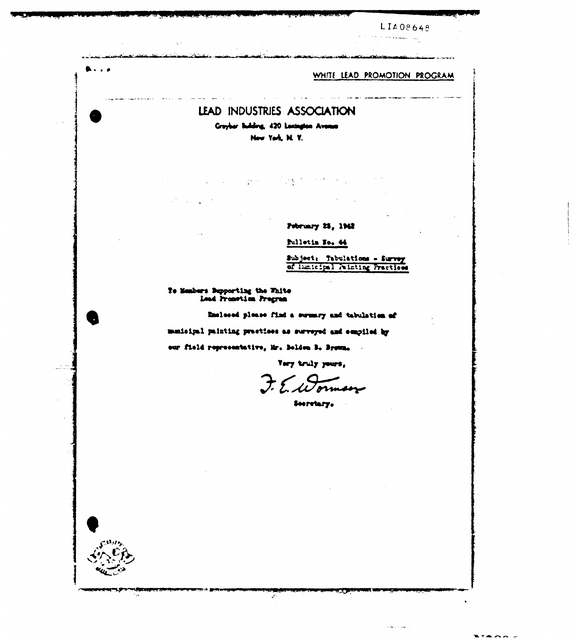
. # LIA0P64S WHfTt LEAD PROMOTION WQGRAM LEAD INDUSTRIES ASSOCIATION GnyW tU**. 420 Ua> Amn Km Yxi, R V.
refid# YGqR4Vvm5pRn7d5DO8MM3jyVK2 pages
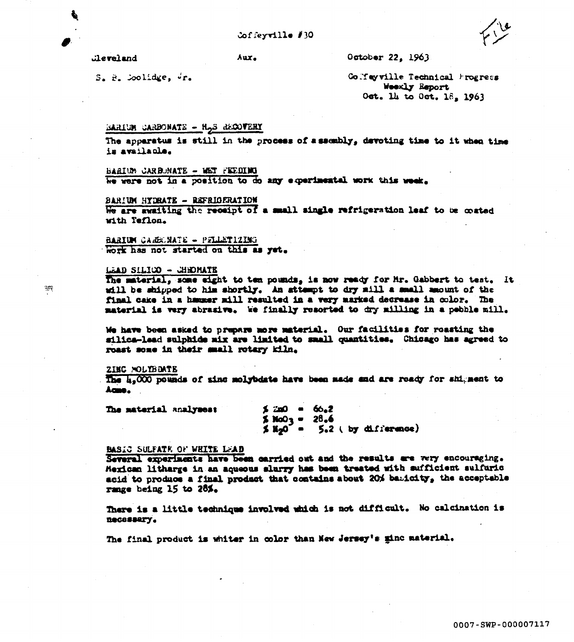
Oar facilities for roasting the silica-lead sulphide nix are United to snail quantities.
refid# pe1DJMgMrGXgn0gjw6YRdvMpk2 pages
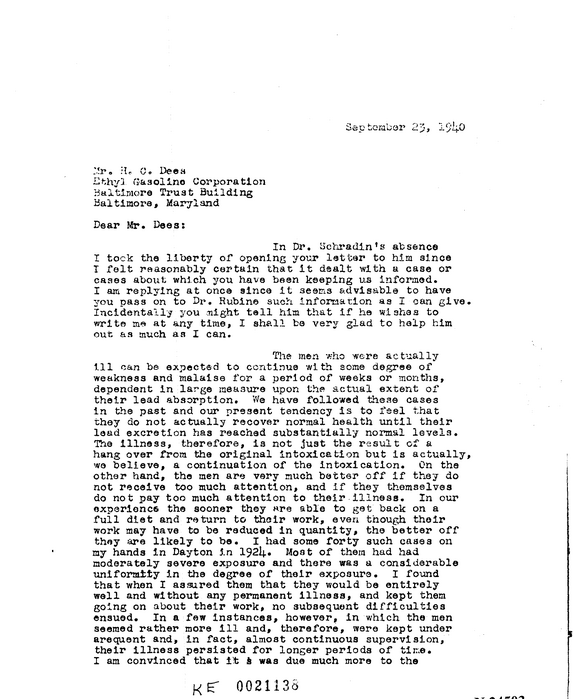
We have followed these cases in the past and our present tendency is to feel that they do not actually recover normal health until their lead excretion has reached substantially normal levels.
refid# 63drRrJx5r2YmLbg82MenvO42 pages
A Scientific Review Panel made up of leading experts from relevant fields has reviewed and endorsed the research protocols.
refid# 3gJ62860LadRjeGYkX3RRj62 pages
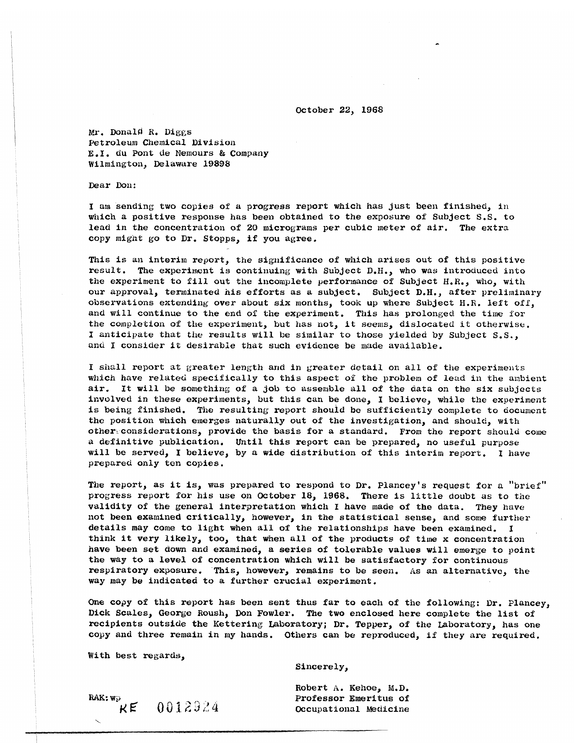
I shall report at greater length and in greater detail on all of the experiments which have related specifically to this aspect of the problem of lead in the ambient air.
refid# KRZvMQrnRL9j94KgyVg6jG3KN2 pages
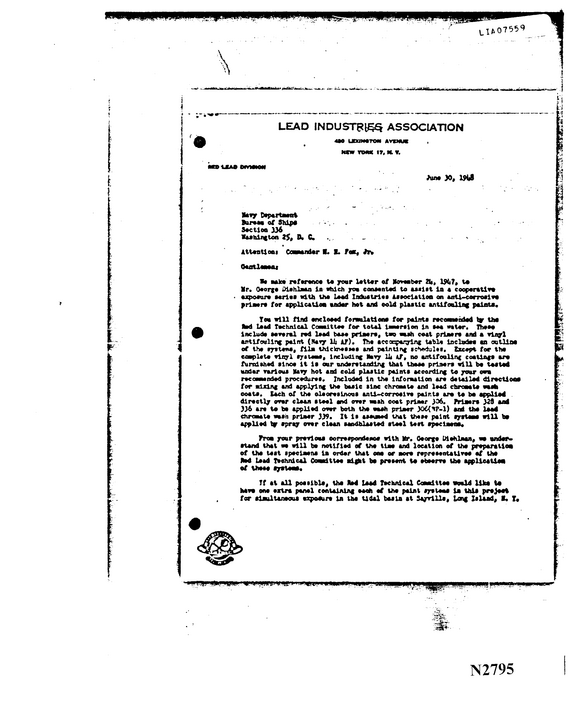
'Pj i ii" pWi | ^'iK M ' j i.fW umipw'L^ u i i i 1 I LEAD INDUSTBIE^ ASSOCIATION 4*0 UDdHOTOH *VHM MtW TOW IT, M.
refid# ybpbop9r4GokgnkN2w1EVzYNV2 pages
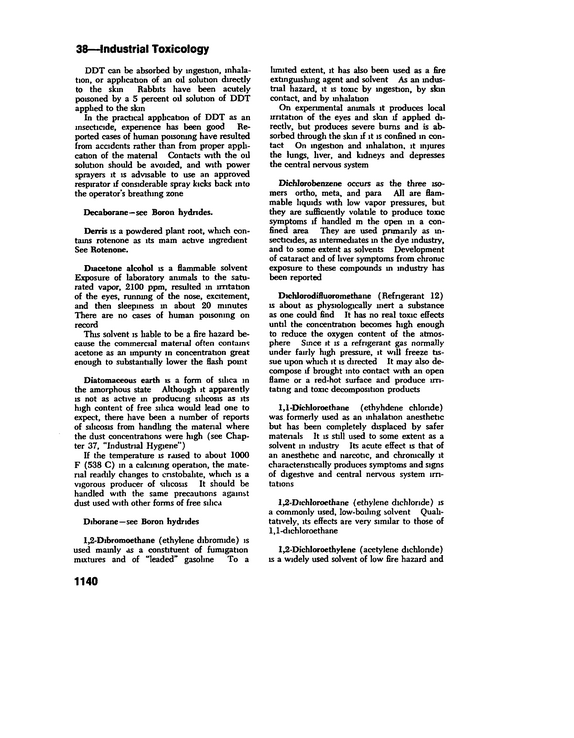
Diacetone alcohol is a flammable solvent Exposure of laboratory animals to the satu rated vapor, 2100 ppm, resulted in irritation of the eyes, running of the nose, excitement, and then sleepiness m about 20 minutes There are no cases of human poisoning on record This solvent is liable to be a fire hazard be cause the commercial material often contains acetone as an impurity in concentration great enough to substantially lower the flash point Diatomaceous earth is a form of sdica in the amorphous state Although it apparently is not as active in producing silicosis as its high content of free silica would lead one to expect, there have been a number of reports of silicosis from handling the material where the dust concentrations were high (see Chap ter 37, "Industrial Hygiene") If the temperature is raised to about 1000 F (538 C) m a calcining operation, the mate rial readily changes to enstobalite, which is a vigorous producer of silicosis It should be handled with the same precautions against dust used with other forms of free silica Diborane--see Boron hydrides 1,2-Dibromoethane (ethylene dibromide) is used mainly as a constituent of fumigation mixtures and of "leaded" gasoline To a 1140 limited extent, it has also been used as a fire extinguishing agent and solvent As an indus trial hazard, it is toxic by ingestion, by skin contact, and by inhalation On experimental animals it produces local irritation of the eyes and skm if applied di rectly, but produces severe bums and is ab sorbed through the skm if it is confined m con tact On ingestion and inhalation, it injures the lungs, liver, and kidneys and depresses the central nervous system Dichlorobenzene occurs as the three iso mers ortho, meta, and para All are flam mable liquids with low vapor pressures, but they are sufficiently volatile to produce toxic symptoms if handled m the open in a con fined area They are used primarily as in secticides, as intermediates in the dye industry, and to some extent as solvents Development of cataract and of liver symptoms from chronic exposure to these compounds in industry has been reported Dichlorodifluoromethane (Refrigerant 12) is about as physiologically inert a substance as one could find It has no real toxic effects until the concentration becomes high enough to reduce the oxygen content of the atmos phere Since it is a refrigerant gas normally under fairly high pressure, it will freeze tis sue upon which it is directed It may also de compose if brought into contact with an open flame or a red-hot surface and produce irri tating and toxic decomposition products 1.1- Dichloroethane (ethyhdene chloride) was formerly used as an inhalation anesthetic but has been completely displaced by safer materials It is still used to some extent as a solvent m industry Its acute effect is that of an anesthetic and narcotic, and chronically it characteristically produces symptoms and signs of digestive and central nervous system irri tations 1.2- Dichloroethane (ethylene dichloride) is a commonly used, low-boiling solvent Quali tatively, its effects are very similar to those of 1,1-dichloroethane 1.2- Dichloroethylene (acetylene dichlonde) is a widely used solvent of low fire hazard and
refid# 6bzRmENEbN6yrb2krKLw8JGg31 page
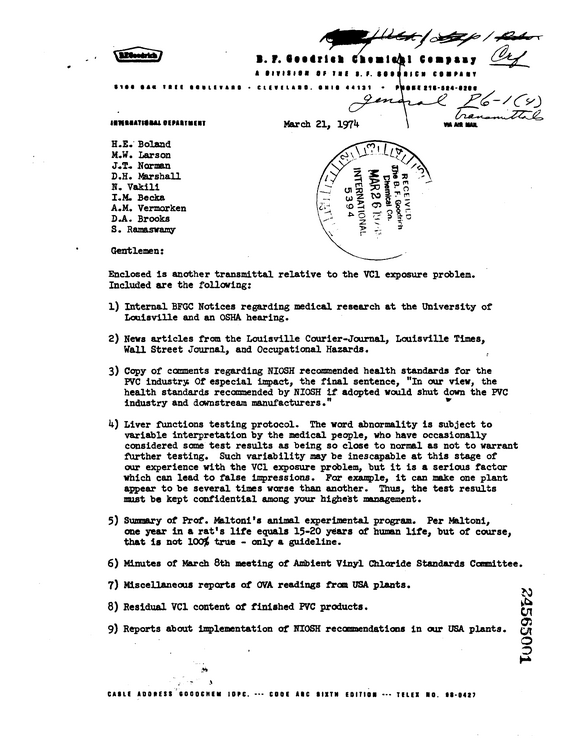
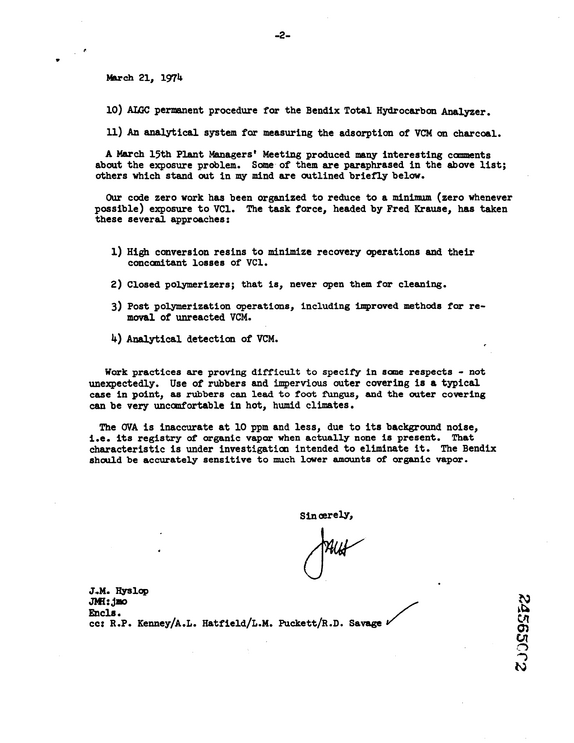
Such variability may be inescapable at this stage of our experience with the VC1 exposure problem, but it is a serious factor which can lead to false inpressions.
refid# 15rXp15OMzmLx0dbdZX2XBLrE2 pages
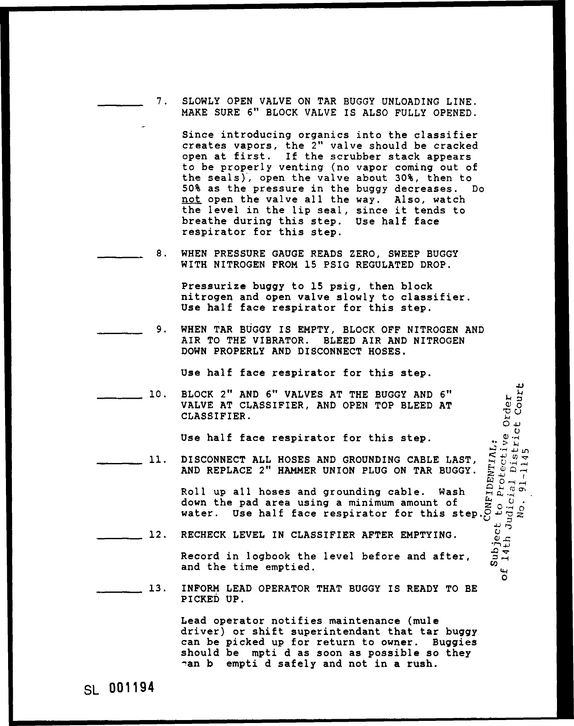
-O rr 3 w O 13 INFORM LEAD OPERATOR THAT BUGGY IS READY TO BE PICKED UP.
refid# 2NJg10R7Z6ZVbezKrjZ6qb92a2 pages