Refine
Estimated Years UndatedClear
92,592 results foundRefine Search
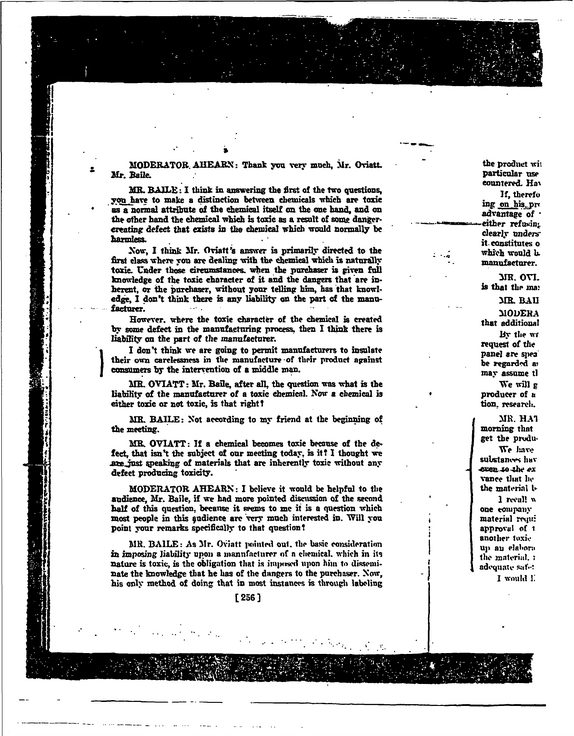
MODERATOR.
refid# 3VwjRYXL3xRmXOM6mrZzE8x31 page
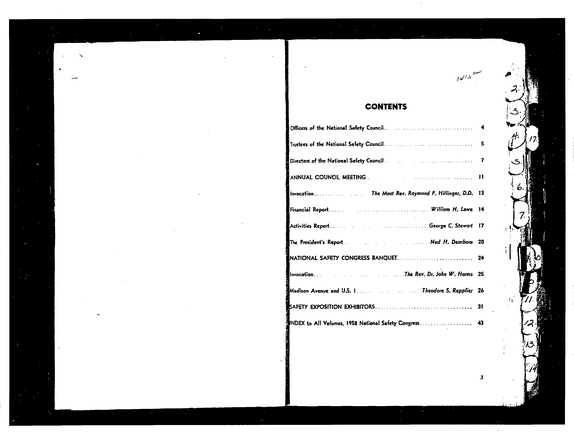
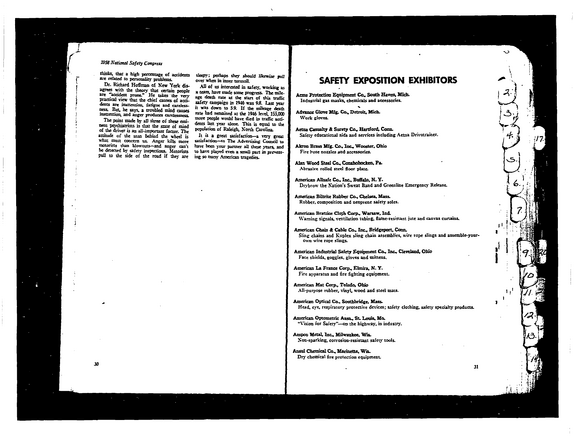
SCF-ALLF-01911 CONTENTS Officers of the National 5afety Council................................................................... 4 Trustee!
refid# Nq99Ed5qoEekvQ8zy8mX3bLQ8 pages
/Pa?
refid# e71eMe8mZGvq7xOyMp9a4Z8Nm1 page
Iftdatarltl KvfUSr a: .
refid# 1OyKqL0QZRMDd22NOnjzY8Nm1 page
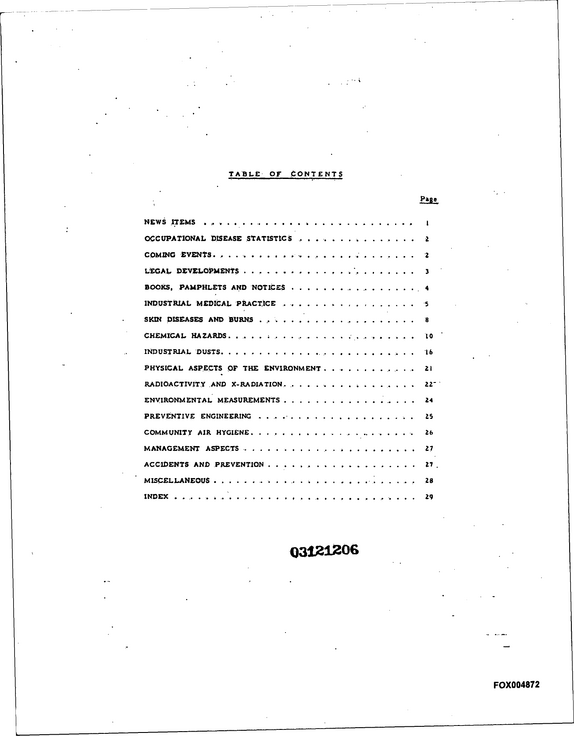
TABLE Of CONTENT?
refid# 7MzX9rM7QMyDgGMN5Gqqw9vy61 page
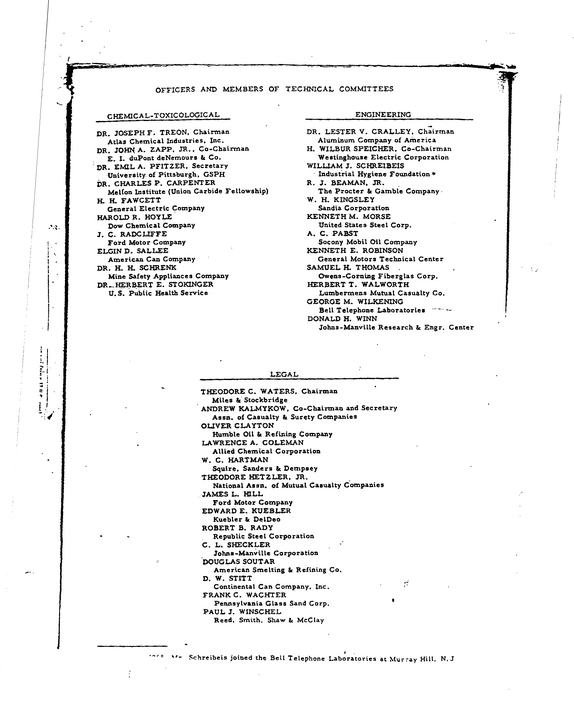
OFFICERS AND MEMBERS OF TECHNICAL COMMITTEES CHEMICAL-TOXICOLOGICAL DR.
refid# 2qg8VD525mo0qqBXDYz6qJOQR1 page
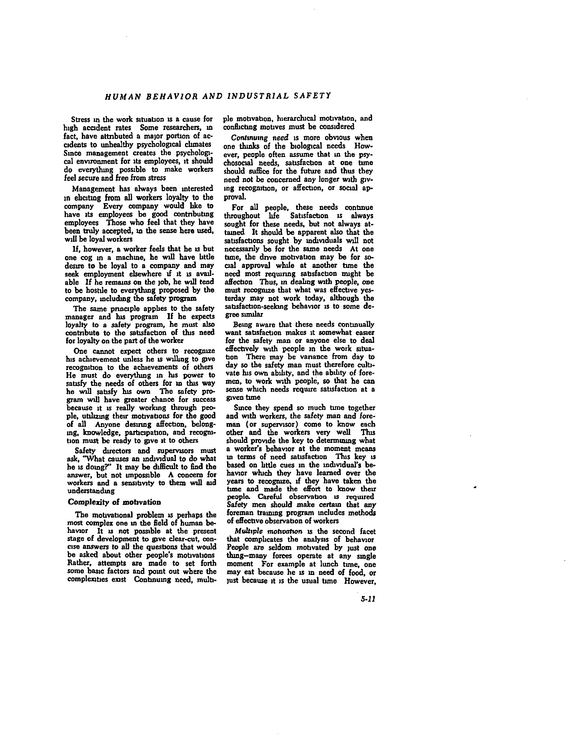
HUMAN BEHAVIOR AND INDUSTRIAL SAFETY Stress m the work situation is a cause for high accident rates Some researchers, in fact, have attributed a major portion of ac cidents to unhealthy psychological climates Since management creates the psychologi cal environment for its employees, it should do everything possible to make workers feel secure and free from stress Management has always been interested in eliciting from all workers loyalty to the company Every company would like to have its employees be good contributing employees Those who feel that they have been truly accepted, in the sense here used, will be loyal workers If, however, a worker feels that he is but one cog in a machine, he will have little desire to be loyal to a company and may seek employment elsewhere if it is avail able If he remains on the job, he will tend to be hostile to everything proposed by the company, including the safety program The same principle applies to the safety manager and his program If be expects loyalty to a safety program, he must also contribute to the satisfaction of this need for loyalty on the part of the worker One cannot expect others to recognize his achievement unless he is willing to give recognition to the achievements of others He must do everything in his power to satisfy the needs of others for in this way he will satisfy his own The safety pro gram will have greater chance for success because it is really working through peo ple, utilizing their motivations for the good of all Anyone desiring affection, belong ing, knowledge, participation, and recogni tion must be ready to give it to others Safety directors and supervisors must ask, "What causes an individual to do what he is doing?"
refid# 3NYvD4v9xExOBLq3aVVreEran1 page
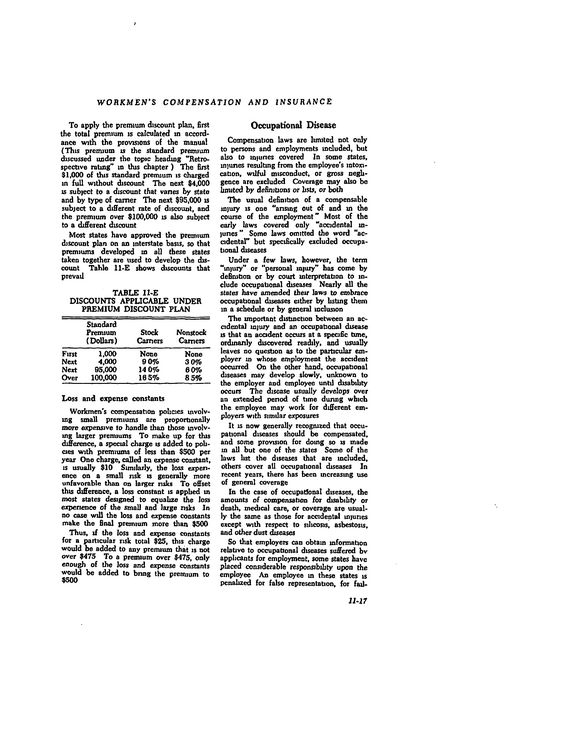
WORKMEN'S COMPENSATION AND INSURANCE To apply the premium discount plan, first the total premium is calculated in accord ance with the provisions of the manual (This premium is the standard premium discussed under the topic heading "Retro spective rating" in this chapter ) The first $1,000 of this standard premium is charged m full without discount The next $4,000 is subject to a discount that vanes by state and by type of earner The next $95,000 is subject to a different rate of discount, and the premium over 9100,000 is also subject to a different discount Most states have approved the premium discount plan on an interstate basis, so that premiums developed in all these states taken together are vised to develop the dis count Table 11-E shows discounts that prevail TABLE 11-E DISCOUNTS APPLICABLE UNDER PREMIUM DISCOUNT PLAN Standard Premium (Dollars) First Next Next Over 1,000 4,000 95,000 100,000 Stock Comers None 9 0% 14 0% 105% Nonstock Carriers None 3 0% 60% 8 5% Loss and expense constants Workmen's compensation policies involv ing small premiums ore proportionally more expensive to handle than those involv ing larger premiums To make up for this difference, a special charge is added to poli cies with premiums of less than $500 per year One charge, called an expense constant, is usually $10 Similarly, the loss experi ence on a small risk is generally more unfavorable than on larger risks To offset this difference, a loss constant is applied in most states designed to equalize the loss experience of the small and large risks In no case will the loss and expense constants make the final premium more than $500 Thus, if the loss and expense constants for a particular risk total $25, this charge would be added to any premium that is not over $475 To a premium over $475, only enough of the loss and expense constants would be added to bnng the premium to $500 Occupational Disease Compensation laws are limited not only to persons and employments included, but also to injuries covered In some states, injuries resulting from the employee's intoxi cation, wilful misconduct, or gross negli gence are excluded Coverage may also be limited by definitions or lists, or both The usual definition of a compensable injury is one "arising out of and m the course of the employment " Most of the early laws covered only "occidental in juries '' Some laws omitted the word "ac cidental" but specifically excluded occupa tional diseases Under a few laws, however, the term "injury" or "personal injury" has come by definition or by court interpretation to in clude occupational diseases Nearly all the states have amended their laws to embrace occupabonal diseases either by listing them in a schedule or by general inclusion The important distinction between an ac cidental injury and an occupational disease is that an accident occurs at a specific time, ordinarily discovered readily, and usually leaves no question as to the particular em ployer in whose employment the accident occurred On the other hand, occupational diseases may develop slowly, unknown to the employer and employee until disability occurs The disease usually develops over an extended penod of time during which the employee may work for different em ployers with similar exposures It is now generally recognized that occu pational diseases should be compensated, and some provision for domg so is made m all but one of the states Some of the laws list the diseases that are included, others cover all occupational diseases In recent years, there has been increasing use of general coverage In the case of occupational diseases, the amounts of compensation for disability or death, medical care, or coverage are usual ly the same as those for accidental injuries except with respect to silicosis, asbestosis, and other dust diseases So that employers can obtain information relative to occupational diseases suffered bv applicants for employment, some states have placed considerable responsibility upon the employee An employee in these states is penalized for false representation, for fail- 11-17
refid# NEZGxK2NQVZQvg7kDQNJ70EMD1 page
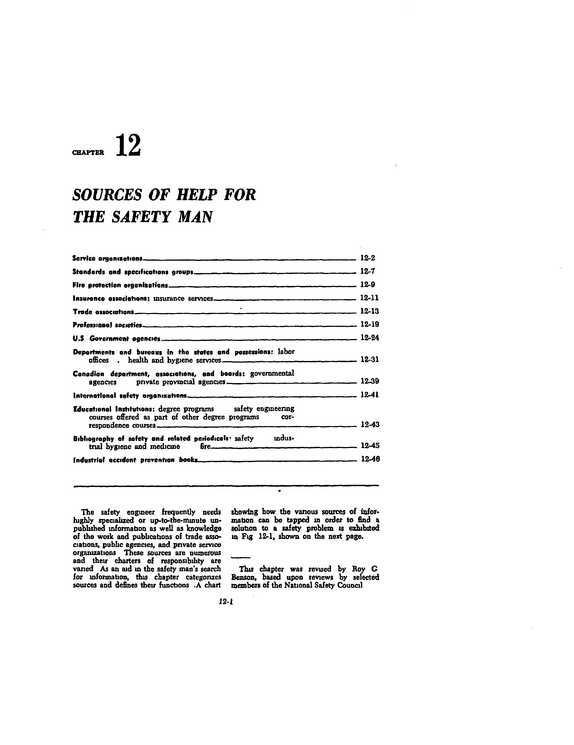
12CHAPTER SOURCES OF HELP FOR THE SAFETY MATS Service 12-2 Standards and specifications Q">"p* Fire protection ------------------------------------------------- 12-7 - - ------- 12-0 Insurance associations: insurance services__ ___ 12-11 Trade associationsI------------------------------------------------- 12-13 Professional mnniiw- - ------ - 12-19 U.S Government agencies_____________________ .... 12-24 Departments and bureaus in the states and possessions: labor offices . health and hygiene services------- - .. , - - .. 12-31 Conodion deportment, associations, and boards: governmental agencies private provincial agencies-- ------ - ----------- 12-39 International safety organisations_________________ ______________________________ 12-41 Educotionol Institutions: degree programs safety engineering courses offered as part of other degree programs cor respondence courses___________ __ __________ 12-43 Bibliography of safety and related periodicals* safety indus trial hygiene and medicine fire-__ . ... -- - -- 12*45 industrial accident prevention books___________ -------------------------------------------------- 12-46 The safety engineer frequently needs highly specialized or up-to-the-minute un published information as well as knowledge of the work and publications of trade asso ciations, public agencies, and private service organizations These sources are numerous and their charters of responsibility are varied As an aid in the safety man's search for information, this chapter categorizes sources and defines their funebons .A chart showing bow the various sources of infor mation can be tapped in order to find a solution to a safety problem is exhibited in Fig 12-1, shown on the next page.
refid# 0Y2zdno8wd4z70jdYyM210om1 page
SOURCES OF HELP FOR THE SAFETY MAN be made through local Red Cross chapters Most industries prefer to select key person nel to receive training as instructors who, in turn, can conduct classes for fellow em ployees Others may wish to arrange for employee training by instructors provided through the chapter.
refid# Lp7XgmkM3Dk93vxLZdLBRNYgQ1 page
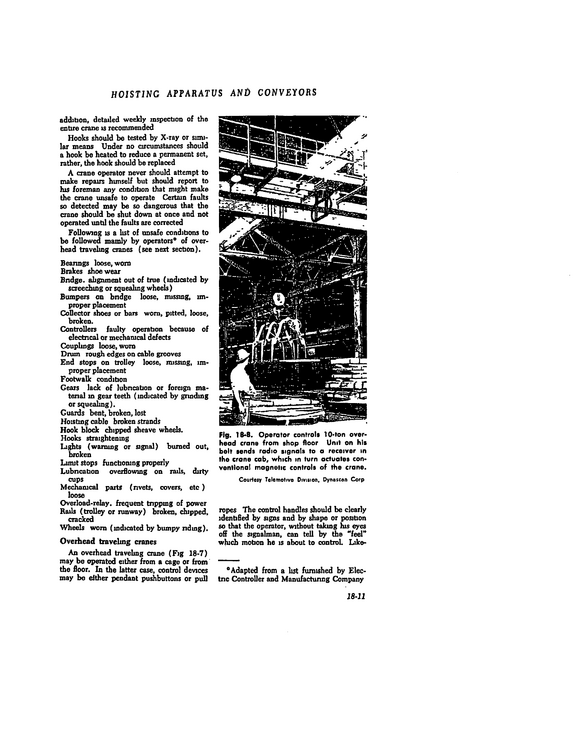
HOISTING APPARATUS AND CONVEYORS addition, detailed weekly inspection of the entire crane is recommended Hooks should be tested by X-ray or simi lar means Under no circumstances should a hook be heated to reduce a permanent set, rather, the hook should be replaced A crane operator never should attempt to make repairs hunself but should report to his foreman any condition that might make the crane unsafe to operate Certain faults so detected may be so dangerous that the crane should be shut down at once and not operated until the faults are corrected Following is a list of unsafe conditions to be followed mainly by operators0 of over head traveling cranes (see next section).
refid# JNw3rw8Gpm0b0dBKqropo1gZB1 page
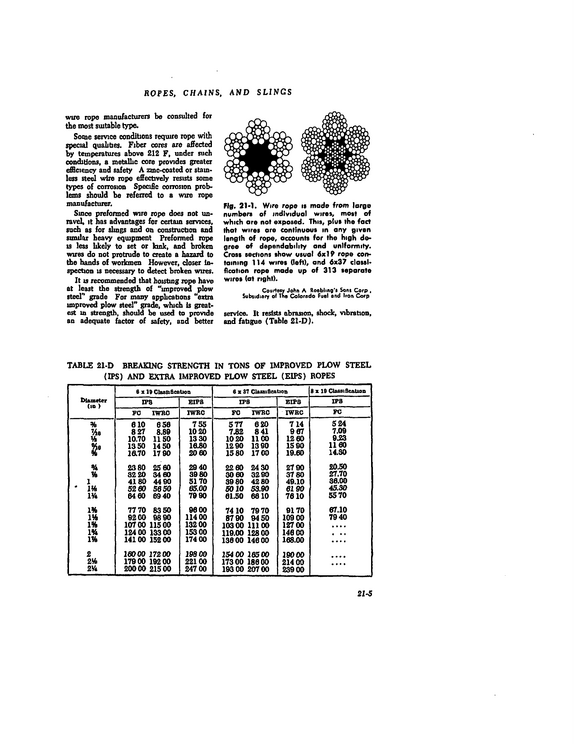
ROPES, CHAINS, AND SLINGS wire rope manufacturers be consulted for the most suitable type.
refid# Xz0856ayLJ9rpk95rw8Jrxxx41 page
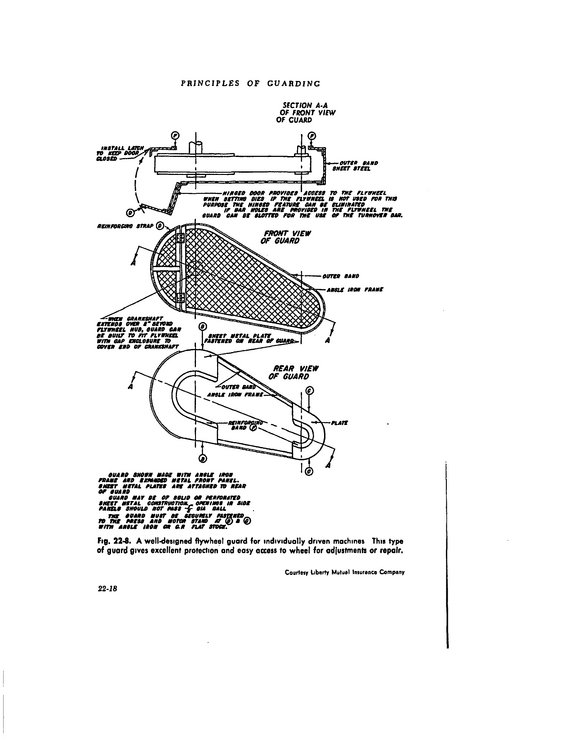
PRINCIPLES OF CUARDINC =1IHSTALL LATCH^ TO KOP BOOKs CLOStD r1 - SECTION A-A OF FRONT VIEW OF CUARD nr - OUTSB MHO shot arm wntn aarrm oiea ir me rtrmntet ta nor oato roa mo enooannrooaitoramnoaenatmnanouatrotaorrwaroenatemomnnotmnaoeeuaruaaient eamuremminrevarrmeravnatneotvrmn eoan.
refid# e6wrmxp6XmMdOLZQ0RL94EN41 page
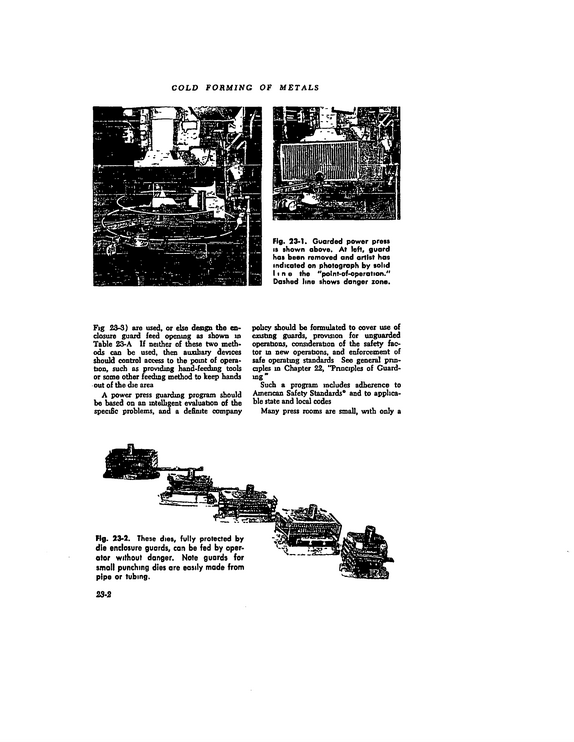
COLD FORMING OF METALS Fig. 23*1.
refid# 1QjZVBLn2MjwdxQxdqD2ybpy51 page
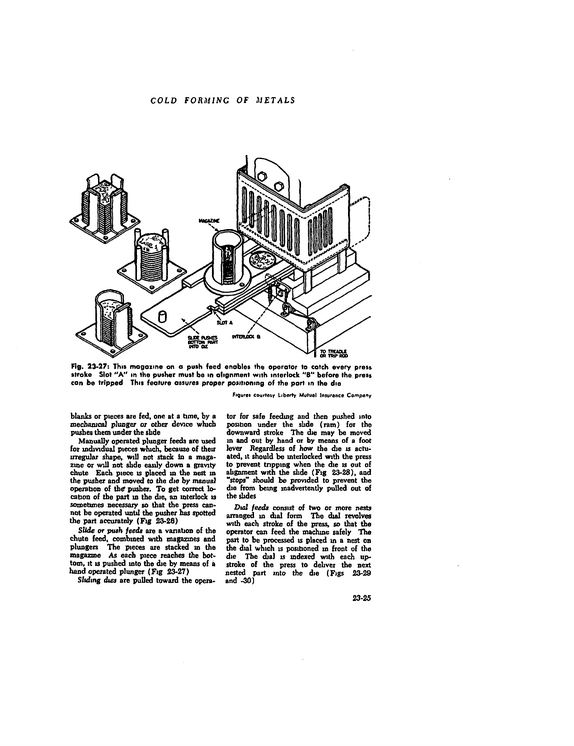
COLD FORMING OF METALS Fig. 23*27: This magazine on a push feed enobles the operator to catch every press stroke Slot "A" in the pusher must be in alignment with interlock "B" before the press can be tripped This feature assures proper positioning of the port in the die Figures courtesy Liberty Mutual Insurance Company blanks or pieces are fed, one at a time, by a mechanical plunger or other device which pushes them under the slide Manually operated plunger feeds are used for individual pieces which, because of their irregular shape, will not stack in a maga zine or will not slide easily down a gravity chute Each piece is placed in the nest in the pusher and moved to the die by manual operation of the pusher.
refid# ppXqLvQzmv84en6JK5qednwX71 page