Refine
Estimated Years UndatedClear
6,022 results foundRefine Search
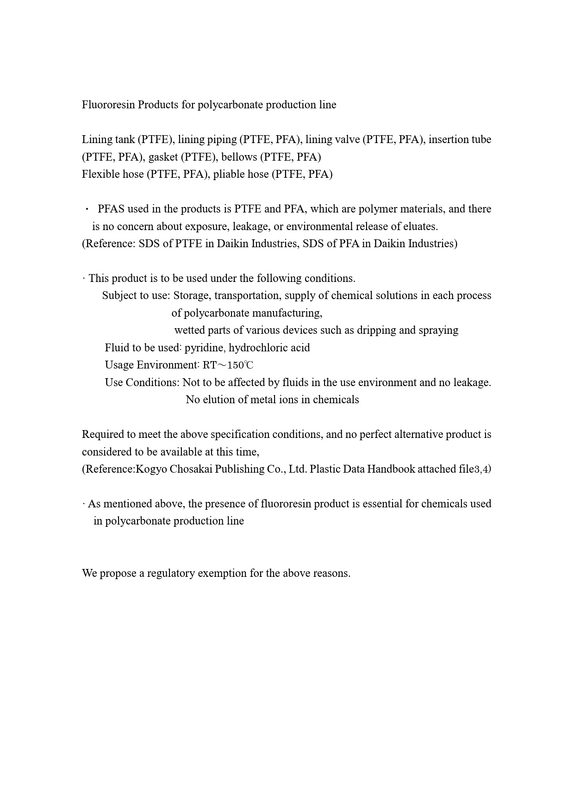
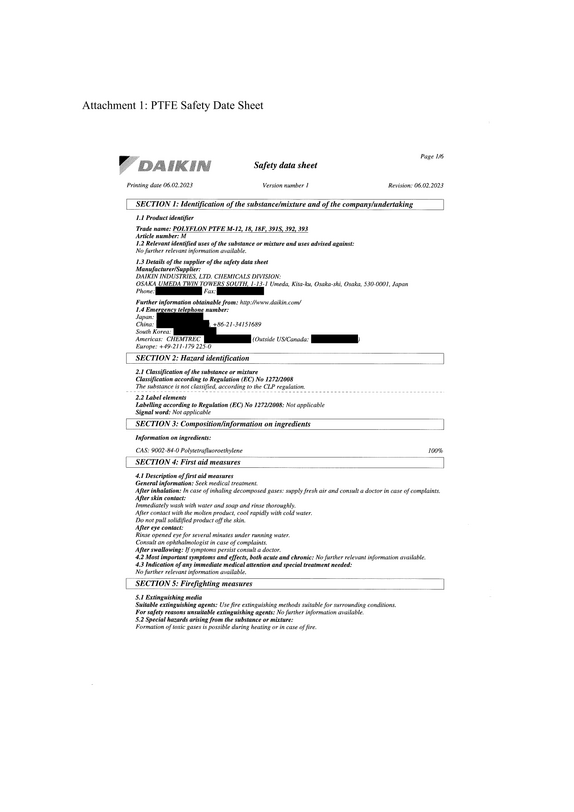
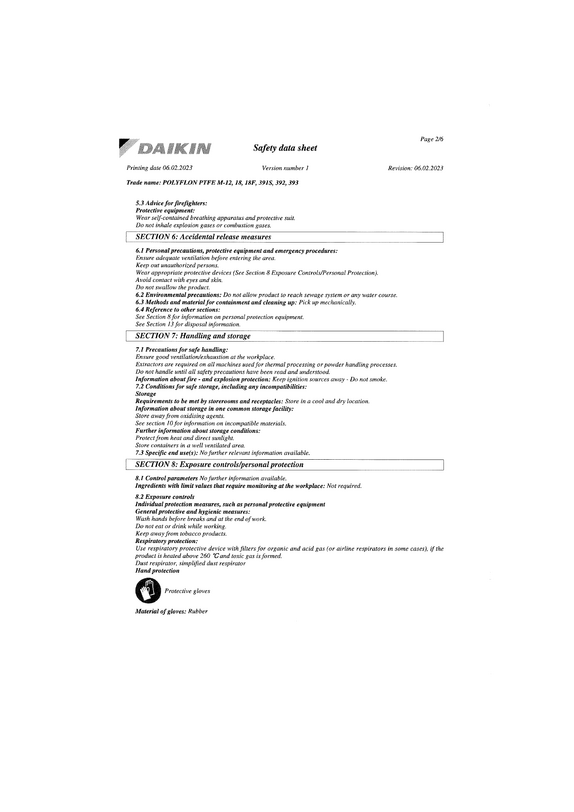
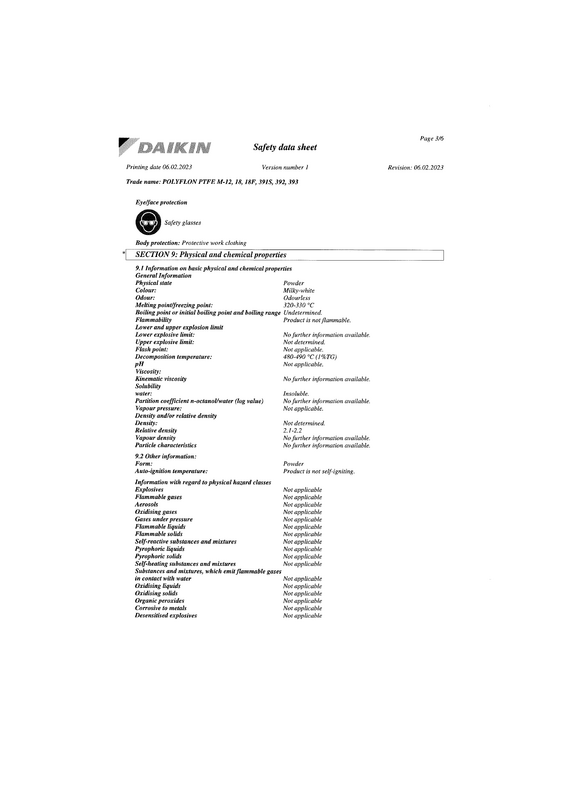
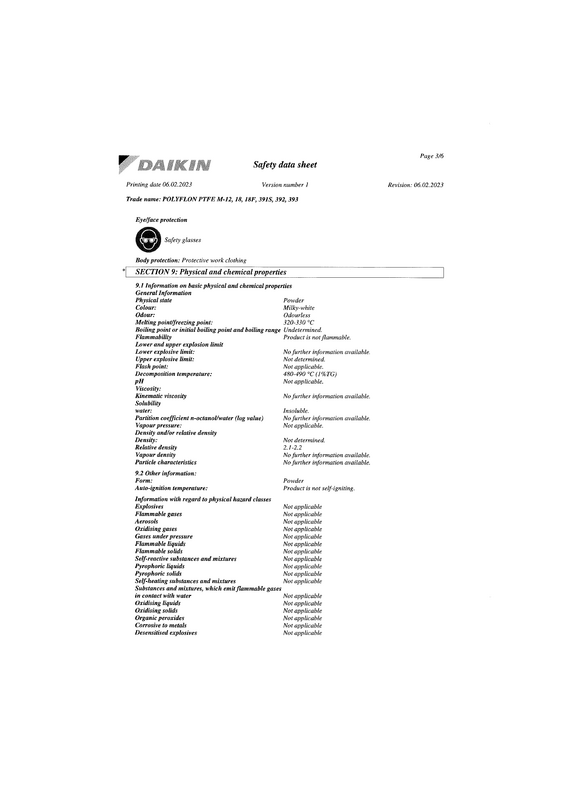
Fluororesin Products for polycarbonate production line Lining tank (PTFE), lining piping (PTFE, PFA), lining valve (PTFE, PFA), insertion tube (PTFE, PFA), gasket (PTFE), bellows (PTFE, PFA) Flexible hose (PTFE, PFA), pliable hose (PTFE, PFA) PFAS used in the products is PTFE and PFA, which are polymer materials, and there is no concern about exposure, leakage, or environmental release of eluates.
refid# B8pkbEJ6RRNYVaoyzD6YqEkZJ23 pages
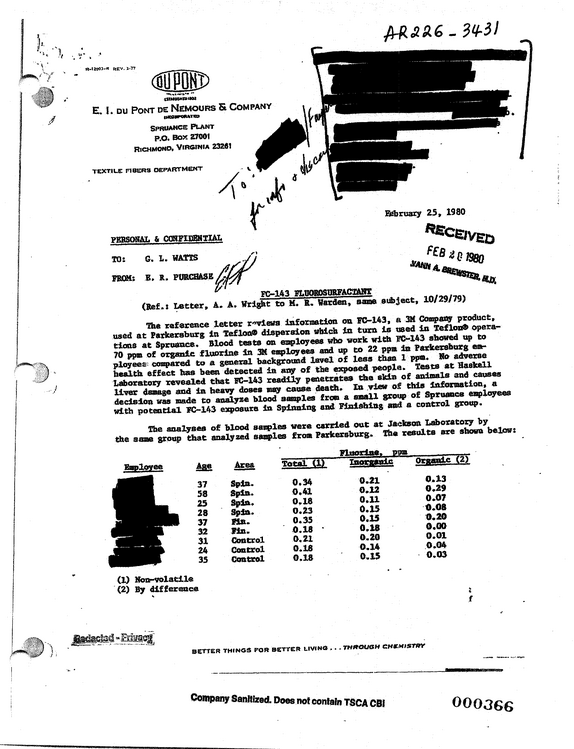
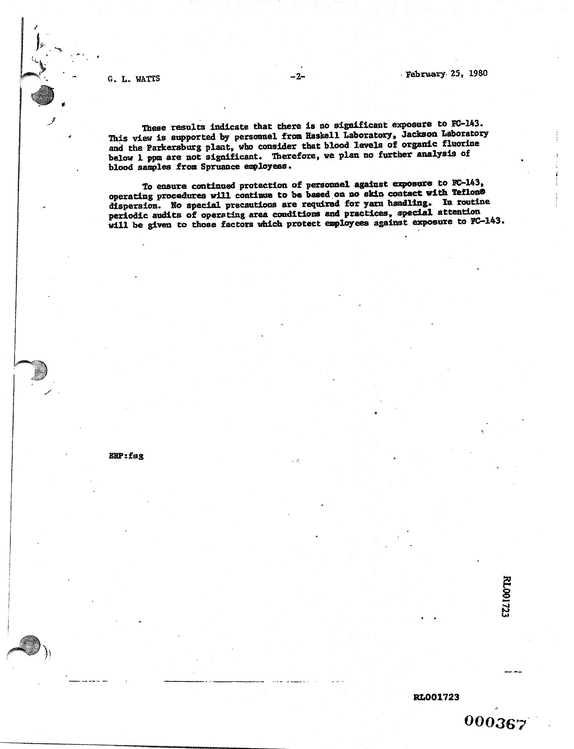
ARAR6 = 343] 35 -- !

refid# YEGwezBnR4N28Rx7QbK8qJdN3 pages
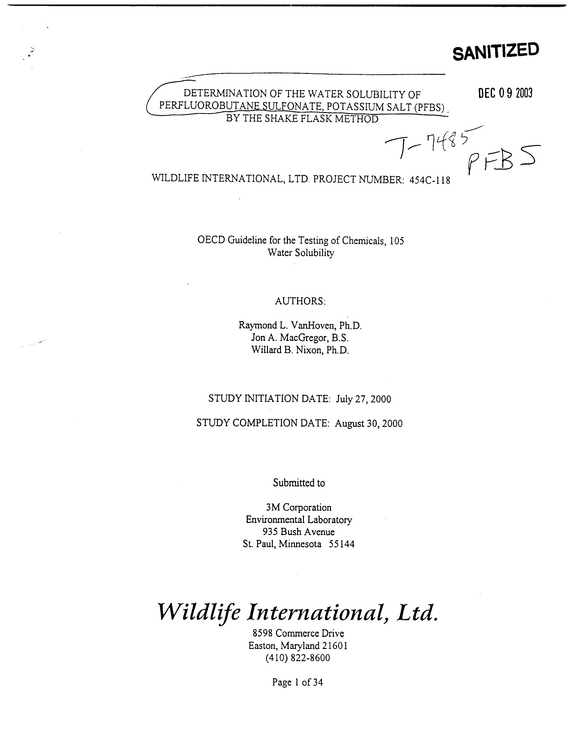
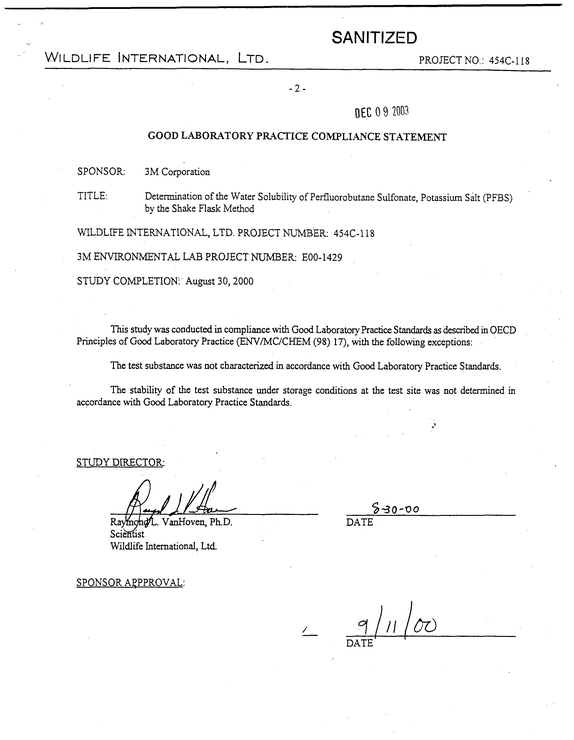
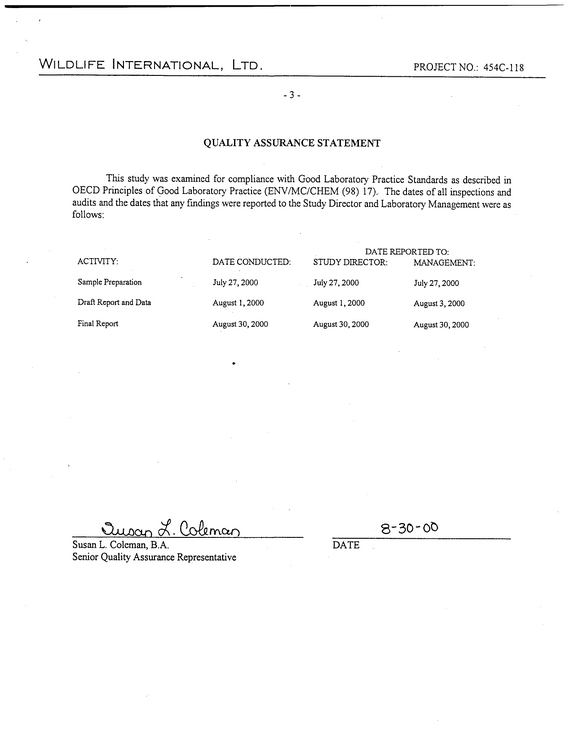
28) OECD 105-OPPTS 830.7840, water solubility in nanopure water, 454C-118 SANITIZED PERFLUOROBUTANE SULFONATE, POTASSIUM SALT (PFBS) , BY THE SHAKE FLASK METHOD WILDLIFE INTERNATIONAL, LTD.

refid# pmg1qwNqDNjwQdqqXQZeOerOE35 pages
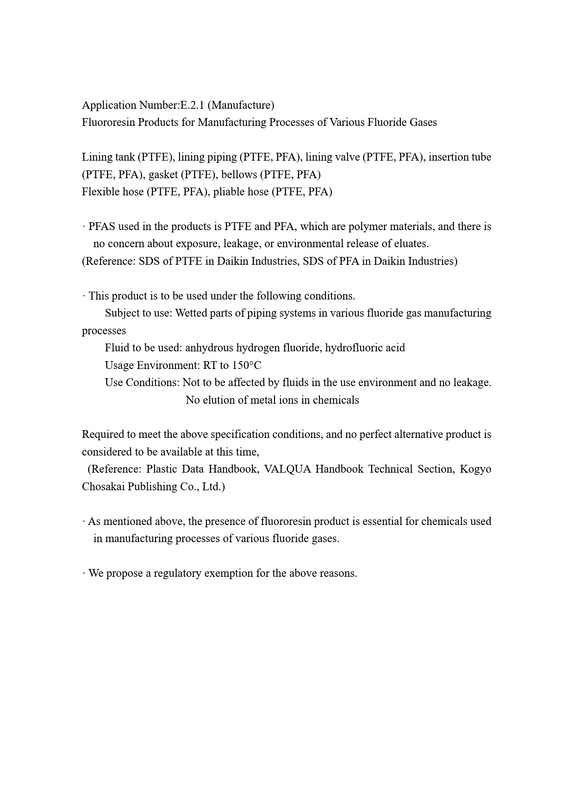
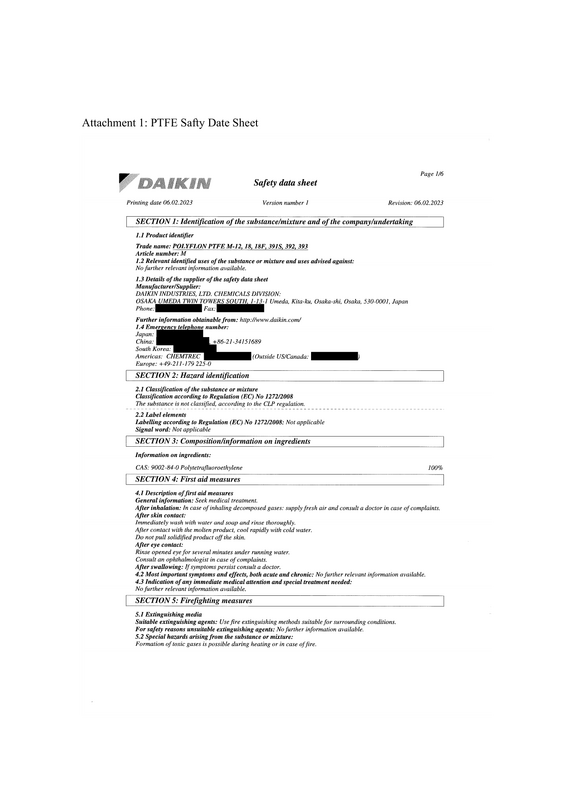
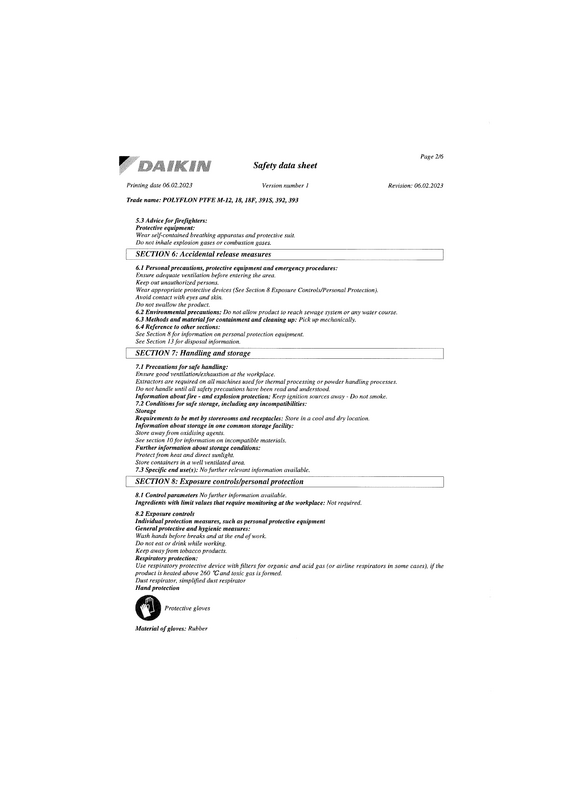
Application Number:E.2.1 (Manufacture) Fluororesin Products for Manufacturing Processes of Various Fluoride Gases Lining tank (PTFE), lining piping (PTFE, PFA), lining valve (PTFE, PFA), insertion tube (PTFE, PFA), gasket (PTFE), bellows (PTFE, PFA) Flexible hose (PTFE, PFA), pliable hose (PTFE, PFA) PFAS used in the products is PTFE and PFA, which are polymer materials, and there is no concern about exposure, leakage, or environmental release of eluates.
refid# G5xR78GxMDxwzkdZxQ0eooV2V23 pages
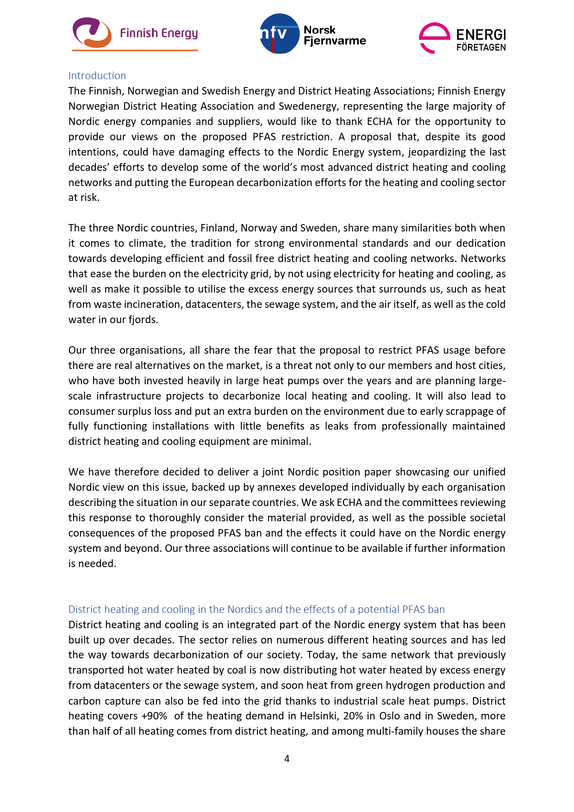
Joint Nordic PFAS Consultation response Submitted by Finnish Energy Etelranta 10 00130 Helsinki, Finland Norwegian District Heating Association Middelthunsgate 27 0307 Oslo, Norway Swedenergy Olof Palmes gata 31 111 22 Stockholm, Sweden Sector concerned in this document: energy sector/ heat pump operators / district heating and cooling sector, Sub-uses concerned: Refrigeration, Applications of fluorinated gases, Air Conditioning and heat pumps, Solvents Content Key messages .......................................................................................................................................... 2 Introduction............................................................................................................................................. 4 District heating and cooling in the Nordics and the effects of a potential PFAS ban ............................. 4 The PFAS ban - Good intentions but based on the wrong assumptions ................................................ 6 Health and Safety .................................................................................................................................... 7 Derogation periods.................................................................................................................................. 8 Existing installations ............................................................................................................................ 8 New Installations ................................................................................................................................. 8 Time-unlimited derogation due to safety regulations ........................................................................ 9 Business and socio-economic consequences associated with the lifetime of large heat pump systems ............................................................................................................................................................... 10 How the ban will affect EU policy objectives ........................................................................................ 11 Annexes explained................................................................................................................................. 12 1 Key messages The Nordic District Heating and Energy Associations - Oppose the timeline for a ban on PFAS classified F-gases that are used in district heating and cooling, as there is currently no technological or economical viable dropin alternative available on the market, able to deliver near 100% availability and the temperature ranges needed in most Nordic district heating networks. - Underline that an immediate ban on the usage of PFAS classified F-gases in existing and new installations, could lead to a switch away from heat pumps in district heating and cooling networks towards less efficient electric and fossil boilers, as well as making it harder to make use of excess heat sources in society, with the accompanied negative socio-economic, environmental and climate effects this would have.
refid# g273ZNo7oy8VMLjGdOkxmGdae12 pages
refid# 35GDVjpGN4bKMV0d02y1z51D1 page
refid# 4m2745Kxa4GRdY7X4q0oqoqQ1 page
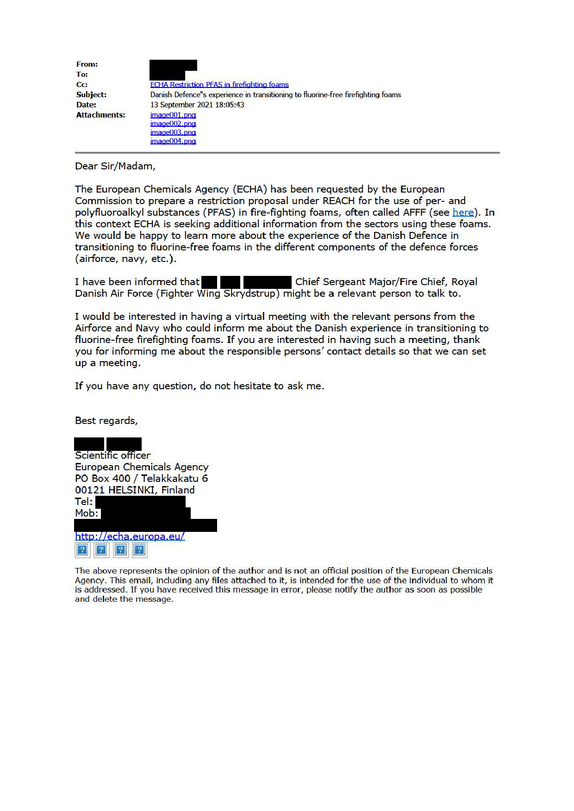
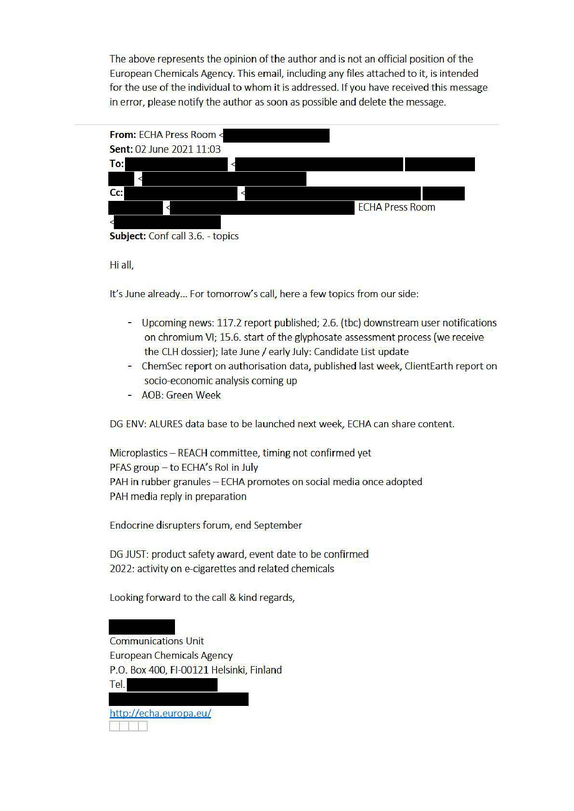
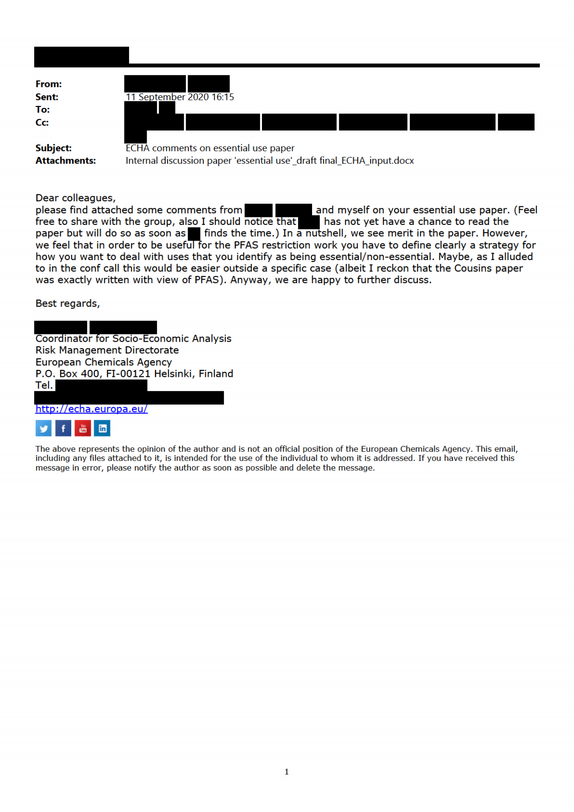
The above represents the opinion of the author and is not an official position of the European Chemicals Agency.

refid# VwdwjRDLowDGm9R3nZ9eGVxN3 pages



refid# KRO3qMwqB27k7ZOyaKJDkw5Lr3 pages
refid# 8VGYdVwLqm3dJrjwVM03VOzvB2 pages

refid# emqJZjQGxXjZjObpJdD81EM8g14 pages
refid# KRDzR8epyoEBwazJ5pbO0bgJ01 page
refid# MMVdrVKbEzn0dLYpBr56yXpDz1 page
refid# zQXJJaJeNaEDxGz42mM9grqqB3 pages
- I3 K Ari?
refid# m62DzYzzEGv1o05XqeOD4Zq021 pages