Refine
Estimated Years 2010-2019Clear
5,288 results foundRefine Search
We also recognize the importance of federal, state and community-wide investment in managing lead exposure from multiple sources: lead paint in housing, lead deposited in soils, sources of lead in schools, lead in other household items and lead in drinking water.
refid# byMz06Z2GE9O6rzNK55MkxZe34 pages
By far the most common identified form of lead exposure for children is through lead paint and lead dust in older homes...
refid# zQDL7ow4x5yymY73NL6KrxNMn6 pages
We also recognize the importance of federal, state, and community-wide investment in managing lead exposure from multiple sources: lead paint in housing, lead deposited in soils, sources o f lead in schools, lead in other household items and lead in drinking water.

refid# 3QGb9MLwa8k4Re0Q00EXDjvrx4 pages
All public water systems with lead service lines should develop a plan for replacing all lead service lines, and full lead service line replacement should be a standard practice in everyday operations.
refid# 7OK22KX5r12n8qYbzkk9vqzLe7 pages
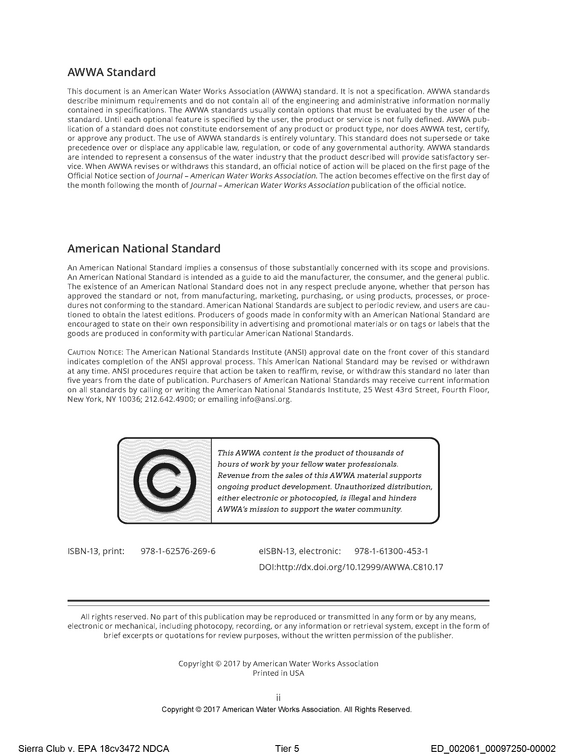
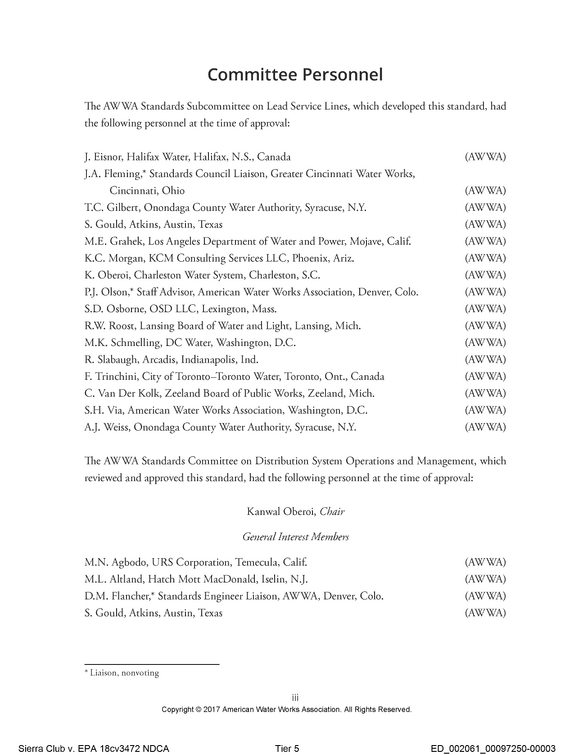
EPA 18cv3472 NDCA Tier 5 ED 002061 00097250-00002 Committee Personnel The AWWA Standards Subcommittee on Lead Service Lines, which developed this standard, had the following personnel at the time of approval: j.
refid# 0L43NeebMYwQ4xkEDO6L39eLn28 pages
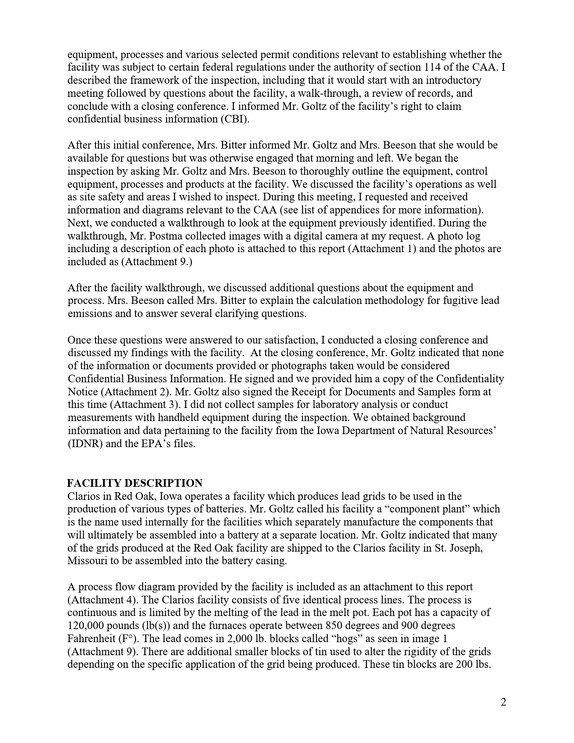
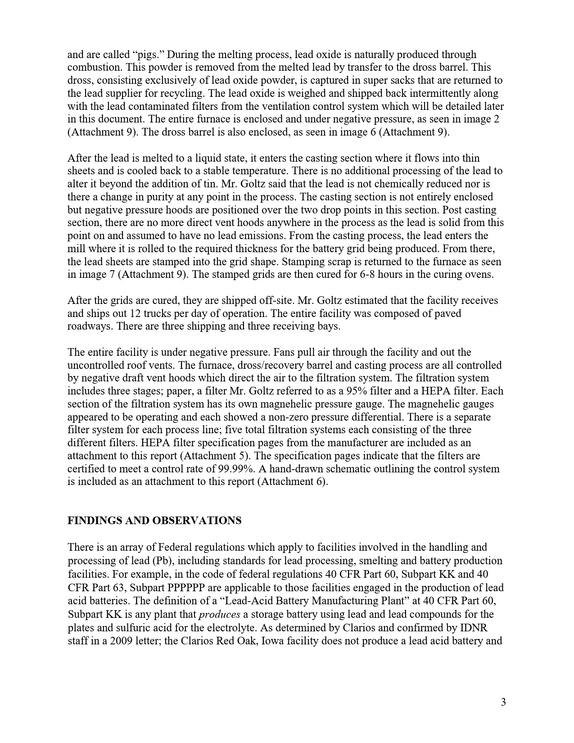
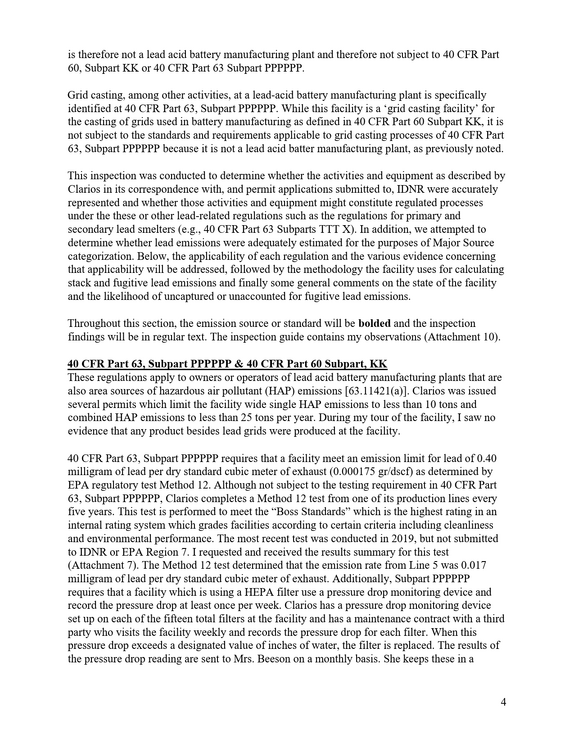
This dross, consisting exclusively of lead oxide powder, is captured in super sacks that are returned to the lead supplier for recycling.
refid# gar19nGqyXBv3qX9JGxrwLbdG7 pages
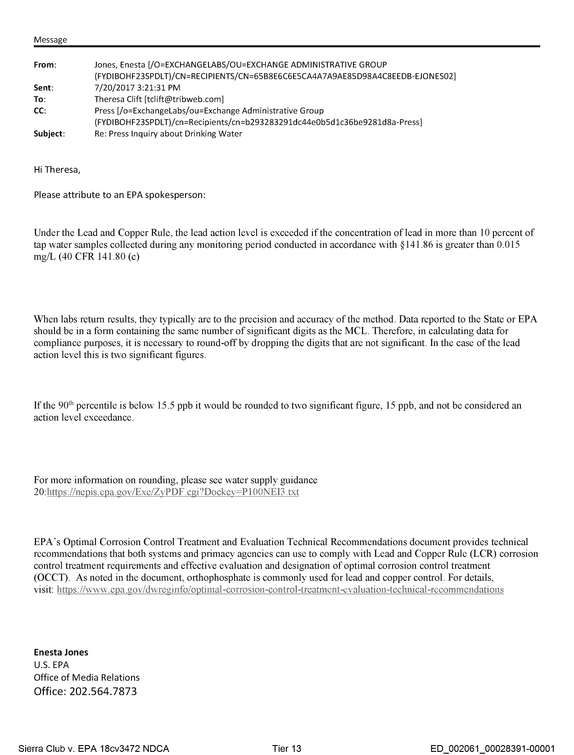
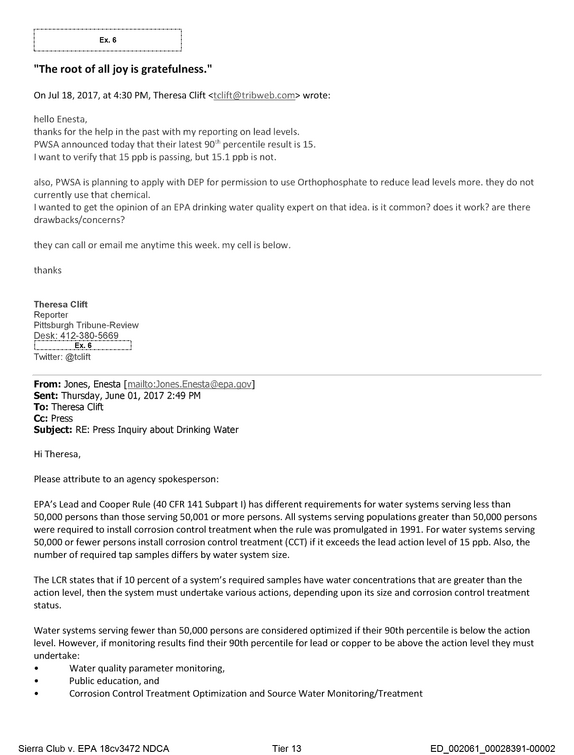
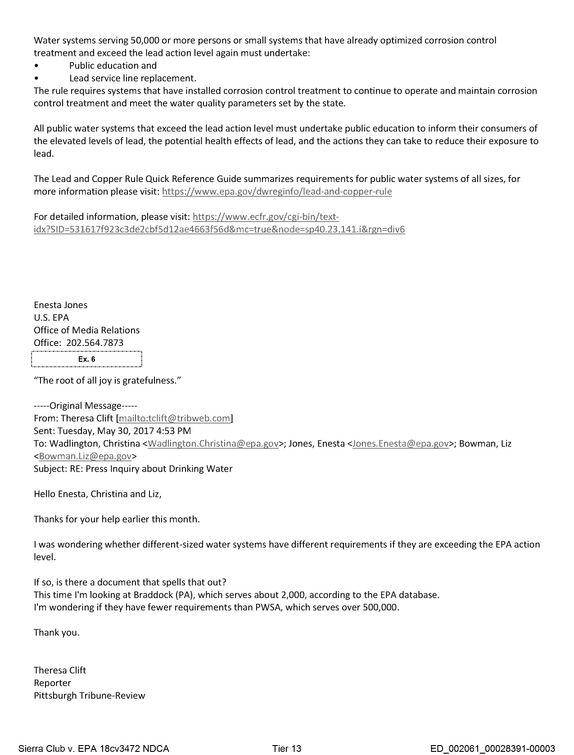
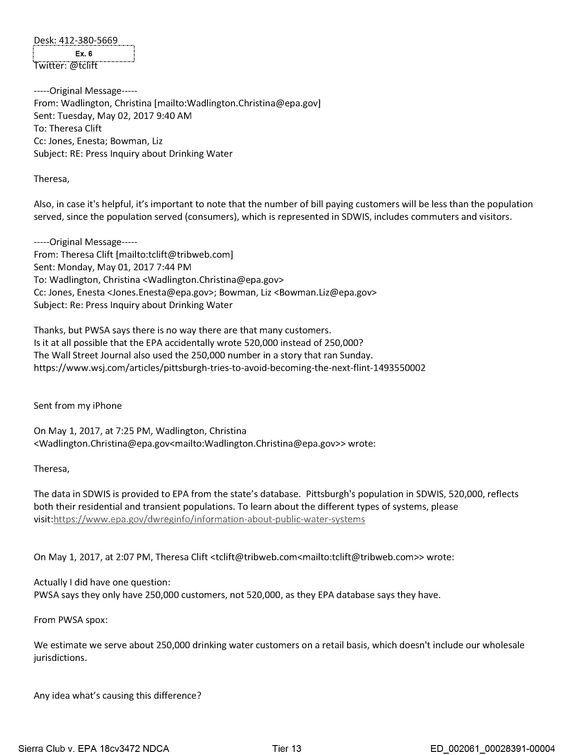
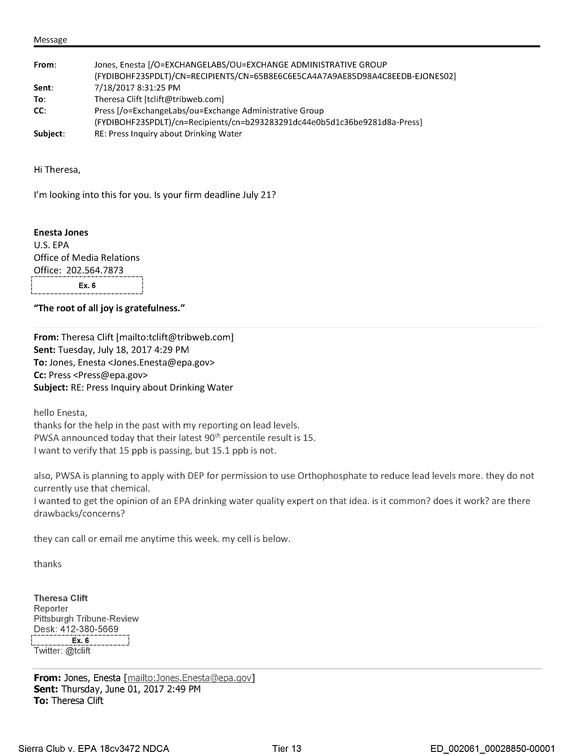
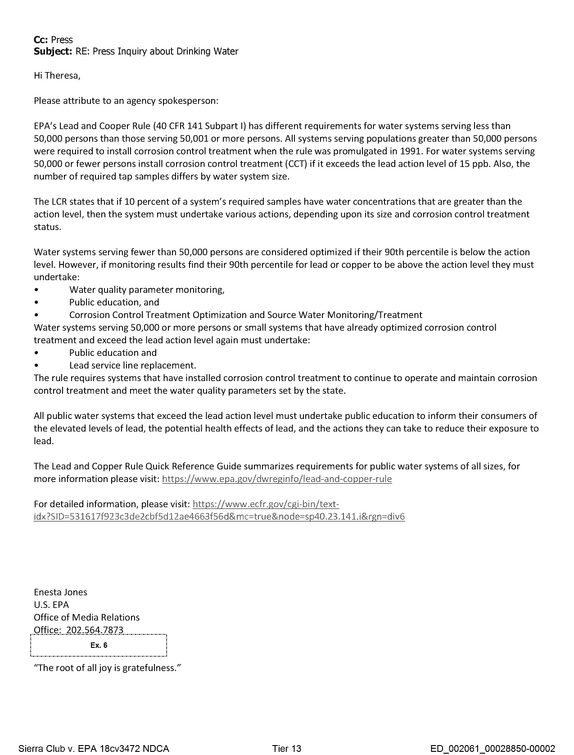
All public water systems that exceed the lead action level must undertake public education to inform their consumers of the elevated levels of lead, the potential health effects of lead, and the actions they can take to reduce their exposure to lead.
refid# v1awD6wy63EJJ3kJD0aROpmyw9 pages
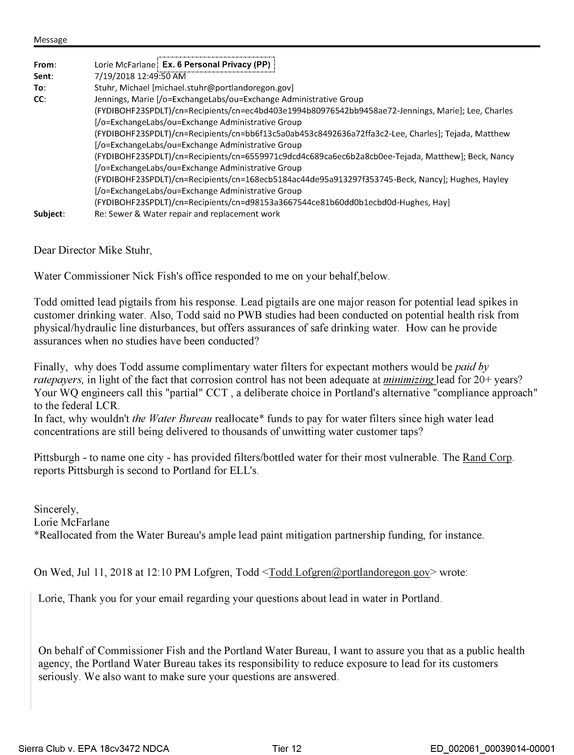
Lead pigtails are one major reason for potential lead spikes in customer drinking water.
refid# byymMkxVdqqx7pjq5Nb6o4BnO2 pages
If regulated levels of lead-based paint2 is not present there is no requirement to employ lead-safe work practices under the RRP rule.
refid# XO5aZyrX3dQxa1Rp6wLJkJ3Vx9 pages
FR-6049-N-01] Page 3 reduce childhood lead exposure and its impacts.
refid# QXzD2KrkvQp2VQ0N4Ywzng7543 pages
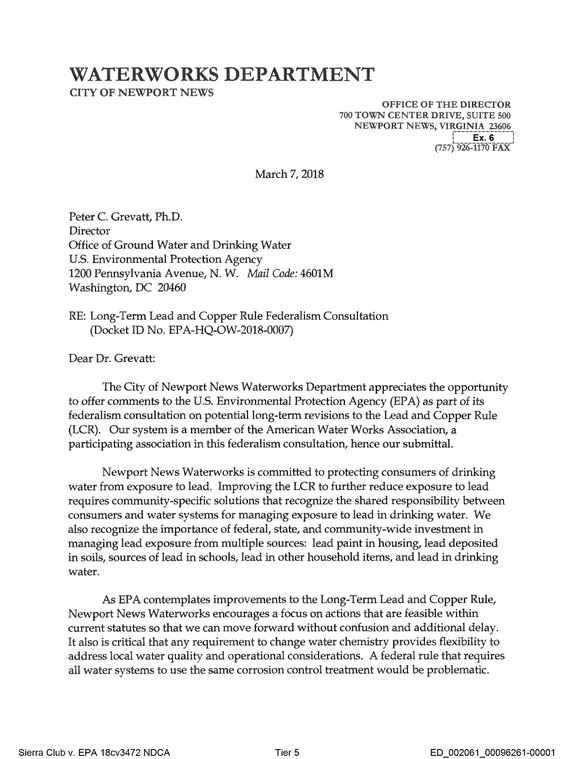
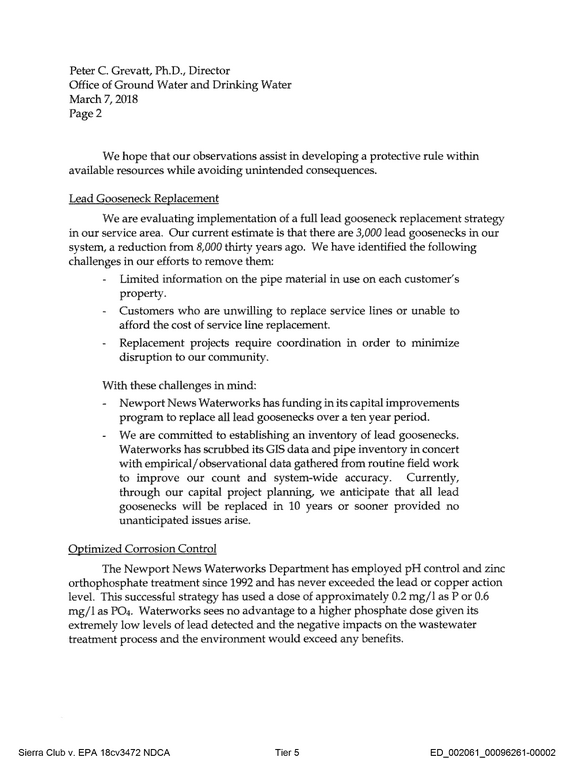
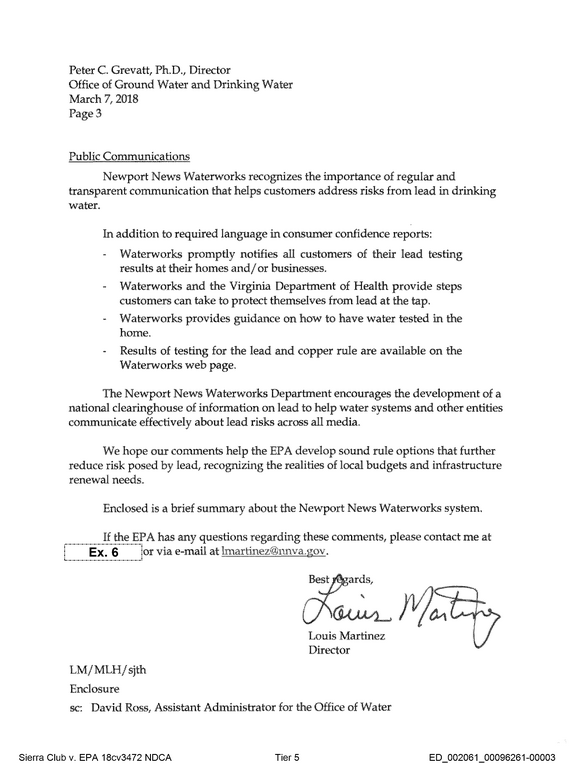
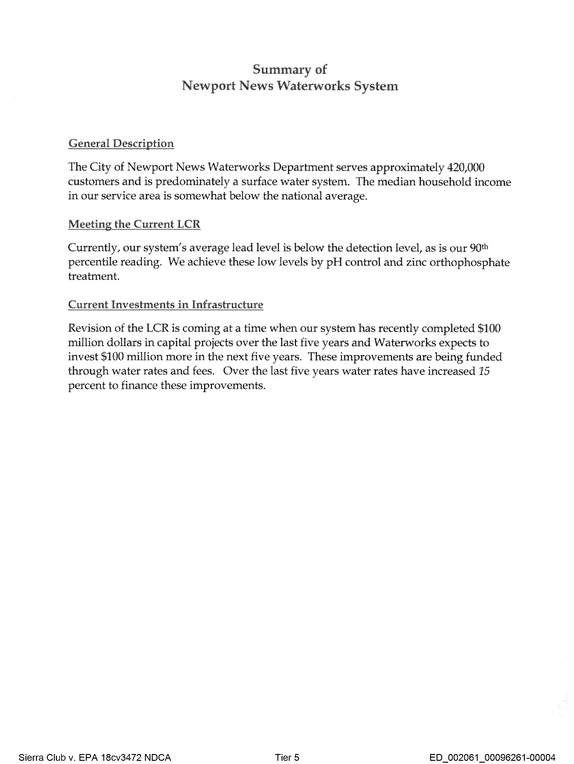
We also recognize the im portance of federal, state, and community-wide investment in managing lead exposure from multiple sources: lead paint in housing, lead deposited in soils, sources of lead in schools, lead in other household items, and lead in drinking water.
refid# mm72jzDLOVpQ5xjJ83KoQ027k4 pages
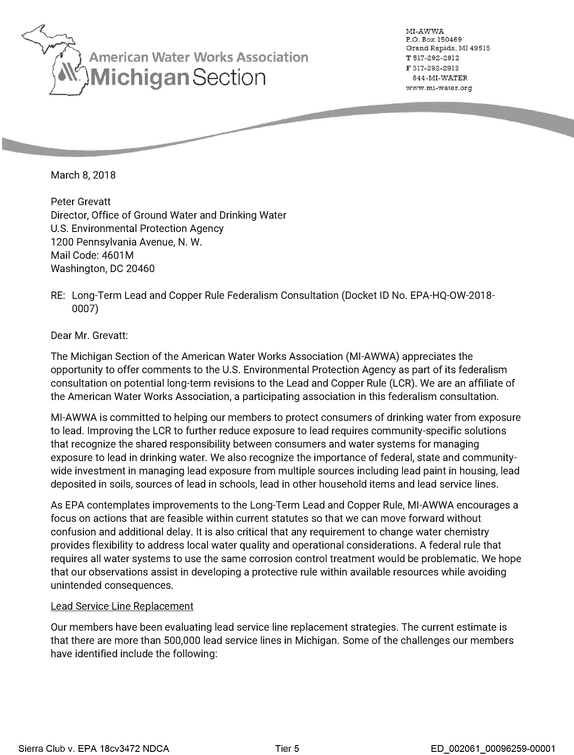
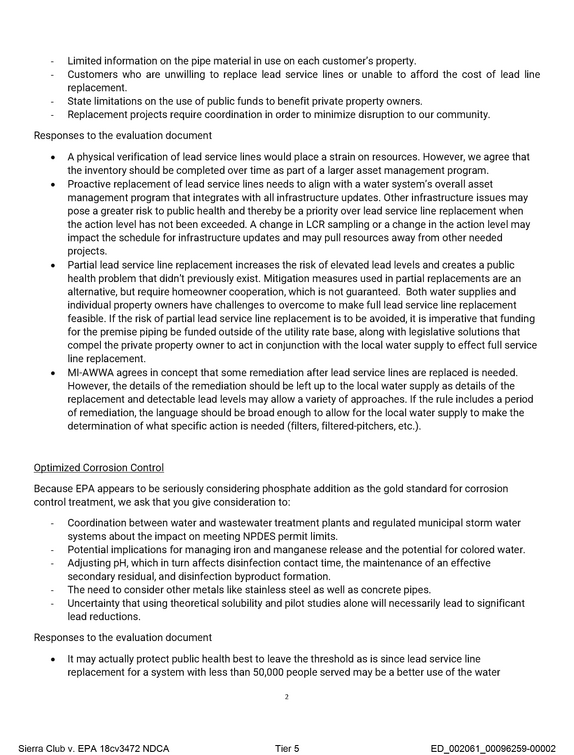
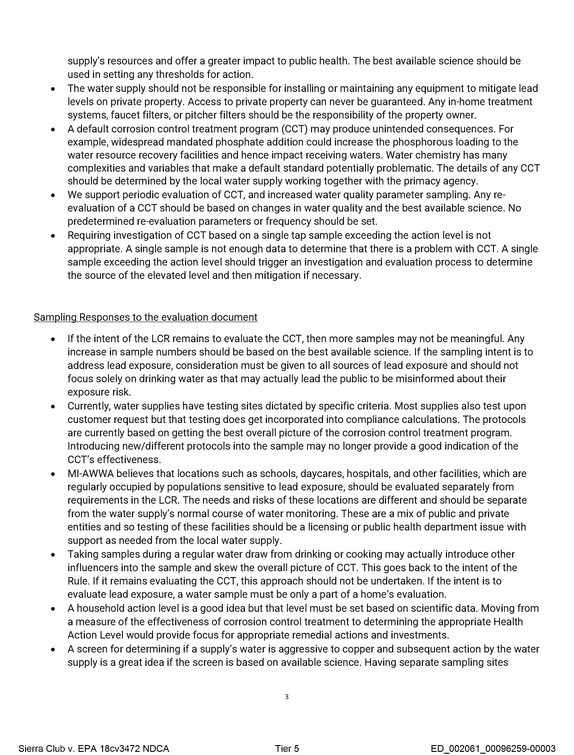
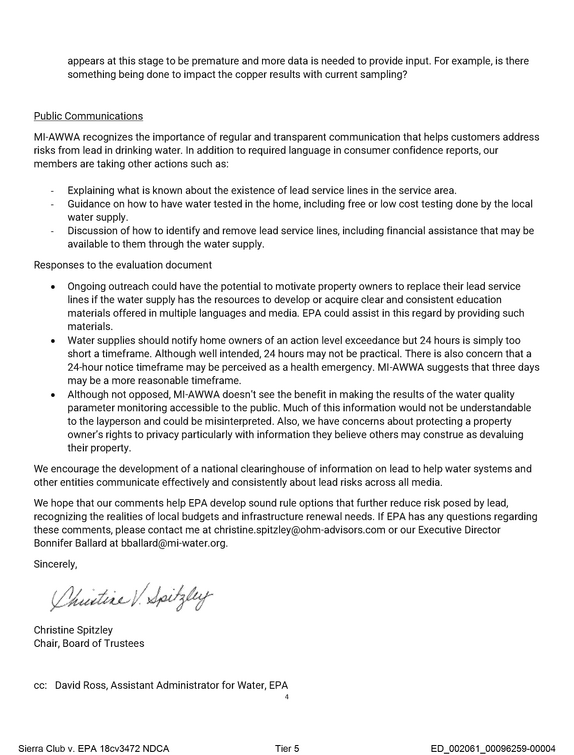
We also recognize the importance of federal, state and community wide investment in managing lead exposure from multiple sources including lead paint in housing, lead deposited in soils, sources of lead in schools, lead in other household items and lead service lines.
refid# KGoEx8VRm51KvXEo73xV8YJNN4 pages
The MCLG for lead is zero because there is no level of exposure to lead that is without risk.
refid# N2r0k92eZ395k7azJJzZe7BBD8 pages
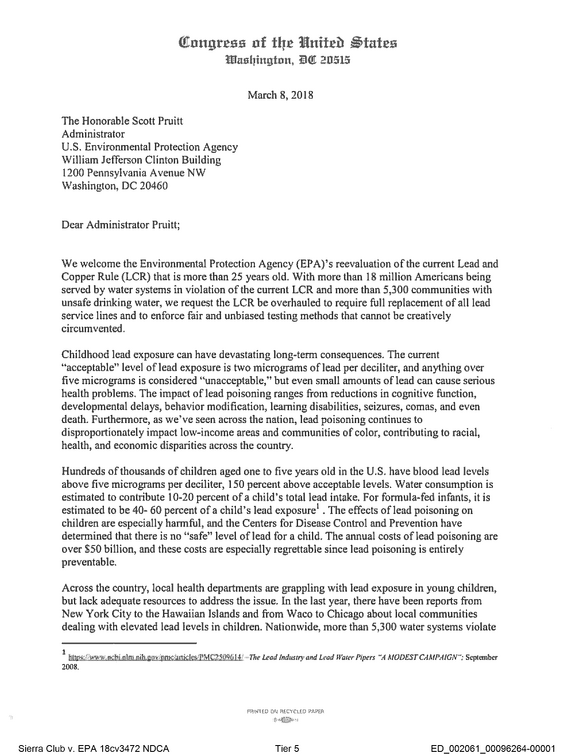
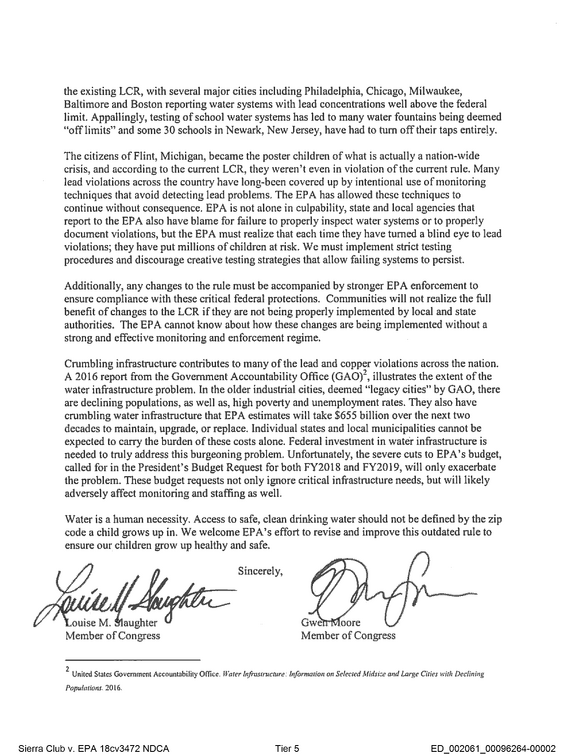
The current "acceptable" level of lead exposure is two micrograms o f lead per deciliter, and anything over five micrograms is considered "unacceptable," but even small amounts of lead can cause serious health problems.
refid# KVKLmDE5y5LjX34NopDVBN02 pages
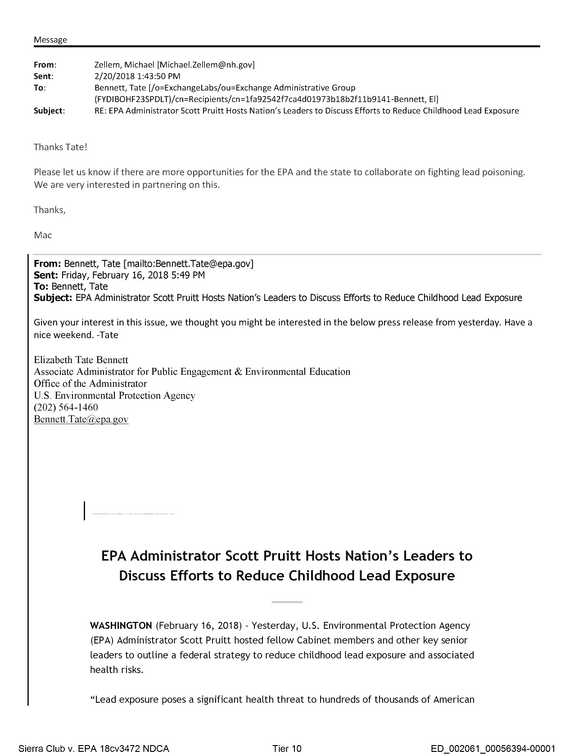
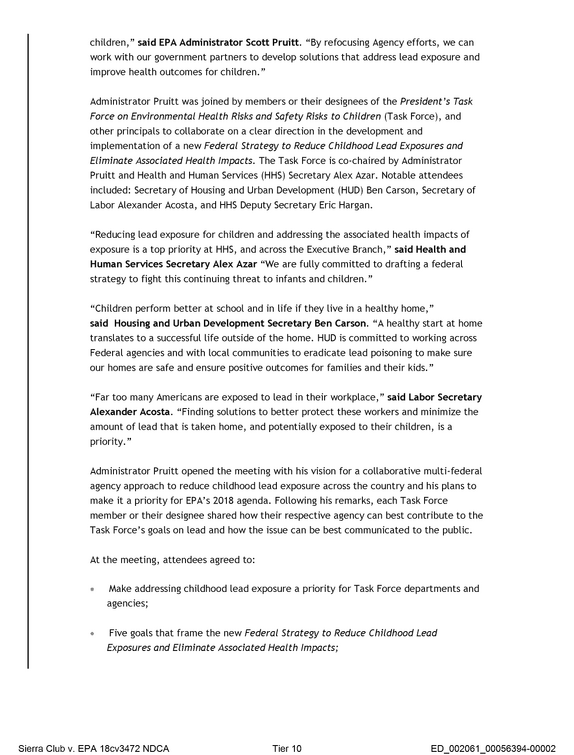
No blood lead level is safe for children.
refid# KGRmmvrMVQk02YJNG9o2Vbzr4 pages