Refine
Estimated Years 2000-2009Clear
6,589 results foundRefine Search
A3074BC KENNETH A.
refid# b56ynOzxQ00eNYRqmo4QZoVjk43 pages
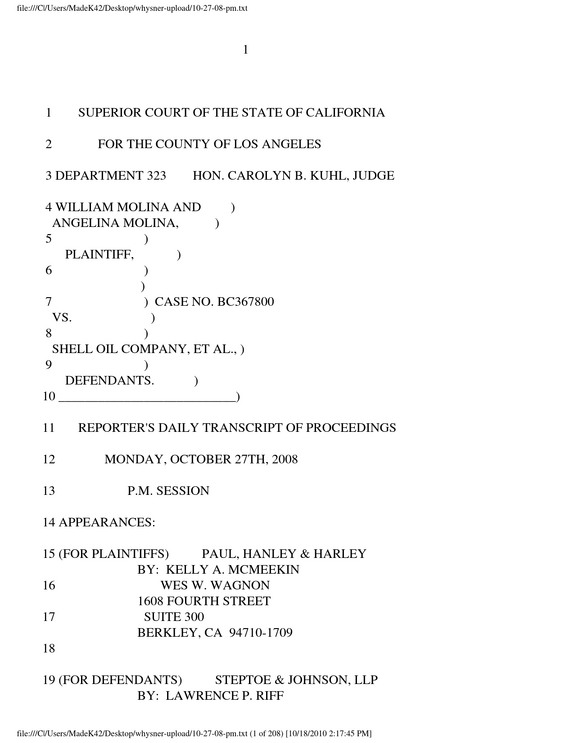
file:///C|/Users/MadeK42/Desktop/whysner-upload/10-27-08-pm.txt 1 1 SUPERIOR COURT OF THE STATE OF CALIFORNIA 2 FOR THE COUNTY OF LOS ANGELES 3 DEPARTMENT 323 HON.
refid# 7xrze24rEYonV9pLvdM4w3kR208 pages
Bone Marrow Transplantation (2004) 34, 229234 & 2004 Nature Publishing Group All rights reserved 0268-3369/04 $30.00 www.nature.com/bmt Myeloma Clinical outcomes with intensive therapy for patients with primary resistant multiple myeloma R Alexanian, D Weber, K Delasalle, B Handy, R Champlin and S Giralt University of Texas MD Anderson Cancer Center, Houston, TX USA Summary: Clinical outcomes were evaluated in 89 consecutive patients with multiple myeloma that had not responded to dexamethasone-based primary therapy, who received early intensive therapy supported by autologous stem cell transplantation.
refid# 6b0B5gpEa3Z692k26DvQM2DOg6 pages
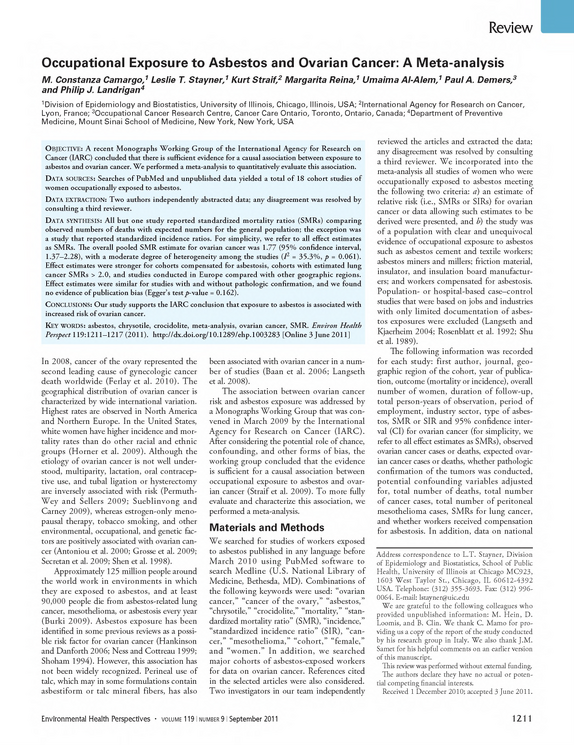
Review Occupational Exposure to Asbestos and Ovarian Cancer: A Meta-analysis M.
refid# Z8nb7xQG0QNXdQwLEqwz5vR9L7 pages
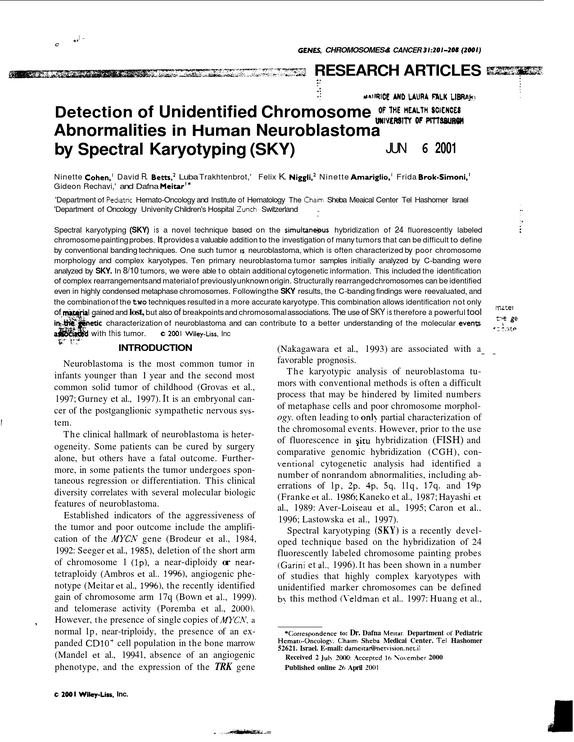
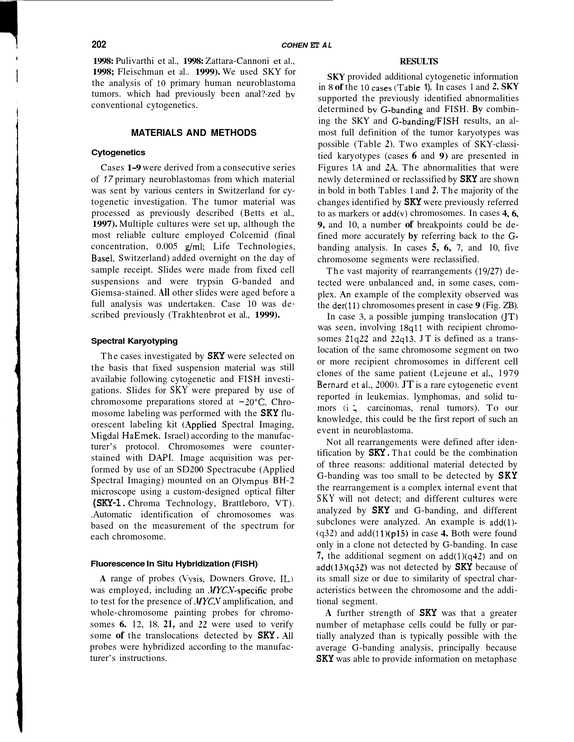
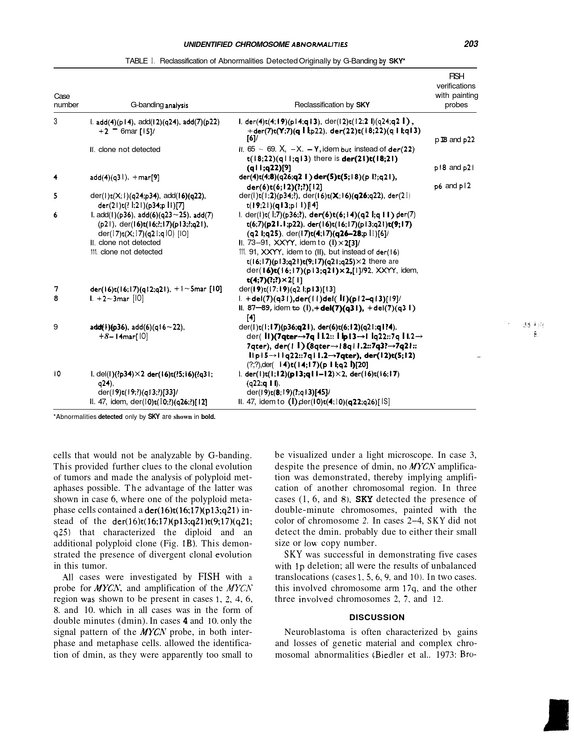
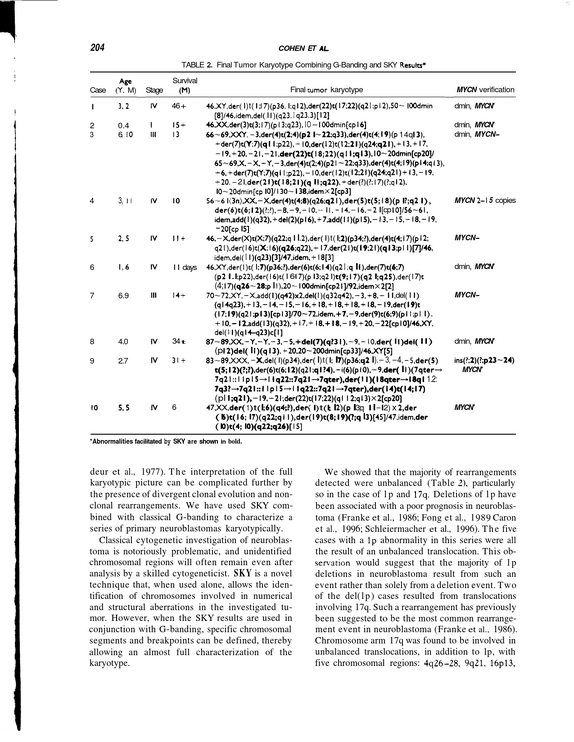
I- C *' GENES.
refid# YjYbEKM0xBE6bzaO4oKBkk2XN8 pages
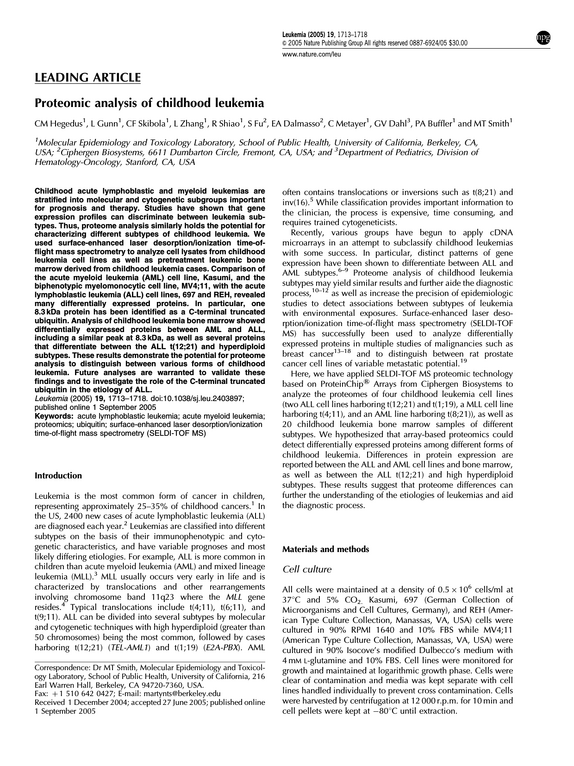
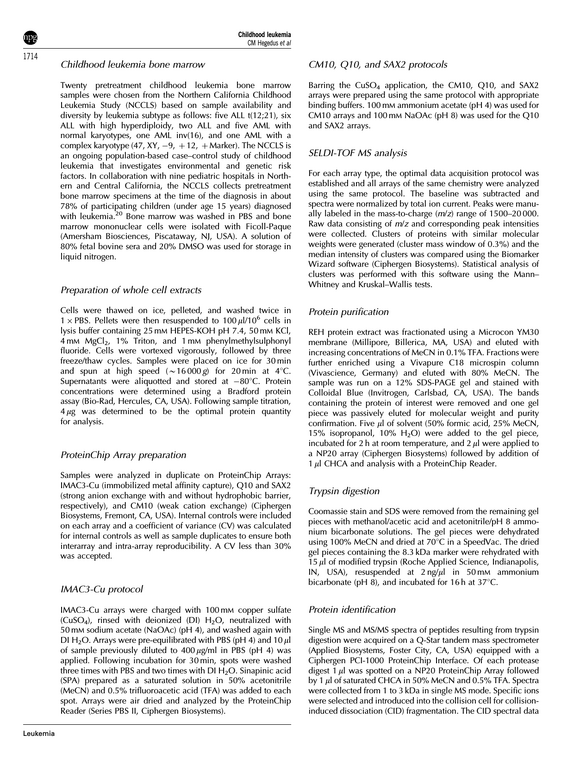
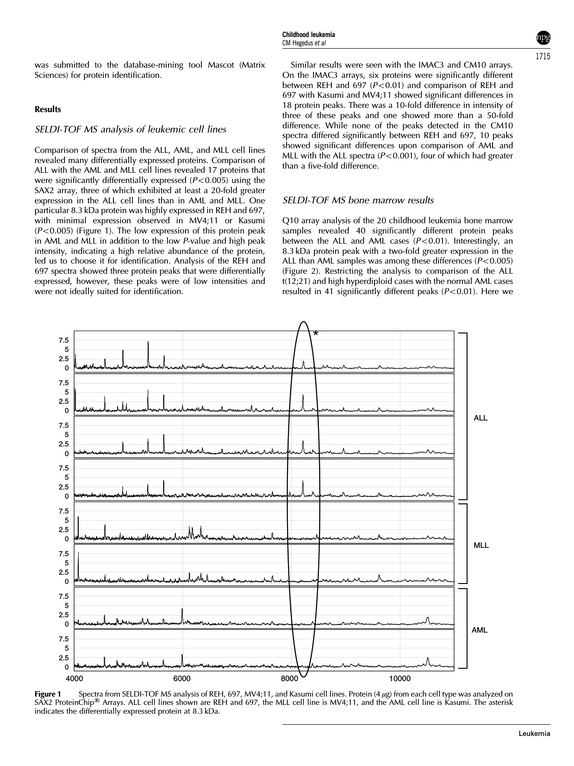
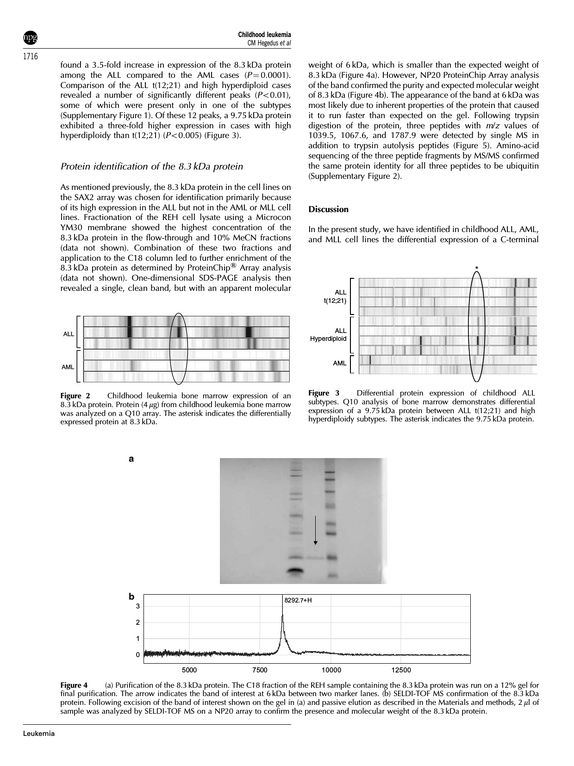
Leukemia (2005) 19, 17131718 & 2005 Nature Publishing Group All rights reserved 0887-6924/05 $30.00 www.nature.com/leu LEADING ARTICLE Proteomic analysis of childhood leukemia CM Hegedus1, L Gunn1, CF Skibola1, L Zhang1, R Shiao1, S Fu2, EA Dalmasso2, C Metayer1, GV Dahl3, PA Buffler1 and MT Smith1 1Molecular Epidemiology and Toxicology Laboratory, School of Public Health, University of California, Berkeley, CA, USA; 2Ciphergen Biosystems, 6611 Dumbarton Circle, Fremont, CA, USA; and 3Department of Pediatrics, Division of Hematology-Oncology, Stanford, CA, USA Childhood acute lymphoblastic and myeloid leukemias are stratified into molecular and cytogenetic subgroups important for prognosis and therapy.
refid# GKa4MvORjz4jJw4NOx1xL43rx6 pages
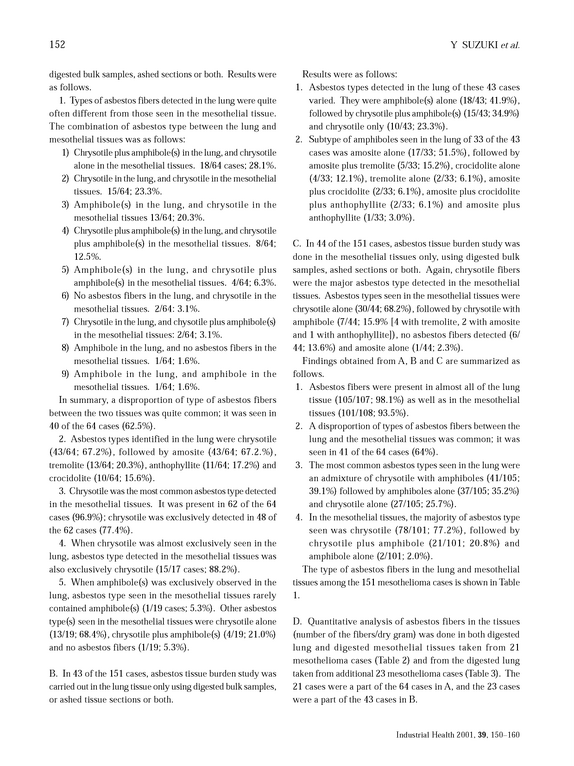
Industrial Health 2001, 39, 150-160 Original Article Asbestos Tissue Burden Study on Human Malignant Mesothelioma Yasunosuke SUZUKI* and Steven R.
refid# mzBJM1JjJ54Q8wKJVNZ8N9Qd11 pages
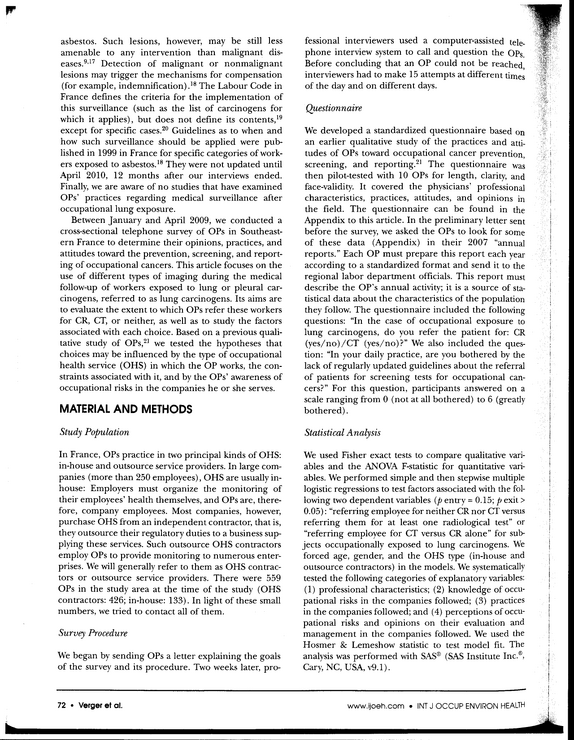
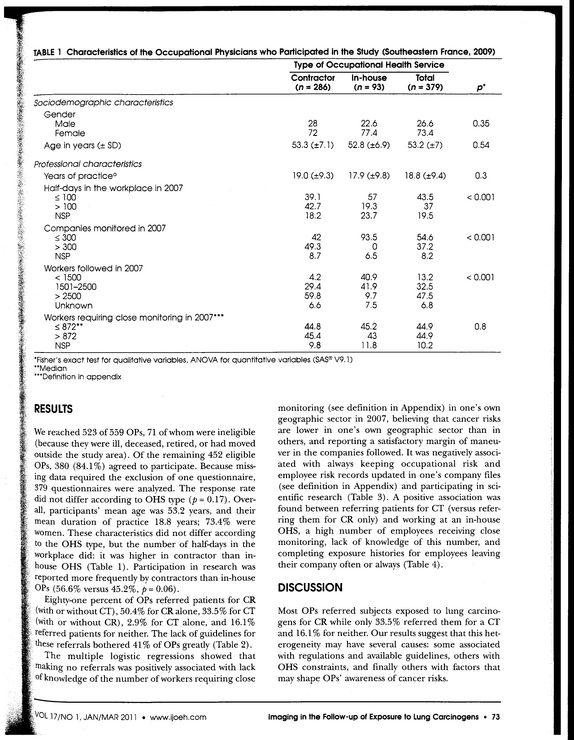
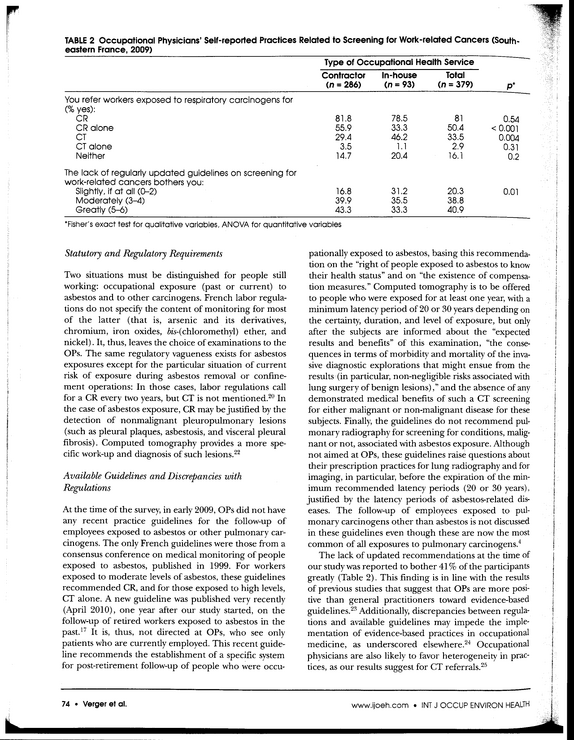
Use of Imaging in the Follow-up of I Workers Exposed to Lung Carcinogens: PPIErRaRcE tVicEeRGsEiRn, SOANcDcRuINpEaCtAioBUnTa, lALMAIeNdViIcAiUn, eMAaRnCdSOitUsVIDLLeE,teCrLmAIRinEaPnARtsDON, I DANIELLE CHARRIER, BENOIT DE LABRUSSE, MARIE-PASCALE LEHUCHER-MICHEL, SANDRINE ARNAUD We studied occupational physicians' (OPs) practices of I referrals for imaging of workers occupationally exposed to lung/pleural carcinogens and the factors associated with them.
refid# nk9nL0jLd1E9vxb4p7yxp22nG8 pages
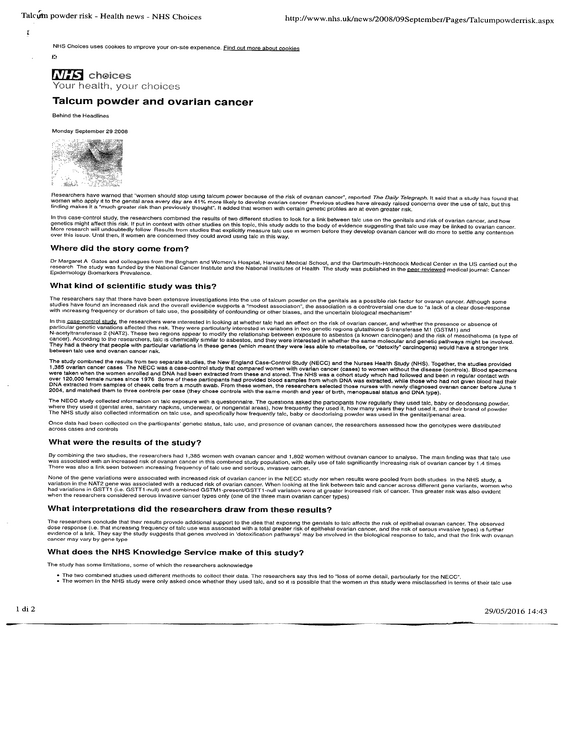
FILE NAME Talc TALC DATE 2008 DOC TALC133 DOCUMENT DESCRIPTION NHS Article - Talcum Powder and Ovarian Cancer Talcum powder risk - Health news - NHS Choices http://www.nhs.uk/news/2008/09 NHS Choices uses cookies to improve your site experience Find out more about cookies choices Your health your choices Talcum powder and ovarian cancer Behind the Headlines Monday September 29 2008 Researchers have warned that women should stop using talcum power because of the risk of ovarian cancer reported The Daily Telegraph It said that a study has found that women who apply it to the genital area every day are % more likely to develop ovarian cancer Previous studies have already raised concerns over the use of talc but this finding makes it a much greater risk than previously thought It added that women with certain genetic profiles are at even greater risk In this control study the researchers combined the results of two different studies to look for a link between talc use on the genitals and risk of ovarian cancer and how genetics might affect this risk If put in context with other studies on this topic this study adds to the body of evidence suggesting that talc use may be linked to ovarian cancer More research will undoubtedly follow Results from studies that explicitly measure talc use in women before they develop ovarian cancer will do more to settle any contention over this issue Until then if women are concerned they could avoid using talc in this way Where did the story come from Dr Margaret A Gates and colleagues from the Brigham and Women's Hospital Harvard Medical School and the Dartmouth Medical Center in the US carried out the research The study was funded by the National Cancer Institute and the National Institutes of Health The study was published in the reviewed medical journal Cancer Epidemiology Biomarkers Prevalence What kind of scientific study was this The researchers say that there have been extensive studies have found an increased risk and the overall with increasing frequency or duration of talc use the investigations into the use of talcum powder on the genitals as a possible risk factor for evidence supports a modest association the association is a controversial one due to possibility of confounding or other biases and the uncertain biological mechanism ovarian cancer Although some a lack of a clear response control study In this the researchers were interested in looking at whether talc had an effect on the risk of ovarian cancer and whether the presence or absence of particular genetic variations affected this risk They were particularly interested in variations in two genetic regions glutathione transferase M1 GSTM1 and acetyltransferase 2 NAT2 These two regions appear to modify the relationship between exposure to asbestos a known carcinogen and the risk of mesothelioma a type of cancer According to the researchers talc is chemically similar to asbestos and they were interested in whether the same molecular and genetic pathways might be involved They had a theory that people with particular variations in these genes which meant they were less able to metabolise or detoxify carcinogens would have a stronger link between talc use and ovarian cancer risk The study combined the results from two separate studies the New England Control Study NECC and the Nurses Health Study NHS Together the studies provided 1,385 ovarian cancer cases The NECC was a control study that compared women with ovarian cancer cases to women without the disease controls Blood specimens were taken when the women enrolled and DNA had been extracted from these and stored The NHS was a cohort study which had followed and been in regular contact with over 120,000 female nurses since 1976 Some of these participants had provided blood samples from which DNA was extracted while those who had not given blood had their DNA extracted from samples of cheek cells from a mouth swab From these women the researchers selected those nurses with newly diagnosed ovarian cancer before June 1 2004 and matched them to three controls per case they chose controls with the same month and year of birth menopausal status and DNA type The NECC study collected information on talc exposure with a questionnaire The questions asked the participants how regularly they used talc baby or deodorising powder where they used it genital area sanitary napkins underwear or nongenital areas how frequently they used it how many years they had used it and their brand of powder The NHS study also collected information on talc use and specifically how frequently talc baby or deodorising powder was used in the perianal area Once data had been collected on the participants genetic status talc use and presence of ovarian cancer the researchers assessed how the genotypes were distributed across cases and controls What were the results of the study By combining the two studies the researchers had 1,385 women with ovarian cancer and 1,802 women without ovarian cancer to analyse The main finding was that talc use was associated with an increased risk of ovarian cancer in this combined study population with daily use of talc significantly increasing risk of ovarian cancer by 1.4 times There was also a link seen between increasing frequency of talc use and serious invasive cancer None of the gene variations were associated with increased risk of ovarian cancer in the NECC study nor when results were pooled from both studies In variation in the NAT2 gene was associated with a reduced risk of ovarian cancer When looking at the link between talc and cancer across different gene had variations in GSTT1 i.e.
refid# rebNNDoVDJRdJD7VpR8xwmVDE3 pages
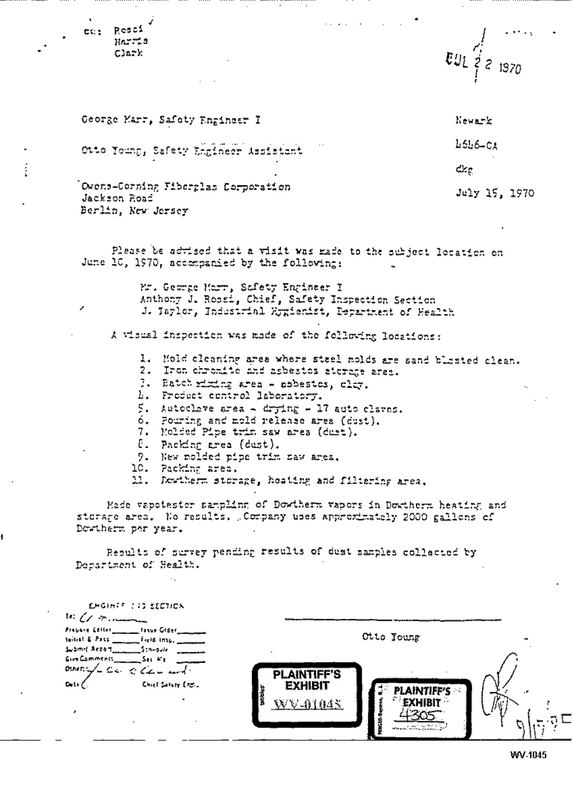
Ct:: Harris Clark George Karr, SaXoty Engineer 2 -`-'j /ft S ^. .
refid# YJYJr4roqVXnBnjBn2gMqQKD1 page
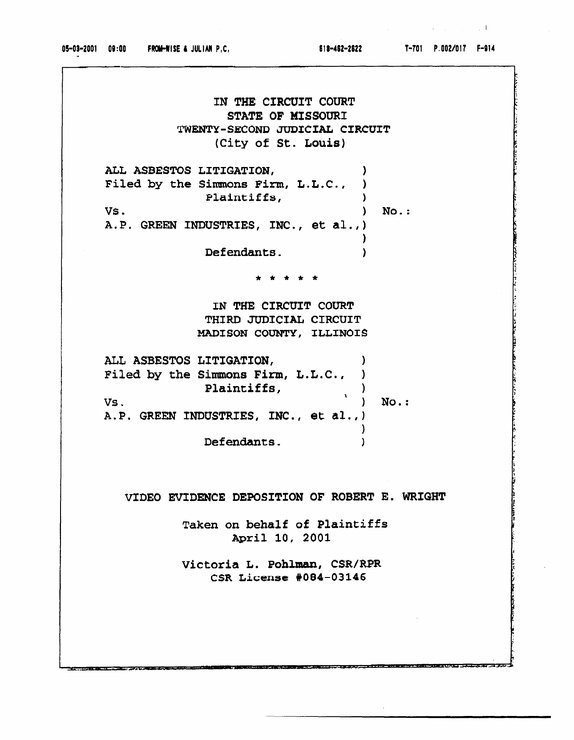
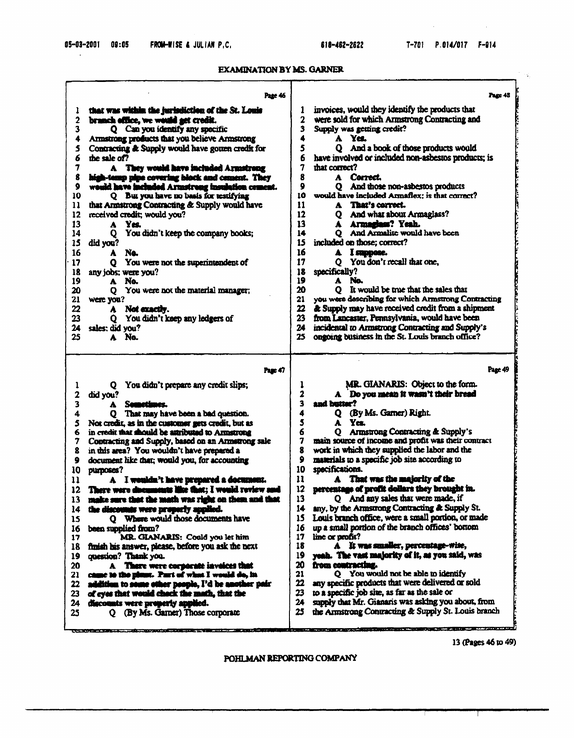
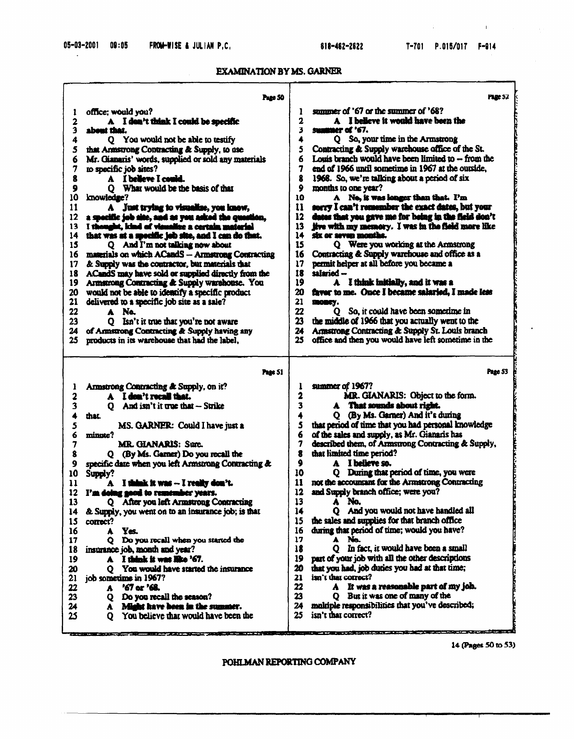
05-03-2001 09:00 FROKKWISE I JULIAN P,C, 618-462-2622 T-701 P.002/017 F-914 IN THE CIRCUIT COURT STATE OF MISSOURI TWENTY-SECOND JUDICIAL CIRCUIT (City of St.
refid# 0J90mVpBOrneY101ZaLG39Kxd16 pages
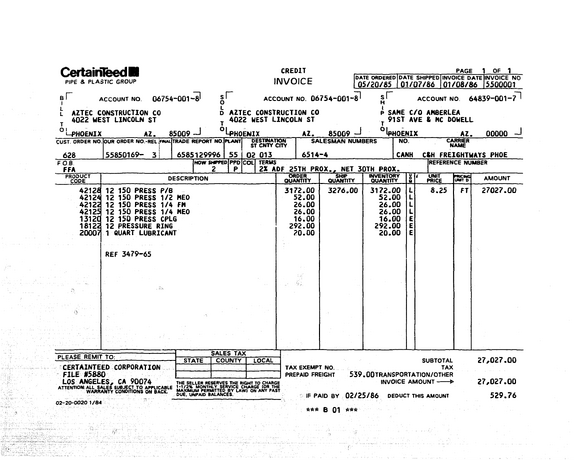
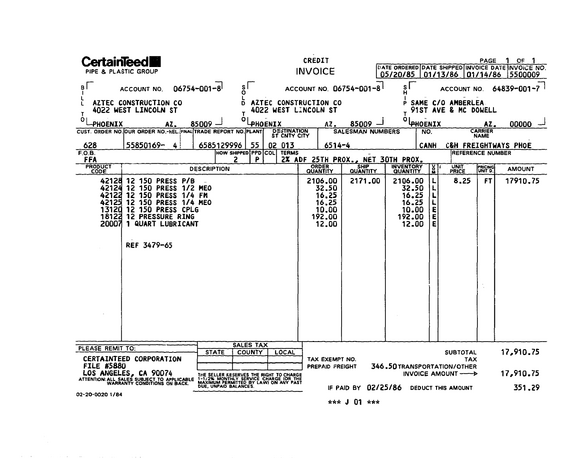
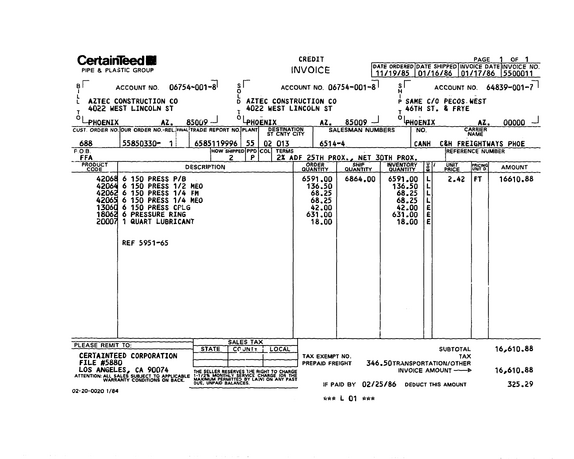
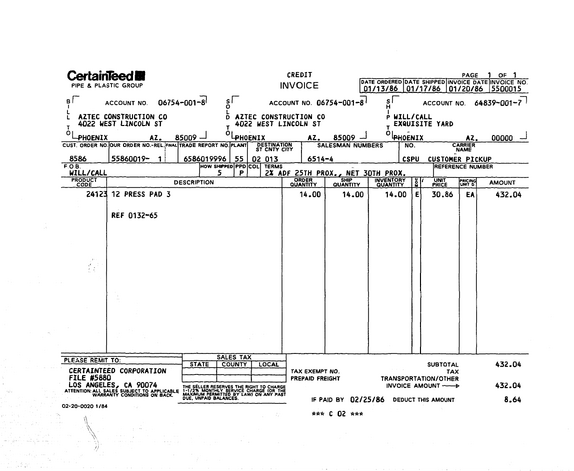
CertairfleedH PIPE & PLASTIC GROUP Br i account no. 06754-001--3 sT O CREDIT INVOICE ACCOUNT NO. 06754-001 PAGE 1 OF 1 DATE ORDERED DATE SHIPPED INVOICE DATE INVOICE NO 05/20/65 01/07/86 01/08/86 5500001 sT H account no. 64839-001-7~l L AZTEC CONSTRUCTION CO 4022 WEST LINCOLN ST D AZTEC CONSTRUCTION CO T 4022 WEST LINCOLN ST P SANE C/O ANBERLEA r 91ST AVE ft NC DOWELL L-PHOENIX AZ. 85009 ~J UH0ENIX AZ. 85009 J lp0ENIX CUST.
refid# k9q0ED6NGxGQJVEzveJKJm3DB86 pages
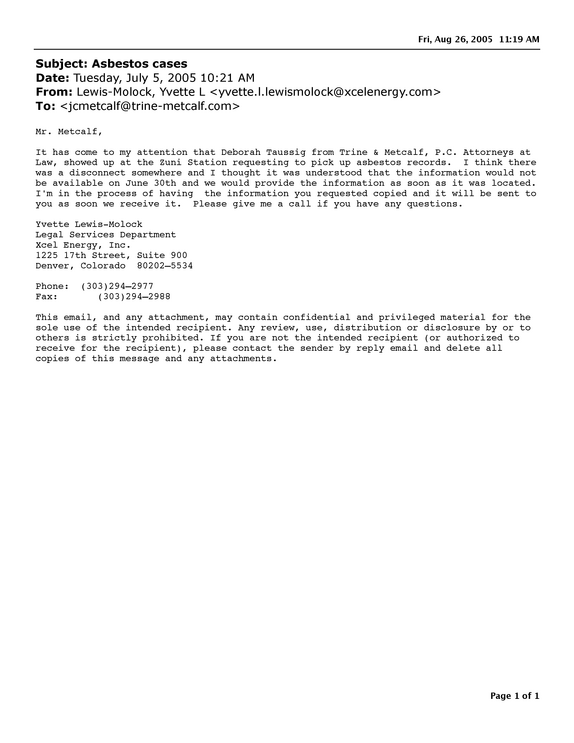
Fri, Aug 26, 2005 11:19 AM Subject: Asbestos cases Date: Tuesday, July 5, 2005 10:21 AM From: Lewis-Molock, Yvette L <yvette.l.lewismolock@xcelenergy.com> To: <jcmetcalf@trine-metcalf.com> Mr.
refid# pxb3kML0Z8wN7MOZYpw46dw71 page
Fri, Aug 26, 2005 11:19 AM Subject: Evette Lewis-Molock, Esq.

refid# G6VM6ydG6Dy1038MLx1DGzydv1 page
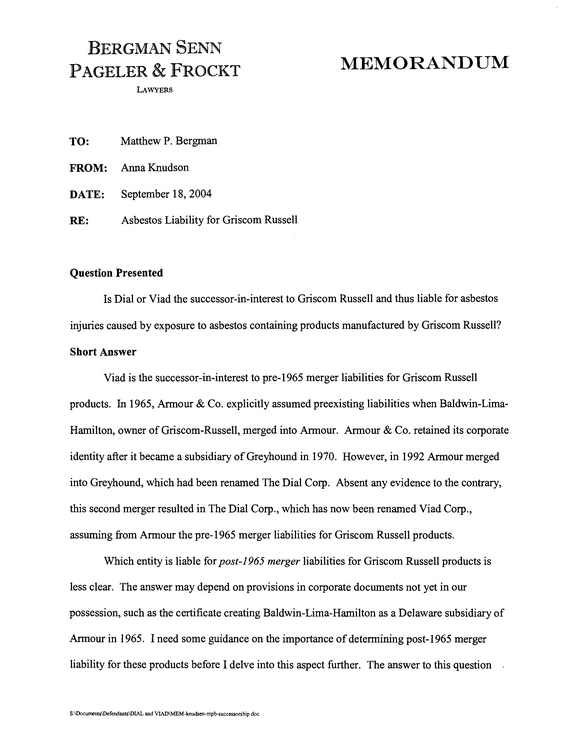
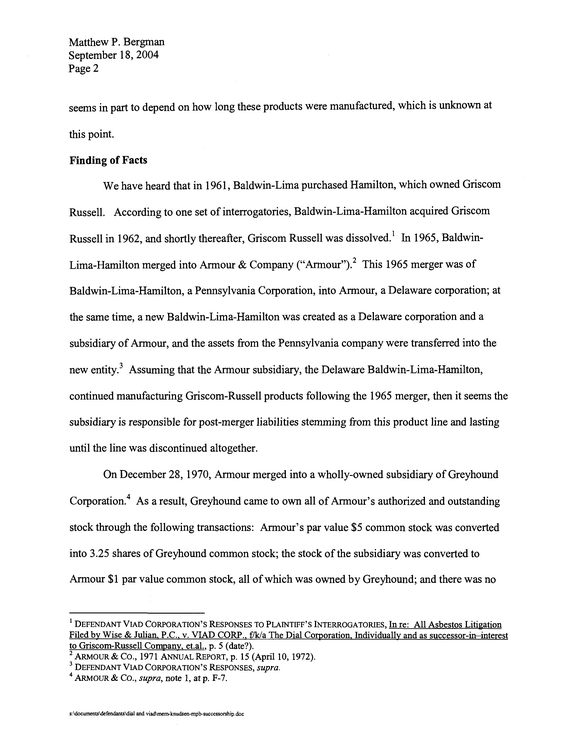
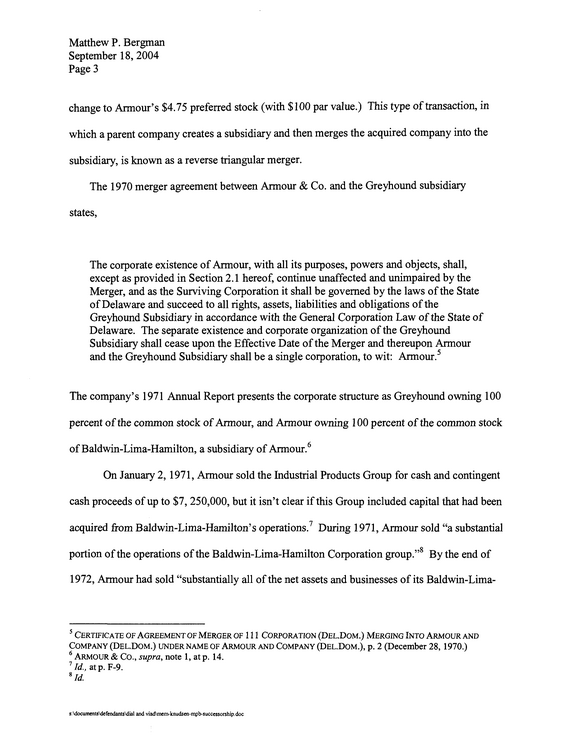
Bergman Senn Pageler & Frockt Lawyers MEMORANDUM TO: Matthew P.
refid# gDgqenza9R9QX176be3rjmdMV16 pages