Refine
Estimated Years 2000-2009Clear
6,589 results foundRefine Search
Insulation Mundet Cork Corporation 65 S.
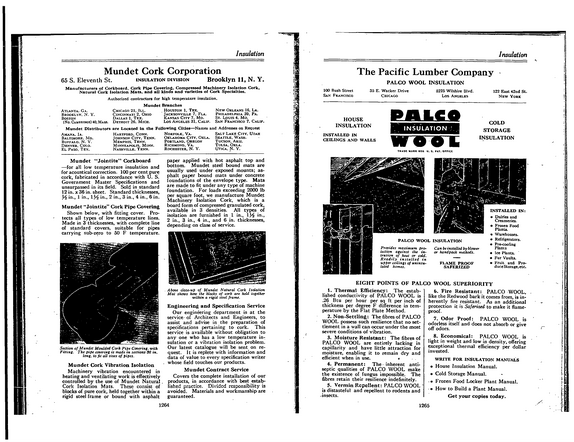
refid# oenrQk3j8ekqLvxd04DM9VKbo1 page
' - Air System Equipment f"s and Blowers Chelsea Fan & Blower Co., Inc. 1206 Grove St., Irvington 11, N.
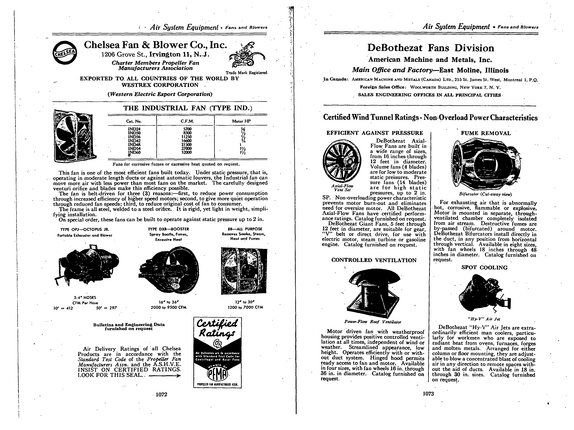
refid# X96Bmk8B1VE2JEYBGqK3d6vK1 page
w3.
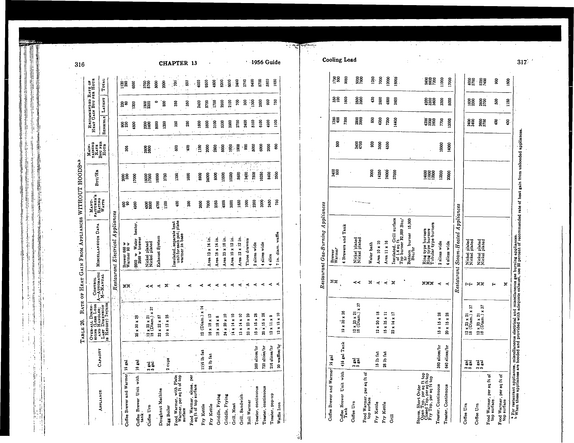
refid# M49O14geMRrE35rNG4v5e33nj1 page
CT CORPORATION SYSTEM September 22, 2000 Don Hager Kerr-McGee Corporation 123 Robert S.
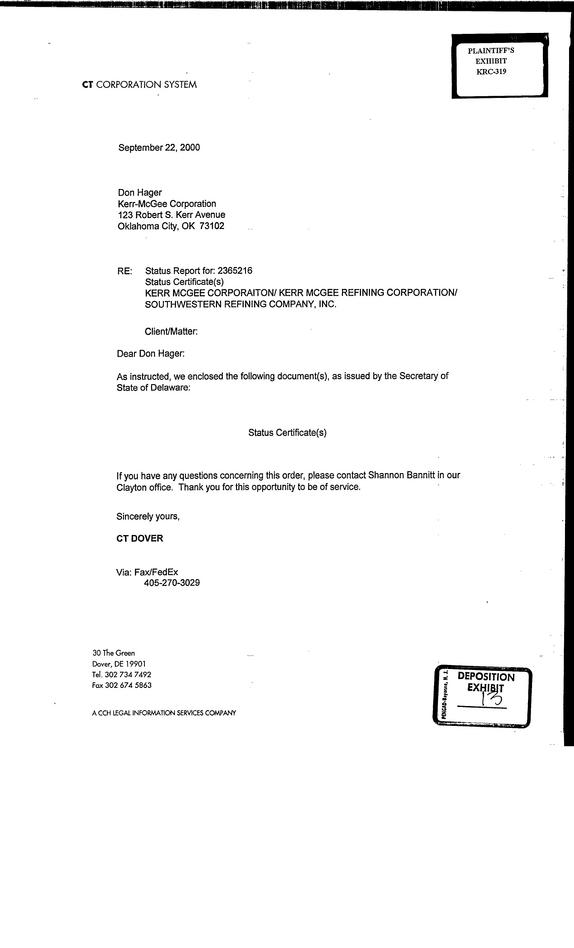
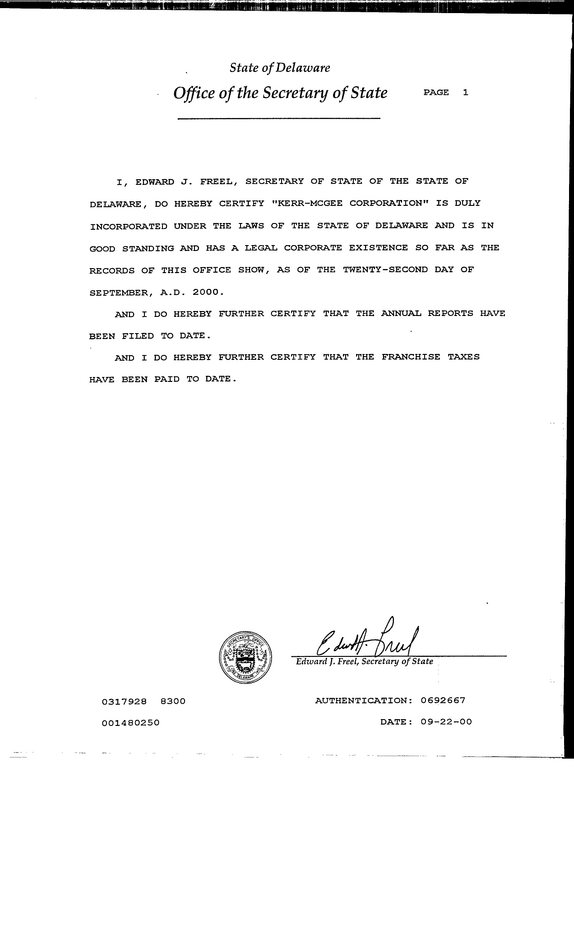
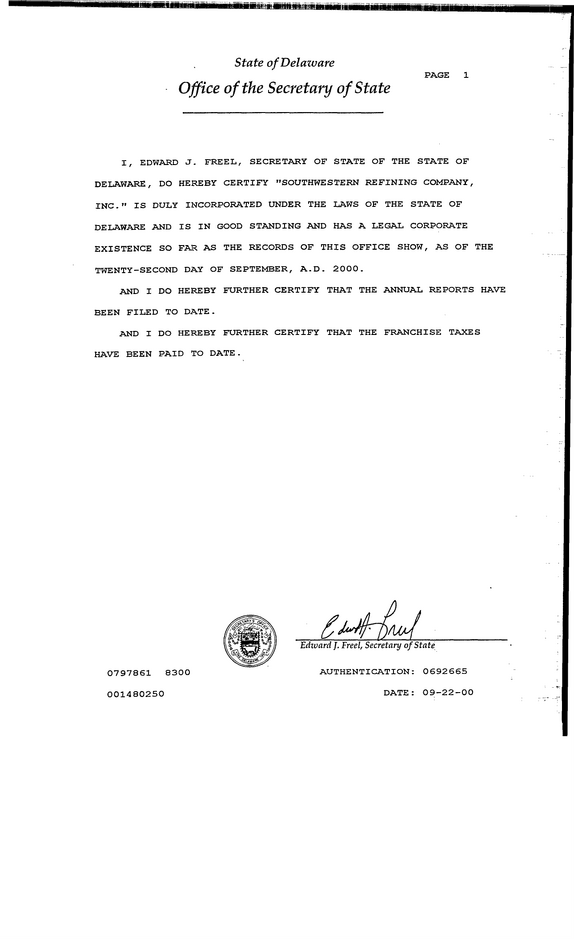
refid# KR3kkOZ6Jmp6jOgeqeKbmKy6K3 pages
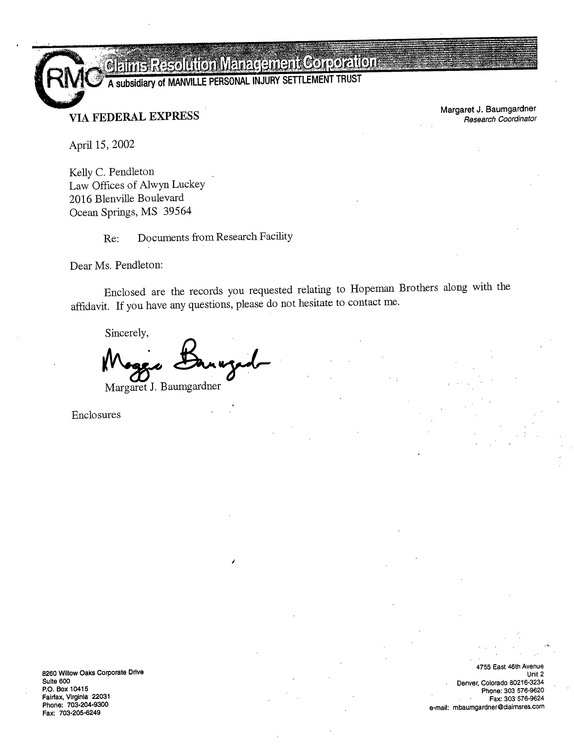
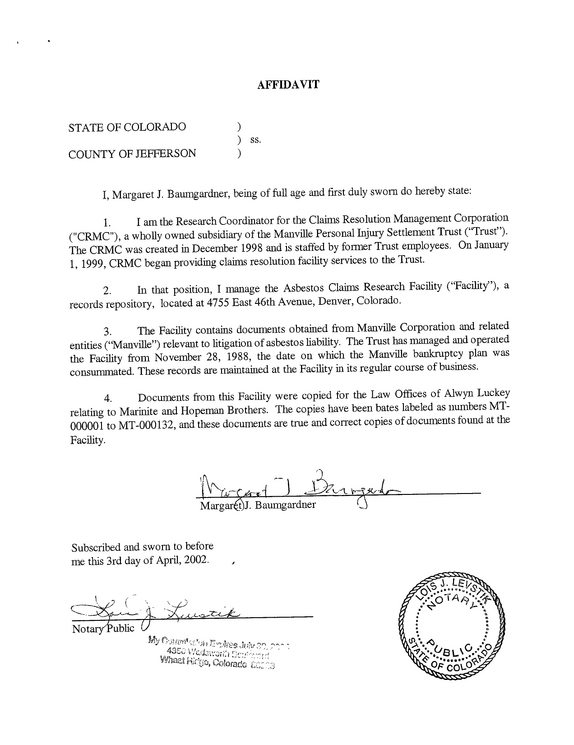
FILE NAME: Hopeman Brothers (HB) DATE: 2002 Apr 3 DOC#: HB001 DOCUMENT DESCRIPTION: Legal - A ffidavit o f M argaret Baumgardner VIA FEDERAL EXPRESS Margaret J.
refid# ByeLoQGMdrVJRRxEwxZLM1b443 pages
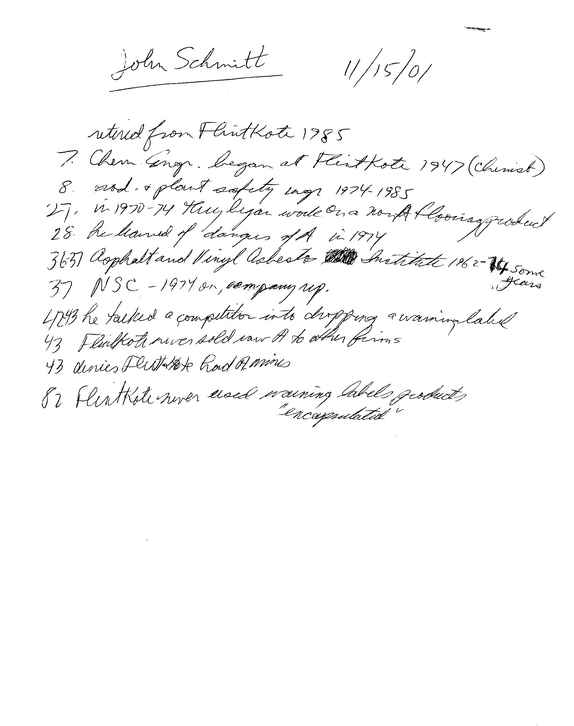
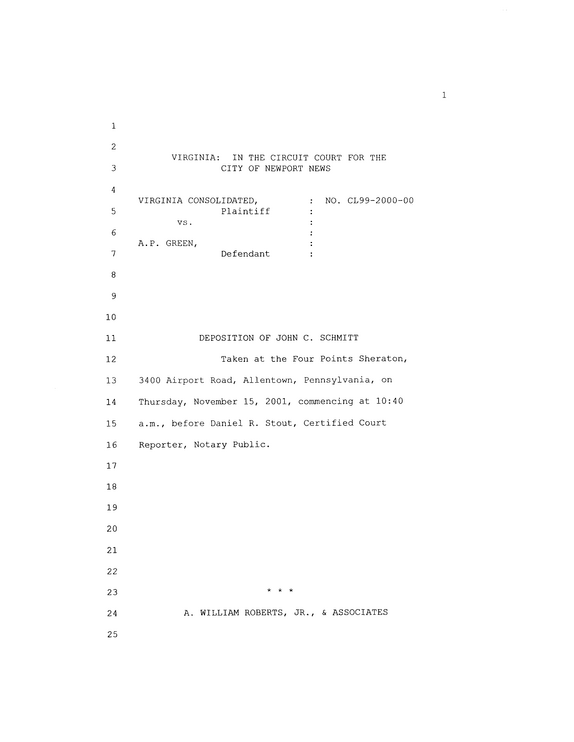
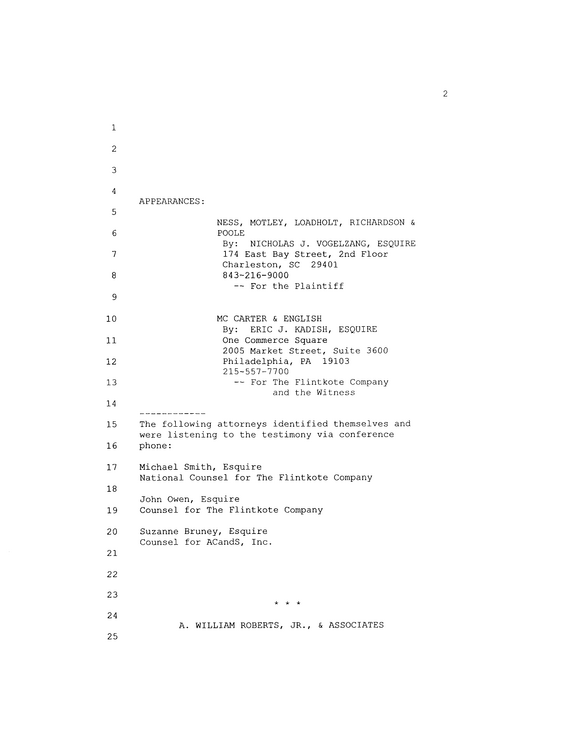
FILENAME: Flintkote (FLK) DATE: 2001 Nov 15 DOC#: FLK079 DOCUMENT DESCRIPTION: Legal - Deposition of John C.

refid# LKwdbNnLpKY5EzRR75GLbY6kg88 pages
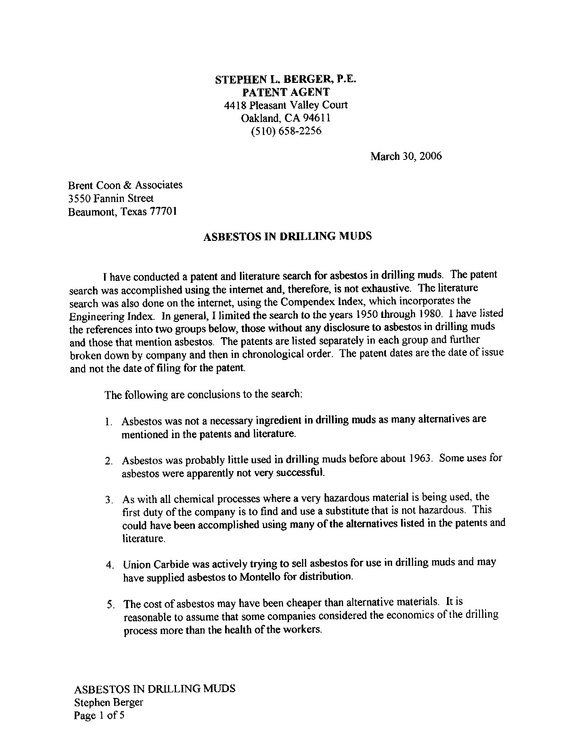
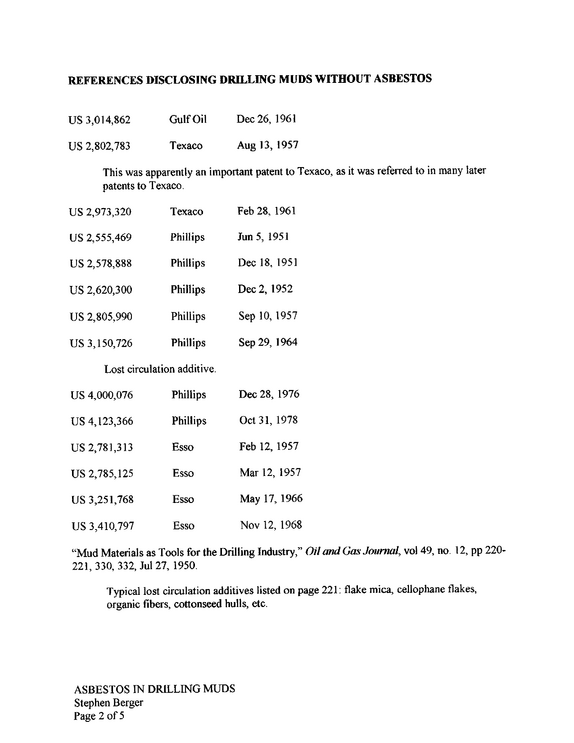
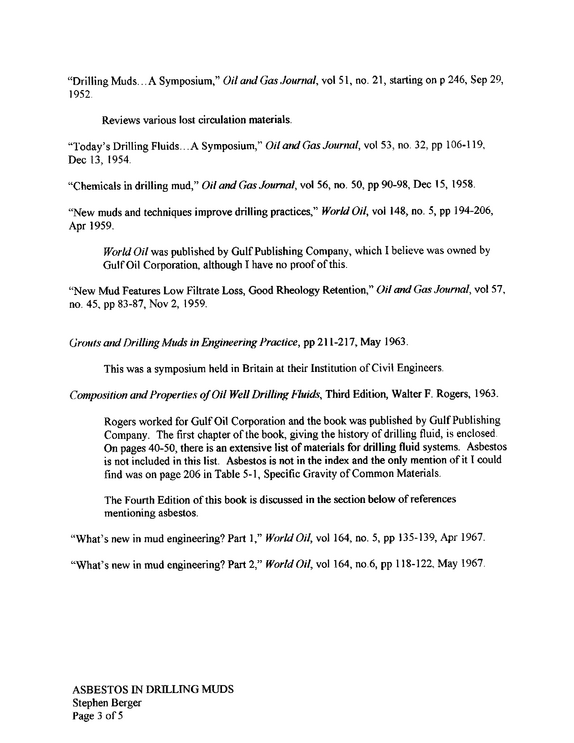
FILE NAME Oil Industry Asbestos Patents OIAP DATE 2006 DOC OIAP002 DOCUMENT DESCRIPTION Memo to Barry Castleman with Patent and Literature Search for Asbestos in Drilling Muds STEPHEN L.
refid# pmrK4mvKM1rgooyGda26pEOMD6 pages
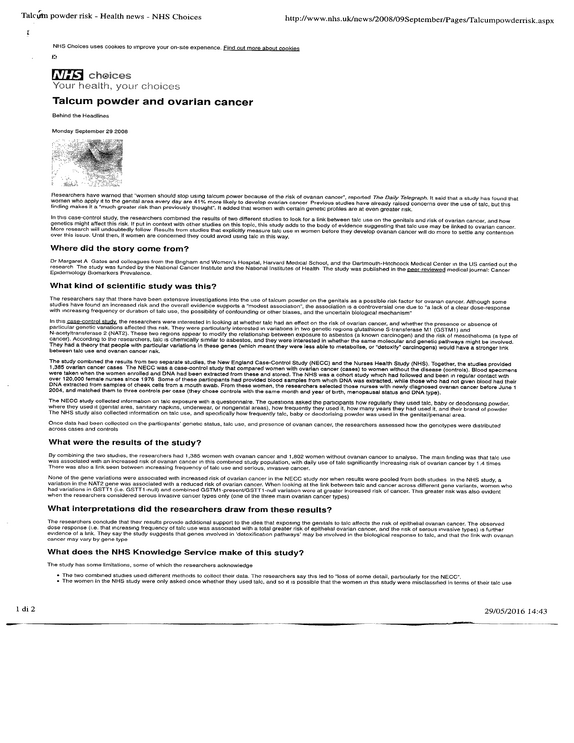
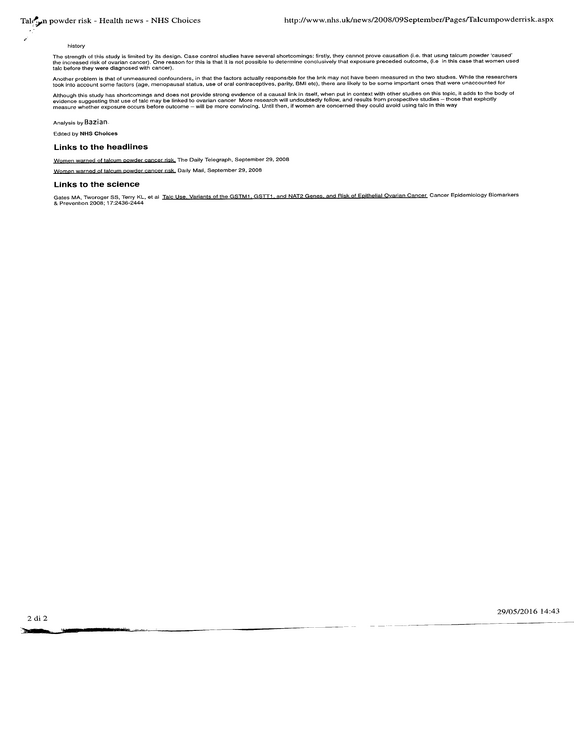
FILE NAME Talc TALC DATE 2008 DOC TALC133 DOCUMENT DESCRIPTION NHS Article - Talcum Powder and Ovarian Cancer Talcum powder risk - Health news - NHS Choices http://www.nhs.uk/news/2008/09 NHS Choices uses cookies to improve your site experience Find out more about cookies choices Your health your choices Talcum powder and ovarian cancer Behind the Headlines Monday September 29 2008 Researchers have warned that women should stop using talcum power because of the risk of ovarian cancer reported The Daily Telegraph It said that a study has found that women who apply it to the genital area every day are % more likely to develop ovarian cancer Previous studies have already raised concerns over the use of talc but this finding makes it a much greater risk than previously thought It added that women with certain genetic profiles are at even greater risk In this control study the researchers combined the results of two different studies to look for a link between talc use on the genitals and risk of ovarian cancer and how genetics might affect this risk If put in context with other studies on this topic this study adds to the body of evidence suggesting that talc use may be linked to ovarian cancer More research will undoubtedly follow Results from studies that explicitly measure talc use in women before they develop ovarian cancer will do more to settle any contention over this issue Until then if women are concerned they could avoid using talc in this way Where did the story come from Dr Margaret A Gates and colleagues from the Brigham and Women's Hospital Harvard Medical School and the Dartmouth Medical Center in the US carried out the research The study was funded by the National Cancer Institute and the National Institutes of Health The study was published in the reviewed medical journal Cancer Epidemiology Biomarkers Prevalence What kind of scientific study was this The researchers say that there have been extensive studies have found an increased risk and the overall with increasing frequency or duration of talc use the investigations into the use of talcum powder on the genitals as a possible risk factor for evidence supports a modest association the association is a controversial one due to possibility of confounding or other biases and the uncertain biological mechanism ovarian cancer Although some a lack of a clear response control study In this the researchers were interested in looking at whether talc had an effect on the risk of ovarian cancer and whether the presence or absence of particular genetic variations affected this risk They were particularly interested in variations in two genetic regions glutathione transferase M1 GSTM1 and acetyltransferase 2 NAT2 These two regions appear to modify the relationship between exposure to asbestos a known carcinogen and the risk of mesothelioma a type of cancer According to the researchers talc is chemically similar to asbestos and they were interested in whether the same molecular and genetic pathways might be involved They had a theory that people with particular variations in these genes which meant they were less able to metabolise or detoxify carcinogens would have a stronger link between talc use and ovarian cancer risk The study combined the results from two separate studies the New England Control Study NECC and the Nurses Health Study NHS Together the studies provided 1,385 ovarian cancer cases The NECC was a control study that compared women with ovarian cancer cases to women without the disease controls Blood specimens were taken when the women enrolled and DNA had been extracted from these and stored The NHS was a cohort study which had followed and been in regular contact with over 120,000 female nurses since 1976 Some of these participants had provided blood samples from which DNA was extracted while those who had not given blood had their DNA extracted from samples of cheek cells from a mouth swab From these women the researchers selected those nurses with newly diagnosed ovarian cancer before June 1 2004 and matched them to three controls per case they chose controls with the same month and year of birth menopausal status and DNA type The NECC study collected information on talc exposure with a questionnaire The questions asked the participants how regularly they used talc baby or deodorising powder where they used it genital area sanitary napkins underwear or nongenital areas how frequently they used it how many years they had used it and their brand of powder The NHS study also collected information on talc use and specifically how frequently talc baby or deodorising powder was used in the perianal area Once data had been collected on the participants genetic status talc use and presence of ovarian cancer the researchers assessed how the genotypes were distributed across cases and controls What were the results of the study By combining the two studies the researchers had 1,385 women with ovarian cancer and 1,802 women without ovarian cancer to analyse The main finding was that talc use was associated with an increased risk of ovarian cancer in this combined study population with daily use of talc significantly increasing risk of ovarian cancer by 1.4 times There was also a link seen between increasing frequency of talc use and serious invasive cancer None of the gene variations were associated with increased risk of ovarian cancer in the NECC study nor when results were pooled from both studies In variation in the NAT2 gene was associated with a reduced risk of ovarian cancer When looking at the link between talc and cancer across different gene had variations in GSTT1 i.e.
refid# rebNNDoVDJRdJD7VpR8xwmVDE3 pages
1 IN THE CIRCUIT COURT 2 THIRD JUDICIAL CIRCUIT 3 MADISON COUNTY, ILLINOIS 4 -------------------------------------------------------- 5 GILBERT CARRIZALES, 6 Plaintiff, 7 -vs- Case No. 07-L-287 8 A.W.
refid# a4J5zj11bkZQdVz8D4vj2yb7M246 pages
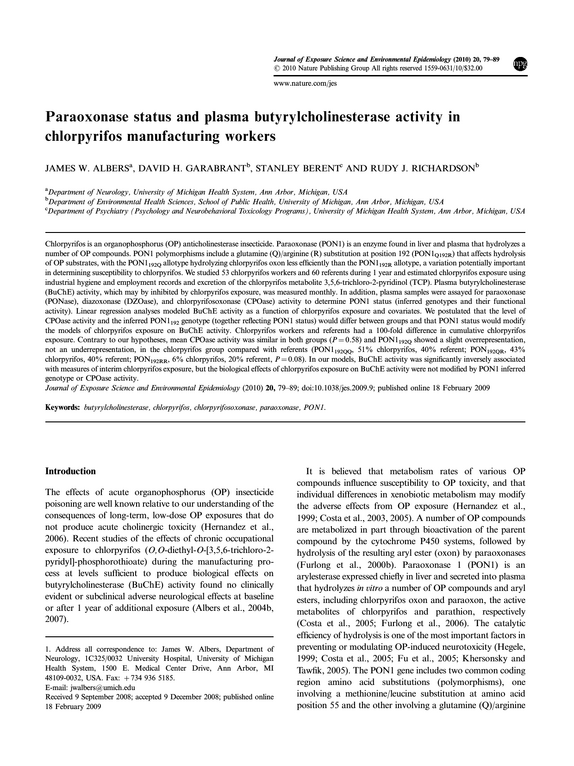
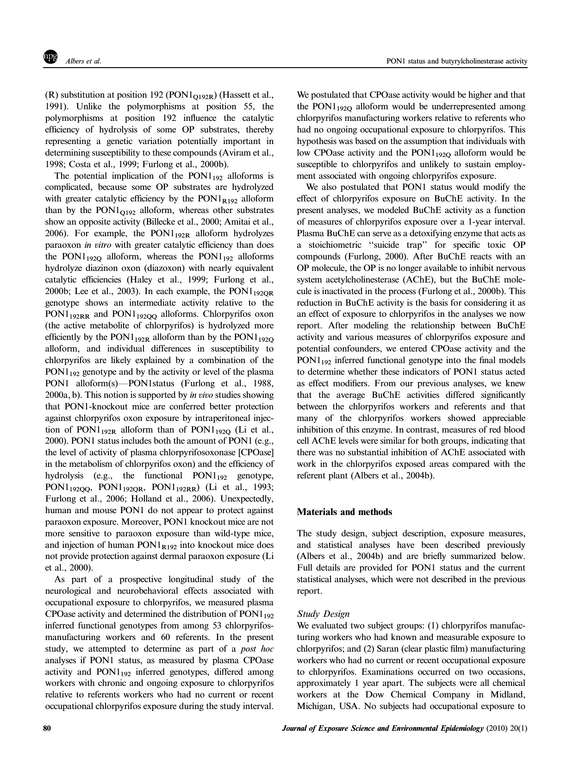
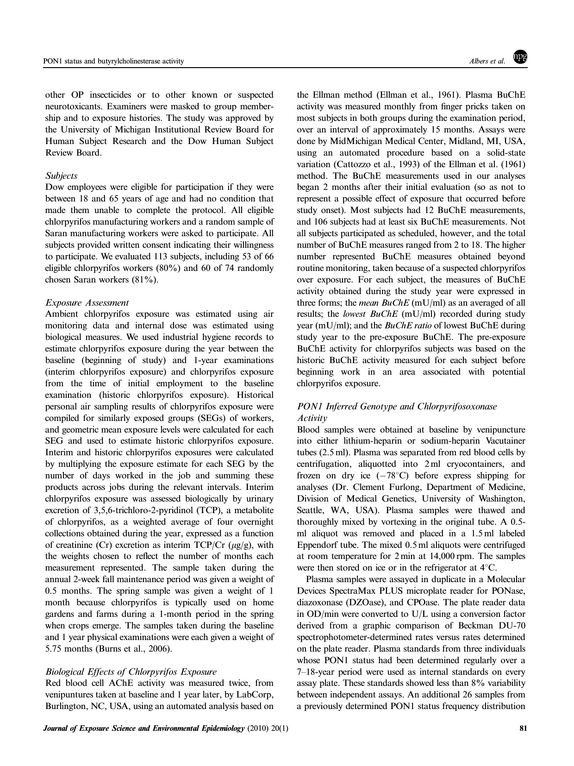
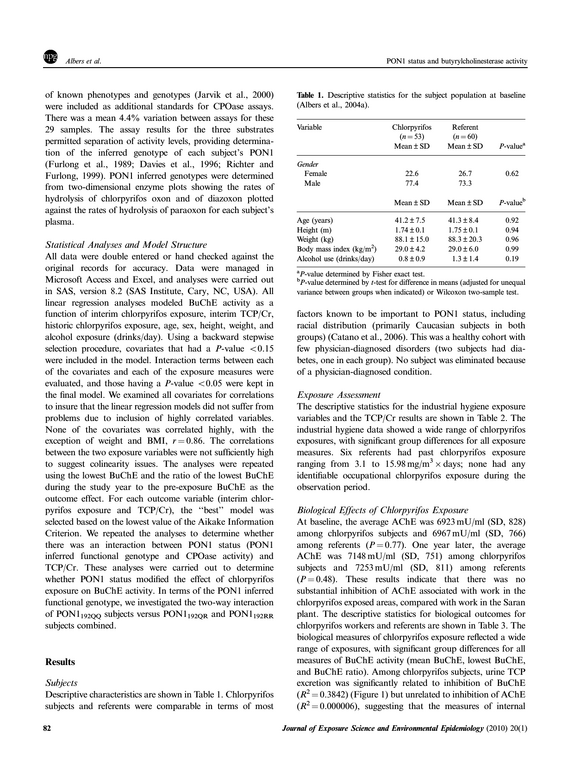
Journal of Exposure Science and Environmental Epidemiology (2010) 20, 7989 r 2010 Nature Publishing Group All rights reserved 1559-0631/10/$32.00 www.nature.com/jes Paraoxonase status and plasma butyrylcholinesterase activity in chlorpyrifos manufacturing workers JAMES W.
refid# 8VQB3Qnvzwx7E6GKy0pZqyVrZ11 pages
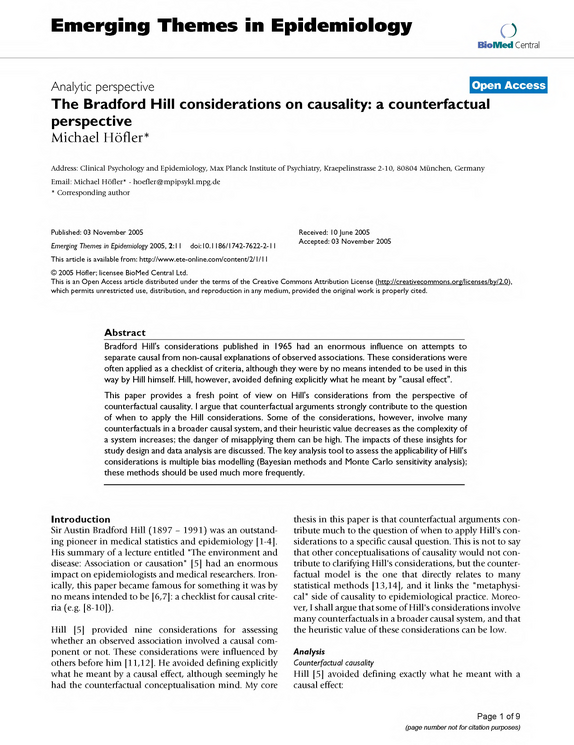
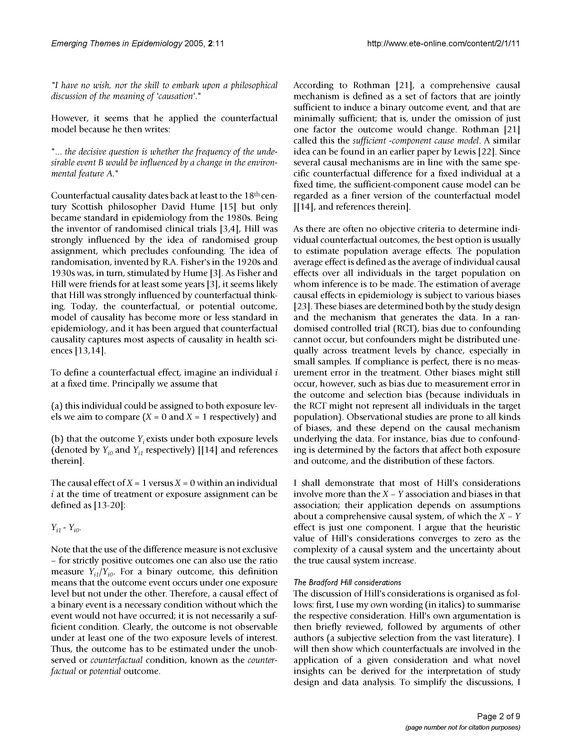
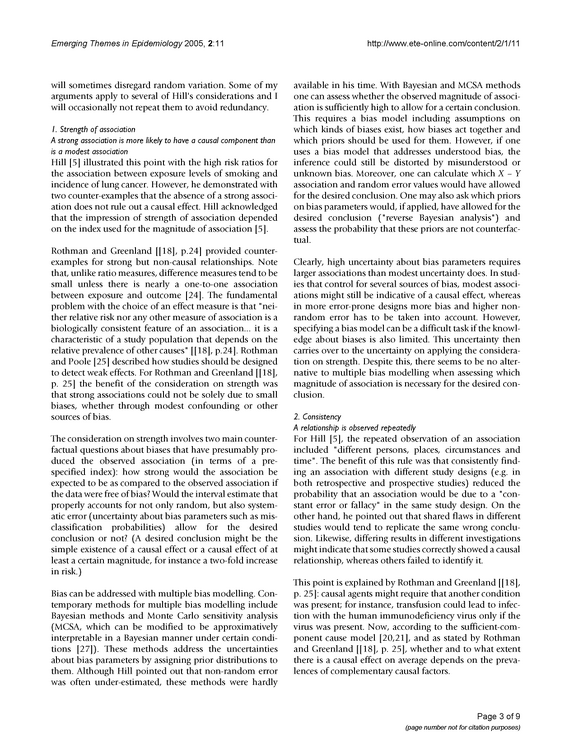
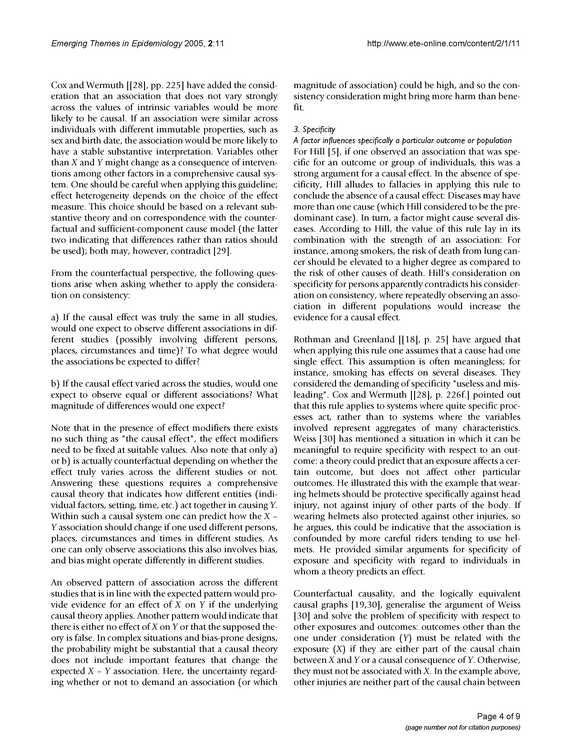
Emerging Themes in Epidemiology BioMed Central Analytic perspective Open Access The Bradford Hill considerations on causality: a counterfactual perspective Michael Hofler* Address: Clinical Psychology and Epidemiology, Max Planck Institute of Psychiatry, Kraepelinstrasse 2-10, 80804 Munchen, Germany Email: Michael Hofler* - hoefler@mpipsykl.mpg.de * Corresponding author Published: 03 November 2005 Emerging Themes in Epidemiology 2005, 2:11 doi:I0.II86/l 742-7622-2-11 Received: I0 June 2005 Accepted: 03 November 2005 This article is available from: http://www.ete-online.com/content/2/1/1 1 2005 Hofler; licensee BioMed Central Ltd.
refid# e5n31xx4wEN4ej2g0d6x3KXM99 pages
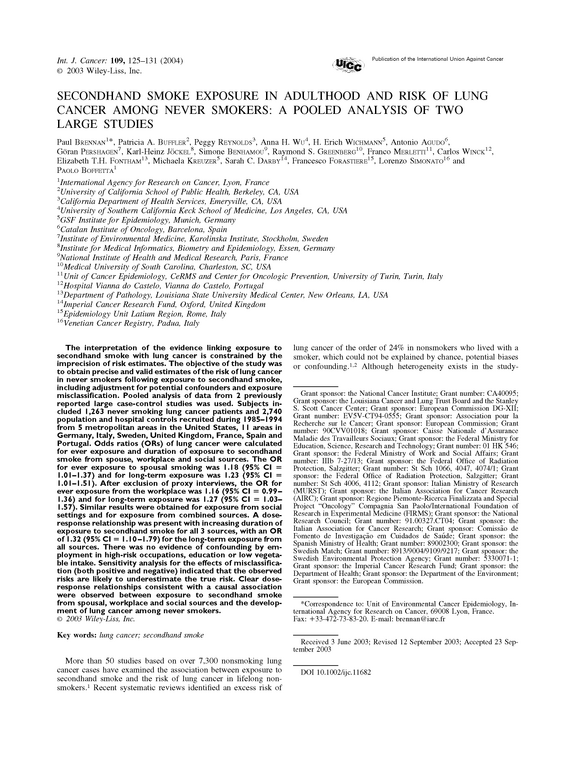
Int.
refid# jmD97N19XoEmn5OG31ZyRv1wQ7 pages
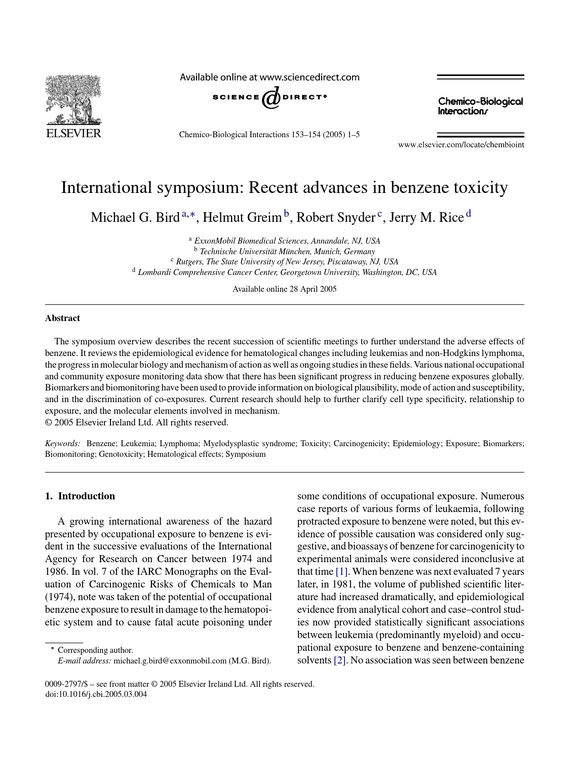
Chemico-Biological Interactions 153154 (2005) 15 International symposium: Recent advances in benzene toxicity Michael G.
refid# MJJM8LZb9511aVMdG6qvVzM6z5 pages
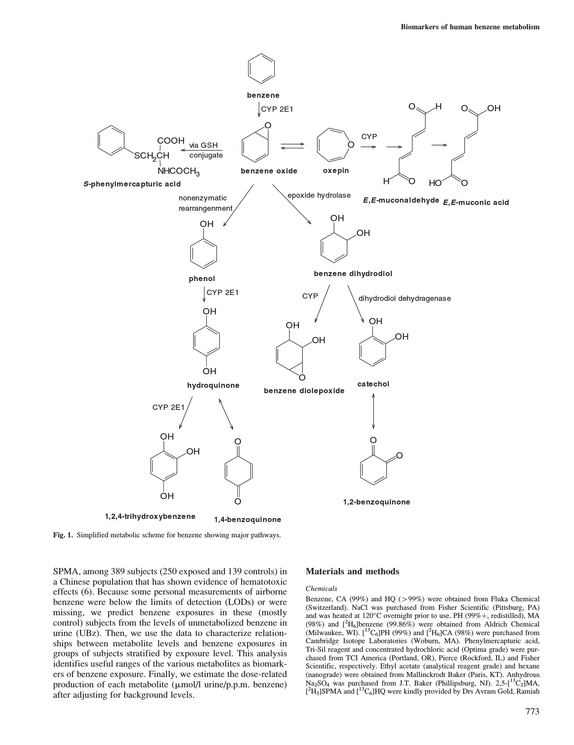
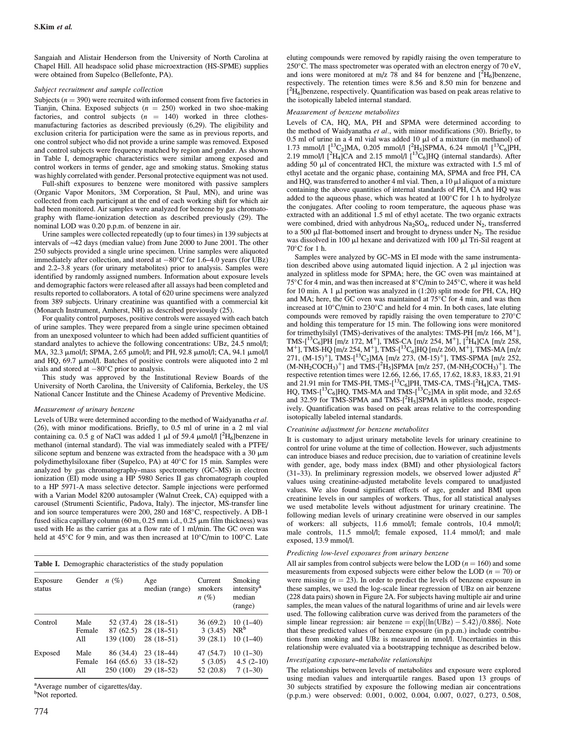
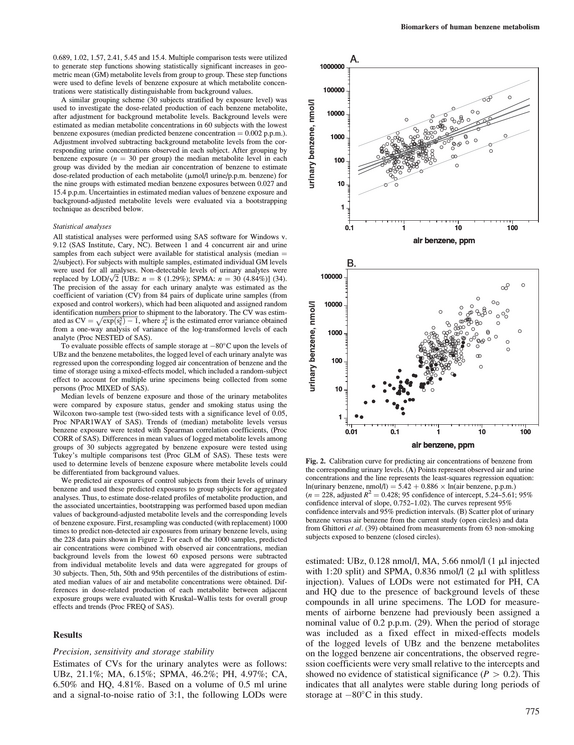
Carcinogenesis vol.27 no.4 pp.772--781, 2006 doi:10.1093/carcin/bgi297 Advance Access publication December 8, 2005 Using urinary biomarkers to elucidate dose-related patterns of human benzene metabolism Sungkyoon Kim, Roel Vermeulen1, Suramya Waidyanatha, Brent A.Johnson, Qing Lan1, Nathaniel Rothman1, Martyn T.Smith2, Luoping Zhang2, Guilan Li3, Min Shen1, Songnian Yin3 and Stephen M.Rappaport School of Public Health, University of North Carolina, Chapel Hill, NC 27599, USA, 1National Cancer Institute (NCI), National Institutes of Health (NIH), Department of Health and Human Services (DHHS), Bethesda, MD 20892, USA, 2School of Public Health, University of California, Berkeley, CA 94720, USA and 3Chinese Center for Disease Control and Prevention, Beijing, China To whom correspondence should be addressed at: CB 7431, School of Public Health, University of North Carolina, Chapel Hill, NC 27599, USA.
refid# mqwG7M9n4QJpb2jgYxYQwkN4k10 pages
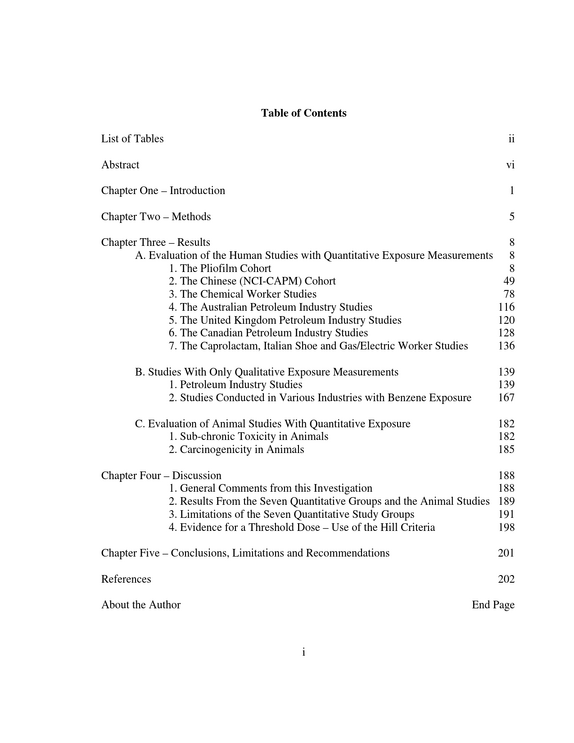
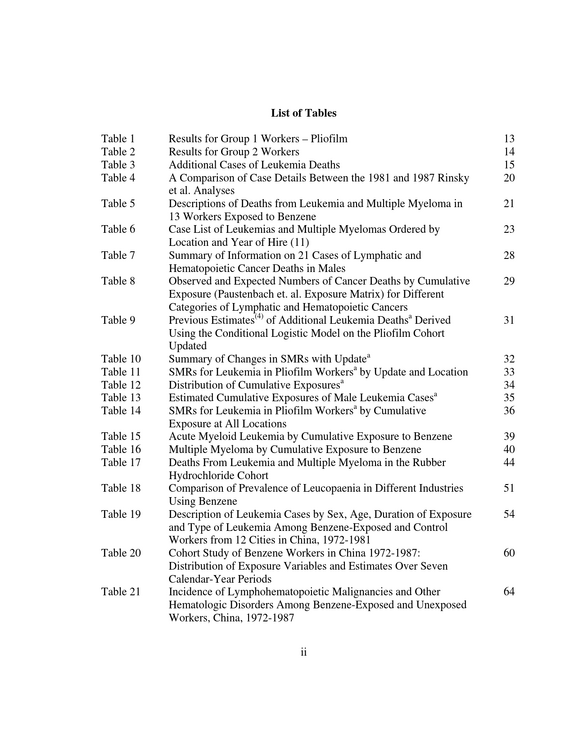
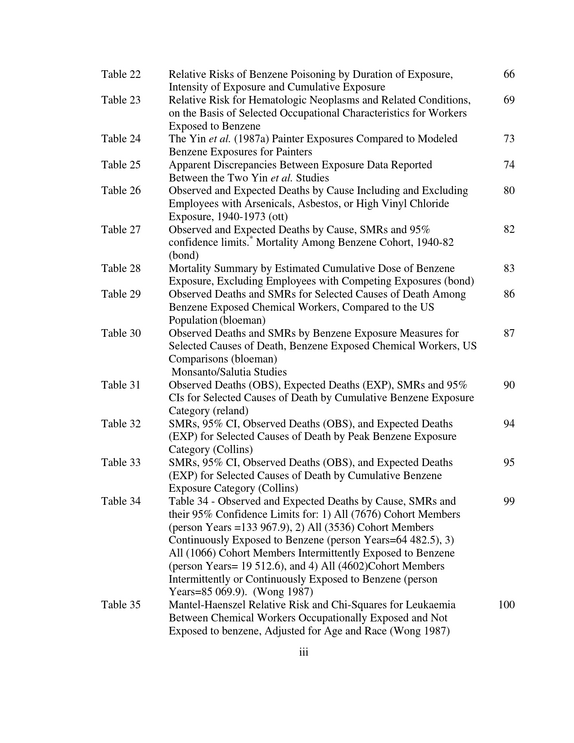
Benzene Related Hematological Disorders: Evidence for a Threshold in Animals and Humans by James McCluskey A dissertation submitted in partial fulfillment of the requirements for the degree of Doctor of Philosophy Department of Environmental and Occupational Health College of Public Health University of South Florida Major Professor: Raymond Harbison, Ph.D.
refid# g5QaynKQwwK5zwyV5xo2G1m9221 pages