Refine
Estimated Years 2000-2009Clear
18,679 results foundRefine Search
Background Information on the Efforts in South Africa to Combat Silicosis David W Stanton, Chamber of Mines of South Africa, April 2006 1.
refid# NEege0dwn8D1Rr10EEEV43e8Q33 pages
TM Workplace Safety and Health IC 9463 INFORMATION CIRCULAR/2002 Strategies For Improving Miners' Training Department of Health and Human Services Centers for Disease Control and Prevention National Institute for Occupational Safety and Health SoSH Information Circular 9463 Strategies For Improving Miners' Training Robert H.

refid# JNm7qM5QeQonRe7MyevYN6RXa57 pages
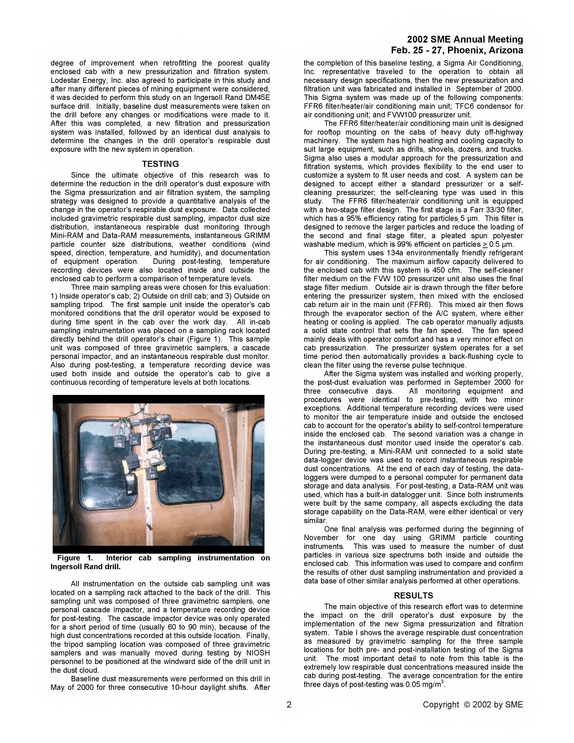
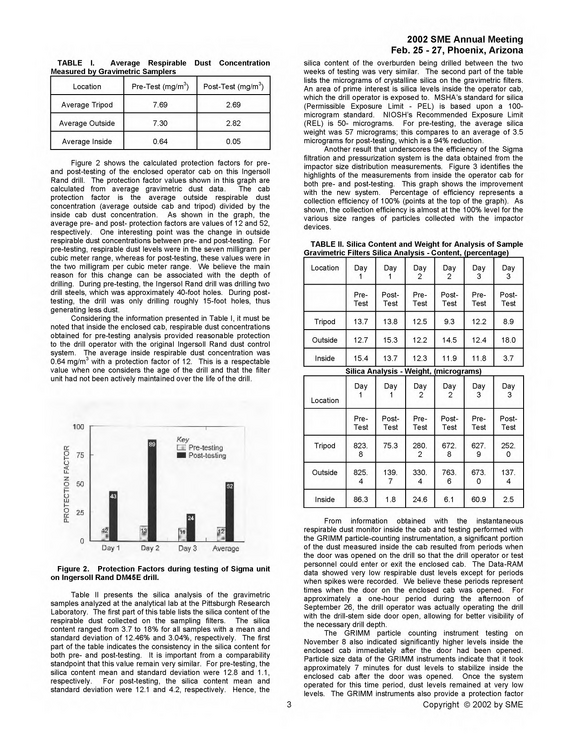
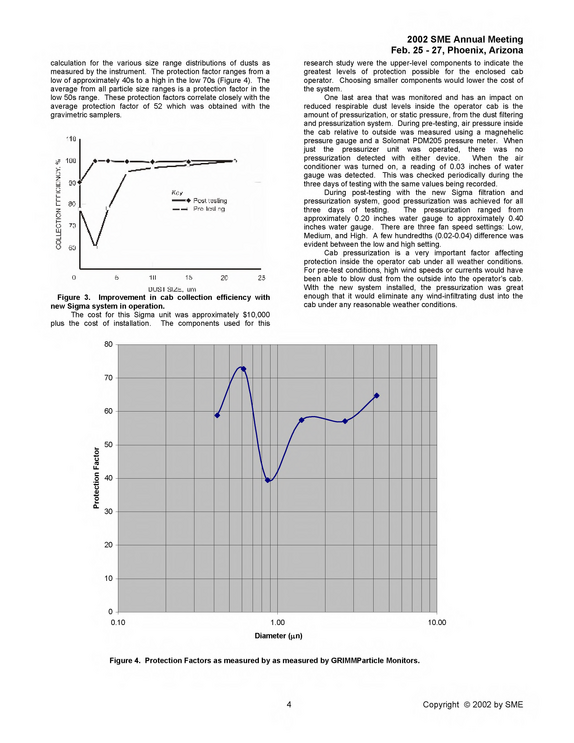
2002 SME Annual Meeting Feb. 25 - 27, Phoenix, Arizona Preprint 02-105 REDUCING ENCLOSED CAB DRILL OPERATOR'S RESPIRABLE DUST EXPOSURE AT SURFACE COAL OPERATION WITH A RETROFITTED FILTRATION AND PRESSURIZATION SYSTEM A.B.
refid# NGymXgEQBLJgpDoZxROoxRyKb6 pages
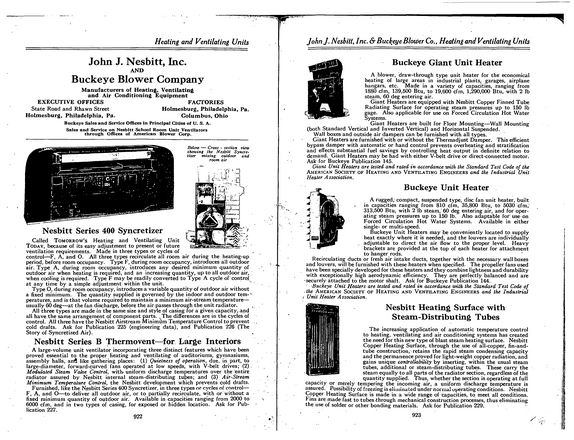
Heating and Ventilating Units John J.
refid# Qp9vj2eL4XbM3Mpvr7j7adO61 page
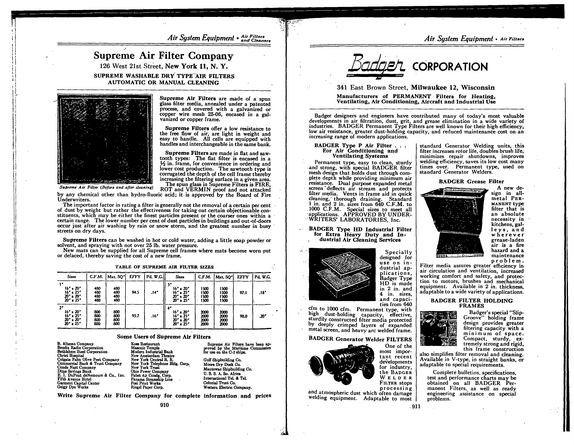
Air System Equipment Air Filters and Cleaners Supreme Air Filter Company 126 West 21st Street, New York li, N.
refid# K7byLo1NmZ9DOnQw2nbowpMr1 page
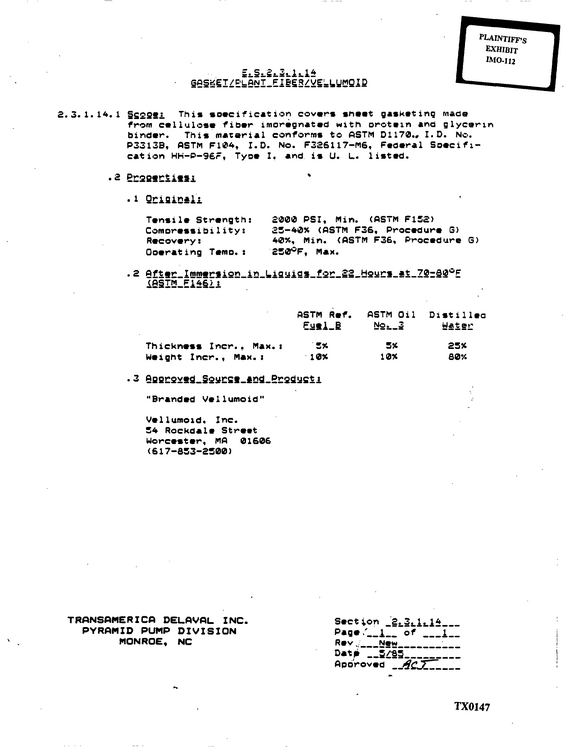
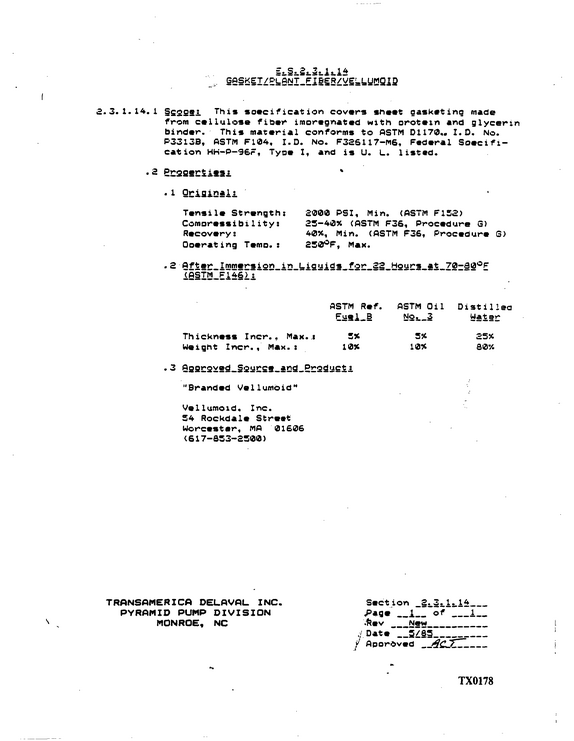
Si.Si.Si.2i.1i.1S e8SKi/PLANT_Figg3/vgL!
refid# XmGQxV47ZOY9wrDvp5Z3Xjzx5 pages
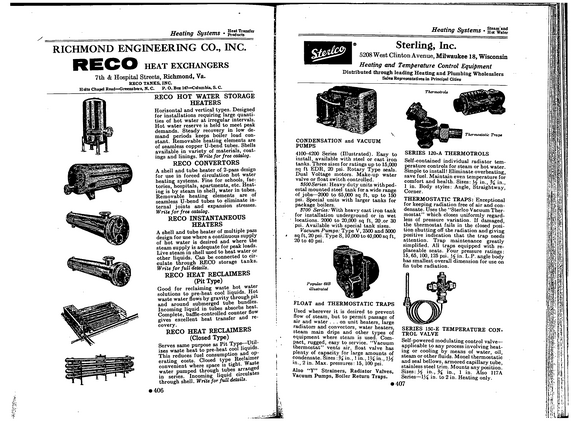
Heating Systems Heat Transfer Products RICHMOND ENGINEERING CO., INC.
refid# NE647Xyp2DvqNmxNp3jR98O181 page
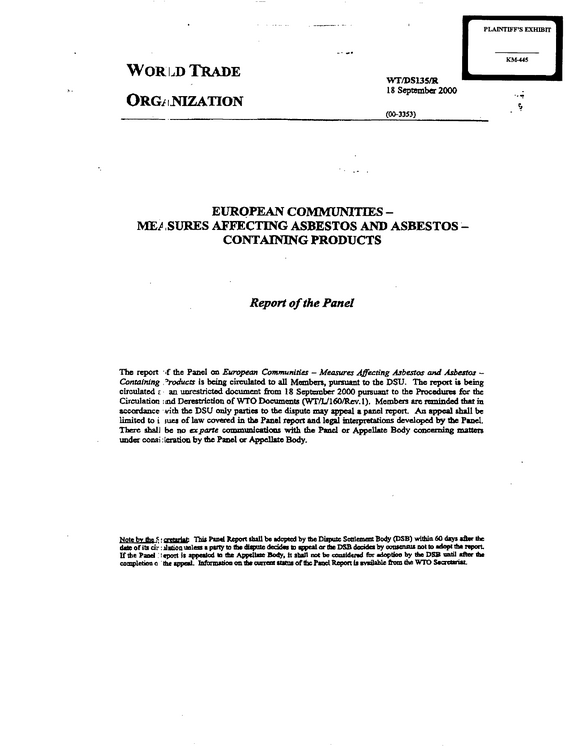
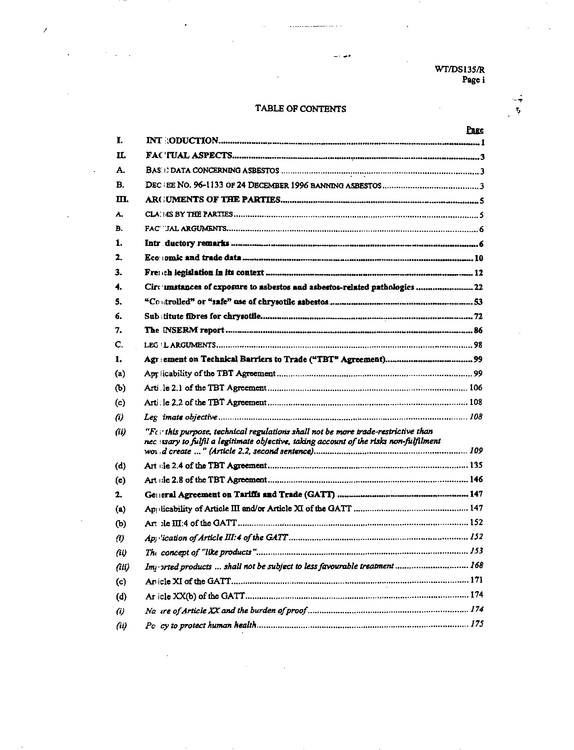
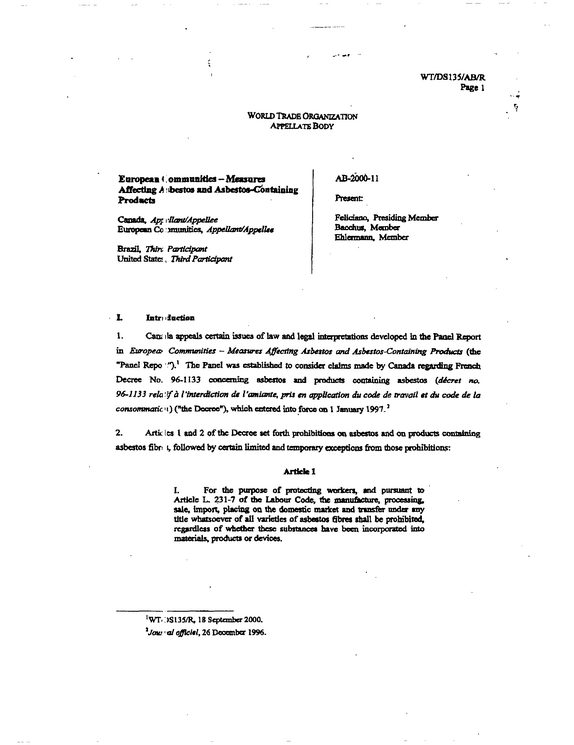
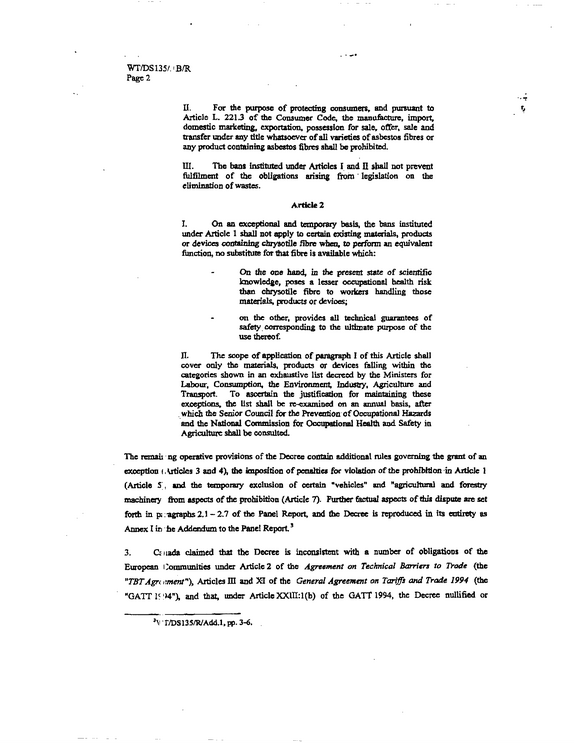
Wor ld Trade ORG/lNIZATION PLAINTIFF'S EXHIBIT WT/DS135/R 18 September 2000 (00-3353) EUROPEAN COMMUNITIES ME^ SURES AFFECTING ASBESTOS AND ASBESTOS - CONTAINING PRODUCTS Report ofthe Panel The report f the Panel on European Communities - Measures Affecting Asbestos and Asbestos ~ Containing , Products Is being circulated to all Members, pursuant to the DSU.
refid# dQORq9a0yx5rXn5kBrOX8kd7B4 pages
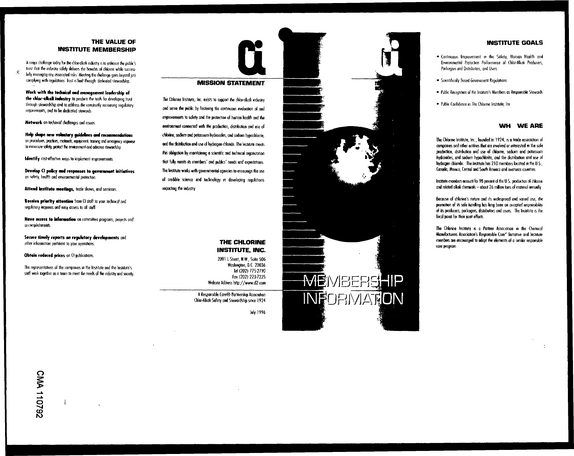
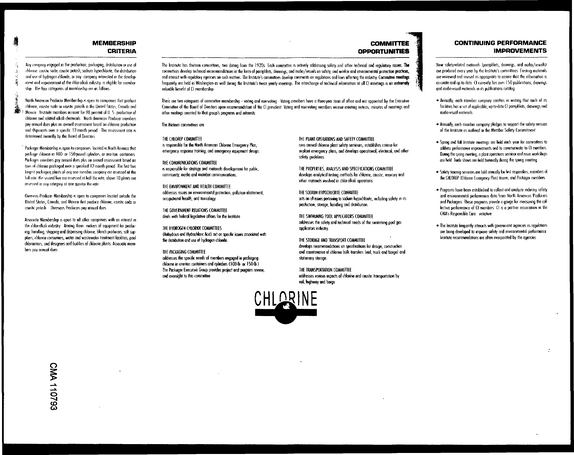
THE CHLORINE INSTITUTE, INC. 2001 L STREET, N.W.

refid# 2Y3oajGGGD18XaYrK57qZZOr3 pages
CAUSE NO.
refid# nmw1LY1BwV7KGY7rbXKe0M8V8122 pages
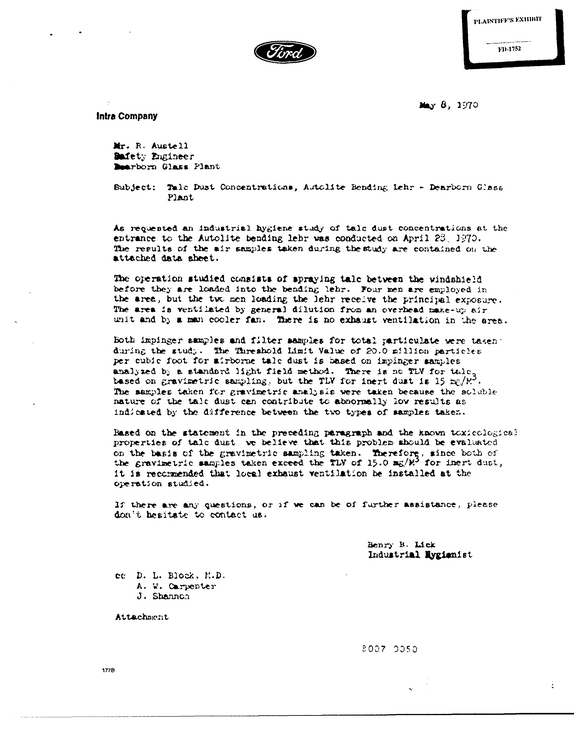
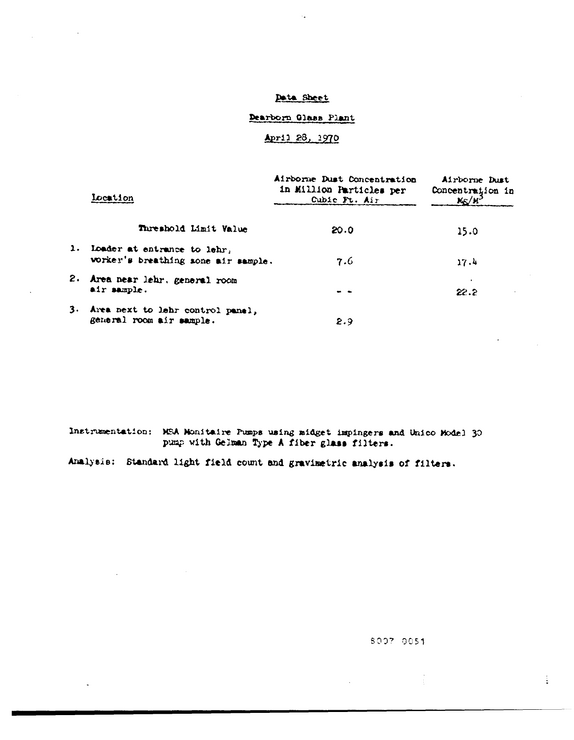
VIAINTII K'S EXHIBIT FII-17S2 Intra Company 8, 1P70 Mr.
refid# YrBqo9kJ8kMmQYXQ2rMYnwQ0k2 pages
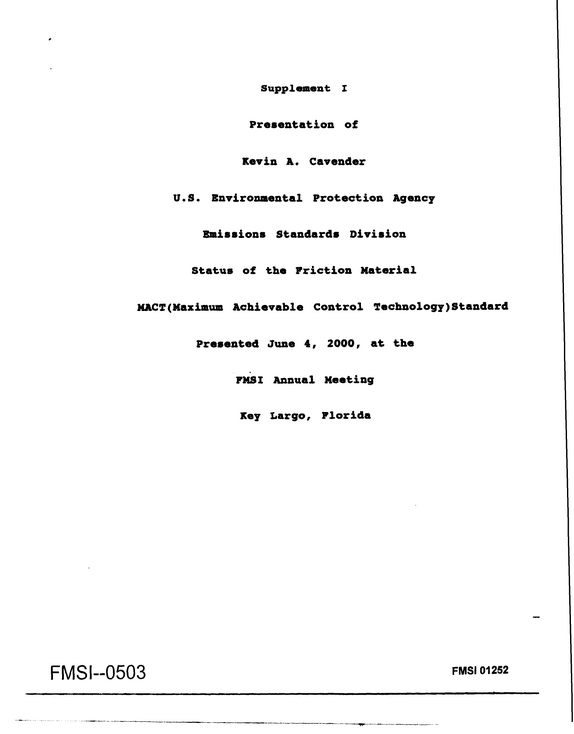
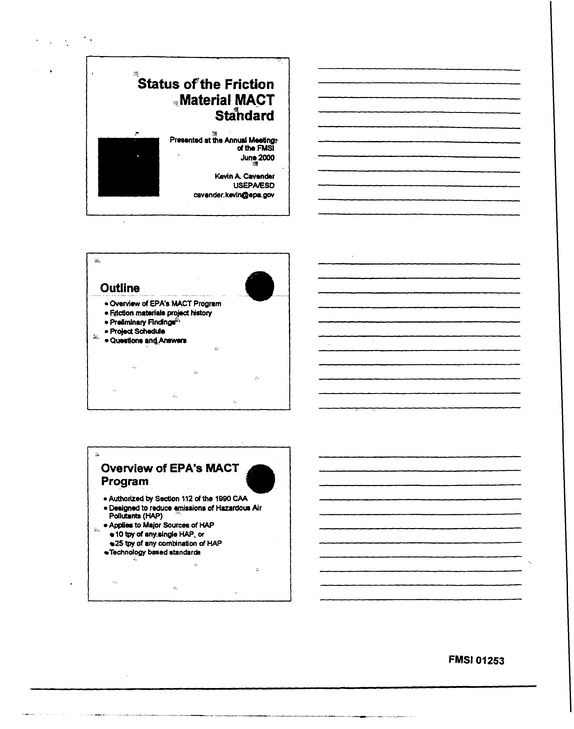
Supplement I Presentation of Kevin A.

refid# YGqqj0qqwv04NrvnLGJJB7zGN5 pages
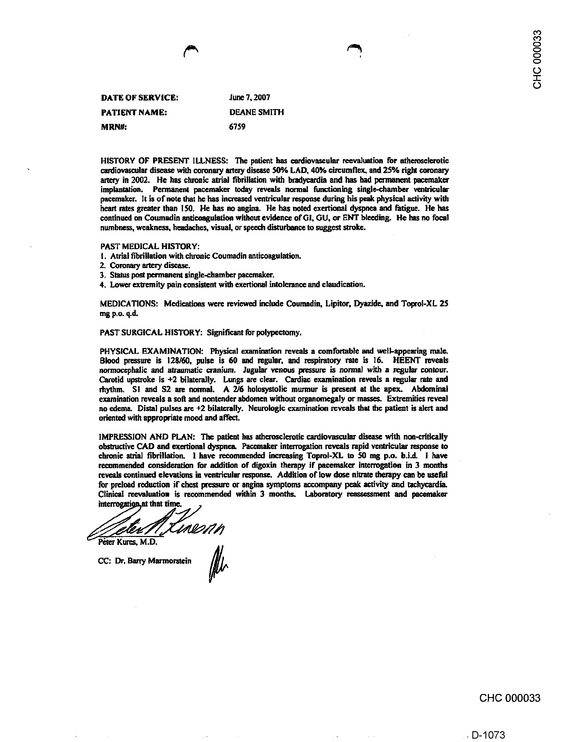
CHC 000033 r DATE OF SERVICE: PATIENT NAME; MRN#: June 7,2007 DEANE SMITH 6759 HISTORY OF PRESENT ILLNESS: The patient has cardiovascular reevaluation for atherosclerotic cardiovascular disease with coronary artery disease 50% LAD, 40% circumflex, and 25% right coronary artery m 2002.
refid# DGr8EbzJ5E70p8JLEXBYM8L9o1 page
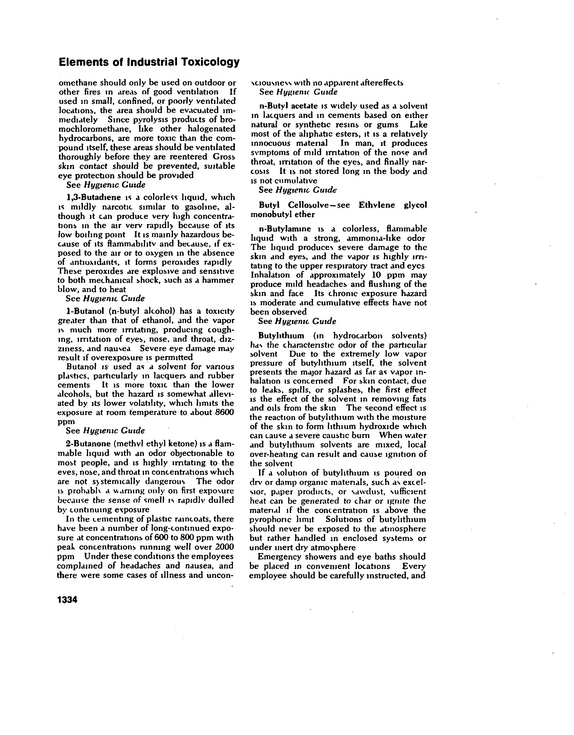
Elements of Industrial Toxicology omethane should only be used on outdoor or other fires in areas of good ventilation If used m small, confined, or poorly ventilated locations, the area should be evacuated im mediately Since pyrolysis products of bromochloromethane, like other halogenated hydrocarbons, are more toxic than the com pound itself, these areas should be ventilated thoroughly before they are reentered Gross skin contact should be prevented, suitable eye protection should be provided See Hygtemc Guide 1,3-Butadiene is a colorless liquid, which is mildly narcotic similar to gasoline, al though it can produce very high concentra tions m the air verv rapidly because of its low boiling point It is mainly hazardous be cause of its flammabihtv and because, if ex posed to the air or to oxygen in the absence of antioxidants, it forms peroxides rapidly These peroxides are explosive and sensitive to both mechanical shock, such as a hammer blow, and to heat See Hygienic Guide 1- Butanol (n-butyl alcohol) has a toxicity greater than that of ethanol, and the vapor is much more irritating, producing cough ing, irritation of eyes, nose, and throat, diz ziness, and nausea Severe eye damage may result if overexposure is permitted Butanol is used as a solvent for various plastics, particularly in lacquers and rubber cements It is more toxic than the lower alcohols, but the hazard is somewhat allevi ated by its lower volatility, which limits the exposure at room temperature to about 8600 ppm See Hygienic Guide 2- Butanone (methyl ethyl ketone) is a flam mable liquid with an odor objectionable to most people, and is highly irritating to the eves, nose, and throat in concentrations which are not systemically dangerous The odor is probabh a warning only on first exposure because the sense of smell is rapidly dulled by continuing exposure In the cementing of plastic raincoats, there have been a number of long-continued expo sure at concentrations of 600 to 800 ppm with peak concentrations running well over 2000 ppm Under these conditions the employees complained of headaches and nausea, and there were some cases of illness and uncon sciousness with no apparent aftereffects See Hygtenu Guide n-Butyl acetate is widely used as a solvent in lacquers and in cements based on either natural or synthetic resins or gums Like most of the aliphatic esters, it is a relatively innocuous material In man, it produces symptoms of mild irritation of the nose and throat, irritation of the eyes, and finally nar cosis It is not stored long in the body and is not cumulative See Hygienic Guide Butyl Cellosolve --see Ethvlene glycol monobutyl ether n-Butylamine is a colorless, flammable liquid with a strong, ammonia-like odor The liquid produces severe damage to the skin and eyes, and the vapor is highly irri tating to the upper respiratory tract and eyes Inhalation of approximately 10 ppm may produce mild headaches and flushing of the skin and face Its chronic exposure hazard is moderate and cumulative effects have not been observed See Hygienic Guide Butylithium (in hydrocarbon solvents) has the characteristic odor of the particular solvent Due to the extremely low vapor pressure of butylithium itself, the sols'ent presents the major hazard as far as vapor in halation is concerned For skin contact, due to leaks, spills, or splashes, the first effect is the effect of the solvent in removing fats and oils from the skin The second effect is the reaction of butylithium with the moisture of the skin to form lithium hydroxide which can cause a severe caustic bum When water and butylithium solvents are mixed, local over-heating can result and cause ignition of the solvent If a solution of butylithium is poured on drv or damp organic materials, such as excel sior, paper products, or sawdust, sufficient heat can be generated to char or ignite the material if the concentration is above the pyrophoric limit Solutions of butylithium should never be exposed to the atmosphere but rather handled in enclosed systems or under inert dry atmosphere Emergency showers and eye baths should be placed m convenient locations Every employee should be carefully instructed, and 1334
refid# jgb29ykLGE23JV6bMZggYq33N1 page
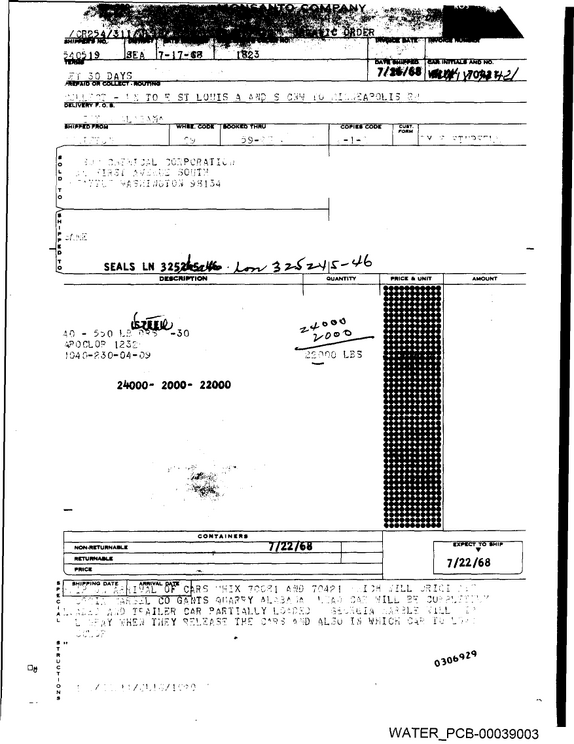
tj li 1 & 74 C5 19 WHY lSEA 17- 17-S3 1 -TT 30 DAYS ' ' 1H3 lUfl'tHiWB7/*/M :.
refid# 3NVeJ54EKmNa94BV4KgQXwnwy1 page