Refine
Estimated Years 2000-2009Clear
18,679 results foundRefine Search
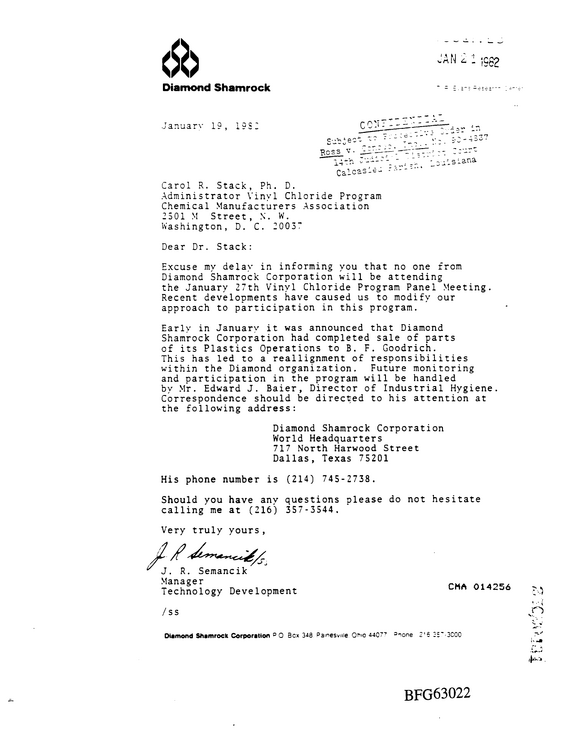
Diamond Shamrock January 19 , 19S 1 1siana Carol R.
refid# VGojvMNN5KQe3Z8gKJjE2d85o1 page
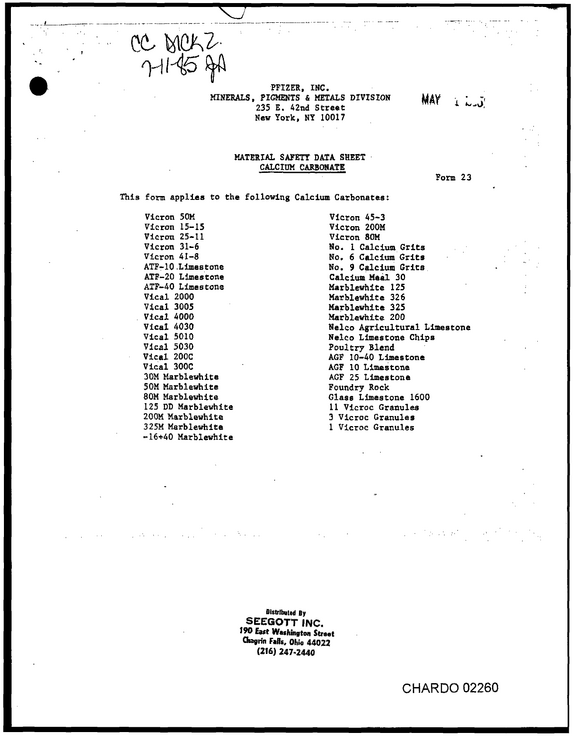
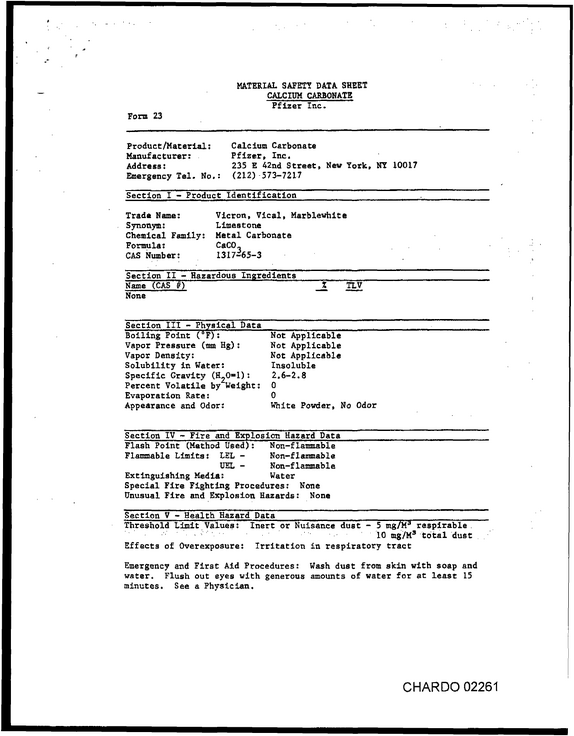
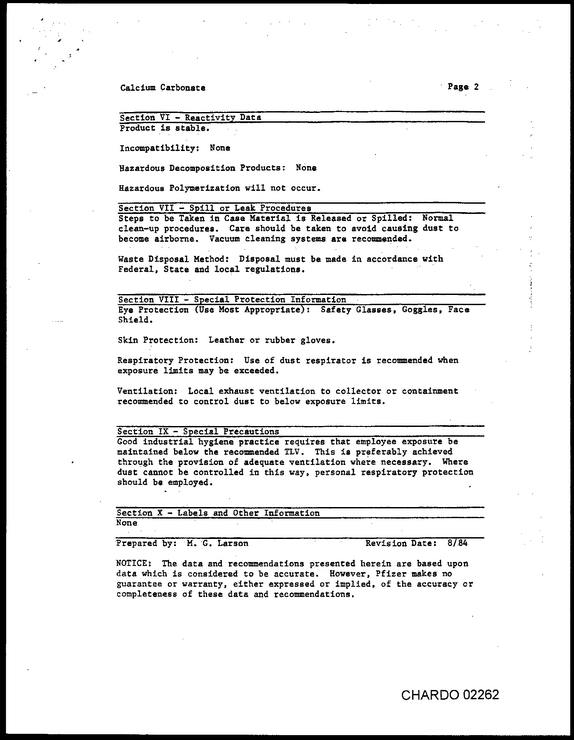
C6 PFIZER, INC.
refid# 8V2LKyRYEY7q1o6158MKd0Erd3 pages
CONFIDENTIAL Subject to Protective Order in Koss v.
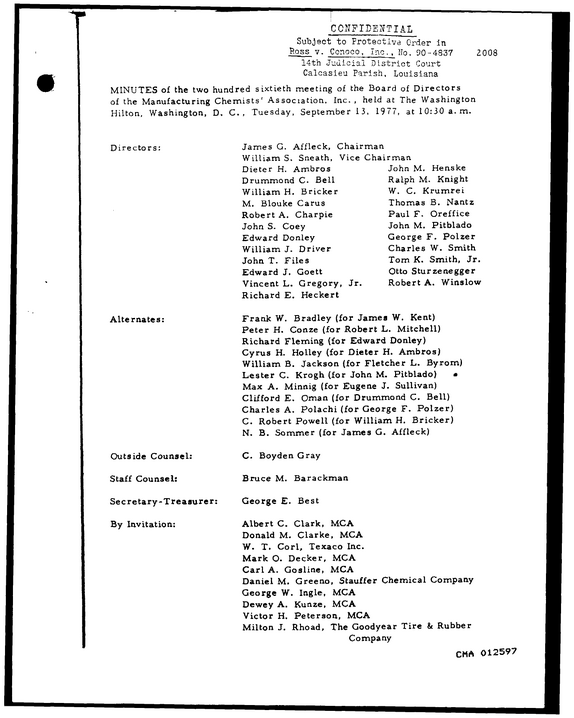
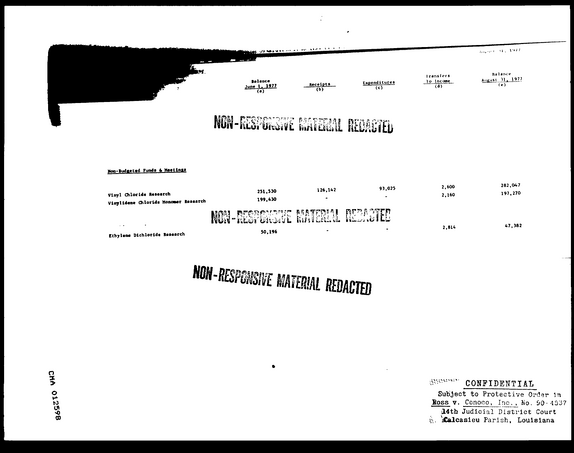
refid# gaxRyzpx8pEYzByvM61gD1OLQ2 pages
Chicago Office 200 East Randolph Drive Chicago.
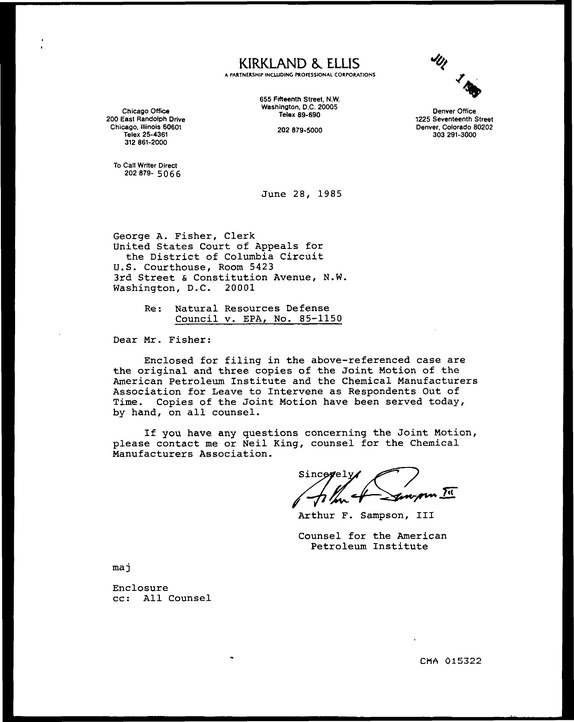
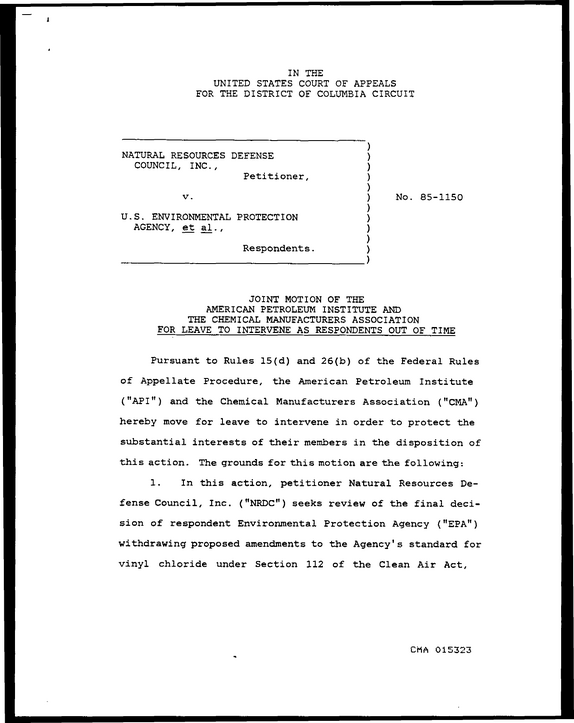
refid# gDYGYoKmOdq37KGVwZdea6ZON10 pages
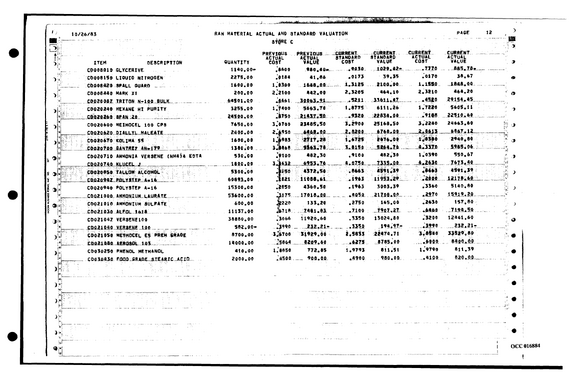
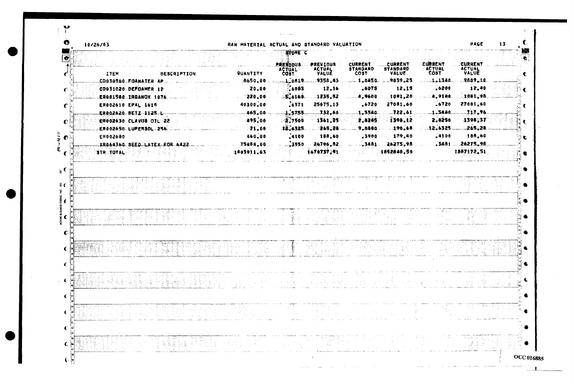
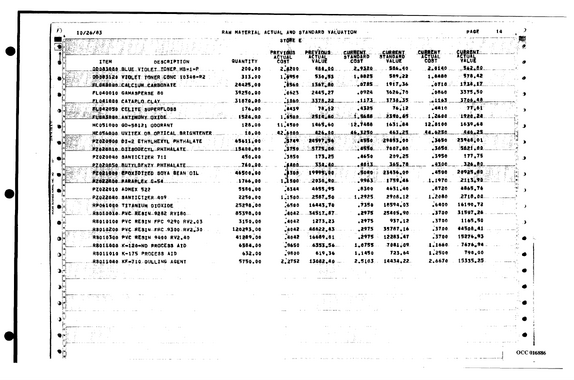
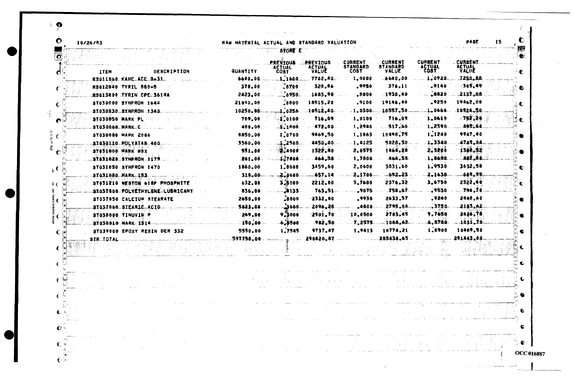
10/26/83 5 BUSINESS P0AM5, INC, V ,f iicj >k ;!
refid# babwX3gVv9bNe9Q82ba9x7xvk16 pages
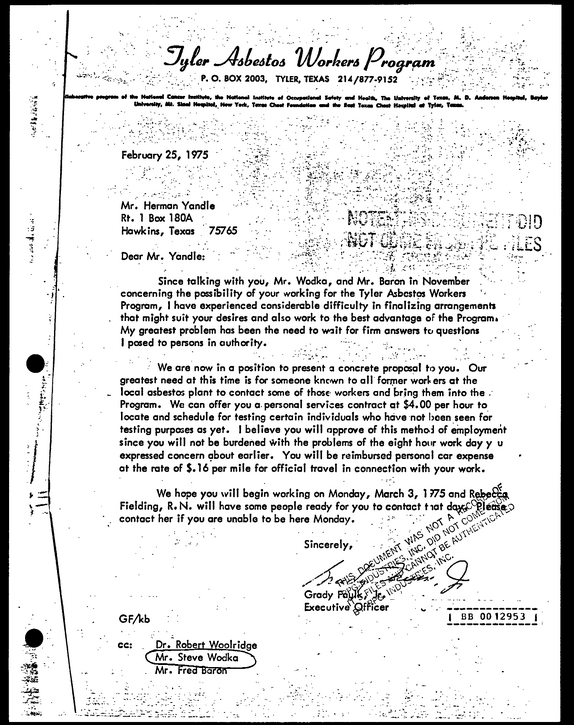
^Jij-icr s^dbedtos /ld/or/?
refid# ypp6wB48KZ2jQB3ZJKwkQmm0V1 page
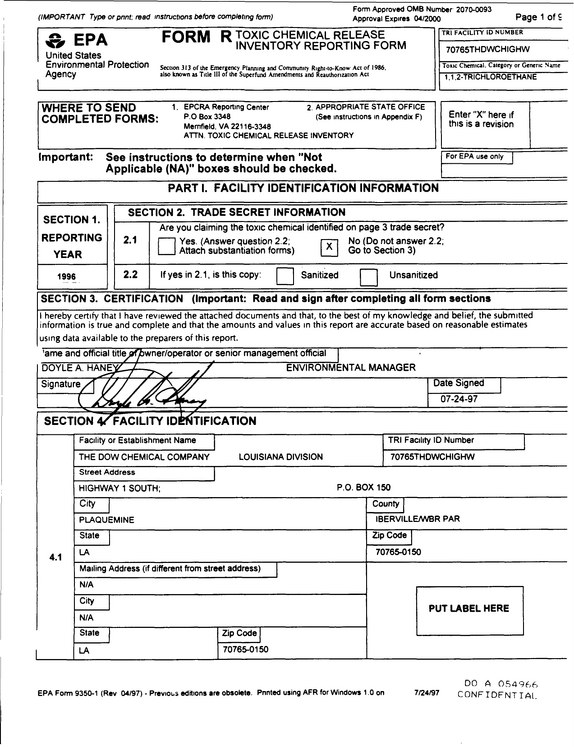
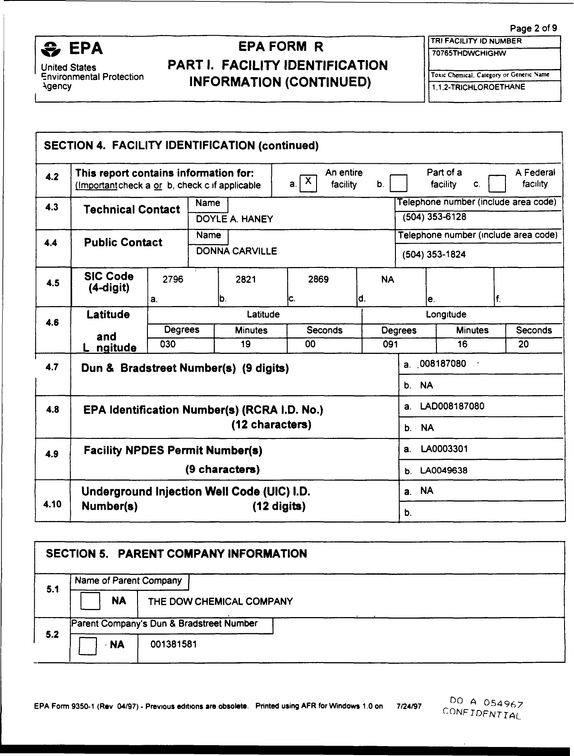
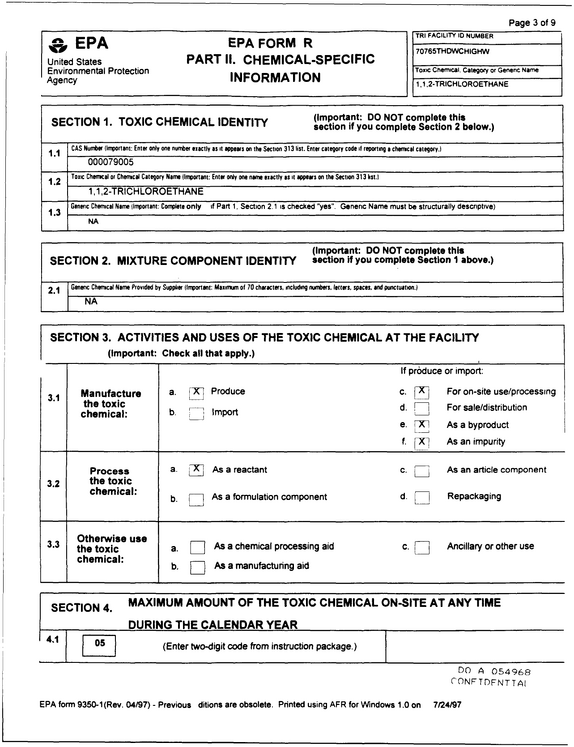
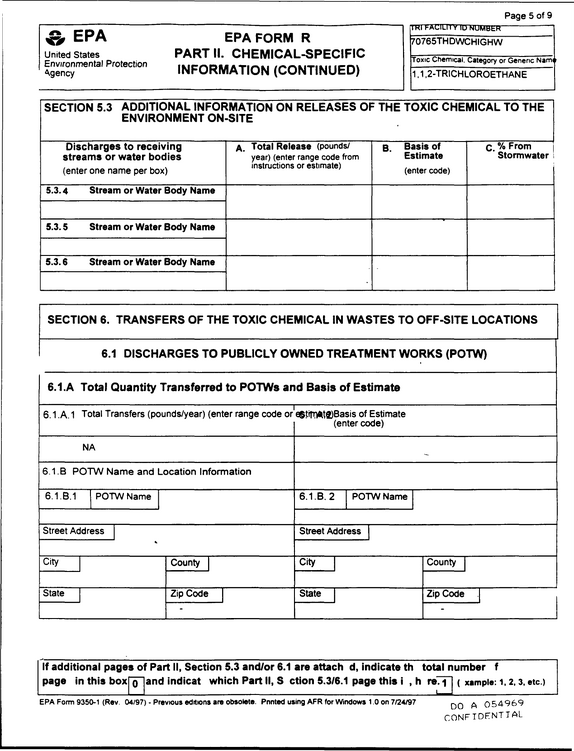
(IMPORTANT Type or print: read instructions before completing form) Form Approved OMB Number 2070-0093 Approval Expires 04/2000 Page 1 of S <& EPA United States Environmental Protection Agency FORM R TOXIC CHEMICAL RELEASE INVENTORY REPORTING FORM Section 313 of the Emergency Planning and Community Riglu-to-Know Act of 1986, also known as Title III of the Superfund Amendments and Reauthorization Act TR1 FACILITY ID NUMBER 70765THDWCHIGHW Toxic Chemical.
refid# dQYeGzmD5V5dRQg0105BkRzee10 pages
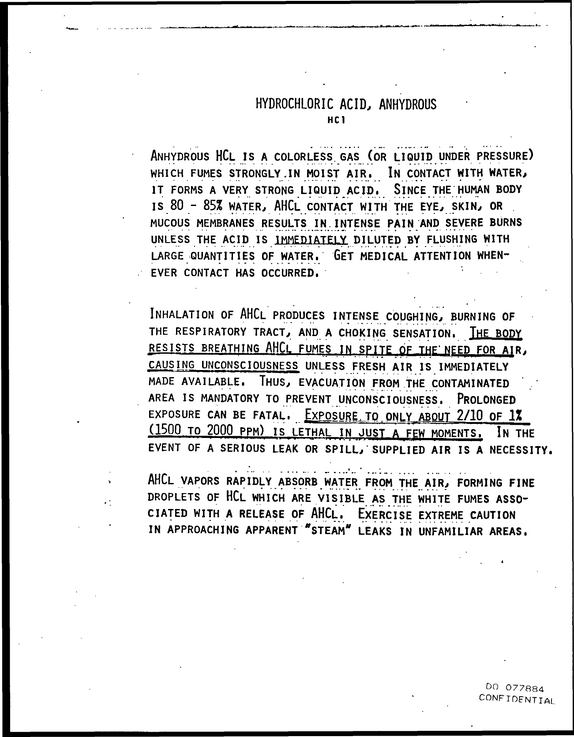
HYDROCHLORIC ACID, ANHYDROUS HC 1 HCAnhydrous l is a colorless, gas (or liquid under pressure) WHICH FUMES STRONGLY.IN MOIST AIR, In CONTACT WITH WATER, IT FORMS A VERY STRONG LIQUID ACID, SINCE THE HUMAN BODY IS 80 - 85% WATER, AHCL CONTACT WITH THE EYE, SKIN, OR MUCOUS MEMBRANES RESULTS IN.INTENSE PAIN AND SEVERE BURNS UNLESS THE ACID IS IMMEDIATELY DILUTED BY FLUSHING WITH LARGE QUANTITIES OF WATER.
refid# vVOyrNyL83EBdyD3wJLr3jBMb1 page
CHICAGO LOS ANOEXBS WASHINGTON, D.C.
refid# KZVEyr2NQE4LwoXEngyKqyYr2 pages
CHICAGO WASHINGTON.
refid# yr0KM5JvVNe1mDk3OYm5woxQD2 pages
CHICAGO LOS ANGELES WASHINGTON, D.C.
refid# vyakBgLogyNn6NQRp5jdby8XY1 page
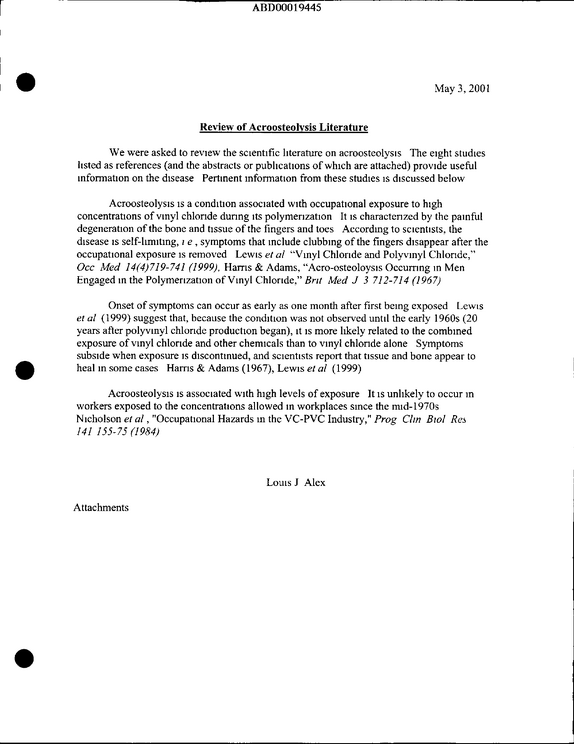
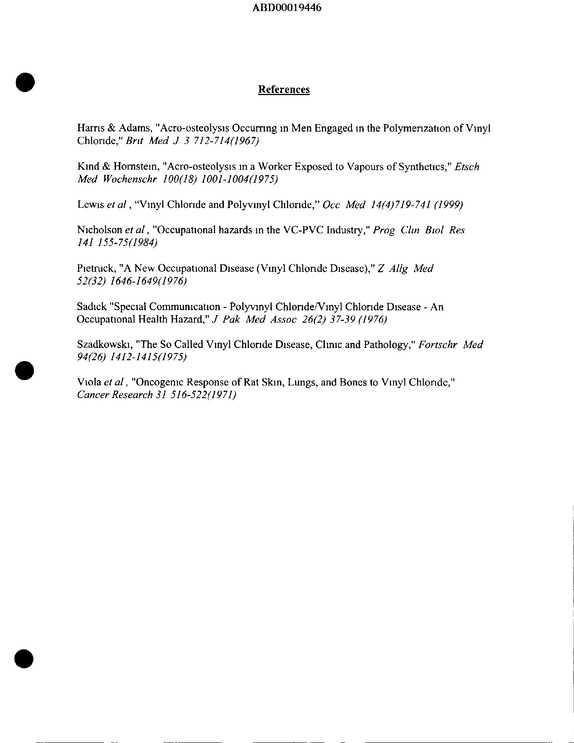
ABDOOO19445 May 3,2001 Review of Acroosteolvsis Literature We were asked to review the scientific literature on acroosteolysis The eight studies listed as references (and the abstracts or publications of which are attached) provide useful information on the disease Pertinent information from these studies is discussed below Acroosteolysis is a condition associated with occupational exposure to high concentrations of vinyl chloride during its polymerization It is characterized by the painful degeneration of the bone and tissue of the fingers and toes According to scientists, the disease is self-limiting, i e , symptoms that include clubbing of the fingers disappear after the occupational exposure is removed Lewis et al "Vinyl Chloride and Polyvinyl Chloride," Occ Med 14(4)719-741 (1999), Harris & Adams, "Acro-osteoloysis Occumng in Men Engaged in the Polymerization of Vinyl Chloride," Brit Med J 3 712-714 (1967) Onset of symptoms can occur as early as one month after first being exposed Lewis et al (1999) suggest that, because the condition was not observed until the early 1960s (20 years after polyvinyl chloride production began), it is more likely related to the combined exposure of vinyl chloride and other chemicals than to vinyl chloride alone Symptoms subside when exposure is discontinued, and scientists report that tissue and bone appear to heal in some cases Harris & Adams (1967), Lewis et al (1999) Acroosteolysis is associated with high levels of exposure It is unlikely to occur in workers exposed to the concentrations allowed in workplaces since the mid-1970s Nicholson et al, "Occupational Hazards in the VC-PVC Industry," Prog Clin Biol Res 141 155-75(1984) Attachments Louis J Alex ABDOOO19446 References Hams & Adams, "Acro-osteolysis Occumng in Men Engaged in the Polymerization of Vinyl Chloride," Brit Med J 3 712-714(1967) Kind & Homstein, "Acro-osteolysis in a Worker Exposed to Vapours of Synthetics," Etsch Med Wochenschr 100(18) 1001-1004(1975) Lewis et at, "Vinyl Chloride and Polyvinyl Chloride," Occ Med 14(4)719-741 (1999) Nicholson et al, "Occupational hazards in the VC-PVC Industry," Prog Clin Biol Res 141 155-75(1984) Pietruck, "A New Occupational Disease (Vinyl Chloride Disease)," Z Allg Med 52(32) 1646-1649(1976) Sadick "Special Communication - Polyvinyl Chlonde/Vinyl Chloride Disease - An Occupational Health Hazard," J Pak Med Assoc 26(2) 37-39 (1976) Szadkowski, "The So Called Vinyl Chloride Disease, Clinic and Pathology," Fortschr Med 94(26) 1412-1415(1975) Viola et al, "Oncogenic Response of Rat Skin, Lungs, and Bones to Vinyl Chloride," Cancer Research 31 516-522(1971)
refid# Lmd46e68GN63rQDqQ3erdDwX2 pages
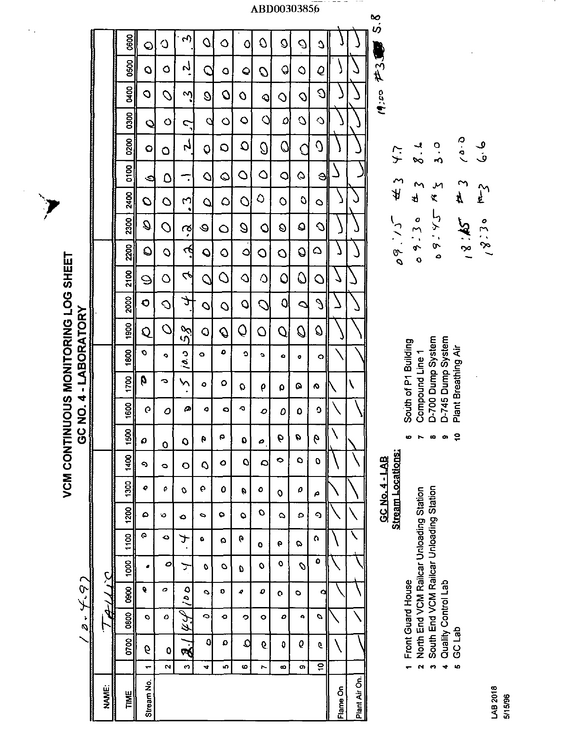
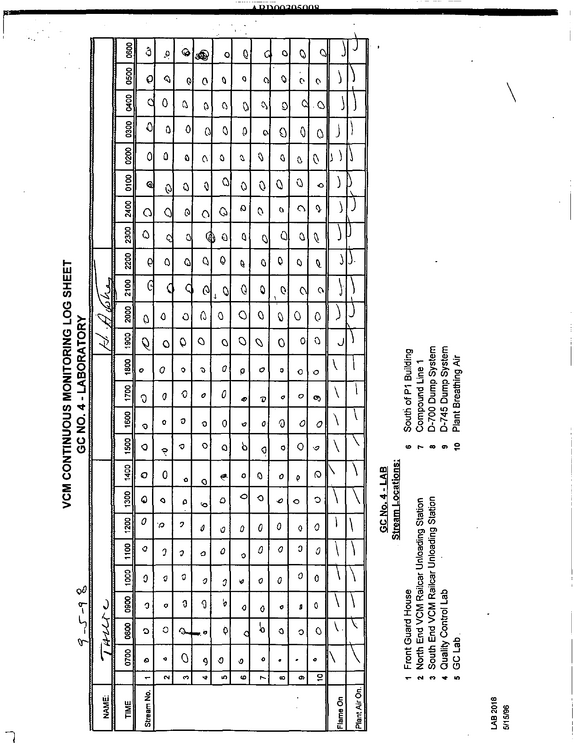
VCM CONTINUOUS MONITORING LOG SHEET GC NO. 4 - LABORATORY ABD00303856 Too<O0 Q 0 <-0 0 O 0G T 0G 3 vy 0500 2000 2100 2200 2300 2400 0100 | Go QQ o 00 Q \ so O % a 00 TY <0 0 G G \ 0300 Q o c- Q O o G 0 G G oo c YoCM Oo pi 0o 0 9 0 t 9 0 -7 G o o o o Cj e YO o rO 0 o 0 0 0 0 a \ a.
refid# QMJvbmK9pBepe6V2meOEG8VKk1 page
^% VCM CONTINUOUS MONITORING LOG SHEET GC NO. 4 - LABORATORY NAME: TIME Stream No.
refid# vVkKgERZzOmJwV6gJgLX3pwKR1 page
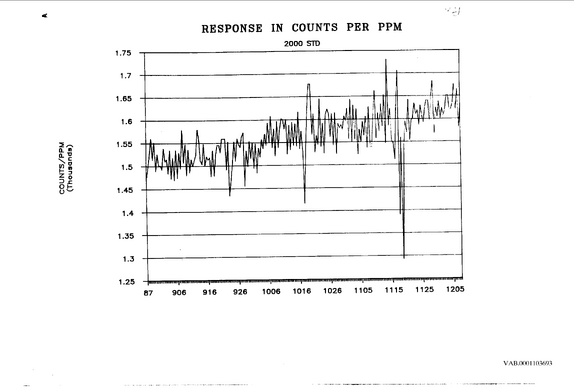
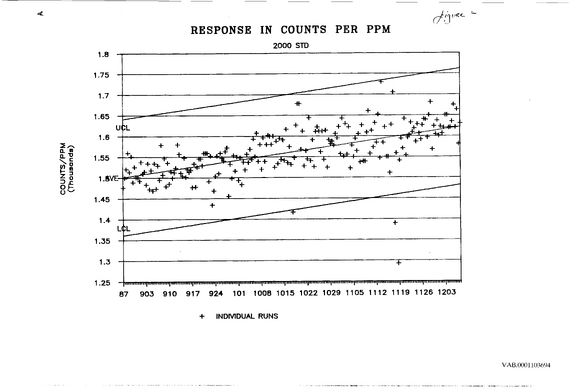
RESPONSE IN COUNTS PER PPM 2000 STD i COUNTS/PPM (Thousands) '14.
refid# J39XZxzyVz2j3aB4aRbQmLG3a7 pages