Refine
Estimated Years 2000-2009Clear
6,589 results foundRefine Search
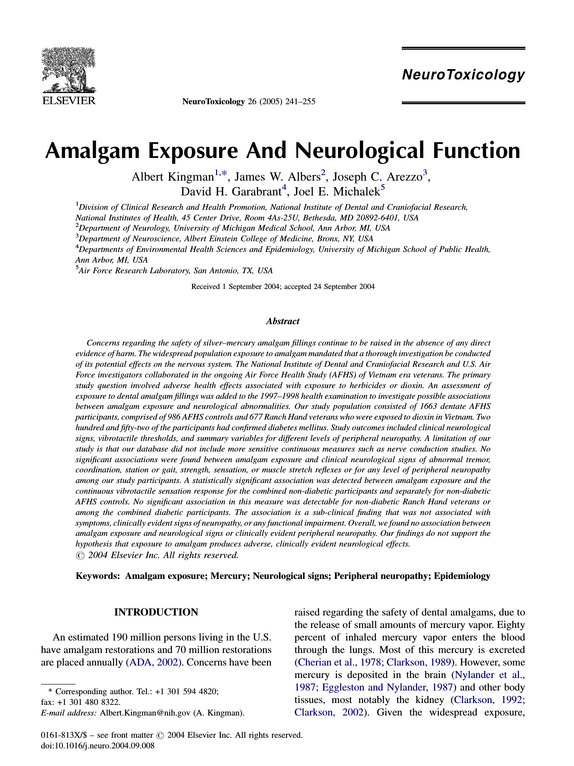
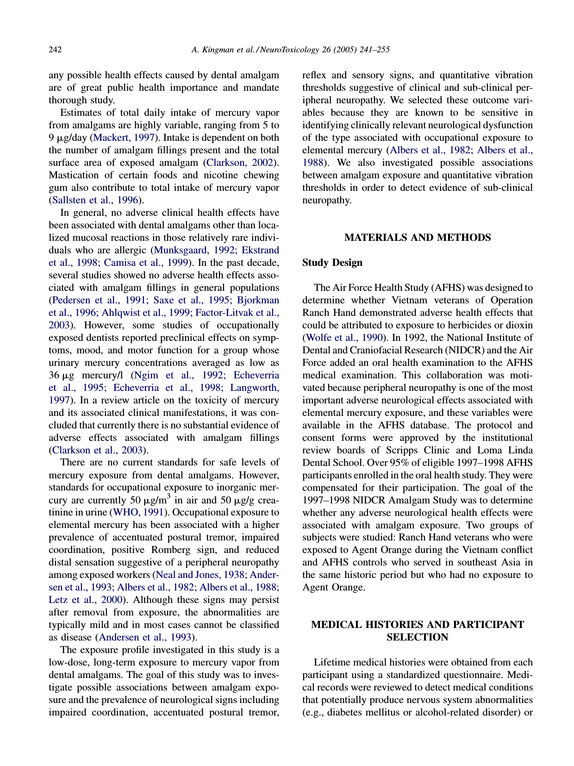
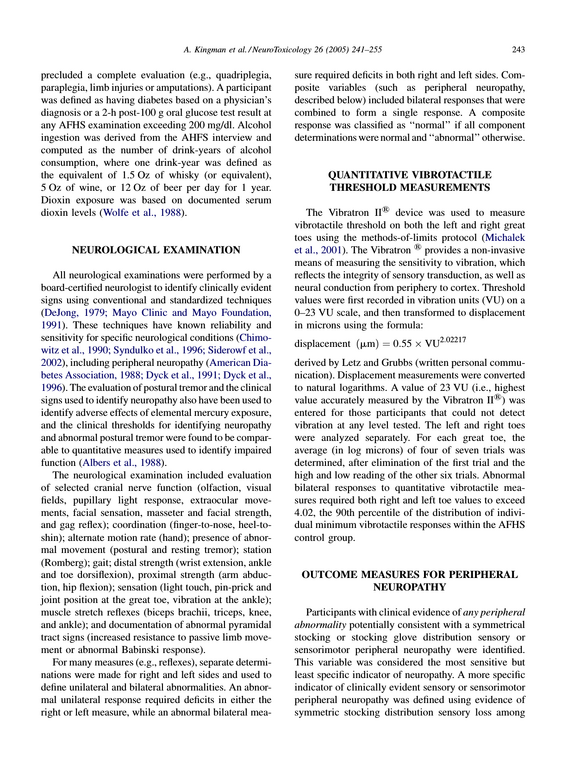
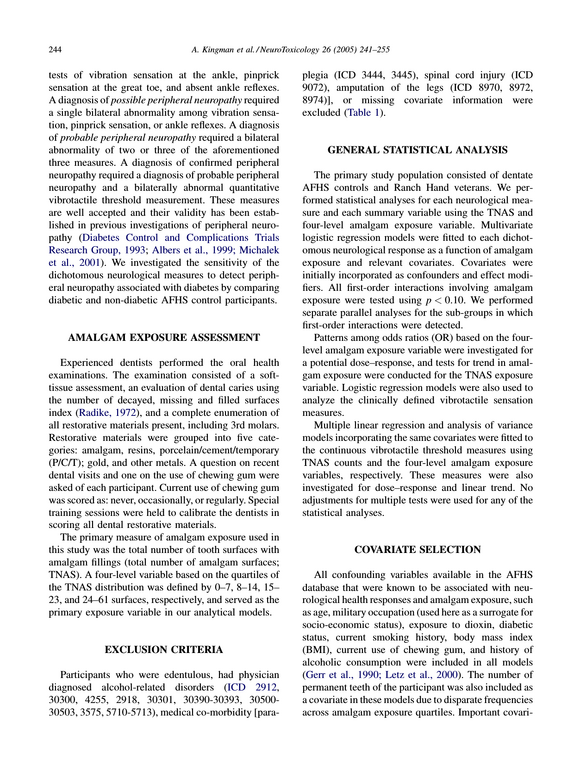
NeuroToxicology 26 (2005) 241255 Amalgam Exposure And Neurological Function Albert Kingman1,*, James W.
refid# VX2vgmLReX7xV23kx2nxYpMp15 pages
This article was published in the FMLA Policy, Practice, and Legal Update newsletter, by Business & Legal Reports, Inc.
refid# omaQ8X8J1KorXa9vZKLxxkp4r5 pages
Ministry of Defence Synopsis of Causation Colorectal Cancer Author: Dr Adrian Roberts, Medical Author, Medical Text, Edinburgh Validator: Professor Robin C N Williamson, The Royal Society of Medicine, London September 2008 Disclaimer This synopsis has been completed by medical practitioners.
refid# 82XOJdmx6LwZX9LDjzq77e77523 pages
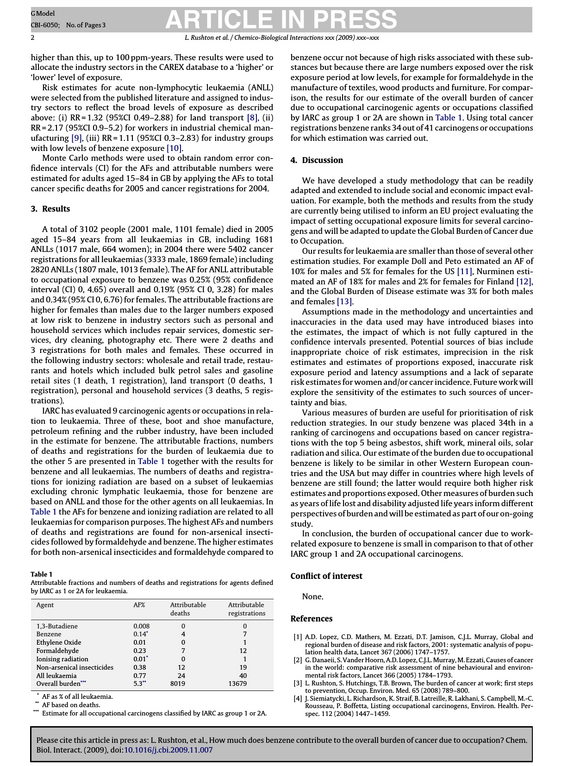
G Model CBI-6050; No. of Pages 3 ARTICLE IN PRESS Chemico-Biological Interactions xxx (2009) xxxxxx Contents lists available at ScienceDirect Chemico-Biological Interactions journal homepage: www.elsevier.com/locate/chembioint How much does benzene contribute to the overall burden of cancer due to occupation?

refid# DMgnbG38DOrRBe0g4Y9G7D04n3 pages
ASPHALTENE SUBFRACTIONS: NEW INSIGHT INTO HEAVY OIL CHEMISTRY John F.
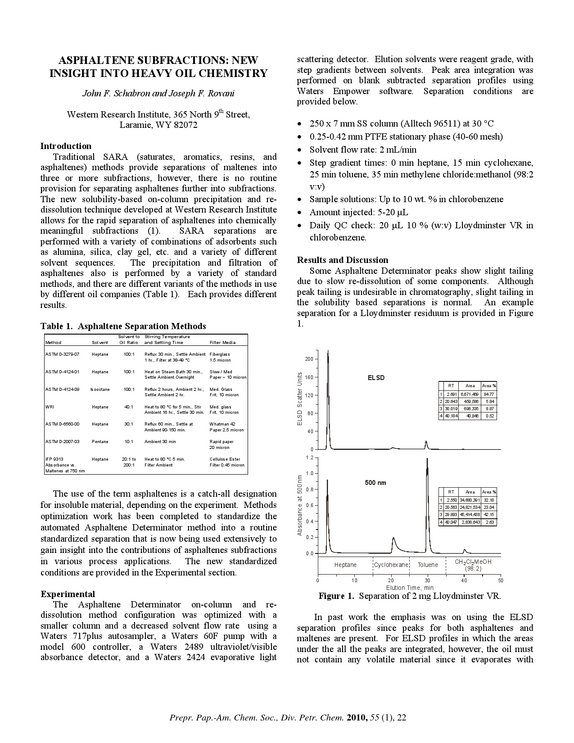
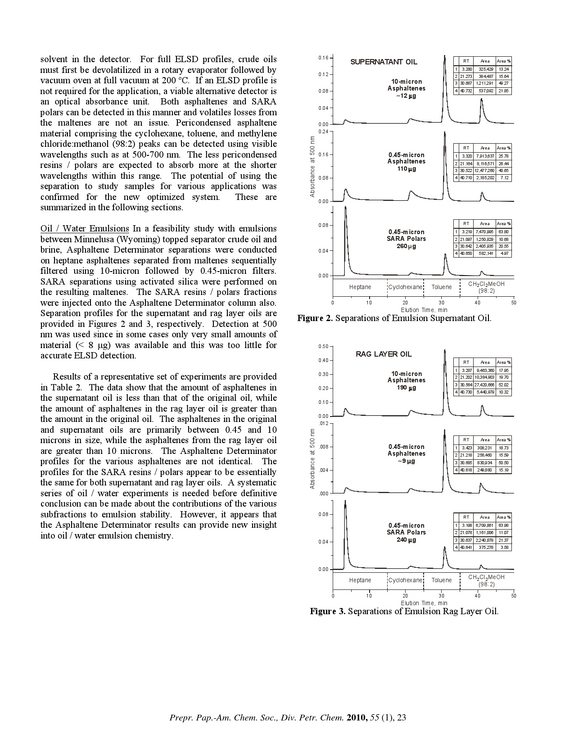
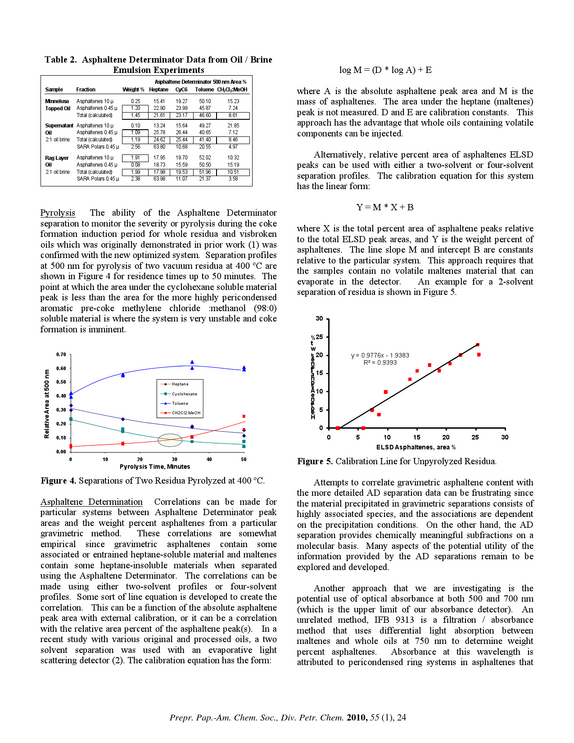
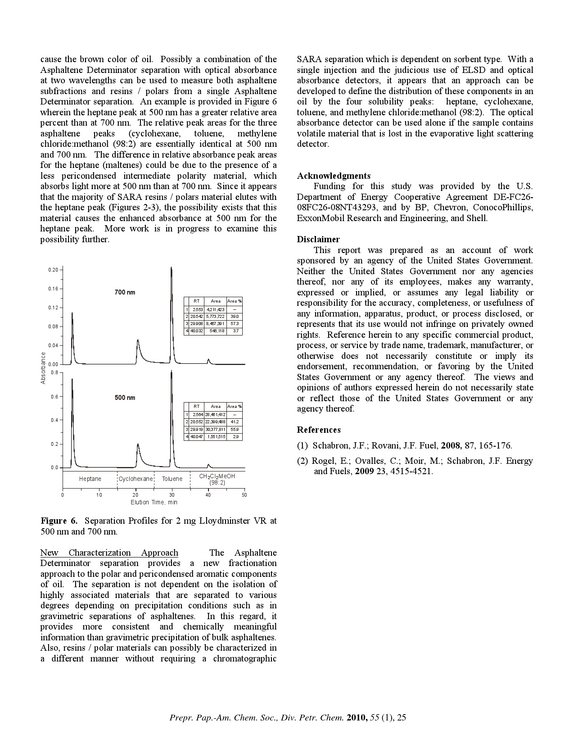
refid# zd0RR173y3wREpezVv2xzowjg4 pages
short report Polymorphisms in cytochrome P450 17A1 and risk of non-Hodgkin lymphoma Christine F.
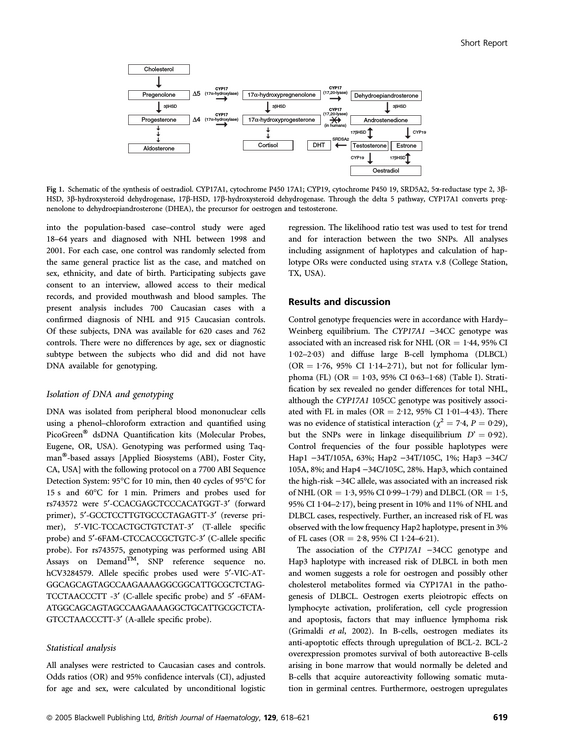
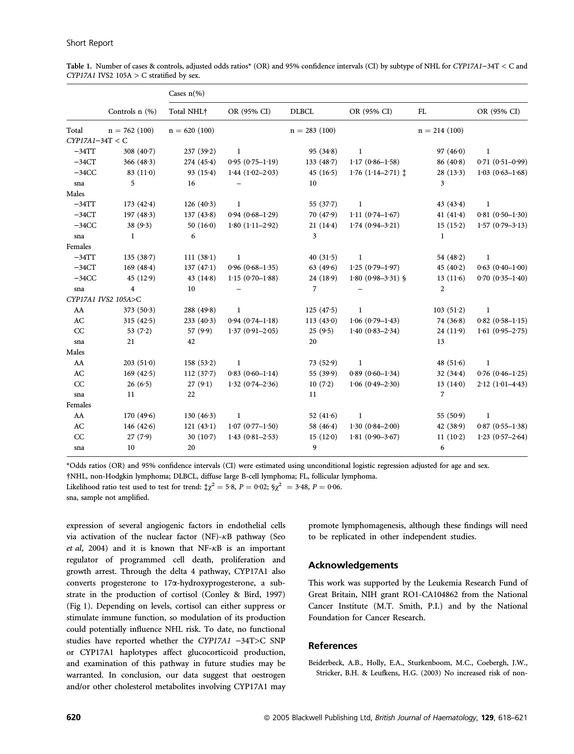
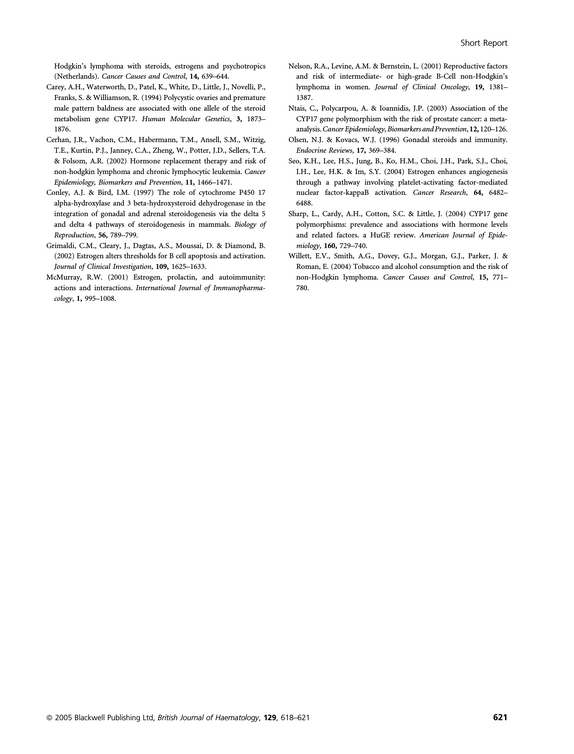
refid# Nk4E5jKdajnaJDeKme4jo92g4 pages
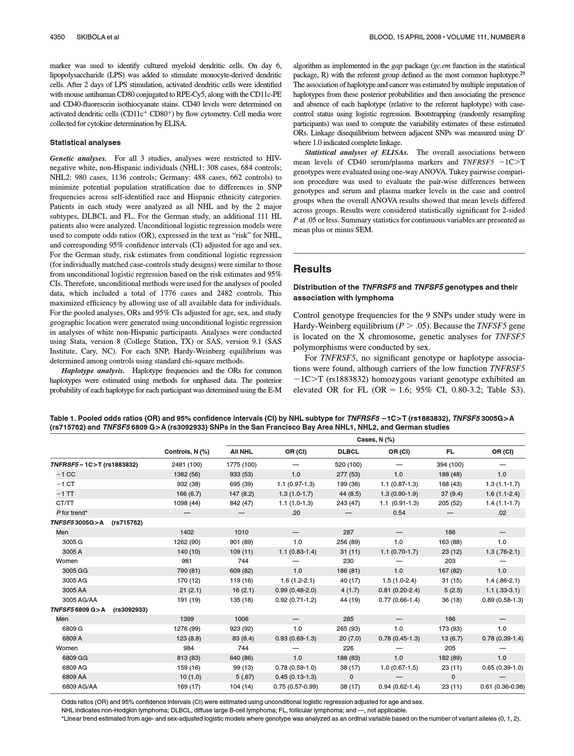
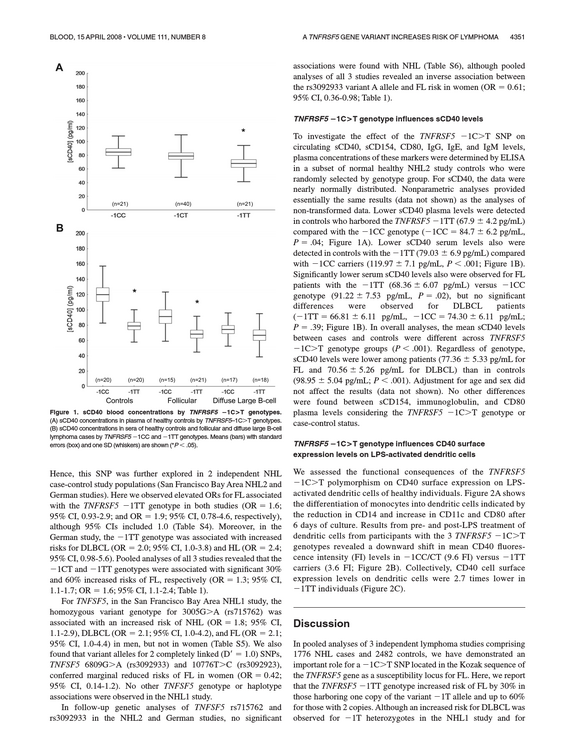
NEOPLASIA A functional TNFRSF5 gene variant is associated with risk of lymphoma Christine F.
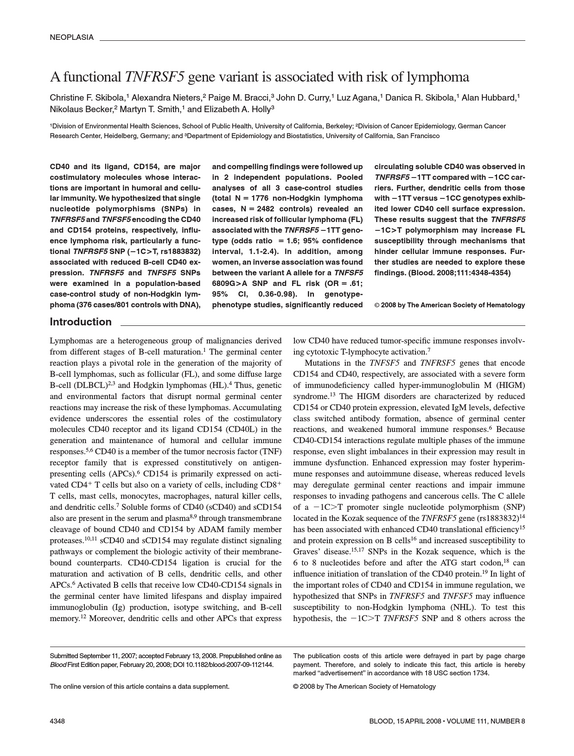
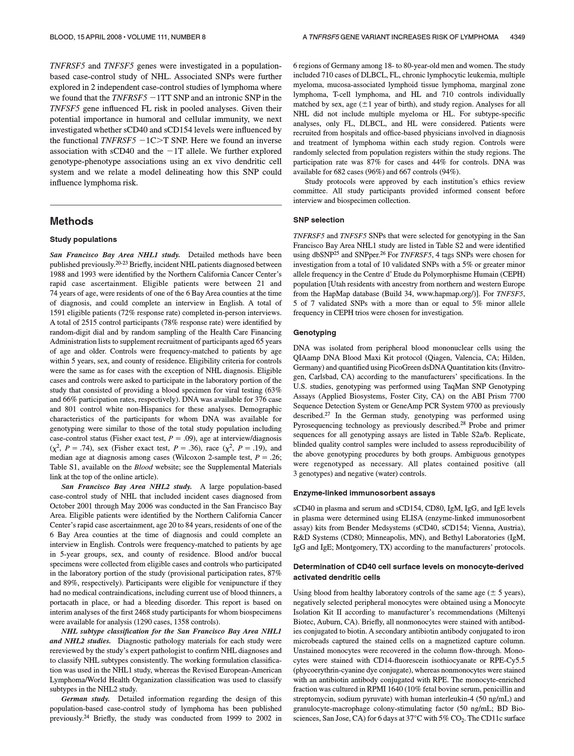
refid# 44RLR7zzzOJQKejX3bDO2O1ep7 pages
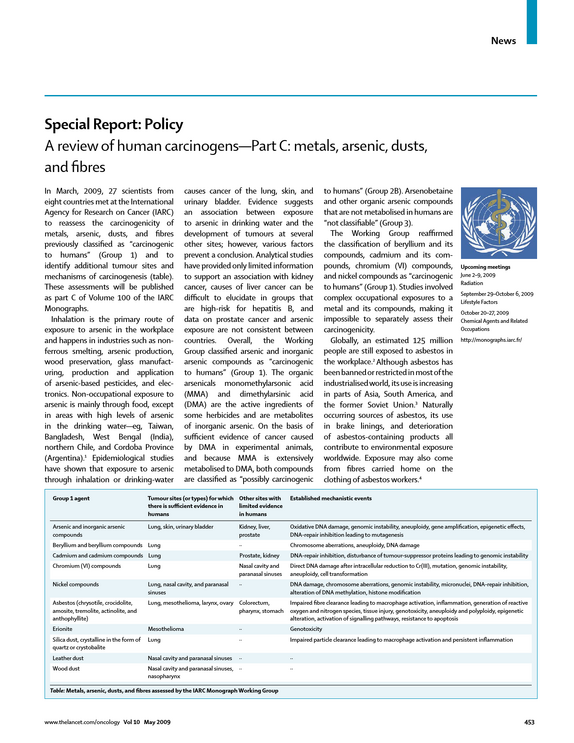
News Special Report: Policy A review of human carcinogens--Part C: metals, arsenic, dusts, and fibres In March, 2009, 27 scientists from eight countries met at the International Agency for Research on Cancer (IARC) to reassess the carcinogenicity of metals, arsenic, dusts, and fibres previously classified as "carcinogenic to humans" (Group 1) and to identify additional tumour sites and mechanisms of carcinogenesis (table).
refid# kmVrp3GgZaqjQ16LnbqOgx5rV2 pages
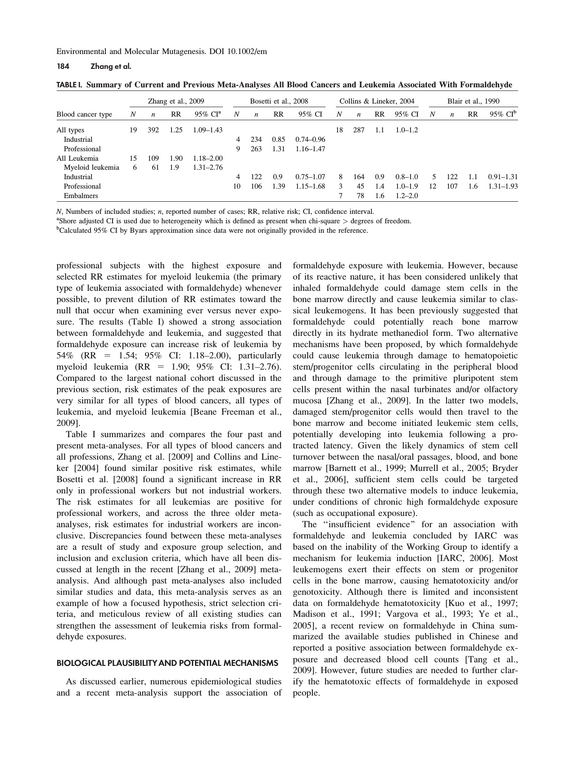
Environmental and Molecular Mutagenesis 51:181^191 (2010) Review Article Formaldehyde and Leukemia: Epidemiology, Potential Mechanisms, and Implications for Risk Assessment Luoping Zhang,1* Laura E.
refid# 1QmYG8MrYaYdXjJ0qy4J4nNaK11 pages
G Model CBI-6084; No. of Pages 8 ARTICLE IN PRESS Chemico-Biological Interactions xxx (2009) xxxxxx Contents lists available at ScienceDirect Chemico-Biological Interactions journal homepage: www.elsevier.com/locate/chembioint Review Systems biology of human benzene exposure Luoping Zhang a,, Cliona M.
refid# oD2XKgzDLqbGR31ZrVNra9zGo8 pages
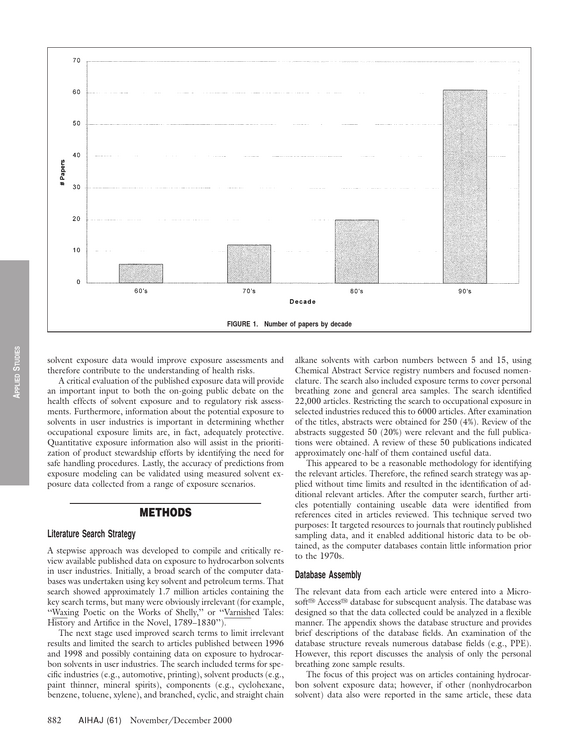
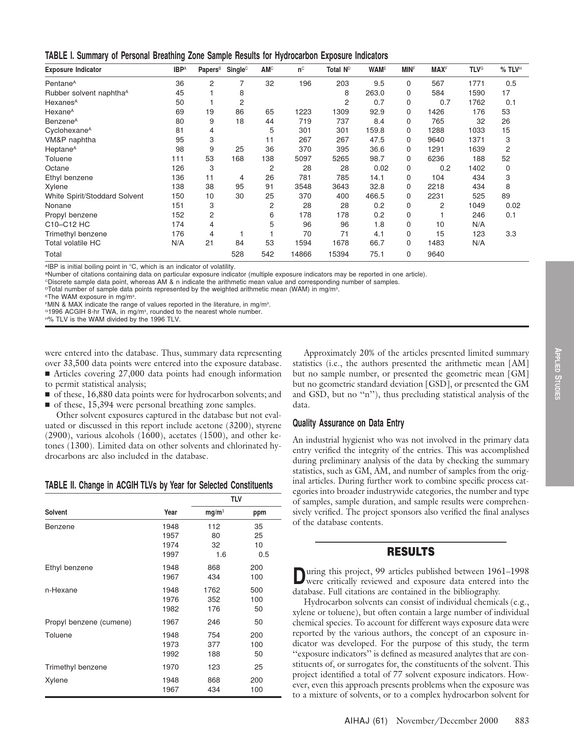
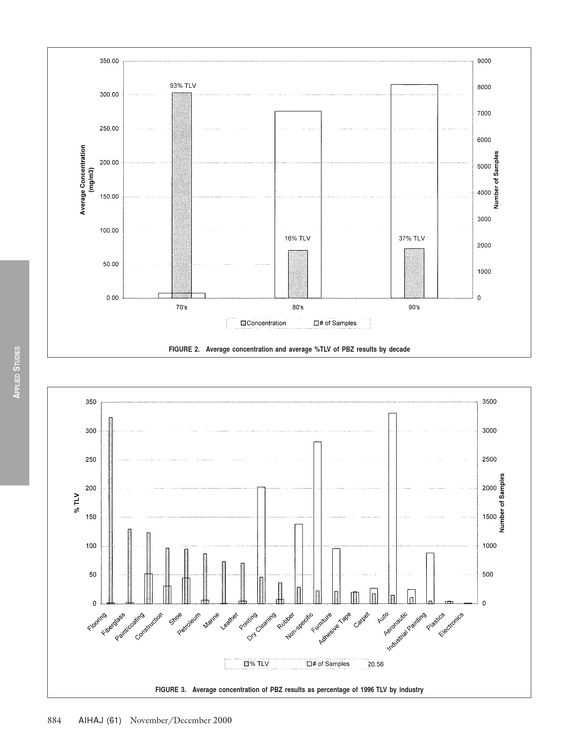
AIHAJ 61:881894 (2000) Ms. #158 AUTHORS Daniel J.
refid# qmJXJzO5oX0Zjgj4eKkGDxzKx14 pages
SJciinner nomlcal and strategic line^ u able email dieael unit* wQi ^ .
refid# O7Ze8yXeVx9vmwRqG35QbmEK1 page
82 POWER 0UYIRS' GUIDE MID.YEAR, BUYERS' GUIDE 4 ID-YEAR, 194 8 Automatic Temperature Control Co.
refid# z82r8emROzRovM1Q7q6vpjrg1 page
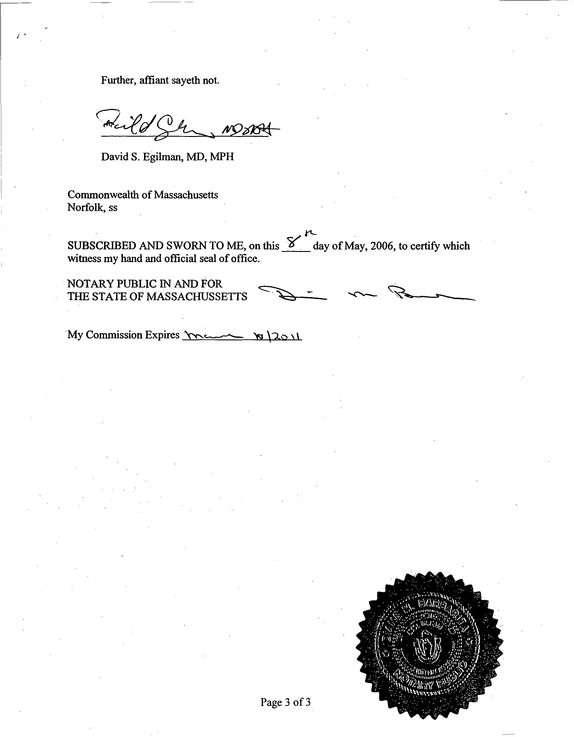
Further, affiant sayeth not.
refid# jBGxgXBQYJwp4N6Vo8z3x5Eak1 page
not noticed until losses at the speech fre quencies, 500, 1000 and 2000 Hz are 15 dB (ASA 1951) or 25 dB (ISO 1964) Substantial losses may occur at frequencies from 3000 to 6000 Hz without producing any subjective awareness of changes in heanng The pro duction of noise-induced hearing loss is a slow insidious process and years of exposure may elapse before anv significant noticeable loss of hearing occurs (Fig 45-5) Second, the deletenous effects of noiseexposure cannot be directly equated to the energy content of the noise That is, doubling the energy content m the noise does not pro duce twice the hearing loss It is logical that the larger the total energy content of the noise is the smaller will be the time of exposure re quired to produce the same amount of hear ing loss, but the exact relation between time and energy is not known Third, the total amount of heanng loss produced by noise-exposure depends on many more vanables than was thought ongmally Heanng loss varies with the type of exposure and its degree of intermittency, with the individual exposed, the total dura tion of the exposure, and with the degree of consistency of use of ear protection Noise-exposure and permanent heanng loss.
refid# 4QKrBRwYVje1rMaxQD2M7BMRQ1 page