Refine
Estimated Years 1980-1989Clear
14,918 results foundRefine Search
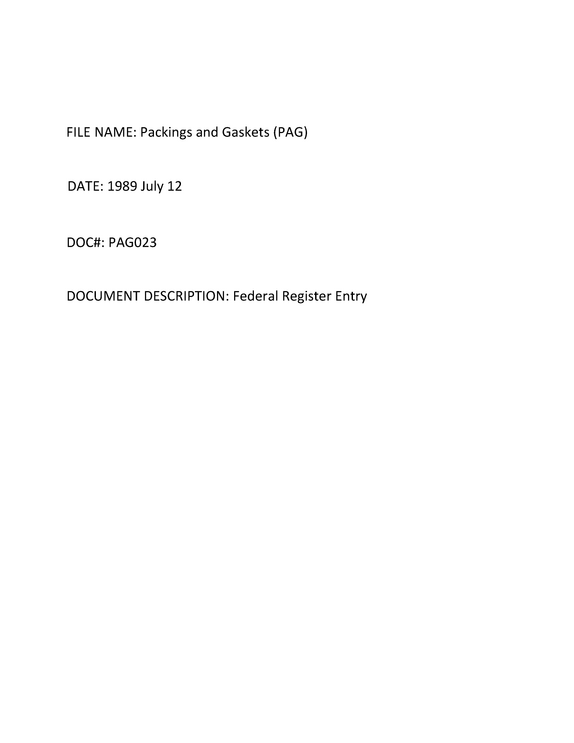
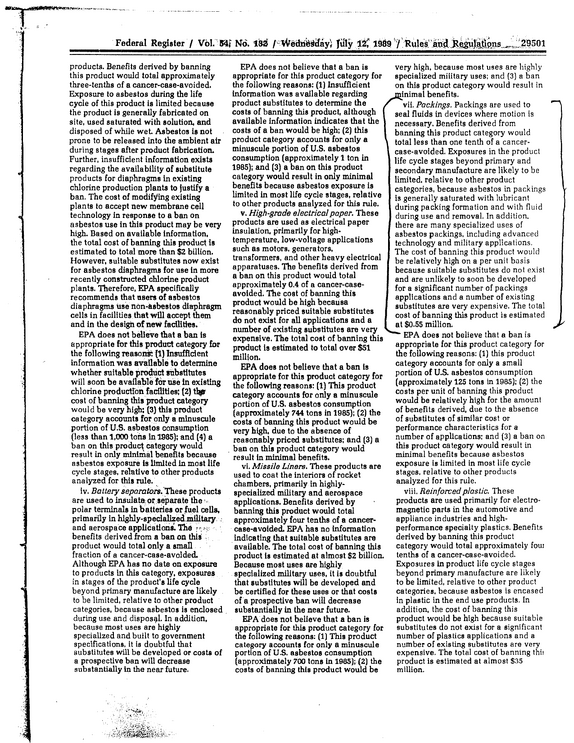
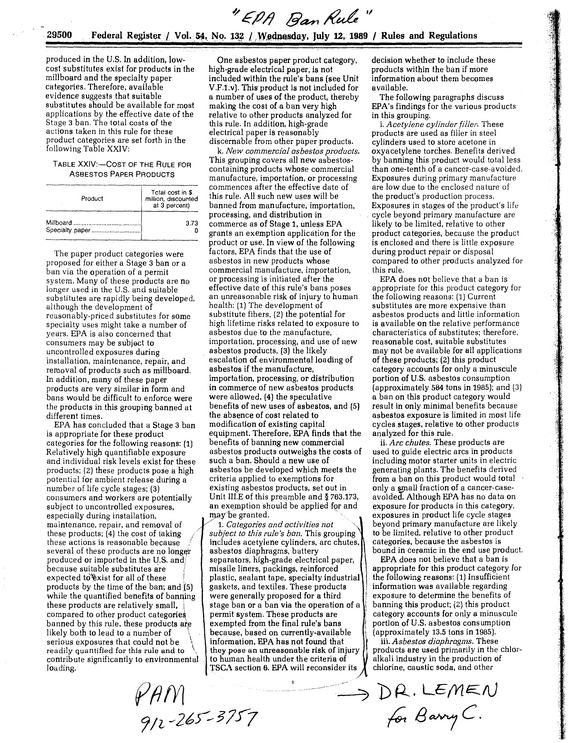
FILE NAME Packings and Gaskets PAG DATE 1989 July 12 DOC PAG023 DOCUMENT DESCRIPTION Federal Register Entry a i 4 wine Fete emp cette anim oe Federal Register / Vol No. 182 Wednesday July 12 1989 / Rules andRegulati29o5n0s1 products Benefits derived by banning EPA does not believe that a ban is this product would total approximately appropriate for this product category for tenths of a avoided the following reasons 1 Insufficient Exposure to asbestos during the life information was available regarding cycle of this product is limited because product substitutes to determine the the product is generally fabricated on costs of banning this product although site used saturated with solution and available information indicates that the disposed of while wet Asbestos is not costs of a ban would be high 2 this prone to be released into the ambient air product category accounts for only a during stages after product fabrication minuscule portion of U.S. asbestos Further insufficient information exists consumption approximately 1 ton in regarding the availability of substitute products for diaphragms in existing chlorine production plants to justify a ban The cost of modifying existing plants to accept new membrane cell technology in response to a ban on asbestos use in this product may be very high Based on available information the total cost of banning this product is estimated to total more than $ billion However suitable substitutes now exist for asbestos diaphragms for use in more recently constructed chlorine product plants Therefore EPA specifically recommends that users of asbestos diaphragms use asbestos diaphragm cells in facilities that will accept them and in the design of new facilities EPA does not believe that a ban is appropriate for this product category for the following reasons 1 Insufficient information was available to determine whether suitable product substitutes will soon be available for use in existing chlorine production facilities 2 the cost of banning this product category would be very high 3 this product category accounts for only minuscule portion of U.S. asbestos consumption less than 1,000 tons in 1985 and 4 a ban on this product category would result in only minimal benefits because asbestos exposure is limited in most life cycle stages relative to other products analyzed for this rule iv Battery separatorsThese products are used to insulate or separatethee polar terminals in batteries or fuel cells military primarily in specialized and aerospace applications The -- +: > 1985 and 3 a ban on this product category would result in only minimal benefits because asbestos exposure is limited in most life cycle stages relative to other products analyzed for this rule v grade electrical paper These products are used as electrical paper insulation primarily for hightemperature voltage applications such as motors generators transformers and other heavy electrical apparatuses The benefits derived from a ban on this product would total approximately 0.4 of a cancer avoided The cost of banning this product would be high becausa reasonably priced suitable substitutes do not exist for all applications and a number of existing substitutes are very expensive The total cost of banning this product is estimated to total over 51 million EPA does not believe that a ban is appropriate for this product category for the following reasons 1 This product category accounts for only a minuscule portion of U.S. asbestos consumption approximately 744 tons in 1985 2 the costs of banning this product would be very high due to the absence of reasonably priced substitutes and 3 a _ ban on this product category would result in minimal benefits vi Missile Liners These products are used to coat the interiors of rocket chambers primarily in highlyspecialized military and aerospace applications Benefits derived by banning this product would total approximately four tenths of a cancer- avoided EPA has no information benefits derived from a ban on thi-s. product would total only a small. fraction of a canceravoided indicating that suitable substitutes are available The total cost of banning this product is estimated at almost 2 billion Although EPA has no date on exposure Because most uses are highly to products in this category exposures specialized military uses it is doubtful in stages of the product's life cycle that substitutes will be developed and beyond primary manufacture are likely | be certified for these uses or that costs to be limited relative to other product of prospective ban will decrease categories because asbestos is enclosed | substantially in the near future during use and disposal In addition EPA does not believe that a ban is because most uses are highly appropriate for this product category for specialized and built to government the following reasons 1 This product specifications it is doubtful that category accounts for only a minuscule substitutes will be developed or costs of portion of U.S. asbestos consumption a prospective ban will decrease approximately 700 tons in 1985 the substantially in the near future costs of banning this product would be very high because most uses are highly specialized military uses and 3 a ban on this product category would result in minimal benefits vii Packings Packings are used to seal fluids in devices where motion is necessary Benefits derived from banning this product category would total less than one tenth of a cancer- avoided Exposures in the product life cycle stages beyond primary and secondary manufacture are likely to be limited relative to other product categories because asbestos in packings is generally saturated with lubricant during packing formation and with fluid during use and removal In addition there are many specialized uses of asbestos packings including advanced technology and military applications The cost of banning this product would be relatively high on a per unit basis because suitable substitutes do not exist and are unlikely to soon be developed for a significant number of packings applications and a number of existing substitutes are very expensive The total cost of banning this product is estimated at 0.55 million EPA does not believe that a ban is appropriate for this product category for the following reasons 1 this product category accounts for only a small portion of U.S. asbestos consumption approximately 125 tons in 1985 2 the costs per unit of banning this product would be relatively high for the amount of benefits derived due to the absence of substitutes of similar cost or performance characteristics for a number of applications and 3 a ban on this product category would result in minimal benefits because asbestos exposure is limited in most life cycle stages relative to other products analyzed for this rule viii Reinforced plastic These products are used primarily for electromagnetic parts in the automotive and appliance industries and highperformance specialty plastics Benefits derived by banning this product category would total approximately four tenths of a avoided Exposures in product life cycle stages beyond primary manufacture are likely to be limited relative to other product categories because asbestos is encased in plastic in the end use products In addition the cost of banning this product would be high because suitable substitutes do not exist for a significant number of plastics applications and a number of existing substitutes are very expensive The total cost of banning this product is estimated at almost 35 million ~\ pb 29500 EPA Ban Rule Federal Register/ Vol No. 132 / Wednesday July 12 1989 / Rules and Regulations produced in the U.S.
refid# 65bY8D66oYJZmdBDkmQwNO2vR3 pages
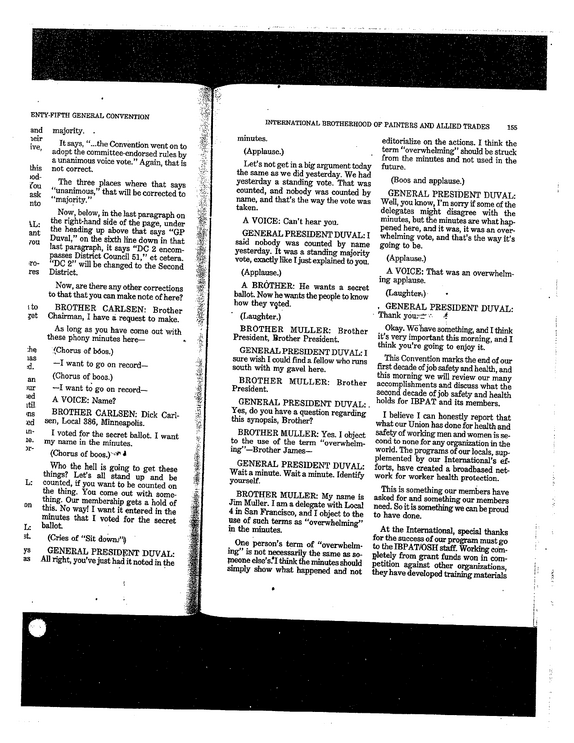
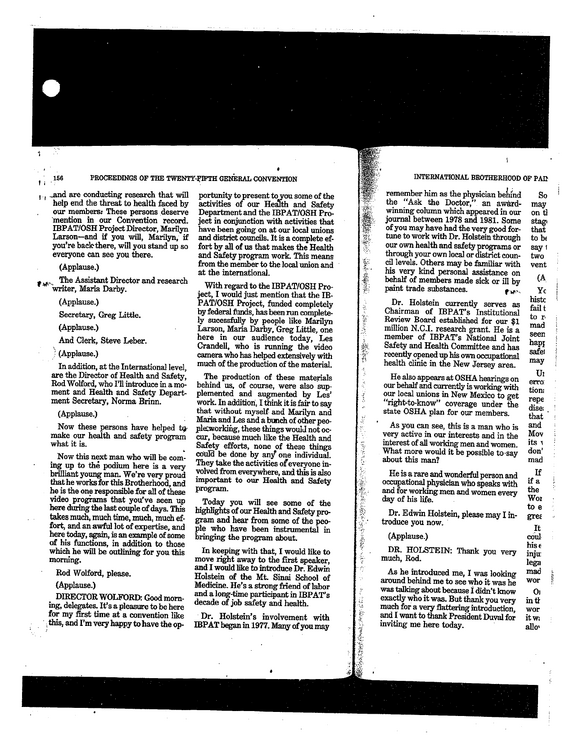
FILE NAME Painters and Allied Trades PAINT DATE 1984 Aug DOC PAINT031 DOCUMENT DESCRIPTION Conference Proceedings - International Brotherhood of Painters and Allied Trades THE ARTIN P.
refid# kDB89opJezQepRd4M4ojo10dy38 pages
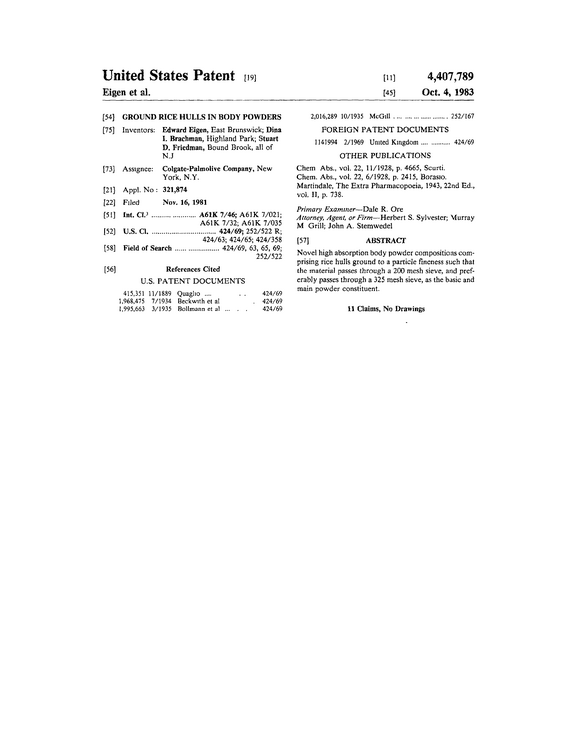
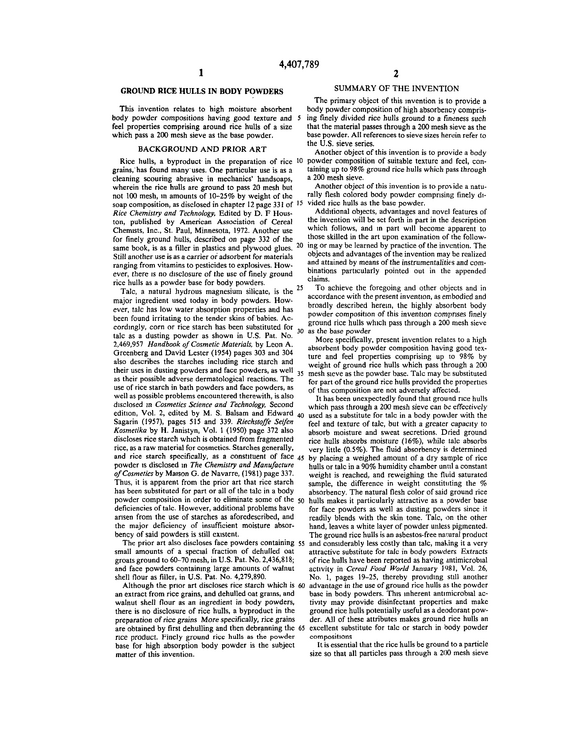
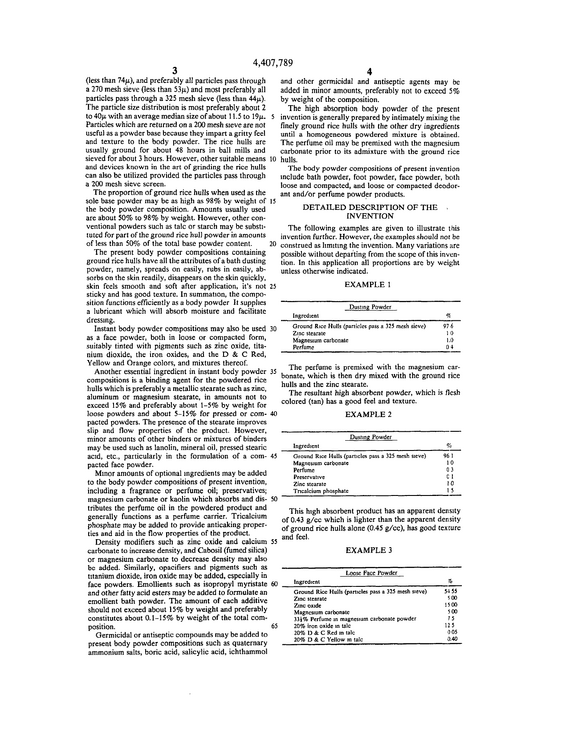
FILE NAME: Colgate (COL) DATE: 1983 Oct 4 DOC#: COL042 DOCUMENT DESCRIPTION: US Patent - Ground Rice Hulls in Body Powders United States Patent [i9] Eigen et al.
refid# 2RQ70mG588a6RkDgjyMKM5ob5 pages
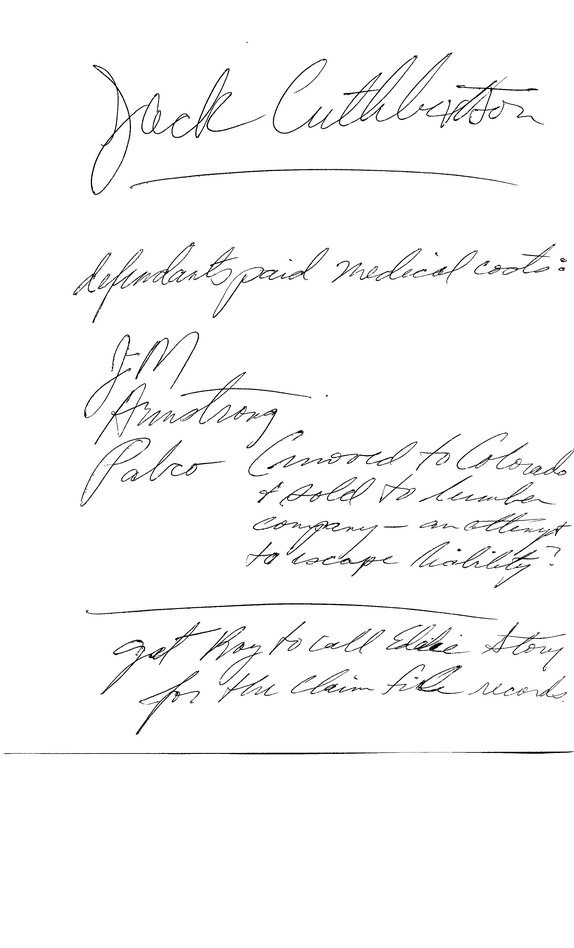
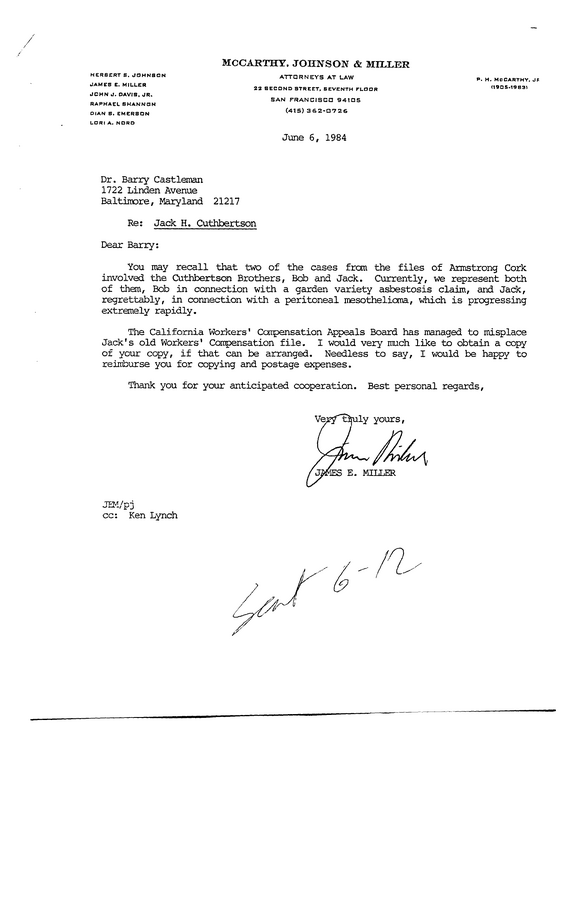
FILE NAME: Contract Unit Workers Comp Claims (WCC) DATE: 1984 DOC#: WCC016 DOCUMENT DESCRIPTION: Workers Comp File - Cuthbertson, Jack H Contains all documents found in the Claimant's file, with one blank page between each separate document HERBERT S.

refid# Dv2Kg611o4GYgXwY4BjK1v7kM206 pages
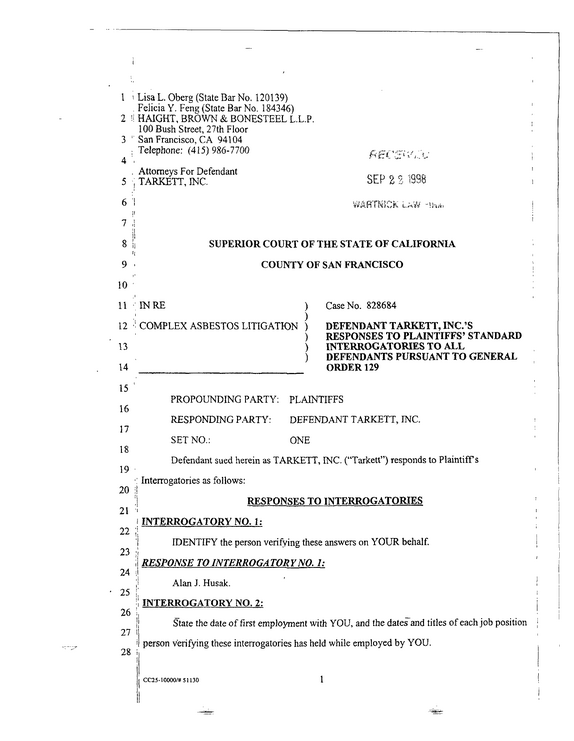
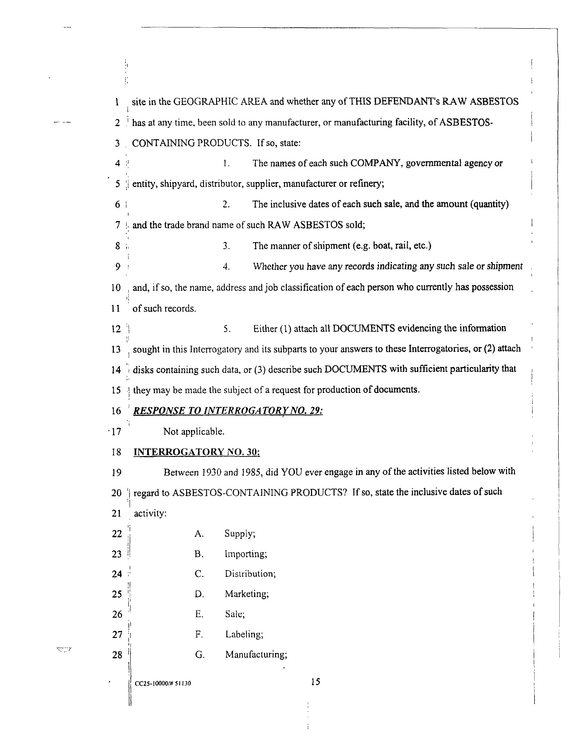
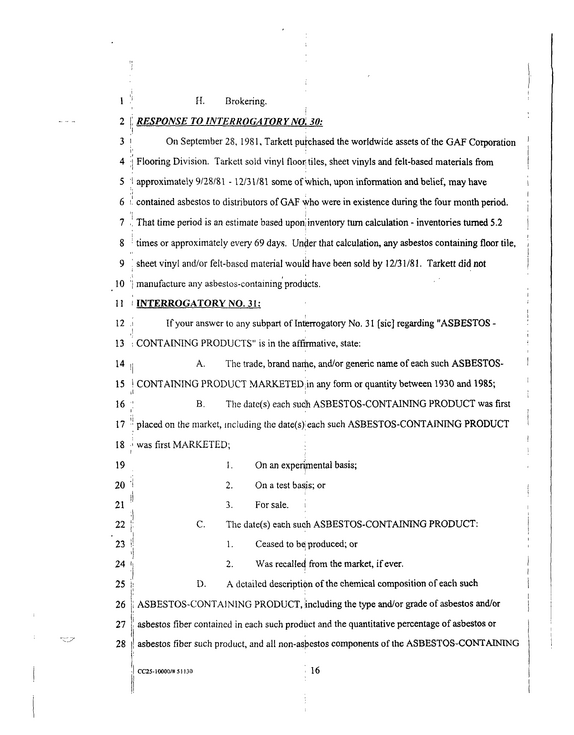
FILE NAME: Mannington Mills (MM) DATE: 1988 Sept 22 DOC#: MM005 DOCUMENT DESCRIPTION: Legal - Defendant Tarkett, Inc.'
refid# J3yp4en3on12xyvKgMoEBbjYO5 pages
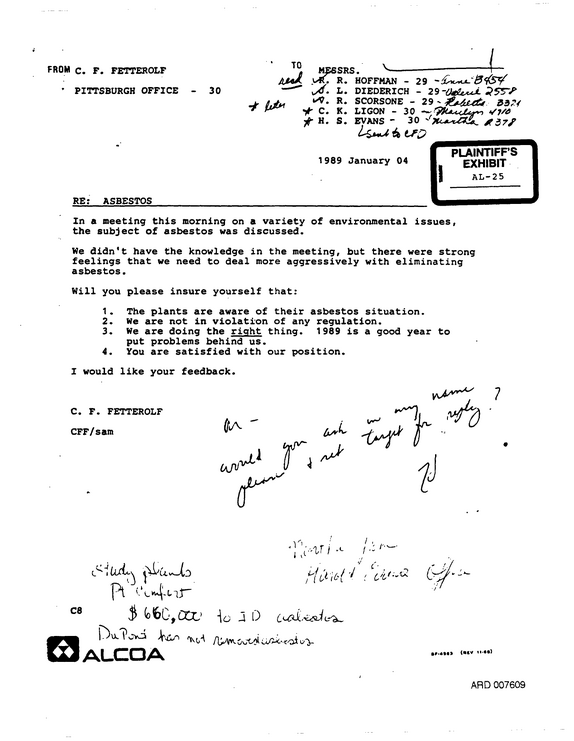
FROM c.
refid# kmX5dzo7yLrqK48j8av5e5kLJ1 page
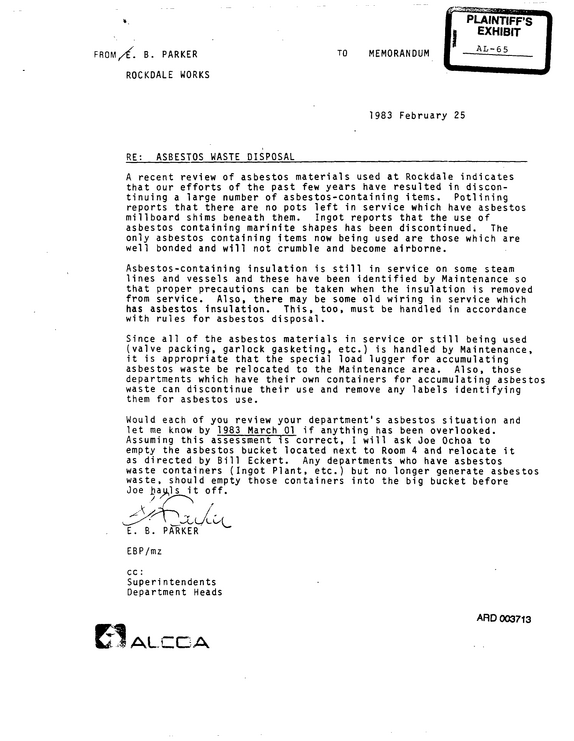
FROM//.
refid# MJ34BJ0e0VjL9aN7n3p4a0wXy1 page
appio.iclt ;tml it mil intruded lo b a ict'oiiimcndaiion for Any recipientt oilier lin n Alcoa.
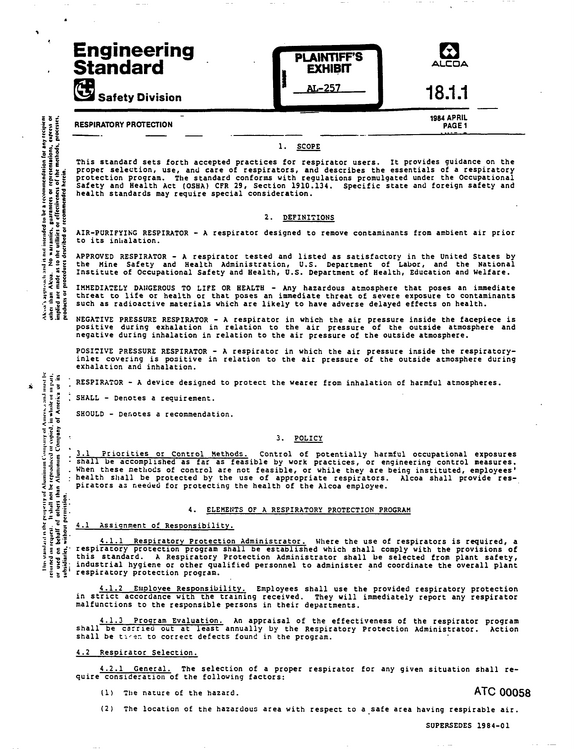
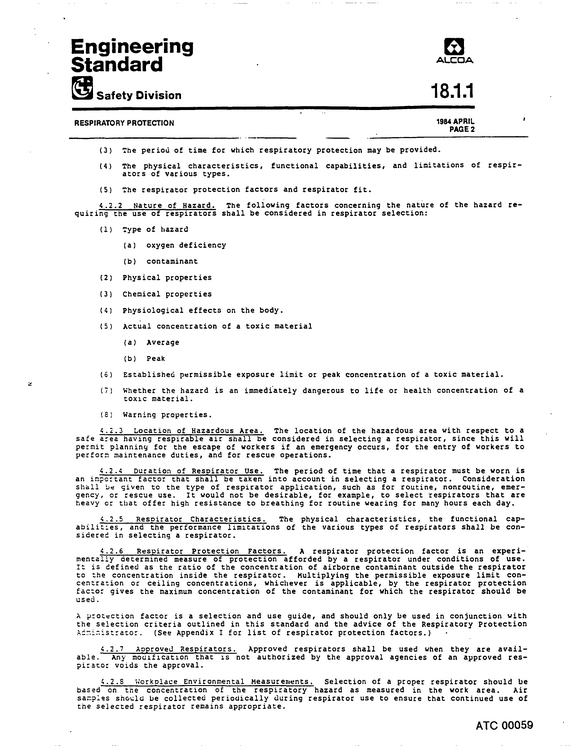
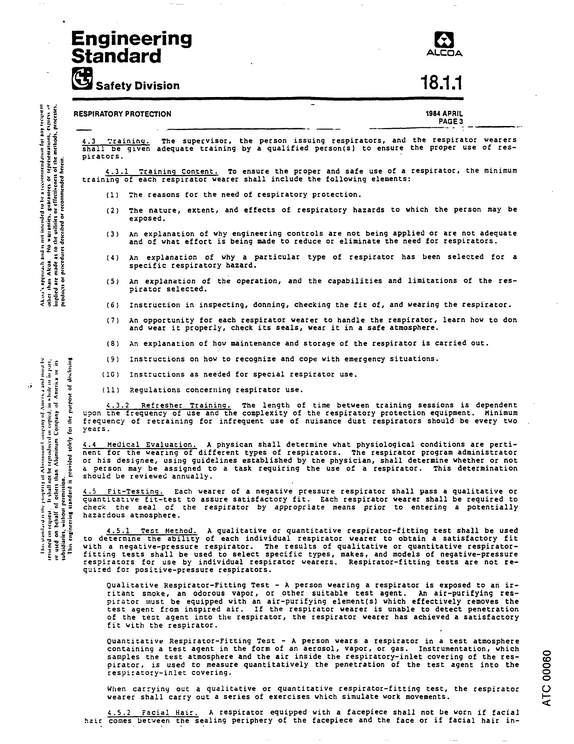
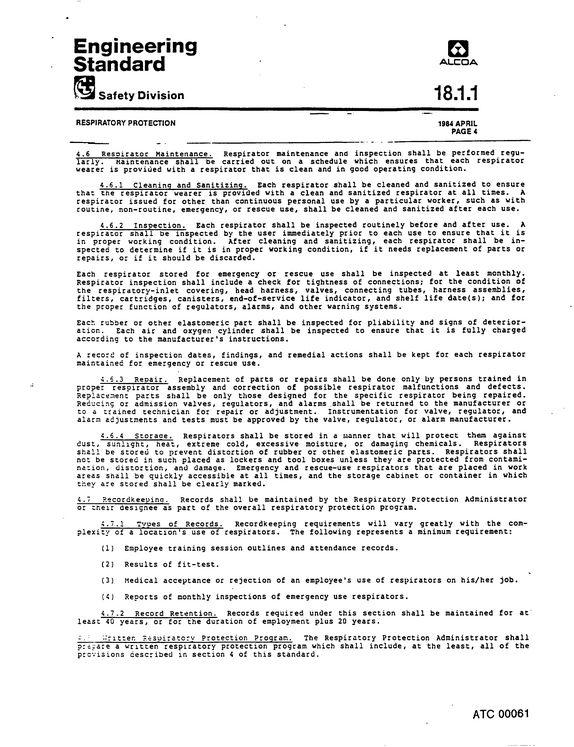
refid# 1Vb4Yd0QXJ5nmN1EVb0Ge7ja5 pages
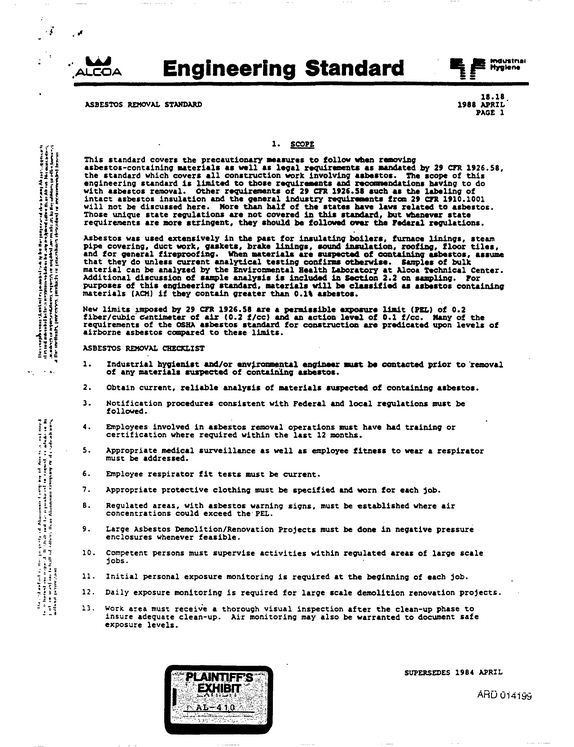
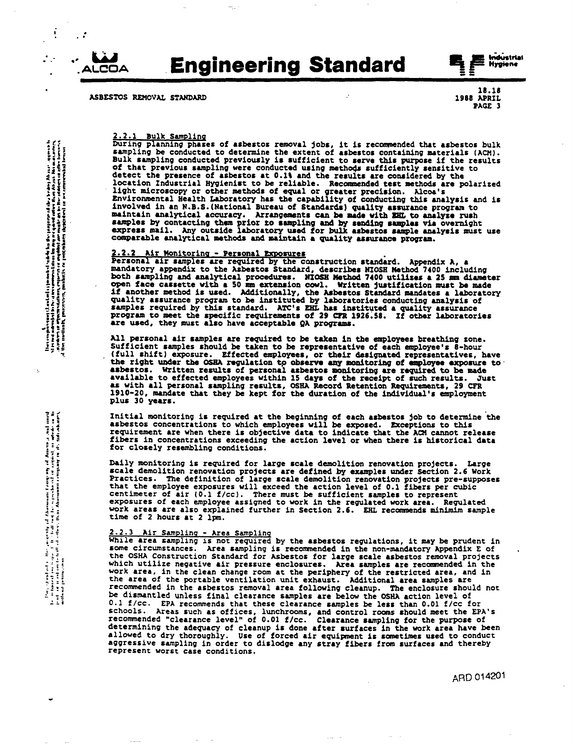
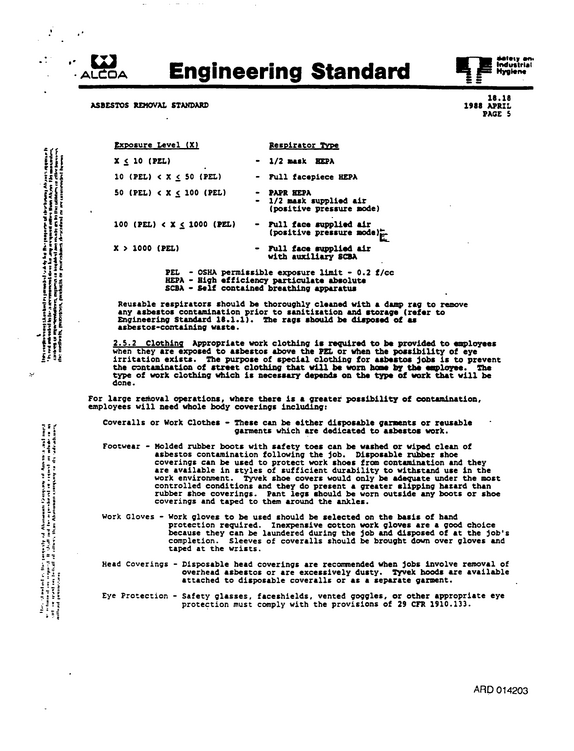
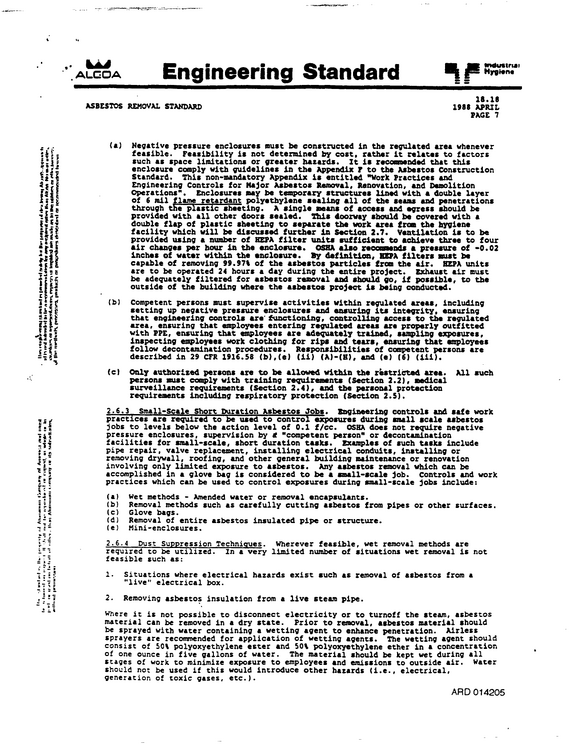
d t.a i A h *w l M l 4 ALCOA Engineering Standard ASBESTOS REMOVAL STANDARD Sf15' 18.18 1988 APRIL PAGE 1 1.
refid# GmwL3wBX5QzVe55E0jZ9dxGqr9 pages
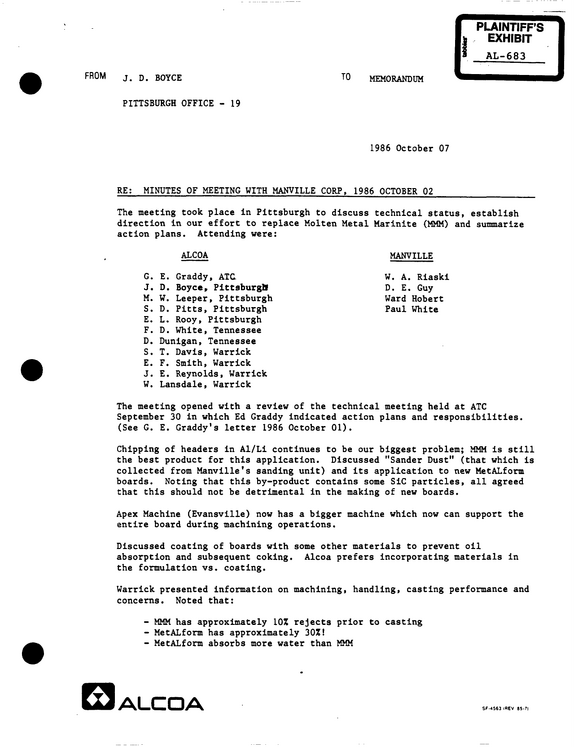
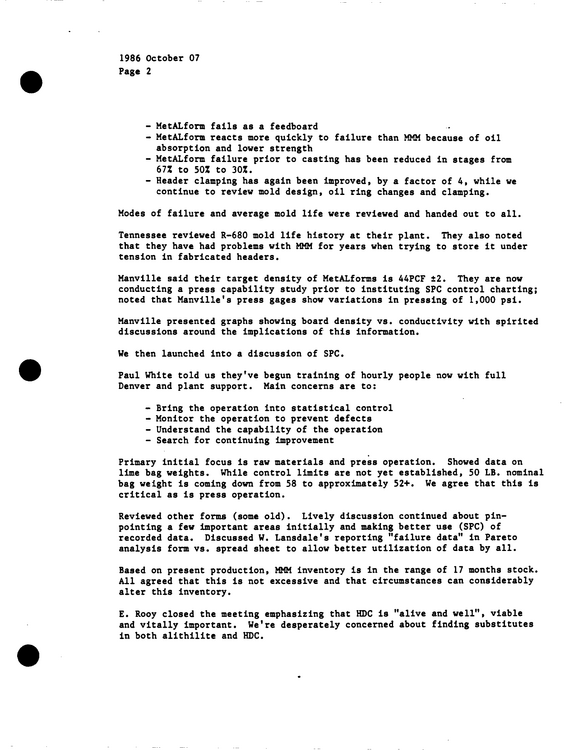
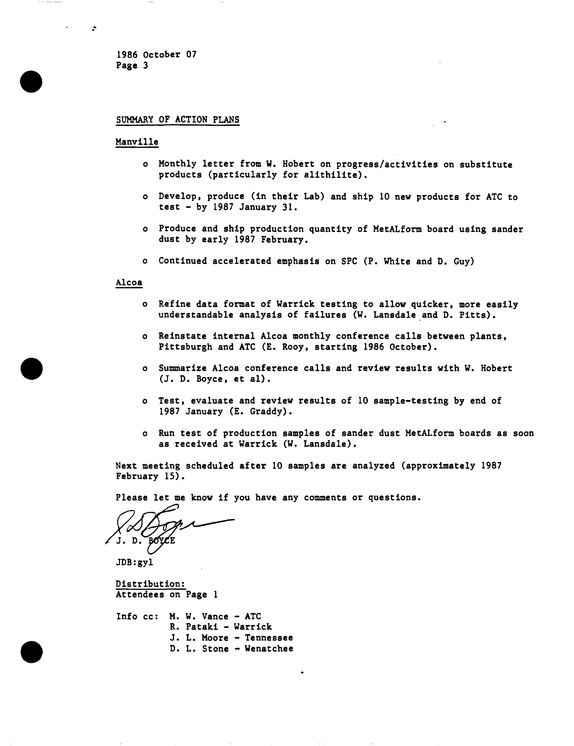
1986 October 07 RE: MINUTES OF MEETING WITH MANVILLE CORP, 1986 OCTOBER 02 The meeting took place in Pittsburgh to discuss technical status, establish direction in our effort to replace Molten Metal Marinite (MMM) and summarize action plans.
refid# vVgY4M63Q4dXNYR2qMvgnpRqw3 pages
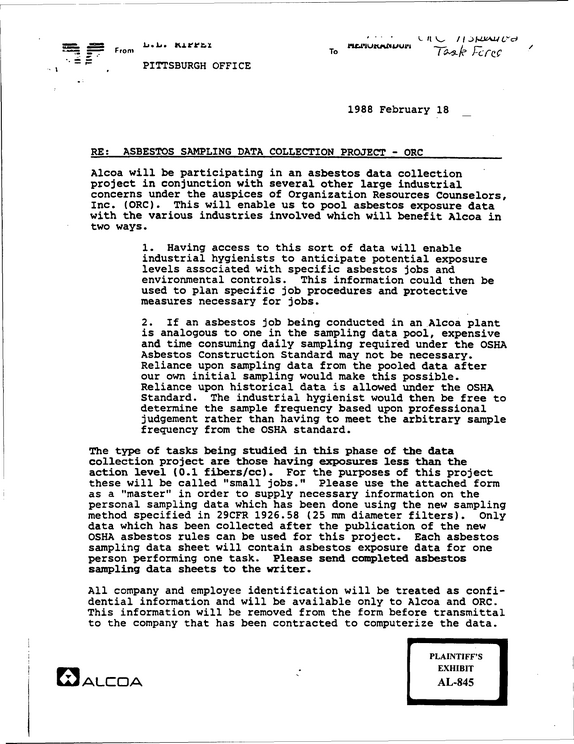
Li.L>.
refid# 9ee6319Op03q2qQrqDX1MjXp11 pages
r ttanvllto Products Corporation PO.
refid# jqBBqgmJQdEm4a8NK39gVw6N1 page
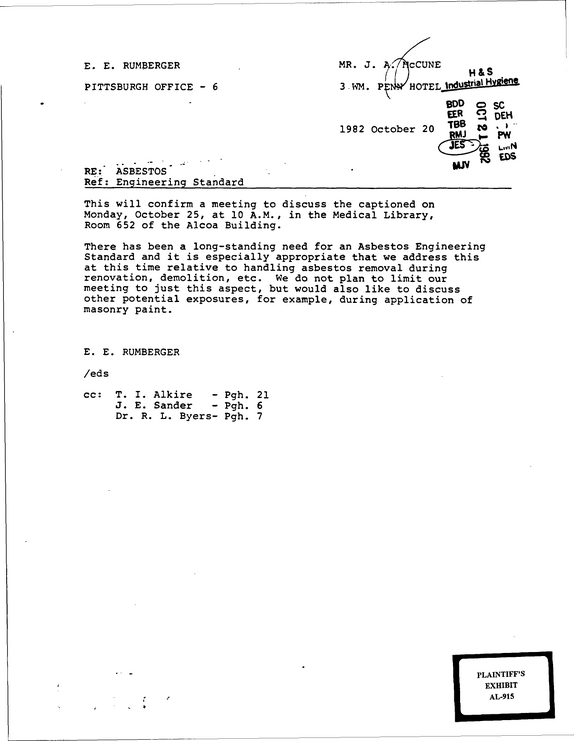
E.
refid# 1ywV1NR6g8Ka3wJ2nNN9mk99Z1 page
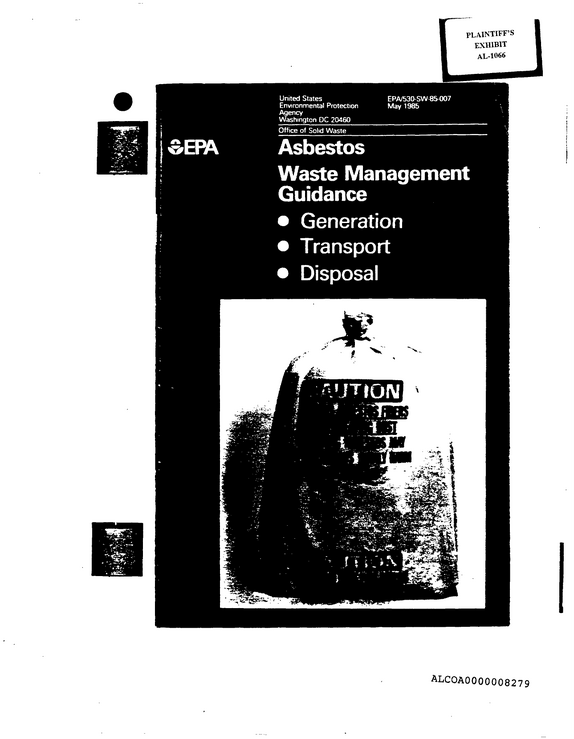
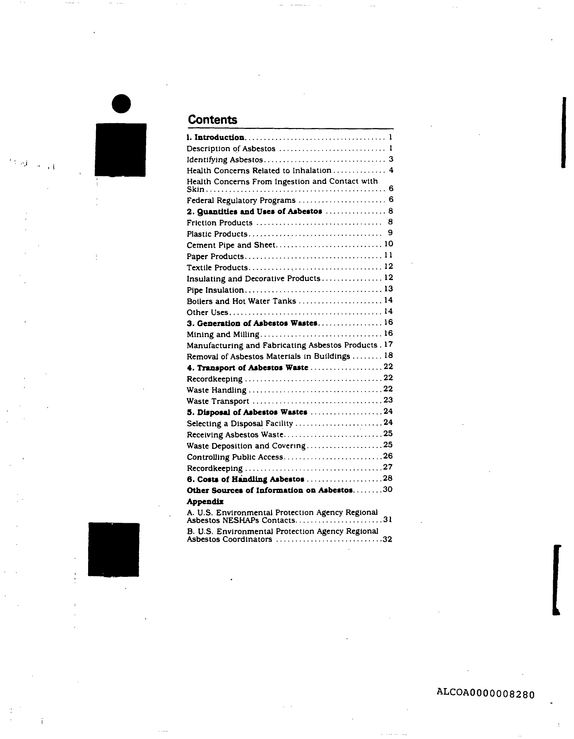
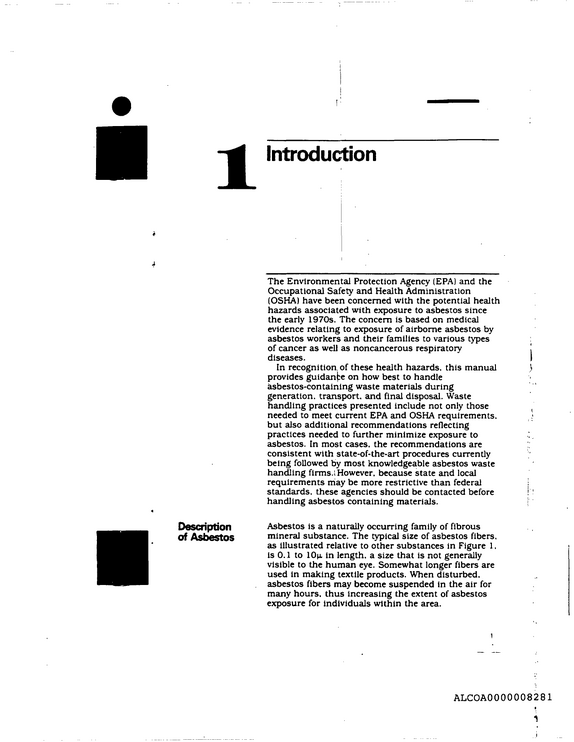
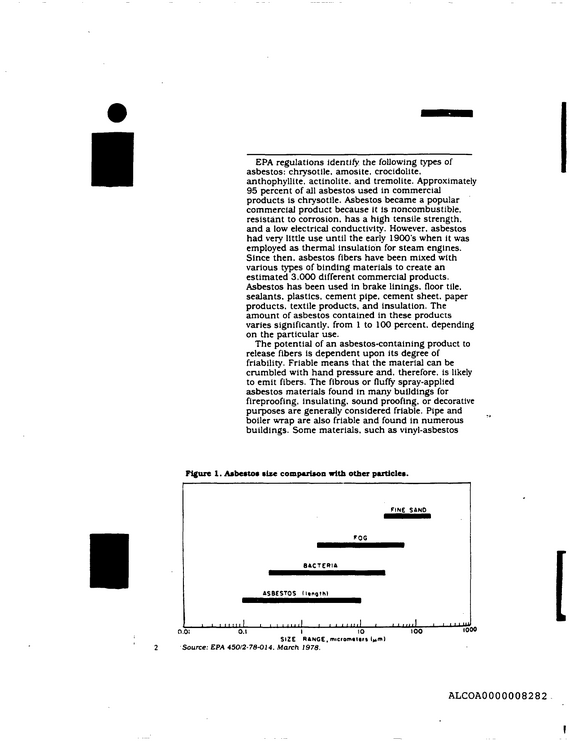
SEF\ PLAINTIFF'S EXHIBIT AL-1066 United States Environmental Protection Agency Washington DC 20460 Office of Solid Waste Asbestos EPA/530-SW-85-007 May 1985 Waste Management Guidance Generation Transport Disposal ALCOAOOOOOQ8279 Contents 1.
refid# Bb7BYRxoVwLVDR4kZ4VLdvG834 pages
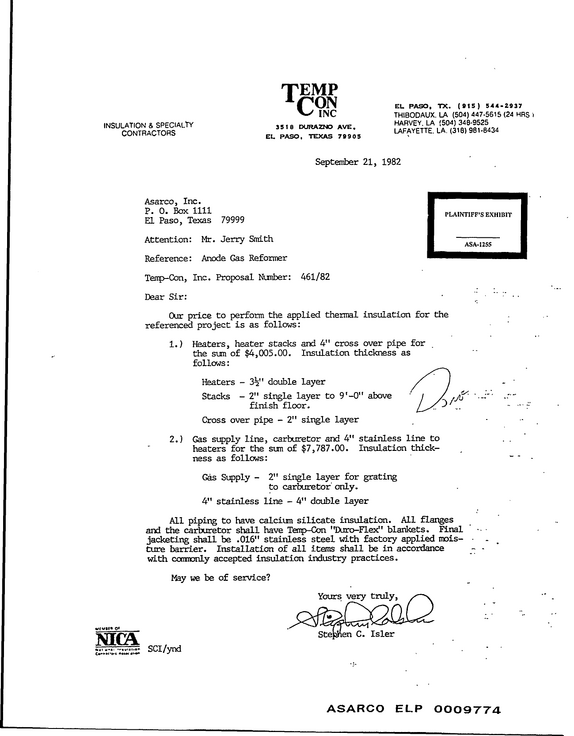
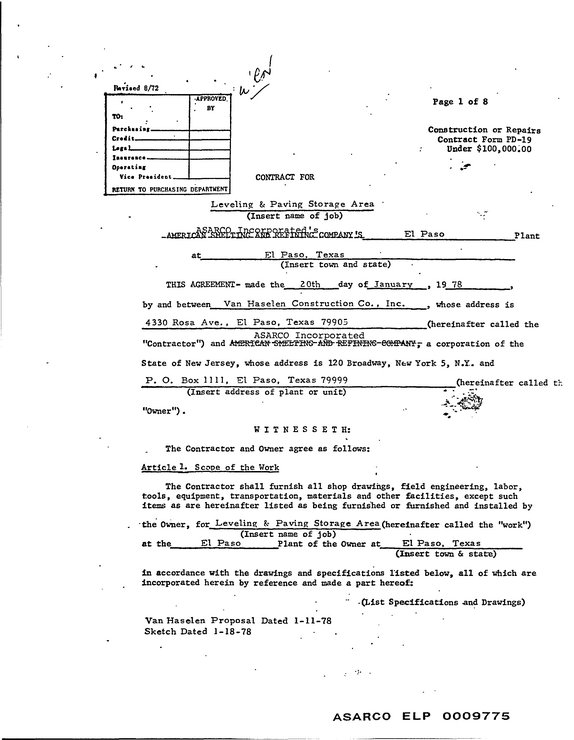
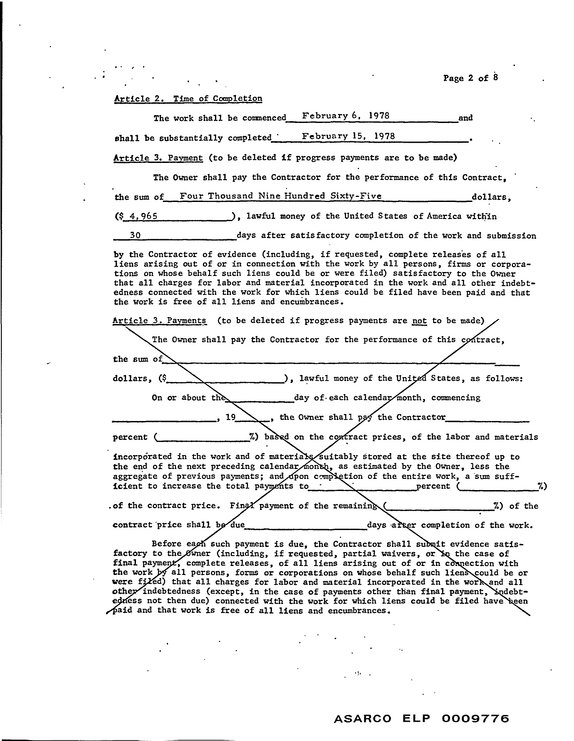
INSULATION & SPECIALTY CONTRACTORS Temp Von V> INC 3518 DURAZNO AVE.
refid# MMEdMd6qd4mRQmo8DoKXBLjLa34 pages